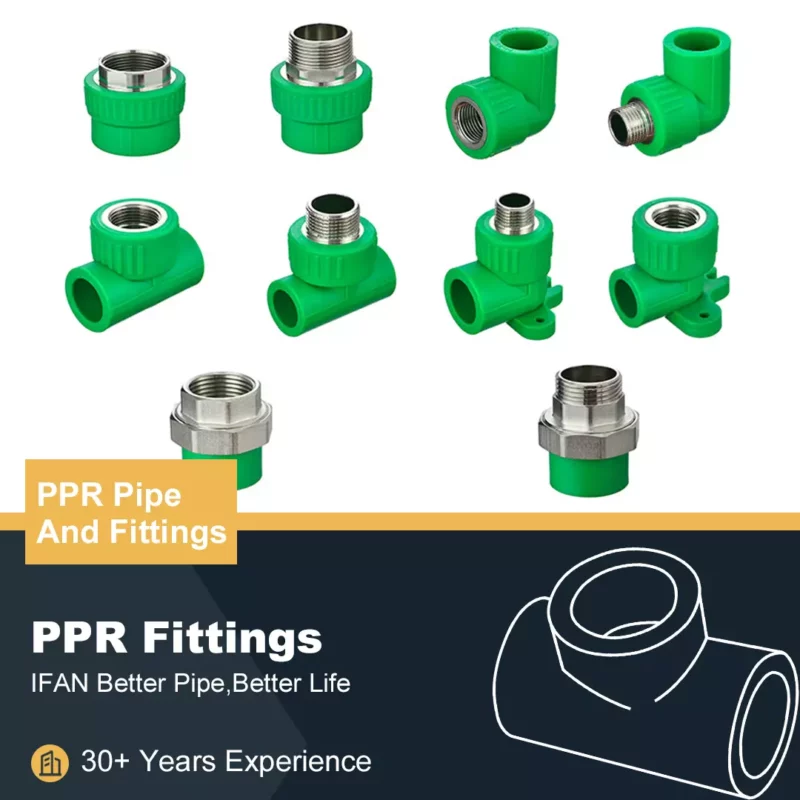
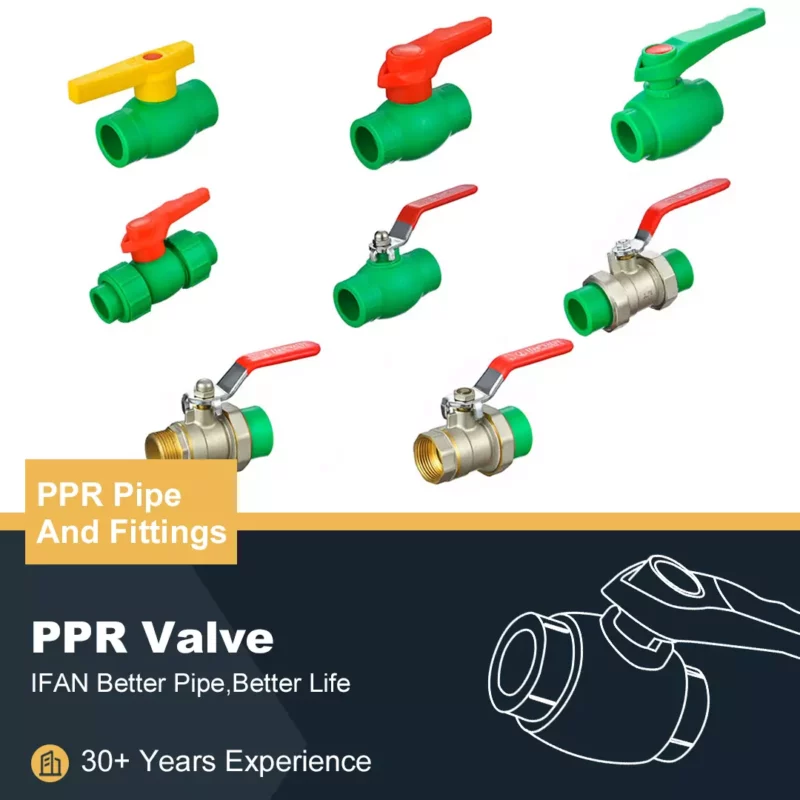


PPR Material Classification
PPR comes in different types. PPR Type 1 is homopolymer. PPR Type 2 is block copolymer. PPR Type 3 is random copolymer. Each has different properties. Temperature resistance varies significantly. Pressure ratings also differ.
Temperature Resistance Ranges
Standard PPR handles up to 70°C continuously. It can withstand 95°C for short periods. PPR-CT handles higher temperatures. It manages up to 90°C continuously. Check the manufacturer’s specifications. Never exceed rated temperatures.
Pressure Rating Differences
Pressure capacity depends on type. It also depends on pipe dimension ratio. Standard SDR ratings indicate strength. Lower SDR number means thicker wall. Higher pressure rating results. Choose the correct SDR class.
Application in Hot Water Systems
PPR is excellent for domestic hot water. It maintains water quality well. It does not corrode or scale. Energy loss is relatively low. Use appropriate pipe type. Ensure proper system design.
Cold Water Plumbing Applications
PPR works perfectly for cold water. It does not affect water taste. It resists chlorine in water. Installation is straightforward. Freeze resistance is moderate. Insulate in cold climates.
Chemical Transport Uses
PPR handles many chemicals. It resists acids and alkalis well. Industrial applications use special grades. Verify chemical compatibility first. Follow safety guidelines strictly. Use appropriate personal protection.
Heating System Applications
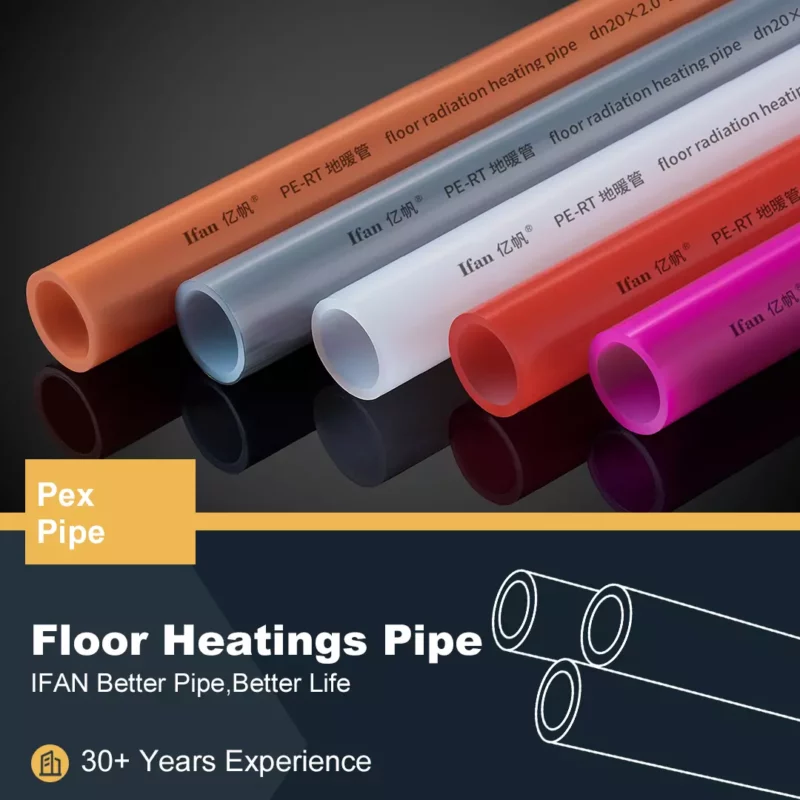
PPR works in radiator systems. It suits underfloor heating too. Use oxygen barrier types for heating. This protects metal components. Ensure proper expansion provisions. Design the system carefully.
Pipe Sizing and Dimension Standards
PPR uses metric outside diameters. Common sizes are 20mm, 25mm, 32mm. Wall thickness defines pressure class. Follow ISO and DIN standards. Use consistent sizing throughout. Match fittings to pipe size.
Color Coding and Identification
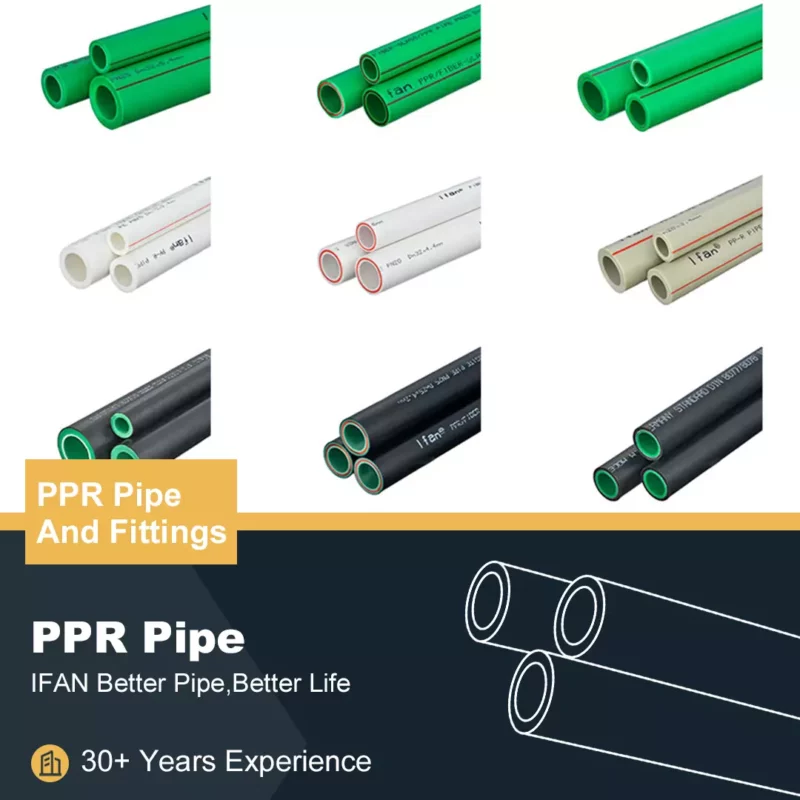
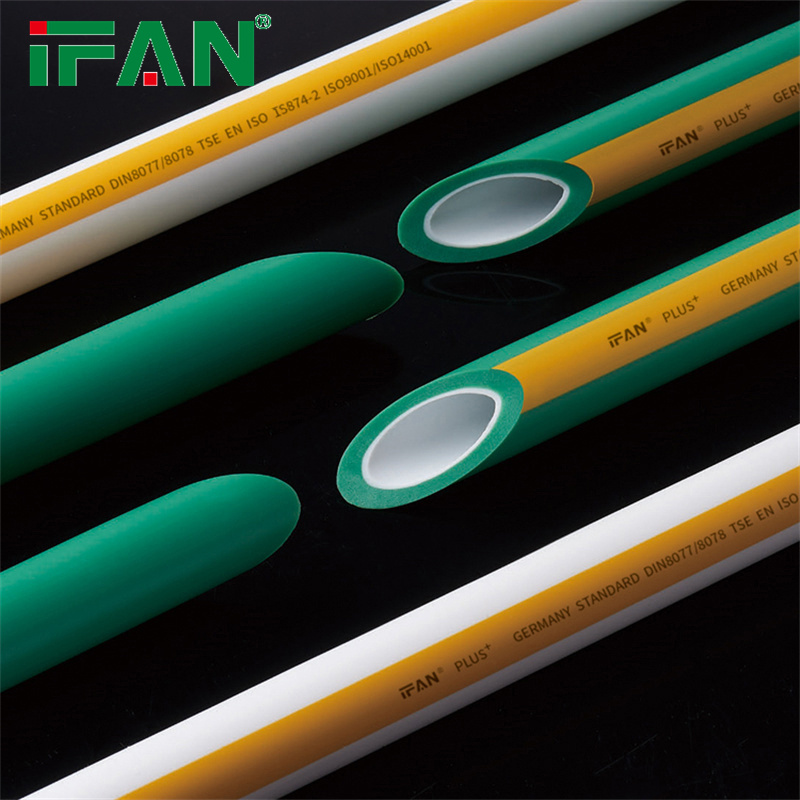
Green stripes often indicate standard PPR. Blue stripes may mark drinking water grade. Red stripes can indicate heating use. Gray pipes are for industrial use. Check manufacturer’s color code. Proper identification prevents errors.
Installation Environment Considerations
PPR is not UV resistant. Protect from direct sunlight. Use protective sleeves outdoors. Indoor installation is preferred. Avoid high temperature areas. Maintain proper support spacing.
System Design Best Practices
Allow for thermal expansion. Use expansion loops if needed. Support pipes adequately. Minimize joints where possible. Plan for easy maintenance. Follow all local codes.
Quality Assurance and Testing
Buy from reputable manufacturers. Look for certification marks. Test samples if possible. Keep installation records. Train installers properly. Quality ensures long service life.
If you have read this article and have any questions, please feel free to contact IFAN. Below is our contact information:
Whatsapp:+86 13373827623
Email:[email protected]