


Introduction to HDPE Materials
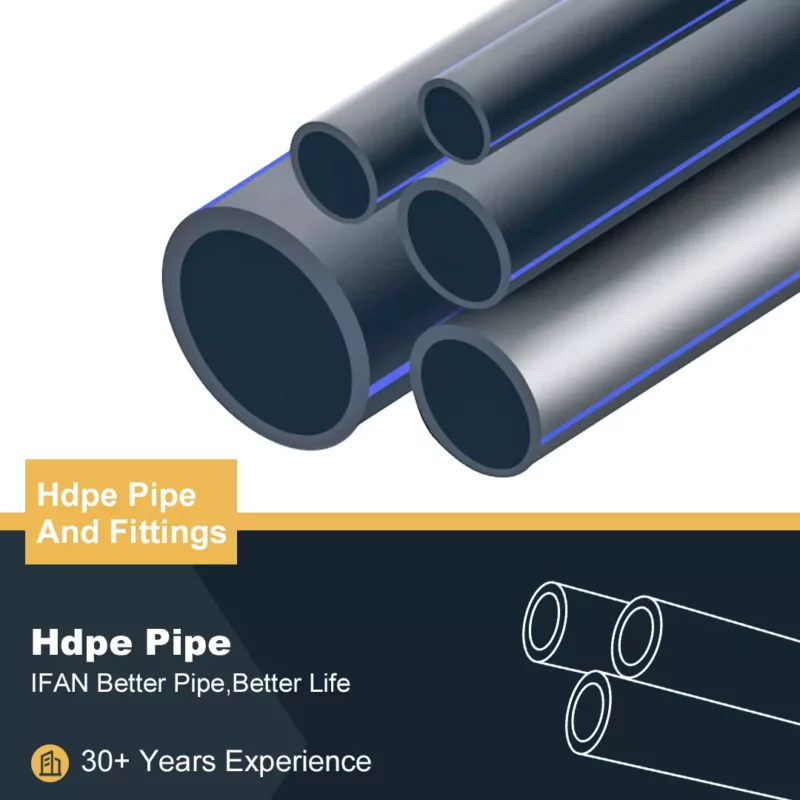
High-Density Polyethylene is a strong polymer. It is perfect for pipe fittings. This material resists corrosion very well. It handles high pressure effectively. Its long service life is proven. Understanding the material is crucial.
PE100 vs. PE4710 Explained
These two grades are top-tier. PE100 is an ISO standard name. PE4710 is the ASTM designation. Both offer excellent strength. Their performance is quite similar. The difference is mainly regional.
Slow Crack Growth Resistance
This is a key property. Slow crack growth causes brittle failure. Quality HDPE resins resist it well. This ensures long-term durability. It is measured by PENT tests. High resistance guarantees a long life.
Hydrostatic Design Basis
HDB is a critical pressure rating. PE100/PE4710 have an HDB of 1000 psi. This is at 73°F or 23°C. It forms the basis for PN ratings. This ensures reliable pressure capacity.
Temperature Impact on Performance
HDPE strength decreases with heat. PN ratings are for 20°C. Higher temperatures need pressure derating. Always consult manufacturer tables. This prevents system failure.
UV Resistance and Storage
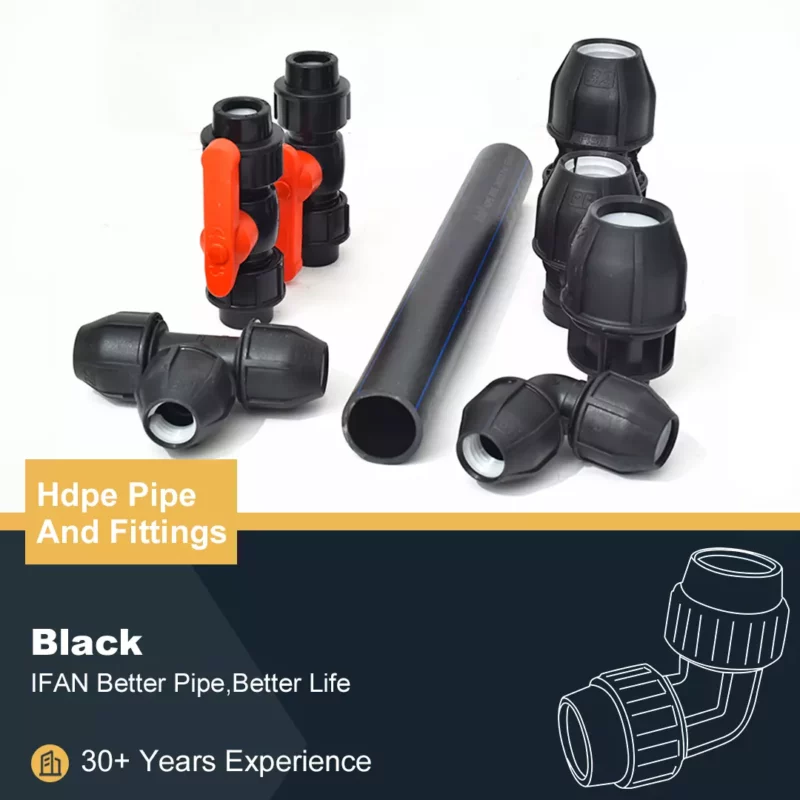
Sunlight can degrade HDPE over time. Black fittings offer good UV resistance. Store them under opaque covers. This preserves their mechanical properties. Proper storage is essential.
Quality Assurance and Certifications
Always check for third-party marks. NSF/ANSI 61 is for potable water. UL listing may be required. These ensure safety and quality. Never compromise on certifications.
If you have read this article and have any questions, please feel free to contact IFAN. Below is our contact information:
Whatsapp:+86 13373827623
Email:[email protected]