

Understanding Standard Dimension Ratio (SDR)
The Standard Dimension Ratio (SDR) is the fundamental geometric parameter that defines the pressure capacity of HDPE fittings. This crucial ratio represents the relationship between the outside diameter and the minimum wall thickness of the fitting. The mathematical formula SDR = OD/t provides engineers with a standardized way to compare pressure ratings across different product lines. A lower SDR number indicates a thicker wall relative to the diameter, which directly translates to higher pressure-bearing capacity. For instance, SDR11 fittings can handle significantly more pressure than SDR17 fittings of the same material grade. This systematic approach ensures consistent performance expectations regardless of manufacturer, provided they adhere to international standards.
Pressure Nominal (PN) Rating System
The Pressure Nominal (PN) rating system offers a simplified method for specifying pressure requirements in HDPE piping systems. Each PN value corresponds to the maximum allowable working pressure in bars that the fitting can sustain continuously at a standard temperature of 20°C. These ratings are derived from comprehensive long-term hydrostatic strength testing according to ISO 4427 and ASTM D3350 standards. The industry standard practice requires perfect matching between the PN ratings of pipes and their corresponding fittings to maintain system integrity. Common PN ratings include PN10 for SDR17, PN12.5 for SDR13.6, and PN16 for SDR11 configurations. Understanding these correlations is essential for proper system design and specification.
OD Controlled vs ID Controlled Systems
HDPE piping systems operate under two primary dimensional control methodologies: Outside Diameter (OD) controlled and Inside Diameter (ID) controlled systems. OD-controlled systems maintain constant outside dimensions across different pressure ratings, with wall thickness variations achieving the required pressure capacity. This system predominates in modern HDPE applications and facilitates reliable fusion joining. Conversely, ID-controlled systems maintain constant internal diameters while varying wall thickness and outside dimensions. This approach can be advantageous for specific hydraulic considerations but presents challenges in fusion joining compatibility. System designers must ensure consistency in dimensional control methodology throughout the entire pipeline network.
Manufacturing Tolerances and Quality Control
Reputable HDPE fitting manufacturers implement rigorous quality control protocols to maintain dimensional precision within specified tolerance ranges. International standards permit minimal variations in outside diameter, wall thickness, and ovality to account for manufacturing processes. These tolerances, though small, can significantly impact fusion joint quality if not properly controlled. Advanced manufacturing facilities employ statistical process control and automated inspection systems to ensure every fitting meets dimensional specifications. Proper documentation including dimensional test reports and material certifications should accompany each production batch, providing traceability and quality assurance for critical projects.
Color Coding and Product Identification
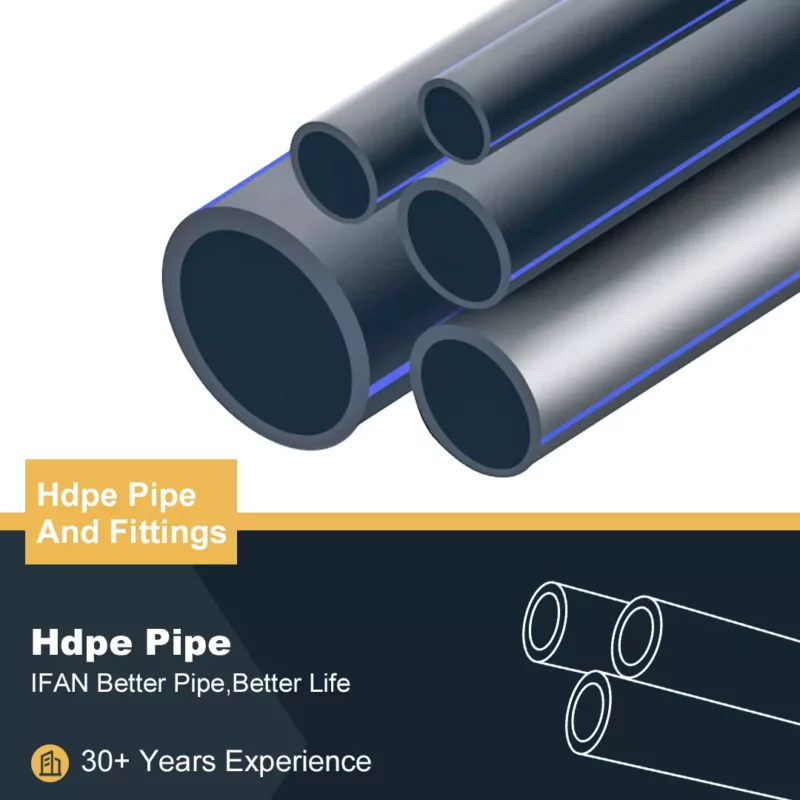
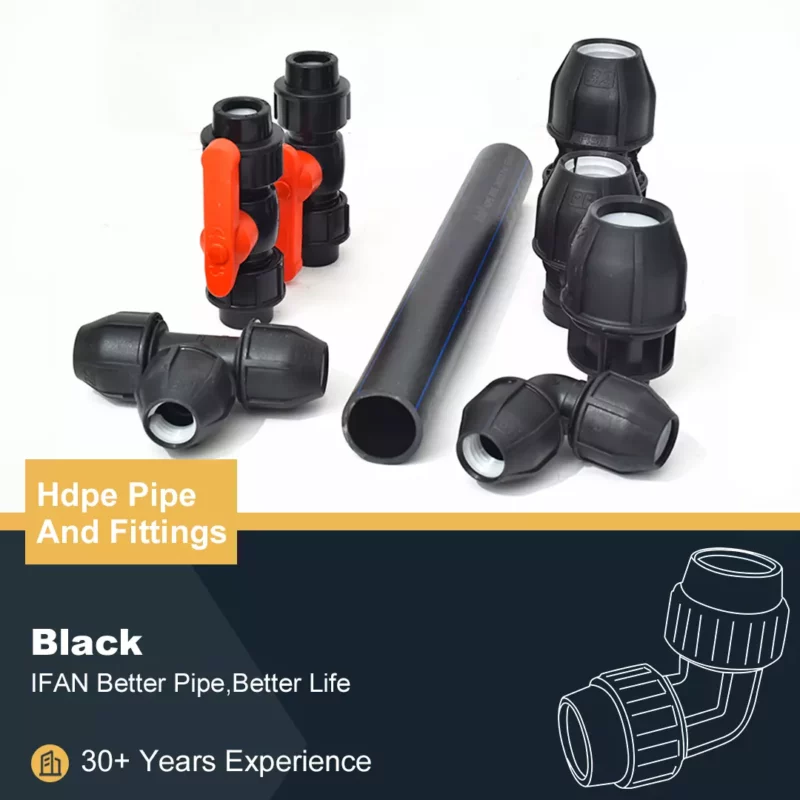
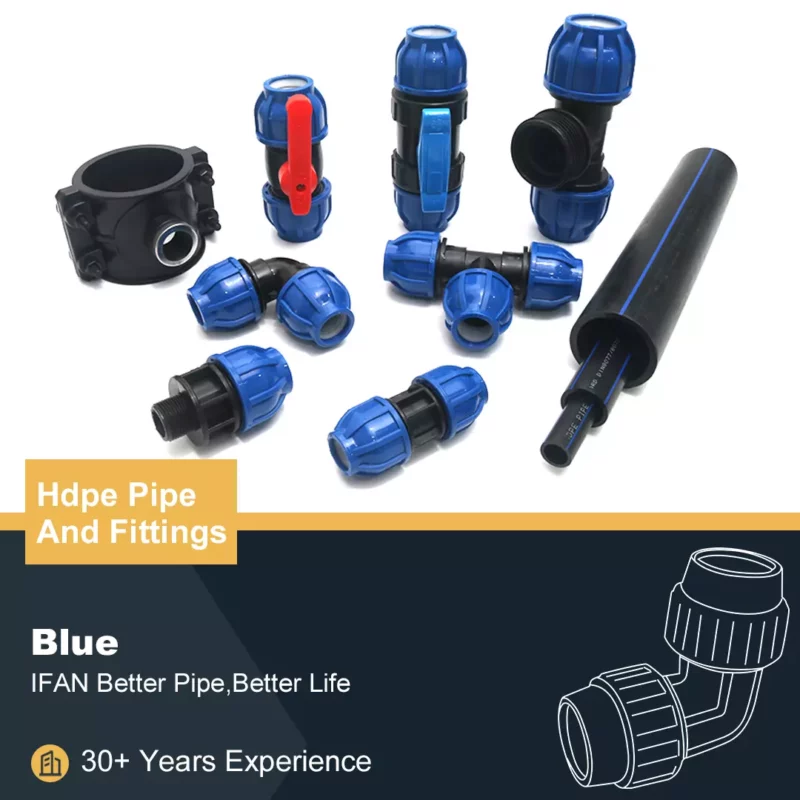
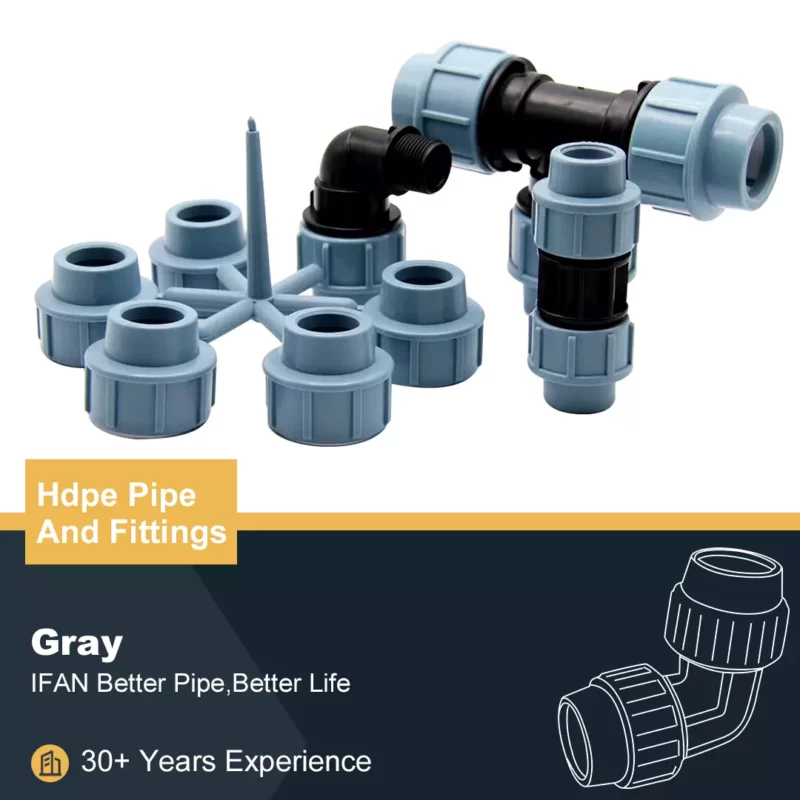
Industry-standard color coding systems facilitate quick visual identification of HDPE fitting applications and material properties. While most HDPE fittings are manufactured in black using carbon black for UV stabilization, colored stripes indicate specific service applications. A blue stripe universally identifies potable water applications, while yellow signifies gas distribution services. Additional colors may indicate industrial or specialized applications according to project specifications or regional standards. These visual identifiers enhance jobsite safety, prevent installation errors, and streamline inventory management for contractors and system operators.
Material Traceability and Marking Requirements
Comprehensive material traceability begins with permanent, legible markings on each HDPE fitting. Required markings typically include manufacturer identification, material grade (PE100 or PE4710), standard dimension ratio (SDR), pressure rating (PN), relevant standard compliance (ISO 4427 or ASTM D3350), and manufacturing lot identification. These markings enable complete traceability throughout the product lifecycle, supporting quality assurance protocols and simplifying maintenance operations. Manufacturers must ensure these markings remain durable and readable throughout storage, handling, and installation processes without compromising fitting integrity.
If you have read this article and have any questions, please feel free to contact IFAN. Below is our contact information:
Whatsapp:+86 13373827623
Email:[email protected]