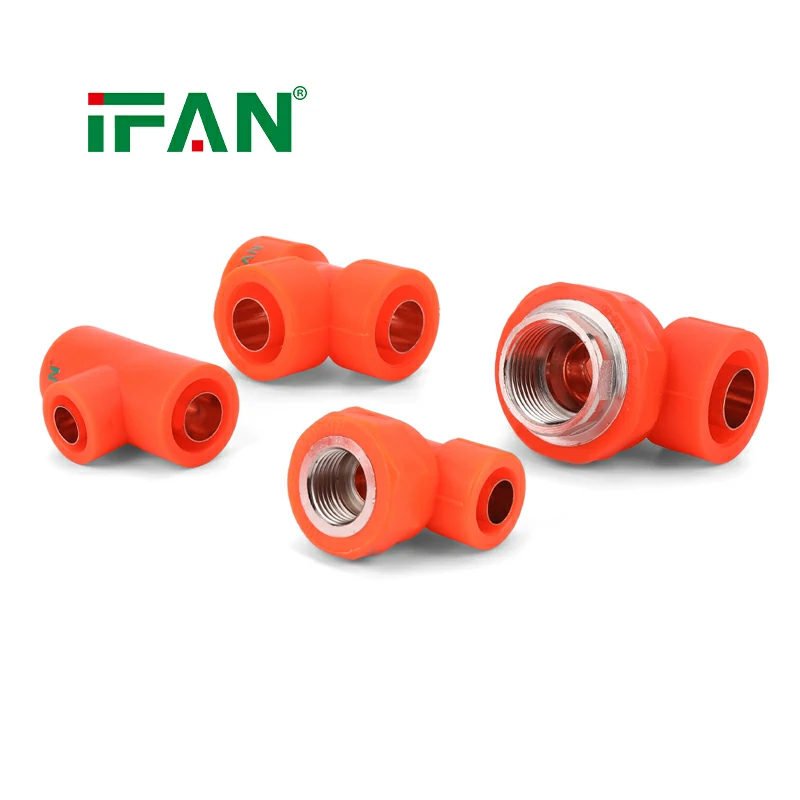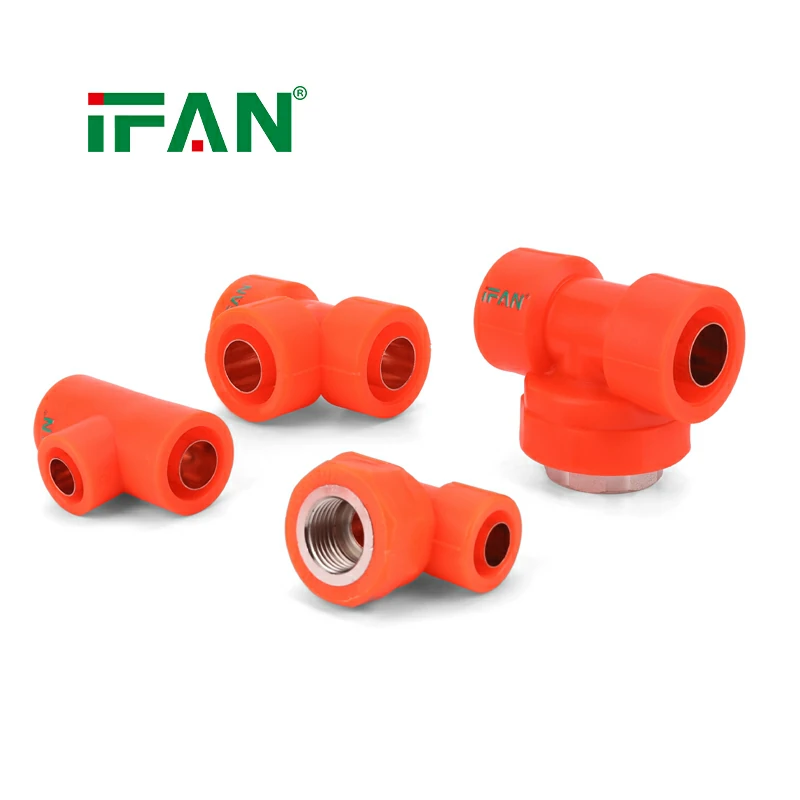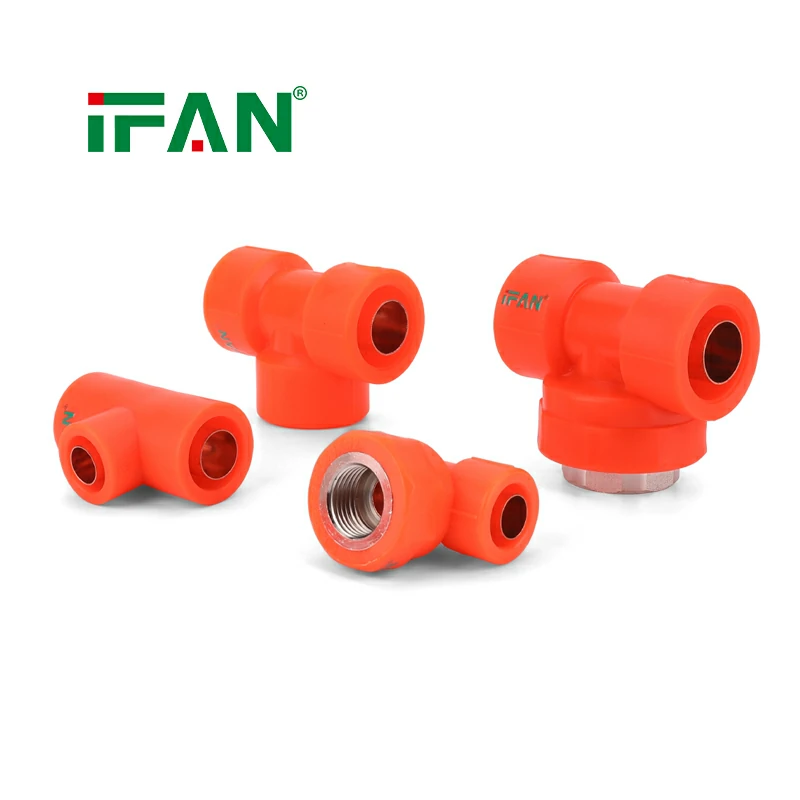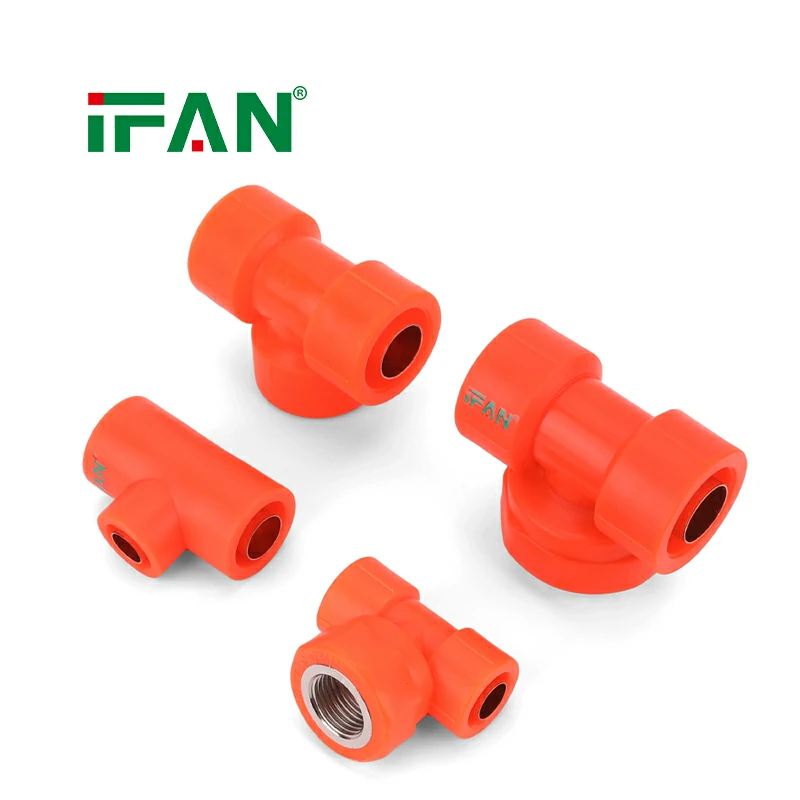
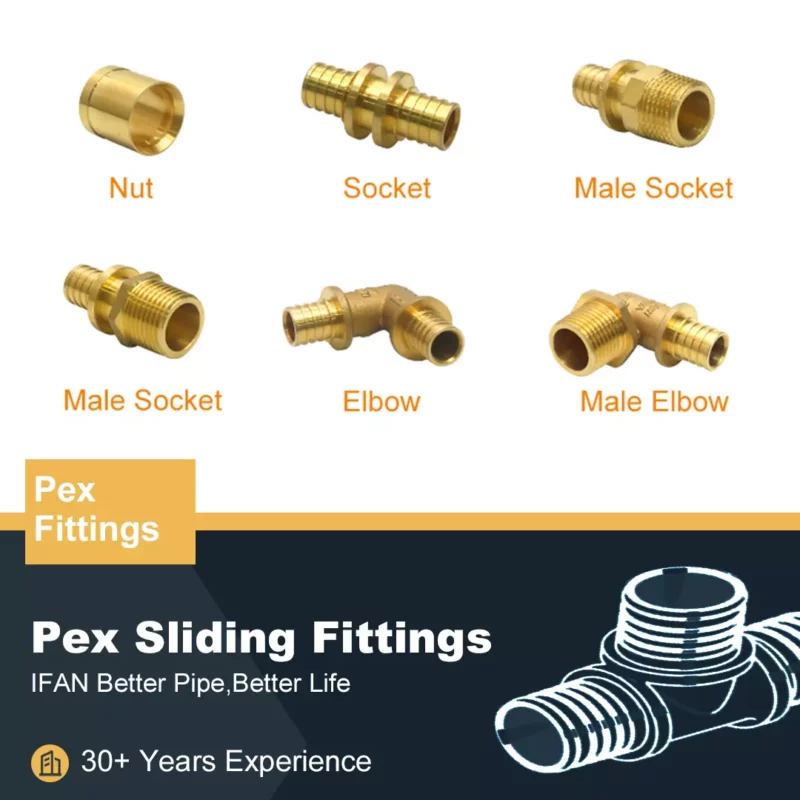
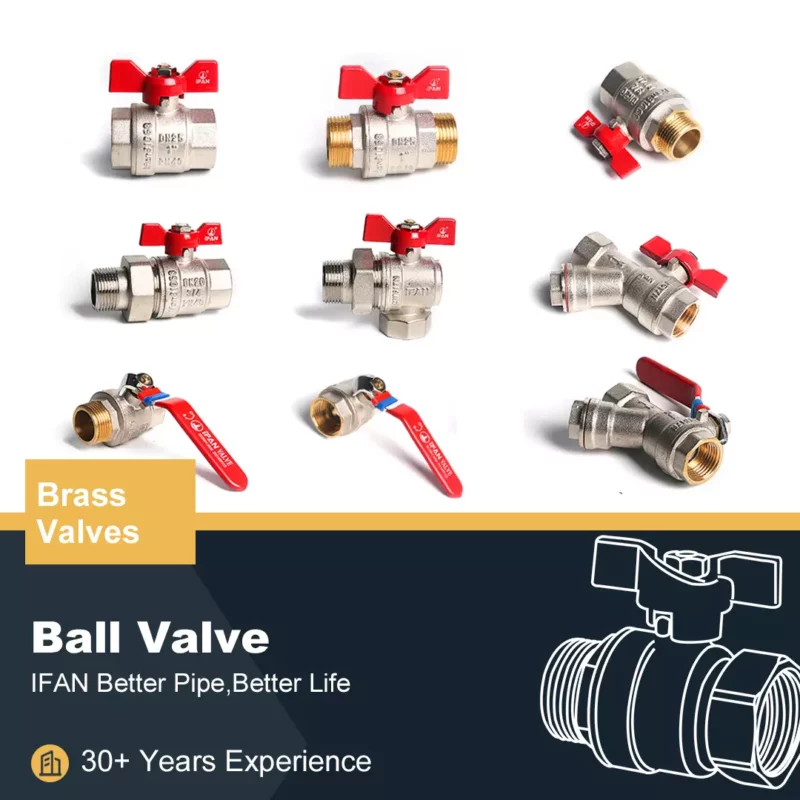
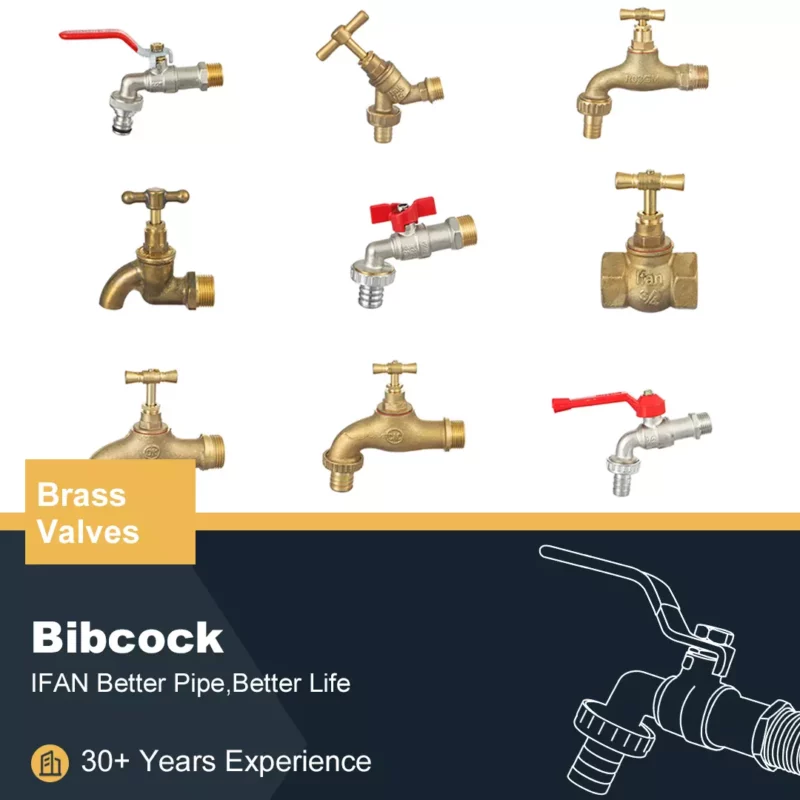
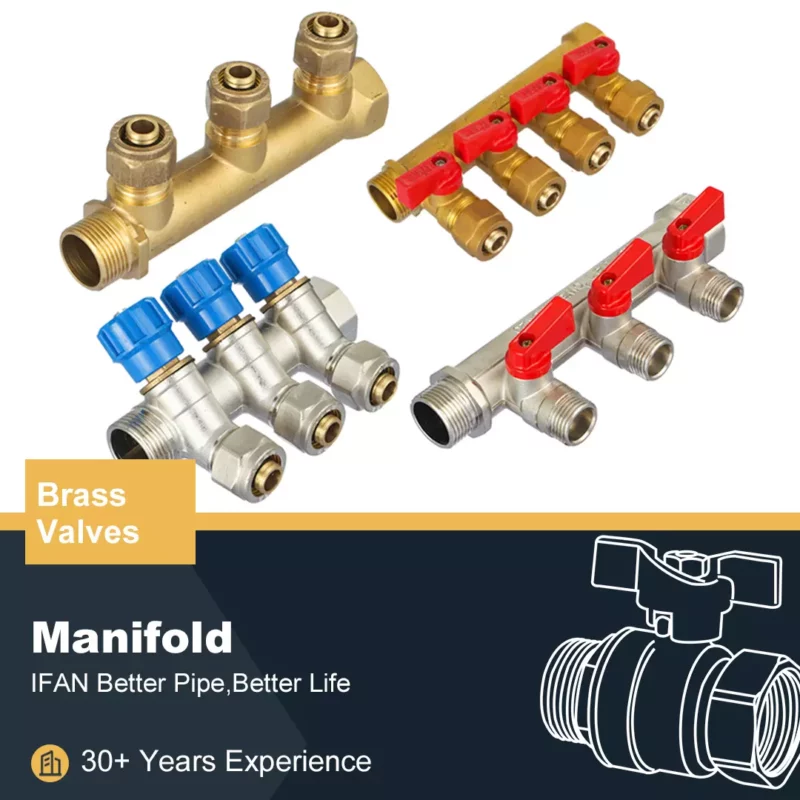
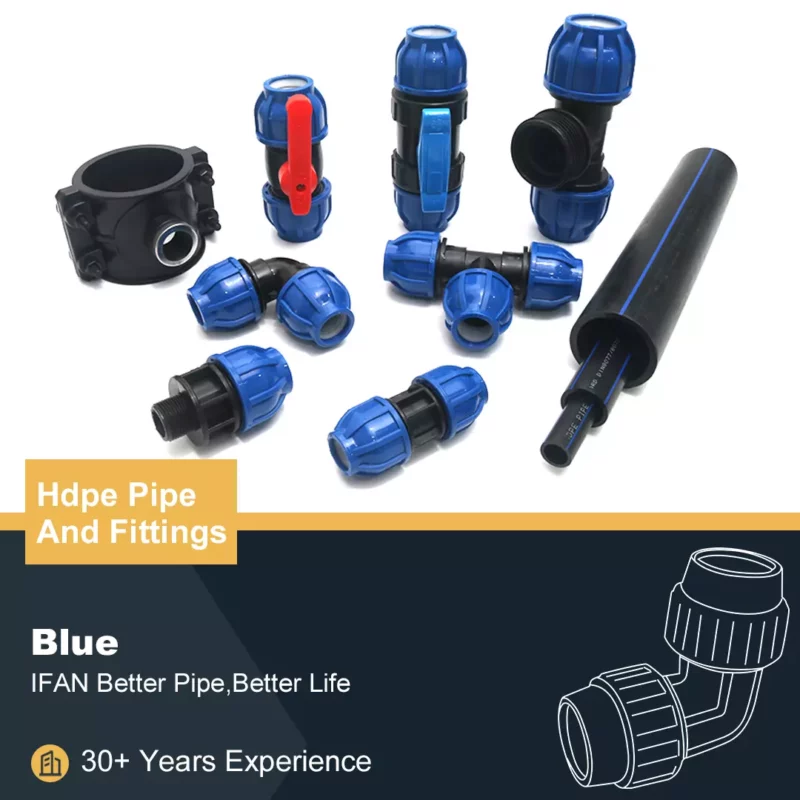
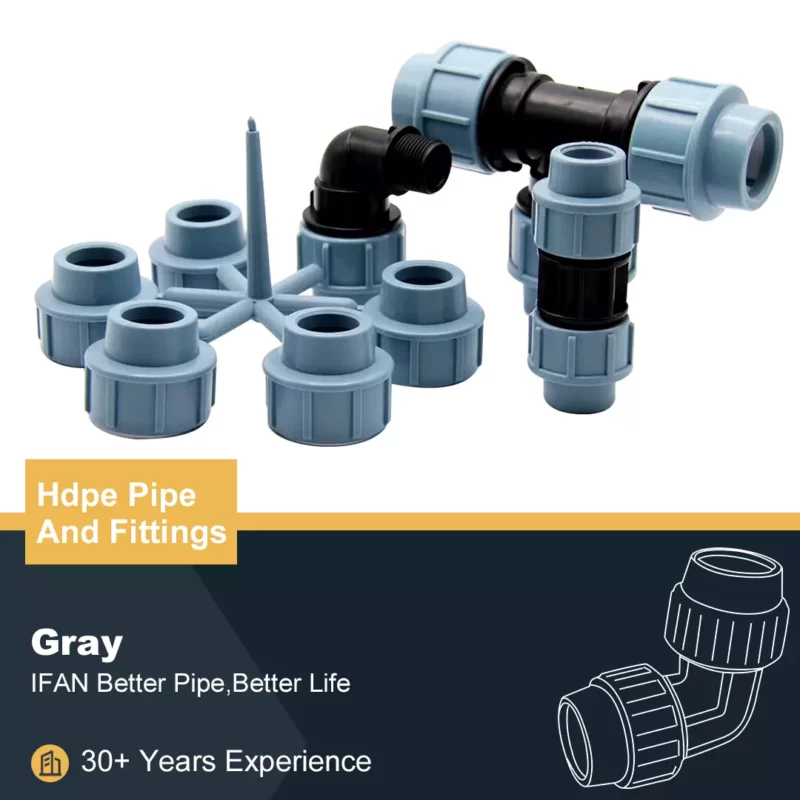
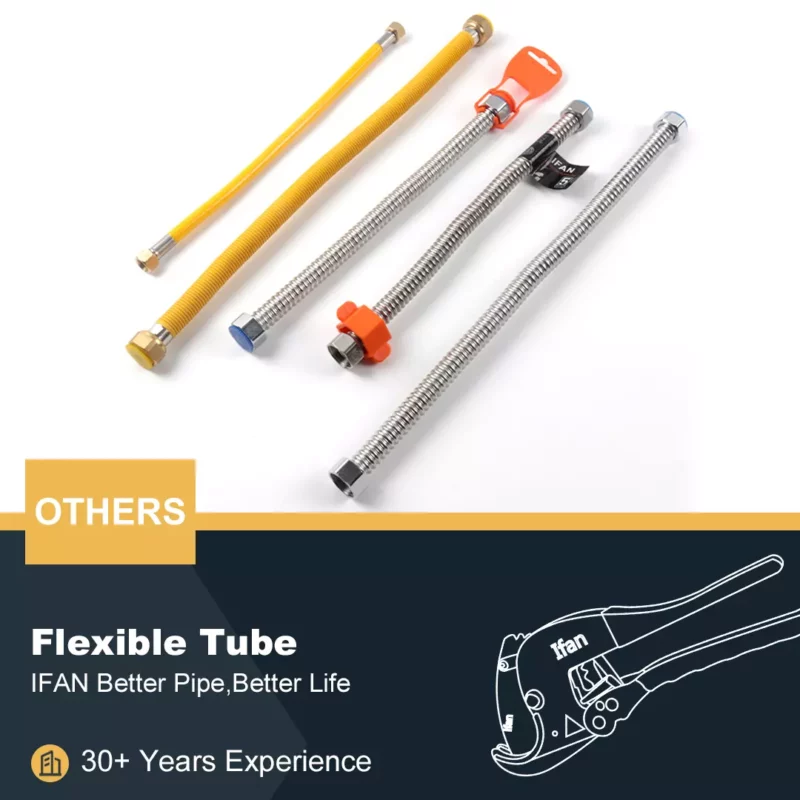

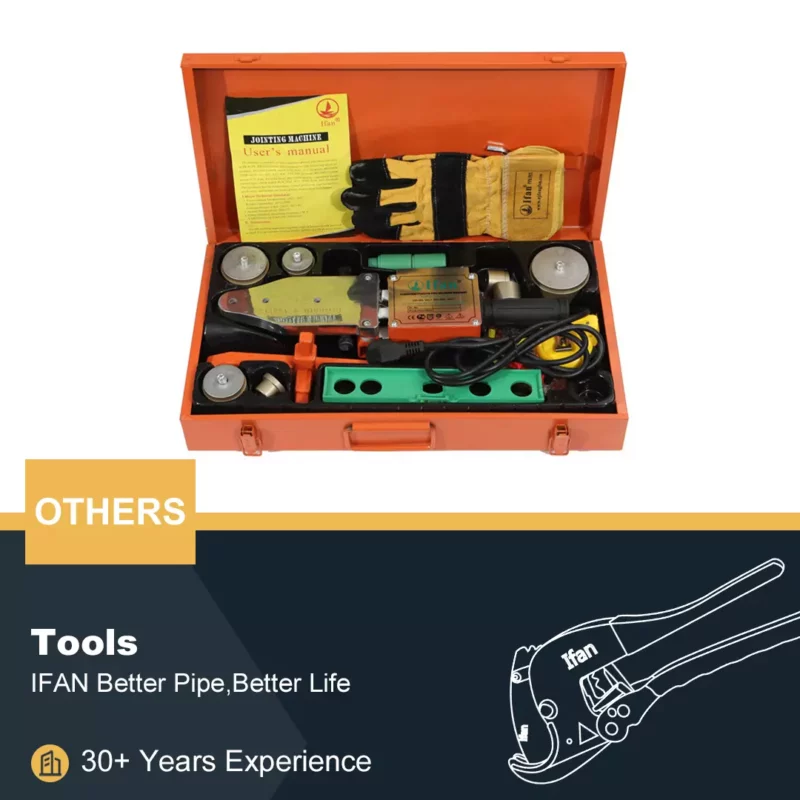


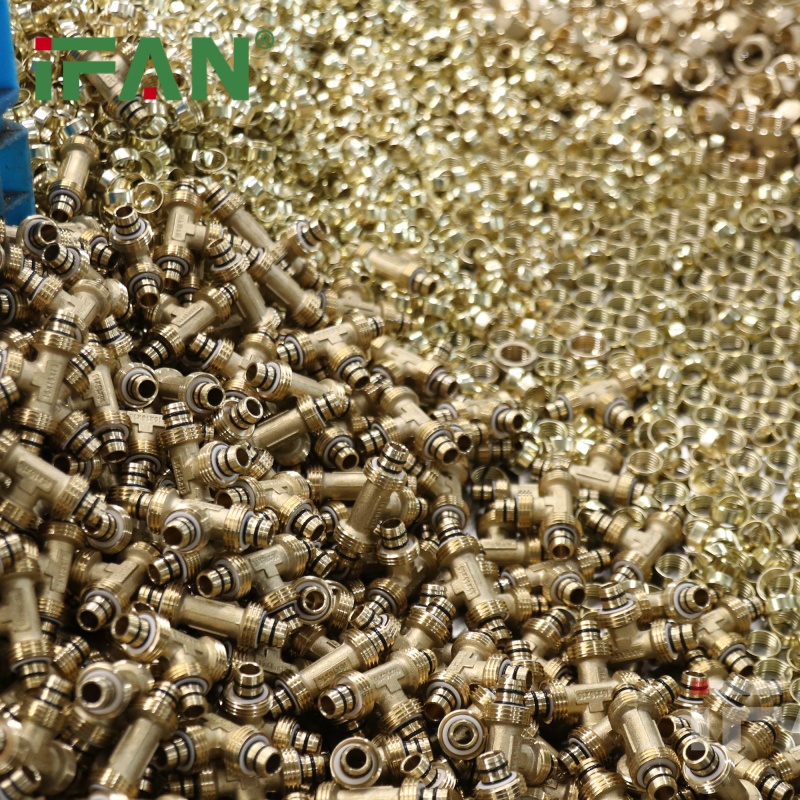
Brass compression fittings are widely recognized for their reliability and ease of installation. These fittings allow you to connect pipes securely without the need for welding or soldering. In this article, we will explore how brass compression fittings make plumbing tasks simpler, along with the installation process, benefits, and tips to ensure a successful fitting.
What Are Brass Compression Fittings?
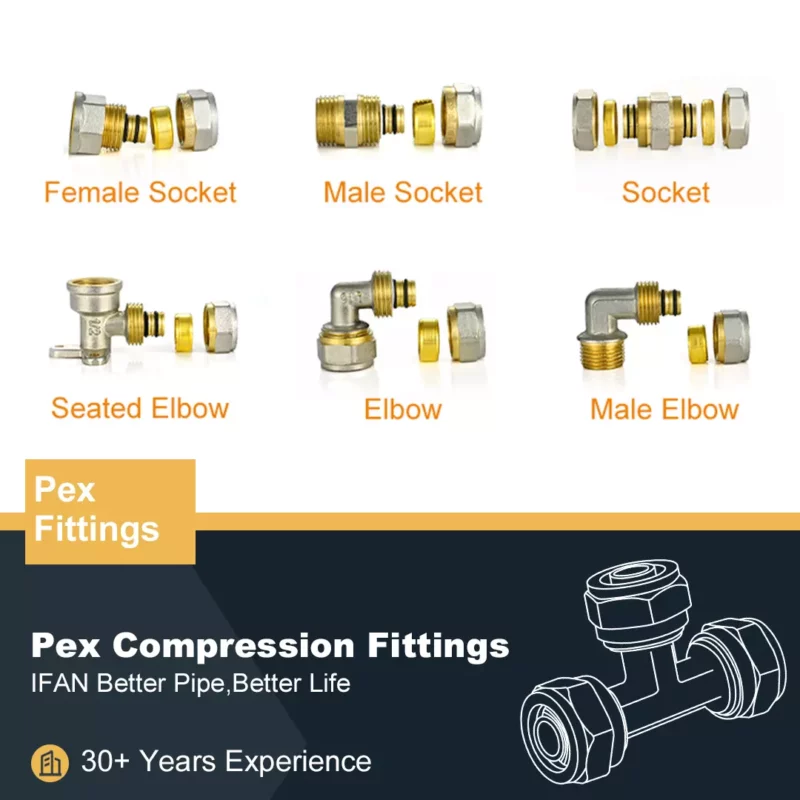
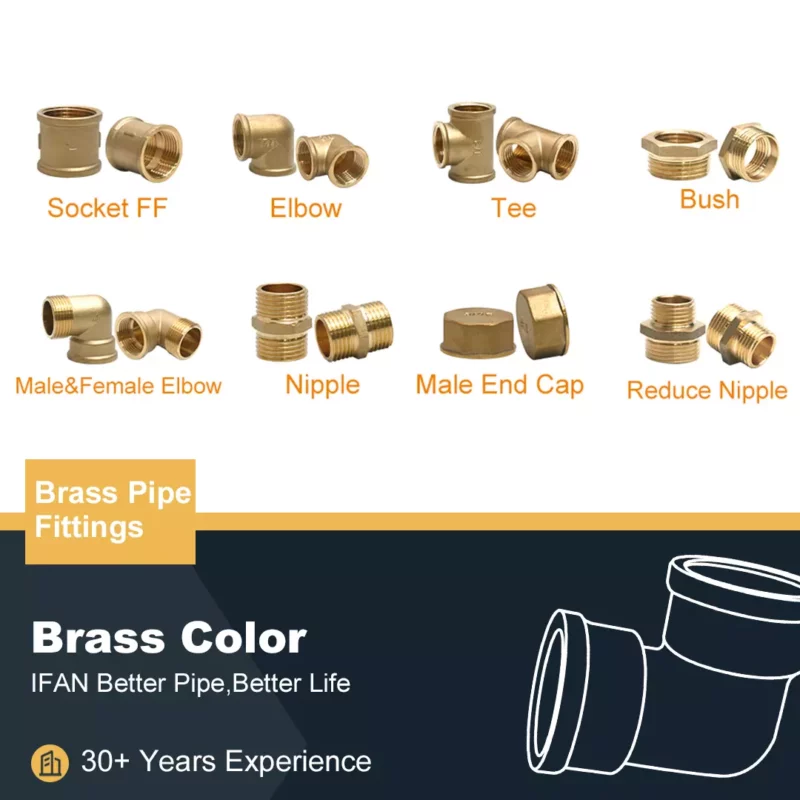
Brass compression fittings are a type of mechanical connector used to join pipes in plumbing systems. These fittings consist of three main parts: the compression nut, the compression ring (also called a ferrule), and the fitting body. The unique feature of these fittings is their ability to create a leak-proof seal simply by tightening the nut, which compresses the ferrule against the pipe.
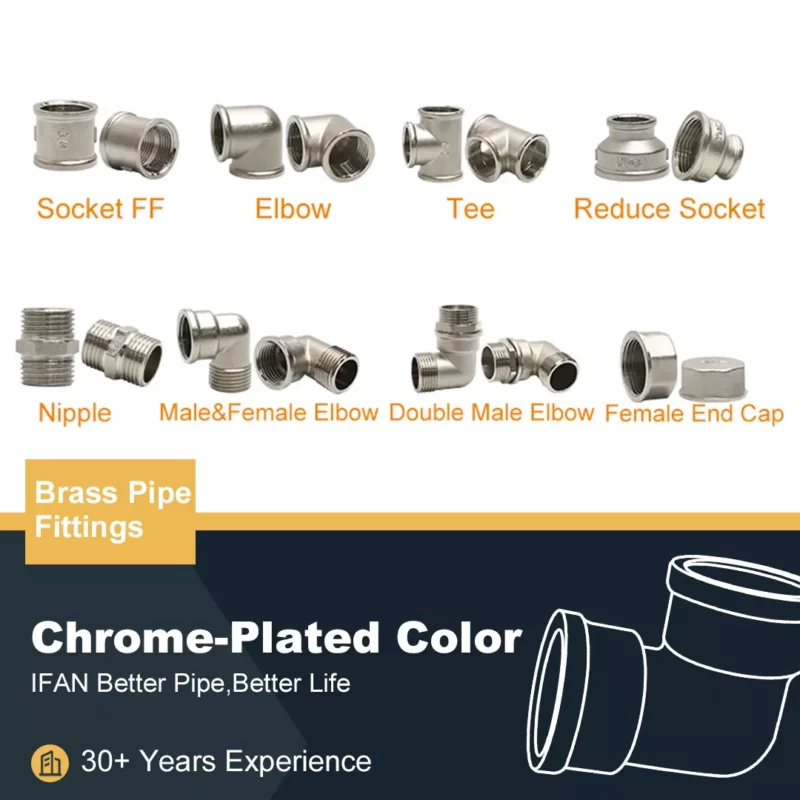
Brass, a strong and durable material, is used for compression fittings because of its resistance to corrosion and its ability to withstand high pressures and temperatures. These fittings are designed for ease of use, making them ideal for both professionals and DIY enthusiasts. Their versatility allows them to be used with various pipe materials, including copper, steel, and plastic.
Why Choose Brass Compression Fittings?
Brass compression fittings are often preferred due to their ease of installation and long-term durability. One of the major advantages of these fittings is that they do not require special tools or complex techniques to install. With just a simple wrench, you can achieve a secure, leak-free connection between pipes. This makes them highly convenient for both residential and commercial plumbing.
Moreover, brass is a corrosion-resistant material. It can withstand exposure to moisture and high temperatures without deteriorating, which ensures that the fitting lasts for a long time. These fittings also provide a solid seal, even in high-pressure systems, making them an excellent choice for gas, water, and air pipelines.
Key Components of Brass Compression Fittings
Understanding the individual components of brass compression fittings is essential for successful installation. The main components include:
- Compression Nut: This is the outer component that holds everything together. It is threaded onto the fitting body and tightens around the pipe.
- Compression Ring (Ferrule): This is the metal ring that slides over the pipe. When the nut is tightened, the ferrule compresses against the pipe, forming a tight seal.
- Fitting Body: This is the central component that connects to the pipe and holds the ferrule in place.
The compression nut and ferrule work together to provide a strong and durable seal, ensuring that the connection remains leak-free even under high pressure.
Steps for Installing Brass Compression Fittings
Installing brass compression fittings is a straightforward process that can be completed in just a few steps. Here’s a simple guide to follow for an easy installation:
- Prepare the Pipe: Cut the pipe to the required length using a pipe cutter. Ensure the cut is straight to avoid any issues with the seal. Remove any burrs from the pipe using a deburring tool to ensure a smooth surface.
- Slide on the Compression Nut and Ferrule: Before inserting the pipe into the fitting body, slide the compression nut and ferrule onto the pipe. The ferrule should be placed with its tapered side facing the fitting body.
- Insert the Pipe into the Fitting: Insert the pipe into the fitting body until it reaches the stop inside. The ferrule should sit snugly against the fitting body.
- Tighten the Compression Nut: Once the pipe is in place, tighten the compression nut onto the fitting body using a wrench. Be careful not to overtighten, as this could damage the components or create leaks.
- Check for Leaks: After installation, check the connection by turning on the water or gas supply. If you notice any leaks, tighten the compression nut a little more until the leak stops. It is important not to over-tighten, as this can lead to damage.
Advantages of Easy Installation with Brass Compression Fittings
One of the key benefits of brass compression fittings is their ease of installation. Unlike other types of fittings, which require soldering, welding, or threading, compression fittings can be installed quickly and easily with minimal tools. This makes them ideal for both professional plumbers and DIY projects. Here are some key advantages:
- No Need for Heat: Compression fittings do not require a heat source to join pipes, unlike soldering or brazing, which can be dangerous and time-consuming.
- Reusability: Brass compression fittings can be disassembled and reused without losing their sealing effectiveness, which makes them a cost-effective choice.
- Minimal Tools Required: A simple wrench or adjustable spanner is all you need to install these fittings, making them ideal for situations where specialized tools are unavailable.
- Instant Leak-Free Seal: The compression mechanism ensures an immediate and reliable seal without the need for additional sealing compounds or tapes.
Applications of Brass Compression Fittings
Brass compression fittings are suitable for a variety of plumbing applications. They are commonly used in both residential and commercial plumbing systems, especially for water, gas, and air pipes. Some of their typical applications include:
- Water Supply Systems: Brass compression fittings are frequently used in plumbing systems for drinking water, ensuring safe and leak-free connections.
- Gas Lines: They are also used to connect gas pipes, offering reliable seals that prevent dangerous leaks.
- Heating and Cooling Systems: In HVAC systems, brass compression fittings are used to join copper and steel pipes, providing secure connections in high-temperature systems.
Their versatility and ability to work with different pipe materials, such as copper, steel, and plastic, make brass compression fittings suitable for a wide range of installations.
Troubleshooting Common Issues
While brass compression fittings are easy to install, there are a few common issues that may arise during the installation process. Here are some tips for troubleshooting:
- Leaking at the Joint: If you notice water or gas leaking from the joint, the compression nut may not be tight enough. Tighten the nut slightly, being careful not to overtighten. If the ferrule is damaged, you may need to replace it.
- Misalignment of the Pipe: Ensure that the pipe is inserted straight into the fitting body. If the pipe is not aligned correctly, it may cause the fitting to leak.
- Corrosion or Wear: Over time, brass compression fittings may corrode, especially in outdoor environments. Regular inspection is necessary to ensure they are in good condition.
Conclusion
Brass compression fittings provide an easy, reliable, and efficient way to join pipes in plumbing systems. Their simple installation process, combined with the durability of brass, ensures a long-lasting, leak-free seal. By following the proper installation steps and understanding how these fittings work, you can easily create secure connections for water, gas, and air pipes. Whether you’re a professional plumber or a DIY enthusiast, brass compression fittings make your plumbing tasks easier and more reliable.
If you have read this article and have any questions, please feel free to contact IFAN. Below is our contact information:
Whatsapp:+86 13373827623
Email:[email protected]