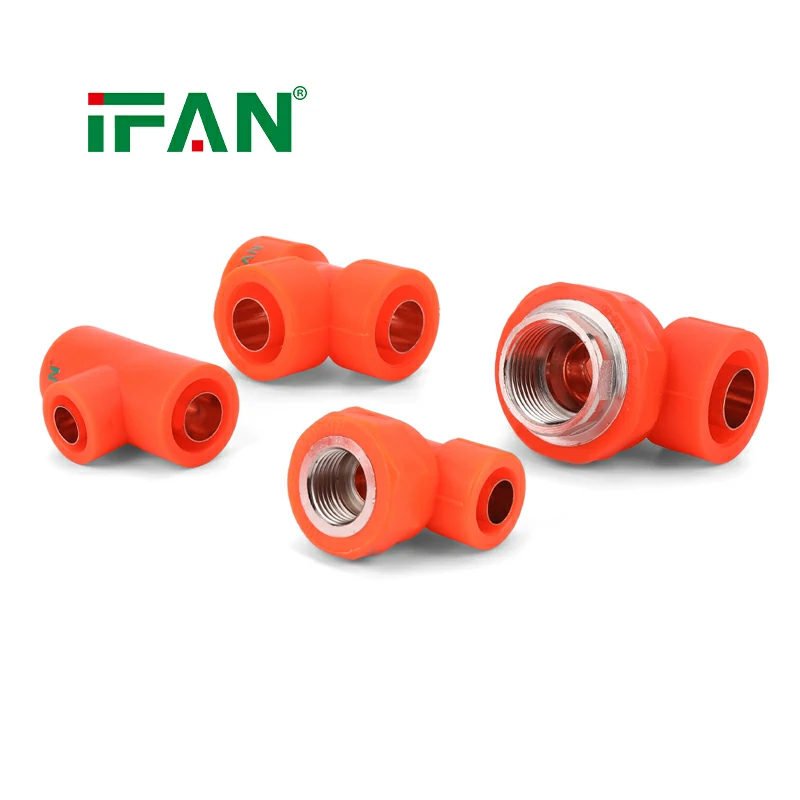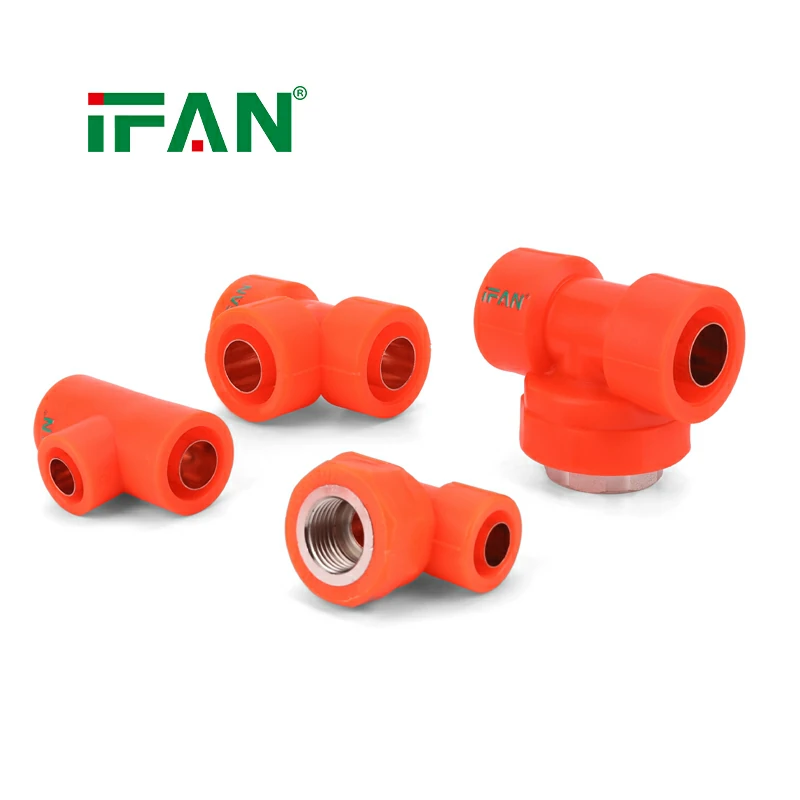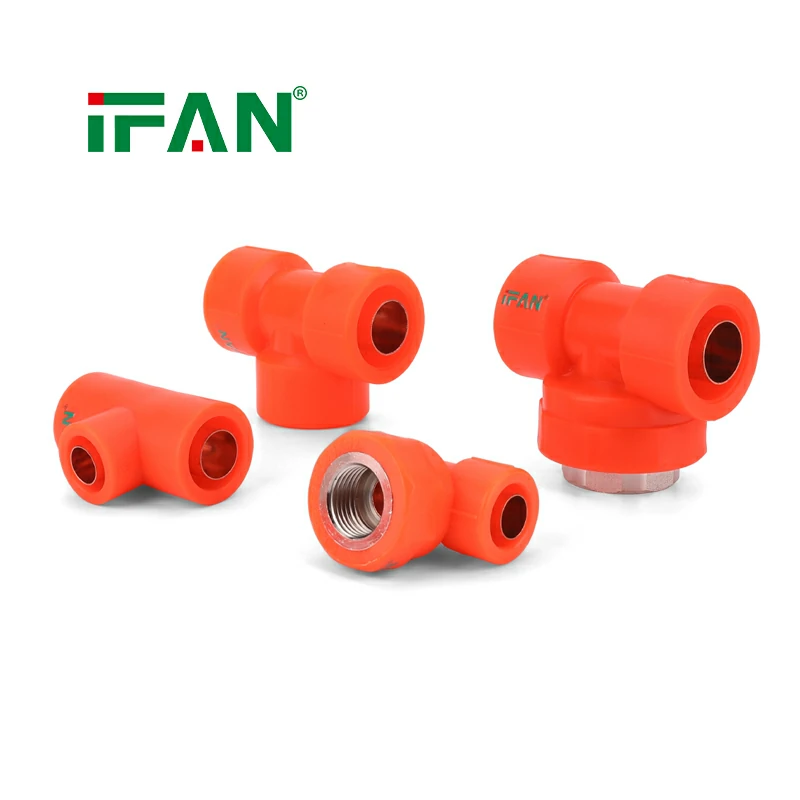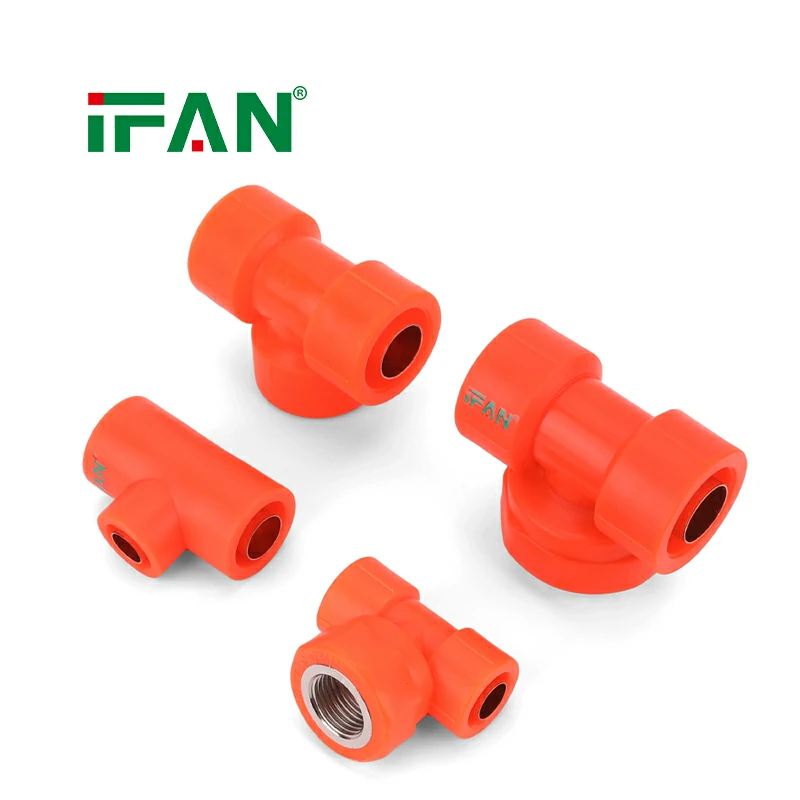
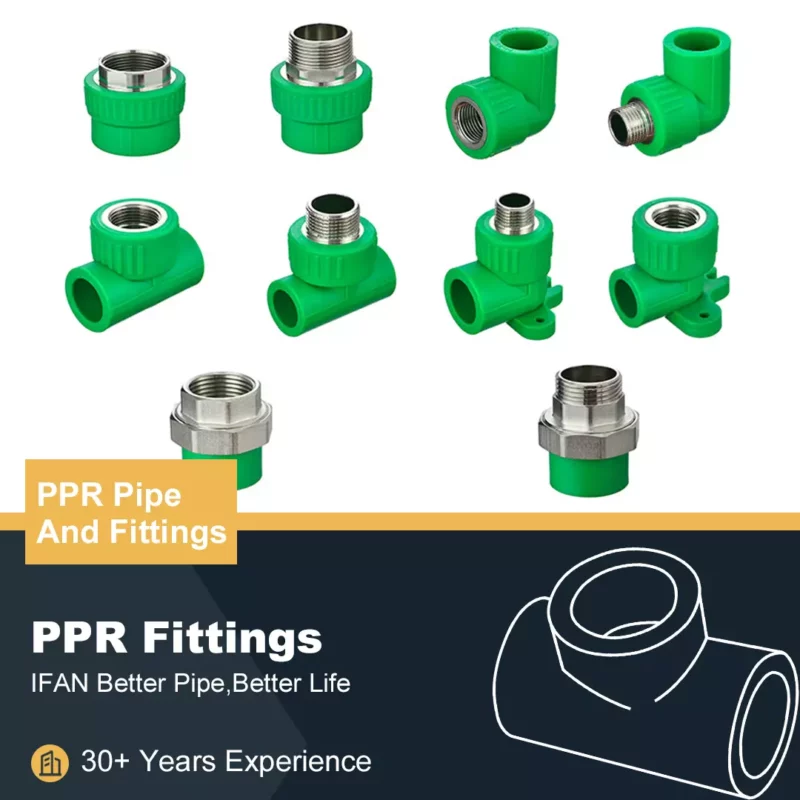
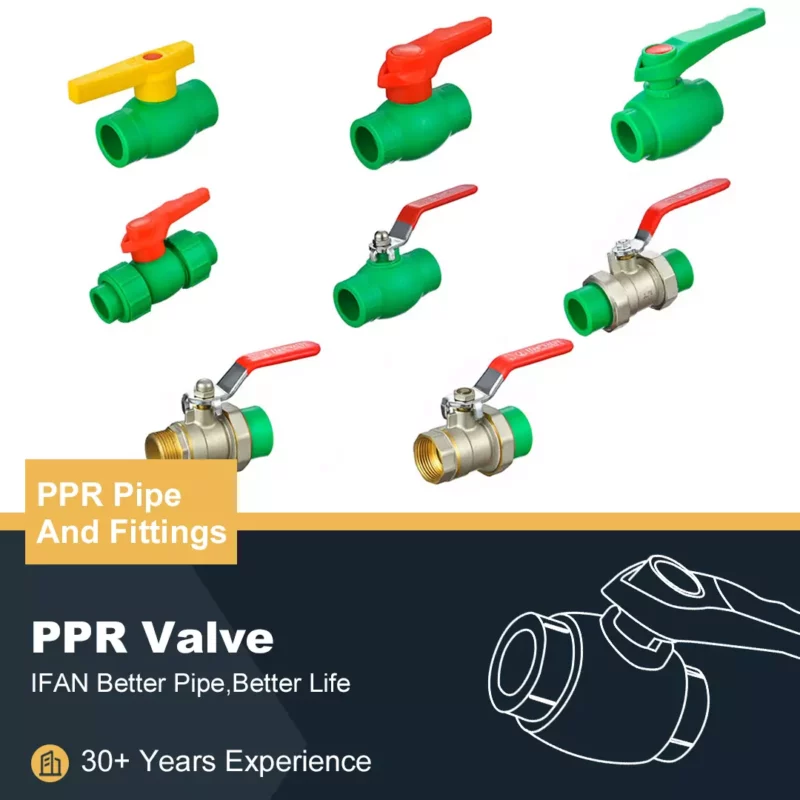



Backflow prevention is an essential part of modern plumbing systems. It ensures that water flows in one direction, preventing contamination from reversing into clean water supplies. One of the most effective components for achieving this is the PPR (Polypropylene Random Copolymer) check valve. In this article, we will explore how PPR check valves work, their advantages, applications, and installation procedures.
What Is a PPR Check Valve?
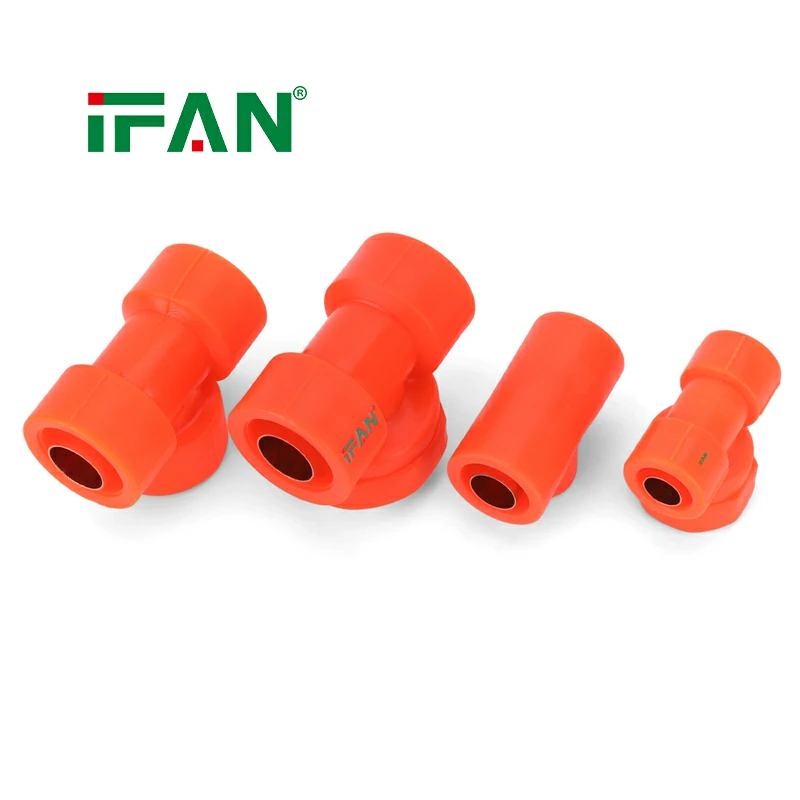
A PPR check valve is a mechanical device designed to prevent backflow in plumbing systems. It is made from polypropylene, a durable and corrosion-resistant plastic material. The valve allows water to flow in one direction and automatically closes to block any reverse flow. This mechanism ensures that the water supply remains clean and uncontaminated.
PPR check valves are commonly used in water distribution systems, irrigation systems, and industrial applications. They are ideal for applications where backflow could pose a risk to water quality or system integrity.
How Does a PPR Check Valve Work?
The primary function of a PPR check valve is to allow the free flow of water in one direction. When water flows through the valve in the correct direction, it opens, allowing smooth passage. If the water tries to flow in the reverse direction, the valve closes, preventing backflow.
The valve operates using a simple mechanical mechanism, typically consisting of a spring or weighted disc inside. This component moves with the flow of water, opening when the flow is correct and closing when it reverses. The check valve does not require external power or control systems, making it a reliable and cost-effective solution for backflow prevention.
Advantages of PPR Check Valves
PPR check valves offer several significant advantages that make them a popular choice in plumbing systems. One of the key benefits is their corrosion resistance. Unlike metal valves, which can corrode over time, PPR valves are highly resistant to rust, scaling, and chemical reactions, ensuring a longer lifespan.
Another advantage is their durability. PPR material is known for its strength and resistance to wear, even under high-pressure conditions. This makes PPR check valves suitable for both residential and industrial applications.
Furthermore, PPR check valves are lightweight and easy to install, requiring minimal effort and fewer specialized tools. They also offer low maintenance costs compared to metal valves, which may require frequent replacement or servicing.
Applications of PPR Check Valves
PPR check valves are used in a wide range of applications where backflow prevention is crucial. Some of the most common uses include:
- Water Distribution Systems: In municipal and residential water supply networks, PPR check valves are used to ensure that water flows only in the desired direction, preventing contamination.
- Irrigation Systems: In agricultural irrigation systems, these valves are essential for preventing backflow from fertilizers or pesticides, which could contaminate the clean water supply.
- Industrial and Commercial Applications: Many industries use PPR check valves to protect sensitive equipment and ensure the quality of water or other fluids in their systems. This includes systems involving chemicals, pharmaceuticals, and food production.
- Heating and Cooling Systems: In HVAC and heating systems, backflow prevention is crucial for maintaining the proper flow of heated or cooled fluids. PPR check valves are commonly used to maintain system efficiency.
Benefits Over Traditional Metal Check Valves
While traditional metal check valves (such as brass or stainless steel) are often used for backflow prevention, PPR check valves offer several advantages. For one, PPR is lighter than metals, making installation and transportation easier and more cost-effective. PPR valves are also less prone to corrosion compared to metal valves, which can deteriorate over time, especially in water supply systems with varying pH levels.
Another significant advantage is the cost-effectiveness of PPR valves. PPR is generally more affordable than metals, making it a more economical choice, especially for large-scale installations. Additionally, PPR check valves require less maintenance than their metal counterparts, leading to reduced long-term operational costs.
Installation of PPR Check Valves
Installing a PPR check valve is a straightforward process, especially compared to metal valve installations that require welding or soldering. Here’s a step-by-step guide to installing a PPR check valve:
- Choose the Right Size and Type: Select a PPR check valve that matches the pipe size and application requirements. Ensure that the valve is designed for the specific flow and pressure conditions of your system.
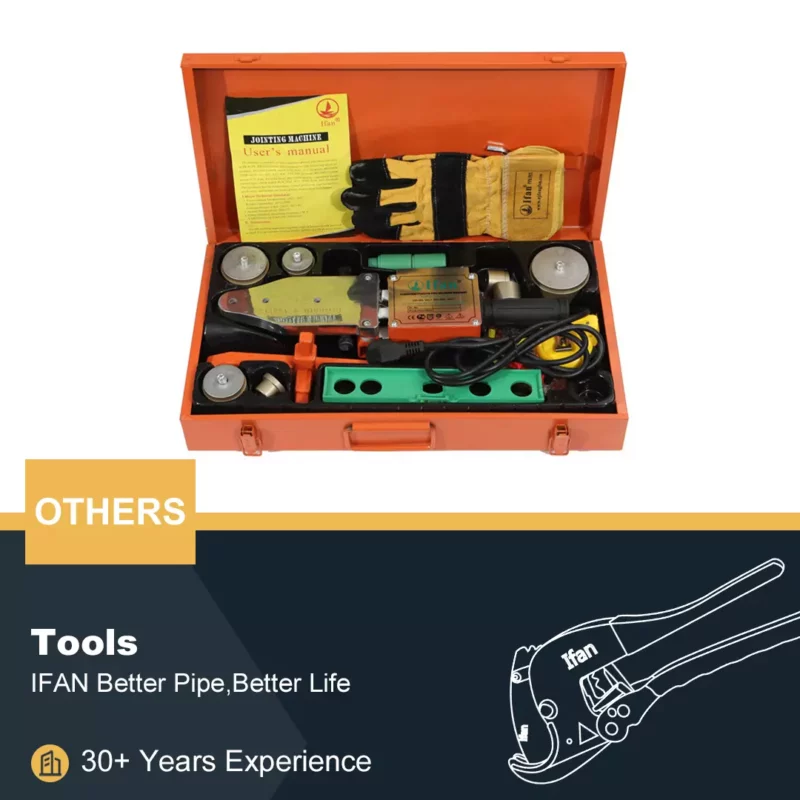
- Prepare the Pipe: Cut the pipe to the required length using a pipe cutter. Ensure the cut is straight to avoid any issues with sealing. Clean the pipe ends to remove any dirt or debris.
- Install the Valve: Most PPR check valves are designed to be glued or fused onto the pipe. Use the appropriate solvent cement or fusion process to attach the valve to the pipe. Ensure that the valve is installed in the correct orientation, with the flow direction clearly marked on the valve.
- Allow Time for Curing: If you are using solvent cement, allow adequate time for the glue to cure and form a secure bond before pressurizing the system.
- Test for Leaks: Once the valve is installed and the system is pressurized, check for any leaks around the valve. If necessary, tighten any connections or reapply the adhesive to ensure a leak-free seal.
Maintenance of PPR Check Valves
One of the main advantages of PPR check valves is their low maintenance requirements. However, regular inspection is still important to ensure they continue to function properly. Here are some tips for maintaining PPR check valves:
- Inspect Regularly: Check the valve for any signs of wear or damage, such as cracks or deformation. Ensure that the valve is operating smoothly and that it opens and closes as expected.
- Clean the Valve: Over time, debris or mineral deposits may accumulate inside the valve. Clean the valve periodically to prevent blockages and ensure optimal performance.
- Replace Damaged Components: If the internal spring or disc becomes damaged or worn, replace the valve immediately to prevent backflow issues.
Conclusion
A PPR check valve is an essential component in modern plumbing systems, providing reliable backflow prevention. Its simple operation, coupled with the durability and corrosion resistance of PPR material, makes it an excellent choice for residential, industrial, and commercial applications. PPR check valves offer a lightweight, cost-effective, and low-maintenance solution to protect your water supply systems from contamination and ensure the integrity of your plumbing infrastructure.
By understanding how PPR check valves work and how to properly install and maintain them, you can ensure that your system remains efficient and free from the risks of backflow.
If you have read this article and have any questions, please feel free to contact IFAN. Below is our contact information:
Whatsapp:+86 13373827623
Email:[email protected]