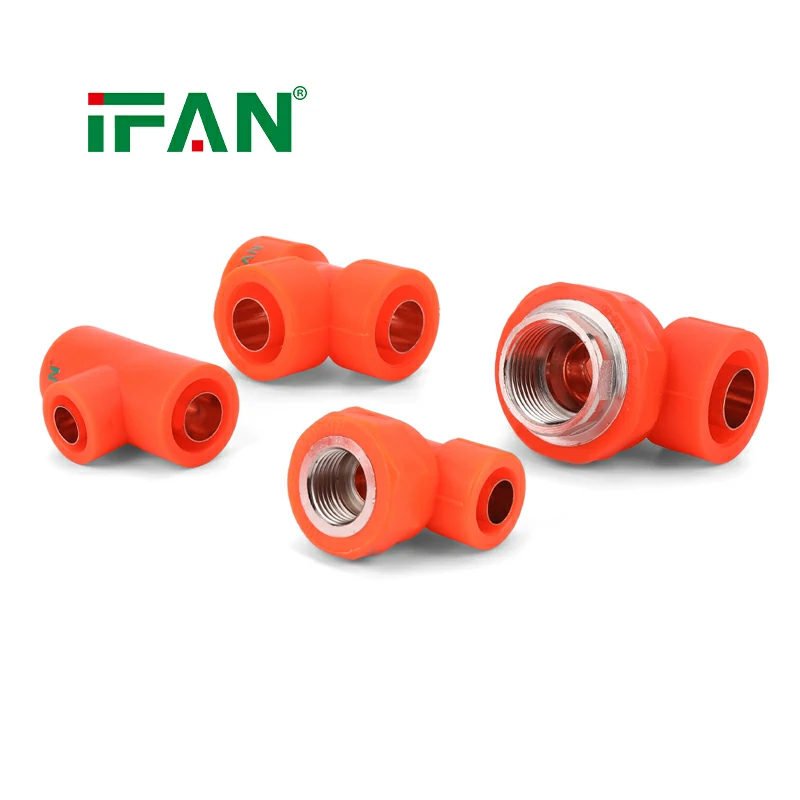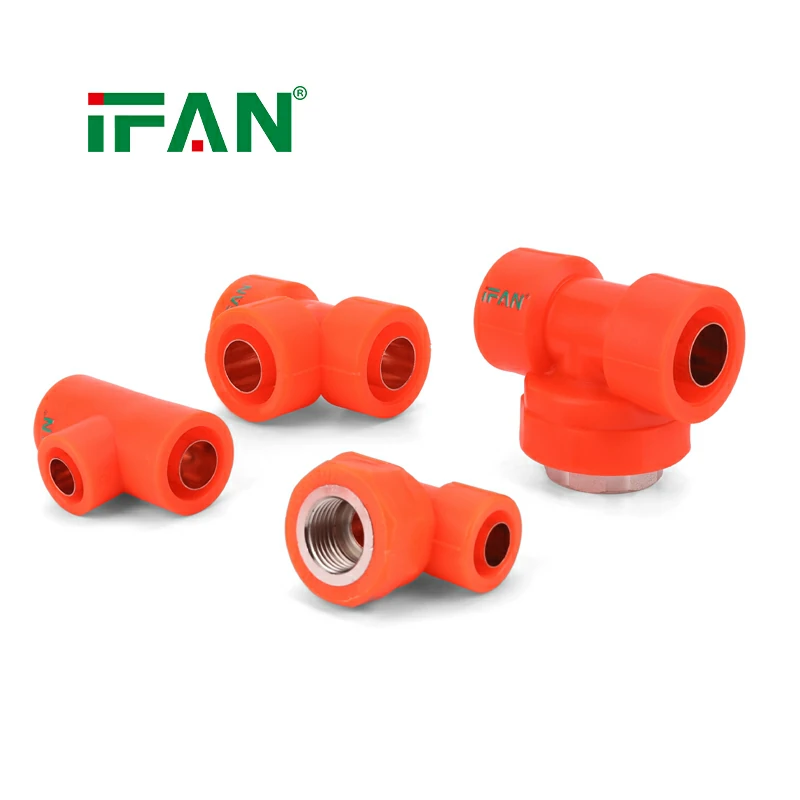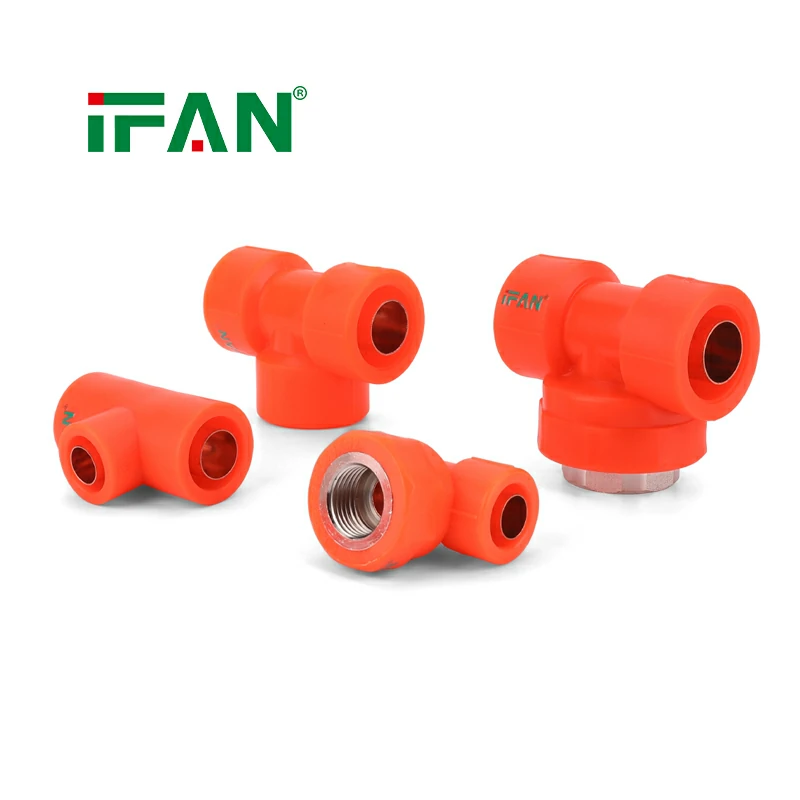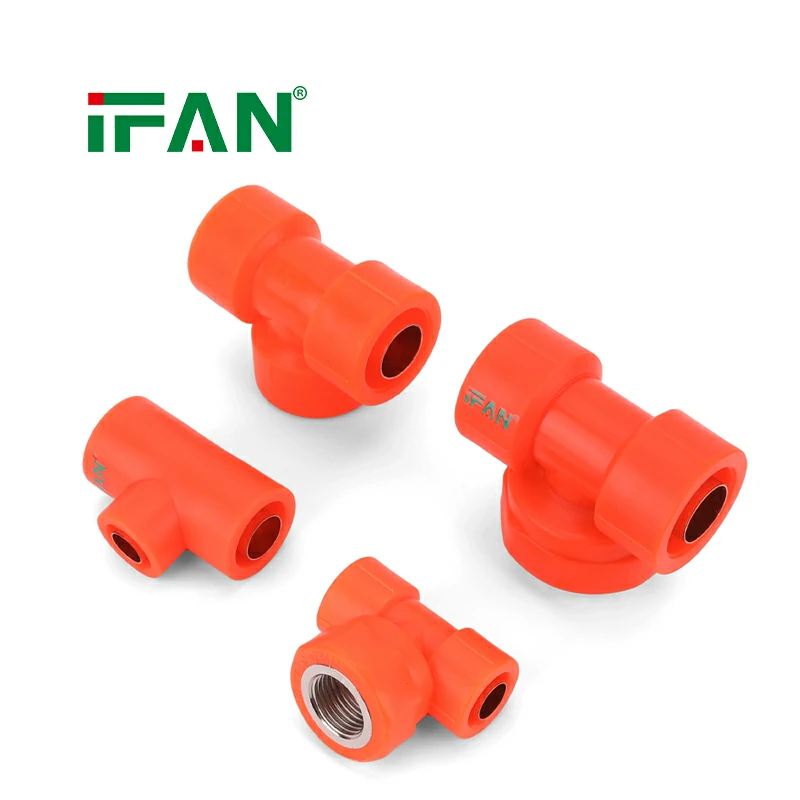
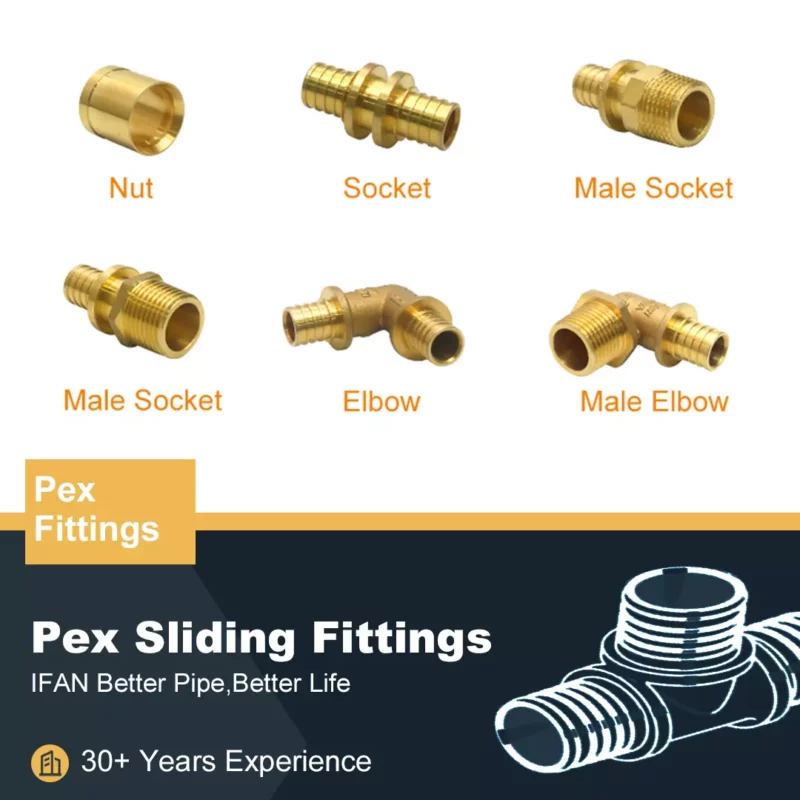
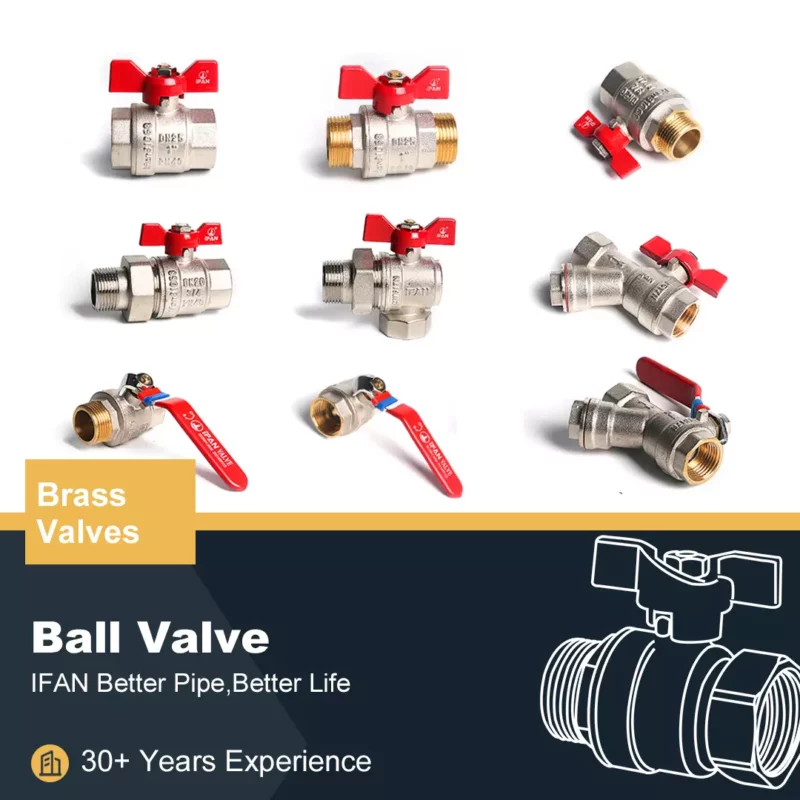
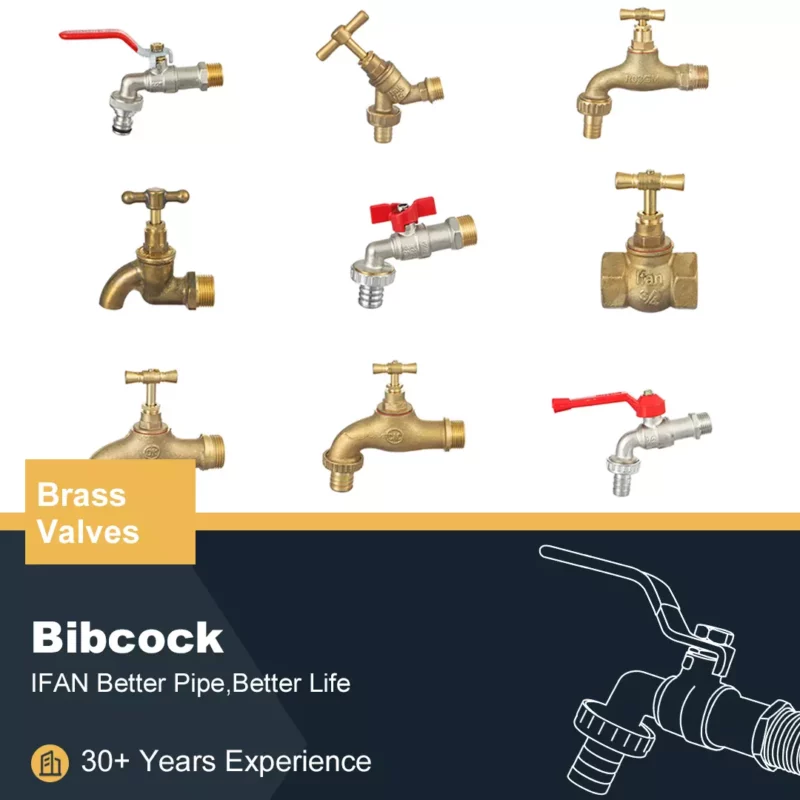
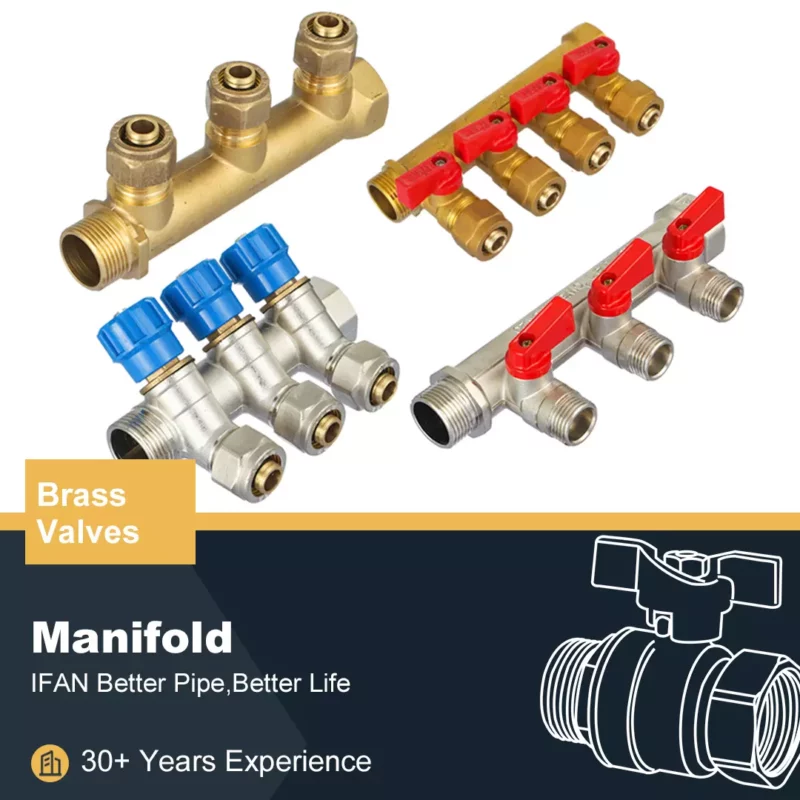
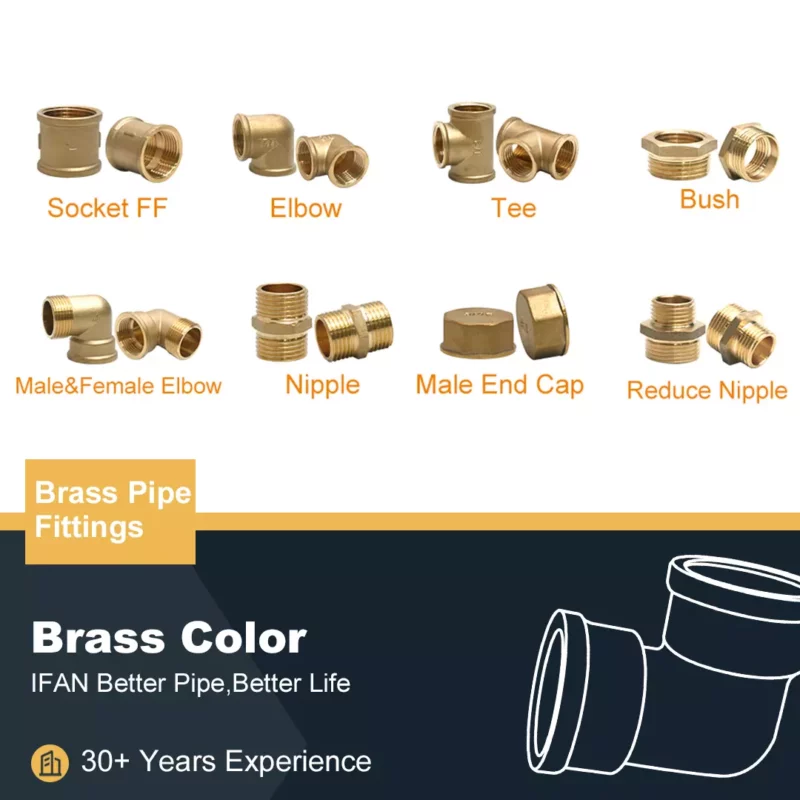
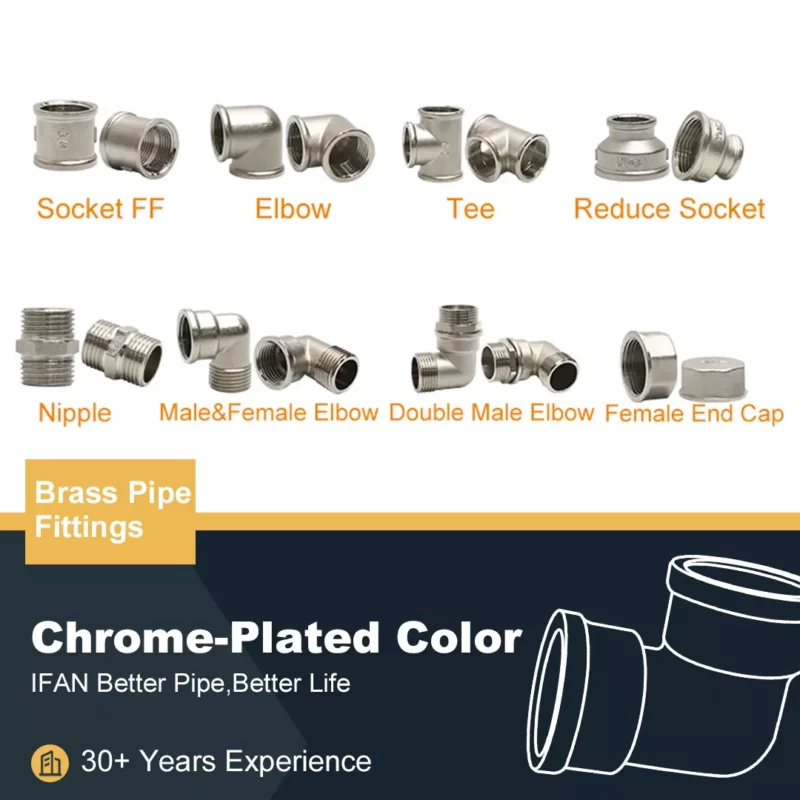
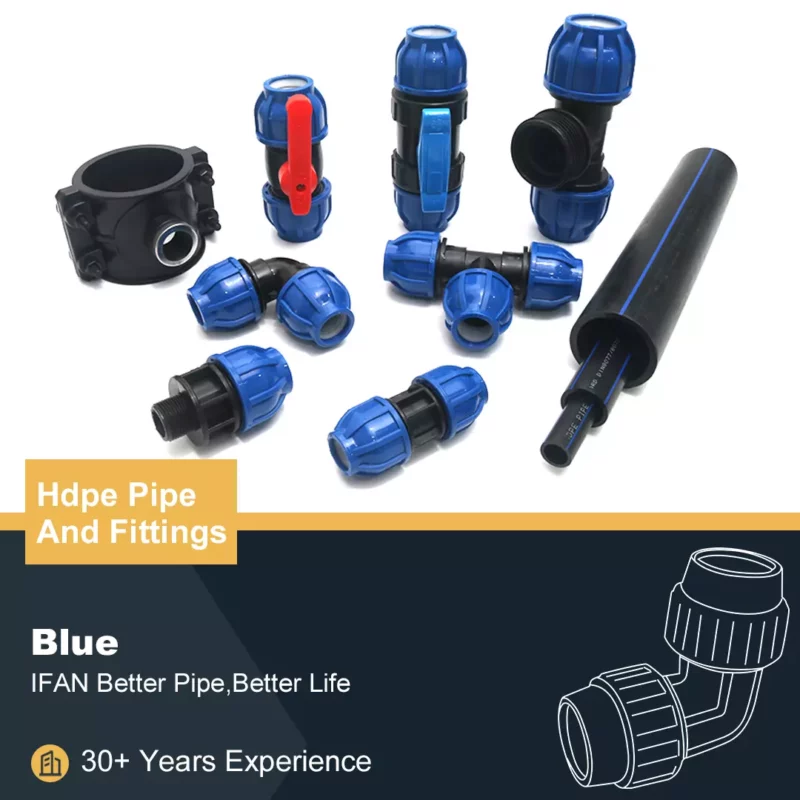
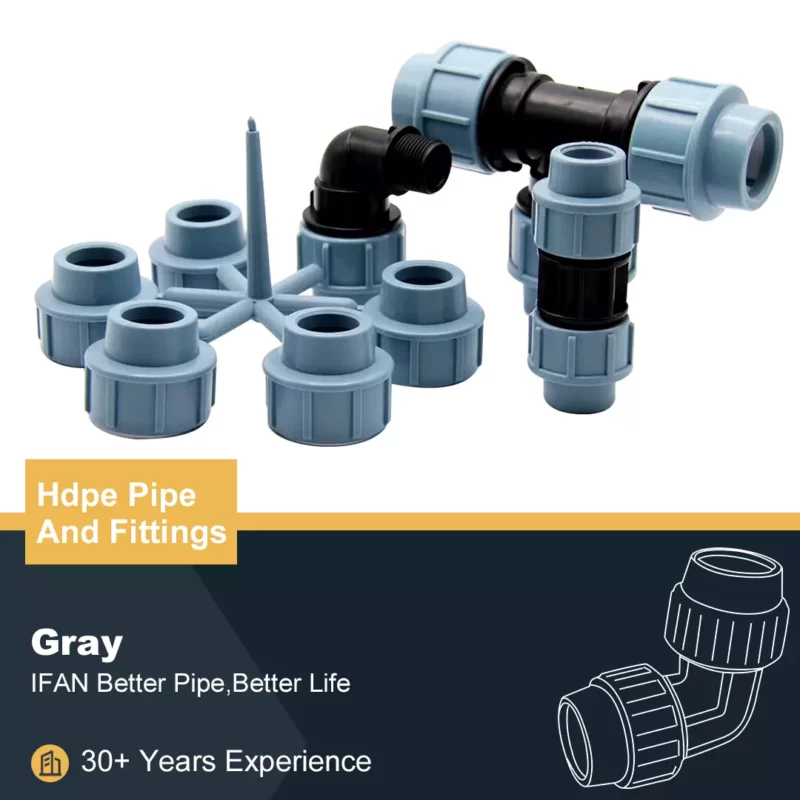


Brass compression fittings play a crucial role in ensuring leak-free connections in plumbing systems. Their reliability and durability make them a top choice for a wide range of applications. This article will explore the features, benefits, installation, and maintenance of brass compression fittings, highlighting how they provide secure sealing for plumbing systems.
What Are Brass Compression Fittings?
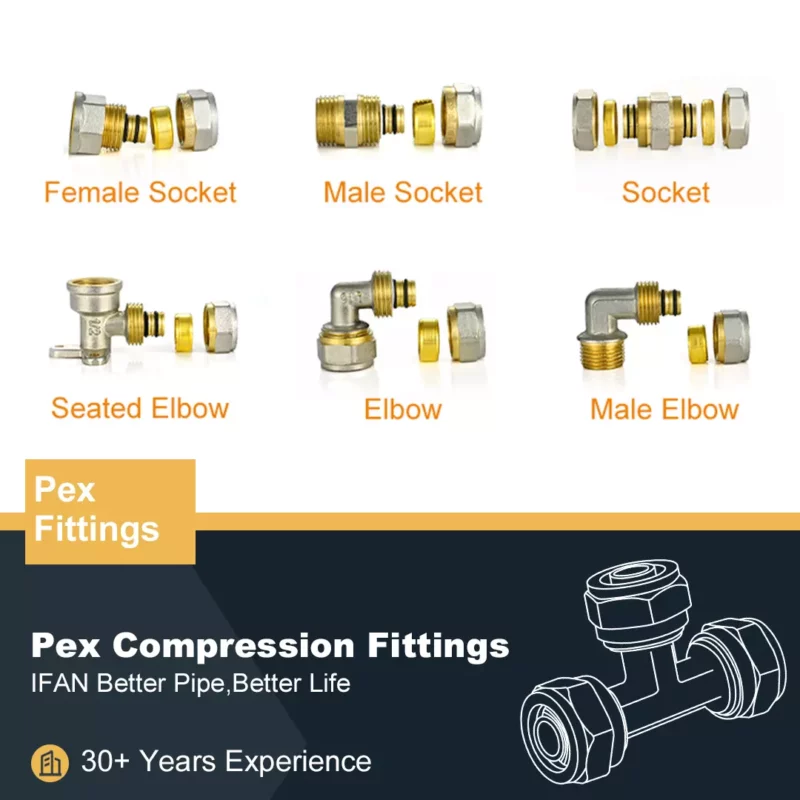
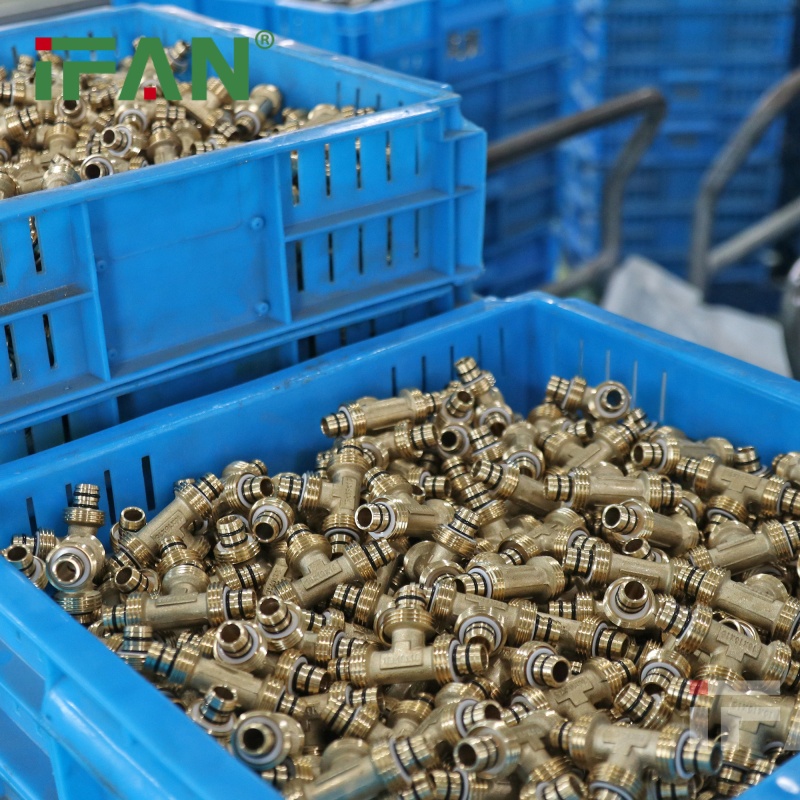
Brass compression fittings are mechanical devices used to join two pipes or tubes. These fittings consist of three main components: a compression nut, a compression ring (or ferrule), and a fitting body. The primary function of a compression fitting is to create a secure seal between the pipe and the fitting. The process involves tightening the compression nut, which compresses the ferrule against the pipe. This tight seal ensures that the system remains leak-free.
Made from brass, these fittings are favored for their strength, resistance to corrosion, and ability to handle high pressures. They are commonly used in residential, commercial, and industrial plumbing systems, where a reliable connection is essential.
Benefits of Brass Compression Fittings
The key benefit of using brass compression fittings is their ability to create a leak-proof seal. When properly installed, they offer superior reliability in water, gas, and air systems. The brass material provides strength and corrosion resistance, making these fittings ideal for a variety of environments.
Another advantage is ease of installation. Brass compression fittings do not require welding, soldering, or special tools. The installation process is straightforward and can be completed with basic plumbing tools. This makes them a practical choice for both professional plumbers and DIY enthusiasts.
Additionally, brass compression fittings are reusable. If adjustments are needed, they can be disassembled and reassembled without compromising their sealing ability. This makes them a cost-effective solution for repairs and maintenance.
How Brass Compression Fittings Work
The mechanism behind a brass compression fitting is simple yet effective. The compression nut is threaded onto the fitting body, and the ferrule is placed over the pipe. As the nut is tightened, it compresses the ferrule, which in turn tightens around the pipe. This creates a strong and secure seal that prevents leaks.
The ferrule is typically made of brass or copper, which enhances the fitting’s sealing properties. The compression process ensures that the pipe remains firmly in place while allowing flexibility for thermal expansion and contraction. The tight seal also prevents contaminants from entering the system, maintaining the integrity of the plumbing.
Applications of Brass Compression Fittings
Brass compression fittings are used in a wide range of plumbing applications. They are commonly found in water supply systems, gas lines, HVAC systems, and more. Their versatility allows them to work with various types of pipes, including copper, steel, and plastic.
In residential plumbing, these fittings are often used for connecting pipes in areas like kitchens, bathrooms, and laundry rooms. They are also used in industrial and commercial plumbing, where higher pressures and temperatures are involved. In gas lines, brass compression fittings ensure a secure connection that reduces the risk of leaks, which could lead to hazardous situations.
Advantages Over Other Fittings
Compared to other types of fittings, brass compression fittings offer distinct advantages. For instance, they provide a more reliable seal than push-fit or slip-joint fittings, which can be prone to leaks over time. Unlike threaded fittings, which can be difficult to install and may require sealing compounds, brass compression fittings are easier to tighten and secure.
Brass also outperforms plastic fittings in many cases. While plastic may be more affordable, it is more prone to cracking, especially when exposed to high temperatures or UV rays. Brass, on the other hand, is highly resistant to corrosion and extreme weather conditions, ensuring a longer lifespan.
Installation of Brass Compression Fittings
Installing brass compression fittings is a relatively simple task. To start, ensure the pipe is cut cleanly and is free of any burrs or debris. Measure the pipe and ensure that it fits properly into the fitting body. Next, slide the compression nut and ferrule onto the pipe.
Insert the pipe into the fitting body and tighten the compression nut with a wrench. Be careful not to overtighten, as this can cause damage to the fitting or the pipe. Once the nut is tight, check for leaks by running water or air through the system. If any leaks are detected, carefully tighten the nut further.
It’s important to note that while brass compression fittings are easy to install, they must be installed correctly to ensure a leak-free connection. Follow manufacturer instructions and take time to ensure a proper seal.
Maintenance of Brass Compression Fittings
Brass compression fittings are known for their longevity, but regular maintenance can help ensure they continue to perform at their best. One key aspect of maintenance is periodic inspection. Over time, the compression ring or nut may wear out, leading to potential leaks. Check the fittings for any signs of corrosion, damage, or wear and replace them if necessary.
For outdoor plumbing systems, protect the brass fittings from extreme weather conditions, particularly freezing temperatures. Insulating the pipes can prevent freezing and the expansion of water, which can cause fittings to crack or leak.
It is also important to inspect the pipes and fittings periodically for any shifting or movement. If pipes become misaligned, it can affect the integrity of the compression fitting seal. Ensure that the pipes are securely anchored and that the fittings remain tightly connected.
Cost-Effectiveness of Brass Compression Fittings
One of the significant advantages of brass compression fittings is their cost-effectiveness. Although brass is more expensive than some other materials like plastic, the durability and long lifespan of brass fittings make them a worthwhile investment. These fittings rarely need replacing, and their ability to be reused adds further value.
When compared to other sealing methods, such as welding or soldering, brass compression fittings are less labor-intensive and time-consuming. This reduces installation costs, making them a popular choice for both homeowners and professionals. Their versatility across different plumbing systems also helps save money on material costs, as they can be used with various types of pipes.
Conclusion
Brass compression fittings are an essential component for ensuring secure, leak-free plumbing connections. Their strength, corrosion resistance, and ease of installation make them ideal for a wide variety of plumbing systems. Whether in residential, commercial, or industrial applications, brass compression fittings offer a reliable and cost-effective solution for securing pipes and preventing leaks.
With proper installation and regular maintenance, these fittings can provide long-lasting performance. Their versatility and durability make them a valuable choice for any plumbing system, ensuring a secure seal and contributing to the overall reliability of the system.
If you have read this article and have any questions, please feel free to contact IFAN. Below is our contact information:
Whatsapp:+86 13373827623
Email:[email protected]