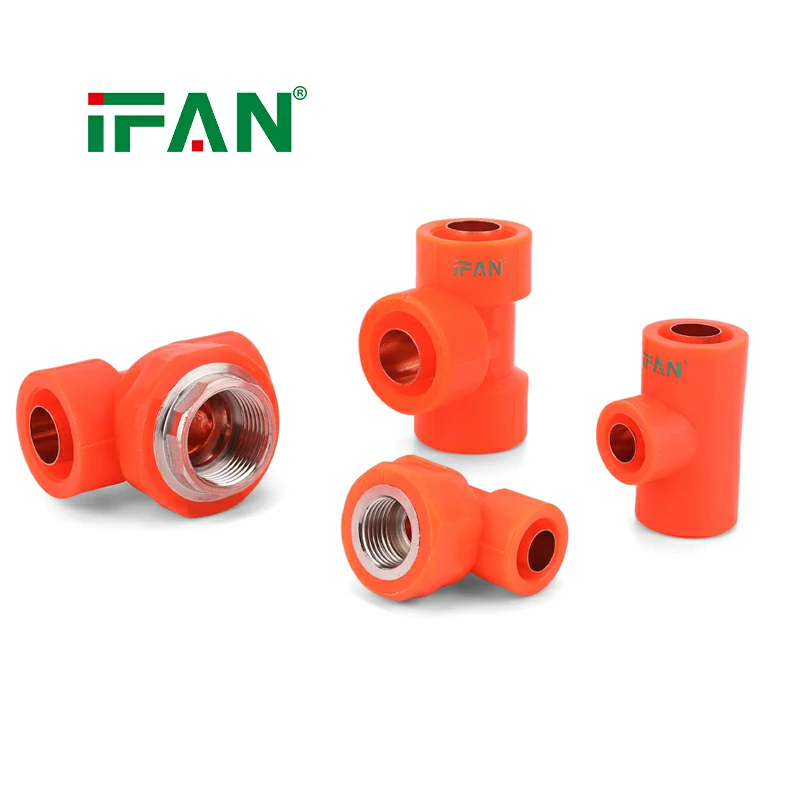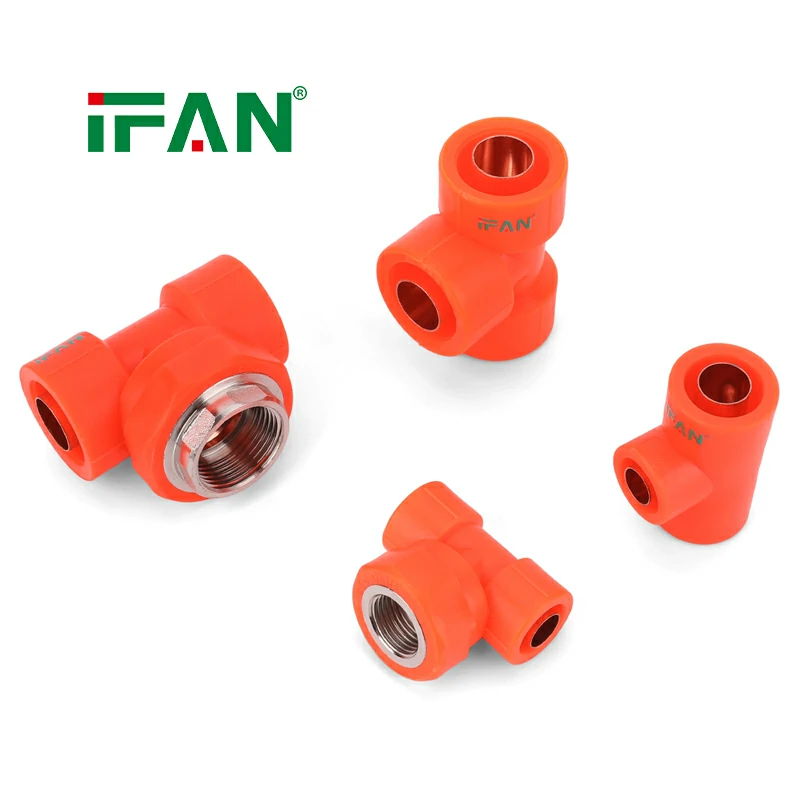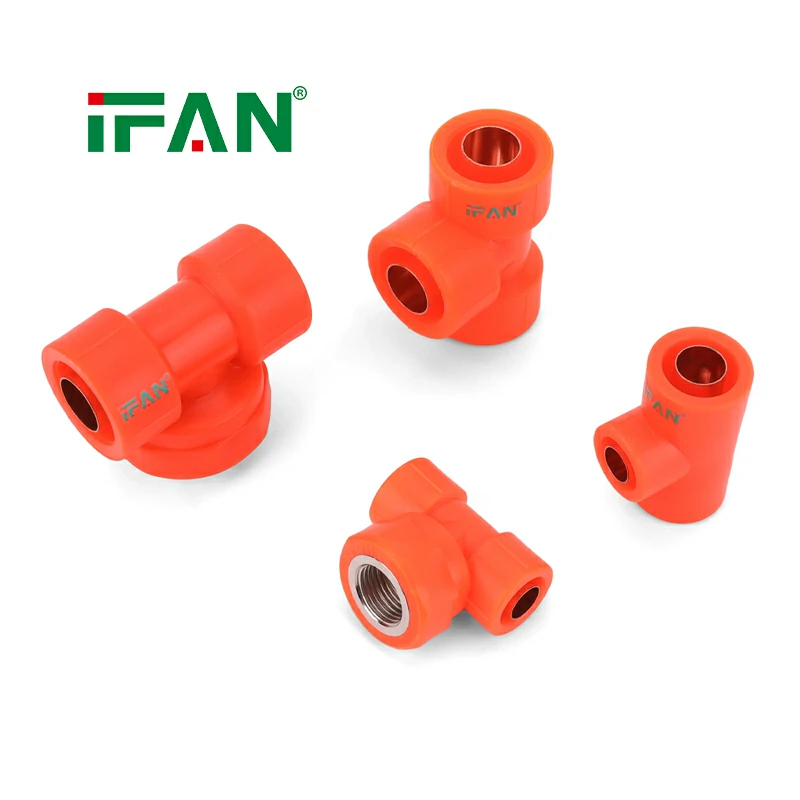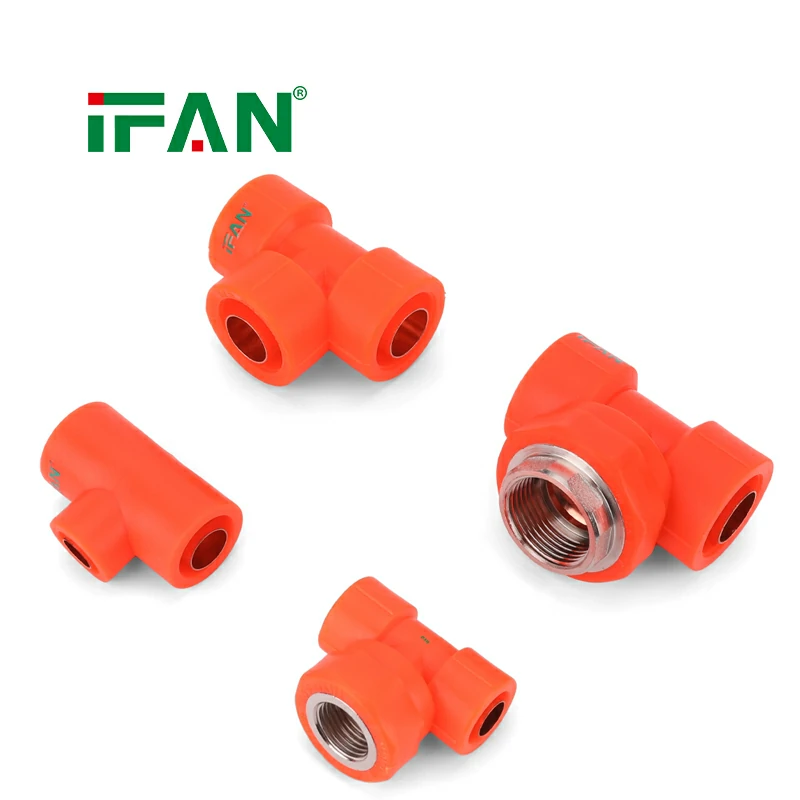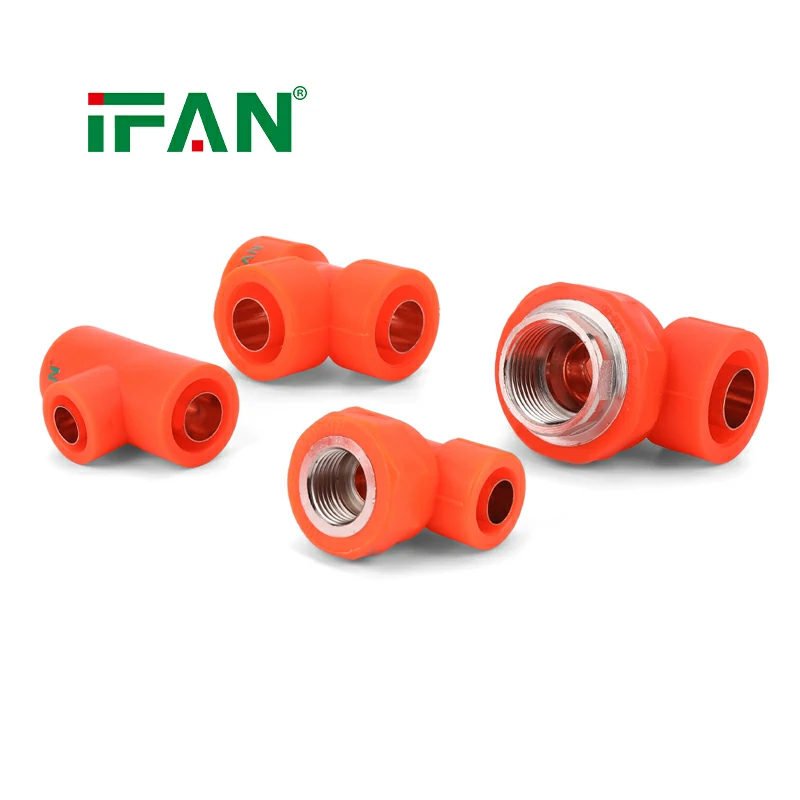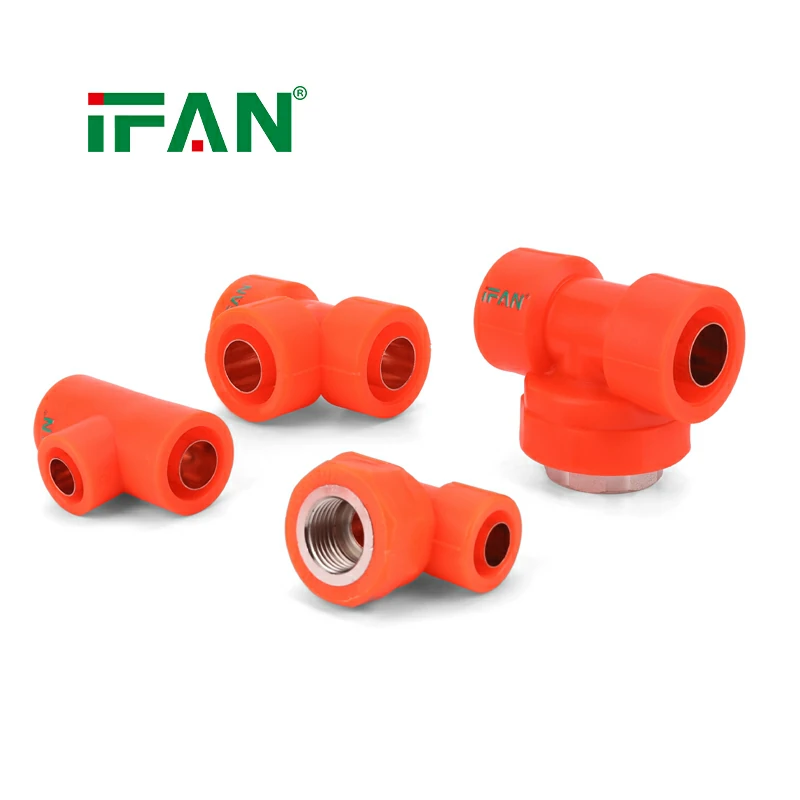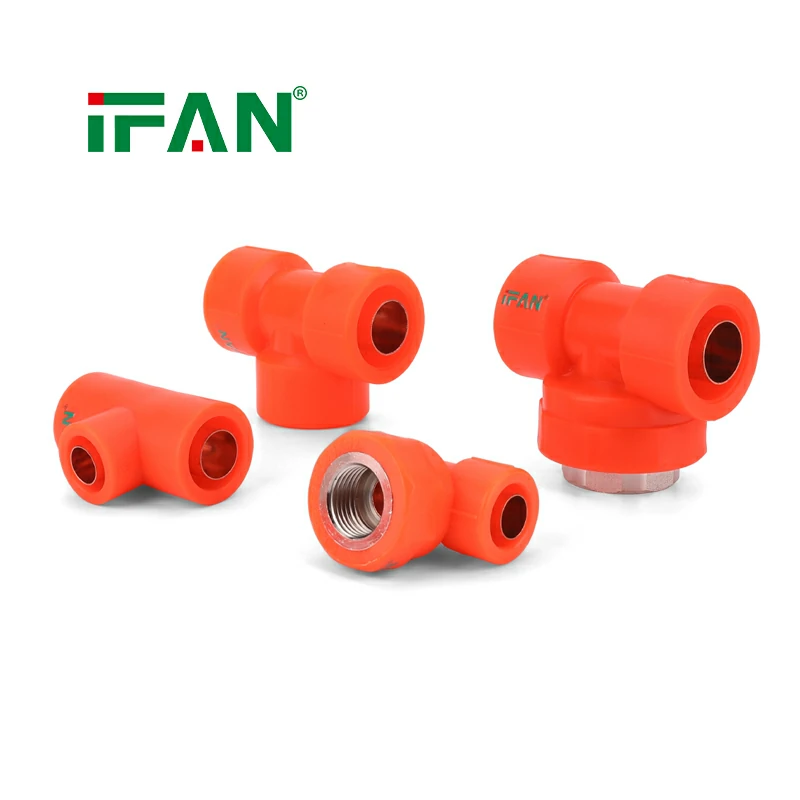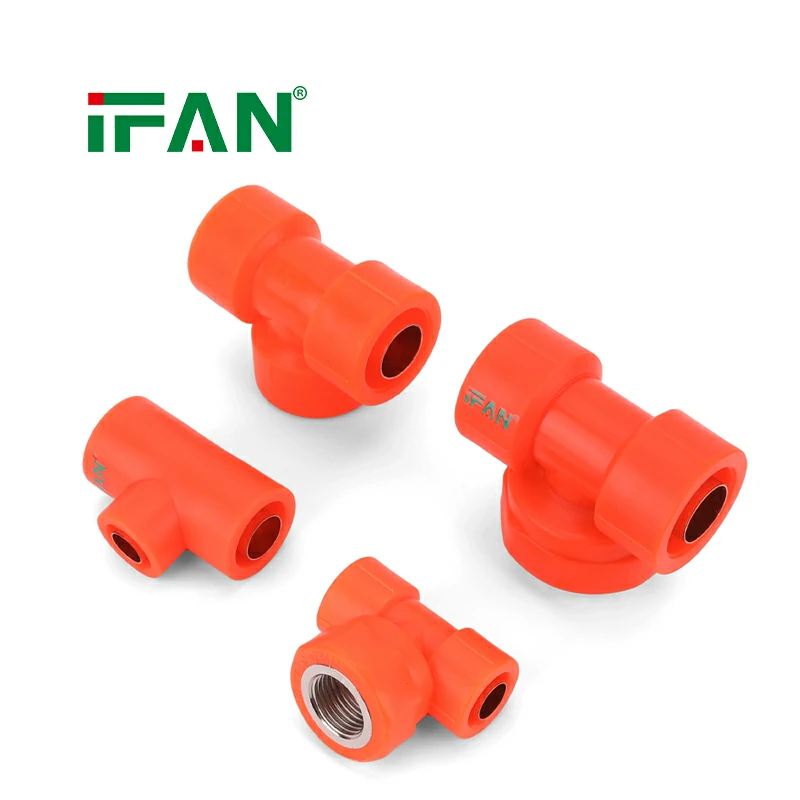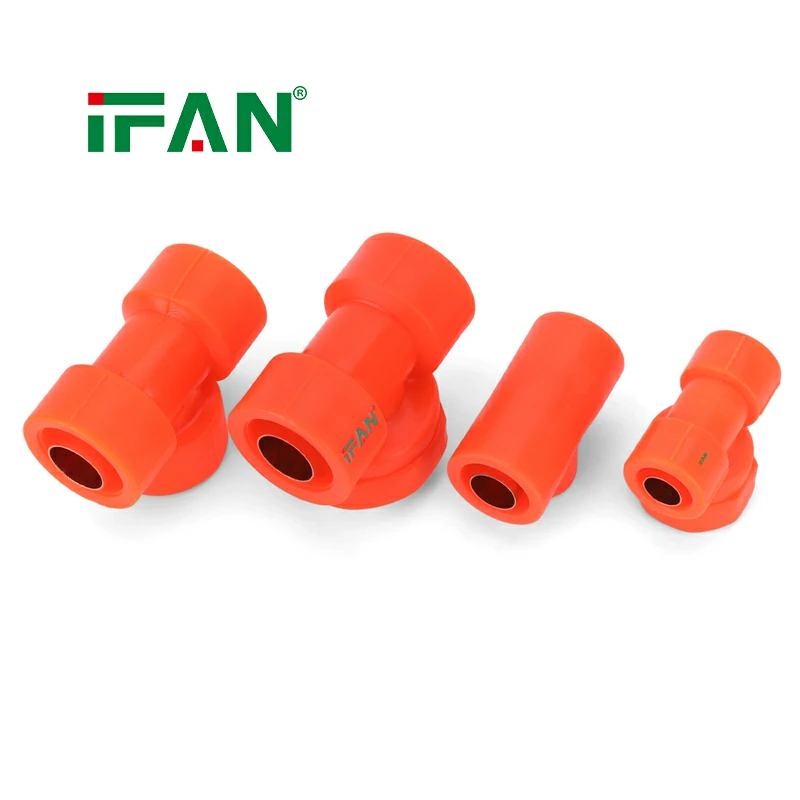
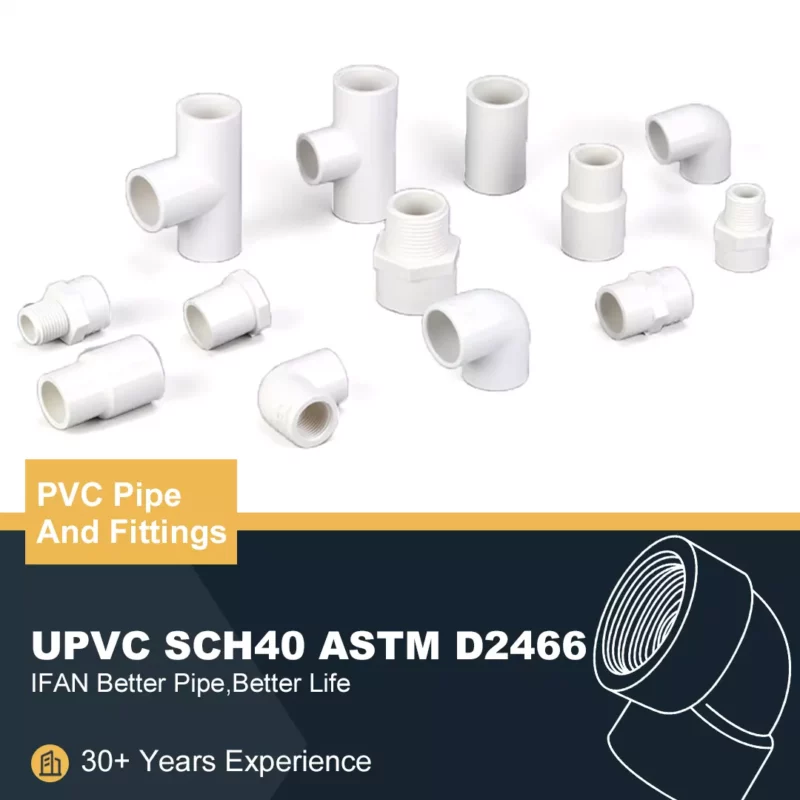
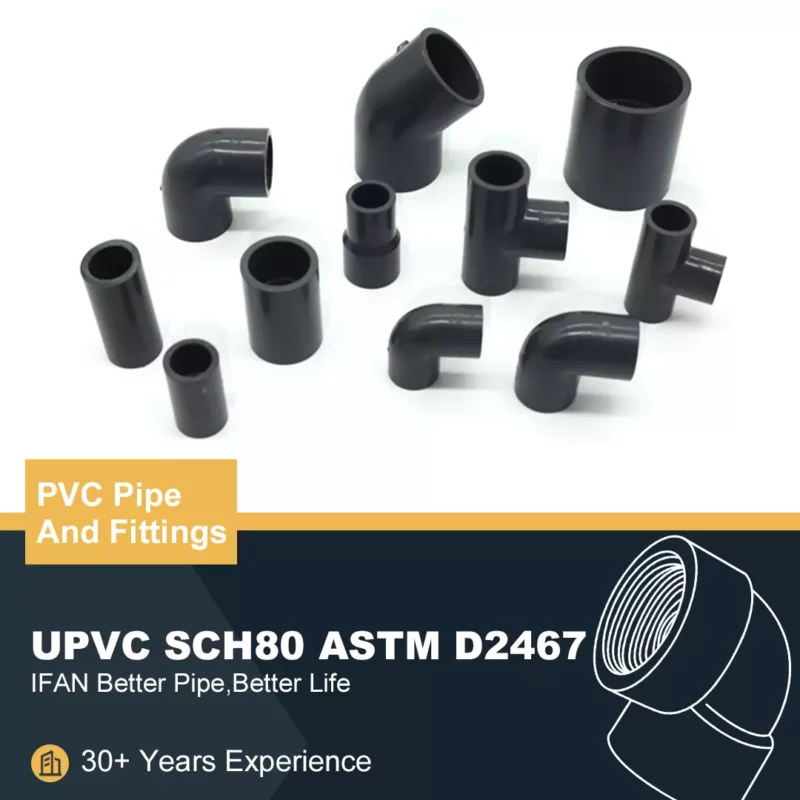
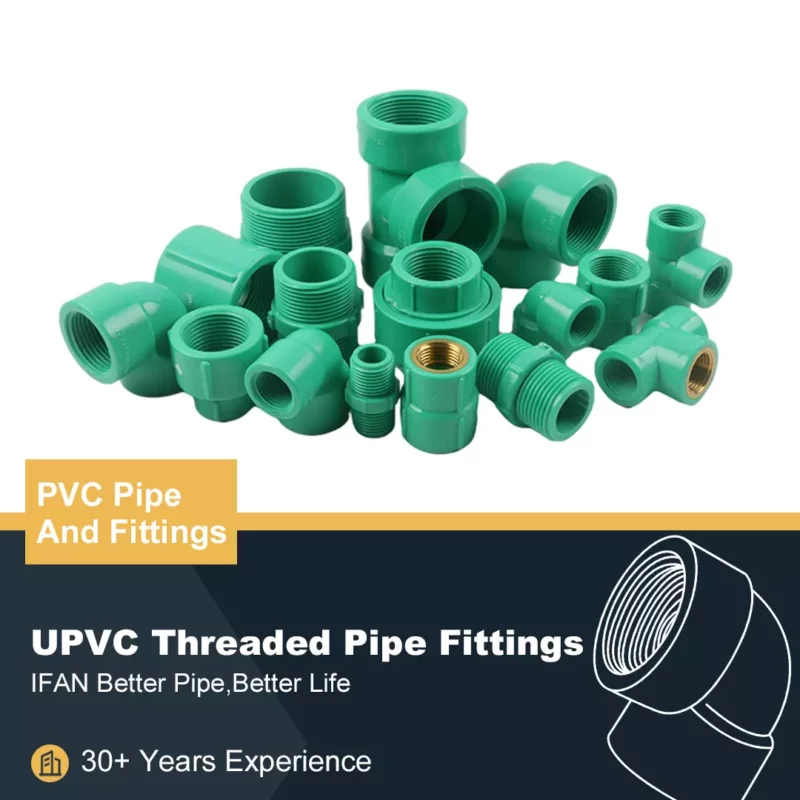
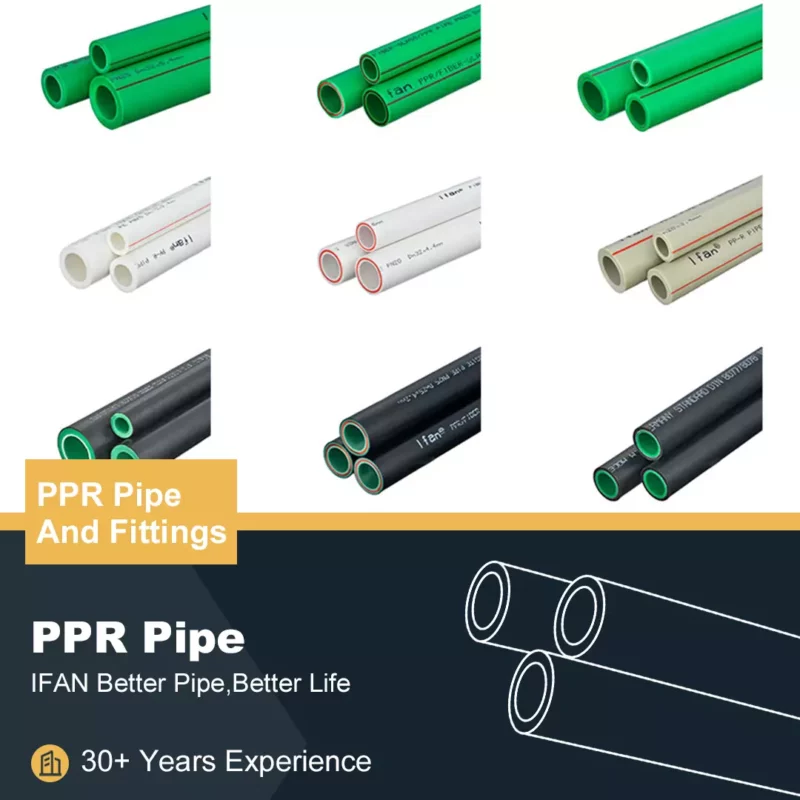
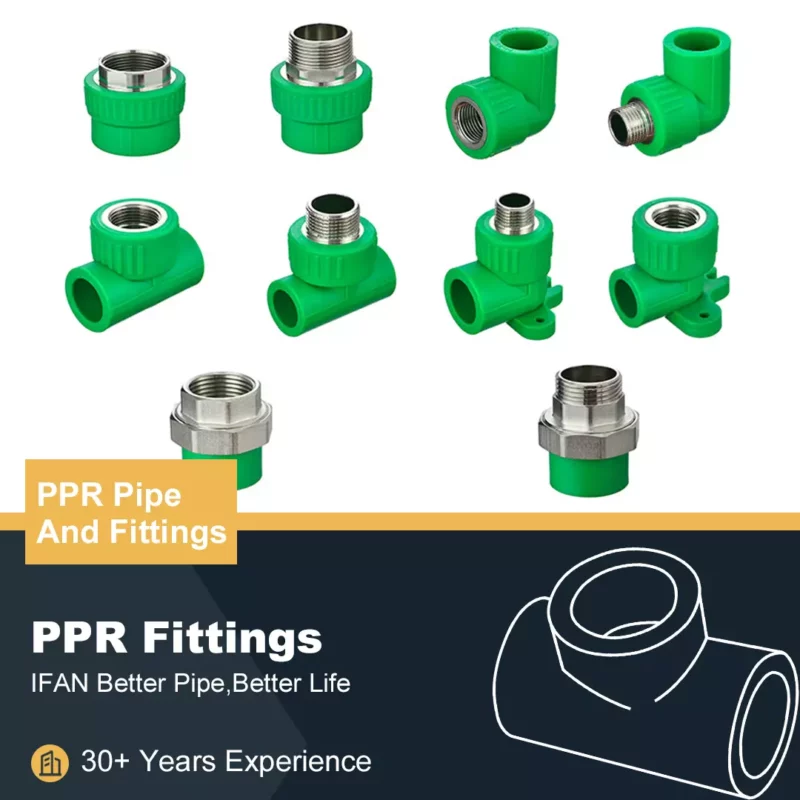
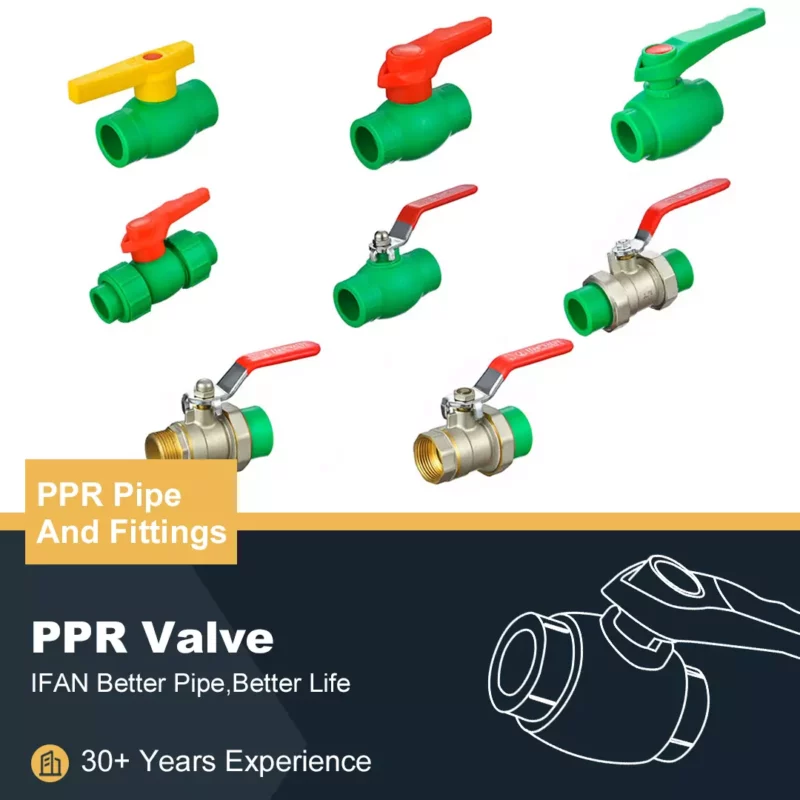
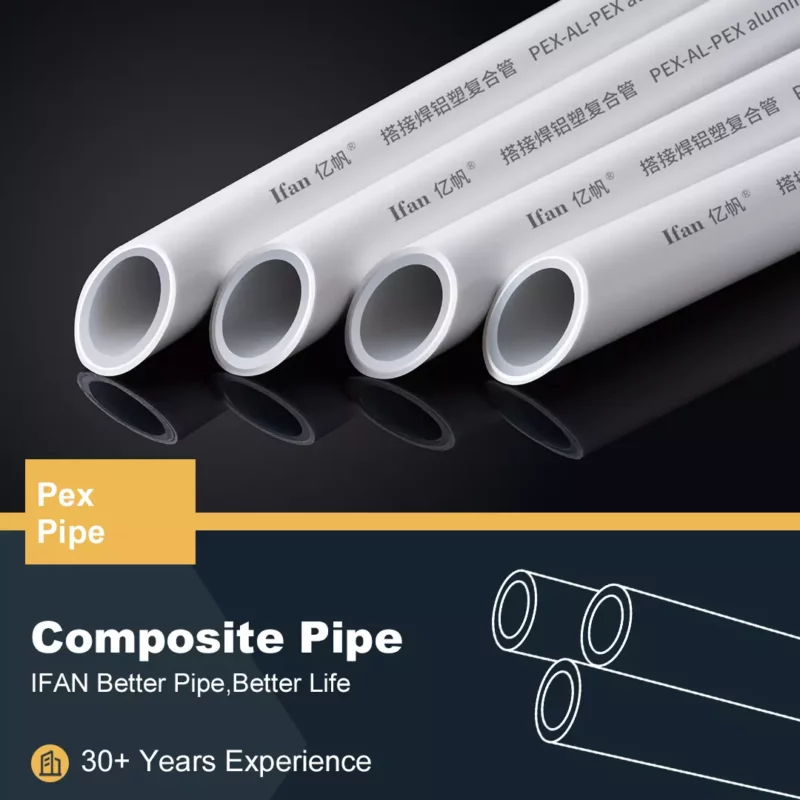
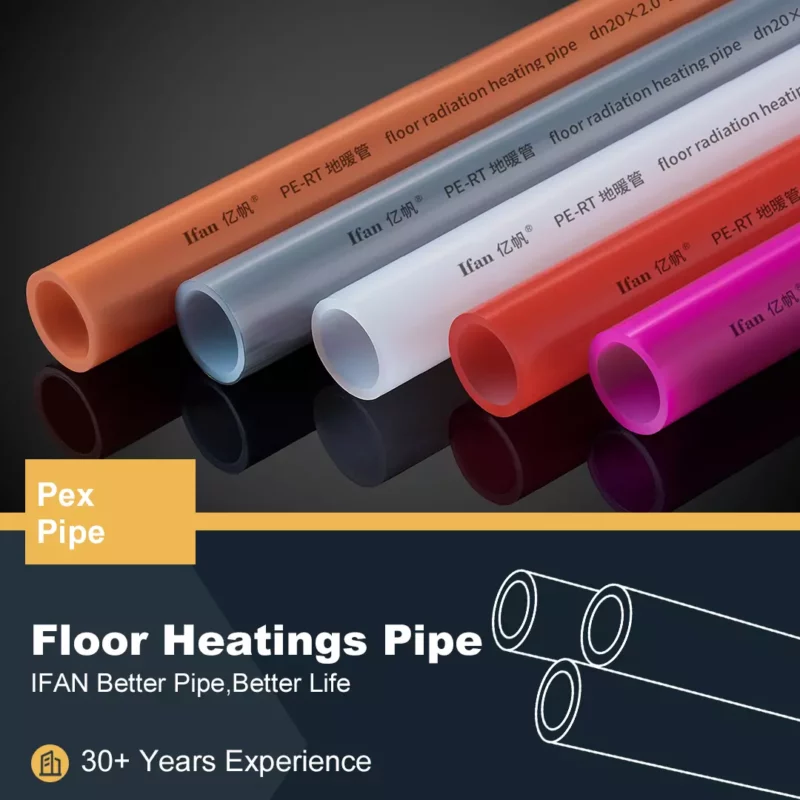
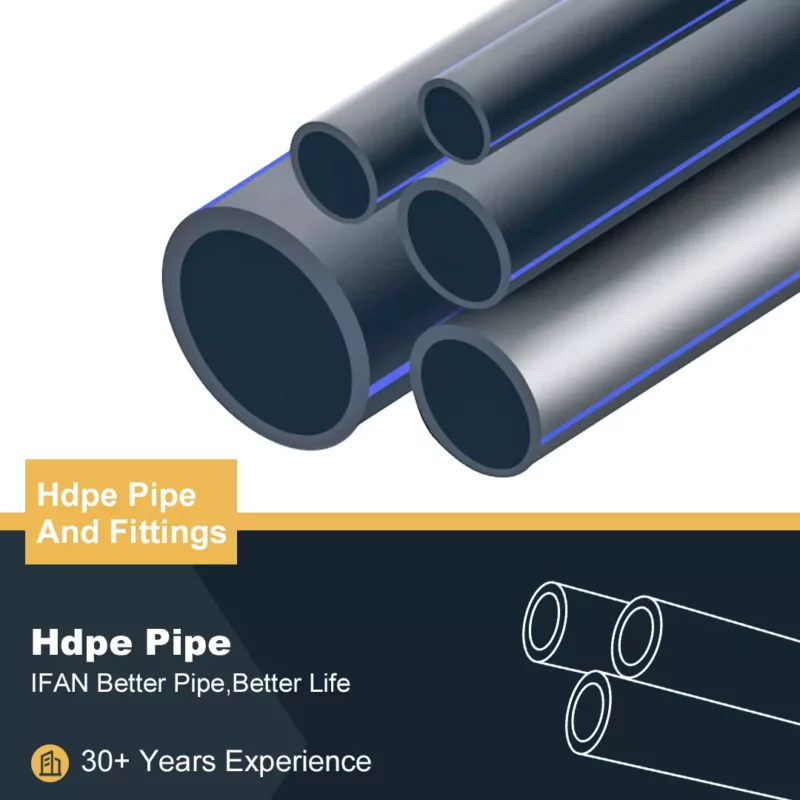
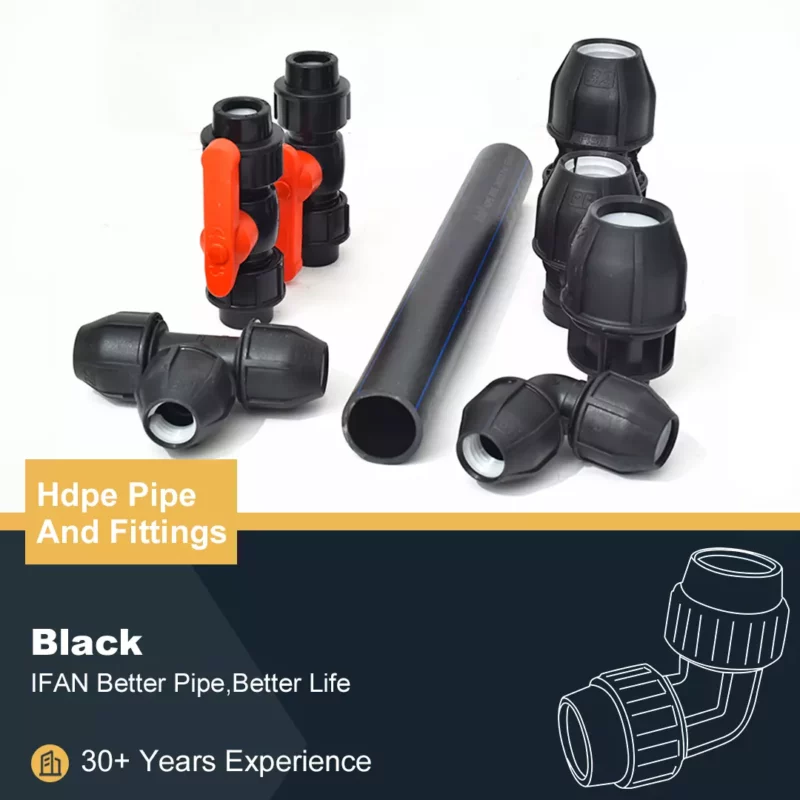
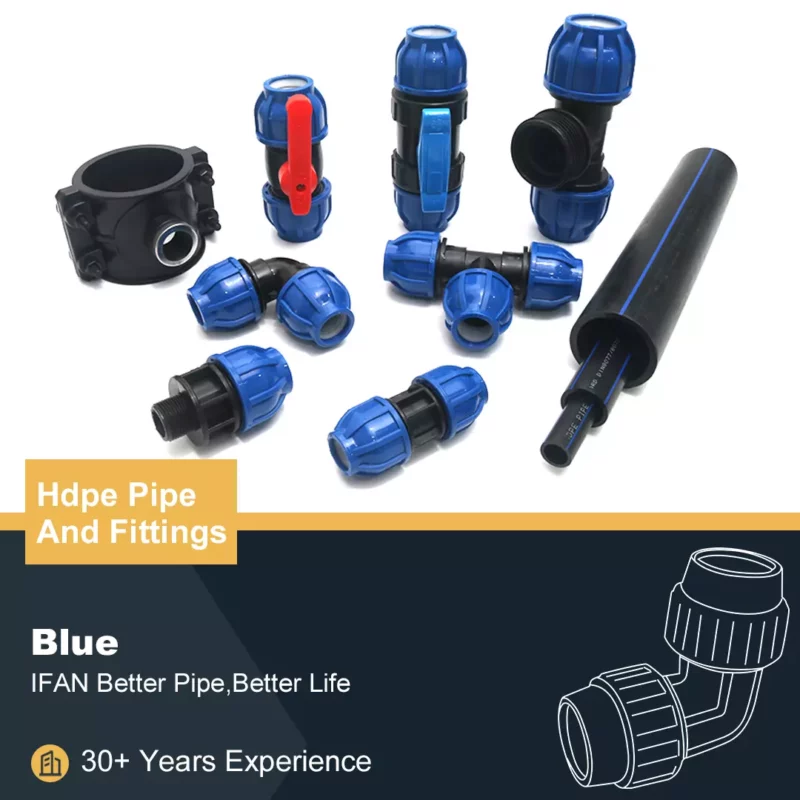
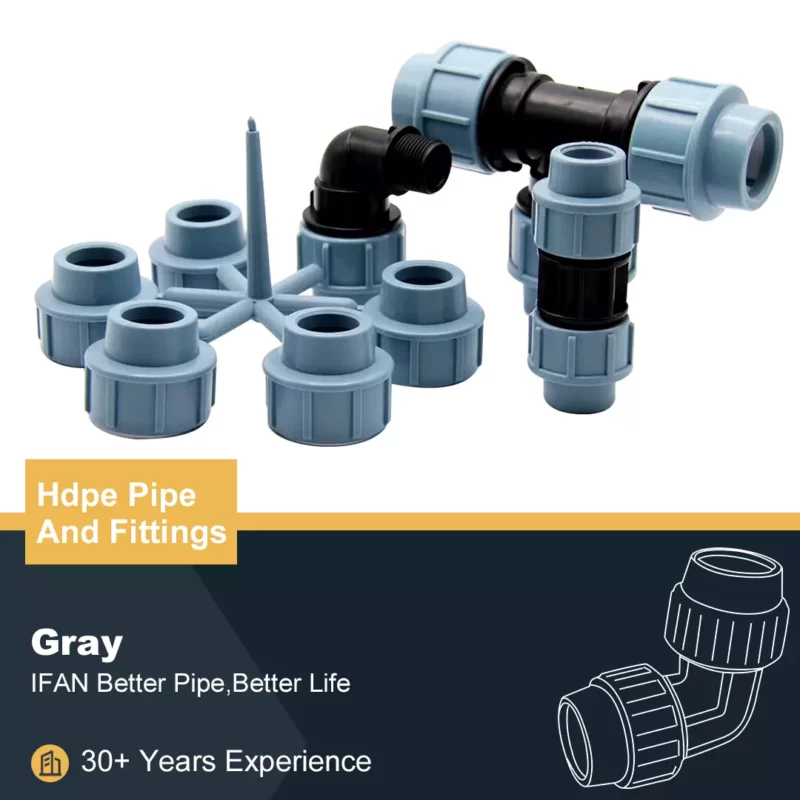



The Sahel region of Africa presents one of the world’s most challenging environments for water infrastructure, characterized by extreme temperatures, scarce resources, and limited maintenance capabilities. In this demanding context, PPR fittings and piping systems are emerging as a transformative technology for water management, offering unique advantages that address the specific challenges of Sahelian conditions. The implementation of PPR fittings in this region represents not just a technical choice, but a strategic approach to sustainable water infrastructure in some of Africa’s most vulnerable communities.
The Sahelian Context: Unique Environmental Challenges
The Sahel region, stretching across Africa from Senegal to Sudan, poses extraordinary challenges for water systems:
Climatic Extremes:
Temperatures regularly exceed 40°C (104°F), with intense UV radiation that degrades conventional plumbing materials. PPR fittings demonstrate superior resistance to these conditions, maintaining structural integrity where other materials fail.
Water Scarcity and Quality Issues:
With limited water resources, every drop counts. The leak-proof nature of thermally fused PPR fittings systems ensures minimal water loss, while the material’s inert properties prevent contamination of precious water supplies.
Dust and Sand Infiltration:
Persistent dust storms can compromise mechanical joints in traditional systems. The monolithic joints created by PPR fittings fusion welding provide complete protection against particulate infiltration.
Limited Technical Resources:
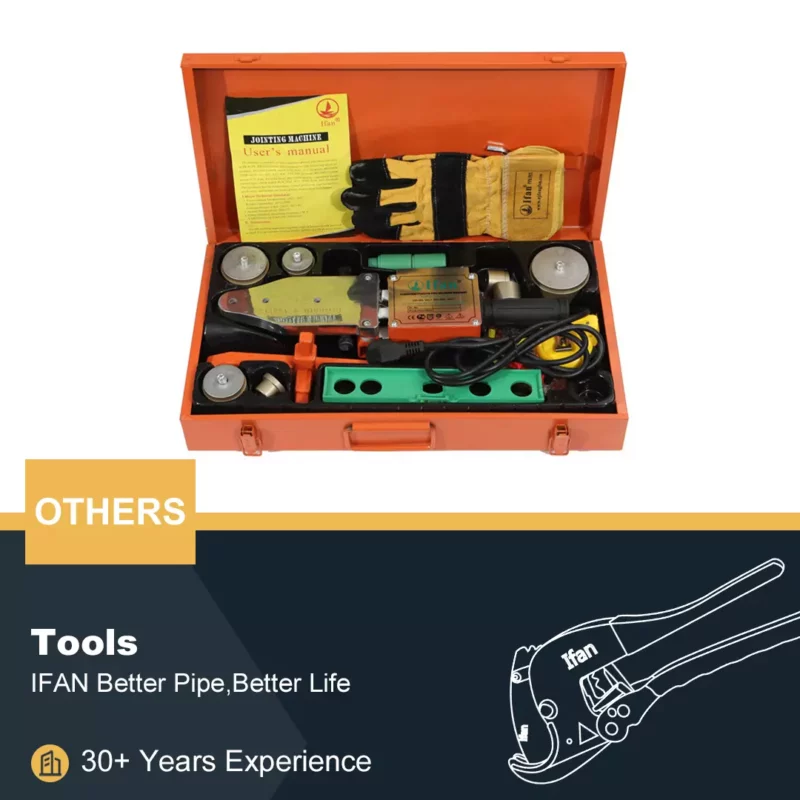
Remote Sahelian communities often lack access to specialized tools and trained technicians. PPR fittings installation requires minimal equipment and can be mastered with basic training, making maintenance feasible in isolated areas.
Technical Advantages of PPR Fittings in Sahelian Conditions
Thermal Stability:
PPR fittings maintain performance across the extreme temperature ranges experienced in the Sahel. Unlike metal systems that expand and contract significantly, PPR fittings have a moderate thermal expansion coefficient that reduces stress on installation supports.
UV Resistance:
Specially formulated PPR fittings for outdoor use incorporate UV stabilizers that protect against solar degradation, crucial for exposed installations in the Sahelian environment.
Chemical Inertness:
The highly mineralized water common in many Sahelian regions accelerates corrosion in metal systems. PPR fittings are completely immune to electrochemical corrosion and resist scale buildup, ensuring long-term flow capacity.
Biological Safety:
The smooth, non-porous surface of PPR fittings inhibits bacterial growth, a critical consideration in regions where waterborne diseases pose significant health risks.
Implementation Strategies for Sahelian Communities
Appropriate Technology Approach:
Successful PPR fittings implementation in the Sahel requires adaptation to local conditions:
- Solar-Powered Fusion Tools: Developing welding equipment that operates efficiently on solar power addresses electricity reliability issues
- Mobile Training Units: Bringing PPR fittings installation training to remote communities builds local capacity
- Simplified Inventory Systems: Standardizing on a limited range of PPR fittings sizes reduces complexity and inventory costs
Community Engagement Model:
Involving local communities in PPR fittings projects ensures sustainability:
- Train-the-Trainer Programs: Creating local experts who can maintain PPR fittings systems and train others
- Women’s Training Initiatives: Specifically engaging women in PPR fittings installation, recognizing their central role in water management
- Cooperative Maintenance Systems: Establishing community-based teams responsible for PPR fittings system upkeep
Case Studies: Successful PPR Fittings Deployment
Niger Village Water Project:
A remote community in Niger implemented a PPR fittings based water system serving 500 households. The system has operated for three years with:
- Zero leaks despite ground shifting during seasonal changes
- No maintenance required beyond routine inspections
- Consistent water quality with no detectable contamination
- Local technicians successfully handling minor repairs
Malian School Complex:
A boarding school in Mali installed PPR fittings for both water supply and sanitation. Results include:
- 40% reduction in water consumption through elimination of leaks
- Elimination of water-borne disease outbreaks
- Student-led maintenance team managing basic PPR fittings repairs
- System performance maintained through multiple dry seasons
Technical Adaptation for Sahelian Conditions
Material Modifications:
PPR fittings formulations have been specifically enhanced for Sahelian applications:
- Enhanced UV Stabilization: Increased protection against intense solar radiation
- Sand-Resistant Socket Design: Modified PPR fittings geometries that prevent sand intrusion during installation
- High-Temperature Formulations: Special compounds that maintain pressure ratings at elevated temperatures
Installation Protocols:
Adapted procedures for PPR fittings installation address local challenges:
- Shaded Work Areas: Ensuring PPR fittings fusion occurs away from direct sunlight
- Dust Protection Measures: Simple enclosures that maintain cleanliness during welding
- Temperature Compensation: Adjusted heating times based on ambient conditions
Economic Considerations and Sustainability
Lifecycle Cost Advantage:
While initial costs of PPR fittings systems may be higher than alternatives, the lifecycle economics favor PPR fittings in Sahelian applications:
- Reduced Maintenance: Minimal need for repairs or replacements
- Water Conservation: Significant savings through leak prevention
- Long Service Life: PPR fittings systems typically last 50+ years in Sahelian conditions
- Lower Energy Requirements: Smooth interior surfaces reduce pumping costs
Local Economic Impact:
PPR fittings implementation creates positive local economic effects:
- Skills Development: Training in PPR fittings installation creates marketable technical skills
- Small Business Opportunities: Local shops can stock PPR fittings and basic tools
- Employment Generation: Installation and maintenance create local jobs
Challenges and Solutions
Supply Chain Limitations:
Ensuring reliable PPR fittings availability in remote areas requires innovative approaches:
- Regional Distribution Hubs: Strategic stocking locations serving multiple communities
- Standardized Kits: Pre-packaged PPR fittings sets for common installation types
- Mobile Supply Units: Vehicles equipped with essential PPR fittings inventory
Technical Capacity Building:
Addressing the skills gap through:
- Visual Training Materials: Installation guides using pictures rather than text
- Hands-On Workshops: Practical PPR fittings training with actual equipment
- Ongoing Support: Remote assistance for troubleshooting PPR fittings issues
Monitoring and Evaluation Framework
Effective PPR fittings implementation requires robust monitoring:
Performance Metrics:
- Water loss rates before and after PPR fittings installation
- System uptime and reliability
- Water quality indicators
- Maintenance frequency and costs
Social Impact Assessment:
- Time saved in water collection
- Health improvements from reliable clean water
- Economic benefits from reduced water costs
- Community satisfaction with PPR fittings systems
Future Directions and Scaling Opportunities
Technological Innovation:
Ongoing development of PPR fittings technology for the Sahel includes:
- Solar Thermal Fusion Tools: Equipment optimized for off-grid use
- Mobile Manufacturing: Small-scale PPR fittings production units
- Smart Monitoring: Basic digital sensors integrated with PPR fittings systems
Policy Integration:
Mainstreaming PPR fittings in regional water strategies:
- Building Code Inclusion: Recognizing PPR fittings in official standards
- Training Certification: Formal qualifications for PPR fittings installation
- Procurement Policies: Preferential treatment for PPR fittings in public projects
Conclusion: A Sustainable Pathway for Sahelian Water Security
PPR fittings represent more than just another plumbing technology for the Sahel—they offer a comprehensive solution aligned with the region’s specific challenges and opportunities. The combination of technical robustness, maintenance simplicity, and long-term reliability makes PPR fittings uniquely suited to transform water infrastructure across the Sahelian region.
As climate change intensifies water stress in already vulnerable communities, the role of appropriate technologies like PPR fittings becomes increasingly critical. The successful implementation of PPR fittings systems demonstrates that sustainable water solutions are achievable even in the world’s most challenging environments, providing a replicable model for other arid regions facing similar challenges.
The future of water security in the Sahel will increasingly depend on technologies like PPR fittings that deliver reliability, efficiency, and sustainability while building local capacity and resilience. Through continued innovation and strategic implementation, PPR fittings are poised to make a significant contribution to achieving water security for Sahelian communities.
If you have read this article and have any questions, please feel free to contact IFAN. Below is our contact information:
Whatsapp:+86 13373827623
Email:[email protected]