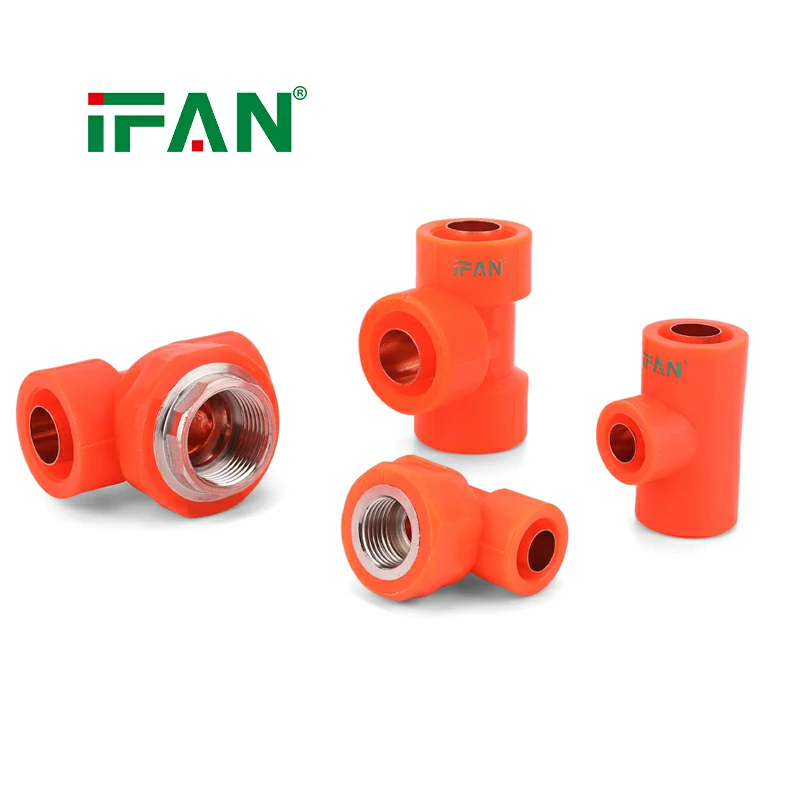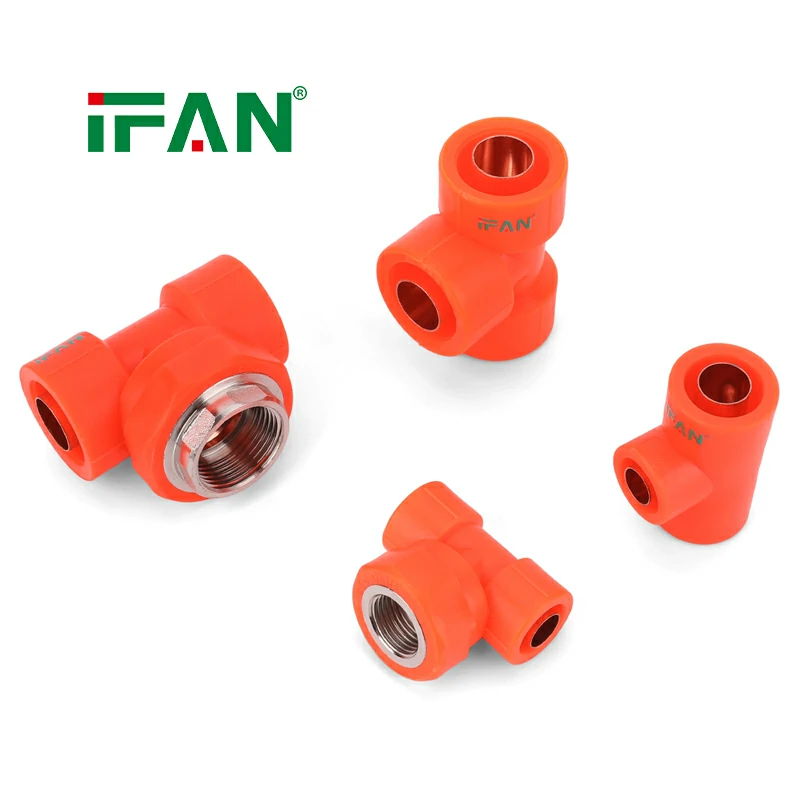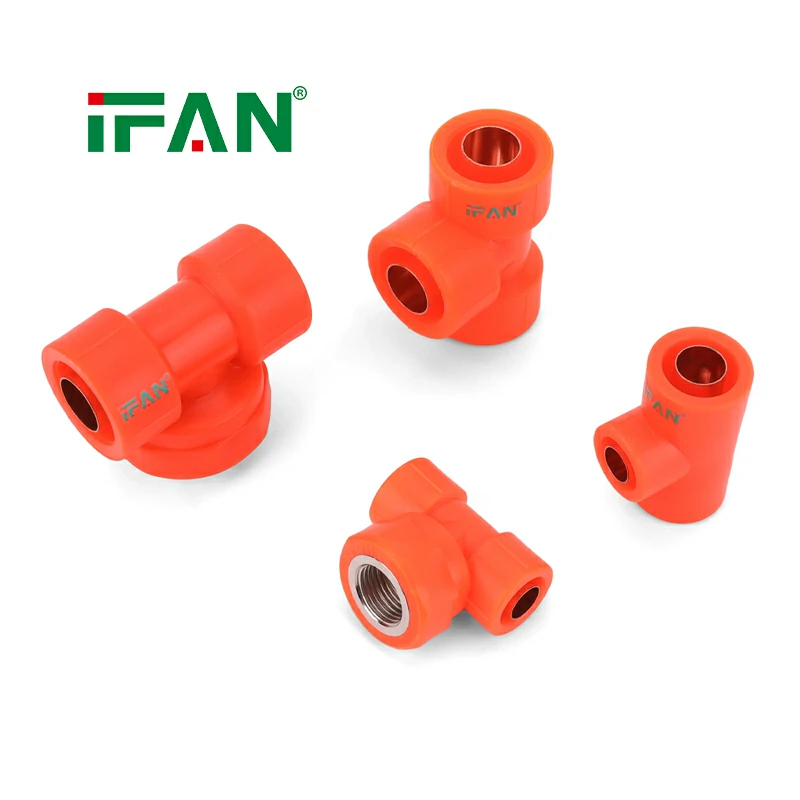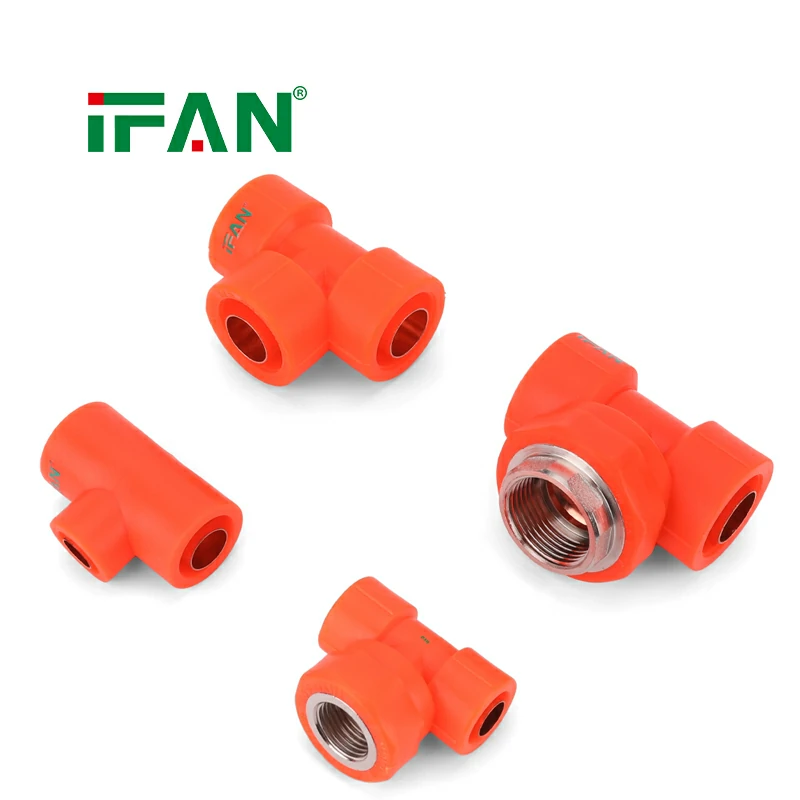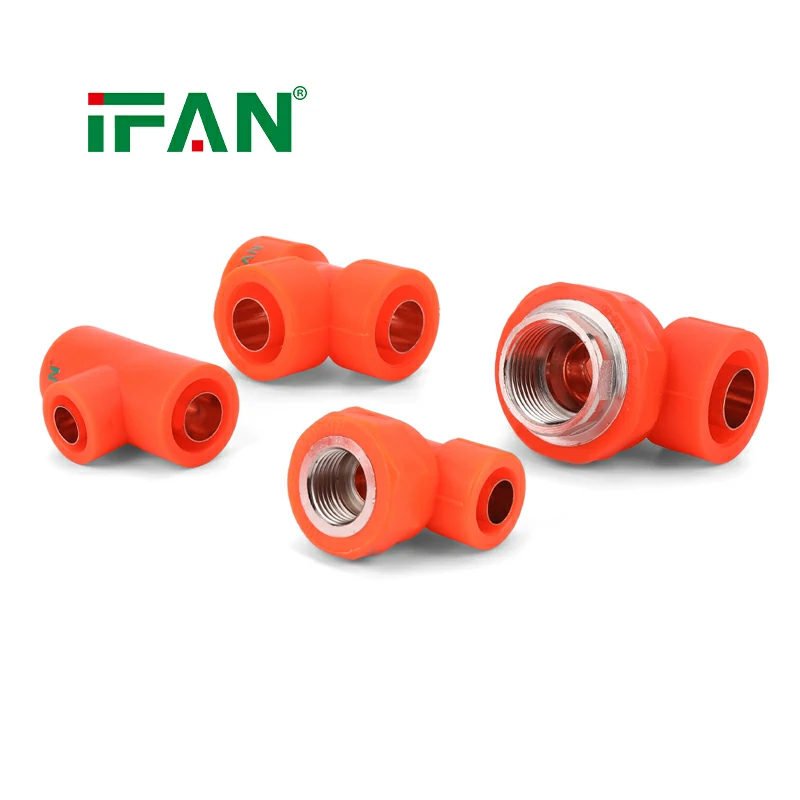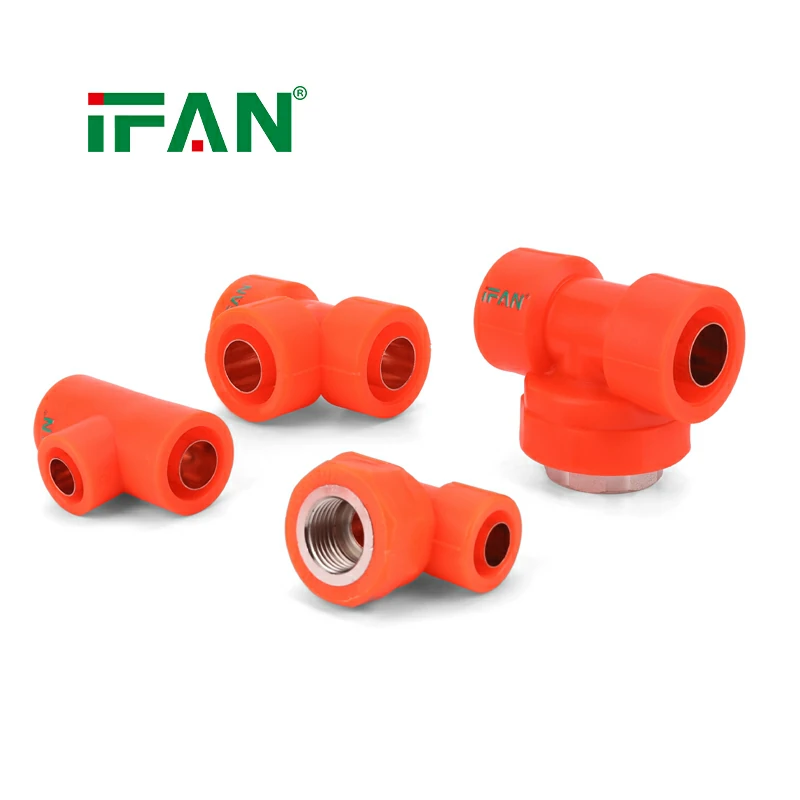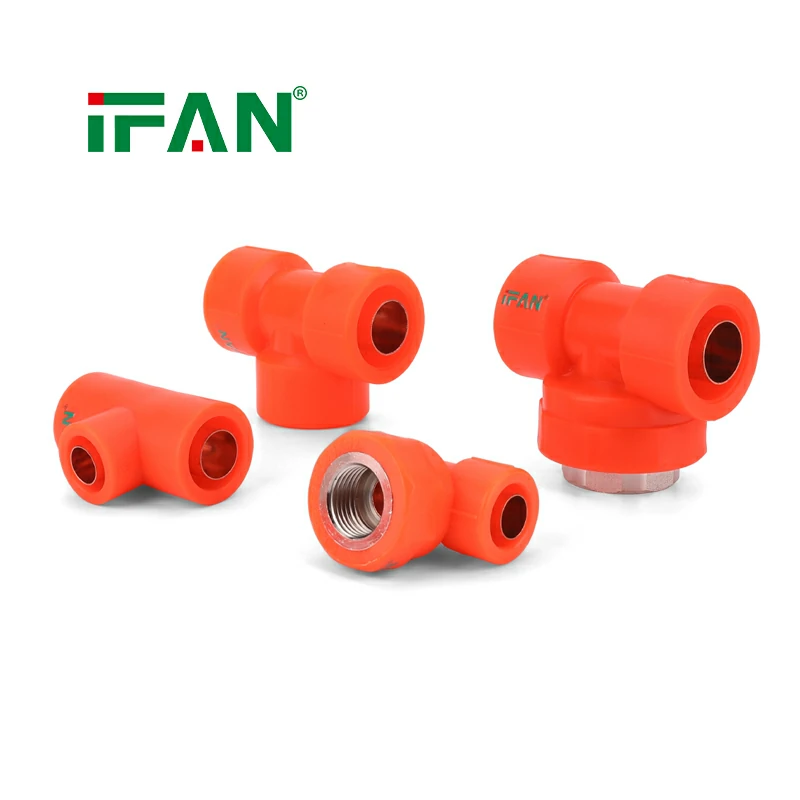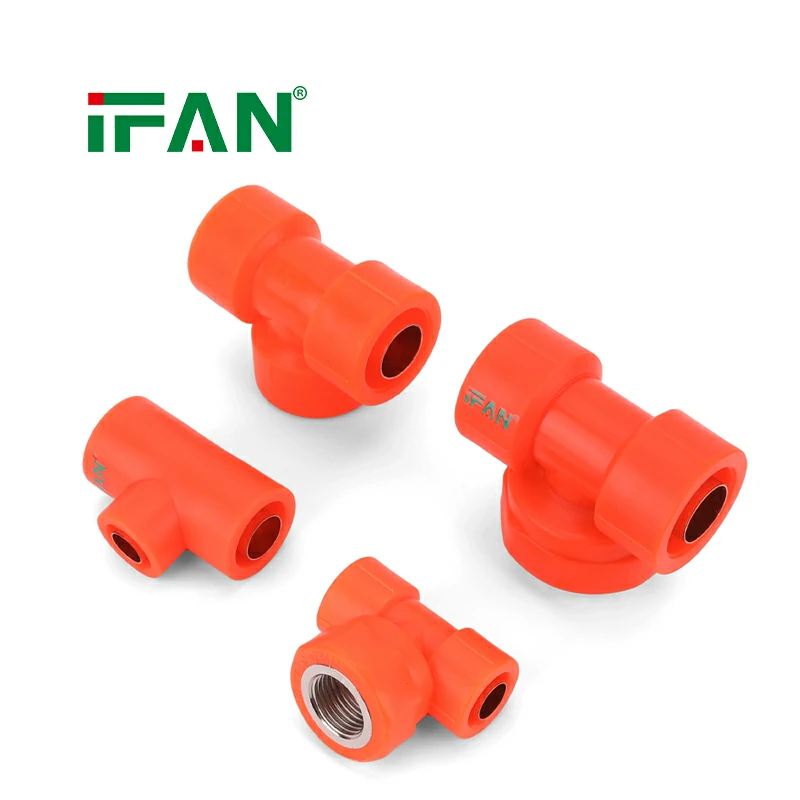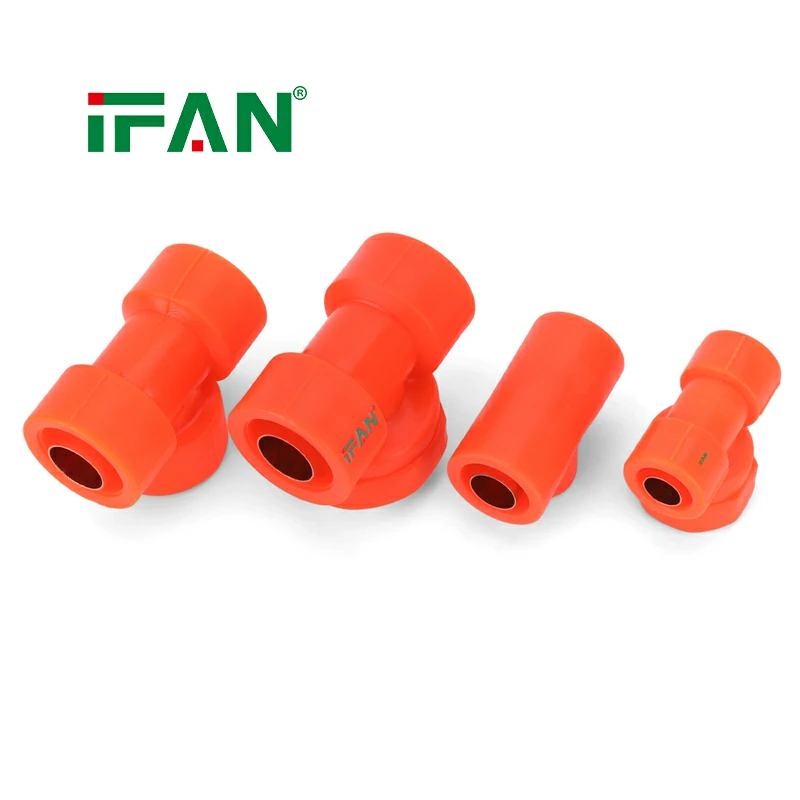
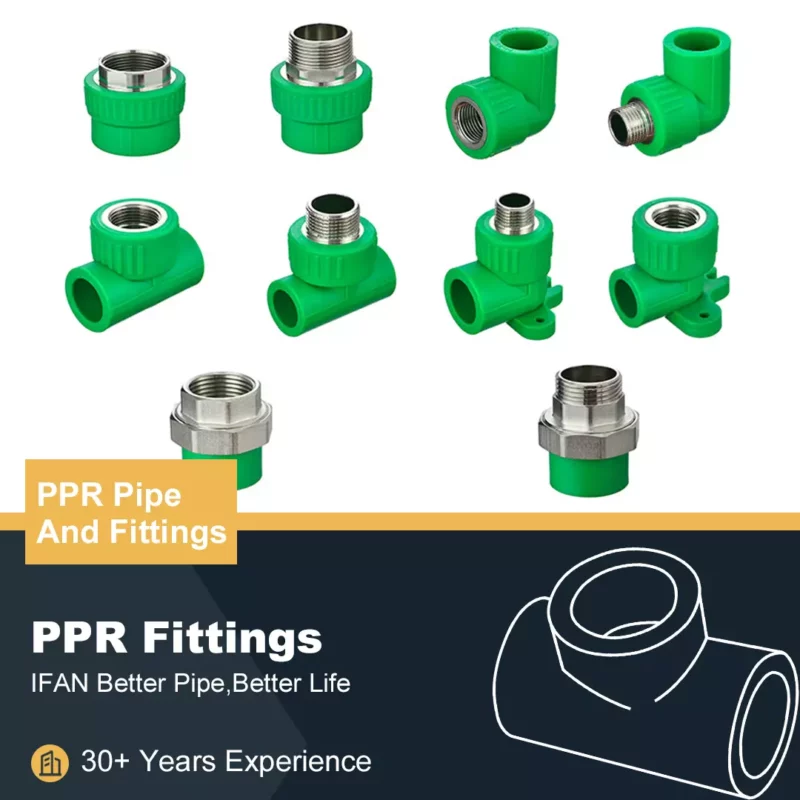
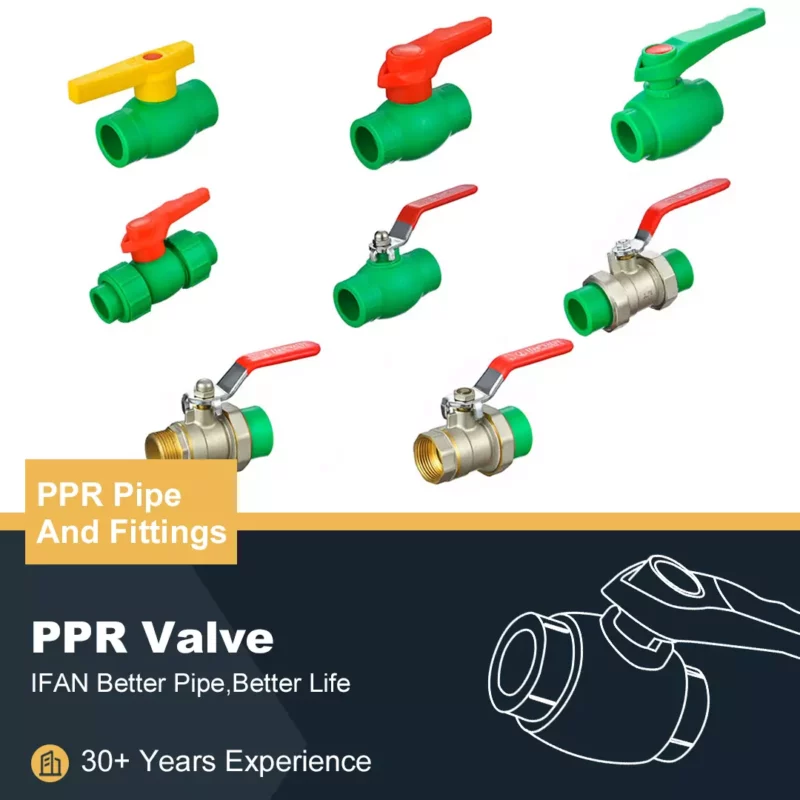

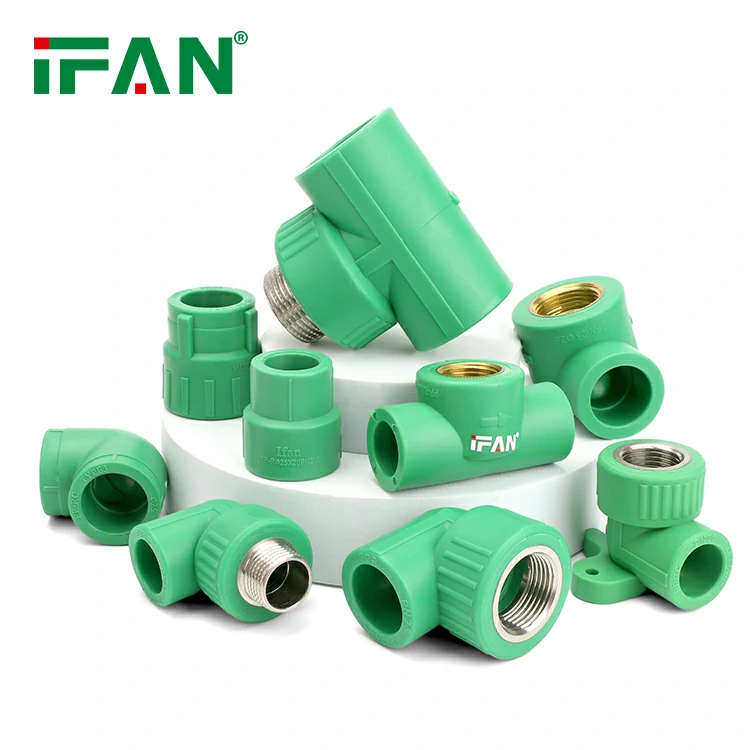
In a landmark development for national water conservation efforts, the Ministry of Water Resources has officially endorsed the adoption of an innovative generation of PPR fittings designed specifically to combat non-revenue water loss in municipal and residential plumbing systems. This ministerial endorsement represents a significant policy shift toward proactive infrastructure management and signals a new era in the nation’s approach to water security. The advanced PPR fittings technology promises to address one of the most persistent challenges in water distribution systems: the significant volume of treated water lost through leaks and system inefficiencies before it reaches consumers.
The Water Loss Crisis: A National Priority
The ministry’s endorsement comes amid growing concern over non-revenue water (NRW) statistics that show alarming rates of water loss in distribution networks across the country. Current estimates indicate that many municipal systems lose between 25-40% of treated water through leaking joints, pipe failures, and system inefficiencies. This represents not only an environmental concern but a substantial economic burden, with millions spent on water treatment and pumping costs for water that never reaches intended users.
Traditional plumbing materials, particularly metallic systems with threaded joints, have proven inadequate in addressing this challenge. The inherent weaknesses of these systems include corrosion-induced failures in iron and steel pipes, joint deterioration in threaded connections, and mineral buildup that weakens pipe walls over time. It is against this backdrop that the ministry has turned its attention to the revolutionary potential of new PPR fittings technology as a comprehensive solution.
Technical Innovation: The Science Behind New PPR Fittings
The newly endorsed PPR fittings incorporate several groundbreaking technological advancements that set them apart from conventional plumbing components:
Enhanced Fusion Joint Technology:
Unlike traditional systems that rely on mechanical force or chemical adhesives, these advanced PPR fittings utilize a perfected thermal fusion process. When properly installed, the fitting and pipe ends fuse at a molecular level, creating a single, monolithic piece that eliminates the joint as a potential failure point. This homogeneous bonding represents a fundamental improvement over threaded, glued, or mechanical connections that remain vulnerable to leakage over time.
Superior Material Composition:
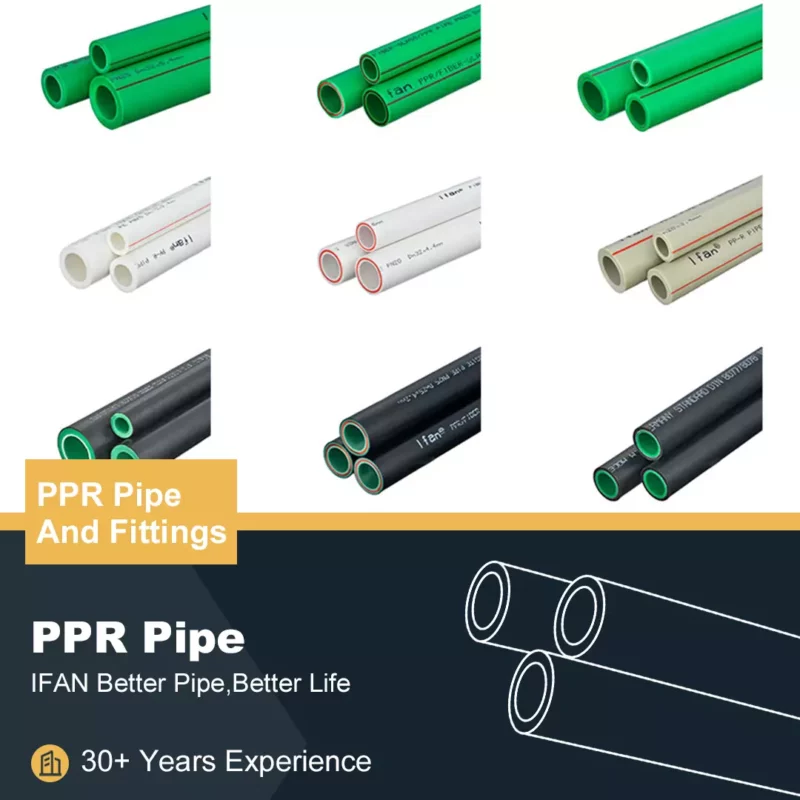
The new PPR fittings are manufactured from specially formulated Polypropylene Random Copolymer (PP-R) material with enhanced molecular structure. This advanced formulation provides:
- Exceptional corrosion resistance, eliminating rust and scale issues
- Improved thermal stability for consistent performance across temperature variations
- Enhanced impact resistance for durability during installation and operation
- Superior chemical resistance to water treatment agents and environmental factors
Integrated Leak Prevention Design:
These PPR fittings feature redesigned socket geometries and fusion zones that ensure perfect welds even under challenging installation conditions. The precision engineering eliminates common installation errors that can compromise system integrity in conventional plumbing systems.
Ministry’s Rationale for Endorsement
The ministry’s public support for these advanced PPR fittings is based on a comprehensive evaluation of their long-term benefits, which align perfectly with national policy objectives:
Water Conservation Imperative:
By systematically eliminating the primary causes of leaks—failed joints and corroded pipe walls—PPR systems directly preserve treated water. This conservation effort supports national water security goals and ensures more efficient use of limited water resources.
Economic Efficiency:
The ministry’s cost-benefit analysis demonstrates that while the initial material cost may be competitive, the true value of PPR fittings is revealed in their Total Cost of Ownership (TCO). The dramatic reduction in maintenance, emergency repairs, and system overhauls translates into significant long-term savings for municipal budgets and water utilities.
Public Health Protection:
The inert nature of high-quality PPR fittings ensures that no heavy metals or corrosive by-products can leach into drinking water. The seamless, smooth interior also inhibits biofilm formation and bacterial growth, ensuring water quality remains pure from treatment plant to consumer tap.
Environmental Sustainability:
Reducing water loss is a cornerstone of sustainable water management. By conserving energy-intensive treated water, the ministry also reduces the carbon footprint associated with water supply. Additionally, the durability and long service life of PPR fittings contribute to reduced material waste over time.
Implementation Strategy and Regulatory Framework
The ministry’s endorsement will be supported by concrete regulatory and practical actions:
Updated Plumbing Codes and Standards:
The ministry will work with standards organizations to revise national plumbing codes to explicitly approve and encourage the use of heat-fused PPR systems for potable water in all new public and private construction projects.
Public Procurement Policies:
Government tenders for public housing, municipal buildings, and infrastructure projects will prioritize the specification of certified PPR fittings and pipes, creating immediate market demand and demonstrating public sector leadership.
Quality Certification Program:
The ministry will establish a rigorous certification program for PPR fittings manufacturers, ensuring that only products meeting the highest quality standards receive official endorsement. This program will include:
- Regular material testing and verification
- Manufacturing process audits
- Performance certification under simulated service conditions
- Ongoing quality monitoring of certified products
Training and Certification Infrastructure:
Recognizing that proper installation is crucial to system performance, the ministry will collaborate with industry associations to establish nationwide training and certification programs for installers. This initiative will ensure the thermal fusion process is performed correctly to guarantee the system’s integrity.
Expected Impact and Performance Metrics
The ministry has established clear performance indicators to measure the impact of widespread PPR fittings adoption:
Water Conservation Targets:
- 25% reduction in non-revenue water within five years of implementation
- 50% reduction in water main breaks and leakage incidents
- Significant improvement in system water efficiency ratings
Economic Benefits:
- 30-40% reduction in maintenance costs for municipal water systems
- Extended system lifespan reducing replacement frequency
- Lower operational costs for water utilities through reduced pumping requirements
Social and Environmental Outcomes:
- Improved water quality indicators across distribution networks
- Reduced emergency repair disruptions to communities
- Lower environmental impact through reduced water treatment demands
Industry Response and Market Transformation
The ministry’s endorsement has generated significant response from across the plumbing and construction industries:
Manufacturer Engagement:
Major PPR fittings manufacturers have welcomed the endorsement and are increasing production capacity to meet anticipated demand. Several have announced investments in new manufacturing facilities and expanded research and development programs.
Professional Association Support:
Plumbing and engineering associations have expressed support for the initiative, recognizing the technical superiority of advanced PPR fittings and their potential to improve system reliability while reducing maintenance demands.
Contractor Training Initiatives:
Leading plumbing contractors have begun implementing training programs to ensure their teams are prepared to properly install and maintain these advanced PPR fittings systems.
Challenges and Mitigation Strategies
The ministry acknowledges several implementation challenges and has developed corresponding strategies:
Initial Cost Considerations:
While PPR fittings systems offer excellent long-term value, initial cost perceptions may present adoption barriers. The ministry will address this through:
- Educational campaigns highlighting lifecycle cost advantages
- Financing programs for municipal system upgrades
- Demonstration projects showcasing successful implementations
Workforce Development:
The transition to new technology requires skilled installers. The ministry’s strategy includes:
- Vocational training program enhancements
- Certification pathways for existing plumbers
- Apprenticeship programs focusing on modern plumbing techniques
Quality Assurance:
Ensuring consistent quality across the market requires:
- Robust certification and labeling programs
- Market surveillance and enforcement against substandard products
- Continuous performance monitoring of installed systems
Conclusion: A Watershed Moment for Water Infrastructure
The ministry’s endorsement of advanced PPR fittings technology represents a watershed moment in the nation’s approach to water infrastructure management. This strategic shift from reactive maintenance to proactive investment in leak-proof systems demonstrates a commitment to sustainable water management and fiscal responsibility.
The widespread implementation of PPR fittings systems has the potential to transform water infrastructure performance, achieving significant reductions in non-revenue water while improving system reliability and water quality. As the ministry moves forward with this initiative, advanced PPR fittings technology stands poised to become the new standard for water distribution systems, ensuring a more secure and sustainable water future for all citizens.
This endorsement serves as a powerful model for other nations facing similar water infrastructure challenges, demonstrating that strategic technology adoption. Supported by clear policy and standards, can deliver substantial improvements in water conservation and system performance.
If you have read this article and have any questions, please feel free to contact IFAN. Below is our contact information:
Whatsapp:+86 13373827623
Email:[email protected]