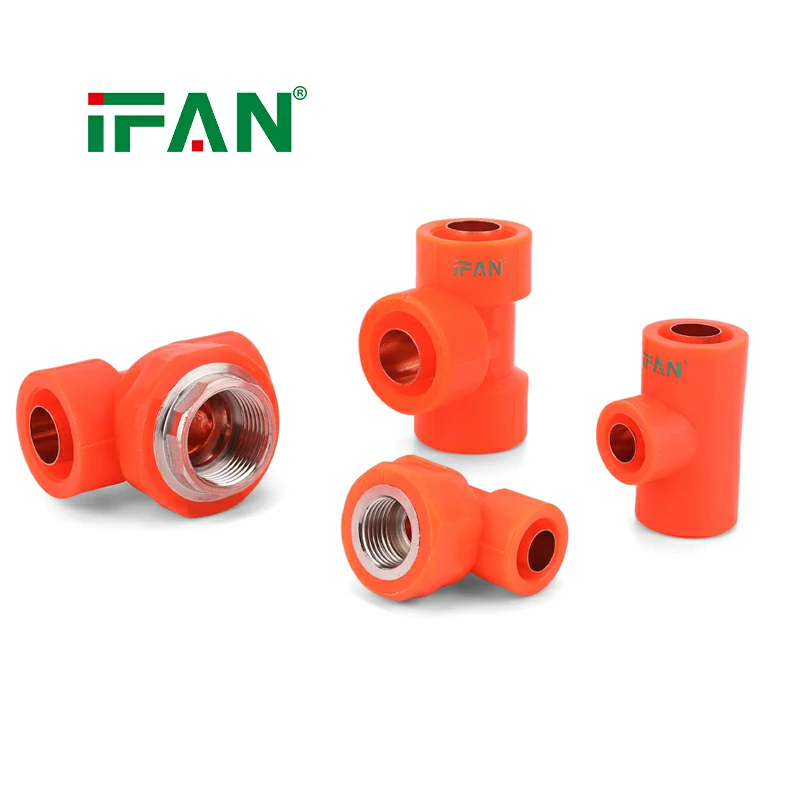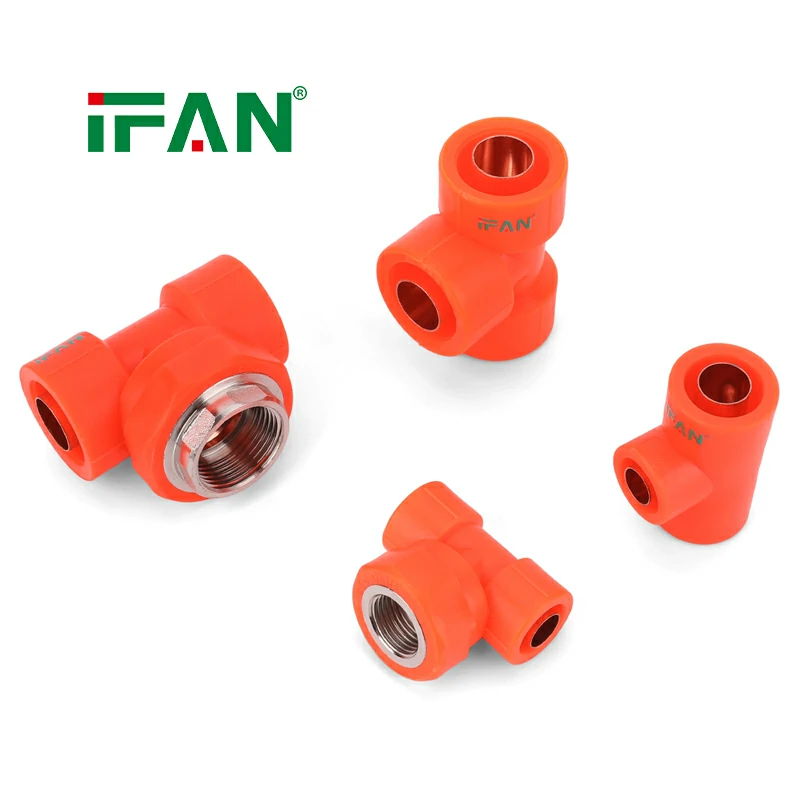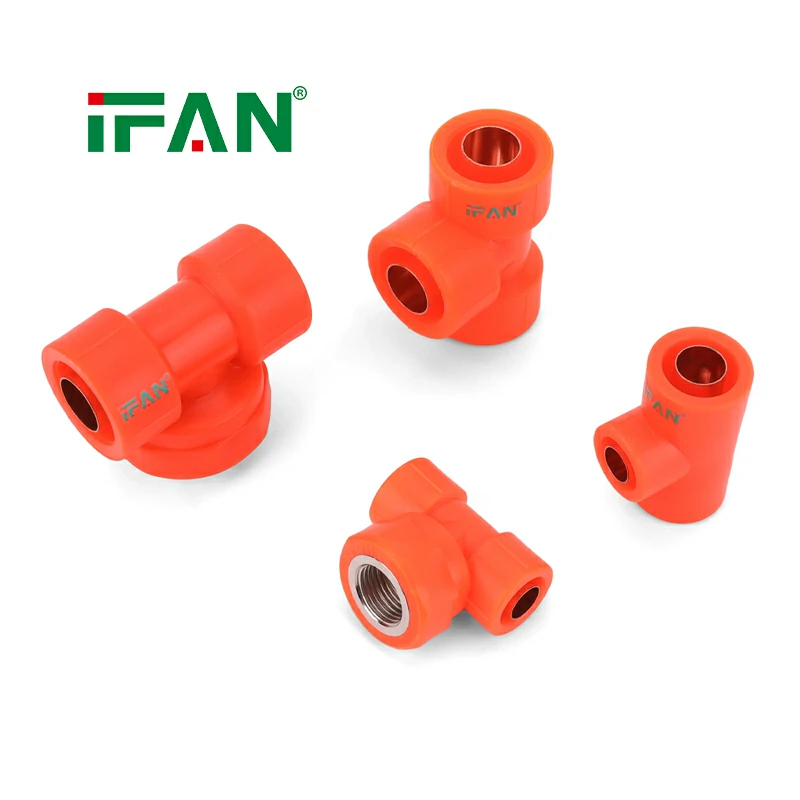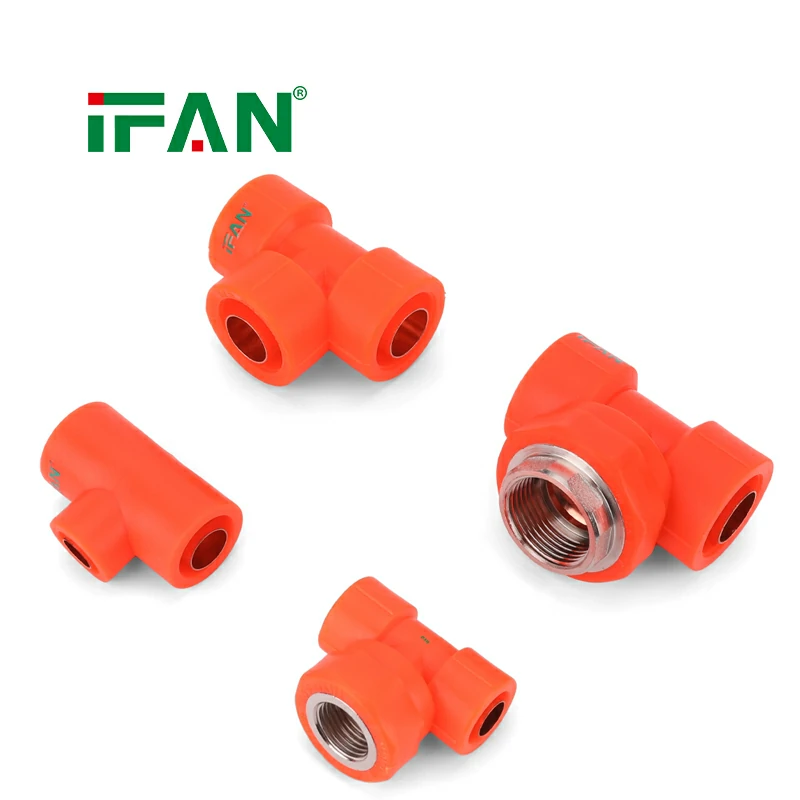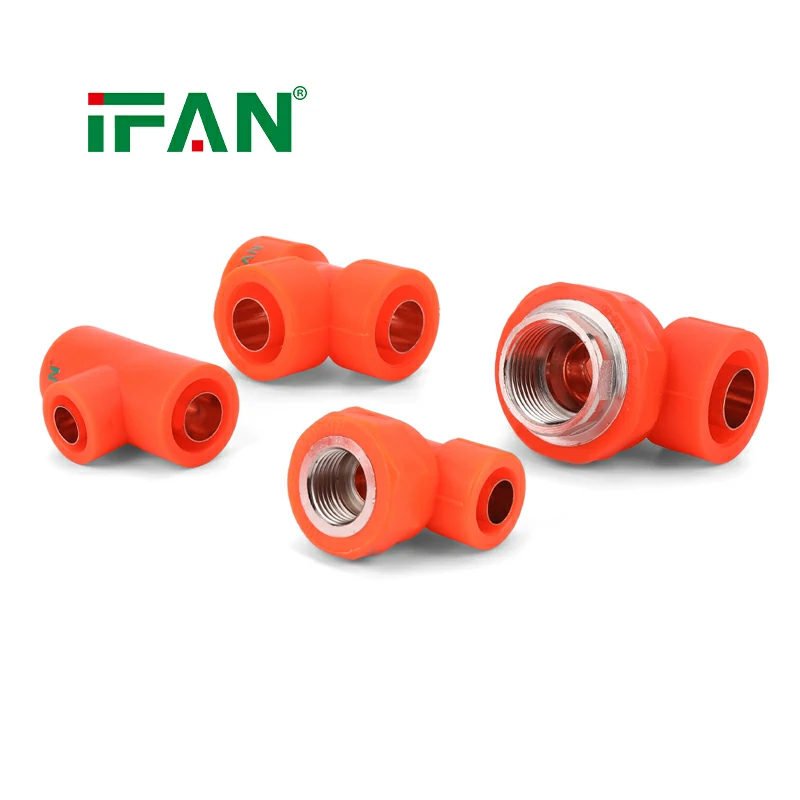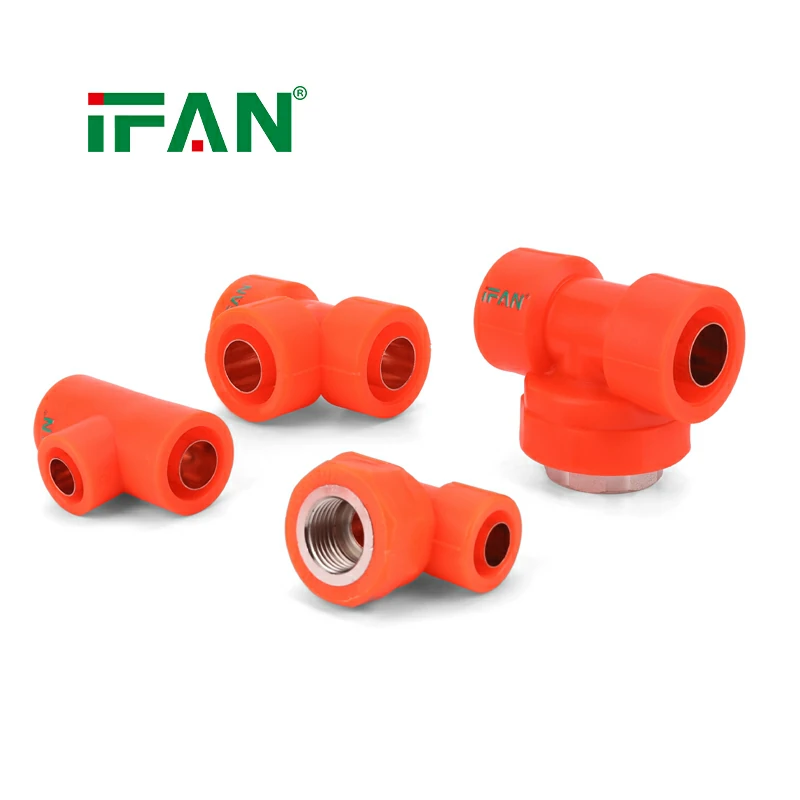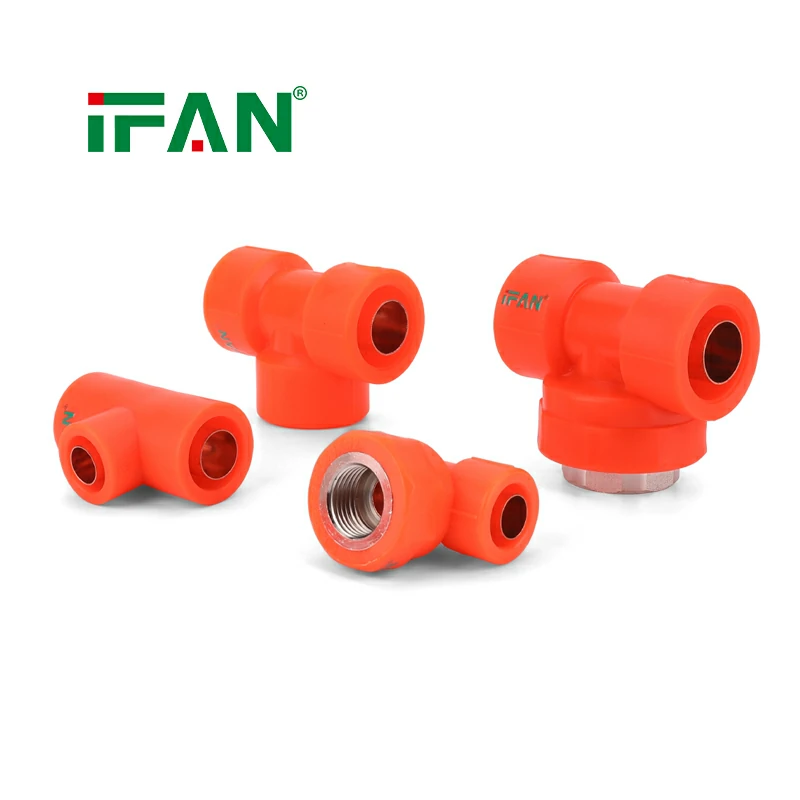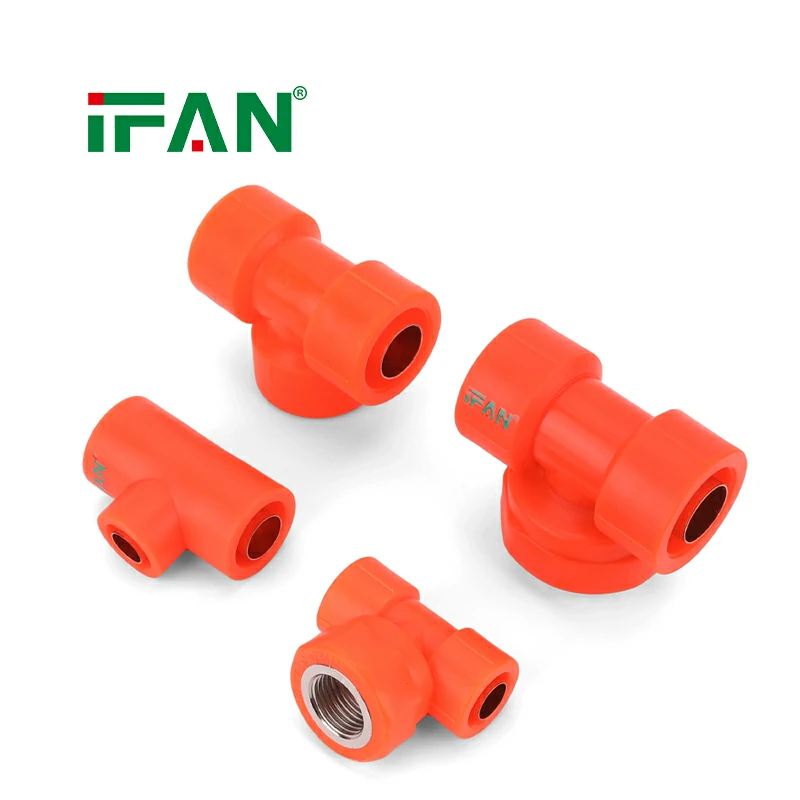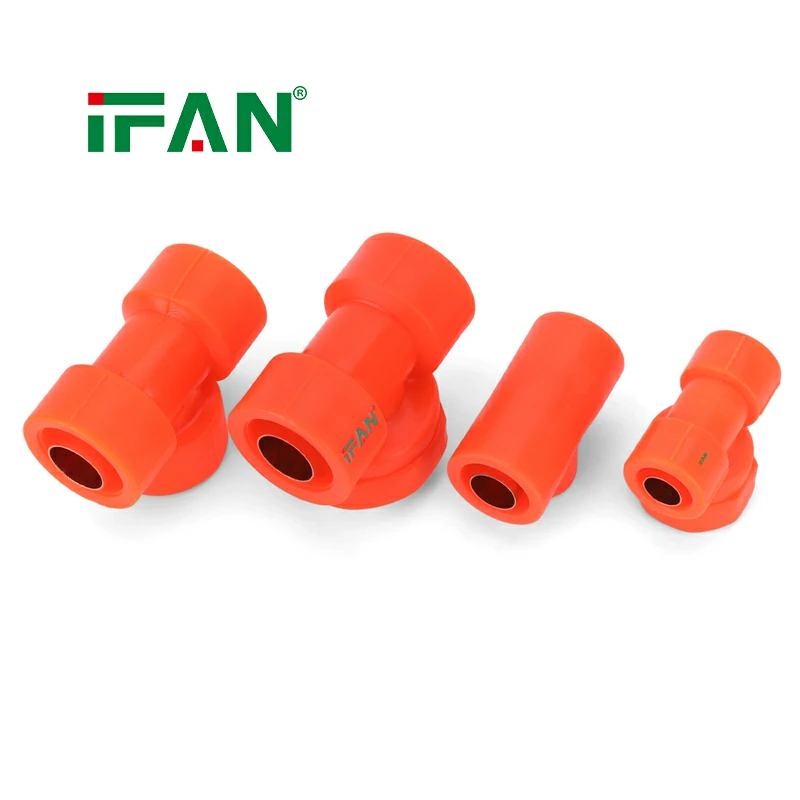
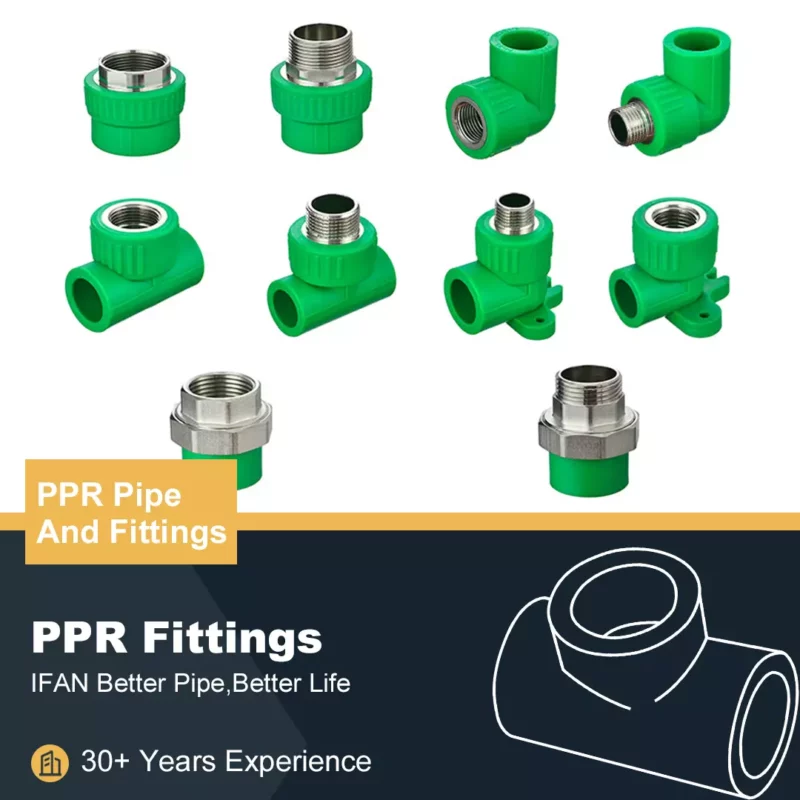
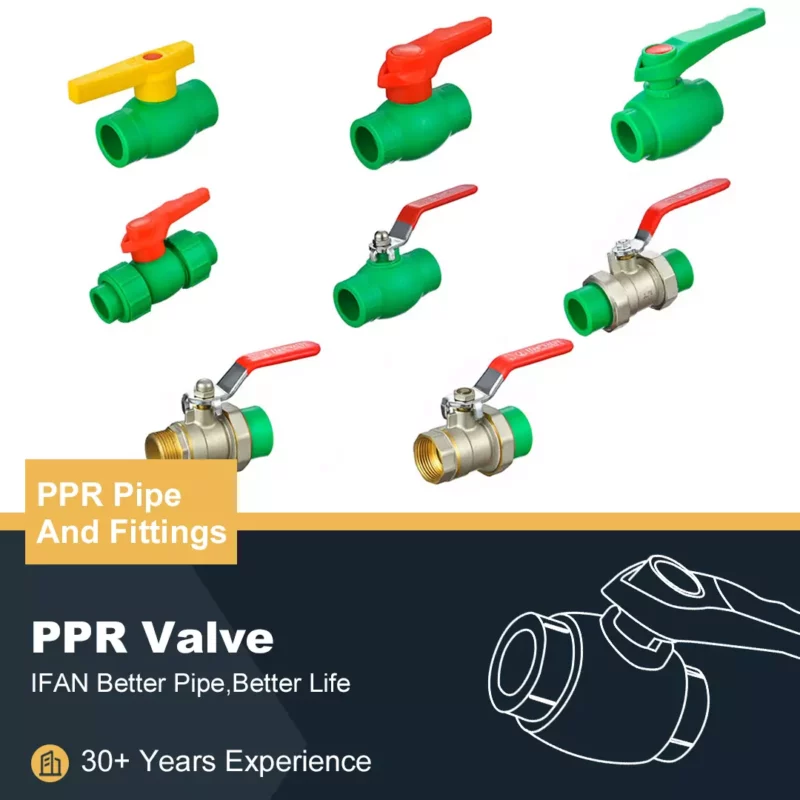




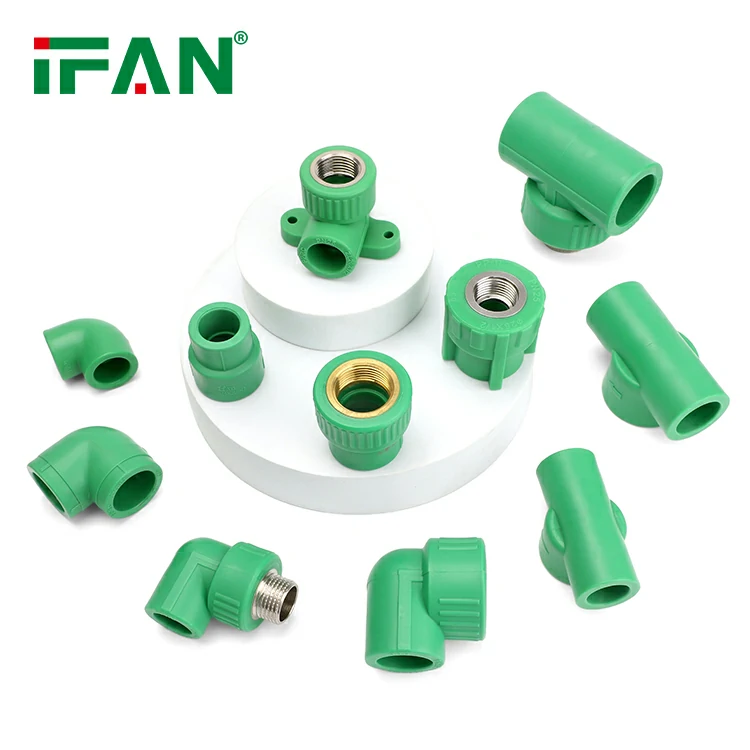
The field of plumbing materials science has entered an unprecedented era of discovery with recent research revealing transient quantum beatings in PPR fittings at the molecular level. This groundbreaking phenomenon, observed through advanced spectroscopic analysis, demonstrates that the polypropylene random copolymer chains in PPR fittings exhibit coherent quantum oscillations that fundamentally influence their mechanical properties and long-term performance. These quantum beatings represent a paradigm shift in our understanding of polymer behavior in PPR fittings. Opening new possibilities for material optimization and performance prediction.
Understanding Quantum Beatings in Polymer Systems
Quantum beatings, traditionally observed in atomic and molecular spectroscopy. Refer to the coherent oscillation of quantum states that occurs when a system exists in a superposition of energy states. In the context of PPR fittings.
The transient nature of these beatings in PPR fittings indicates they occur on timescales of picoseconds to nanoseconds. Yet their cumulative effect influences macroscopic properties including:
- Stress distribution under pressure
- Thermal expansion characteristics
- Long-term creep resistance
- Chemical bonding stability at fusion joints
Experimental Detection and Measurement
Advanced research facilities have employed multiple techniques to detect and characterize quantum beatings in PPR fittings:
Femtosecond Spectroscopy:
Using ultra-fast laser pulses, researchers have tracked the coherent vibrational dynamics in PPR fittings with unprecedented temporal resolution. The measurements reveal beating patterns with frequencies between 0.1-10 THz, corresponding to collective motions of polymer chain segments.
Two-Dimensional Infrared Spectroscopy:
This technique has mapped the coupling between different vibrational modes in PPR fittings. Revealing how energy transfer between modes contributes to the beating phenomena. The results show particularly strong coupling in the crystalline regions of the polypropylene matrix.
Neutron Scattering Analysis:
By probing the atomic-scale dynamics, neutron scattering has confirmed that quantum beatings in PPR fittings involve coordinated motions of carbon backbone atoms and side chain methyl groups.
Molecular Origins in PPR Fittings
Chain Segment Coherence:
The regular yet slightly disordered arrangement of propylene monomers in PPR fittings creates multiple nearly-degenerate vibrational states. The quantum mechanical superposition of these states generates the beating patterns observed experimentally.
Crystalline-Amorphous Interface Dynamics:
PPR fittings feature a semi-crystalline structure where quantum beatings are particularly pronounced at boundaries between ordered crystalline regions and disordered amorphous domains. These interfacial regions act as natural sites for coherent quantum states to develop.
Side Group Quantum Interference:
The methyl side groups in PPR fittings polypropylene chains create additional vibrational degrees of freedom that participate in quantum interference effects. Enhancing the beating signatures detected spectroscopically.
Implications for Material Performance
The discovery of quantum beatings in PPR fittings has profound implications for understanding and predicting performance characteristics:
Pressure Resistance Mechanisms:
Quantum beatings appear to facilitate more uniform stress distribution throughout PPR fittings when subjected to internal pressure.
Thermal Stability Enhancement:
The energy redistribution enabled by quantum beatings in PPR fittings provides a microscopic mechanism for enhanced thermal stability. As temperature increases, the beating patterns shift to efficiently dissipate thermal energy, reducing localized hot spots and material degradation.
Fusion Joint Integrity:
During the heat fusion process used to join PPR fittings, quantum beatings may promote more thorough molecular interdiffusion at the joint interface. This could explain the remarkable strength of properly executed fusion joints in PPR fittings systems.
Technological Applications and Material Design
The understanding of quantum beatings opens new avenues for optimizing PPR fittings:
Tailored Material Compositions:
By adjusting copolymer ratios and molecular weight distributions, manufacturers can enhance or suppress specific quantum beating frequencies to optimize PPR fittings for particular applications.
Fusion Process Optimization:
Monitoring quantum beating signatures during the fusion process could provide real-time quality control for PPR fittings installation, ensuring optimal molecular interpenetration at joints.
Predictive Performance Modeling:
Incorporating quantum beating parameters into finite element models could improve accuracy in predicting long-term performance of PPR fittings under various operating conditions.
Comparison with Alternative Materials
The quantum beating phenomena appear particularly pronounced in PPR fittings compared to other common plumbing materials:
Versus PVC Fittings:
The chlorine atoms in PVC create stronger vibrational localization. Suppressing the coherent quantum effects observed in PPR fittings.
Versus Metal Fittings:
Metallic systems lack the molecular-level flexibility necessary to support the type of quantum beatings found in PPR fittings. Though they exhibit different quantum phenomena related to electron transport.
Versus Cross-Linked Polyethylene:
The cross-linked structure of PEX materials restricts the chain segment motions that enable quantum beatings in PPR fittings.
Research Challenges and Future Directions
Several challenges remain in fully understanding and utilizing quantum beatings in PPR fittings:
Temperature Dependence Mapping:
Comprehensive characterization of how quantum beatings in PPR fittings evolve across the relevant temperature range from installation through operation is ongoing.
Long-Term Evolution Studies:
Researchers are investigating how quantum beating patterns in PPR fittings change over decades of service, potentially providing early warning indicators of material aging.
Multi-Scale Modeling Development:
Bridging quantum-scale beating phenomena to macroscopic performance predictions for PPR fittings requires advanced computational approaches spanning multiple time and length scales.
Industrial Implications and Manufacturing Optimization
The discovery of quantum beatings has immediate practical implications for PPR fittings manufacturers:
Quality Control Enhancement:
Spectroscopic monitoring of quantum beatings could become a powerful quality assurance tool for PPR fittings production, detecting material inconsistencies invisible to conventional testing.
Processing Parameter Refinement:
Understanding how injection molding conditions affect quantum beating patterns enables optimization of manufacturing parameters for enhanced PPR fittings performance.
Material Formulation Advances:
The ability to characterize quantum-level effects provides new guidance for developing advanced PPR fittings compounds with tailored performance characteristics.
Conclusion: A New Paradigm in Plumbing Material Science
The observation of transient quantum beatings in PPR fittings represents more than a scientific curiosity—it fundamentally changes our understanding of how these essential plumbing components function at the most basic level.
As research continues to unravel the relationship between quantum beatings and macroscopic properties. We can anticipate a new generation of PPR fittings designed with quantum principles in mind. This convergence of quantum physics and plumbing engineering demonstrates that even in the most practical applications. Fundamental scientific discoveries continue to drive innovation and performance improvement.
The quantum beatings in PPR fittings serve as a powerful reminder that advanced materials derive their properties from complex behaviors across multiple scales. nd that understanding these behaviors enables continuous improvement in even the most established technologies.
If you have read this article and have any questions, please feel free to contact IFAN. Below is our contact information:
Whatsapp:+86 13373827623
Email:[email protected]