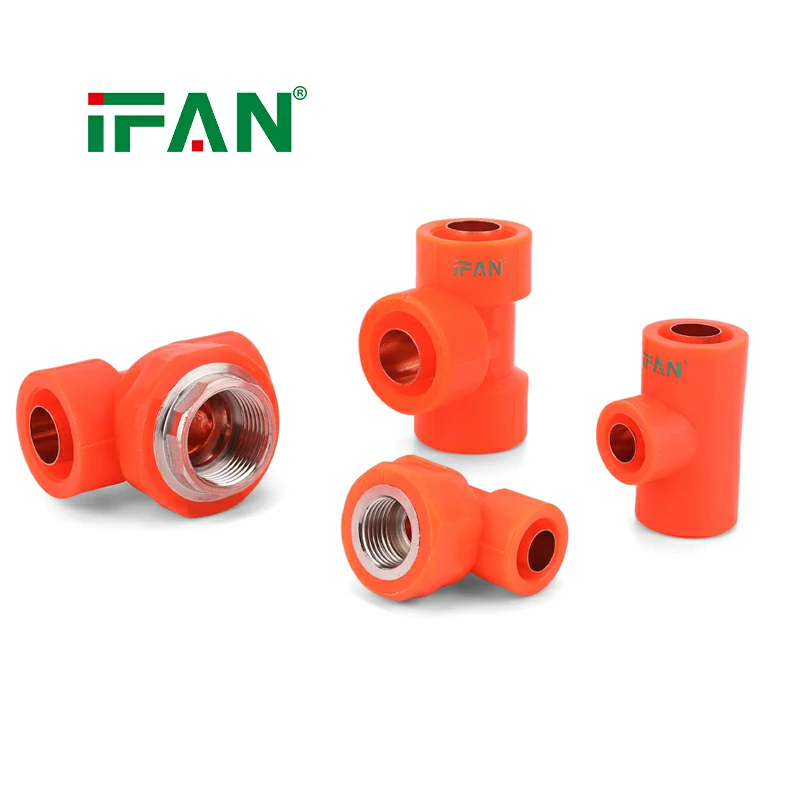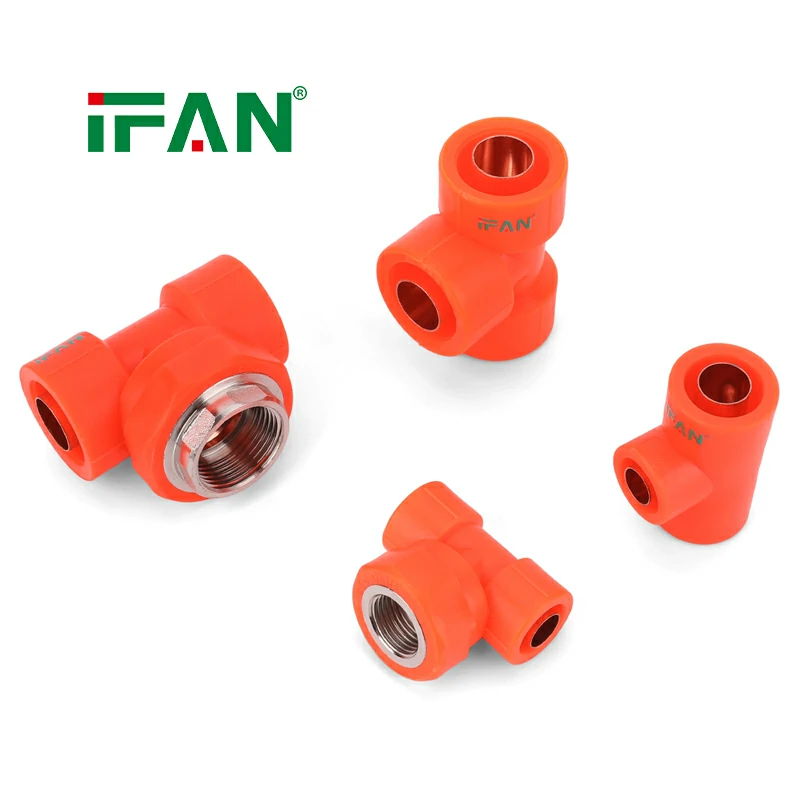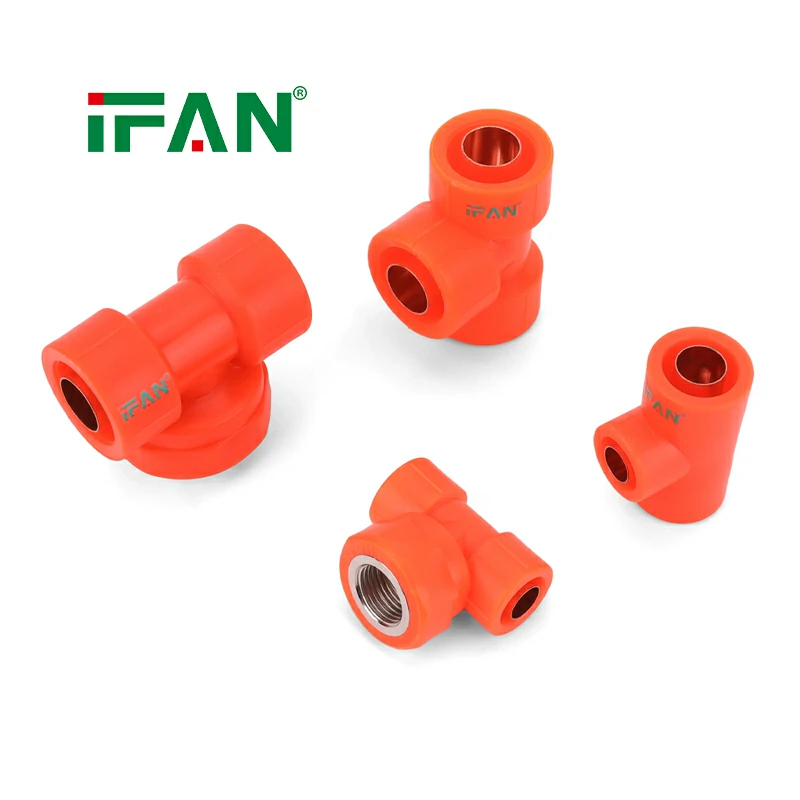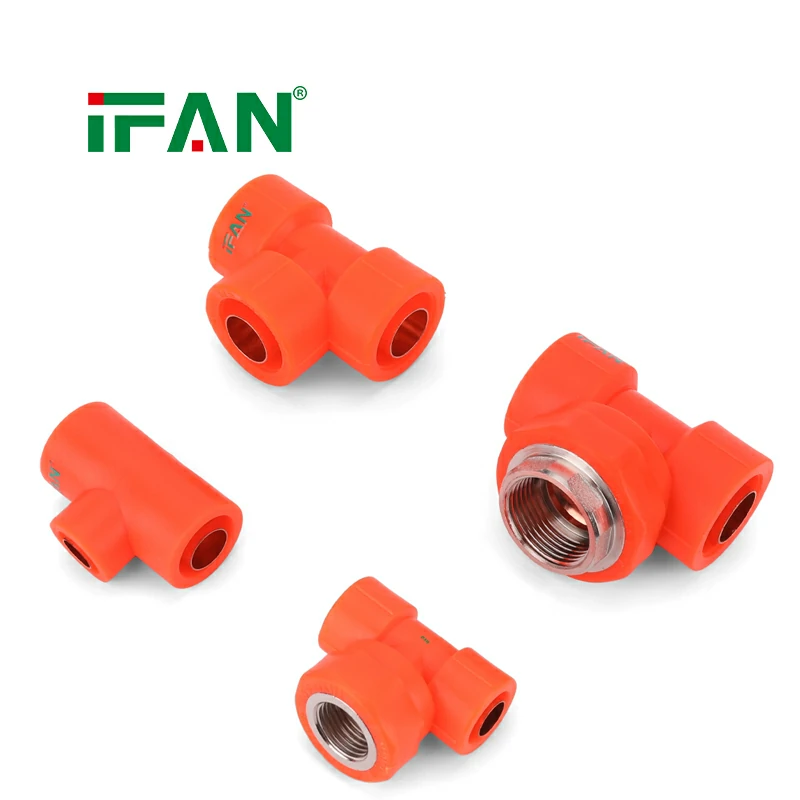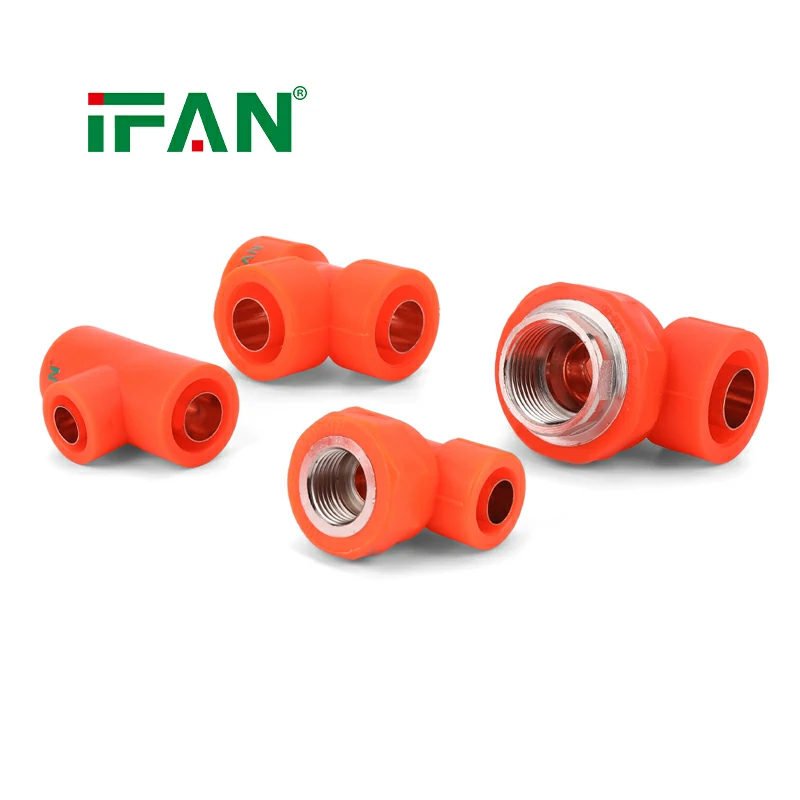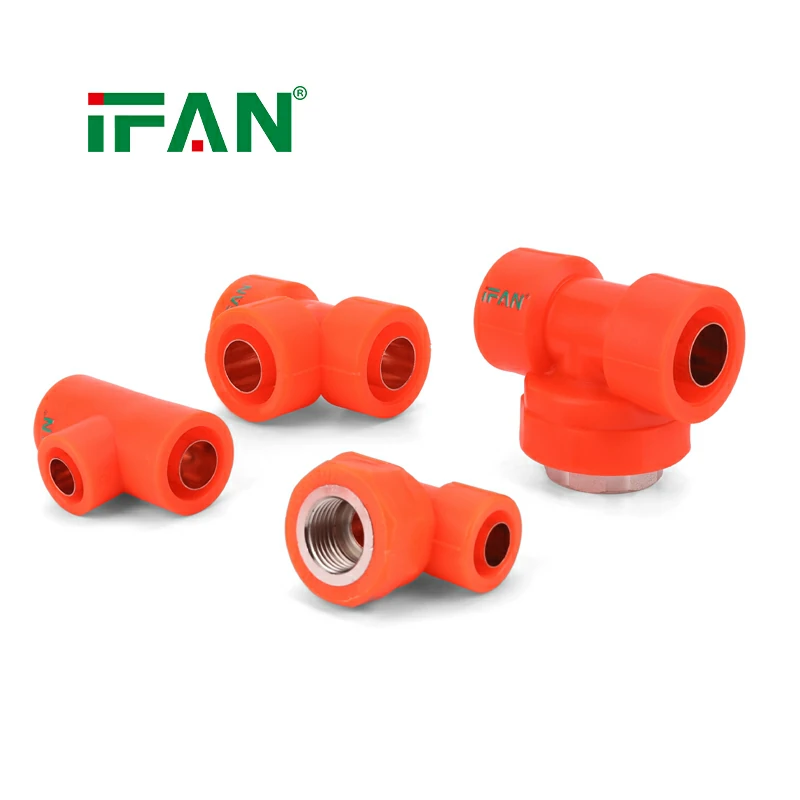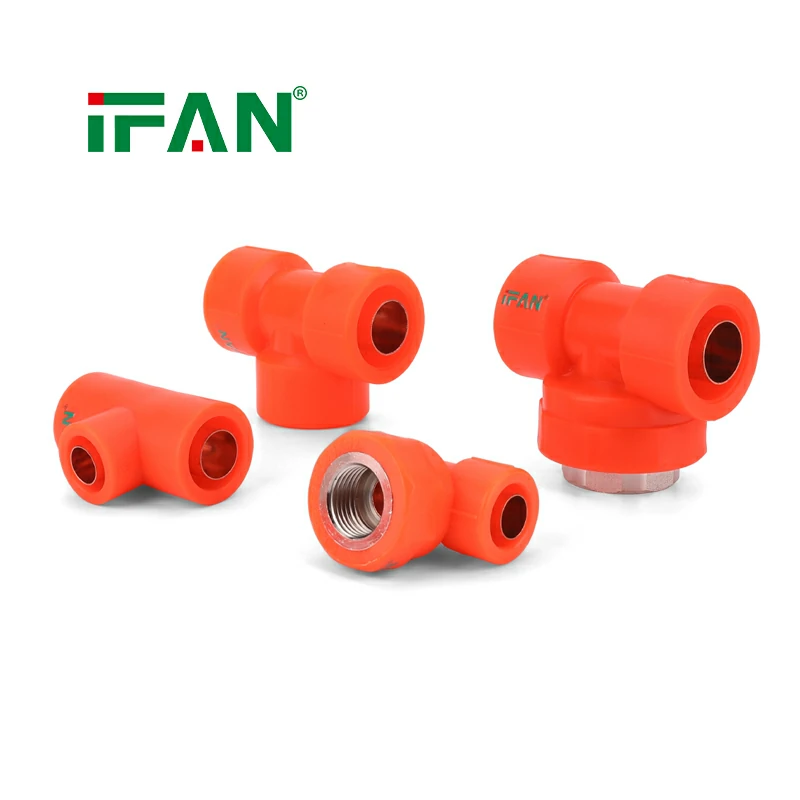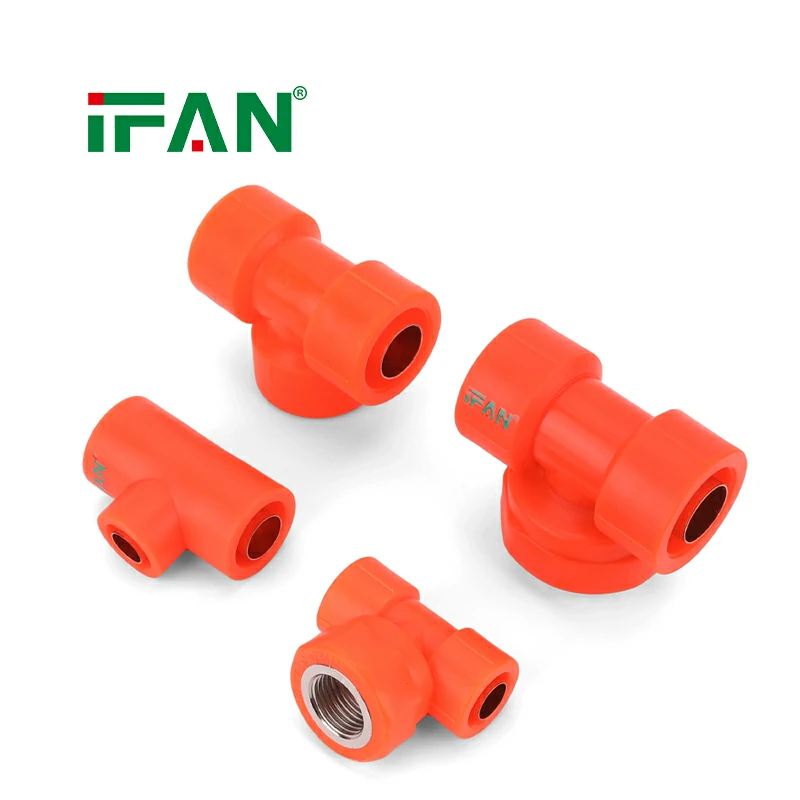

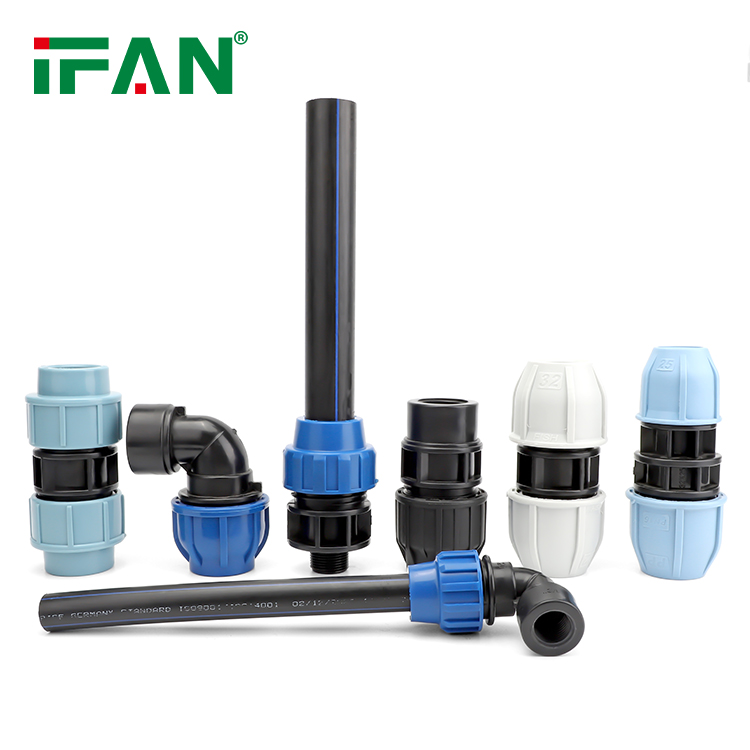
High-Density Polyethylene (HDPE) fittings are widely recognized for their superior performance and longevity. These fittings are essential components in modern piping systems, offering unparalleled durability, resistance to corrosion, and ease of installation. This article explores the long-term benefits of HDPE fittings, including their materials, applications, and the reasons they remain a preferred choice in various industries.
What Are HDPE Fittings?
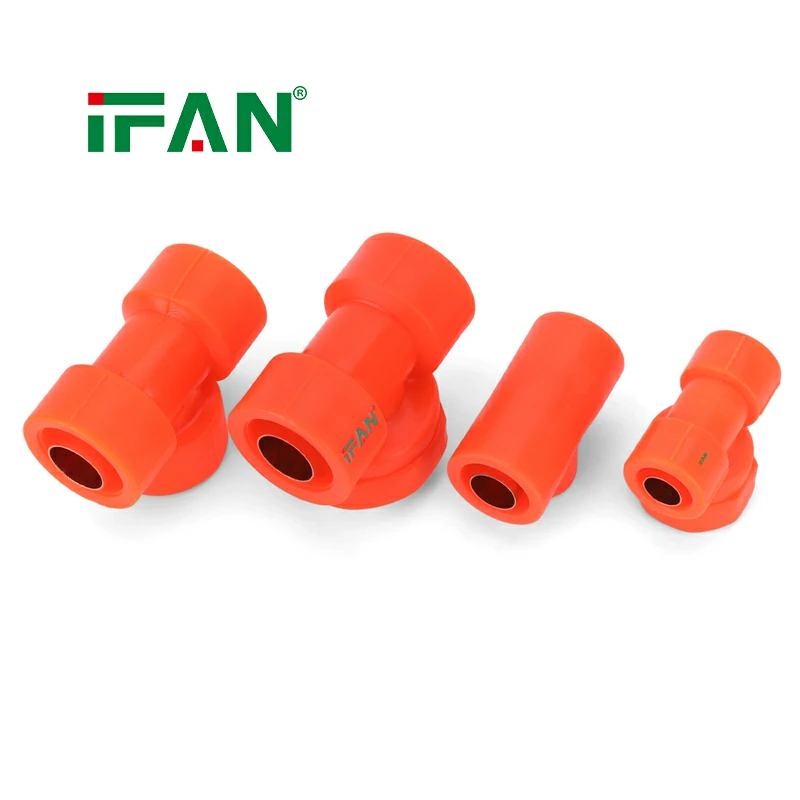
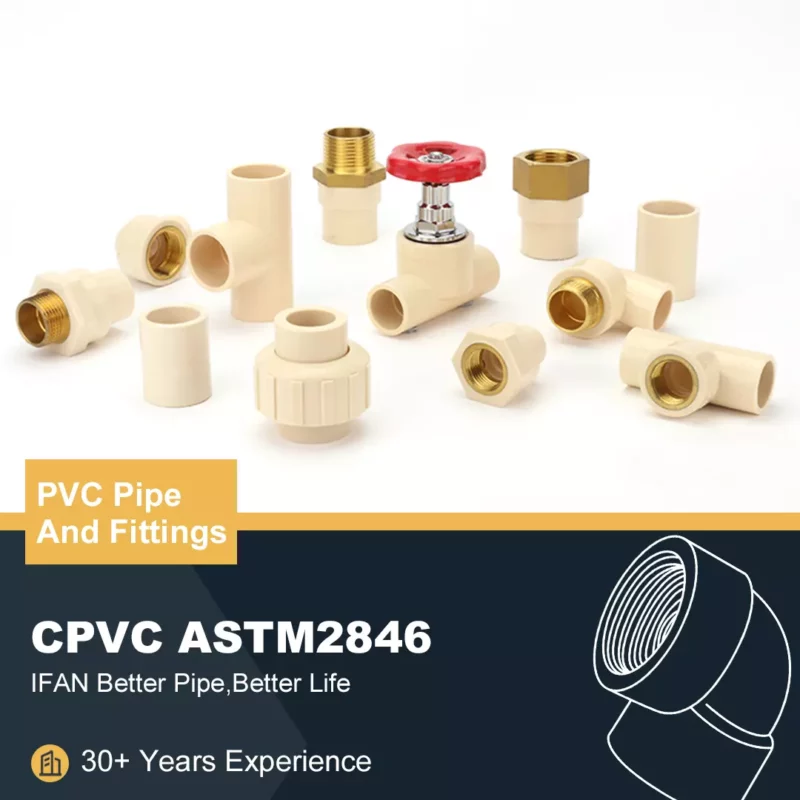
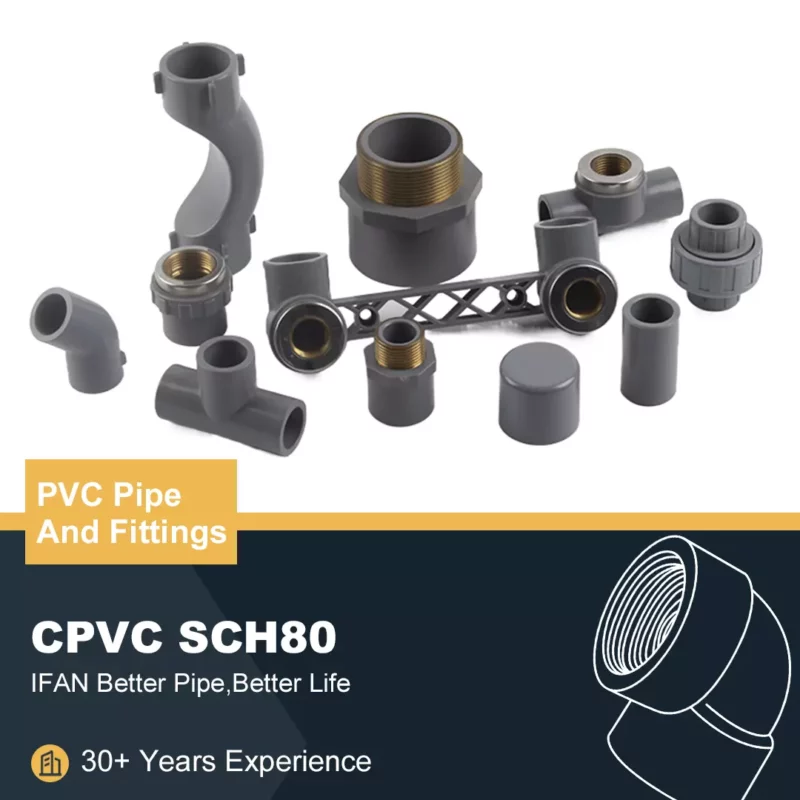
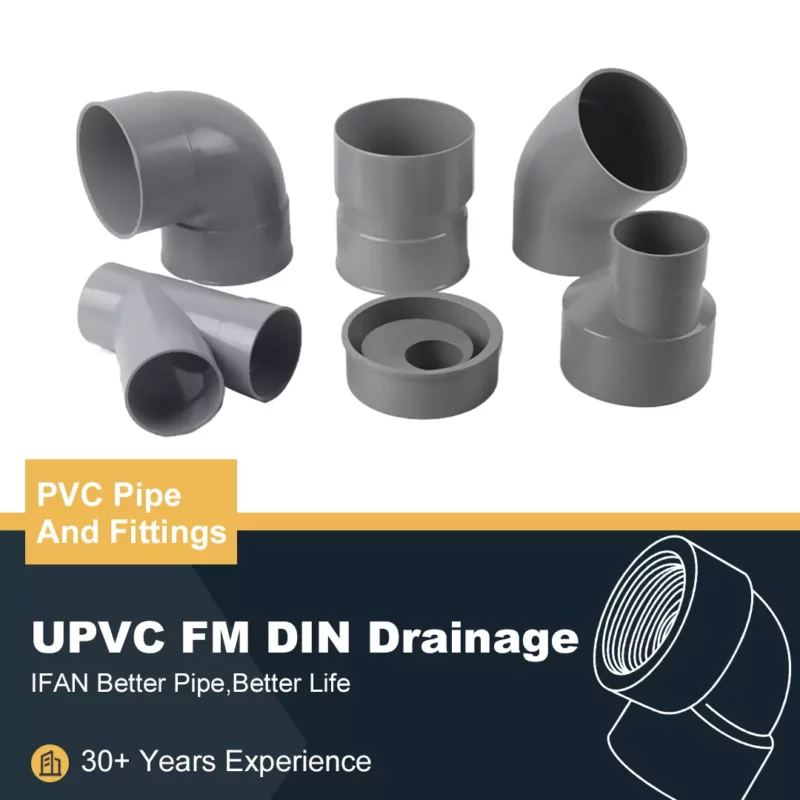
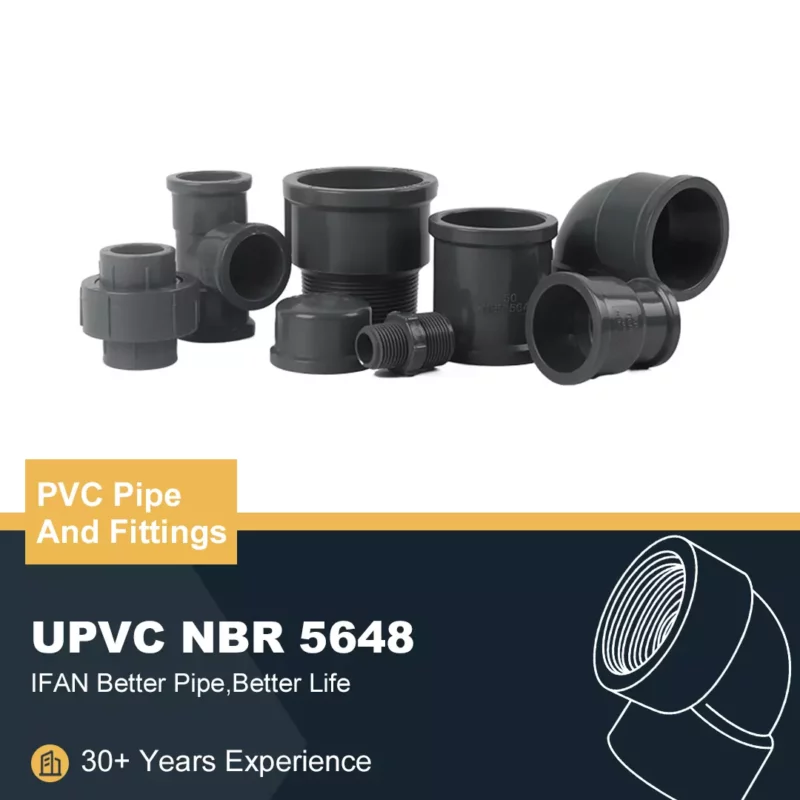
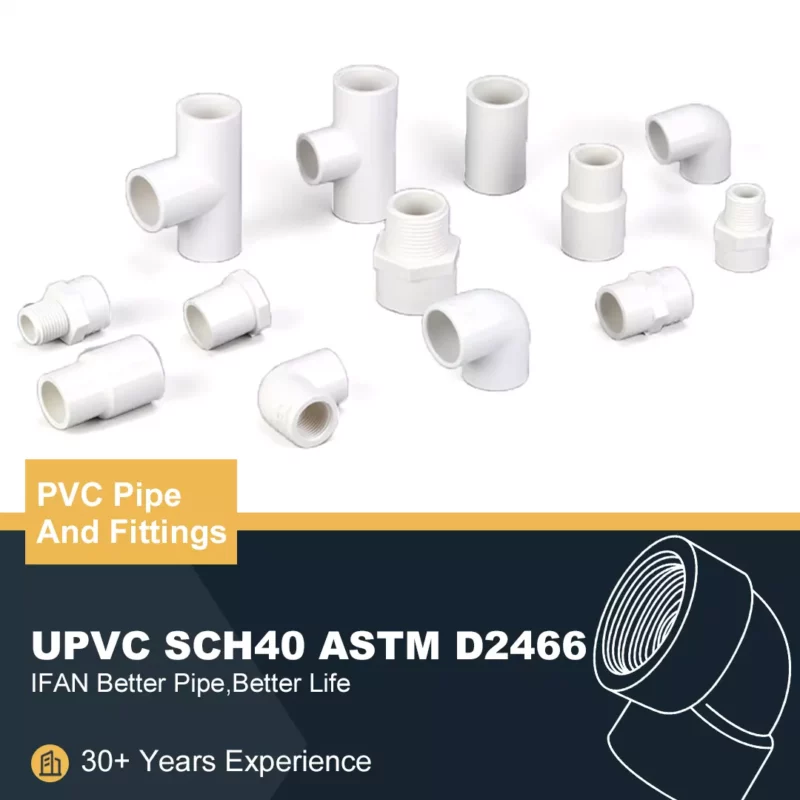
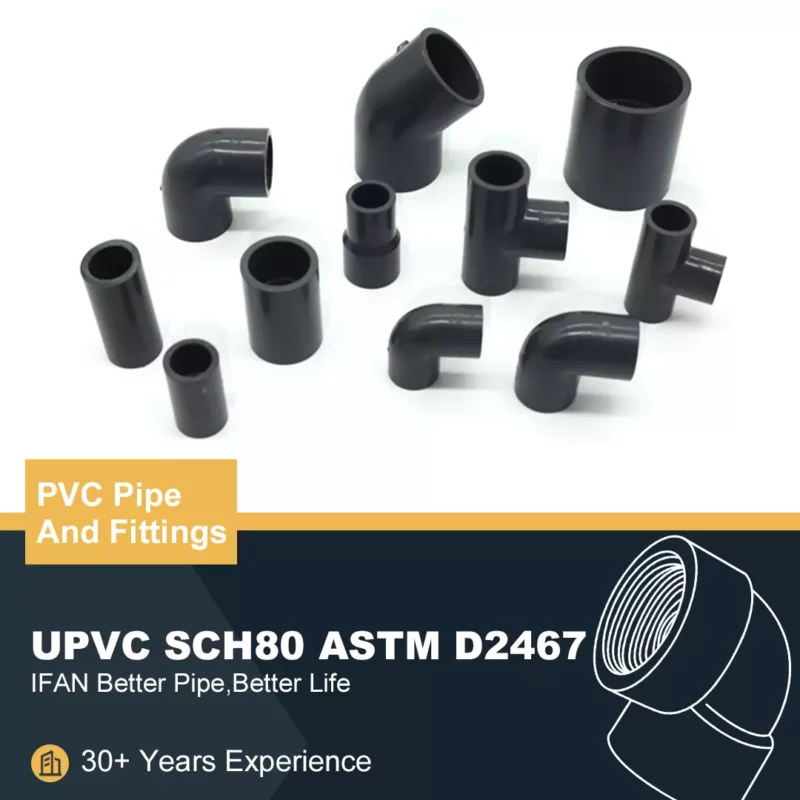
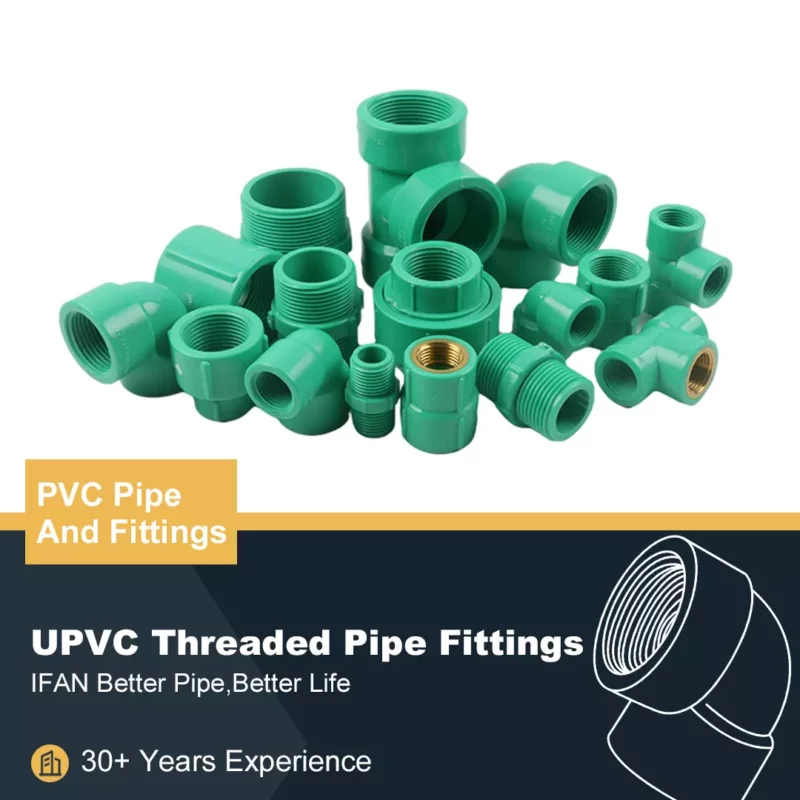
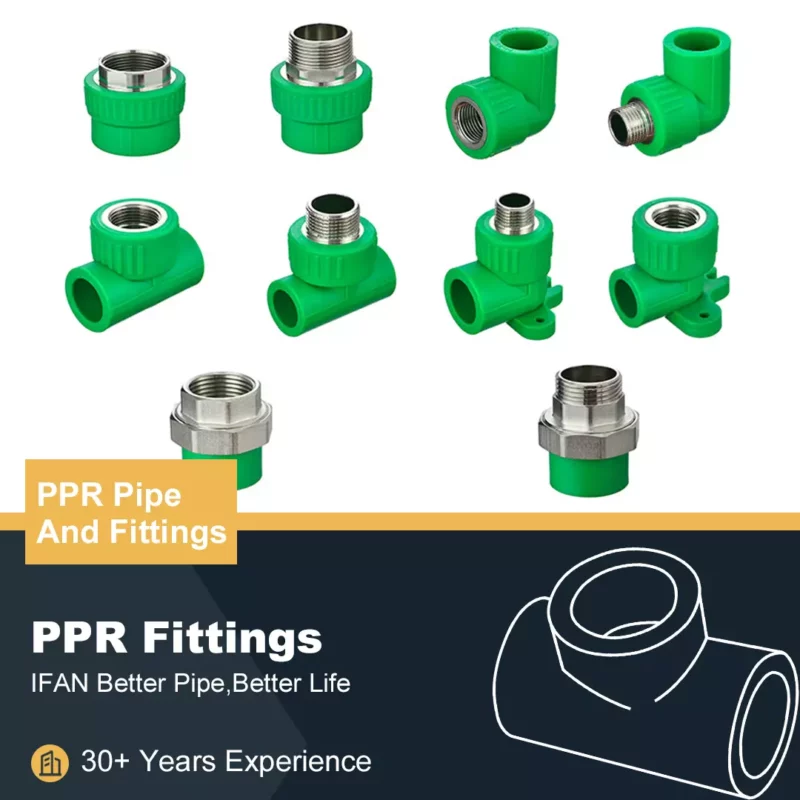
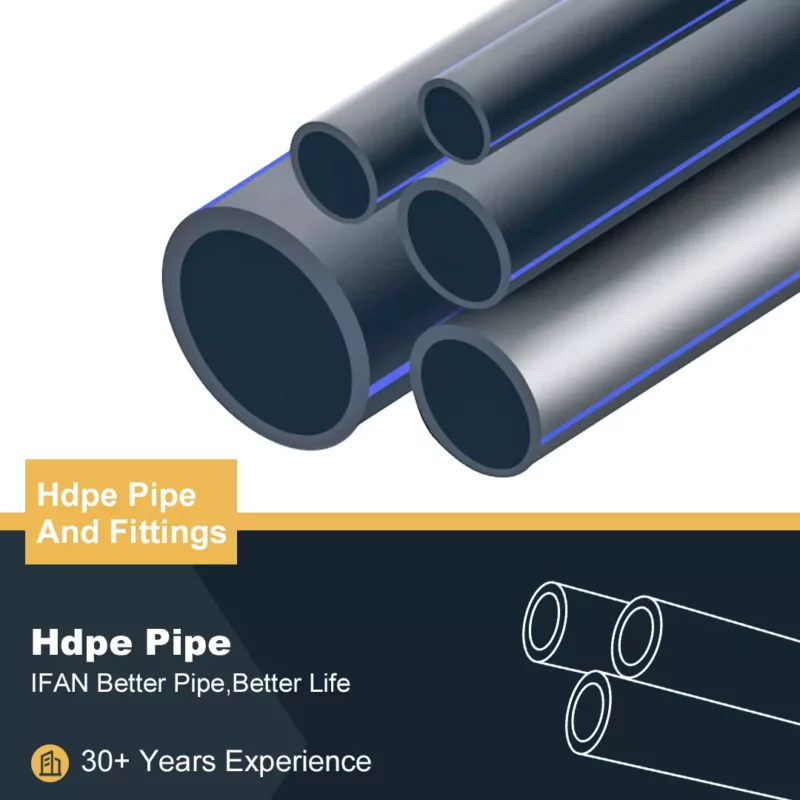
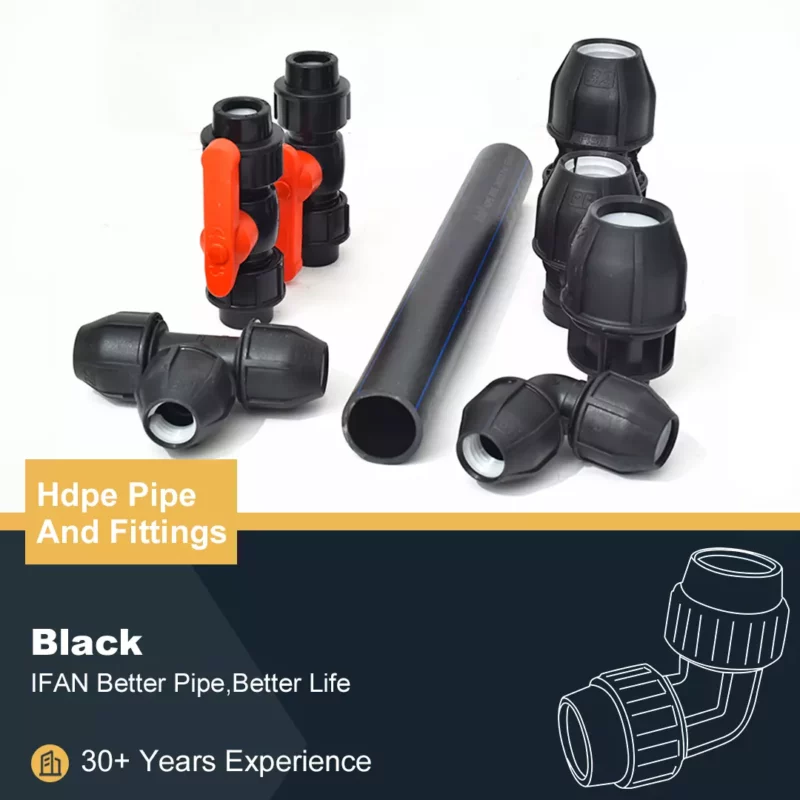
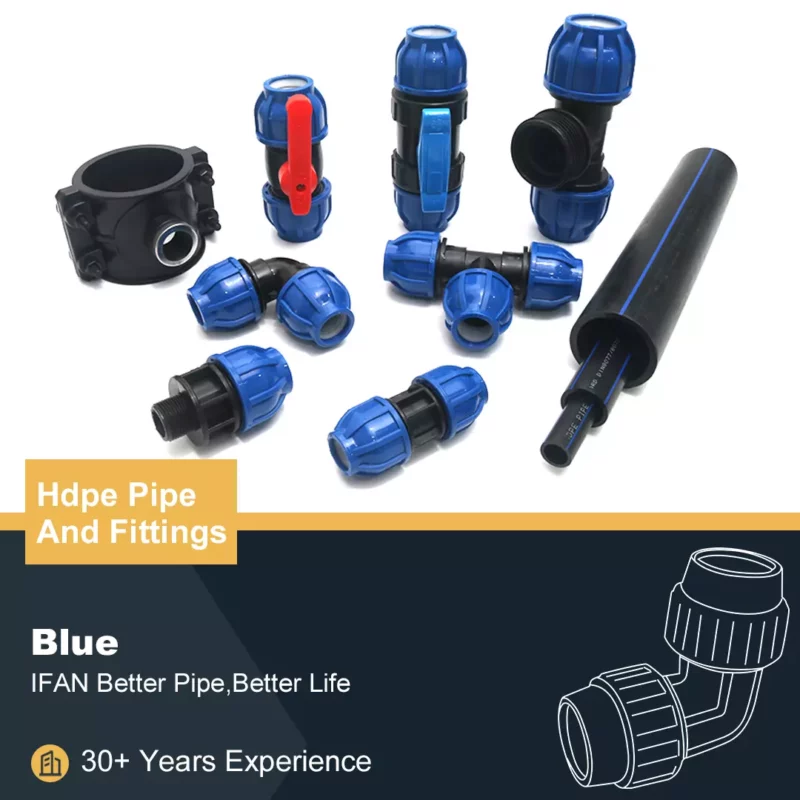
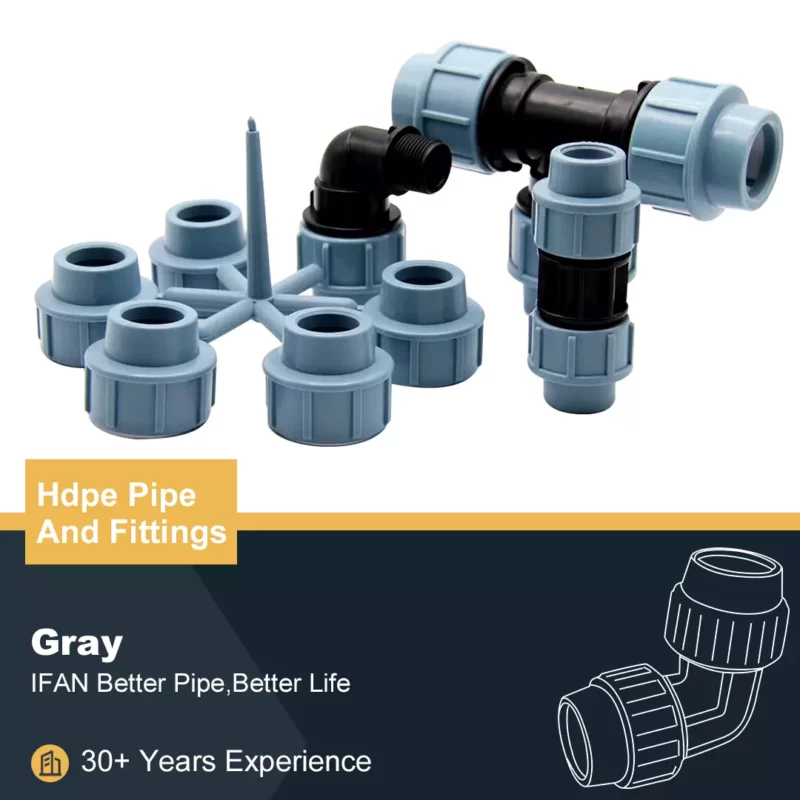
HDPE fittings are components made from high-density polyethylene, a thermoplastic material known for its strength, chemical resistance, and high-performance properties. These fittings are used in a variety of piping applications, including water supply, gas distribution, and wastewater systems. HDPE fittings are available in different shapes and sizes, including elbows, tees, couplings, and flanges, to accommodate various installation needs.
One of the key reasons for the widespread use of HDPE fittings is their resilience under harsh conditions. HDPE is a robust material that can withstand high pressure, temperature fluctuations, and exposure to chemicals, making it ideal for long-term use in demanding environments.
Superior Corrosion Resistance
One of the main advantages of HDPE fittings is their resistance to corrosion. Unlike metal fittings, which can rust and degrade over time, HDPE fittings maintain their integrity even when exposed to moisture and aggressive chemicals. This feature is particularly valuable in applications where the fittings are exposed to water, sewage, or aggressive industrial chemicals.
HDPE fittings do not corrode, pit, or scale like metallic counterparts. This resistance to corrosion leads to fewer repairs and replacements over time, significantly reducing the lifecycle costs of a piping system.
Long-Term Durability and Strength
HDPE fittings are known for their exceptional durability. The material is highly resistant to physical wear and tear, including impact damage, abrasion, and UV degradation. HDPE is also highly flexible, which allows it to adapt to movement and settle without compromising the system’s performance.
The long-term durability of HDPE fittings contributes to their overall low maintenance costs. Once installed, these fittings can last for decades without the need for frequent repairs or replacements. This reliability is essential for industries such as agriculture, construction, and municipal water systems, where uninterrupted service is critical.
Easy Installation and Maintenance
HDPE fittings are also favored for their ease of installation. The material is lightweight, making it easy for installers to handle and position. Additionally, HDPE fittings can be welded using heat fusion techniques, ensuring a seamless, leak-proof connection. This type of welding eliminates the need for traditional mechanical joints, which are prone to failure over time.
Because the installation process is quick and efficient, labor costs are reduced. The low-maintenance nature of HDPE fittings means that they require minimal attention once in place. This combination of ease of installation and long-lasting durability makes them a cost-effective choice for many industries.
Resistance to Chemical Attack
HDPE fittings exhibit excellent resistance to a wide range of chemicals, including acids, alkalis, and solvents. This makes them an ideal choice for use in chemical plants, industrial processing, and wastewater treatment facilities. They do not react with the chemicals they come in contact with, preventing the formation of harmful by-products or damage to the fittings.
This chemical resistance is another reason for the long-term viability of HDPE fitting. Over time, the material does not degrade or become brittle when exposed to harsh chemicals, unlike other types of materials that may corrode or weaken under similar conditions.
Environmental Benefits
HDPE fittings are also environmentally friendly. The material is recyclable, meaning that when these fittings reach the end of their useful life, they can be reprocessed into new products. This contributes to reducing the overall environmental impact of piping systems.
Furthermore, the longevity of HDPE fitting reduces the need for frequent replacements, which in turn minimizes waste and the consumption of resources. The durability and sustainability of HDPE fitting make them a key component in building more eco-friendly infrastructure.
Applications of HDPE Fittings
HDPE fitting are used across various industries due to their versatile properties. In municipal water systems, they are used to deliver potable water safely and efficiently. In gas distribution, HDPE fittins help maintain safe, leak-free connections for natural gas pipelines. They are also commonly used in irrigation systems, where their resistance to UV light and environmental factors helps maintain the integrity of the system.
Other industries that benefit from HDPE fitting include agriculture, mining, and industrial manufacturing. In each case, the ability of HDPE fittings to withstand extreme conditions, resist corrosion, and maintain system performance over time plays a crucial role in the success of the operation.
Cost-Effectiveness Over Time
While HDPE fittings may have a higher initial cost compared to some traditional materials, their long-term benefits far outweigh this initial investment. The durability and resistance to corrosion, wear, and chemical damage ensure that these fittings last much longer than alternatives. This reduces the frequency of replacements and minimizes downtime in systems.
In the long run, the reduced maintenance and operational costs associated with HDPE fitting lead to significant savings. This makes them a highly cost-effective choice for both commercial and residential applications, despite the higher upfront costs.
Conclusion
HDPE fittings provide an exceptional combination of strength, durability, and resistance to environmental and chemical factors. Their long-term performance and ease of maintenance make them an attractive choice for a wide range of industries. With their ability to withstand high pressure, extreme temperatures, and chemical attacks, HDPE fittings offer unmatched reliability and cost-effectiveness. As industries continue to seek sustainable and low-maintenance solutions, HDPE fittings will remain an essential part of modern piping infrastructure.
If you have read this article and have any questions, please feel free to contact IFAN. Below is our contact information:
Whatsapp:+86 13373827623
Email:[email protected]