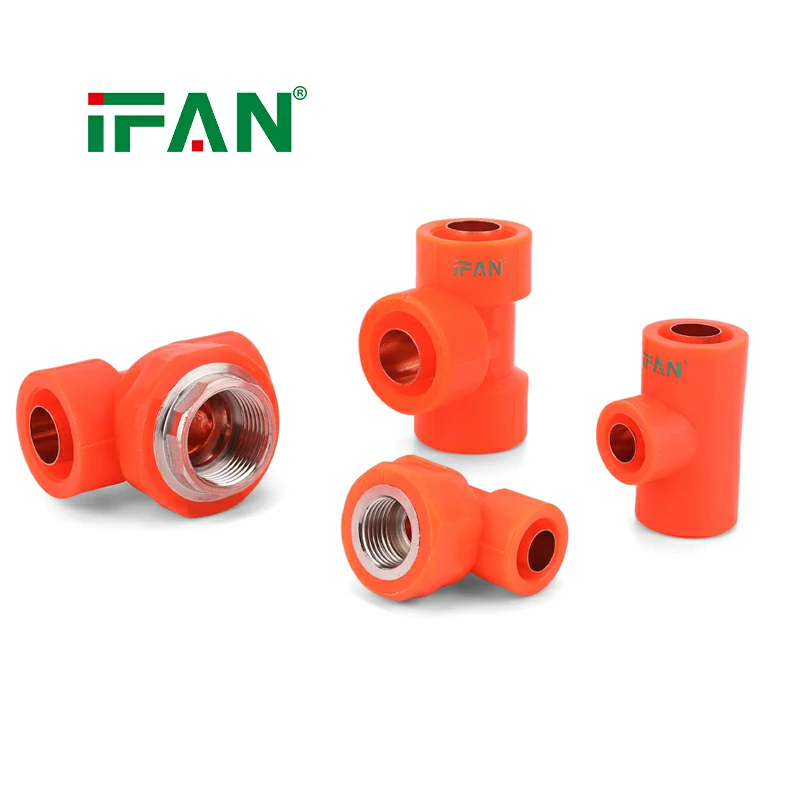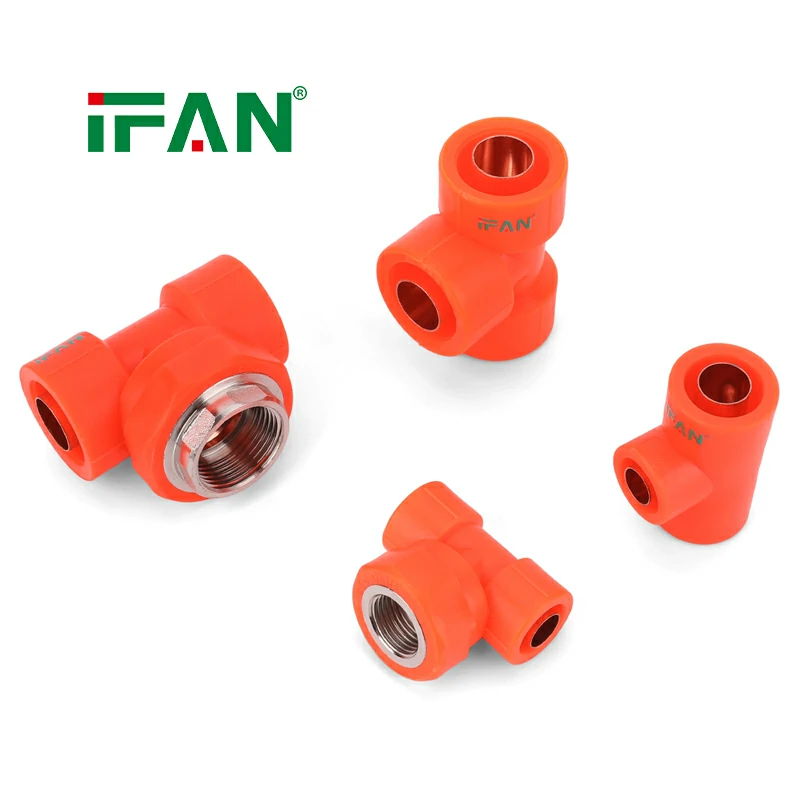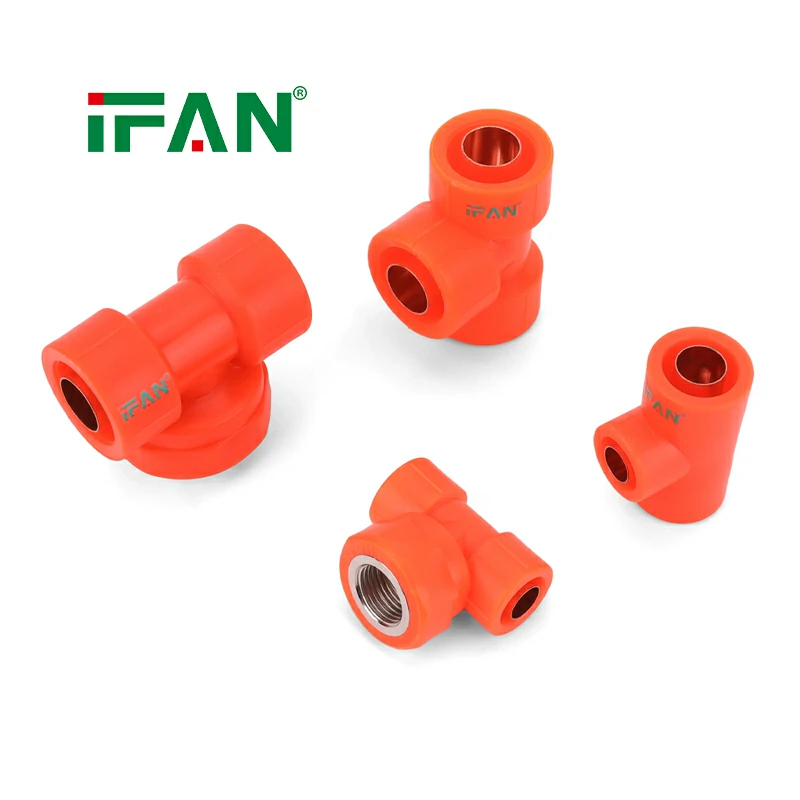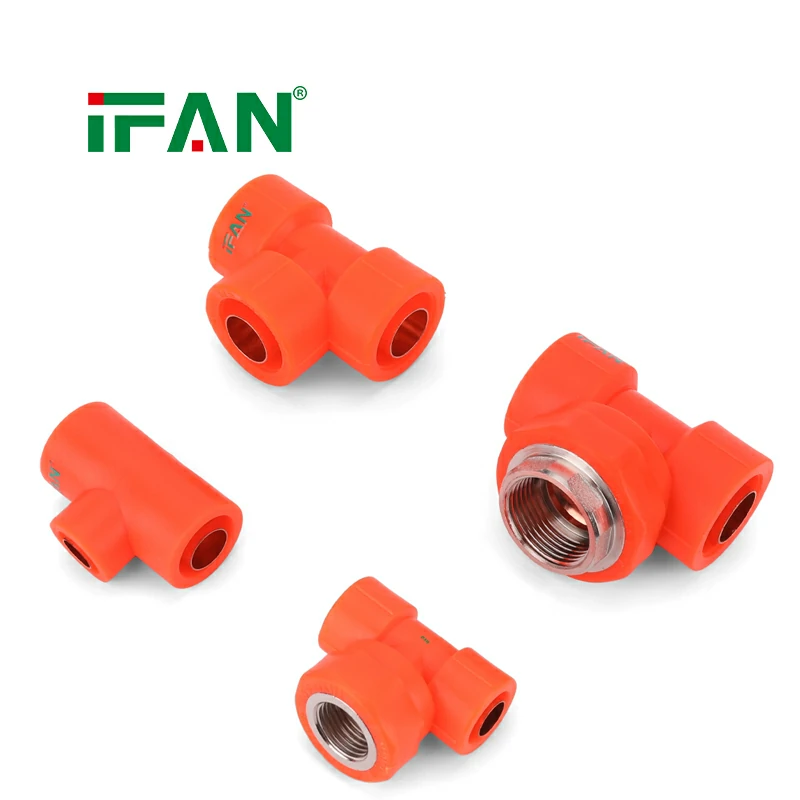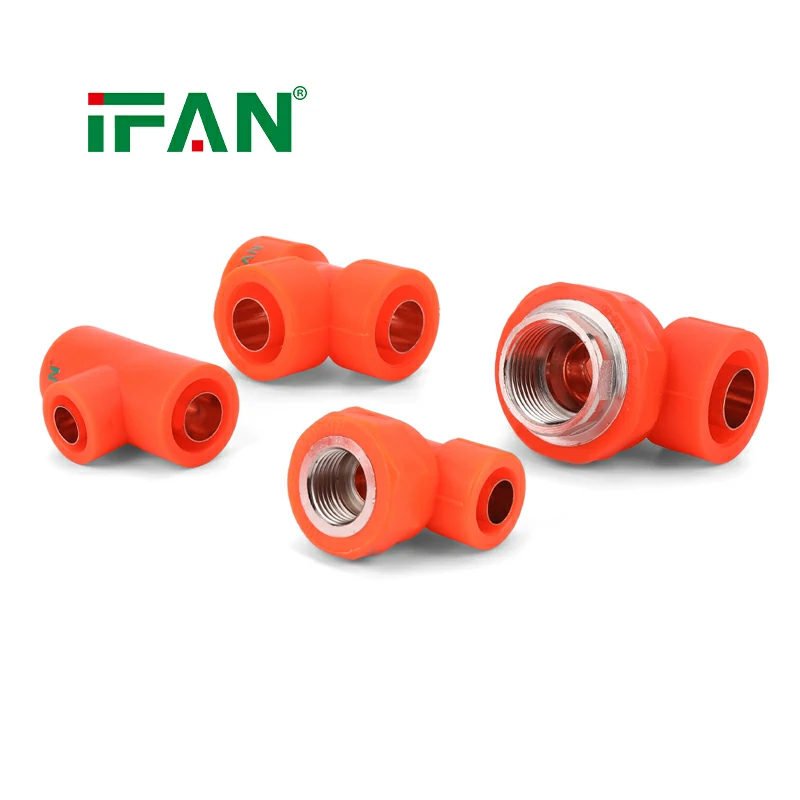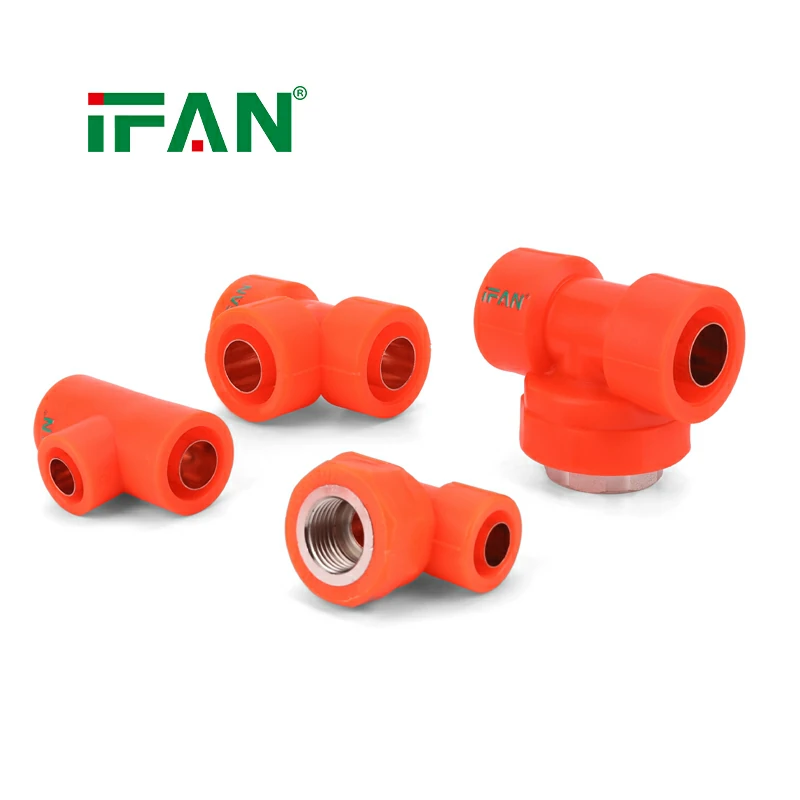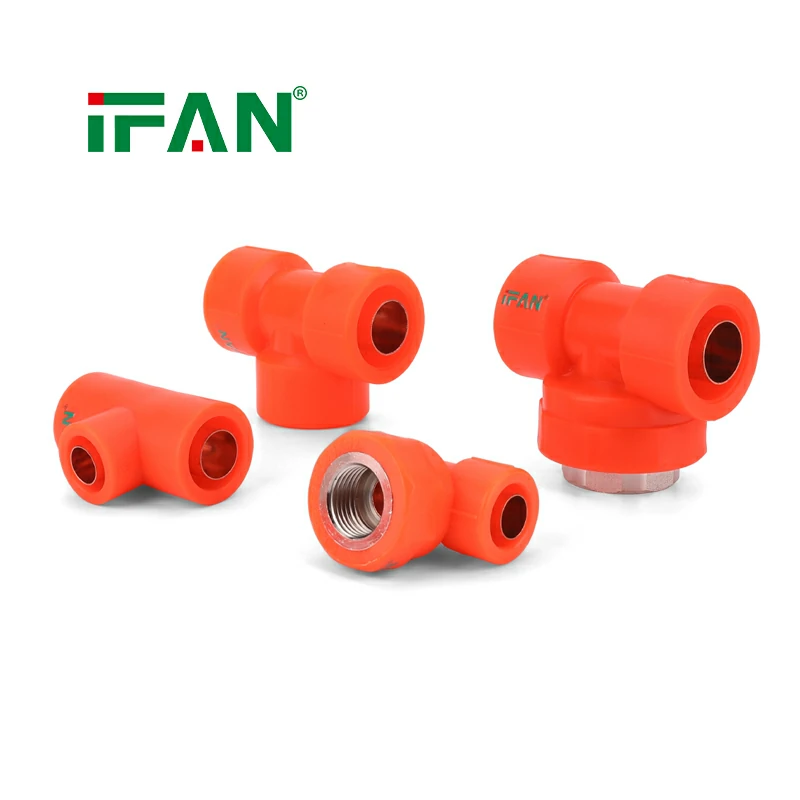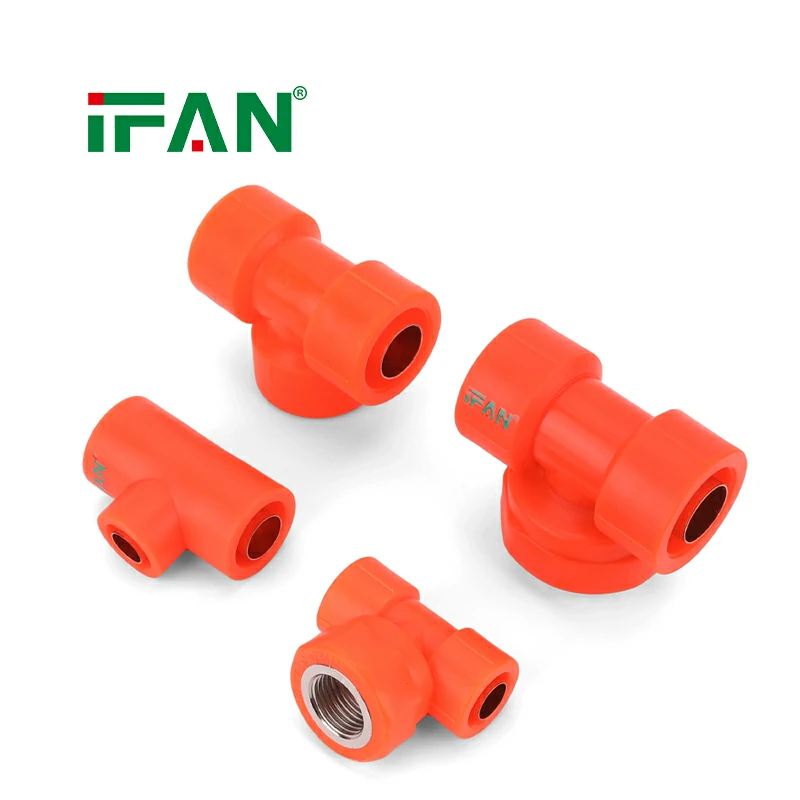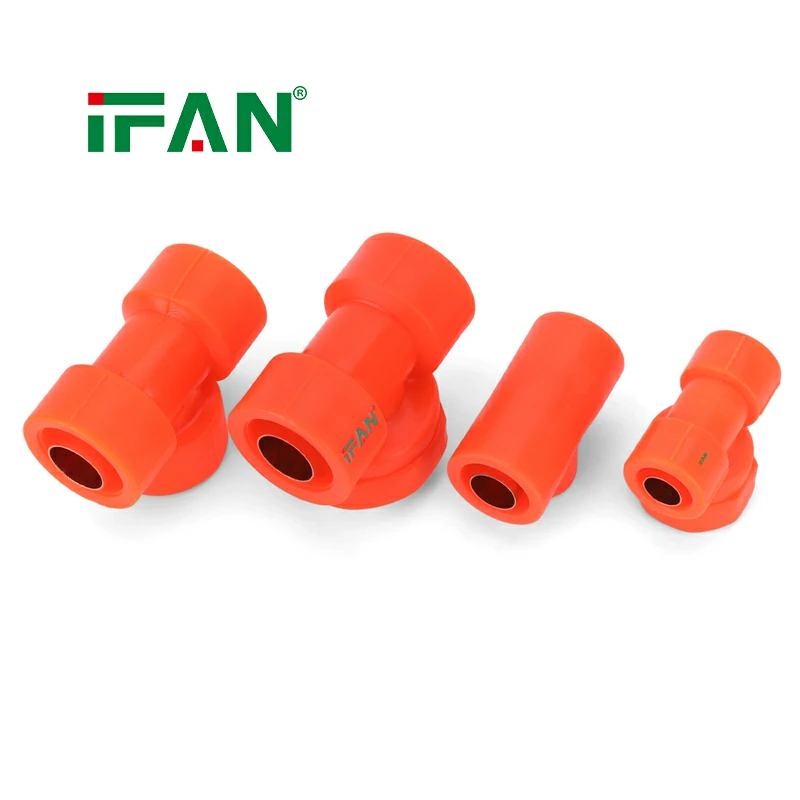
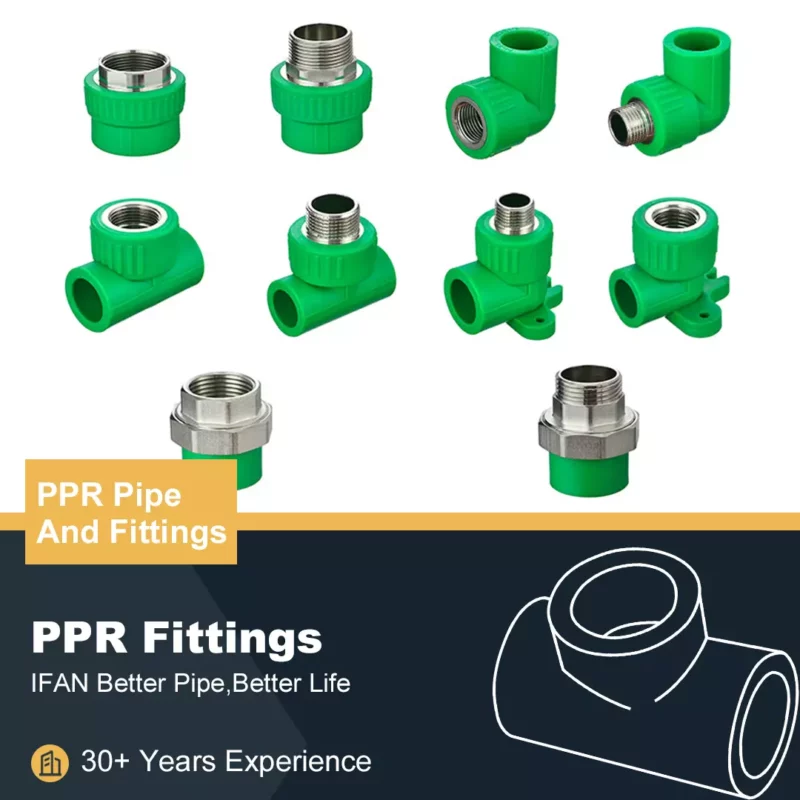
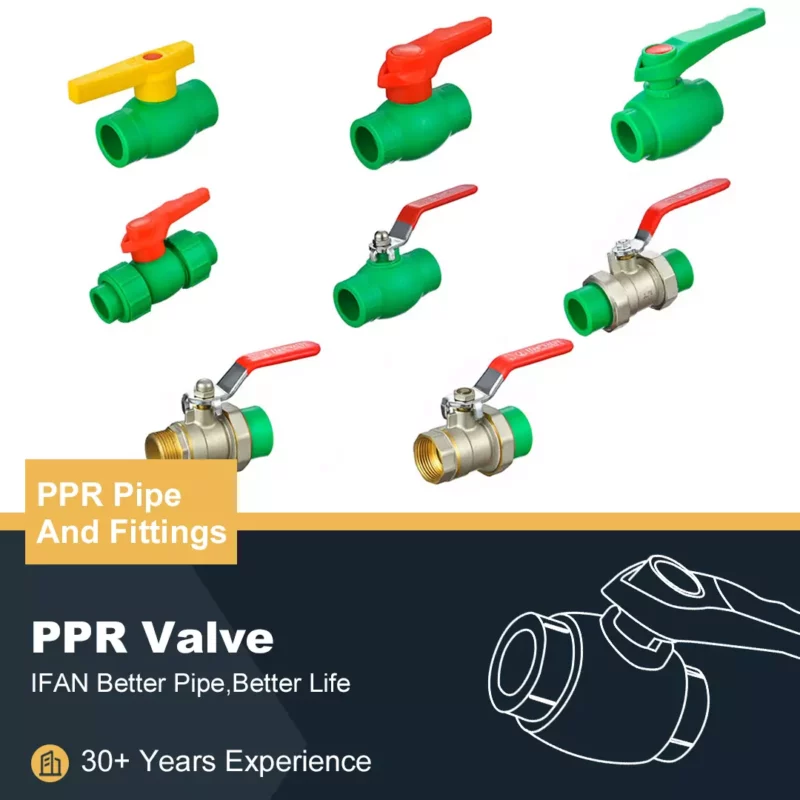
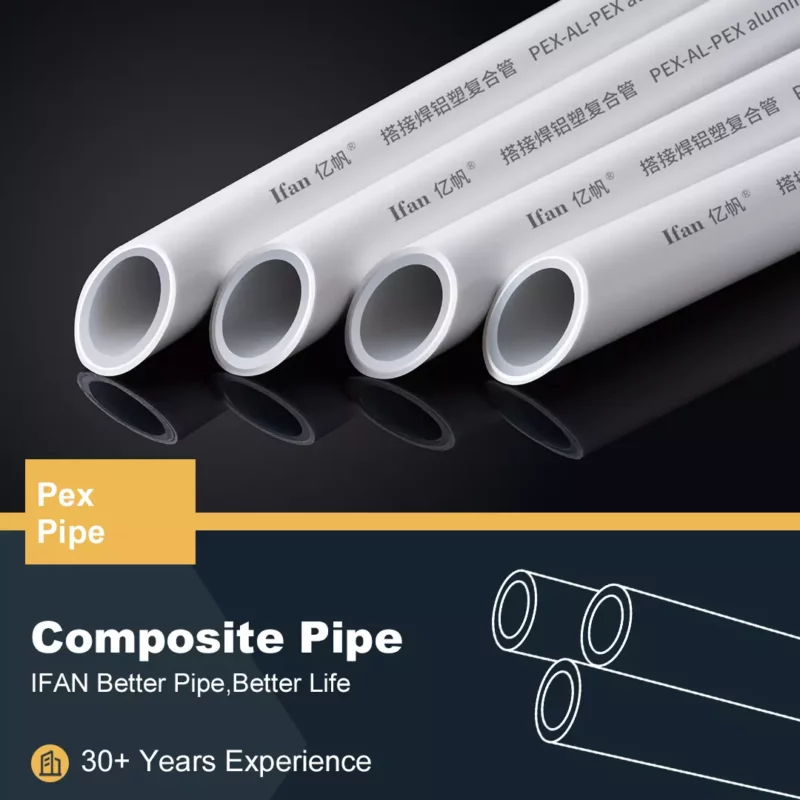
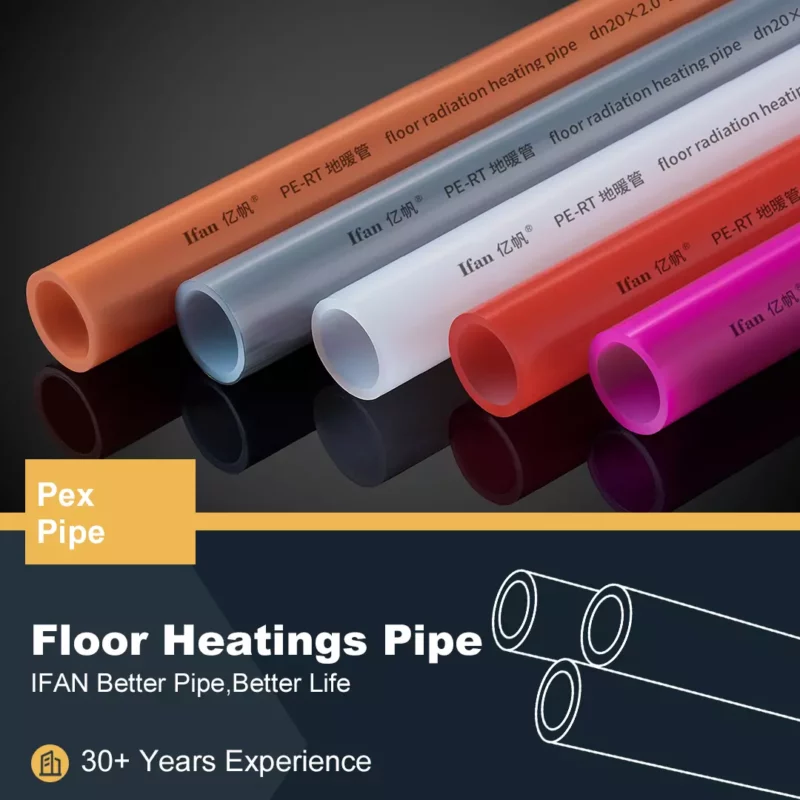
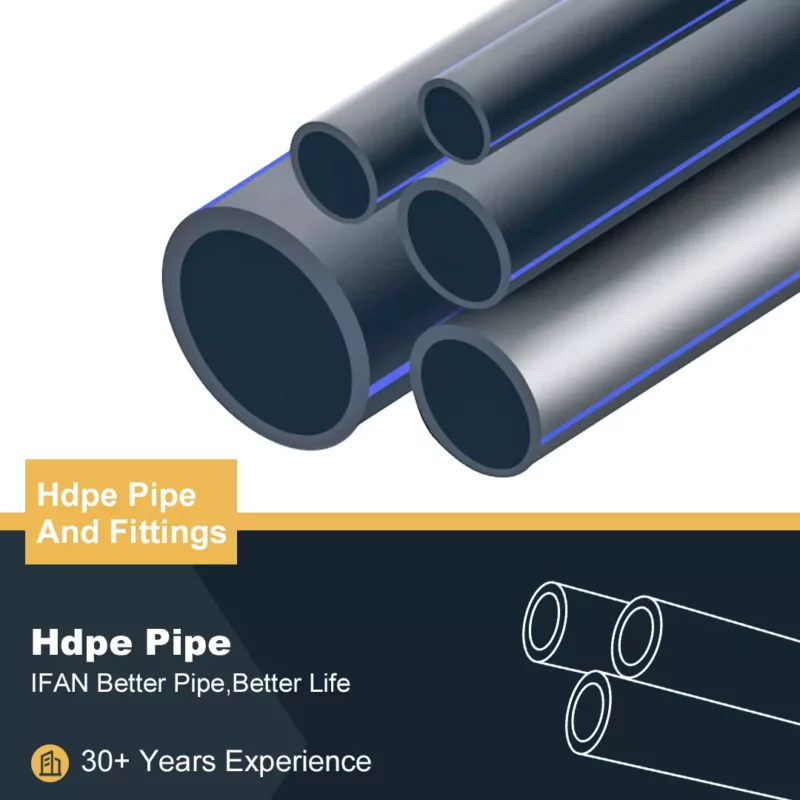
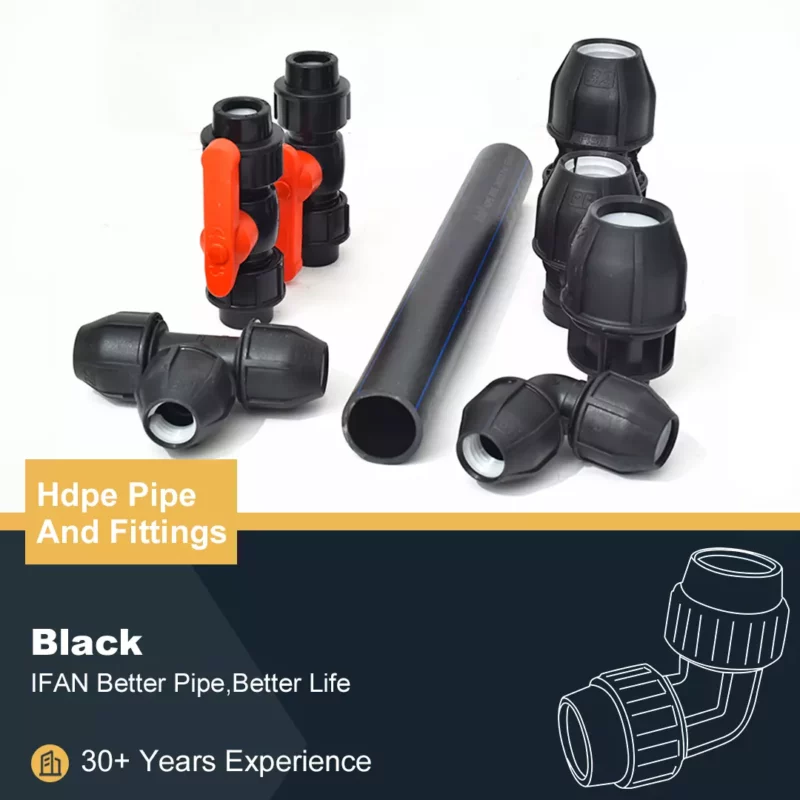
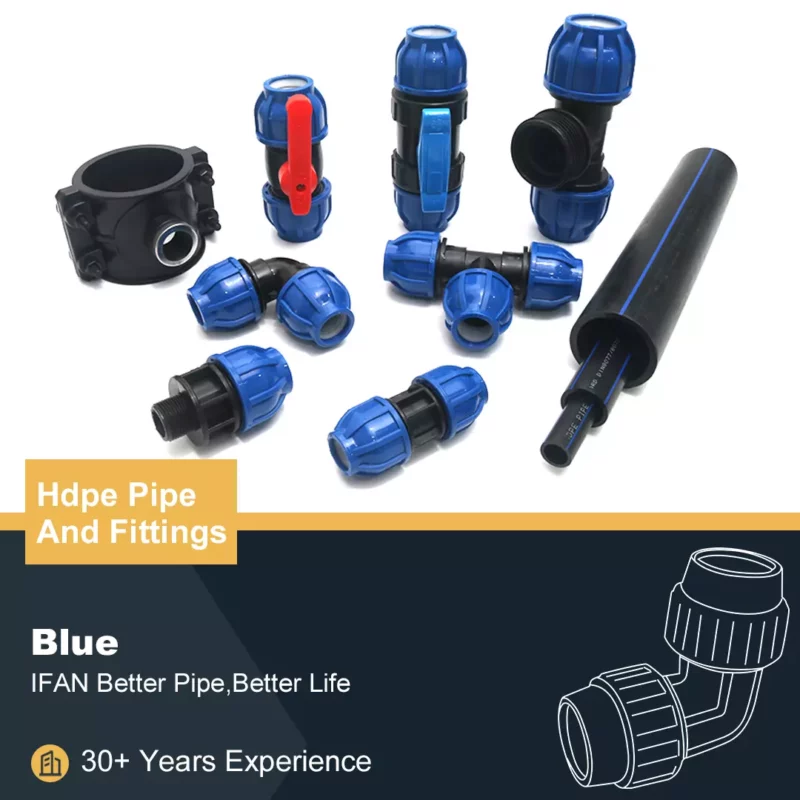
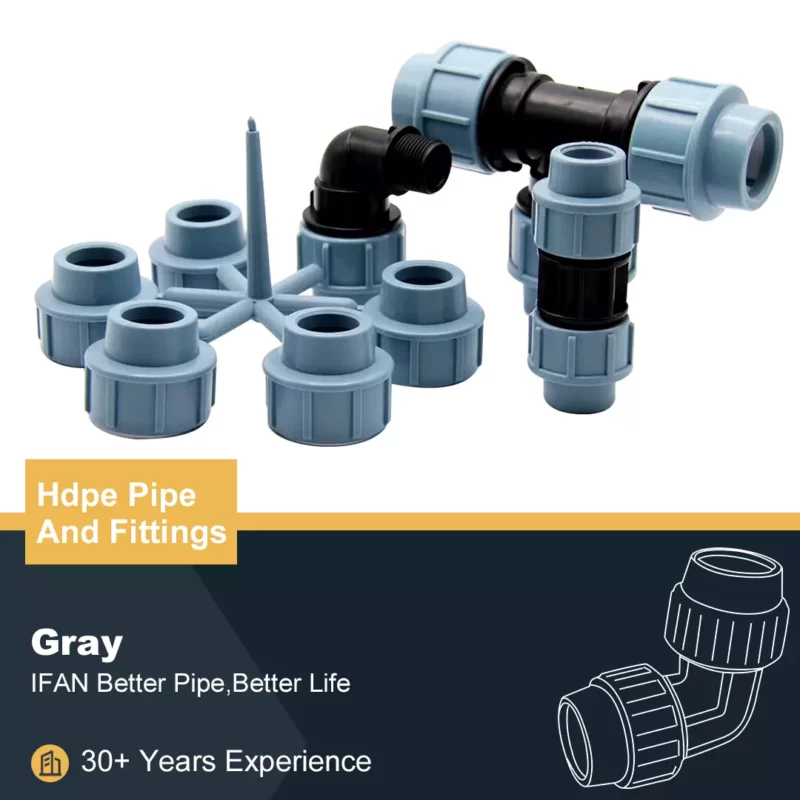


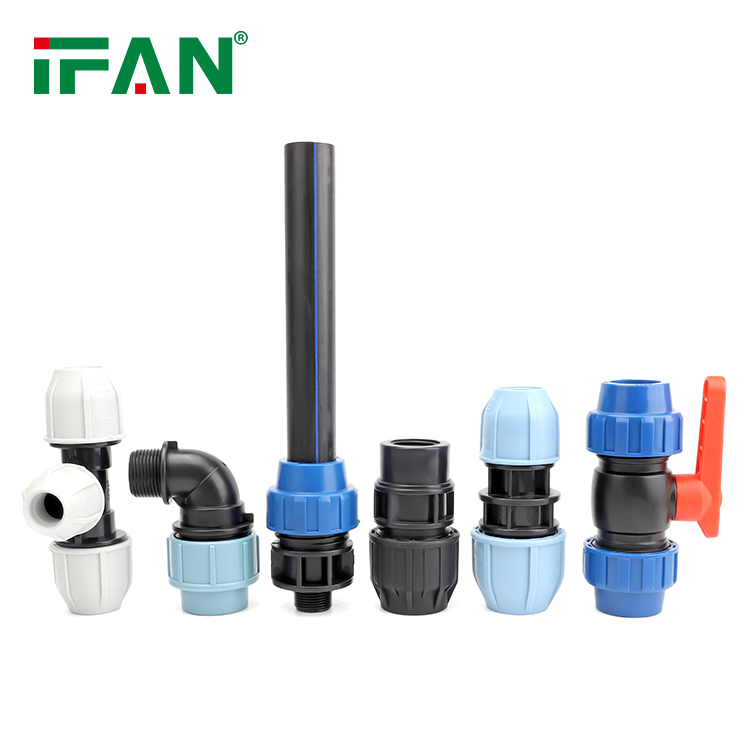
High-Density Polyethylene (HDPE) fittings are increasingly favored for their ability to perform reliably in harsh environments. Known for their strength, flexibility, and resistance to environmental factors, HDPE fittings provide a durable solution for various industries. These fittings are designed to endure challenging weather conditions, making them an ideal choice for outdoor installations and extreme environments. This article explores the benefits and features of weather-resistant HDPE fittings, highlighting their key attributes in harsh conditions.
The Need for Weather-Resistant Fittings
Harsh environmental conditions can pose a significant challenge to the longevity and reliability of piping systems. Extreme weather elements such as ultraviolet (UV) radiation, temperature fluctuations, moisture, and heavy winds can deteriorate traditional materials over time. These environmental stresses can lead to corrosion, cracking, or failure in many types of fittings.
HDPE fittings, however, offer exceptional resistance to these external elements, ensuring the integrity and performance of piping systems even under harsh conditions. By incorporating weather-resistant HDPE fittings, industries can significantly extend the lifespan of their infrastructure while minimizing the risk of failures and maintenance.
Resistance to UV Radiation
One of the primary weather-related challenges that outdoor piping systems face is ultraviolet (UV) radiation. UV rays can degrade many materials, leading to brittleness and cracking. However, HDPE fittings are highly resistant to UV damage. The polymer’s molecular structure makes it capable of withstanding prolonged exposure to sunlight without losing strength or flexibility.
In applications where piping systems are exposed to direct sunlight, weather-resistant HDPE fittings ensure that the system remains functional and secure over the long term. This resistance to UV radiation is a key reason why HDPE fittings are commonly used in outdoor applications like irrigation, water distribution, and gas pipelines.
Temperature Resistance
HDPE fittings also exhibit excellent resistance to temperature fluctuations, which is crucial in environments with extreme weather conditions. Whether the temperature is scorching hot or freezing cold, HDPE retains its mechanical properties, allowing the fittings to perform consistently. Unlike metals, which can become brittle or expand excessively under extreme temperature changes, HDPE maintains its flexibility and strength across a wide range of temperatures.
In freezing climates, HDPE fittings are less likely to crack due to their flexibility, while in hot climates, they won’t deform or weaken under heat stress. This temperature resistance makes HDPE fittings suitable for use in various climates, from freezing cold to high heat, ensuring long-term durability and performance.
Moisture and Corrosion Resistance
Another significant advantage of HDPE fittings is their exceptional resistance to moisture and corrosion. In environments where piping systems are exposed to high humidity or constant wet conditions, traditional metal fittings often suffer from corrosion, leading to costly repairs and replacements. HDPE, however, is not prone to rust or degradation when exposed to water or moisture.
This resistance to corrosion makes HDPE fittings especially valuable in applications such as sewage systems, stormwater drainage, and marine infrastructure, where the fittings are constantly in contact with water. The weather-resistant properties of HDPE fittings allow them to maintain their integrity, ensuring that piping systems continue to function smoothly without degradation over time.
Flexibility for Harsh Environments
The inherent flexibility of HDPE fittings further enhances their ability to withstand harsh environmental conditions. This flexibility allows the material to absorb impact and stress, reducing the likelihood of cracking or breaking under pressure. In regions prone to earthquakes, soil shifts, or heavy winds, the flexibility of HDPE fittings enables them to adjust to these changes without compromising the system’s structural integrity.
In addition, the ability of HDPE fittings to expand and contract with temperature changes helps prevent damage that could occur in more rigid materials. This flexibility makes HDPE an excellent choice for installations in areas with unpredictable weather patterns or shifting ground conditions.
Cost-Effectiveness in Harsh Environments
While weather-resistant HDPE fittings may have a higher initial cost compared to other materials, their long-term performance makes them highly cost-effective. Their ability to withstand harsh environmental conditions significantly reduces the frequency of repairs, replacements, and downtime associated with traditional materials.
In addition to their durability, HDPE fittings require minimal maintenance, further lowering the total cost of ownership. The resistance to UV radiation, temperature fluctuations. And corrosion means that these fittings will continue to function properly without the need for frequent monitoring or replacement. Over time, these savings can outweigh the initial investment, making HDPE fittings a cost-effective solution for many industries.
Applications in Harsh Environments
Weather-resistant HDPE fittings are used in a wide variety of applications across different industries. They are commonly used in water distribution systems, sewage treatment plants. And gas pipelines, where they are exposed to outdoor conditions. Additionally, these fittings are often found in irrigation systems. Agricultural pipelines, and even marine applications, where they are subjected to moisture, salt, and temperature extremes.
In construction and mining, HDPE fittings are also used for drainage and waste systems. Where they need to handle not only harsh weather but also heavy-duty physical stress. The versatility and durability of HDPE fittings make them ideal for these and many other applications.
Sustainability and Environmental Impact
Another important consideration for weather-resistant HDPE fittings is their sustainability. HDPE is a recyclable material, which means that at the end of its lifespan. The fittings can be repurposed or reused, reducing waste and environmental impact. This characteristic makes HDPE fittings a more sustainable option compared to other materials that may contribute to landfill waste.
Conclusion
Weather-resistant HDPE fittings offer numerous benefits for applications in harsh environments. Their resistance to UV radiation, temperature fluctuations, moisture, and corrosion makes them an ideal solution for outdoor and extreme-condition installations. The flexibility and long-term durability of HDPE fittings ensure that they continue to perform reliably without frequent repairs or replacements. While they may have a higher initial cost, the long-term savings and performance benefits make them a smart investment for industries looking to ensure the reliability and longevity of their piping systems.
As industries increasingly demand solutions that can withstand the challenges of unpredictable weather and harsh environments. HDPE fittings stand out as a superior choice. Their ability to endure extreme conditions and provide sustainable, cost-effective solutions makes them a key component of modern infrastructure.
If you have read this article and have any questions, please feel free to contact IFAN. Below is our contact information:
Whatsapp:+86 13373827623
Email:[email protected]