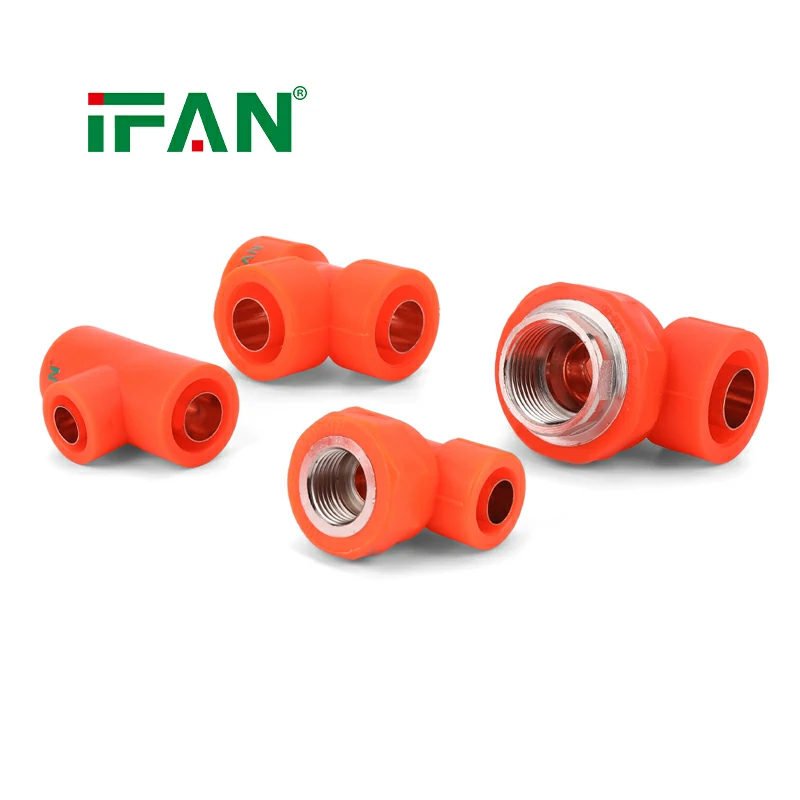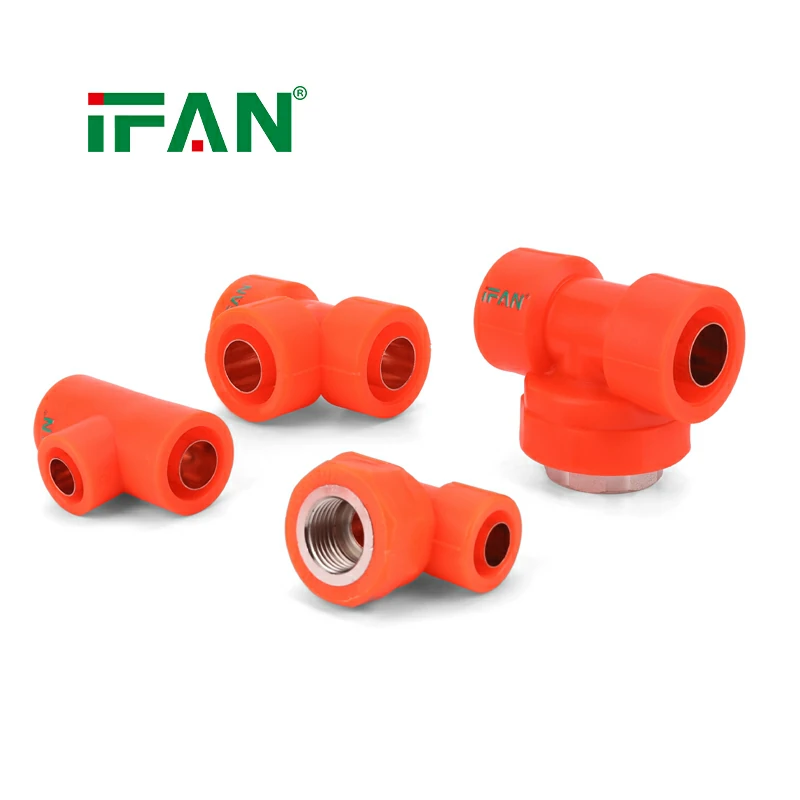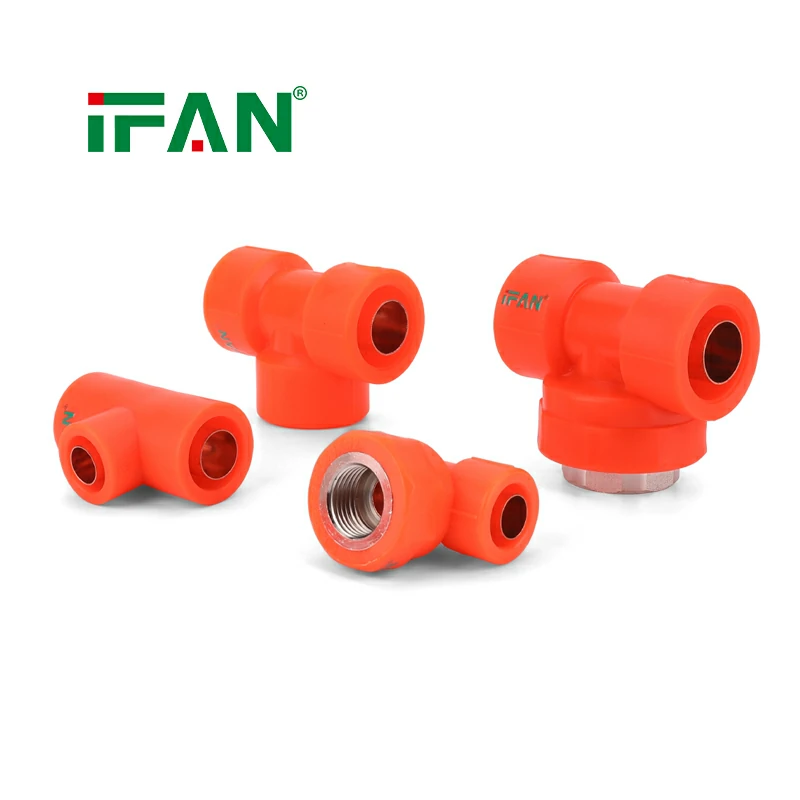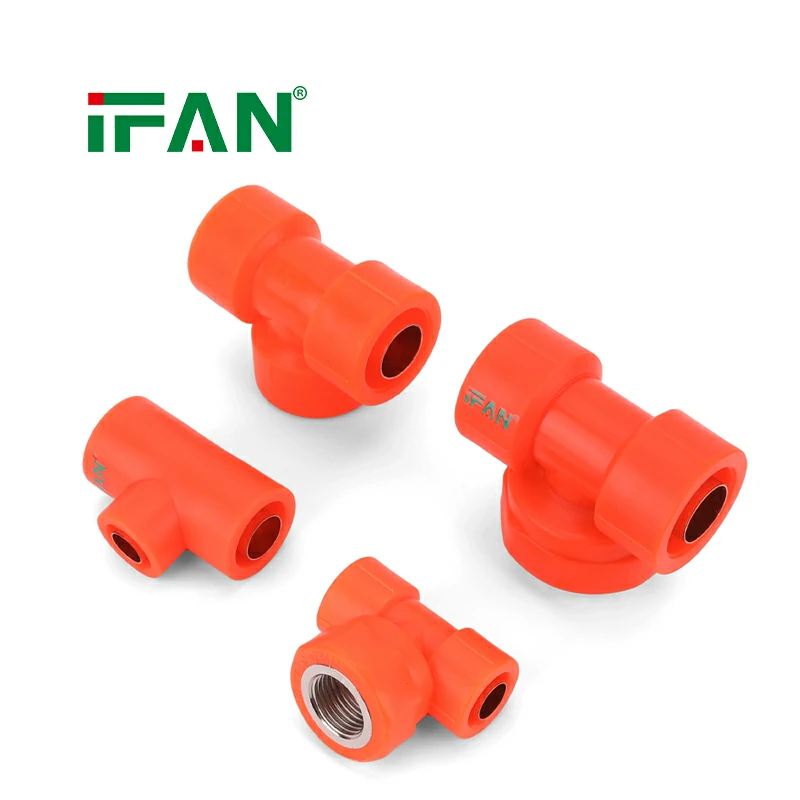
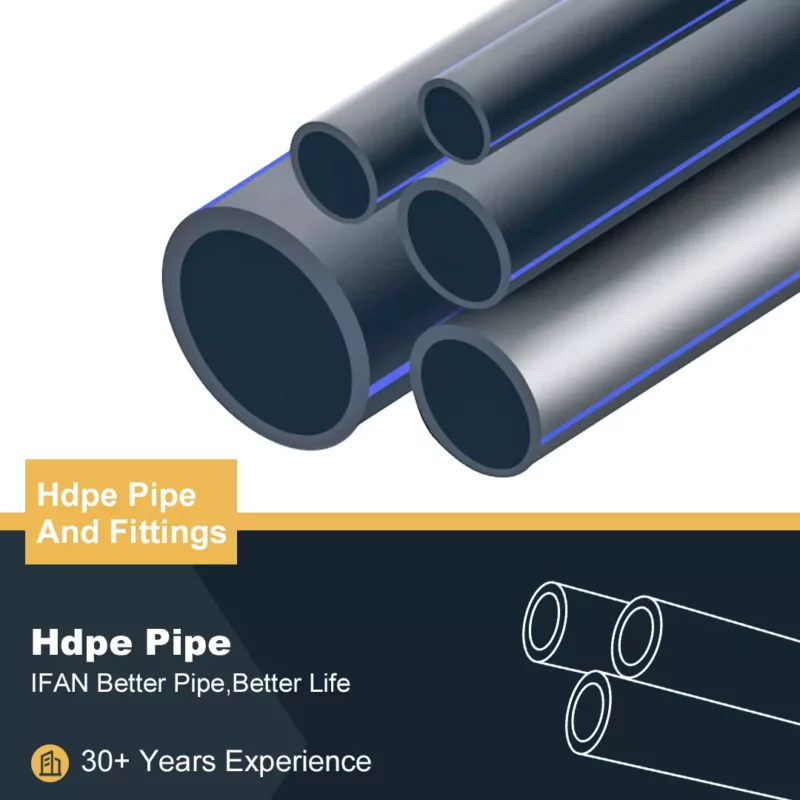
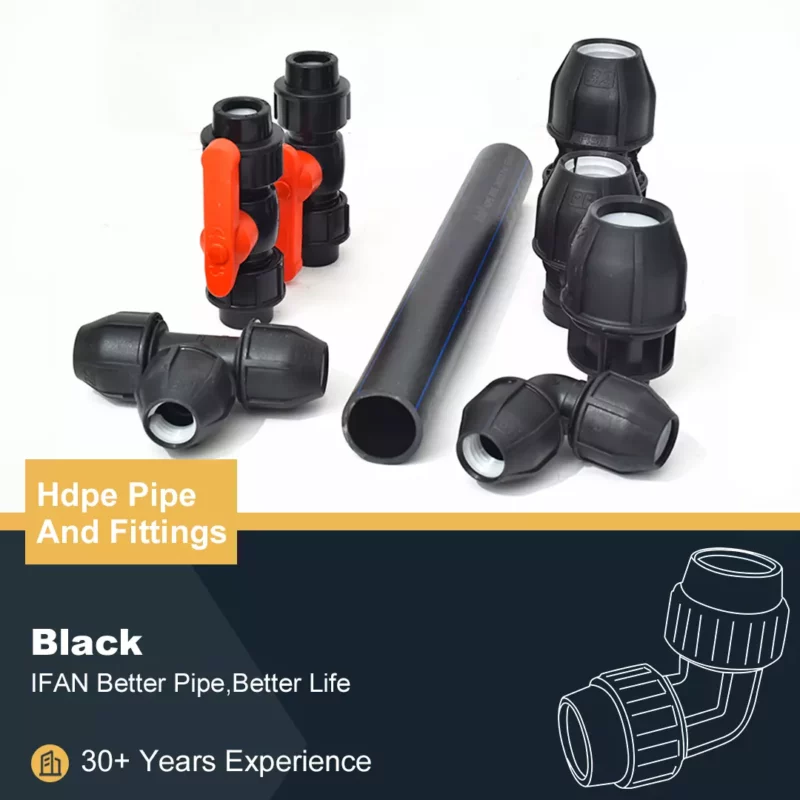
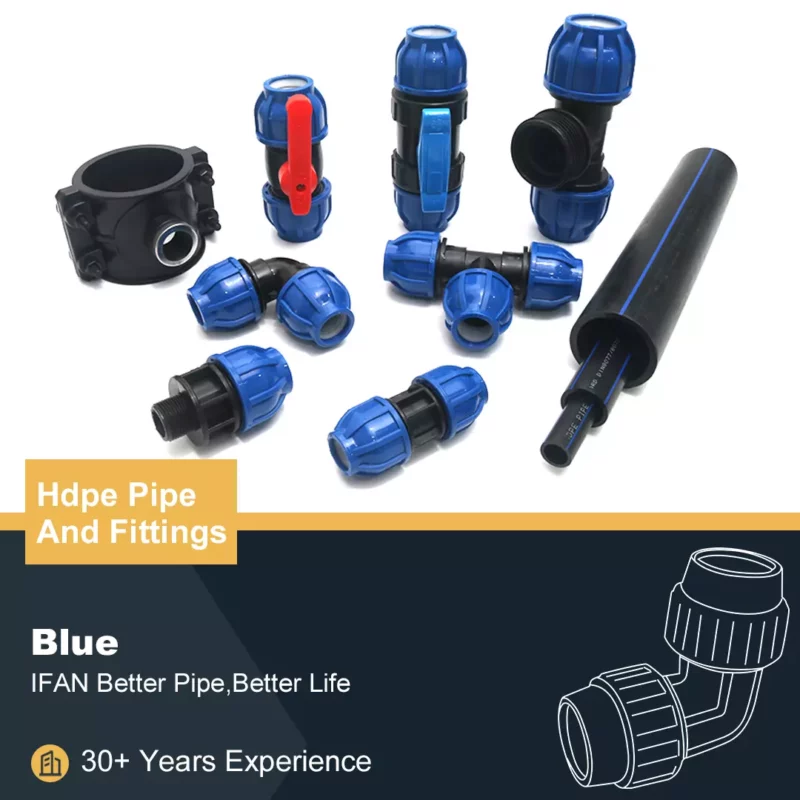
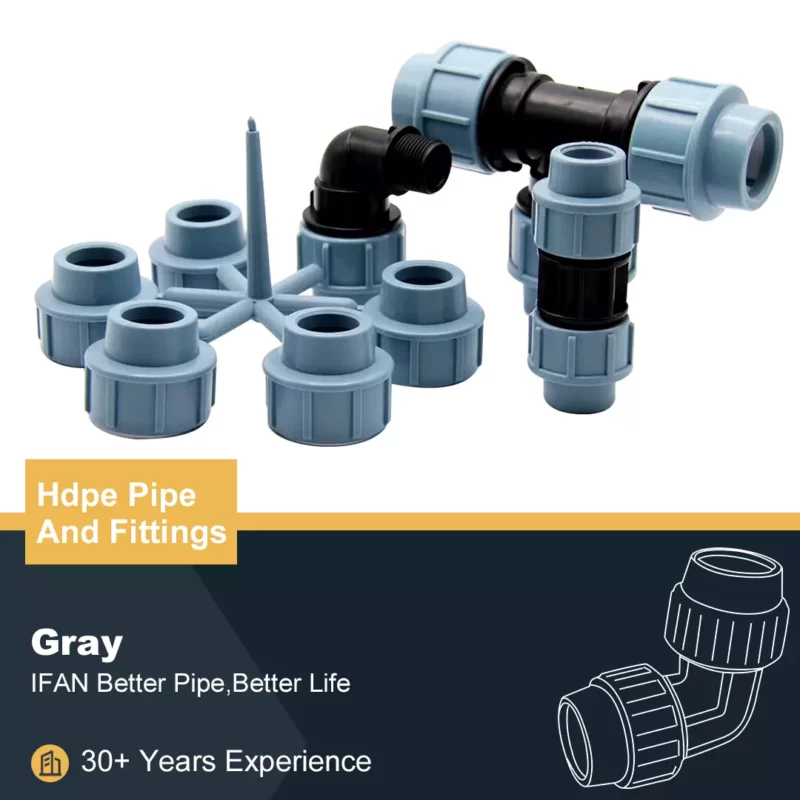

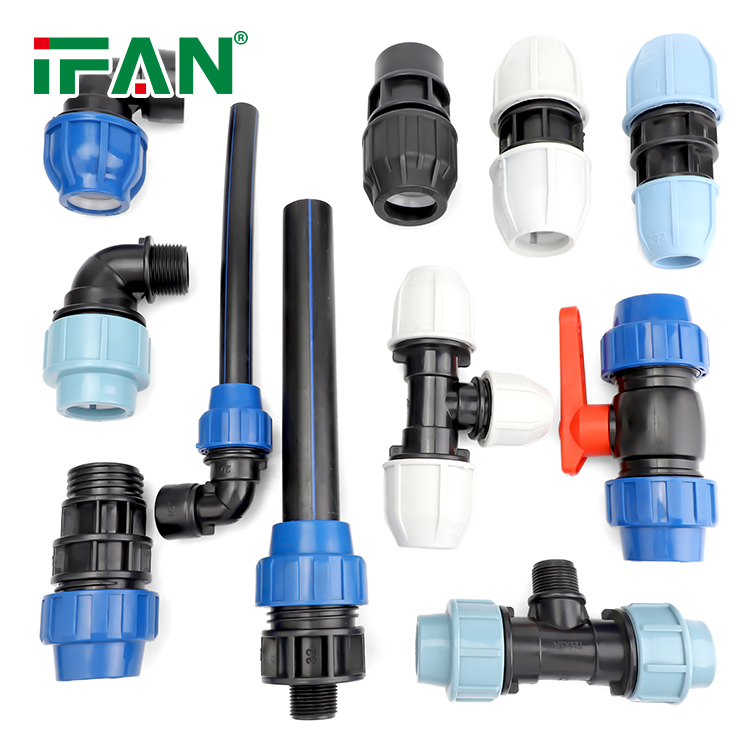
In modern water distribution systems, the use of durable and reliable materials is essential for long-term performance. High-Density Polyethylene (HDPE) fittings have emerged as a preferred choice for water distribution systems worldwide. These fittings are known for their strength, corrosion resistance, and flexibility, making them an ideal solution for various water infrastructure needs.
What Are HDPE Fittings?
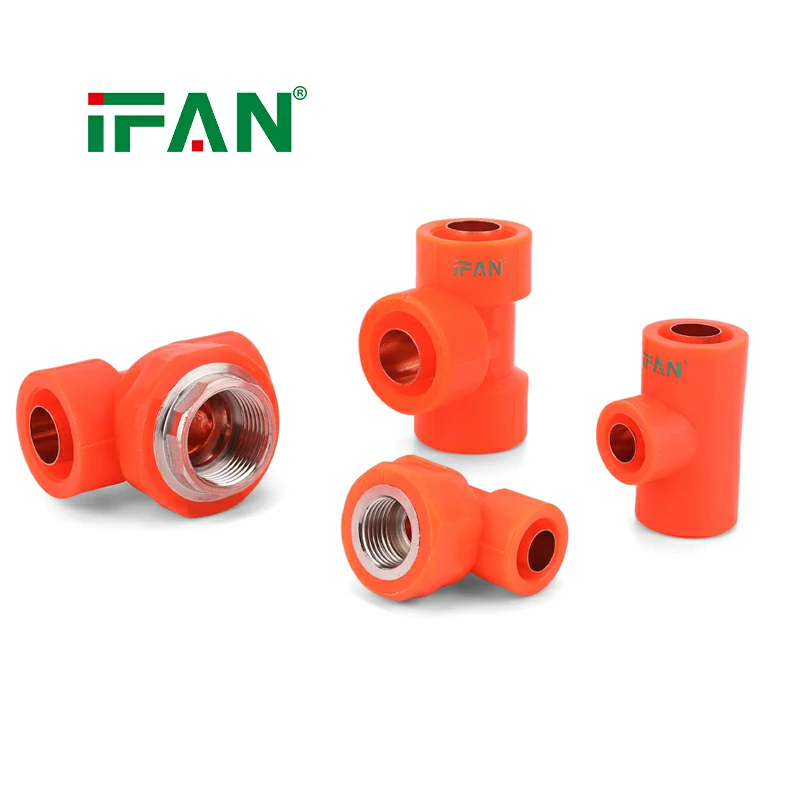
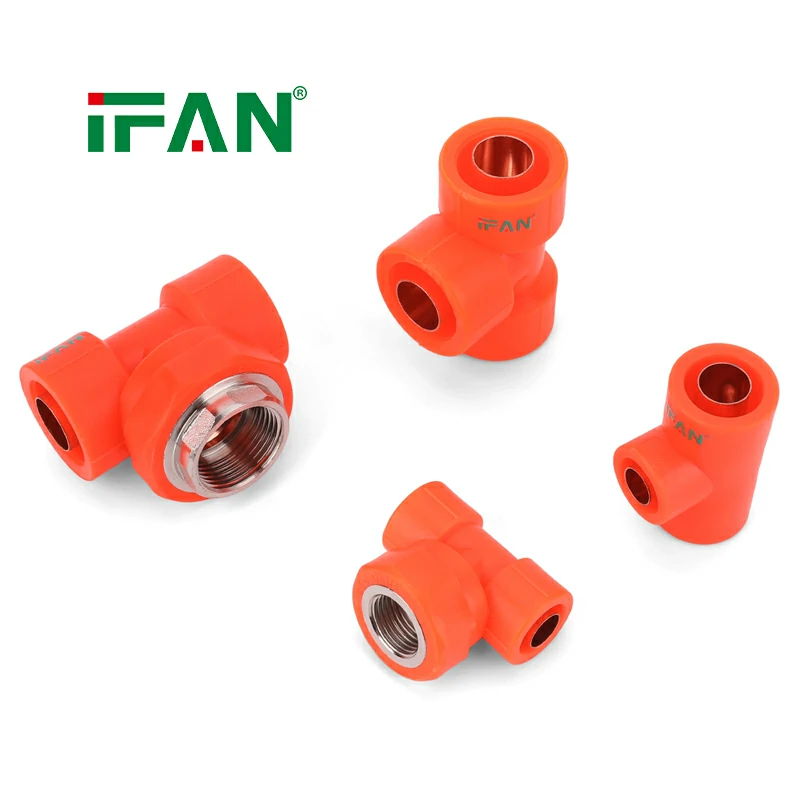
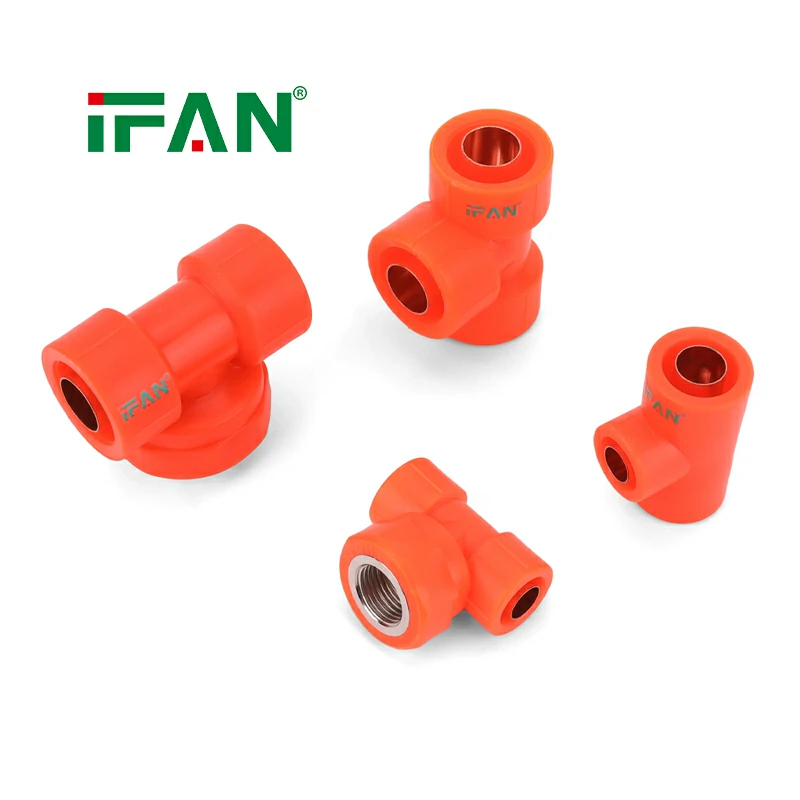
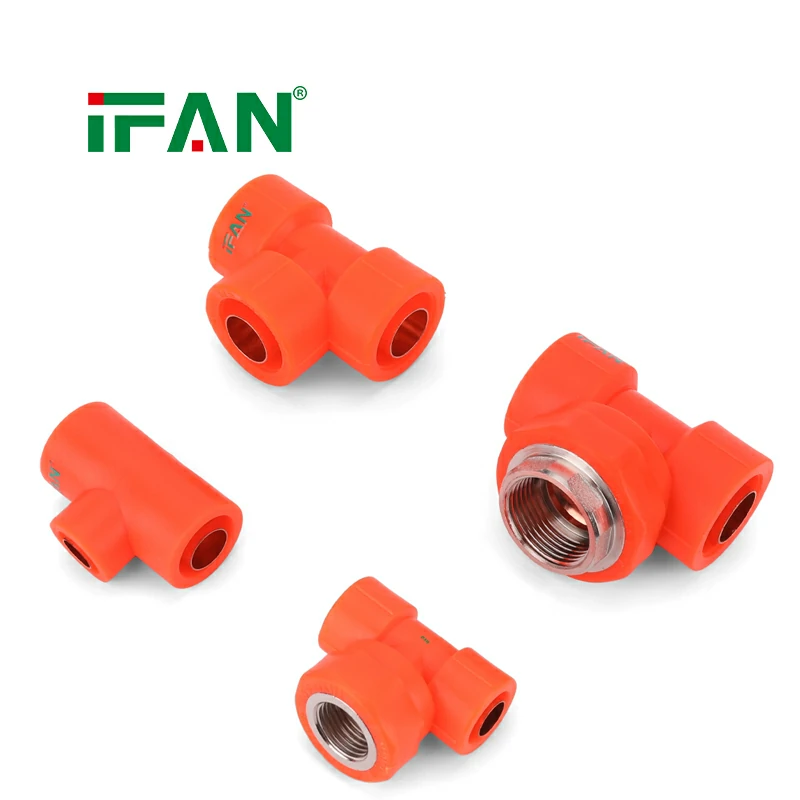
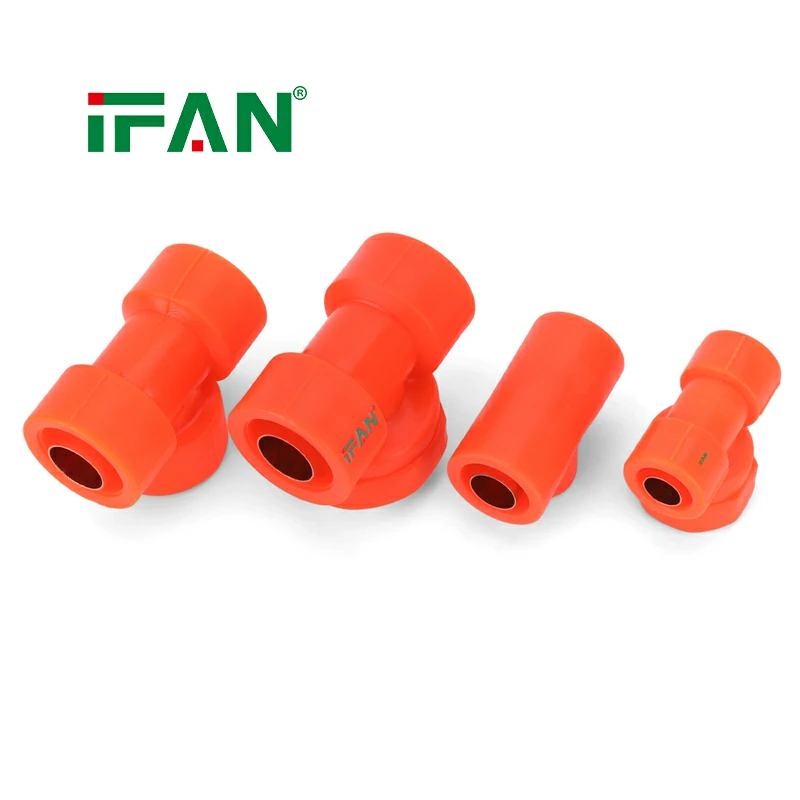
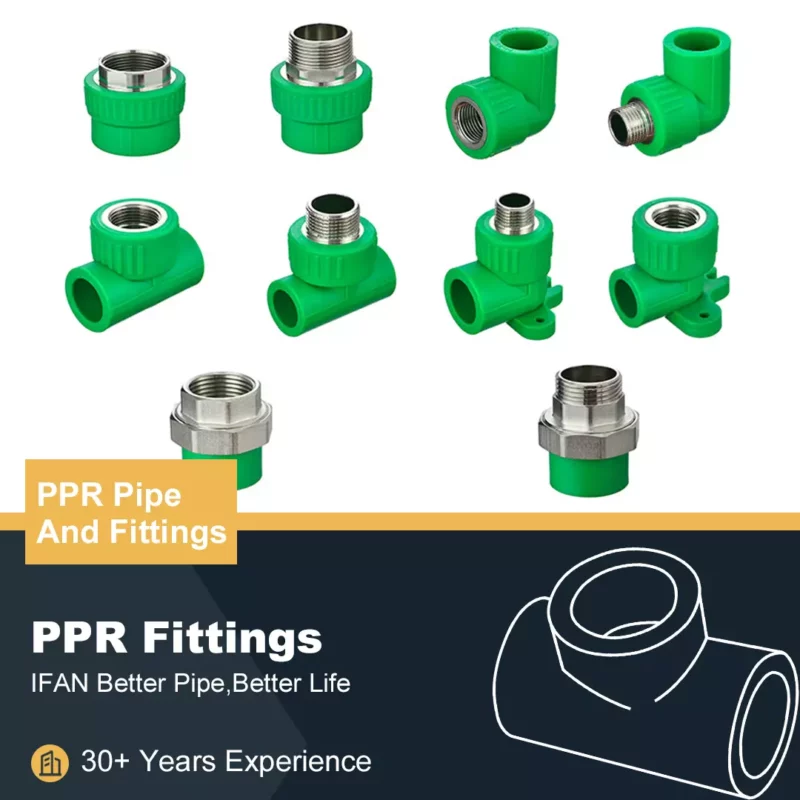
HDPE fittings are components made from High-Density Polyethylene, a type of thermoplastic polymer. They are used to connect sections of HDPE pipes, enabling smooth and leak-free water flow. HDPE fittings come in various types, including elbows, tees, reducers, couplings, and flanges, to meet different design and functional requirements in water distribution networks.
The popularity of HDPE fittings stems from the material’s unique properties, including high chemical resistance, impact strength, and ability to withstand high temperatures. These characteristics make HDPE fittings an excellent option for water distribution systems in diverse environments, from residential complexes to industrial facilities.
Benefits of Using HDPE Fittings in Water Distribution
1. Durability and Longevity
One of the most significant advantages of HDPE fitting is their exceptional durability. Unlike metal fittings, HDPE fittings are resistant to rust, corrosion, and scaling. They can withstand harsh environmental conditions such as UV exposure, extreme temperatures, and aggressive chemicals. As a result, HDPE fitting can last for decades, ensuring a reliable water supply without the frequent need for maintenance or replacement.
2. Flexibility and Ease of Installation
HDPE fittings offer greater flexibility compared to traditional materials like PVC or steel. This flexibility allows the fittings to expand and contract with temperature changes, reducing the risk of cracking or failure. Moreover, the lightweight nature of HDPE fitting makes them easy to handle and install. With fewer tools and less labor required, installation times are reduced, saving both time and money during construction.
3. Leak-Proof Connections
The ability to create leak-proof joints is a key feature of HDPE fitting. The fusion process used to join HDPE pipes and fittings ensures a seamless connection, which is much stronger than mechanical joints. This fusion process eliminates the risk of leaks, reducing the potential for water loss and contamination. Leak-free systems are particularly critical in water distribution, as even small leaks can result in significant waste and increased operational costs.
4. Cost-Effectiveness
HDPE fittings are a cost-effective solution for water distribution systems. While the initial cost of HDPE fitting may be higher than other materials, the long-term savings outweigh this initial investment. The durability and reduced need for maintenance result in fewer replacements and repairs over time. Furthermore, the ease of installation leads to reduced labor costs, making HDPE fitting an economically viable option for both small and large-scale water distribution projects.
Applications of HDPE Fittings
1. Residential Water Distribution
In residential areas, HDPE fittings are commonly used for both potable and non-potable water distribution. The material’s resistance to corrosion and chemical degradation ensures that the water remains clean and safe for consumption. HDPE fitting are also used in irrigation systems, where their flexibility allows them to be easily installed across uneven terrains and around obstacles.
2. Industrial and Municipal Systems
For industrial and municipal water systems, HDPE fittings offer a reliable solution for transporting large volumes of water. These systems require durable materials that can handle high pressures and various environmental conditions. HDPE fitting meet these requirements, providing a secure, leak-free option for water transportation in these demanding applications.
3. Agricultural Irrigation
HDPE fittings are widely used in agricultural irrigation systems due to their ability to withstand fluctuating pressures and extreme weather conditions. The flexibility and strength of HDPE make it an ideal material for irrigation pipes and fittings that need to endure the rigors of agricultural use. Additionally, HDPE’s resistance to UV degradation makes it well-suited for outdoor applications.
Environmental Impact of HDPE Fittings
The environmental benefits of using HDPE fitting are also worth noting. HDPE is a recyclable material, which means that it can be reused and repurposed at the end of its life cycle. This reduces the demand for new raw materials and helps minimize the environmental footprint of water distribution infrastructure.
Furthermore, HDPE fittings contribute to the efficient use of water. The leak-proof nature of the fittings ensures that water is transported without wastage, helping to conserve valuable water resources. In regions facing water scarcity, the use of HDPE fitting can play a critical role in improving water efficiency.
Conclusion
HDPE fittings are an excellent choice for water distribution systems, offering a combination of durability, flexibility, cost-effectiveness, and environmental sustainability. Their corrosion resistance, ease of installation, and leak-proof properties make them an ideal material for both residential and industrial applications. As demand for reliable and efficient water distribution systems continues to grow, HDPE fittings will remain a critical component in ensuring the smooth, uninterrupted flow of water across various infrastructure networks. By choosing HDPE fittings, water distribution networks can achieve long-lasting, reliable performance with minimal maintenance costs and environmental impact.
If you have read this article and have any questions, please feel free to contact IFAN. Below is our contact information:
Whatsapp:+86 13373827623
Email:[email protected]