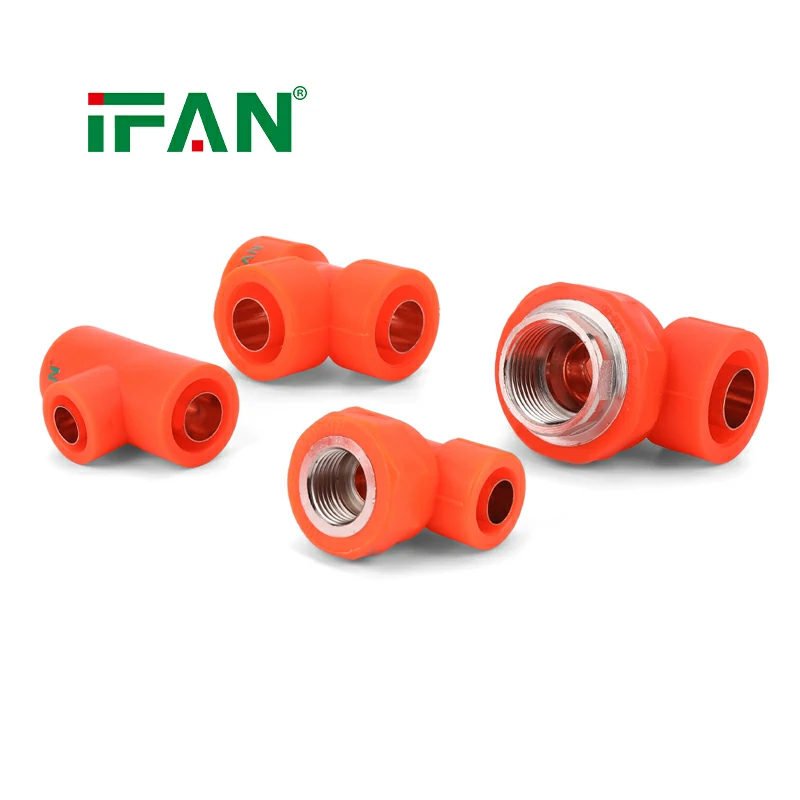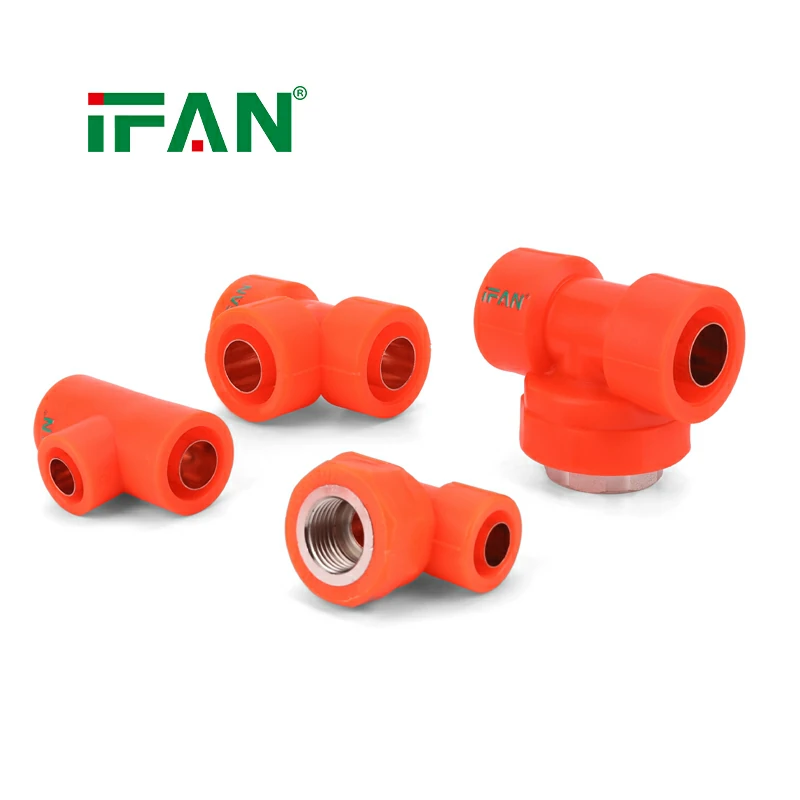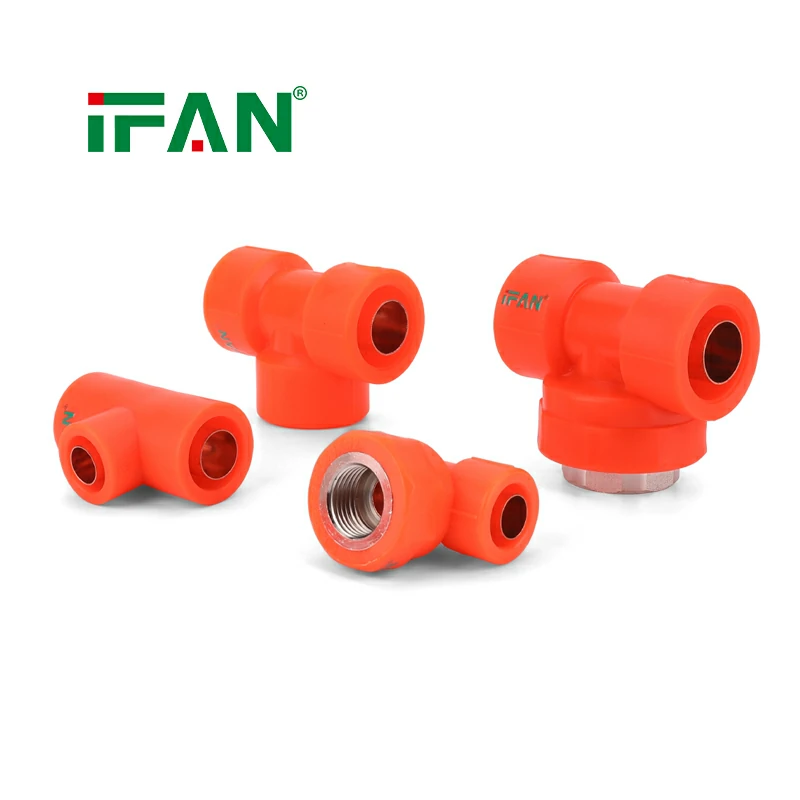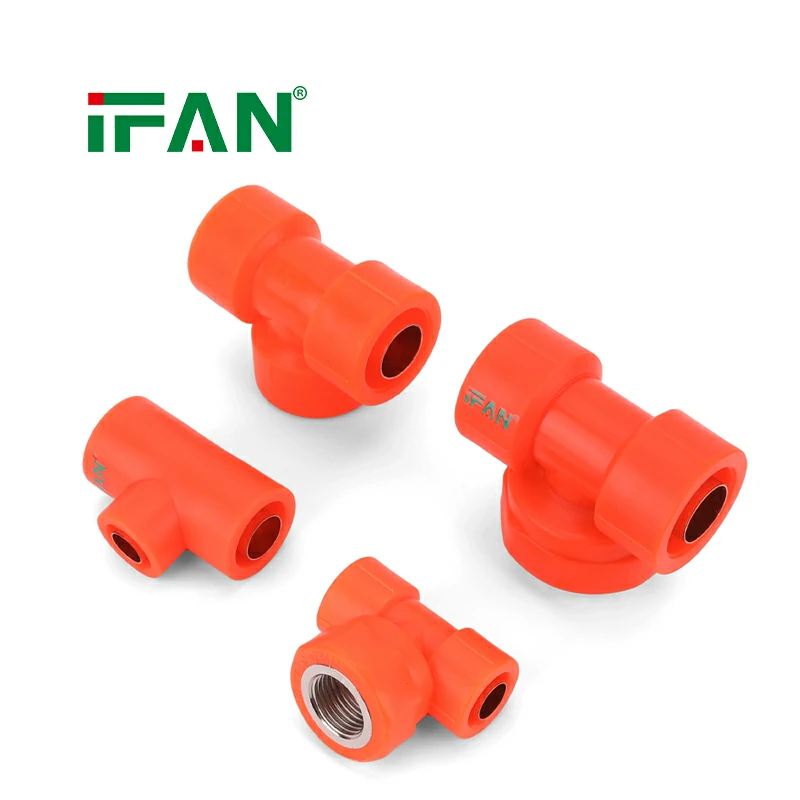

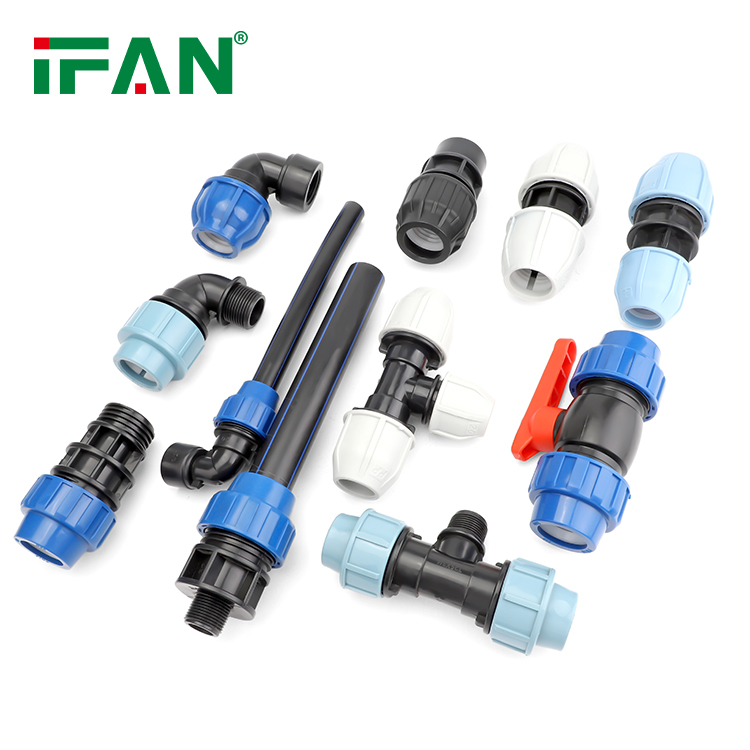
Installing a reliable piping system requires careful consideration of the materials used, especially when it comes to ease of installation and long-term durability. High-Density Polyethylene (HDPE) fittings are increasingly recognized for their flexibility, making installation simpler and faster than traditional materials like metal or PVC.
What Are Flexible HDPE Fittings?
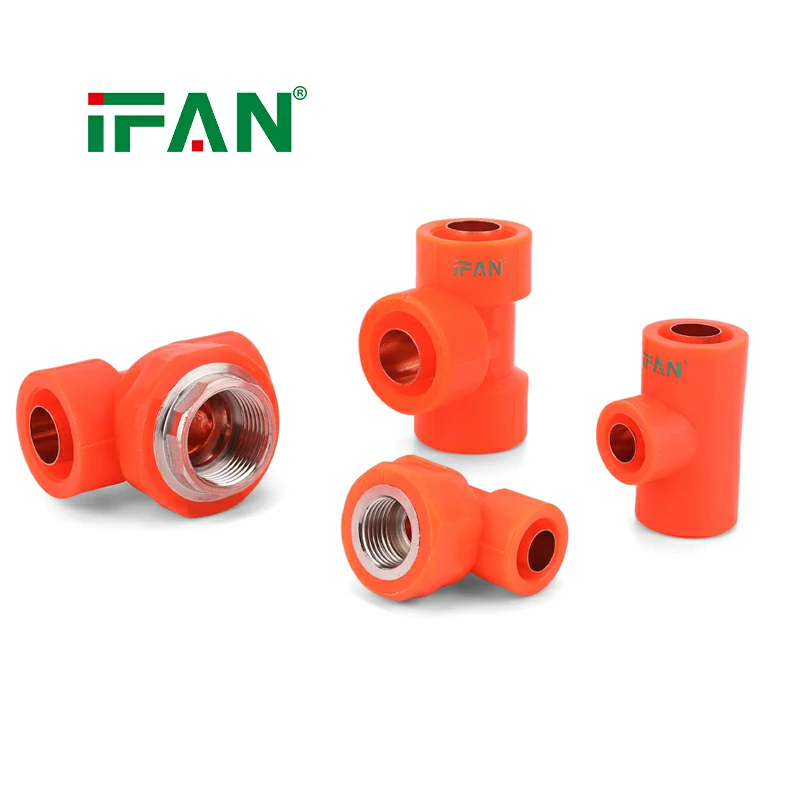
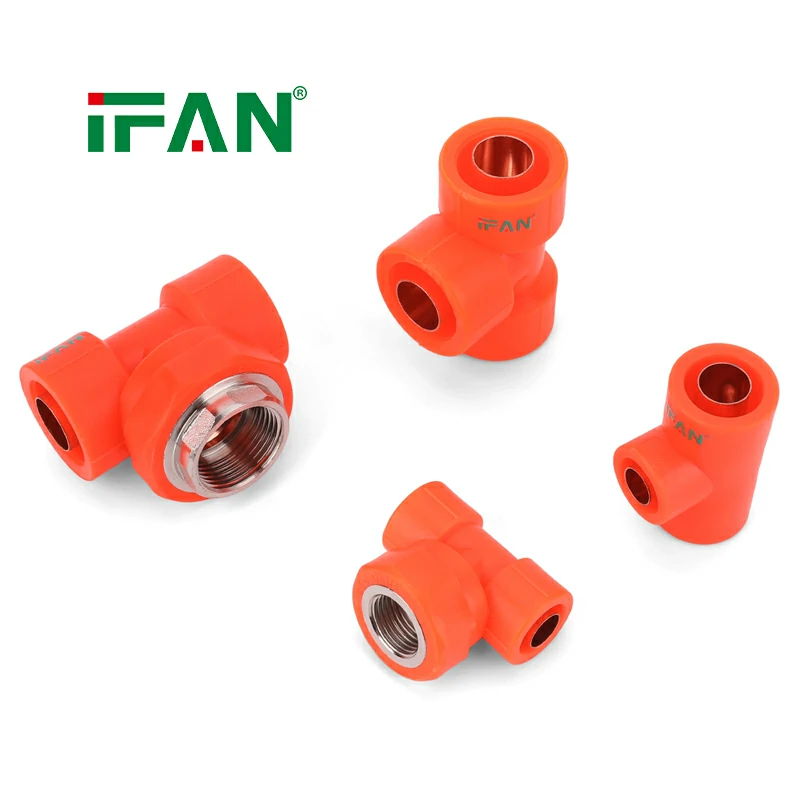
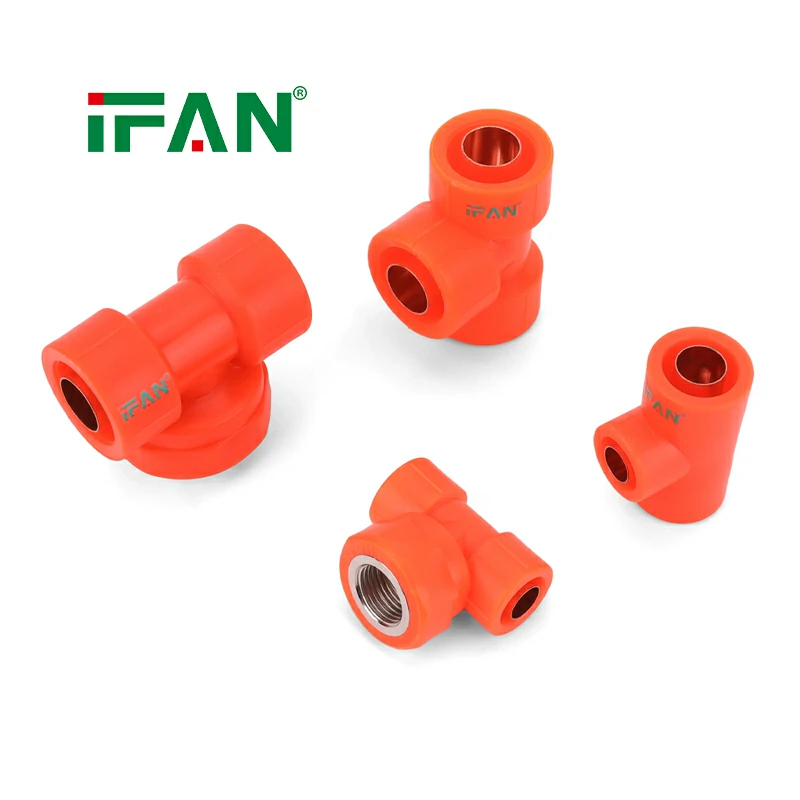
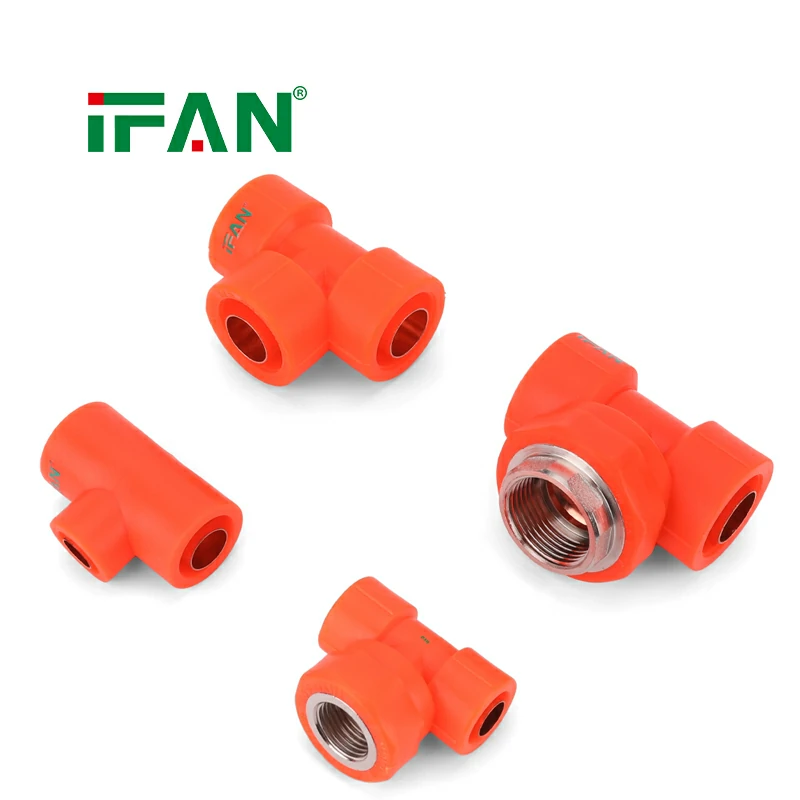
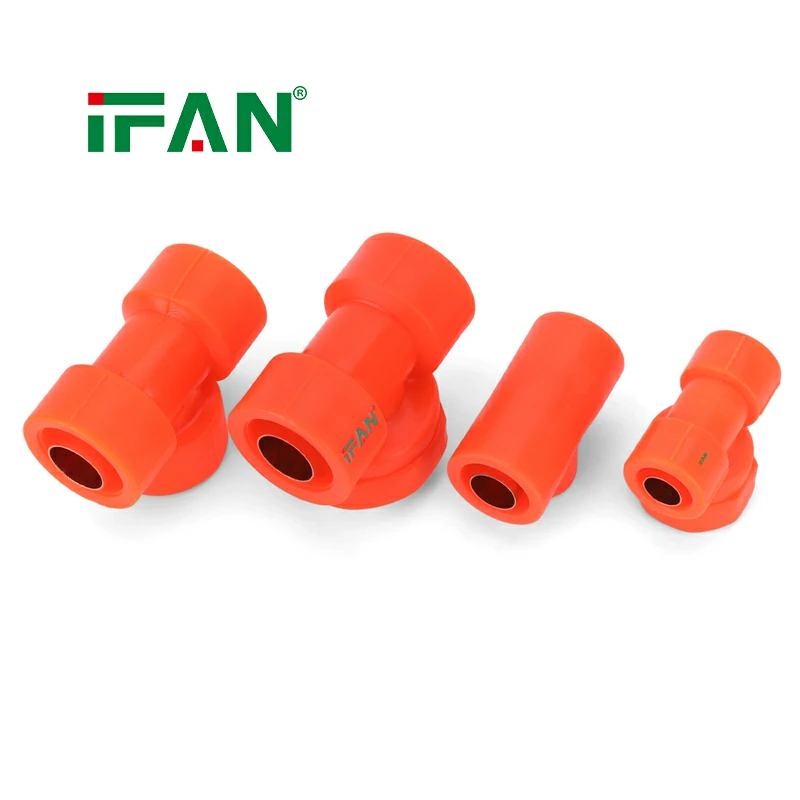
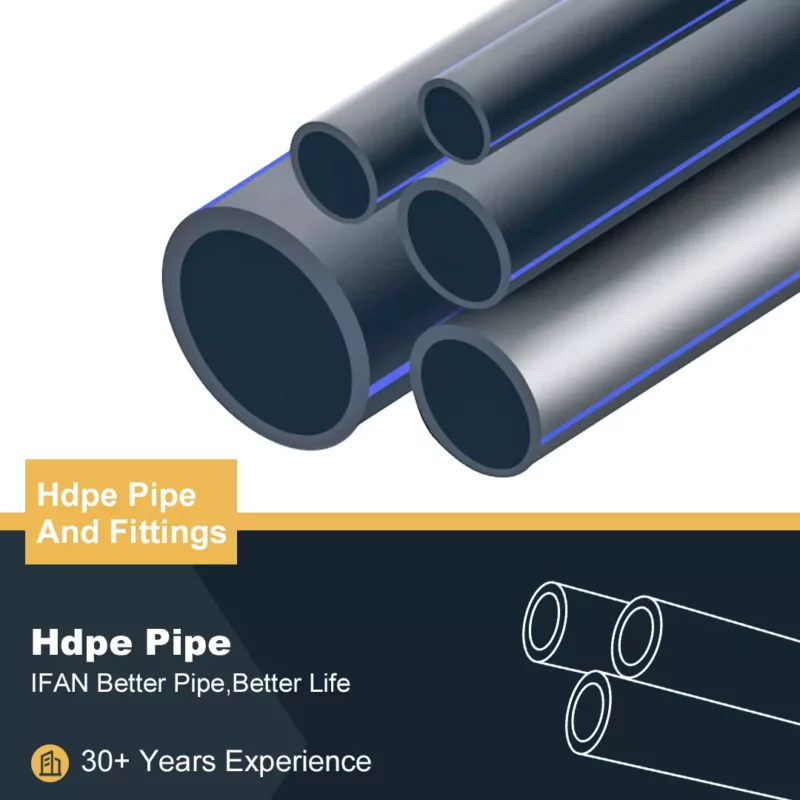
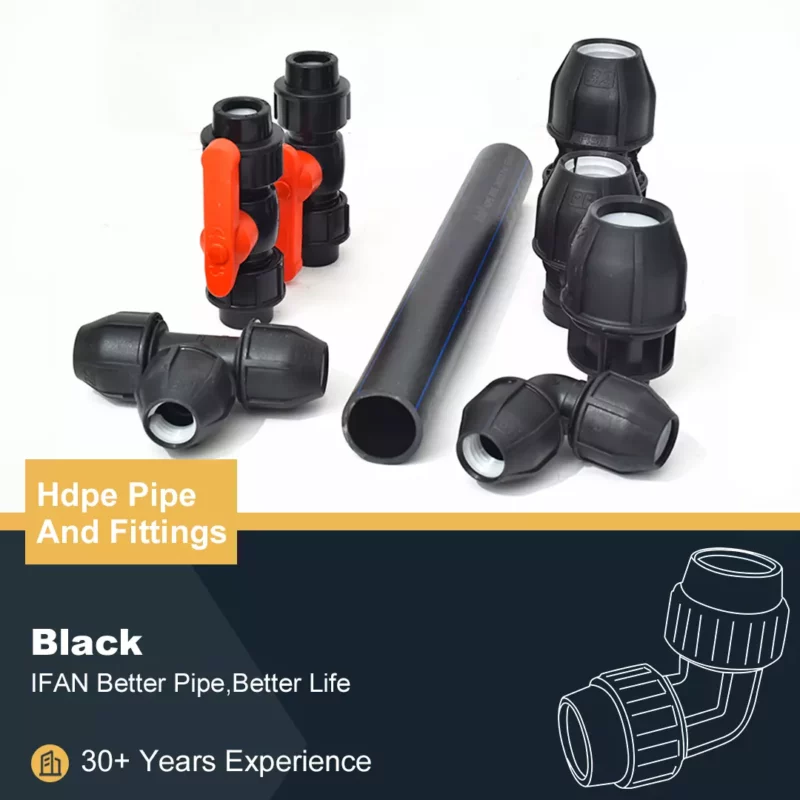
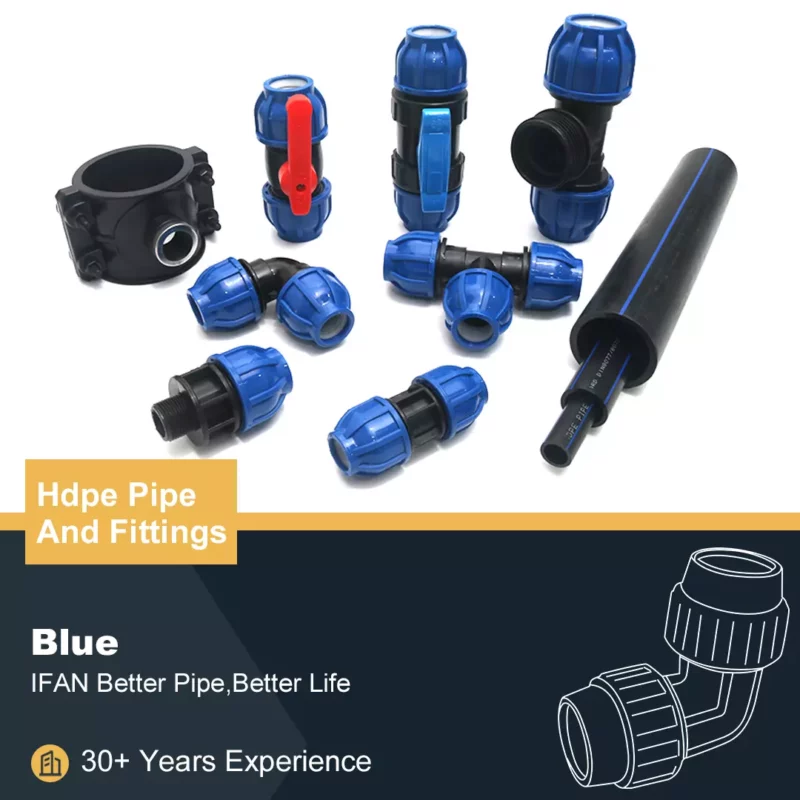
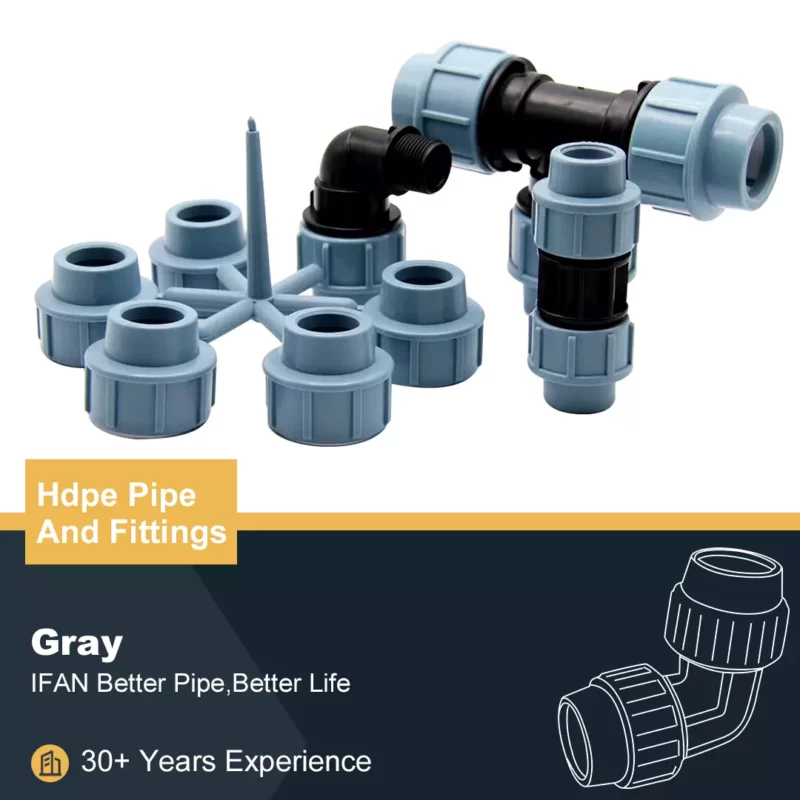
HDPE fittings are components made from High-Density Polyethylene, a tough thermoplastic material known for its strength, durability, and resistance to environmental stress. The flexibility of HDPE fittings also enables a quicker and more efficient installation process compared to more rigid materials.
Why Flexibility Matters in Piping Systems
Flexibility in HDPE fittings offers several advantages during installation. First, flexible HDPE fittings can be easily maneuvered into position without requiring extensive labor or special tools. In contrast, rigid materials like metal or PVC often require more effort, such as cutting, welding, or threading, to fit around curves or obstacles. The flexibility of HDPE minimizes the need for complex fittings, reducing both the time and cost of installation. This is particularly beneficial in large or complex installations where many connections and turns are required. Flexible HDPE fittings can be easily adjusted or repositioned to meet the specific layout requirements, making the installation process more adaptable and efficient.
Faster Installation with Minimal Equipment
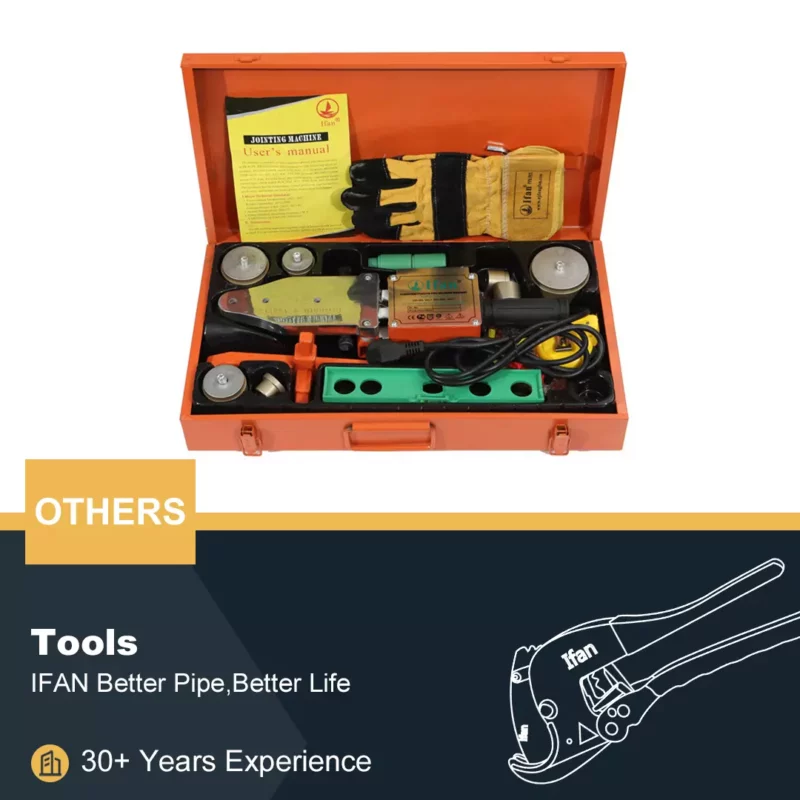
The ease of installation offered by flexible HDPE fittings is a key factor in reducing overall project timelines. Compared to traditional materials that require welding, threading, or gluing, HDPE fittings can be installed quickly using heat fusion or mechanical joints. Heat fusion is a process where the fittings and pipes are heated to a specific temperature and then fused together, creating a strong, leak-free bond. This method does not require additional adhesives or sealants, making it cleaner and faster. The ability to install HDPE fittings without complex procedures simplifies the job and reduces the need for specialized labor and expensive equipment.
Reduced Labor Costs and Complexity
Installing HDPE fittings is more straightforward than working with traditional piping materials. The flexibility of HDPE makes it easier for installers to manipulate the pipes and fittings, saving time and effort. Additionally, the fusion method eliminates the need for threading or sealing. Both of which can be time-consuming and require extra materials. As a result, projects using HDPE fittings typically require fewer man-hours, which translates to reduced labor costs.
Ability to Handle Pressure and Movement
In piping systems, especially those in dynamic environments. Pipes and fittings are often subjected to external forces such as pressure fluctuations, vibrations, or ground movement. HDPE fittings are designed to be flexible, allowing them to absorb these forces without cracking or breaking. This ability to bend and move without compromising the integrity of the system is essential for long-term performance. In contrast, more rigid materials may crack or fail under pressure changes or ground movement. Leading to leaks or system failures. Flexible HDPE fittings maintain their structural integrity even under challenging conditions, ensuring the system remains leak-free and functional over time.
Resistance to External Forces
The flexibility of HDPE fittings also allows them to withstand external forces. Such as those caused by temperature fluctuations or soil movement. In areas with shifting ground, traditional piping materials may become vulnerable to stress and cracking. HDPE’s ability to absorb movement without breaking or loosening ensures that the fittings stay securely in place. Whether used for water distribution, gas transport, or irrigation systems. HDPE fitting provide a more resilient solution compared to rigid piping materials. This resistance to external forces is one of the reasons why HDPE is widely used in regions with unstable soil or extreme weather conditions.
Compatibility with Various Pipe Sizes
HDPE fittings come in a variety of sizes and can be used with different pipe diameters. This versatility makes them adaptable to a wide range of applications. This adaptability ensures that HDPE fitting can handle diverse piping configurations without requiring custom solutions or additional modifications.
Long-Term Durability and Minimal Maintenance
While HDPE fitting offer easy installation, their long-term performance is just as important. HDPE is resistant to corrosion, chemical degradation, and impact damage. Making it an ideal material for piping systems that need to operate efficiently for many years. The durability of HDPE fittings means that they will continue to perform well long after installation, requiring minimal maintenance. Unlike metal or PVC fittings, which may corrode or degrade over time, HDPE fitting retain their strength and flexibility. Ensuring that the system remains leak-free and functional without the need for frequent repairs or replacements.
Reducing the Risk of Leaks
Leak prevention is a major concern in any piping system, and flexible HDPE fitting play a critical role in this regard. The heat fusion process used to join HDPE pipes and fittings creates a seamless, leak-proof connection. Since there are no threaded or glued joints, there is no risk of these connections loosening or breaking over time.
Environmental Benefits of HDPE Fittings
Another benefit of flexible HDPE fittings is their environmental impact. HDPE is a recyclable material, and many HDPE products are made from recycled polyethylene. This makes HDPE fitting an eco-friendly option compared to traditional materials. As they can be reused at the end of their lifecycle, reducing waste.
Applications of Flexible HDPE Fittings
Flexible HDPE fitting are used in a wide variety of applications. These fittings are commonly employed in water supply systems, gas transport lines, and irrigation systems. In addition, they are used in industrial settings for the transport of chemicals, petroleum products, and other fluids.
Conclusion
Flexible HDPE fittings offer a range of benefits for easy and efficient installation. Their durability, resistance to corrosion, and minimal maintenance requirements ensure long-term performance, making HDPE fittings an excellent investment for anyone looking to build or upgrade their piping system. Whether for water, gas, or chemical transport, HDPE fittings provide a flexible, reliable, and eco-friendly option for modern piping systems.
If you have read this article and have any questions, please feel free to contact IFAN. Below is our contact information:
Whatsapp:+86 13373827623
Email:[email protected]