


Introduction to Check Valves
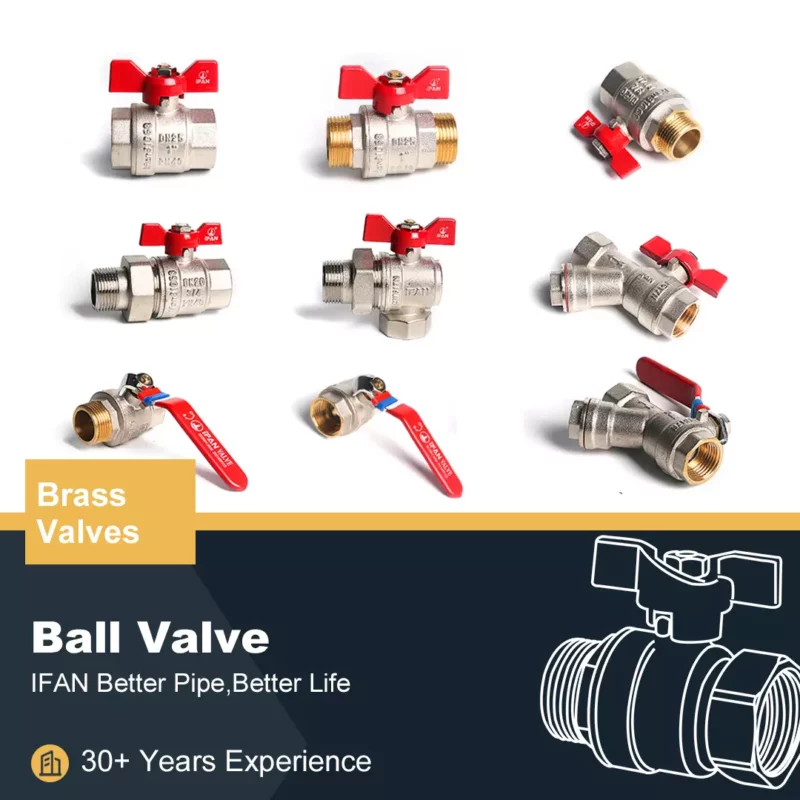
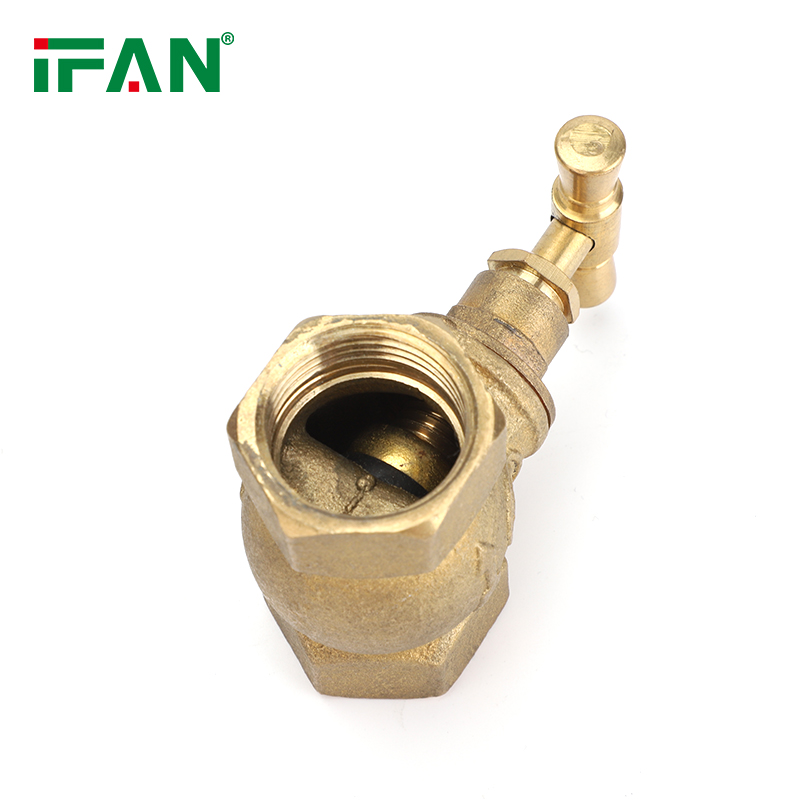
Check valves are essential components in many fluid systems. Their main purpose is to allow flow in one direction only. This prevents reverse flow that can cause contamination, equipment damage, or system failure. Brass check valves are a popular type due to their durability and corrosion resistance. These valves are widely used in water, gas, oil, and air systems. Their design is simple, yet they provide highly reliable performance. In this article, we explore how brass check valves work, their benefits, and where they are used.
Understanding One-Way Flow Control
One-way flow means that fluid or gas moves in a single direction through the system. This flow control is critical in maintaining system stability and safety. Without it, reverse flow could damage pumps or cause fluid mixing. A brass check valve prevents this by automatically closing when flow reverses. It does not require external power or manual control. The valve responds to pressure changes to open or close as needed. This self-activating mechanism ensures uninterrupted, safe operation. Maintaining one-way flow is especially important in closed-loop systems and high-pressure lines.
Why Choose Brass as the Material
Brass is a metal alloy made of copper and zinc. It is strong, durable, and resistant to corrosion. These properties make it an excellent material for check valves. Brass performs well in various environmental conditions, including high pressure and temperature. It resists rust and scale buildup better than iron or steel. Brass is also less likely to crack or break than plastic. Its strength and chemical resistance make it ideal for use with water, oil, air, and gas. Additionally, brass is non-magnetic and does not spark, making it safe in flammable environments.
How a Brass Check Valve Works
A brass check valve has a simple internal structure. It usually contains a disc, ball, or spring-loaded mechanism. When fluid flows in the correct direction, the pressure opens the valve. If the flow reverses, the valve closes to block it. This reaction happens instantly and automatically. There is no need for manual intervention or sensors. The valve’s components are designed to handle frequent cycling without wear. This ensures consistent one-way flow even in demanding conditions. Proper operation depends on correct installation and system pressure.
Main Types of Brass Check Valves
There are several types of brass check valves. The most common are swing, spring-loaded, ball, and lift types. A swing check valve uses a hinged disc that opens with forward flow. It is best for horizontal systems with steady flow. A spring-loaded valve uses a spring to close the valve quickly. It works well in vertical or pulsating flow systems. A ball check valve uses a ball that seals against a seat to prevent reverse flow. Lift check valves use a guided disc that rises with flow and falls to close. Choosing the right type depends on system pressure, direction, and flow rate.
Applications in Residential Plumbing
In homes, brass check valves help protect water systems from contamination. They prevent backflow from toilets, sinks, and outdoor hoses. This is especially important in cross-connection areas where clean and dirty water might mix. Brass check valves are used in water heaters, sump pumps, and irrigation systems. Their corrosion resistance makes them perfect for indoor and outdoor use. Homeowners prefer brass for its reliability and ease of installation. These valves also help improve water pressure consistency in multi-story buildings. A well-installed brass check valve contributes to safer, cleaner plumbing.
Use in Industrial and Commercial Systems
In commercial and industrial settings, brass check valves play a critical role. They are used in water treatment, HVAC systems, compressed air lines, and chemical processing. In these systems, backflow can lead to safety hazards or costly damage. Brass check valves handle high flow rates and extreme temperatures. They protect pumps, compressors, and sensitive instruments from reverse flow. Industries value their long service life and compatibility with various fluids. In air systems, they help maintain consistent pressure and prevent leaks. In fuel systems, they ensure clean, one-way movement of liquids and gases.
Installation and Maintenance Guidelines
Proper installation ensures that the brass check valve works efficiently. Always install the valve in the direction of the flow arrow marked on the body. Use appropriate fittings and avoid over-tightening. Make sure the system is clean before installation to avoid debris. Secure the valve firmly to prevent vibrations. In vertical systems, use a spring-loaded or ball check valve. Regular maintenance helps extend the valve’s life. Inspect for leaks, corrosion, or clogging. Clean or replace parts as needed. With proper care, a brass check valve can operate smoothly for many years.
Advantages Over Other Materials
Brass check valves offer many advantages compared to valves made from other materials. Plastic valves may warp or crack under high pressure. Iron and steel can rust over time. Stainless steel is durable but more expensive. Brass combines strength, corrosion resistance, and affordability. It handles temperature and pressure changes better than plastic. Brass is also easier to machine, making it ideal for precision valve components. Unlike some metals, brass does not create sparks, adding safety in explosive environments. Its versatility makes it suitable for a wide range of industries and applications.
Safety and Environmental Considerations
Brass check valves contribute to system safety by preventing contamination and equipment damage. They reduce the risk of backflow in critical systems. In drinking water systems, lead-free brass options meet health standards. Brass is also a recyclable material, supporting sustainable practices. Using brass valves reduces waste and energy consumption over time. Always ensure the valve complies with local plumbing and safety codes. Select products from certified manufacturers for best results. Safe fluid systems depend on quality components like brass check valves. Their reliable performance helps maintain clean, efficient, and eco-friendly operations.
Conclusion
Brass check valves are vital components in any system requiring one-way flow. Their strength, durability, and resistance to corrosion make them ideal for residential, commercial, and industrial use. They ensure fluid moves in the correct direction, preventing damage and contamination. With proper installation and maintenance, they provide long-term, reliable service. Choosing the right type of brass check valve helps improve system performance and safety. For any application involving water, gas, oil, or air, a brass check valve is a smart, dependable solution. Ensure one-way flow and system protection—choose a brass check valve.
If you have read this article and have any questions, please feel free to contact IFAN. Below is our contact information:
Whatsapp:+86 13373827623
Email:[email protected]