






Introduction to Reverse Flow Problems
Reverse flow is a serious issue in fluid systems. It can damage equipment, reduce efficiency, and cause contamination. When fluids or gases move in the wrong direction, they can disrupt system performance. This may lead to costly repairs or downtime. A reliable way to prevent reverse flow is by installing a check valve. Check valves are one-way valves that block backward movement of fluids. Among various materials, brass is a top choice for durability and safety. Brass check valves are effective, long-lasting, and easy to install.
How Brass Check Valves Work
A brass check valve allows fluid to flow in one direction only. Inside the valve, a movable part opens under forward pressure. When pressure drops or reverses, the valve closes immediately. This prevents any backward movement in the system. The mechanism may use a spring, a disc, or a ball. Each design ensures automatic and reliable operation. No electricity or manual operation is needed. The valve works purely based on pressure changes. This makes it suitable for a wide range of applications, including water, air, gas, and oil systems.
Why Reverse Flow Must Be Prevented
Reverse flow can cause contamination in clean water lines. It may lead to mixing of harmful substances. In industrial systems, it can damage pumps and motors. Backflow also increases wear on system parts. In heating systems, reverse flow can lower efficiency and raise energy costs. It may also result in safety hazards, especially in fuel or chemical systems. Preventing reverse flow keeps the system clean, safe, and efficient. A brass check valve is a simple solution to avoid these complex problems.
Benefits of Using Brass Check Valves
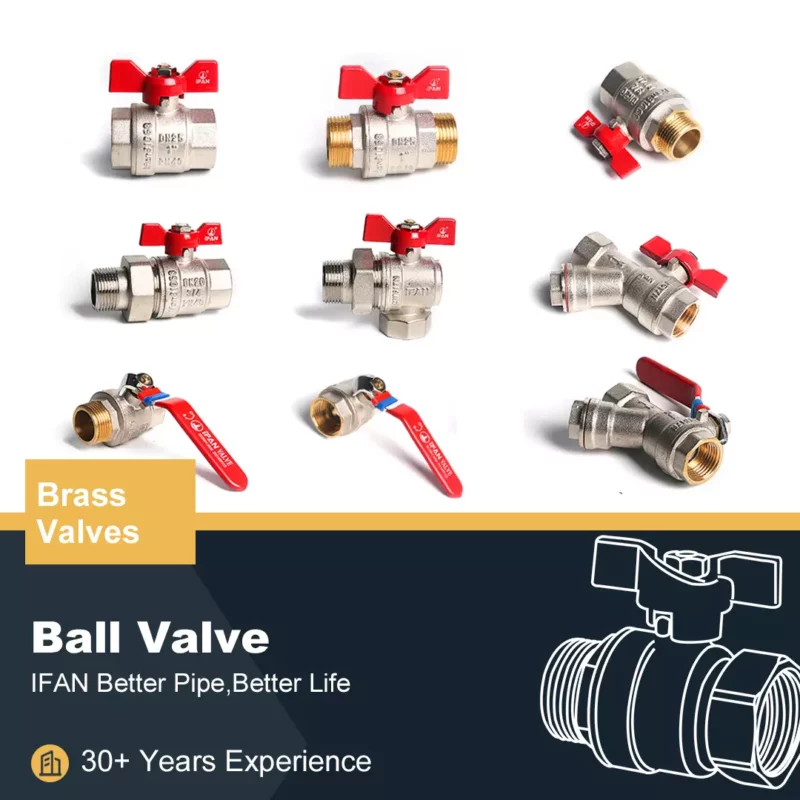
Brass check valves offer several advantages. They are strong and durable, resisting high pressure and temperature. Brass is corrosion-resistant, making it suitable for both indoor and outdoor systems. These valves perform well in demanding environments, including marine and industrial settings. They are compact, easy to install, and require minimal maintenance. Brass valves also provide excellent sealing, reducing the chance of leaks. They are compatible with a wide range of piping materials. Overall, brass check valves are a cost-effective and reliable choice for preventing reverse flow.
Types of Brass Check Valves
There are several types of brass check valves, each with unique features. Swing check valves use a hinged disc that swings open and shut. They are ideal for horizontal flow and systems with steady pressure. Spring check valves have a spring-loaded mechanism that closes quickly. They are suitable for vertical and pulsating flow systems. Ball check valves use a ball that moves to block or allow flow. They work well in tight spaces and high-flow environments. Lift check valves use a disc that lifts when fluid flows forward and drops when it stops. Choosing the right type depends on system design and pressure conditions.
Common Applications in Plumbing
Brass check valves are widely used in residential plumbing systems. They prevent water from flowing back into clean supply lines. This is essential in preventing contamination. In water heaters, they stop hot water from moving back into cold lines. In sump pump systems, they prevent pumped water from re-entering the pit. Irrigation systems also use them to stop dirty water from reversing into the supply. Their corrosion resistance makes brass check valves ideal for outdoor installations. Homeowners choose brass for its strength, reliability, and safety.
Use in Industrial and Commercial Systems
Industrial and commercial systems often operate under high pressure and temperature. Brass check valves are perfect for these conditions. They are used in HVAC systems, compressed air lines, and water treatment plants. In chemical and fuel systems, they prevent hazardous backflow. Brass handles aggressive fluids better than many materials. Its non-sparking property also adds safety in explosive environments. In fire protection systems, check valves ensure water flows only toward the fire. In refrigeration, they keep refrigerant moving in the correct direction. Reliable flow direction is vital in these industries, and brass check valves deliver consistent performance.
Installation Tips for Better Performance
Proper installation ensures your brass check valve works efficiently. Always install the valve in the direction of the flow arrow. Use compatible fittings and avoid excessive force when tightening. Ensure the system is clean before installation. Dirt or debris can block the valve and cause malfunction. For vertical systems, use a spring-loaded or ball valve. Position the valve to allow gravity or pressure to assist closure. After installation, test the valve to ensure it opens and closes correctly. A secure and clean installation increases valve life and system safety.
Maintenance and Inspection Guidelines
Brass check valves require minimal maintenance but should be inspected regularly. Check for signs of leaks, corrosion, or reduced flow. Remove any buildup of debris or scale inside the valve. Lubricate moving parts if recommended by the manufacturer. Replace the valve if it no longer seals properly. Regular maintenance ensures long-term, reliable performance. Schedule inspections based on system usage and operating conditions. For high-pressure or critical systems, more frequent checks are recommended. A well-maintained valve protects your system and reduces downtime.
Safety and Compliance Standards
Brass check valves are designed to meet safety and quality standards. For drinking water systems, use lead-free brass to meet health regulations. Always check if the valve is certified by NSF, UPC, or other recognized organizations. Use valves that comply with local plumbing and safety codes. In industrial applications, follow relevant environmental and safety regulations. Choose products from trusted manufacturers to ensure quality and performance. Compliance ensures safe operation and avoids legal or safety issues. Installing certified brass check valves is a smart and responsible choice.
Conclusion
Reverse flow can cause serious damage and health risks in any fluid system. A brass check valve is a simple and effective solution. It allows flow in one direction and blocks it in the other. Brass offers strength, corrosion resistance, and long-lasting performance. Whether in residential plumbing or industrial systems, these valves deliver reliable results. Proper installation and regular maintenance enhance their efficiency and safety. Choosing a brass check valve means protecting your system, saving costs, and improving performance. Stop reverse flow with confidence—use a brass check valve for dependable flow control.
If you have read this article and have any questions, please feel free to contact IFAN. Below is our contact information:
Whatsapp:+86 13373827623
Email:[email protected]