


Introduction to High-Pressure Systems
High-pressure systems are common in industrial and commercial applications. These systems require components that can withstand extreme pressure levels. A failure in any part of the system can cause serious damage or downtime. One critical component in these systems is the check valve. It prevents backflow and keeps pressure consistent. For high-pressure applications, choosing the right material is crucial. Brass check valves have become a preferred option. Their durability and pressure resistance make them ideal for demanding environments. This article explores why brass check valves are perfect for high-pressure lines.
What Makes Brass Ideal for High Pressure
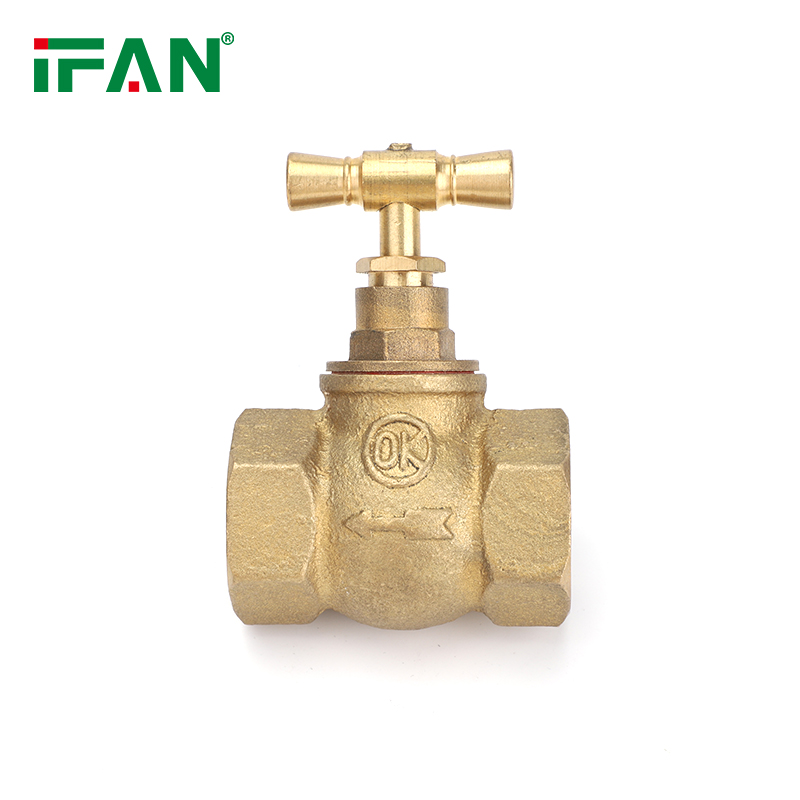
Brass is a strong and durable alloy. It combines copper and zinc to create a corrosion-resistant material. Brass handles pressure much better than plastic and many other metals. It does not easily crack or deform under stress. Its structural integrity remains intact even at high temperatures. Brass also resists corrosion caused by water, oil, and many chemicals. This makes it suitable for industrial fluids and gases. These properties help maintain system stability under pressure. In high-pressure lines, material performance is critical, and brass delivers consistent, safe results.
How Check Valves Work Under Pressure
Check valves allow fluid to flow in only one direction. They prevent reverse flow, which can damage equipment or contaminate systems. In high-pressure lines, check valves must react quickly and reliably. When pressure builds, the valve opens to allow flow. If pressure drops or reverses, it closes immediately. Brass check valves often include internal springs or discs for fast response. These features help maintain pressure balance and protect system components. A failure to seal properly under pressure can be costly. Brass valves reduce that risk with their precise, robust construction.
Key Benefits of Brass Check Valves
Brass check valves offer several advantages for high-pressure systems. First, they are highly resistant to wear and fatigue. Second, they provide excellent sealing under pressure. This reduces the chance of leaks or system failure. Third, they are compatible with a wide range of fluids and gases. Fourth, they require little maintenance and have a long service life. Fifth, brass is more affordable than stainless steel but still performs reliably. These valves are also easy to install and connect with standard fittings. In short, brass check valves provide value, safety, and durability.
Applications in Industrial Settings
Many industries rely on high-pressure systems. These include oil and gas, manufacturing, chemical processing, and water treatment. In these sectors, brass check valves are used in pumps, compressors, and fluid transfer lines. They help protect delicate instruments from pressure surges. In compressed air systems, they prevent reverse air flow and maintain system integrity. In fuel systems, they keep pressure stable and avoid contamination. Their strength and resistance make them suitable for both liquid and gas applications. No matter the industry, brass check valves support safe and efficient operations.
Comparison with Other Valve Materials
Not all valve materials perform well under pressure. Plastic valves may deform or crack under high stress. Iron valves may rust or corrode over time. Stainless steel is strong but often more expensive. Brass provides a middle ground. It offers strength, corrosion resistance, and affordability. Unlike some metals, brass does not spark, adding safety in flammable environments. It also resists mineral buildup better than steel. For most high-pressure applications, brass offers the best balance of performance and cost. This is why many professionals prefer brass over other options.
Choosing the Right Brass Check Valve
Not all brass check valves are made the same. When selecting one for high-pressure use, consider the system’s PSI rating. Choose a valve rated higher than the maximum system pressure. Also, consider the fluid or gas type. Ensure chemical compatibility with the valve components. Decide on a valve type: spring-loaded, swing, or ball-style valves are common. Spring-loaded valves are often best for high-pressure systems due to their quick response. Check the flow direction and orientation. Some valves are designed for vertical use only. Proper selection ensures safe, long-term performance.
Installation Guidelines for High-Pressure Systems
Proper installation is essential for reliable operation. Always follow the manufacturer’s instructions. Install the valve in the correct flow direction. The valve body usually has an arrow showing this. Use the correct fittings and tighten connections properly. Avoid over-tightening, which can damage threads or fittings. Ensure the system is clean before installation to avoid debris buildup. Test the valve under pressure to confirm proper function. In high-pressure systems, leaks can be dangerous. A careful, accurate installation helps prevent issues later. Regular inspection is also recommended for safety.
Maintenance and Safety Tips
Brass check valves are low-maintenance but still require periodic checks. Look for signs of wear, leaks, or debris buildup. In high-pressure systems, even a small leak can grow quickly. Replace worn-out parts or the valve if sealing performance drops. Avoid using damaged valves, as they can fail under pressure. Keep records of inspections and maintenance. Use protective equipment when servicing high-pressure systems. Safety should always come first. Regular maintenance ensures long-term reliability and reduces the risk of accidents or downtime.
Environmental and Regulatory Compliance
Brass valves are not only efficient but also environmentally friendly. Many are now made with lead-free materials. This is important for systems involving drinking water or food processing. Brass is recyclable, supporting sustainability goals. Check for certifications like NSF, UPC, or ISO, depending on the application. Compliance with local codes is essential for legal and safe operations. Choosing certified brass valves ensures system safety and environmental responsibility. Always source products from reputable manufacturers. Quality and compliance go hand in hand in high-pressure environments.
Conclusion
Brass check valves are the preferred choice for high-pressure lines due to their strength, reliability, and resistance. They perform well in demanding environments, ensuring safe and efficient fluid control. With proper installation and maintenance, they offer years of service with minimal issues. Compared to other materials, brass offers a great balance of cost and performance. Whether used in industrial, commercial, or high-demand residential systems, brass check valves provide trusted protection. Choosing the right valve improves safety, reduces maintenance, and extends system life. For high-pressure applications, brass remains the smart, reliable choice.
If you have read this article and have any questions, please feel free to contact IFAN. Below is our contact information:
Whatsapp:+86 13373827623
Email:[email protected]