

Wall Design and Thickness Specifications
PPR Pipe walls follow strict thickness standards based on diameter. For 20mm diameter pipes, cold-water variants have 2.8mm walls; hot-water ones have 3.4mm. 25mm pipes see 3.5mm (cold) and 4.2mm (hot) walls. 32mm pipes jump to 4.4mm (cold) and 5.4mm (hot). Larger diameters (up to 160mm) have walls 10mm to 18mm thick for industrial use. Thickness uniformity stays within ±0.1mm during production.
Inner and Outer Surface Features
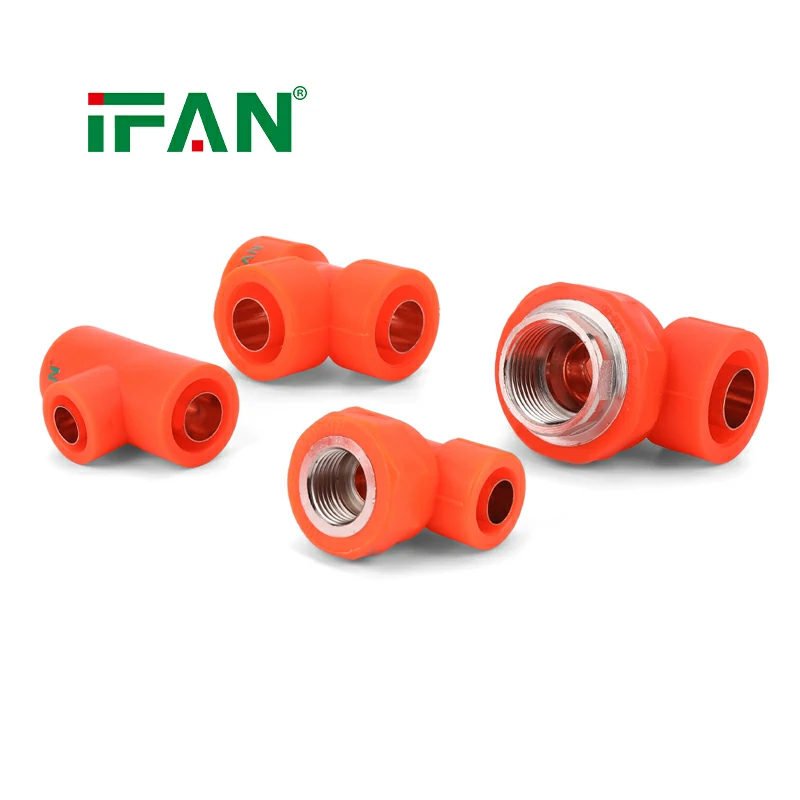
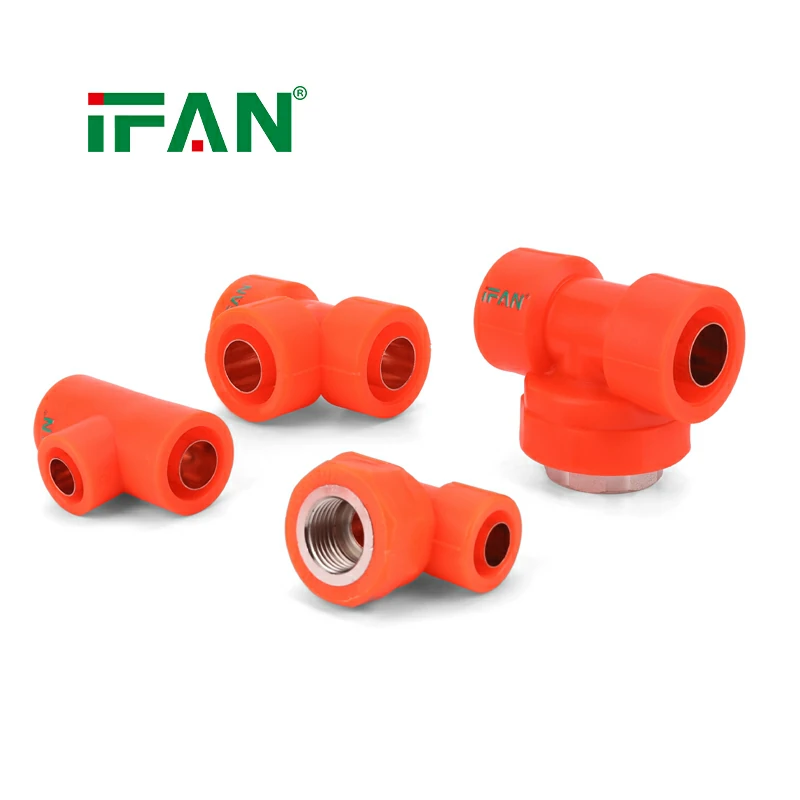
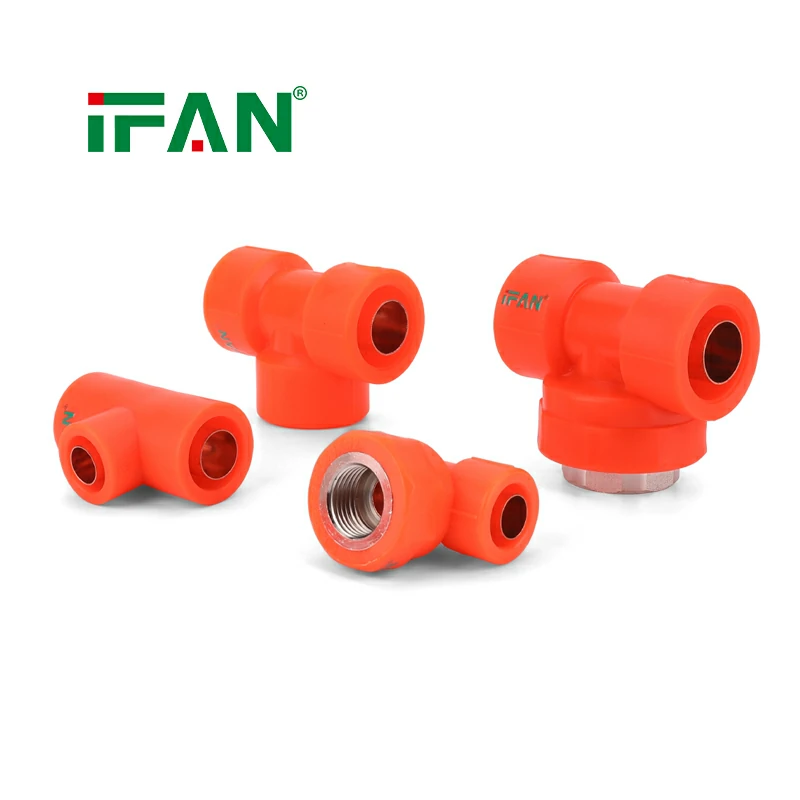
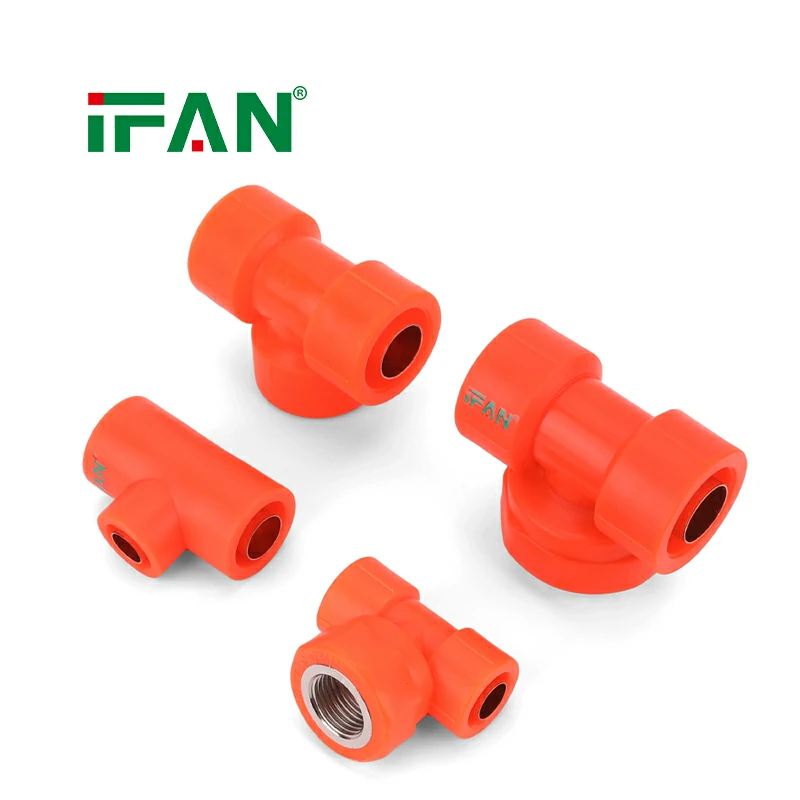
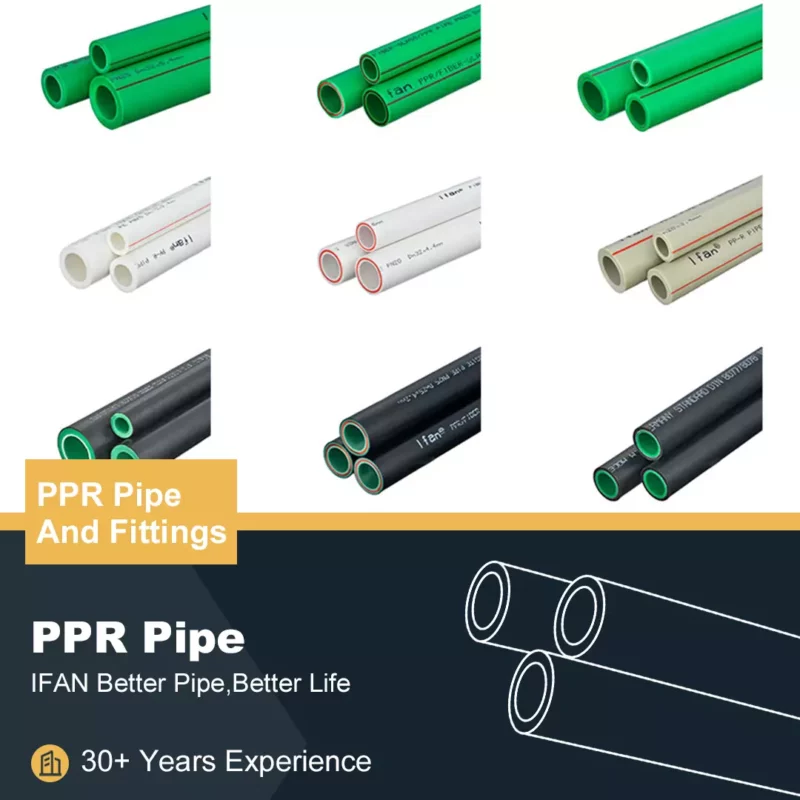
The inner surface has a roughness coefficient below 0.01mm, extremely smooth. This minimizes water flow resistance, saving pump energy. No ridges or pores exist to trap debris. The outer surface often has printed markings. These show diameter, pressure rating, and manufacturer info. Some models add anti-UV coatings for exposed installations.
Hot-Melt Joining Technology Details
Specialized tools heat pipe ends to 260°C ±10°C. This temperature melts the outer 1-2mm of the pipe. Fitting sockets heat similarly. Operators insert the pipe into the fitting within 5 seconds of heating. The melted layers merge, forming a homogeneous bond. Cooling takes 30-60 seconds for small diameters, longer for larger ones. Properly joined connections withstand 1.5 times the pipe’s rated pressure.
Mechanical Strength Characteristics
Tensile strength ranges from 20MPa to 25MPa, enough to resist pulling forces. Flexural modulus sits at 800MPa to 1000MPa, showing stiffness under bending. Impact strength at 23°C exceeds 4kJ/m², preventing breakage from knocks. Compressive strength over 20MPa handles heavy loads when buried.
Thermal Expansion and Contraction Behavior
The ppr pipe expands by 0.15mm per meter for each °C rise. A 5-meter pipe at 10°C grows 7.5mm at 60°C. Installers add expansion loops to accommodate this movement. It contracts equally when cooling, avoiding gaps in connections. This flexibility prevents cracking during temperature swings. Thermal conductivity remains low, keeping hot water hot and cold water cold.
Installation Ease and Tool Requirements
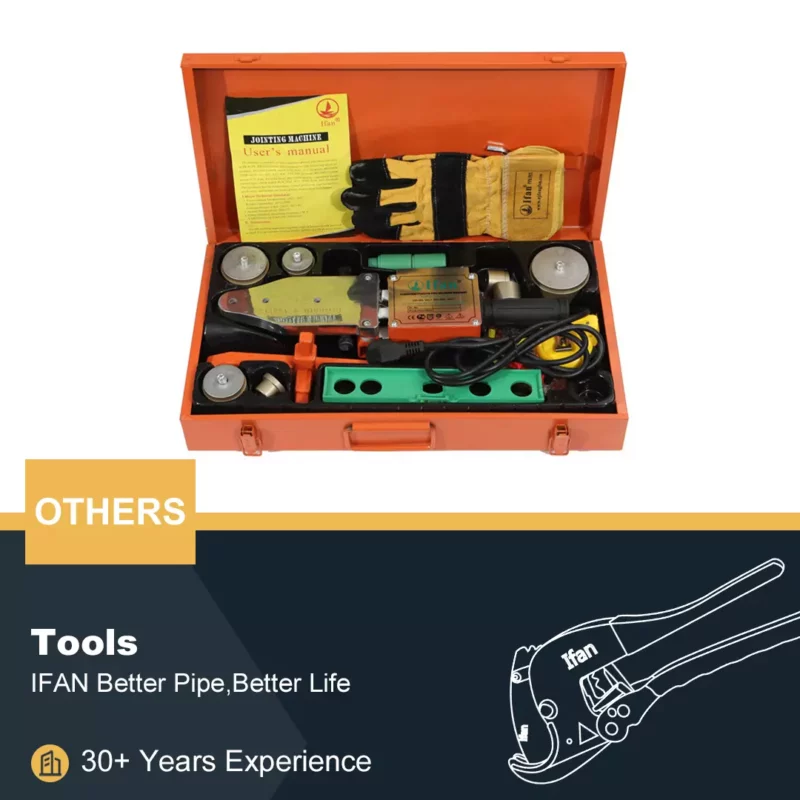
Basic tools include a pipe cutter, deburring tool, and hot-melt machine. Cutting requires clean, straight edges to ensure proper fitting. Deburring removes sharp edges that could weaken joints. Hot-melt machines have temperature controls to avoid overheating. No heavy lifting gear is needed, unlike with metal pipes. A single worker can install 10-15 meters per hour easily.
Summary
PPR Pipe’s structural design, from wall thickness to surface smoothness, enhances performance. Its hot-melt joining ensures strong connections. Mechanical strength and thermal flexibility make installation and use reliable in various conditions.
If you have read this article and have any questions, please feel free to contact IFAN. Below is our contact information:
Whatsapp:+86 13373827623
Email:[email protected]