


Residential Plumbing Applications by Room
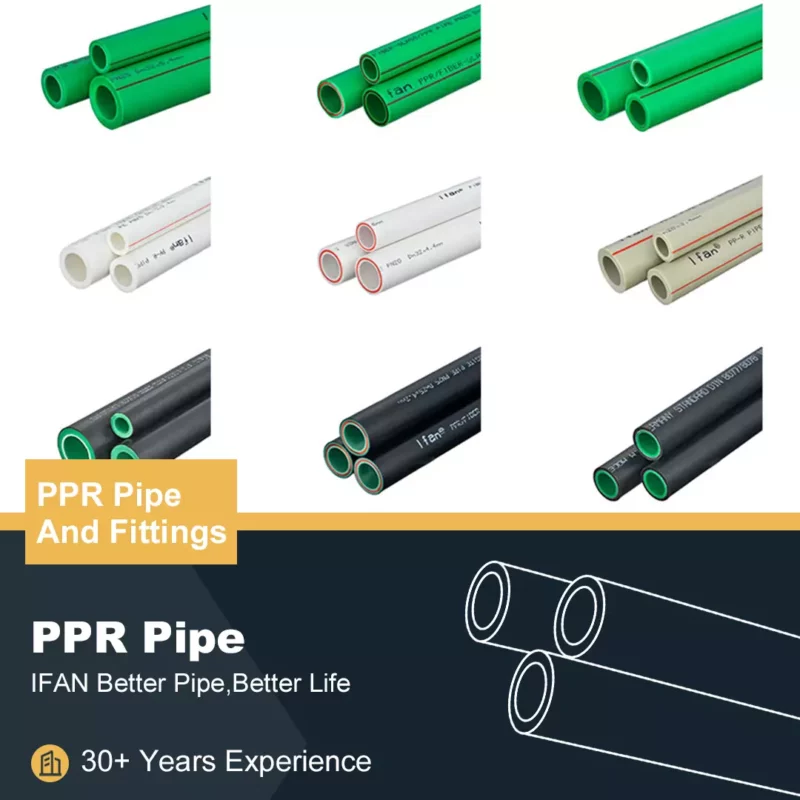
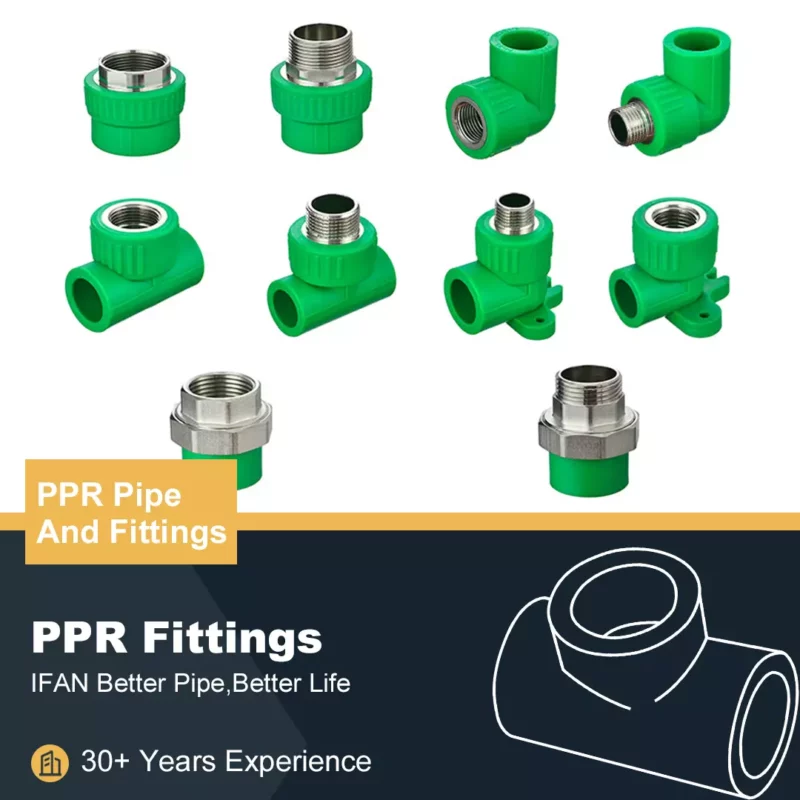
In kitchens, PPR pipes connect to sinks, dishwashers, and water heaters. They fit under cabinets without taking too much space. Bathroom installations include showerheads, bathtubs, and toilets. They run behind walls, hidden from view for neatness. Laundry rooms use them for washing machines and utility sinks. Their smooth inner walls prevent lint buildup in drain lines. Basements rely on them for sump pumps and floor drains, resisting moisture damage.
Residential Installation Scenarios
New home construction often uses PPR for entire water systems. Renovations replace old metal pipes with PPR for better performance. DIY enthusiasts find it easy to work with, unlike soldering copper. Retrofits in historic homes fit into tight spaces without damaging structures. Outdoor hose bibs use UV-protected PPR to handle weather exposure.
Commercial Applications in Public Spaces
Hotels install PPR in guest rooms, staff areas, and swimming pools. They handle high daily water usage without leaks. Hospitals prefer them for clean water lines, thanks to non-toxic materials. They resist chemical cleaners used in healthcare facilities. Schools use them in cafeterias, restrooms, and science labs. Their durability reduces maintenance disruptions to classes.
Industrial and Specialized Uses
Food processing plants use PPR for potable water and cleaning lines. It meets FDA standards for food contact. Chemical factories employ it for non-aggressive fluid transport. It carries coolants and mild solvents safely. Agricultural settings use it for irrigation and livestock water supply. It resists damage from soil and farm chemicals.
Long-Term Durability Testing Results
Accelerated aging tests expose PPR to 95°C water for 10,000 hours. No cracks or leaks form, simulating Long-term durability according to standards of use. Burial tests show resistance to soil bacteria and root intrusion. Freeze-thaw cycles (from -10°C to 60°C) repeated 500 times cause no damage. Pressure cycling tests (0 to 1.5x rated pressure) over 10,000 cycles don’t weaken joints.
Aging Resistance Factors
The material doesn’t degrade from oxygen exposure when properly installed. No oxidation occurs in buried or wall-hidden pipes. UV light only affects exposed pipes, but additives slow this. Chlorine in tap water causes minimal degradation over decades. Regular water flow prevents stagnation-related material breakdown.
Cost Analysis Over Lifespan
Initial material costs are 30-50% lower than copper pipes. Installation labor costs less due to faster joining methods. No corrosion means zero replacement costs for 50+ years in most cases. Energy savings come from smooth inner walls reducing pump workload. Maintenance costs stay low—no painting or rust treatment needed. Total lifecycle cost is 60-70% less than steel pipes.
Environmental Benefits
PPR production uses less energy than metal pipe manufacturing. It’s 100% recyclable at the end of its lifespan. No toxic fumes release during installation or use. Its light weight cuts transport fuel consumption. Long lifespan reduces waste from frequent replacements.
Summary
PPR Pipe excels in residential, commercial, and industrial settings, fitting diverse room and facility needs. Its long-term durability, proven through testing, paired with low lifecycle costs and environmental benefits, makes it a superior plumbing solution for any project.
If you have read this article and have any questions, please feel free to contact IFAN. Below is our contact information:
Whatsapp:+86 13373827623
Email:[email protected]