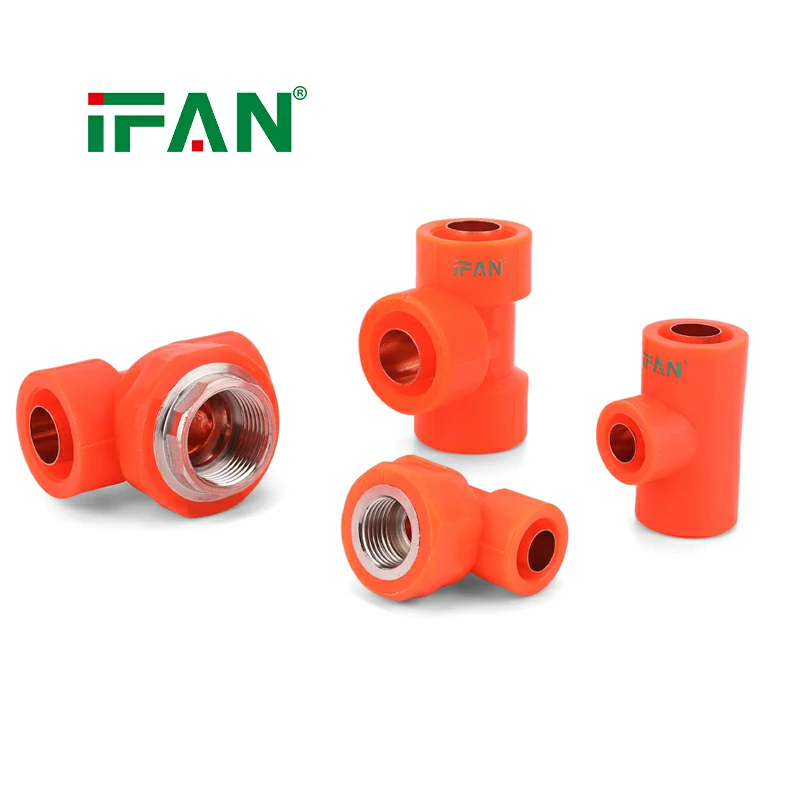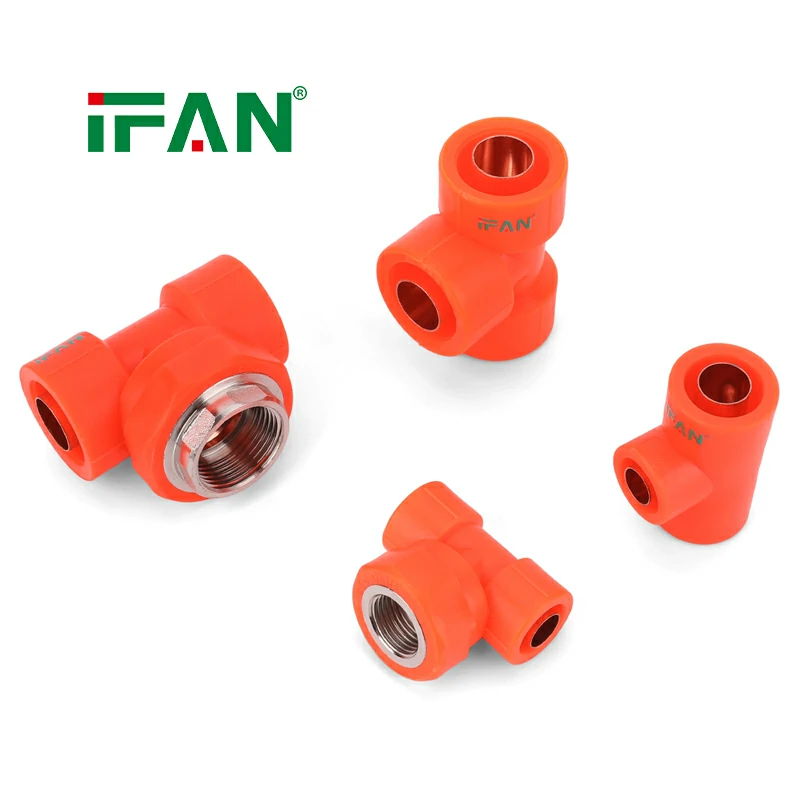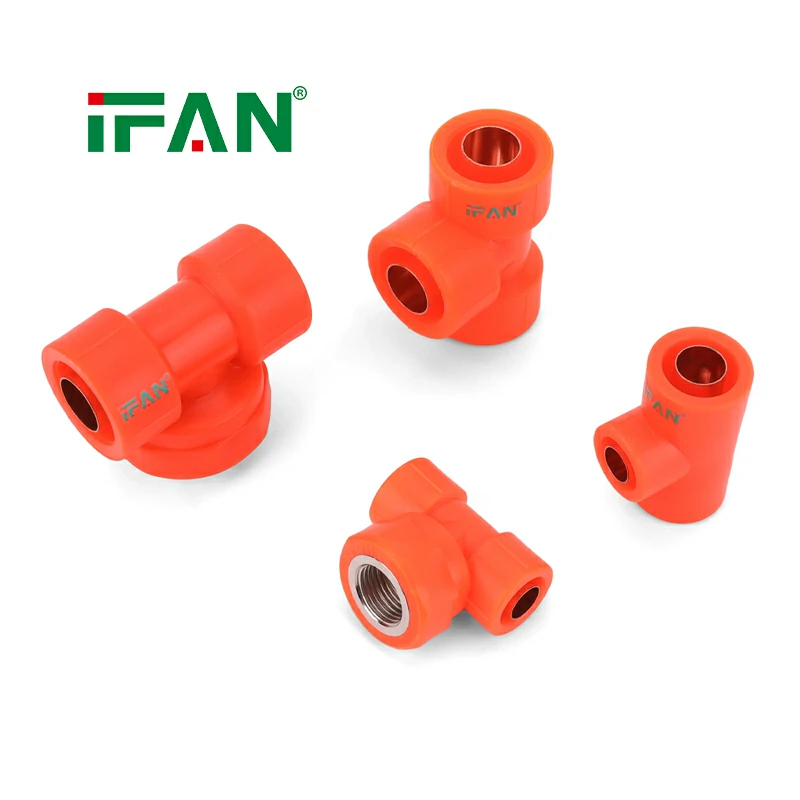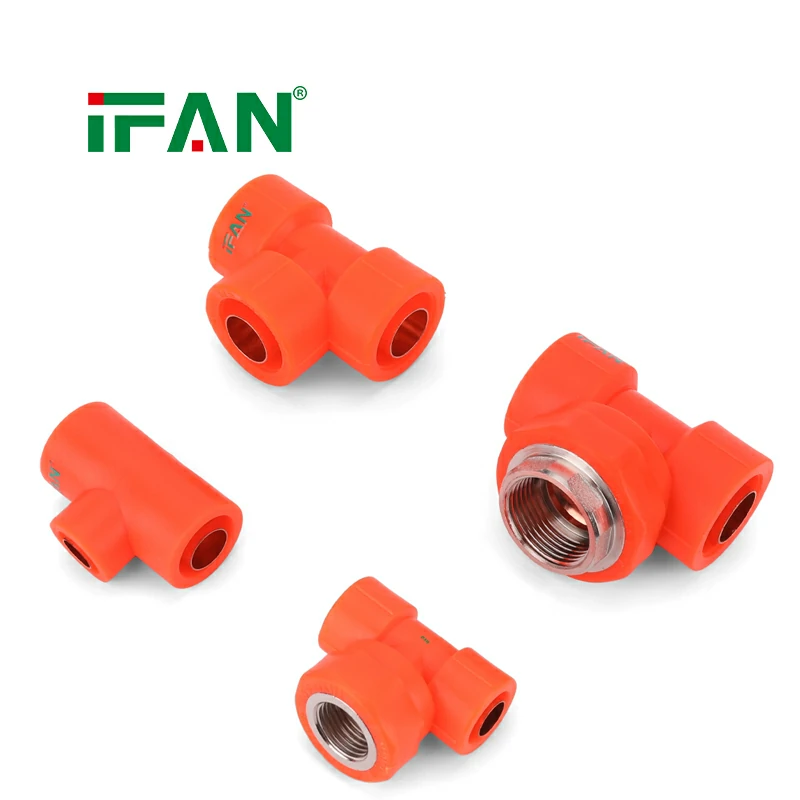
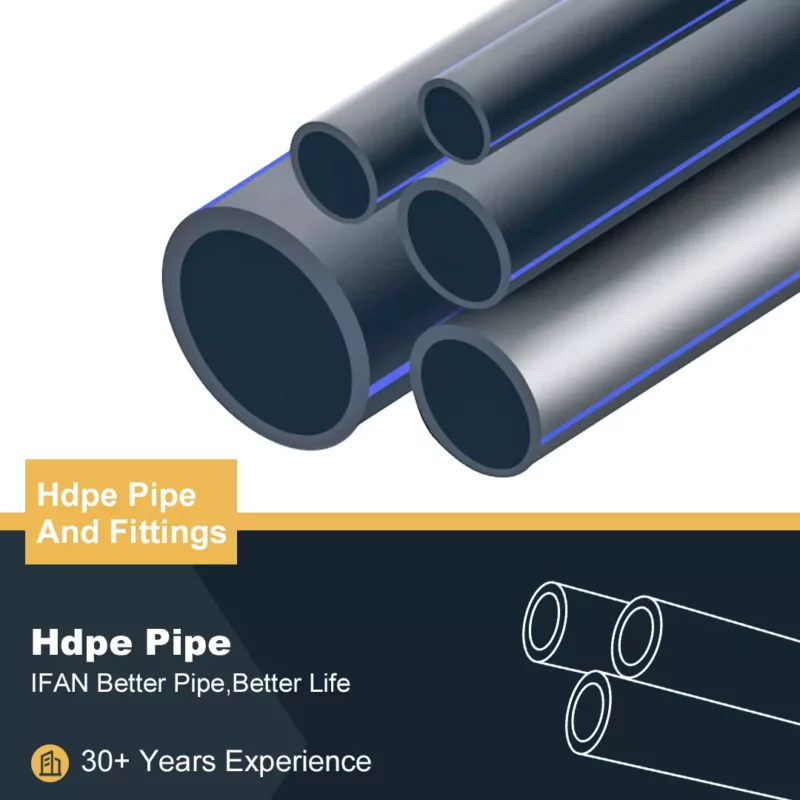
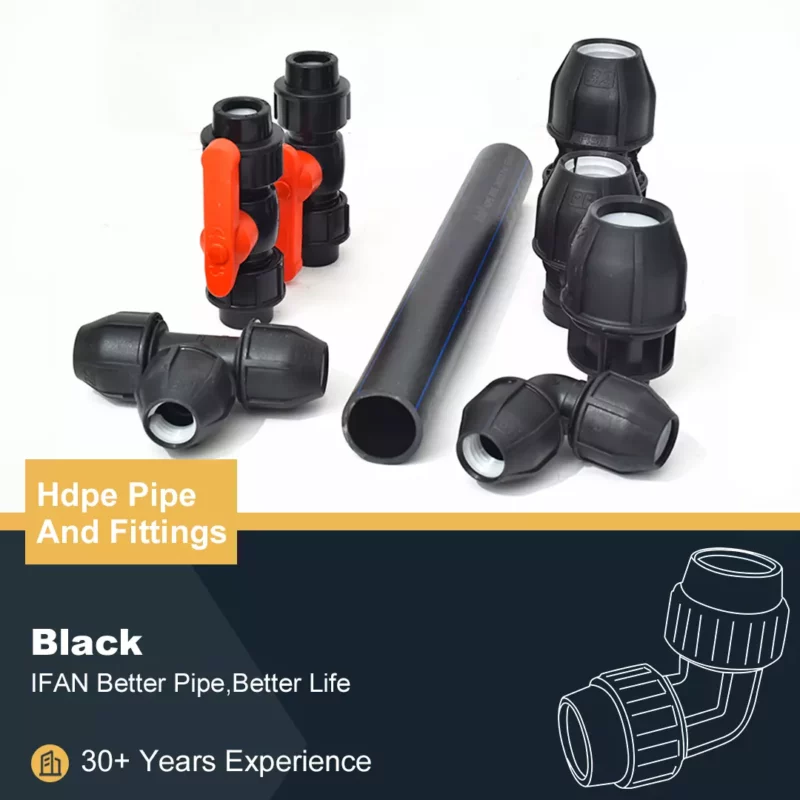
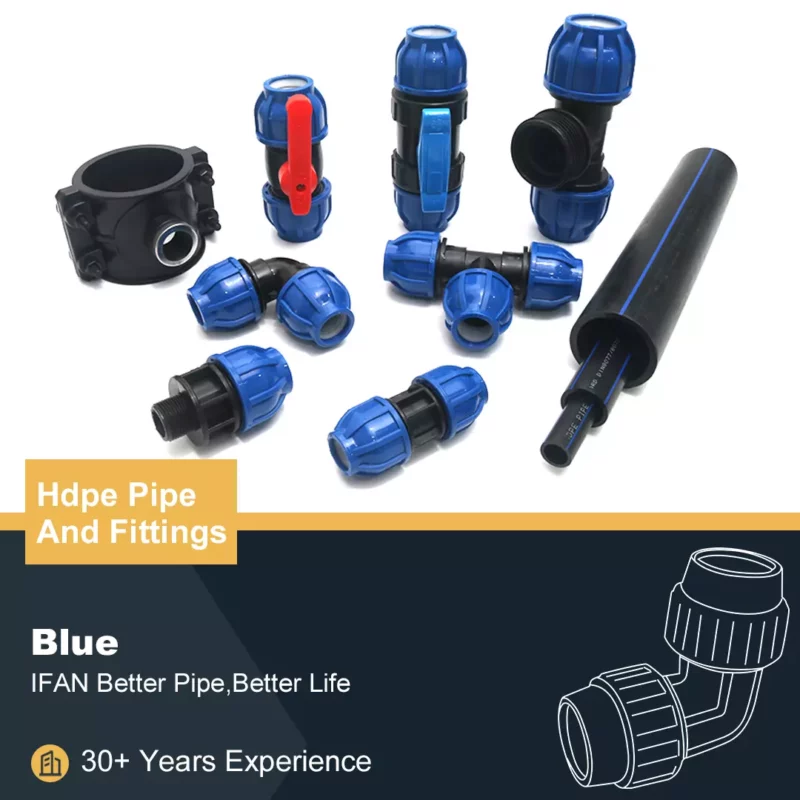
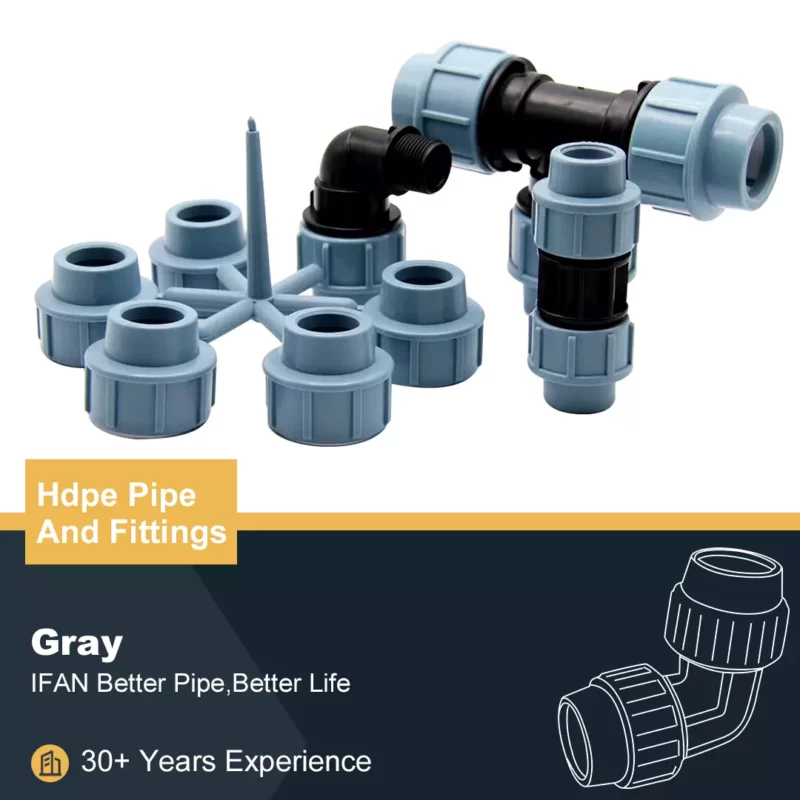




Material Composition Details
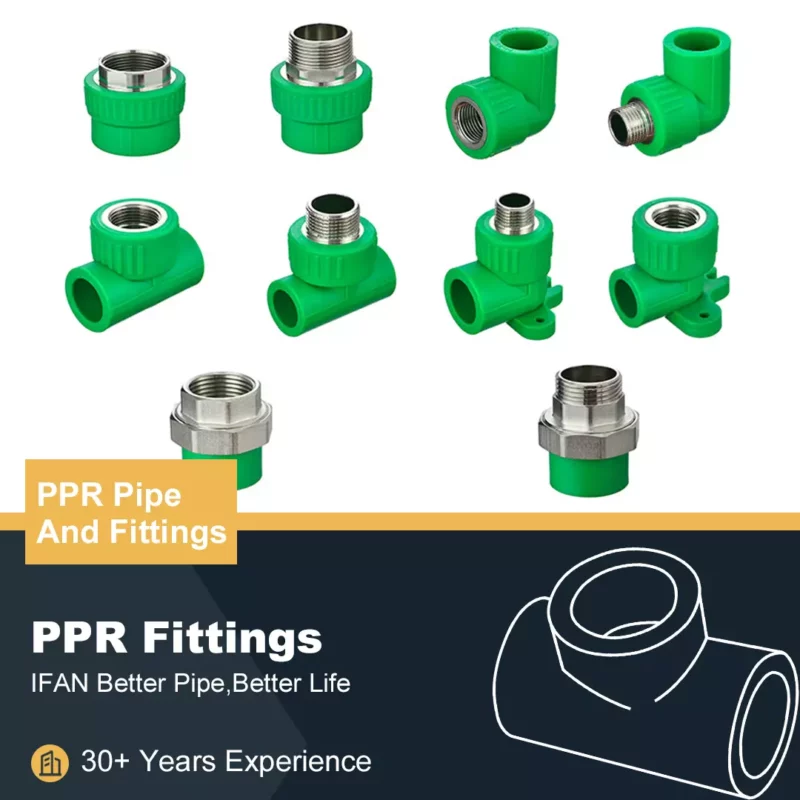
PPR Pipe’s core material, random copolymer polypropylene, forms through precise chemical bonding. Propylene monomers link in irregular patterns, unlike regular polypropylene. This irregularity boosts flexibility and heat resistance. Ethylene content ranges from 2% to 5% in most grades. Higher ethylene levels slightly enhance low-temperature toughness. The material undergoes strict purification to remove residual solvents. No heavy metals or phthalates mix into the final compound. This purity meets global drinking water safety standards, including NSF and WRAS.
Raw Material Sourcing and Processing
Manufacturers source propylene from petroleum or natural gas derivatives. Ethylene comes from similar hydrocarbon sources. The copolymerization happens in controlled reactors at 60°C to 80°C. Catalysts like Ziegler-Natta or metallocenes guide the polymerization. Extrusion machines melt the copolymer at 180°C to 220°C. This molten material shapes into pipes through die casting. Cooling water solidifies the shape quickly, preserving molecular structure.
Broad Range of Types by Function
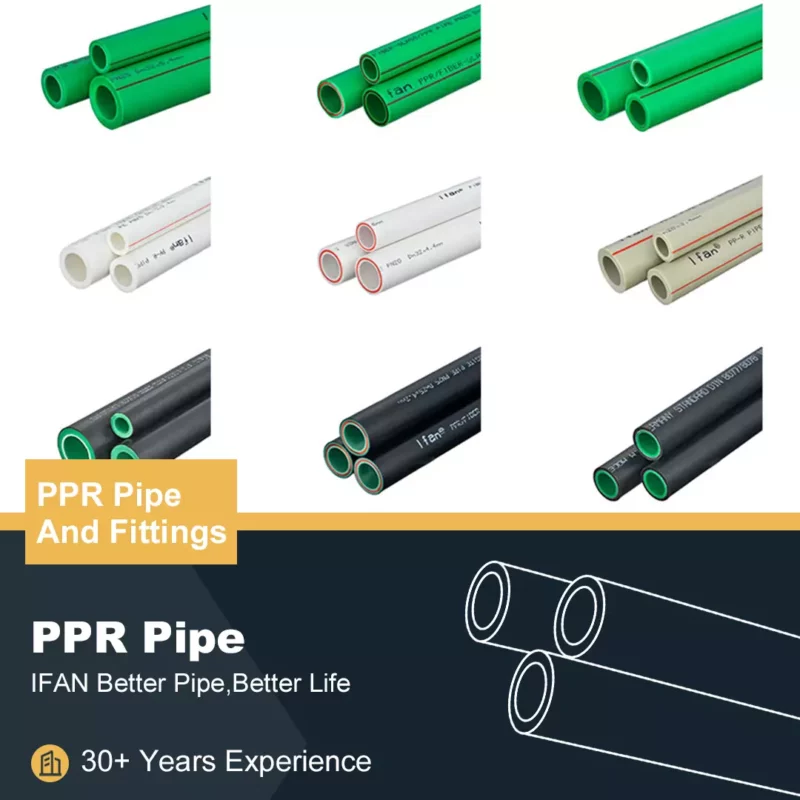
Cold-water PPR pipes dominate residential cold supply lines. They work in basements, gardens, and toilet water tanks. Their maximum working temperature caps at 25°C for long-term use. Short bursts up to 40°C won’t harm them. Hot-water pipes serve boilers, radiators, and shower systems. They handle 70°C to 95°C in daily use. Some models endure 100°C for brief periods, like during boiler startups.
Specialized Varieties for Unique Needs
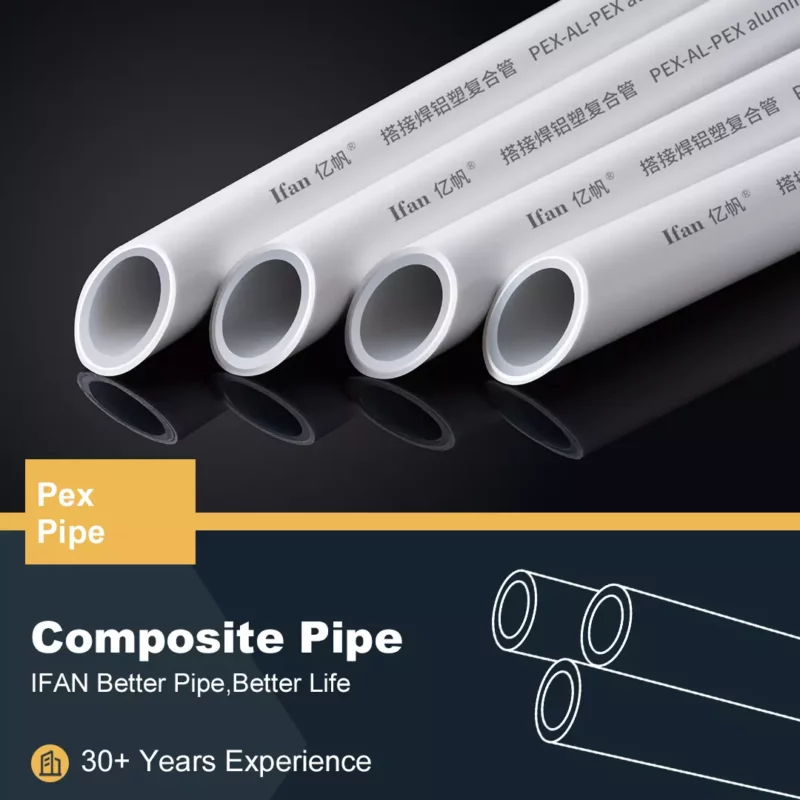
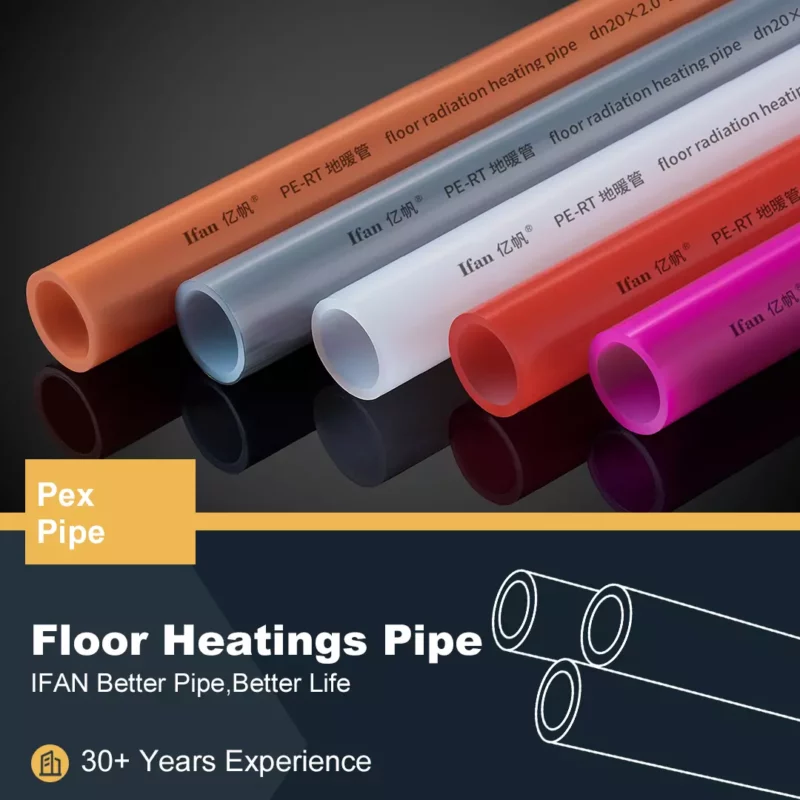
PPR Pipe (Oxygen-barrier PPR pipes) add an aluminum layer to block oxygen. This prevents bacteria growth in heating systems. They suit underfloor heating where water circulates slowly. Reinforced PPR pipes embed fiberglass layers in their walls. These handle higher pressures, up to 3.2MPa, for industrial use. Color-coded varieties help installers distinguish functions—blue for cold, red for hot, green for drinking water.
Material Traits at Microscopic Level
The copolymer’s molecular chains form a semi-crystalline structure. Crystalline regions provide strength; amorphous regions add flexibility. This balance resists cracking under stress. The material’s density stays around 0.9g/cm³, lighter than water. Its melting point sits at 130°C to 140°C, above typical hot water temps. It absorbs less than 0.01% water by weight, avoiding swelling.
Chemical Resistance Properties
Dilute acids, like vinegar or mild sulfuric acid, barely affect PPR Pipe. It withstands household cleaners, including bleach in low concentrations. Alkaline solutions, such as soapy water, cause no damage. Oils and fats from kitchen drains won’t corrode its surface. Only strong oxidizing agents, like concentrated nitric acid, can degrade it over time.
Material-Related Advantages
The non-porous surface stops bacteria from attaching and multiplying. This reduces biofilm formation in drinking water lines. The material doesn’t leach any substances into water, preserving taste. It resists UV light when shielded, making it safe for hidden installations. Its low thermal conductivity (0.2W/m·K) reduces heat loss in hot water systems.
Summary
PPR Pipe’s material science, from copolymer structure to purification, ensures safety and durability. Its varieties, including cold/hot-water and specialized types, cater to diverse needs. Material traits like chemical resistance and purity make it a top plumbing material choice.
If you have read this article and have any questions, please feel free to contact IFAN. Below is our contact information:
Whatsapp:+86 13373827623
Email:[email protected]