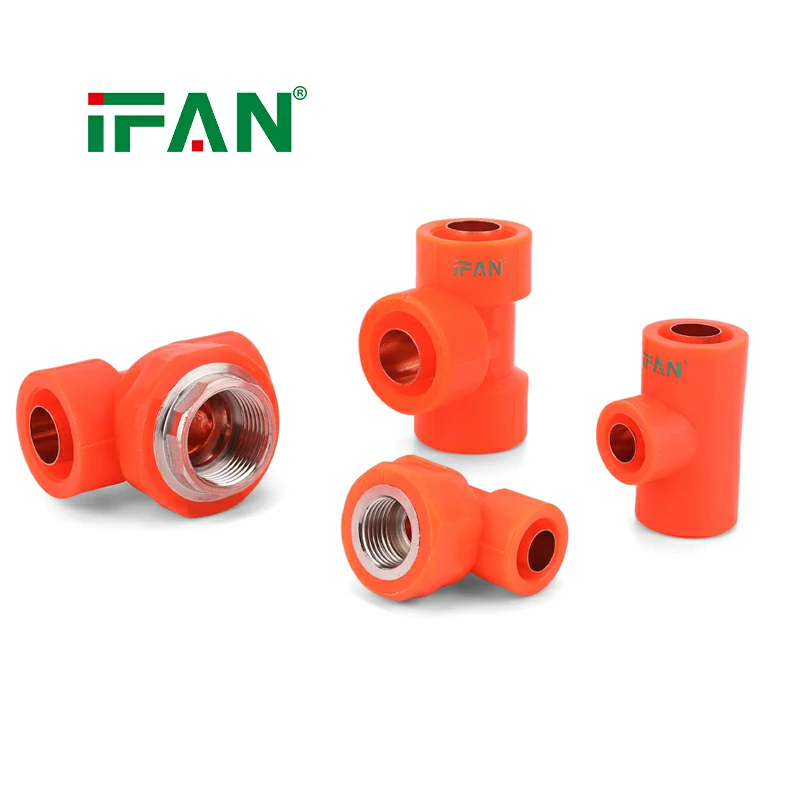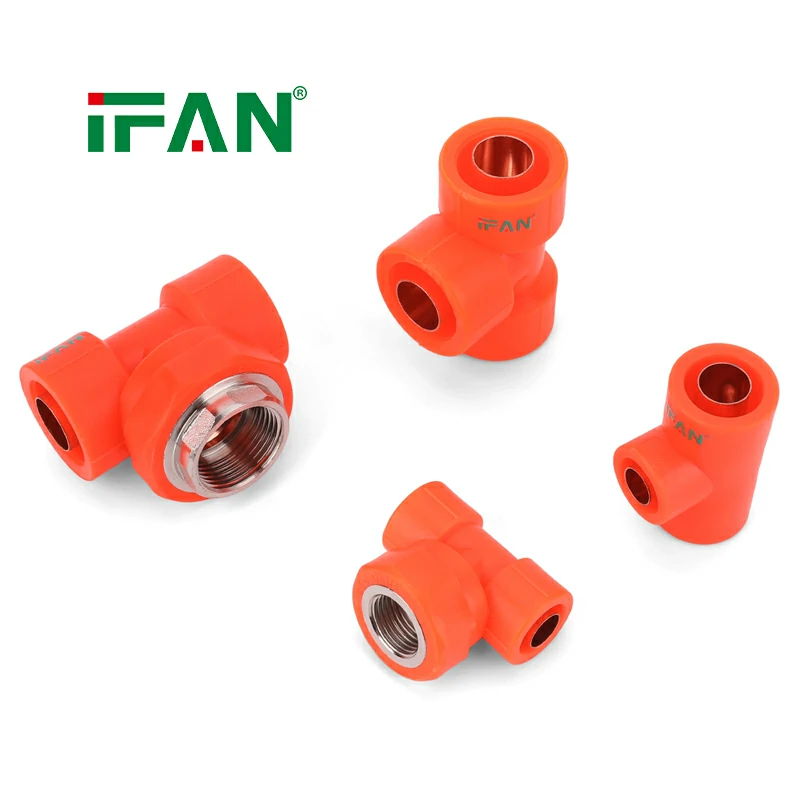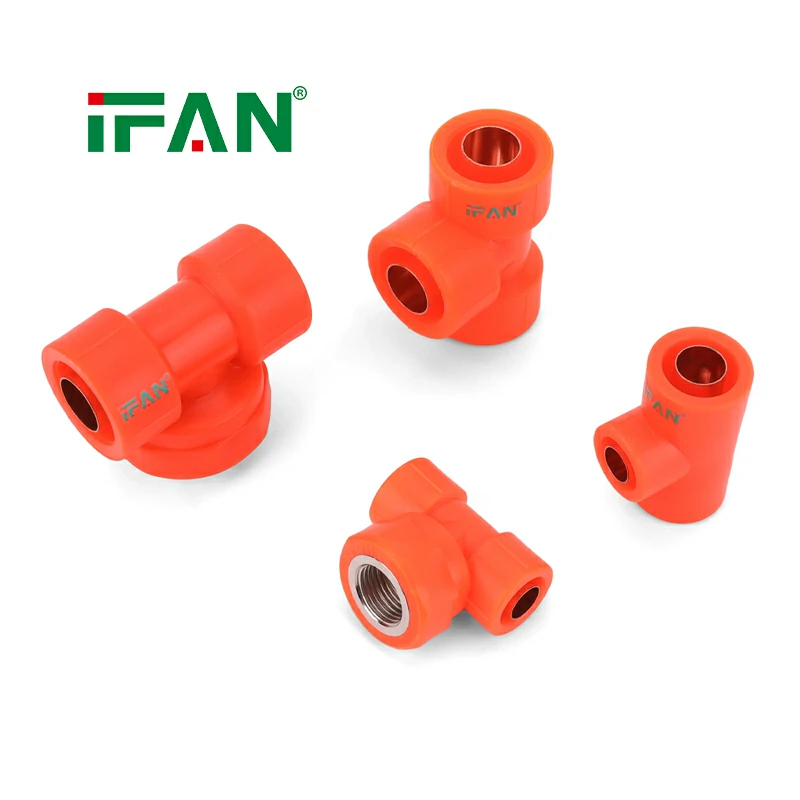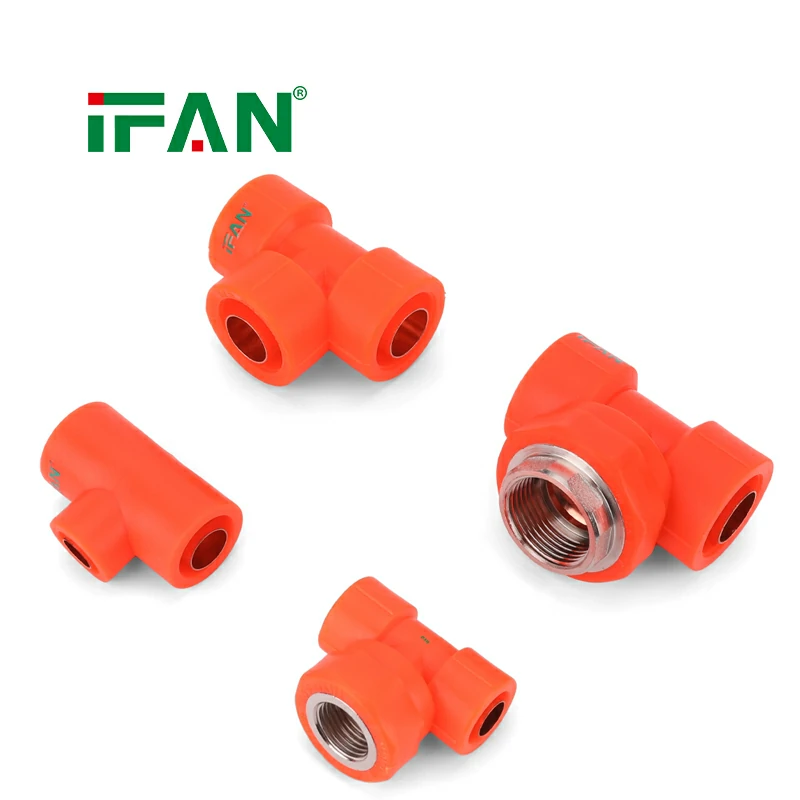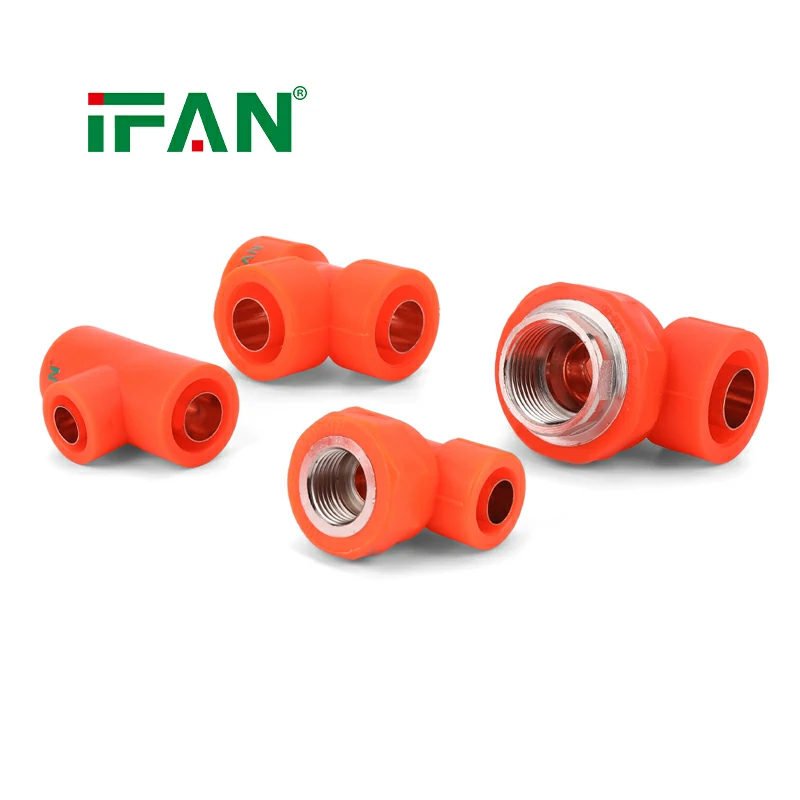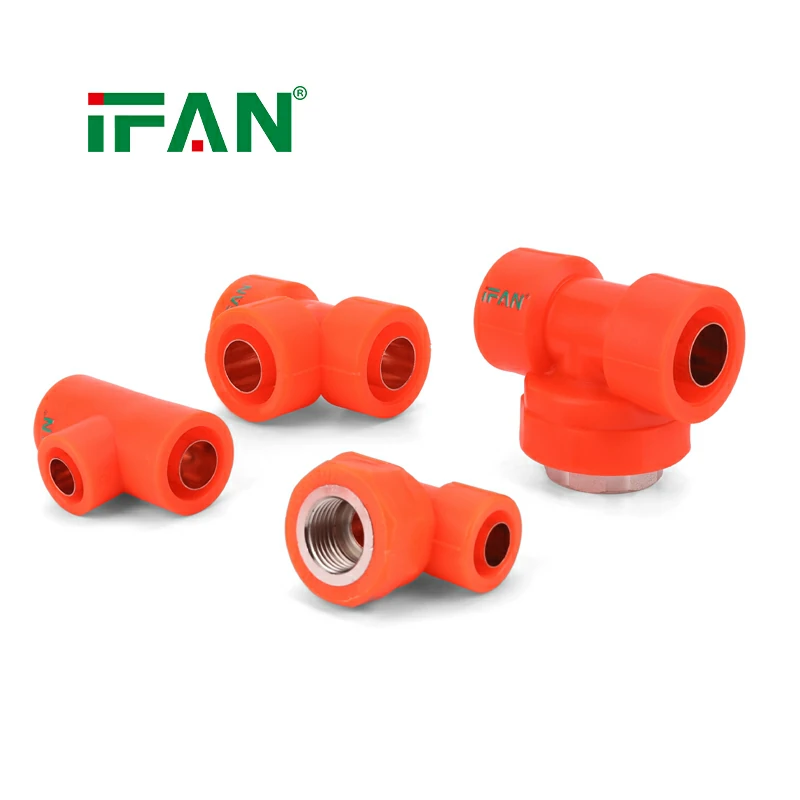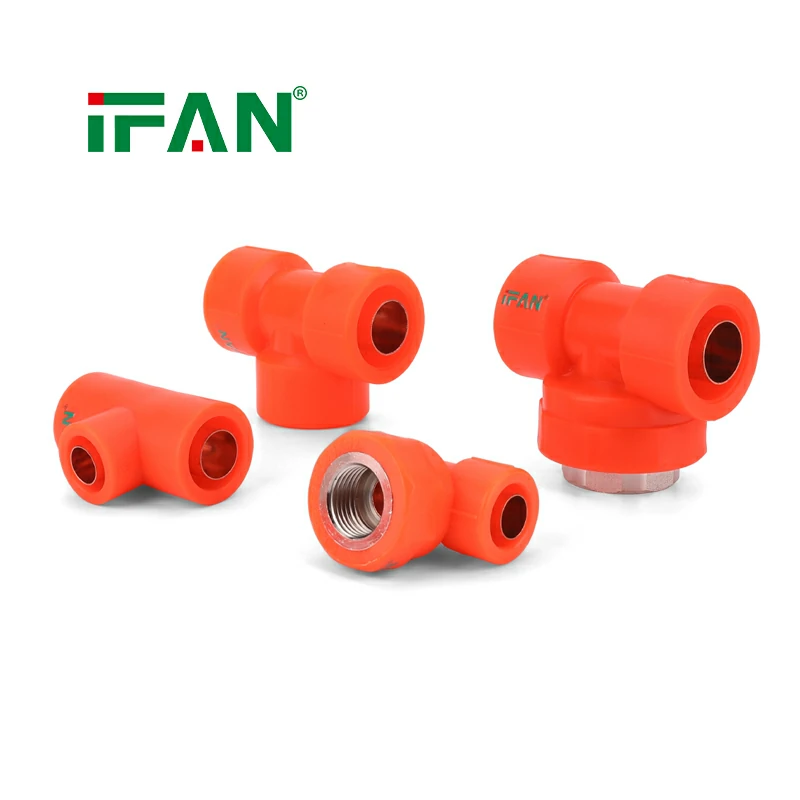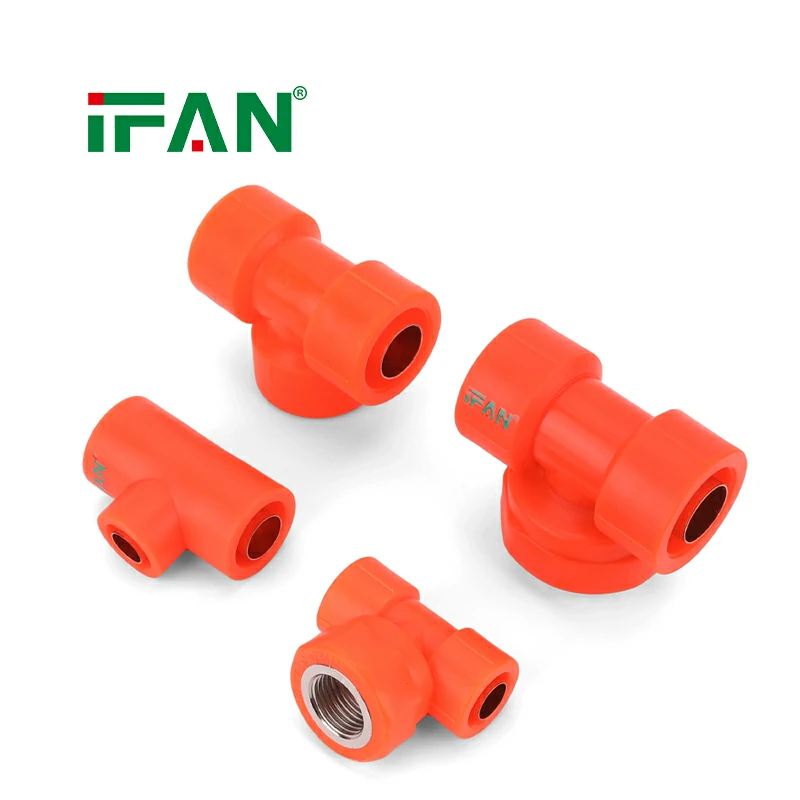







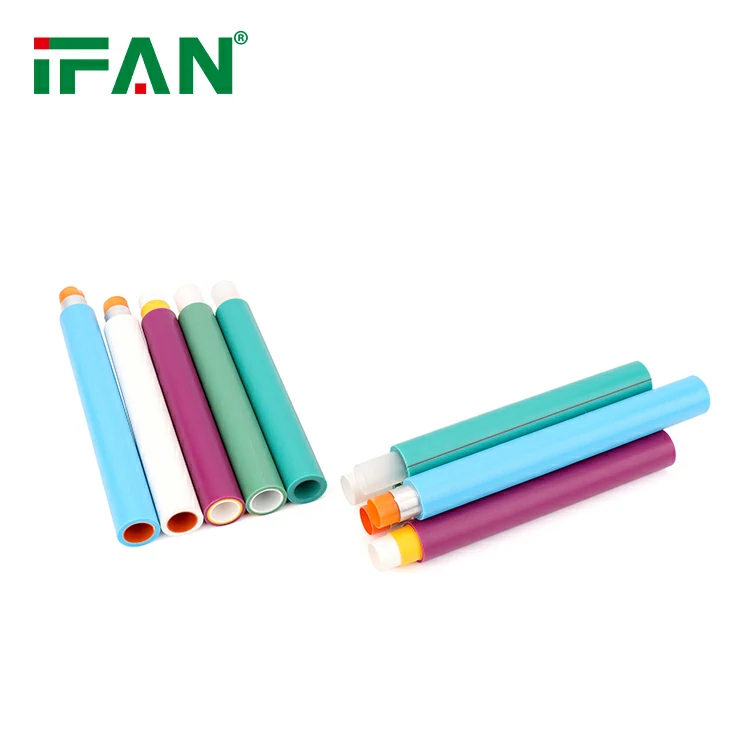
PPR pipes are low-maintenance but still require proper care to maximize their lifespan. Following best practices ensures optimal performance for decades.
Regular Visual Inspections
Check for discoloration, cracks, or bulges in exposed pipes. Early detection prevents major leaks and costly repairs.
Preventing Freezing in Cold Climates
Insulate PPR pipes in unheated areas to avoid freezing. Frozen water can expand and crack pipes, leading to bursts.
Avoiding Chemical Damage
While PPR resists most chemicals, avoid pouring harsh solvents down drains. Prolonged exposure to strong acids can degrade the material.
Flushing the System Periodically
Sediment buildup can occur over time. Flushing the system with clean water helps maintain smooth water flow.
Protecting Pipes from Physical Impact
Avoid hanging heavy objects on PPR pipes. External pressure can weaken joints or cause fractures.
When to Call a Professional
If leaks, reduced water pressure, or discolored water occur, consult a plumber. Professionals can diagnose and fix issues before they escalate.
Expected Lifespan with Proper Care
With routine maintenance, PPR pipes can last 50+ years, outperforming most traditional plumbing materials.
If you have read this article and have any questions, please feel free to contact IFAN. Below is our contact information:
Whatsapp:+86 13373827623
Email:[email protected]