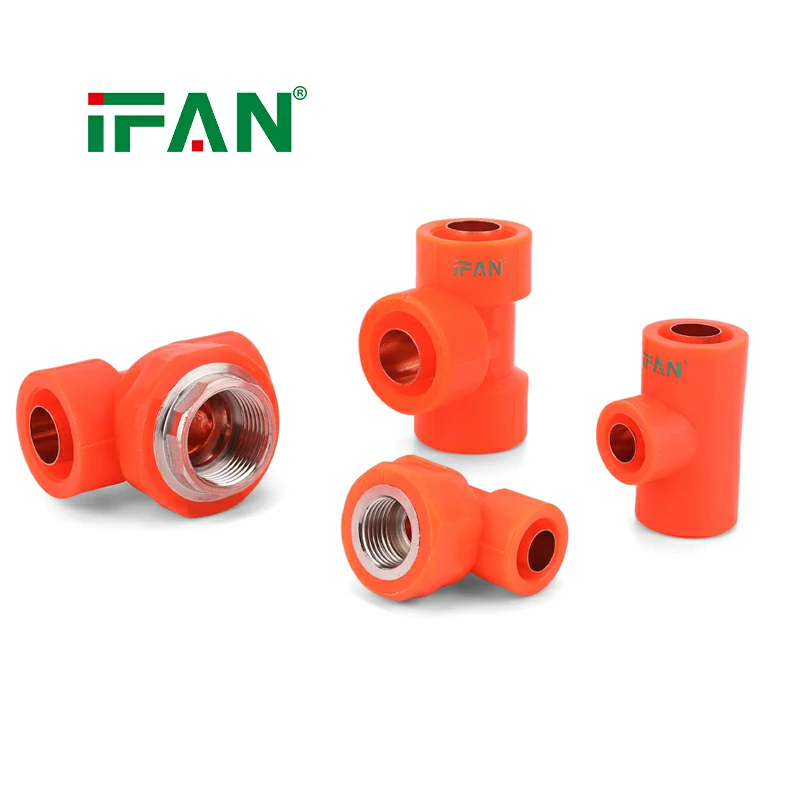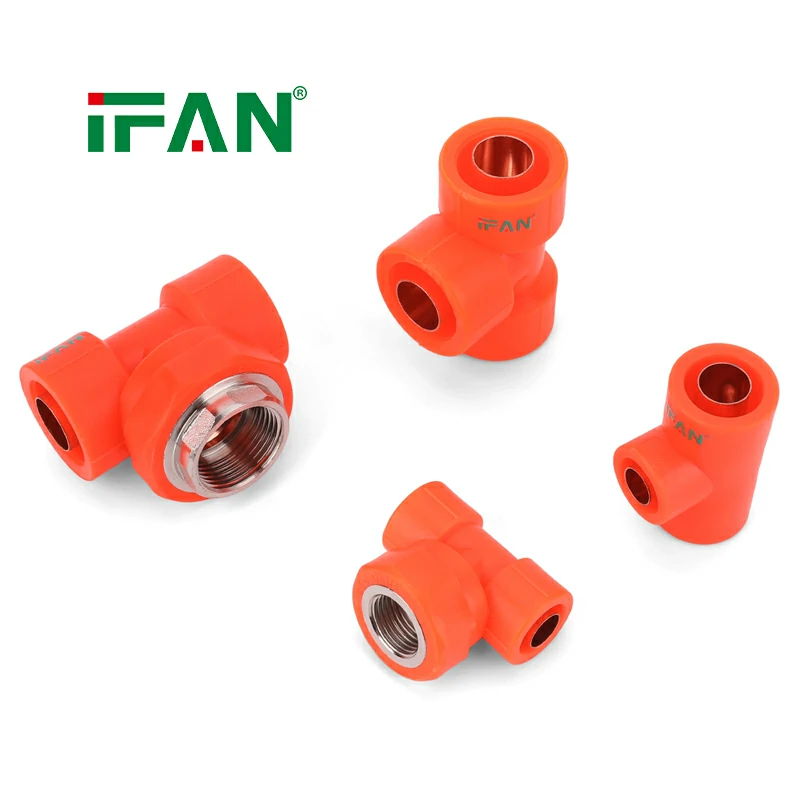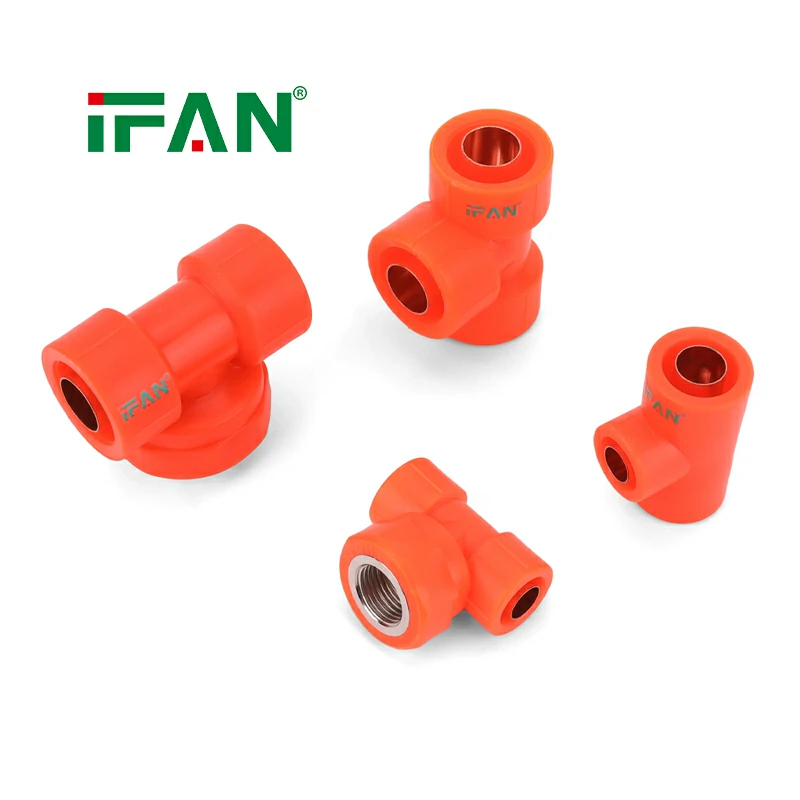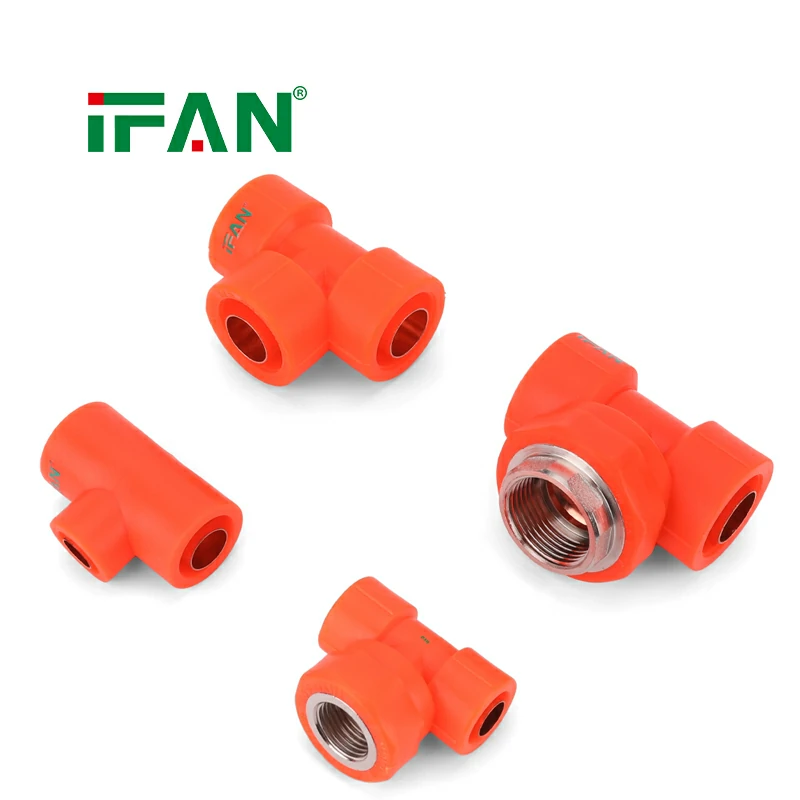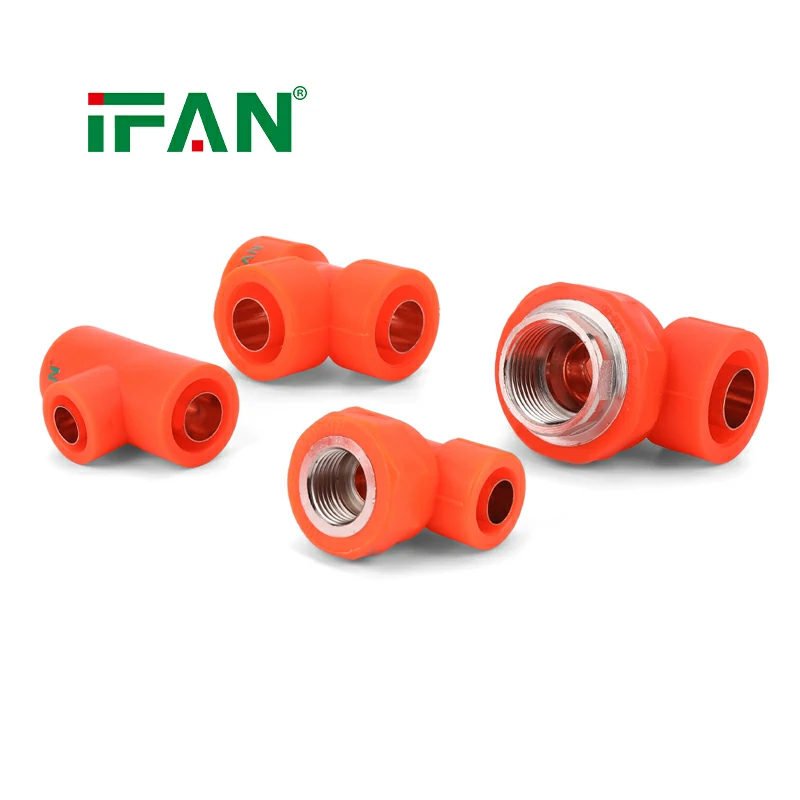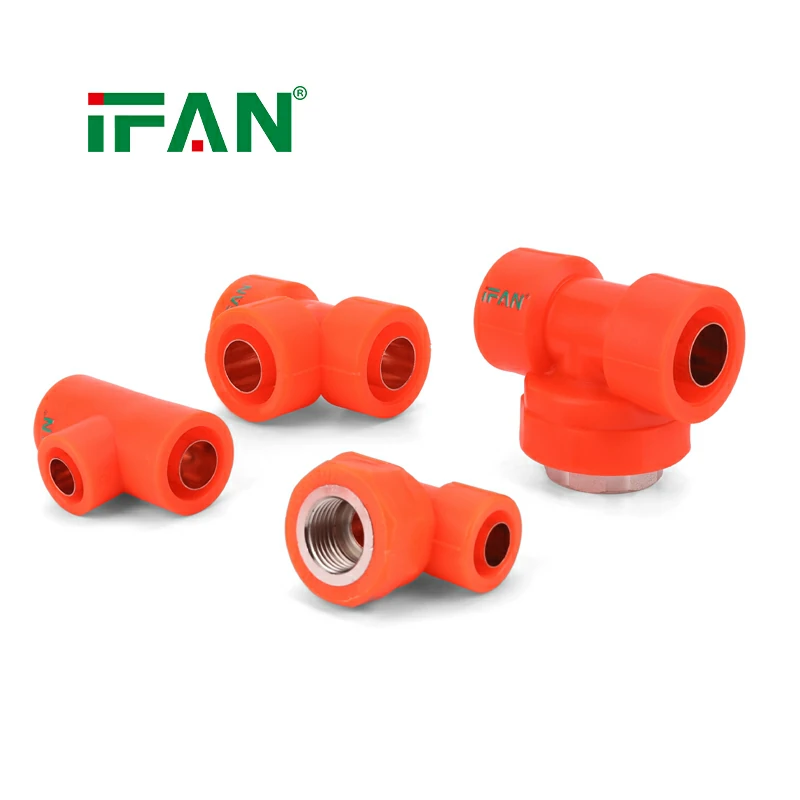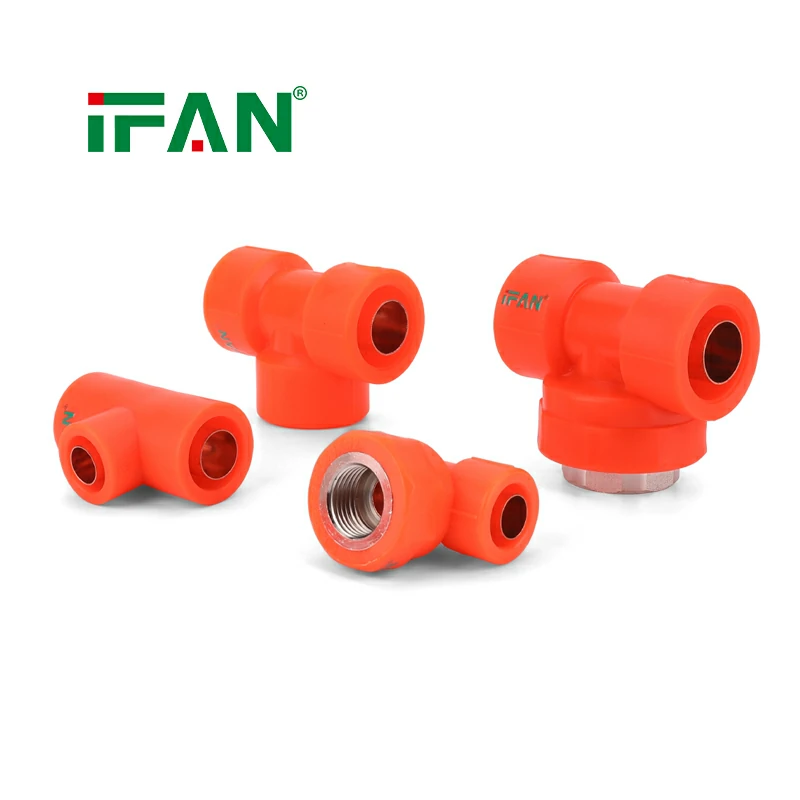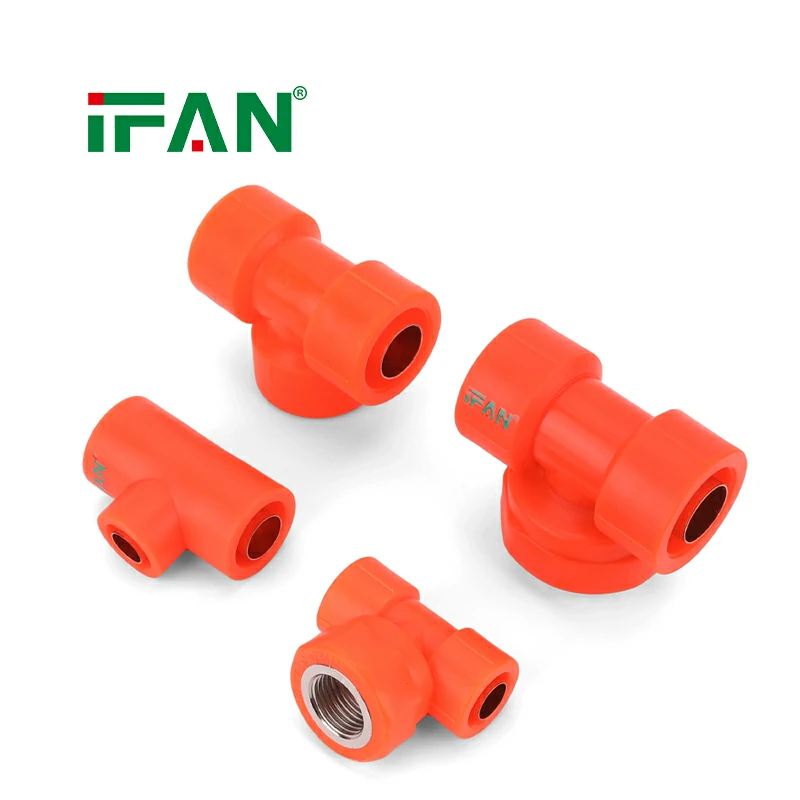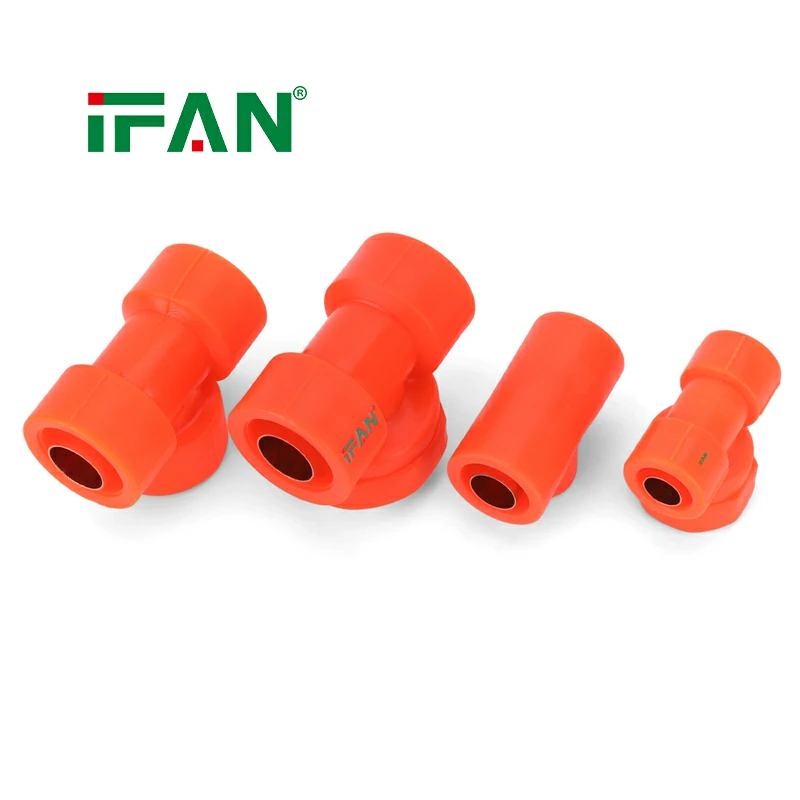
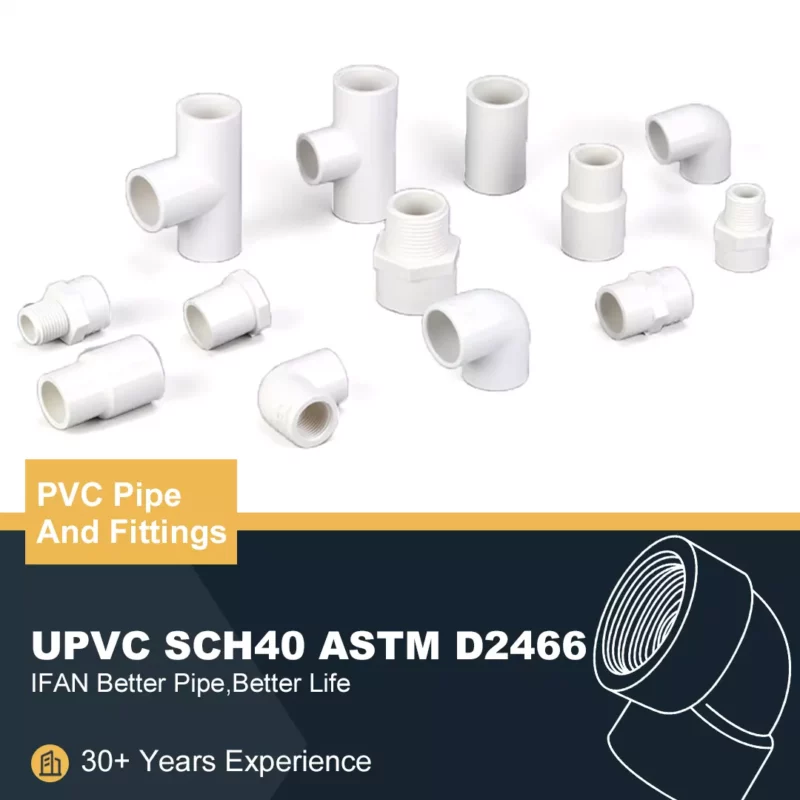
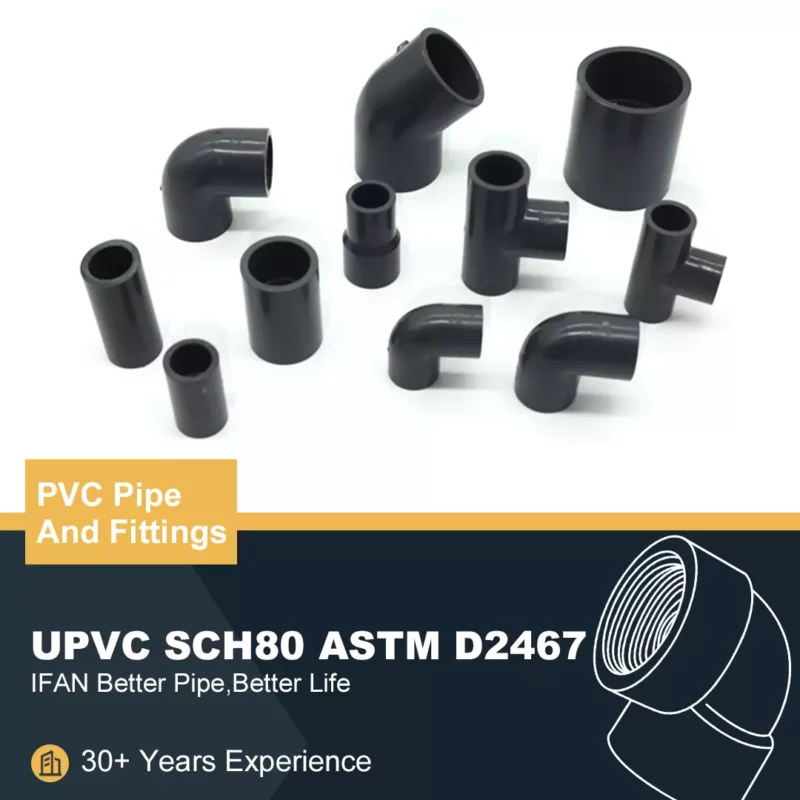
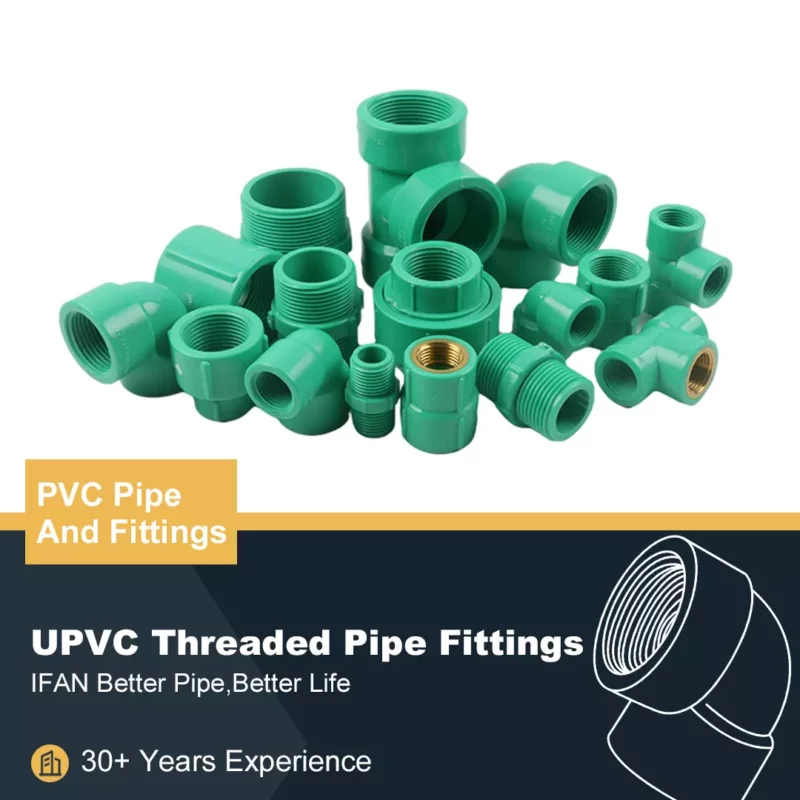
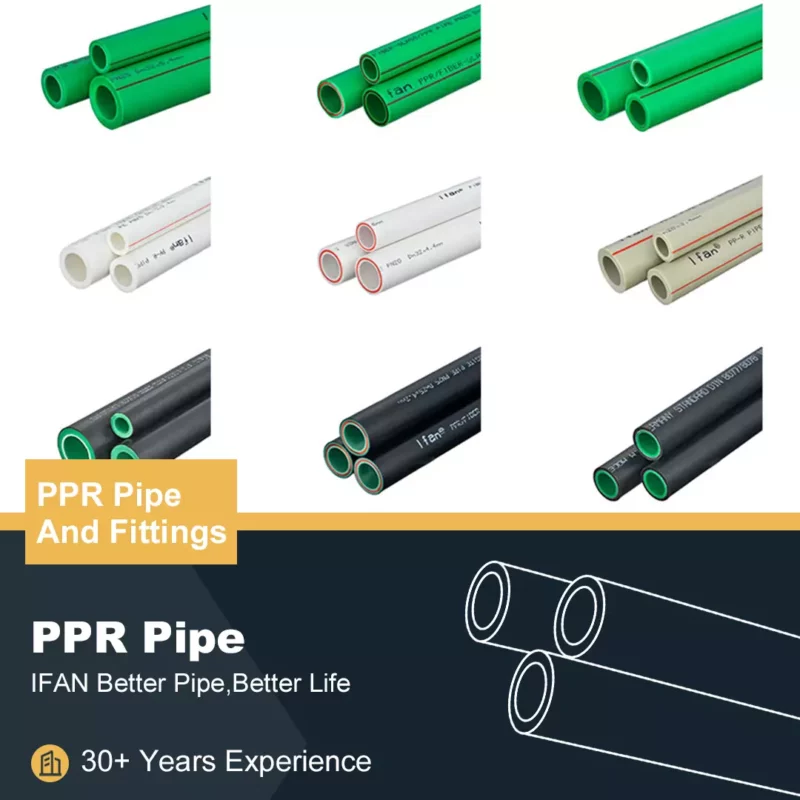
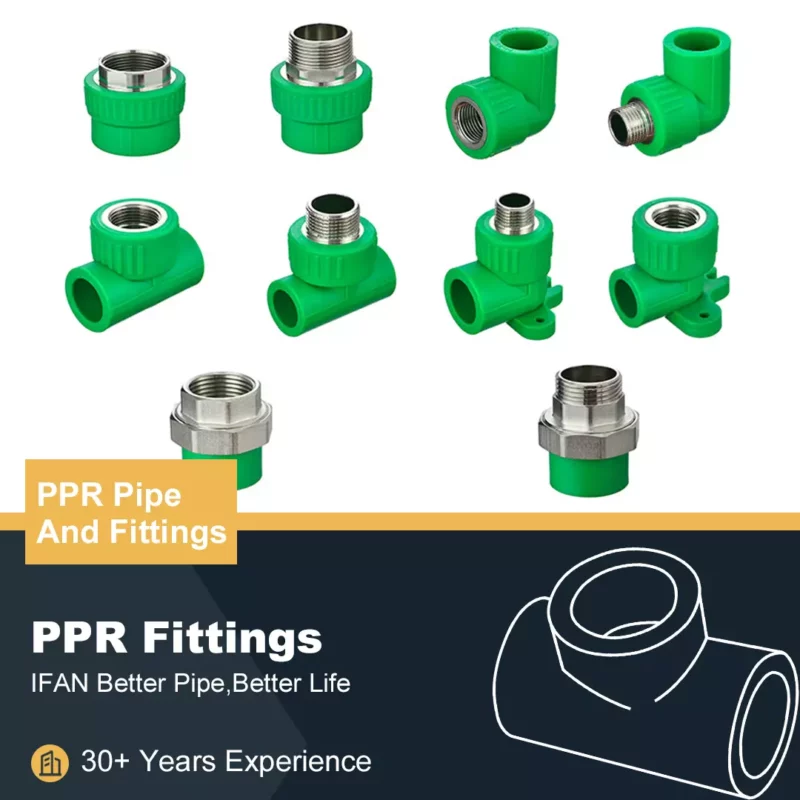
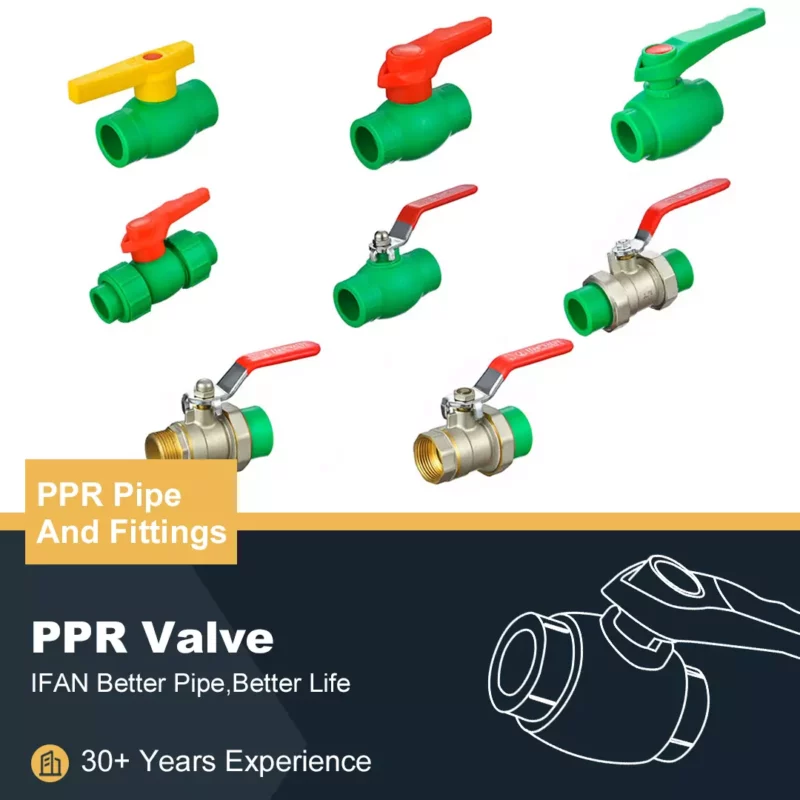
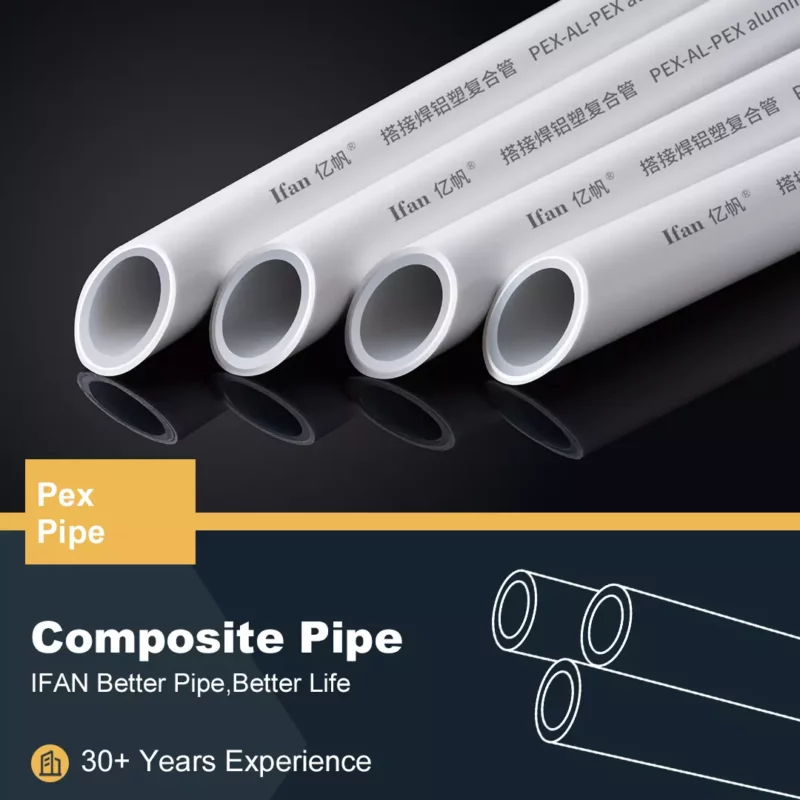
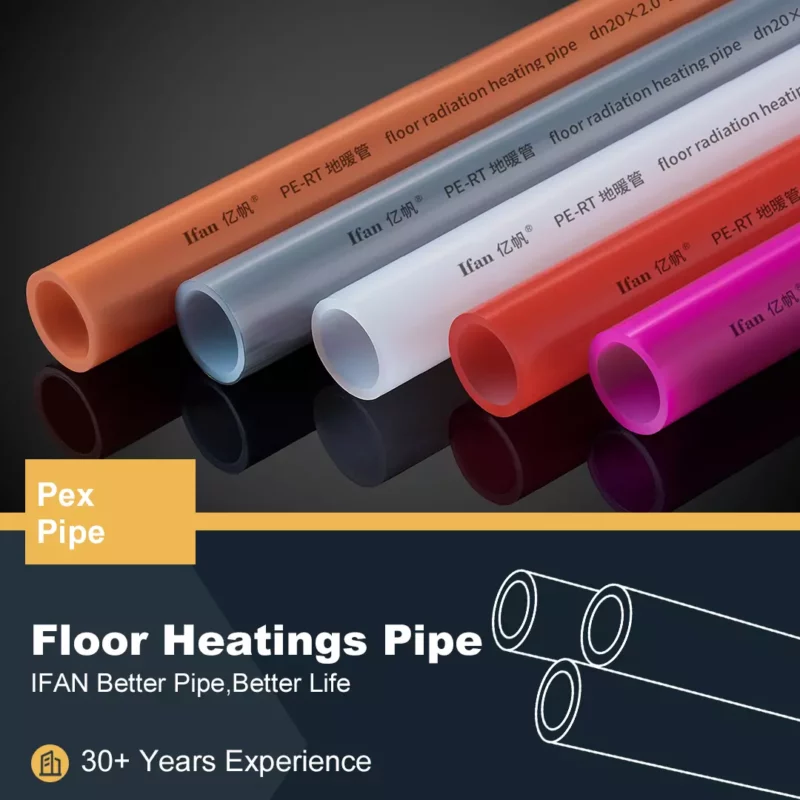



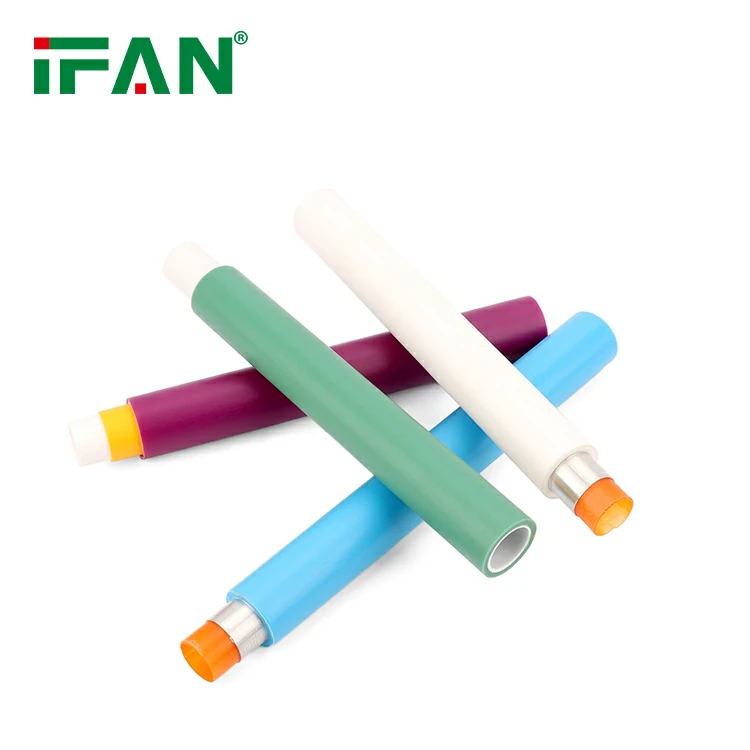
PPR (Polypropylene Random Copolymer) pipes have emerged as a superior alternative to traditional plumbing materials like copper, PVC, and galvanized steel. Their unique properties make them ideal for both residential and industrial applications. This article provides an in-depth comparison between PPR and other common piping materials, examining their strengths, weaknesses, and best-use scenarios.
PPR vs. Copper Pipes – The Modern vs. Classic Debate
Cost Considerations
Copper pipes have been the gold standard for decades but come at a high price. PPR pipes offer similar performance at a fraction of the cost, making them more economical for large-scale projects.
Installation Differences
PPR: Uses heat fusion welding, creating seamless, leak-proof joints.
Copper: Requires soldering, which needs skilled labor and poses fire risks.
Durability & Maintenance
PPR: Resists corrosion, scaling, and chemical damage.
Copper: Prone to pinhole leaks over time, especially in acidic water conditions.
Thermal Performance
PPR: Better insulator, reducing heat loss in hot water systems.
Copper: Conducts heat quickly, leading to energy loss.
Best Use Cases:
PPR: Budget-friendly projects, hot/cold water supply.
Copper: High-end installations where aesthetics matter.
PPR vs. PVC Pipes – Flexibility vs. Rigidity
Temperature Resistance
PPR: Handles hot water (up to 95°C) without deformation.
PVC: Limited to cold water; warps under high heat.
Joint Strength
PPR: Heat-fused joints are stronger than the pipe itself.
PVC: Glued joints can weaken over time, leading to leaks.
Chemical Resistance
PPR: Resists acids, alkalis, and chlorine.
PVC: Vulnerable to certain solvents and oils.
Best Use Cases:
PPR: Hot water systems, industrial plumbing.
PVC: Drainage, irrigation, and low-pressure cold water lines.
PPR vs. Galvanized Steel – The End of Rusty Pipes
Corrosion Resistance
PPR: Immune to rust and scaling.
Galvanized Steel: Corrodes internally, reducing water flow over time.
Water Quality Impact
PPR: Maintains clean, safe drinking water.
Galvanized Steel: Rust particles can contaminate water.
Lifespan & Maintenance
PPR: Lasts 50+ years with minimal upkeep.
Galvanized Steel: Requires frequent replacements due to rust.
Best Use Cases:
PPR: Any water supply system, especially in humid or corrosive environments.
Galvanized Steel: Mostly obsolete; found only in older buildings.
PPR vs. PEX Pipes – The Flexible Alternative
Installation Flexibility
PPR: Requires precise heat fusion but offers stronger joints.
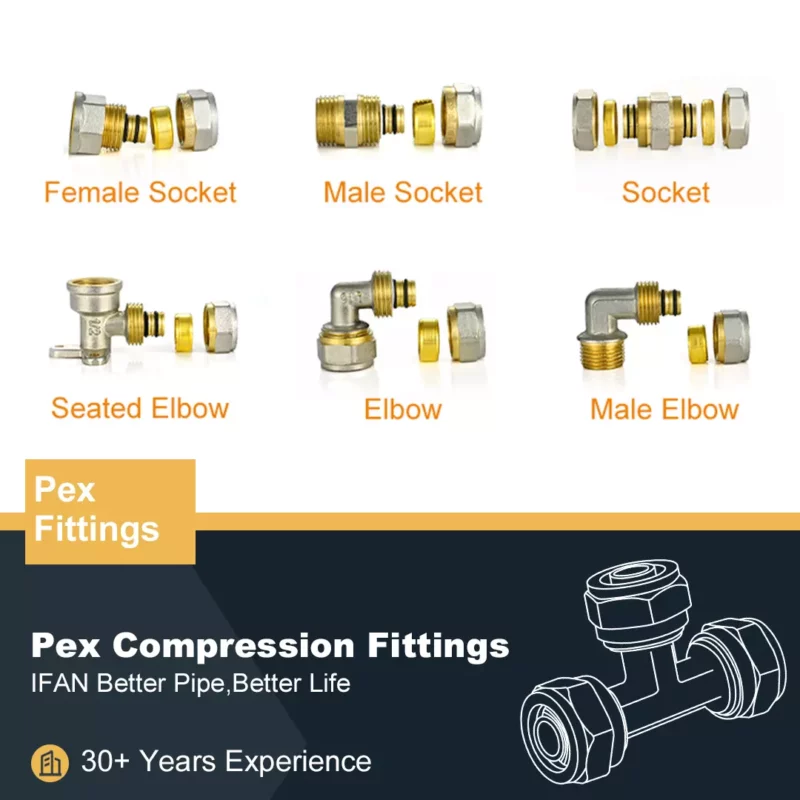
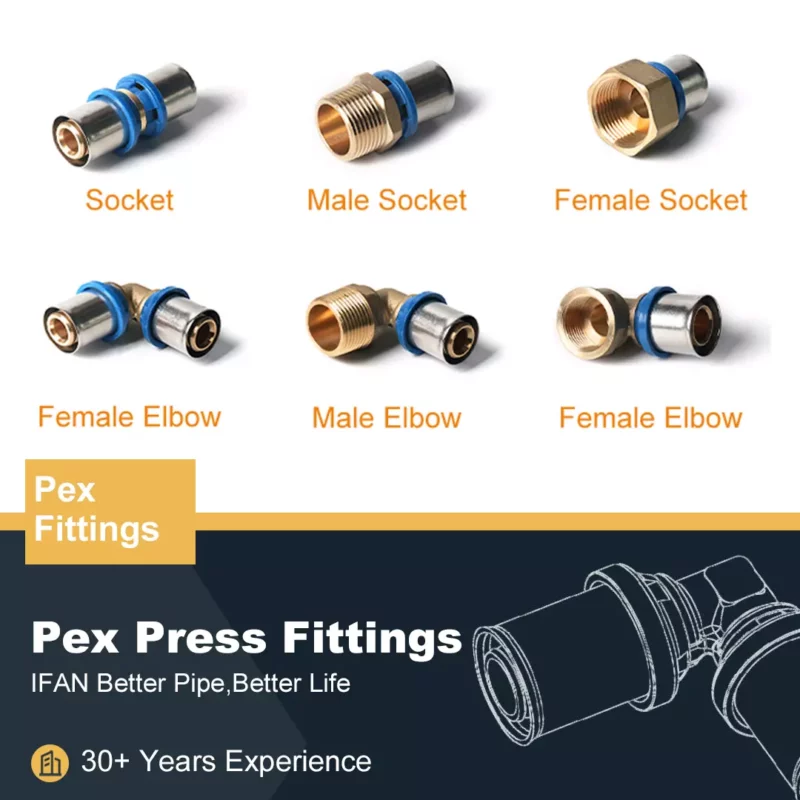
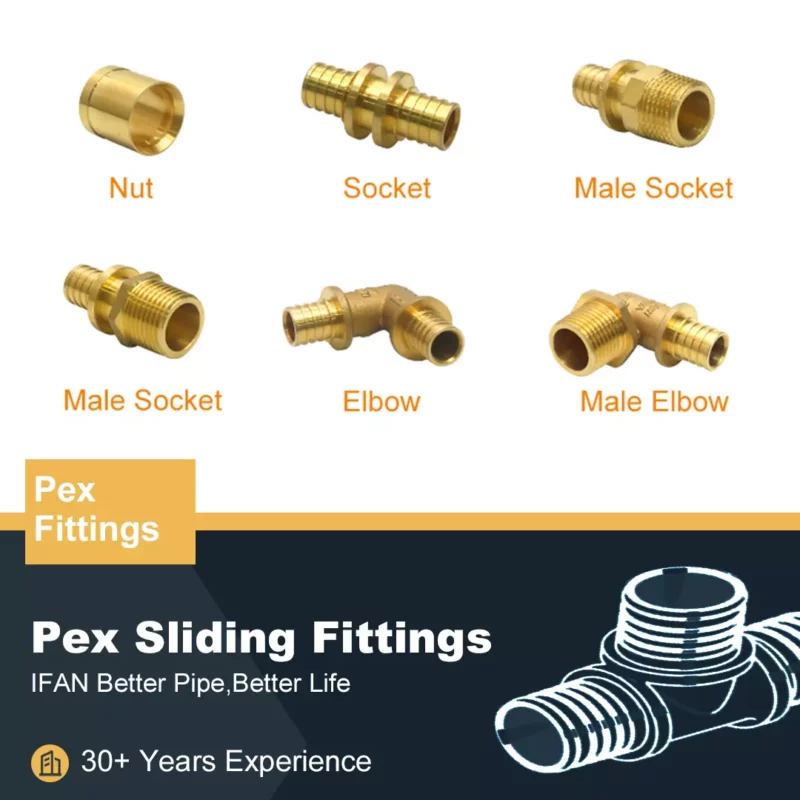
PEX: Easier to install with push-fit fittings but less durable under stress.
Temperature & Pressure Handling
PPR: Superior for high-temperature applications.
PEX: Expands under heat, potentially causing long-term issues.
Cost Comparison
PPR: Slightly more expensive but longer-lasting.
PEX: Cheaper upfront but may need more frequent repairs.
Best Use Cases:
PPR: Reliable, long-term plumbing solutions.
PEX: Retrofit projects where ease of installation is key.
Which Material Should You Choose?
For Residential Plumbing
Best Choice: PPR (balance of cost, durability, and safety).
Alternative: PEX for easy DIY installations.
For Industrial Use
Best Choice: PPR (chemical resistance, high-temperature tolerance).
Alternative: Stainless steel for extreme conditions.
For Hot Water Systems
Best Choice: PPR (energy-efficient, leak-proof).
Alternative: Copper (if budget allows).
Conclusion: Why PPR is the Future of Plumbing
PPR pipes outperform traditional materials in nearly every aspect—cost, durability, safety, and ease of installation. While copper and PVC still have niche uses, PPR is becoming the go-to choice for modern plumbing systems. Builders, homeowners, and industrial planners are increasingly adopting PPR for its long-term reliability and low maintenance requirements.
If you have read this article and have any questions, please feel free to contact IFAN. Below is our contact information:
Whatsapp:+86 13373827623
Email:[email protected]