


Mold Design Standards
Manufacturers use CNC-machined molds for PPR pipe fittings. These molds ensure consistent wall thickness. Tolerances stay within ±0.1mm for critical dimensions. Molds undergo 3D scanning before production runs. This scanning detects tiny flaws in cavity shapes easily.
Injection Molding Process
Molten polypropylene flows into molds at 220-240°C. Pressure stays steady at 80-120 bar during filling. Coolant circulates to set shapes in 30-60 seconds. Screw speed in injectors stays at 50-80 rpm for uniform melting. Operators adjust pressure based on fitting complexity.
Post-Production Trimming
Robotic arms trim excess material after molding. They remove flash without damaging fitting surfaces. This step ensures smooth edges for easy installation. High-speed blades cut with 0.02mm precision consistently. Trimming waste gets ground and reused in new batches.
Quality Checks During Production
Workers measure 5% of each batch with calipers. They test pressure resistance with 3MPa water for 10 minutes. Failed units get recycled immediately. Digital cameras inspect surface finish for scratches or pits. Ultrasonic tests check for hidden internal defects quickly.
Color Consistency Control
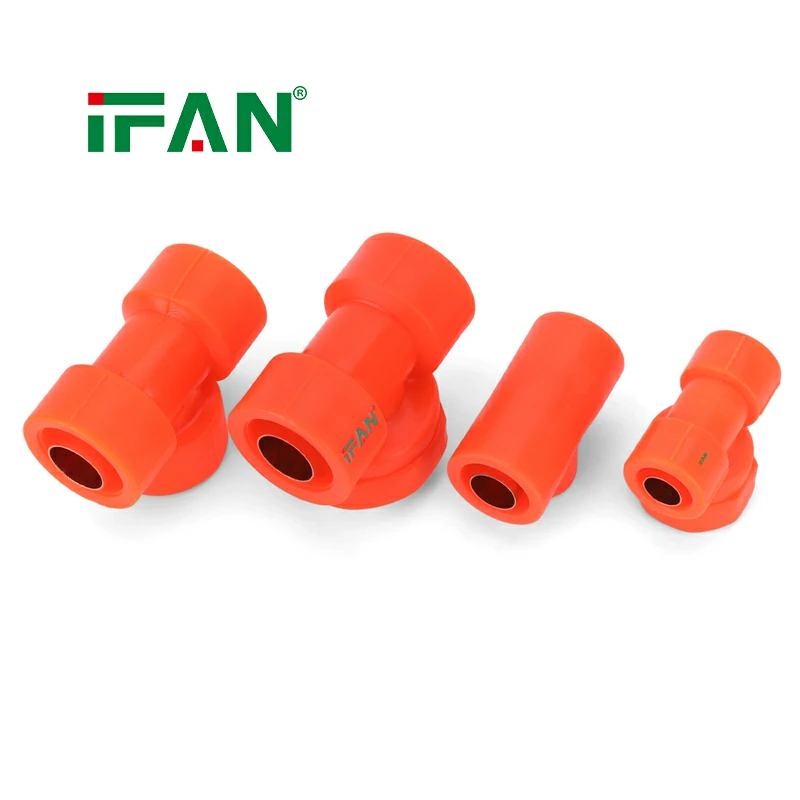
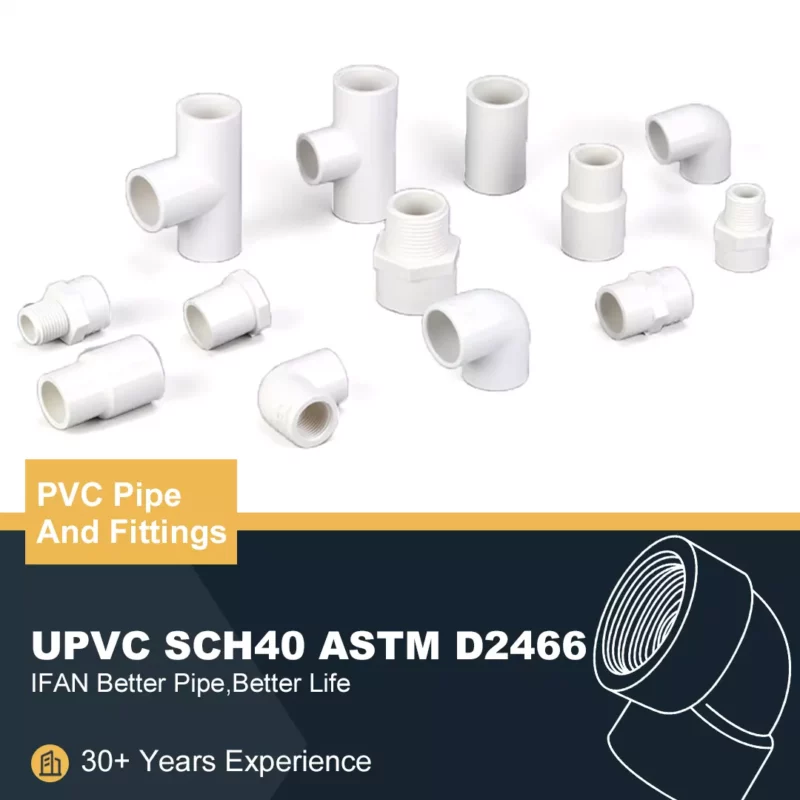
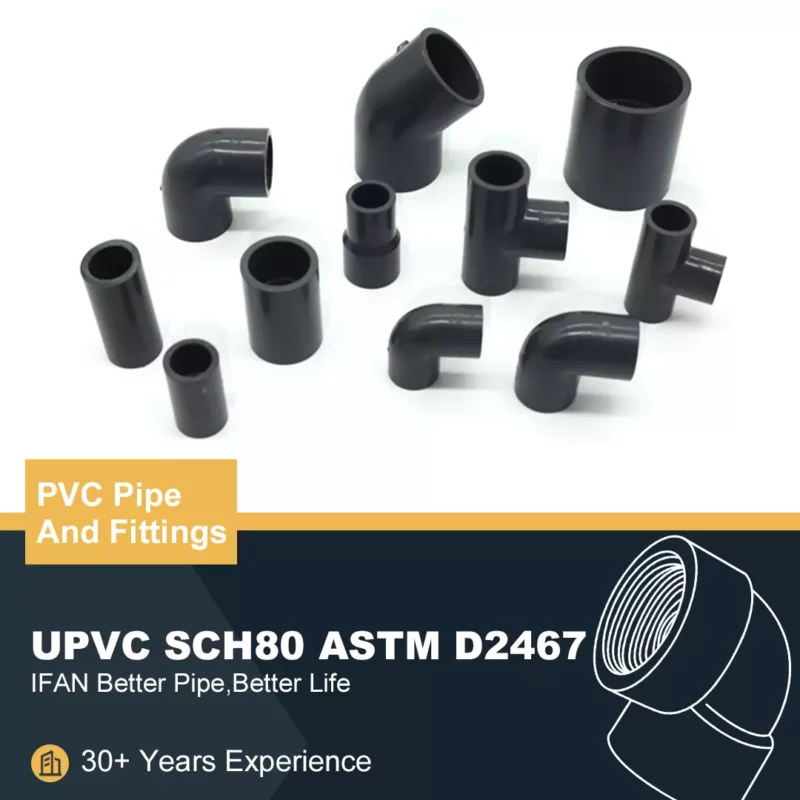
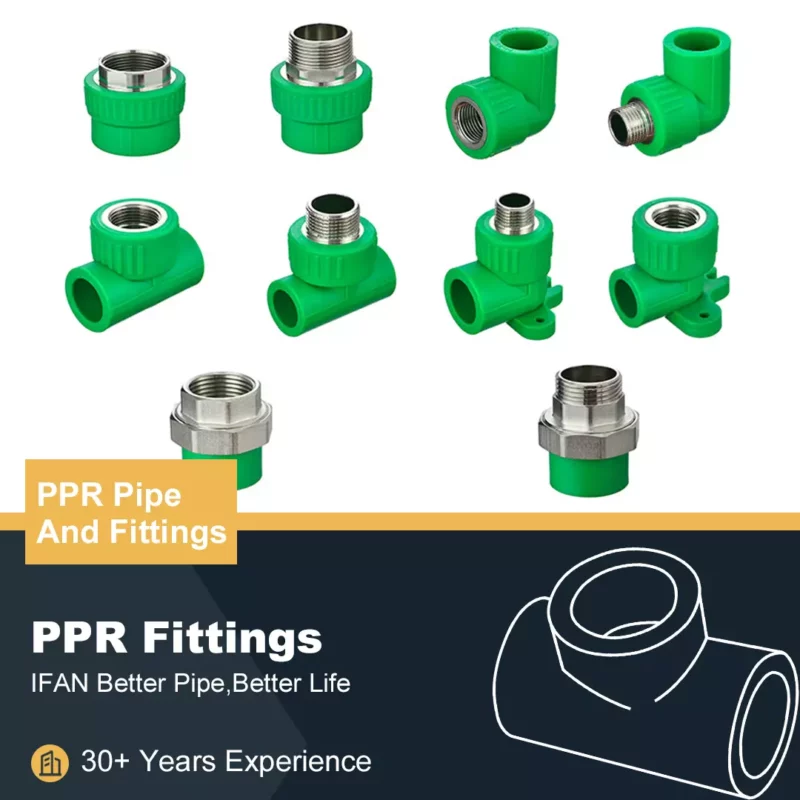
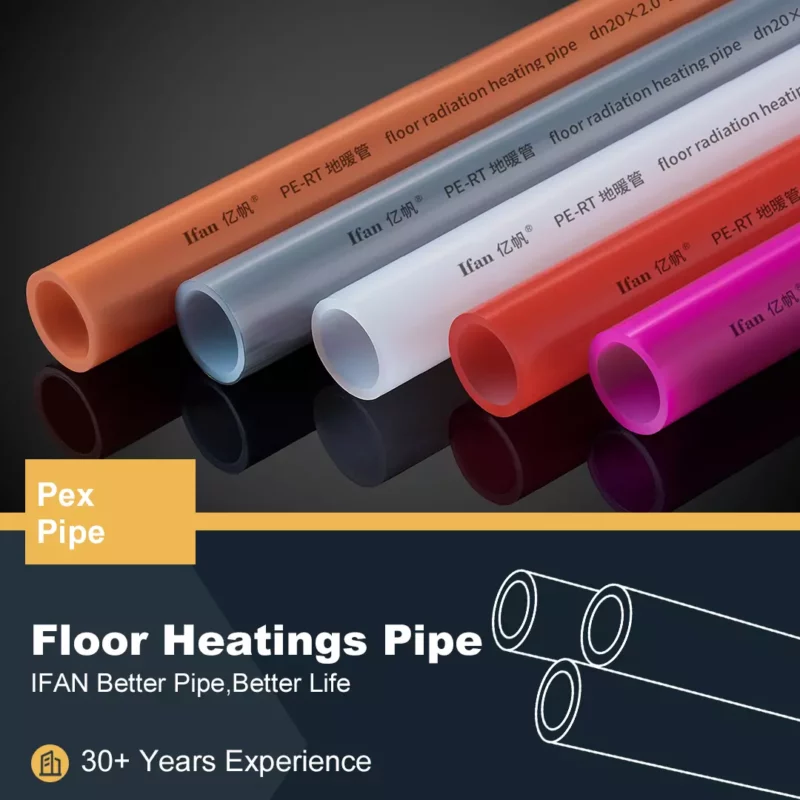
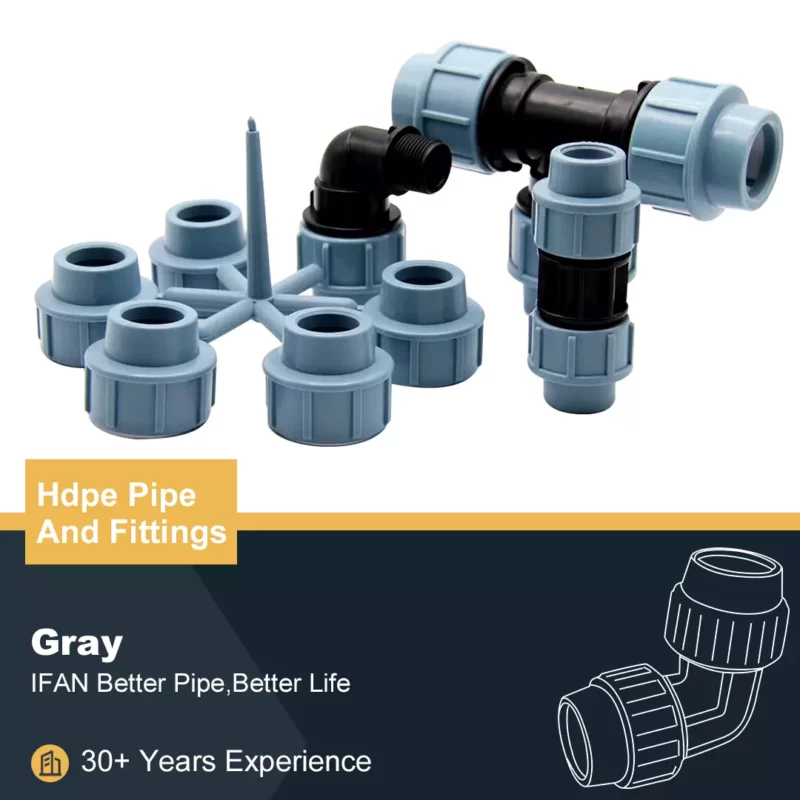
Masterbatch pigments mix uniformly with resin. This keeps ppr pipe fittings colors consistent across production runs. White and gray are standard, with custom colors available. Colorimeter devices measure hue differences to 0.5 Delta E units. Batch numbers link to color records for tracking.
Specialized Mold Features
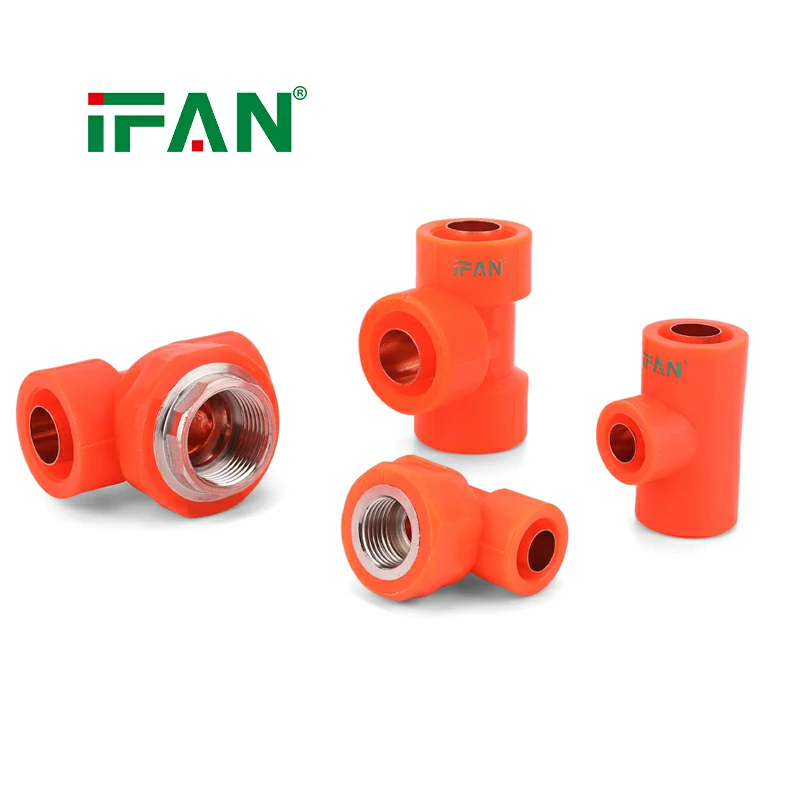
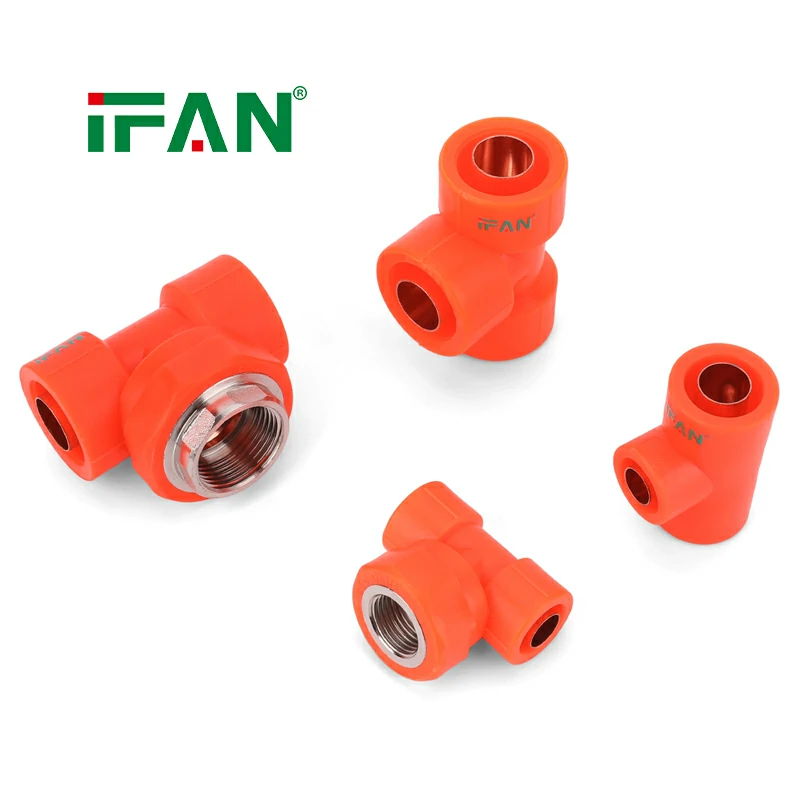
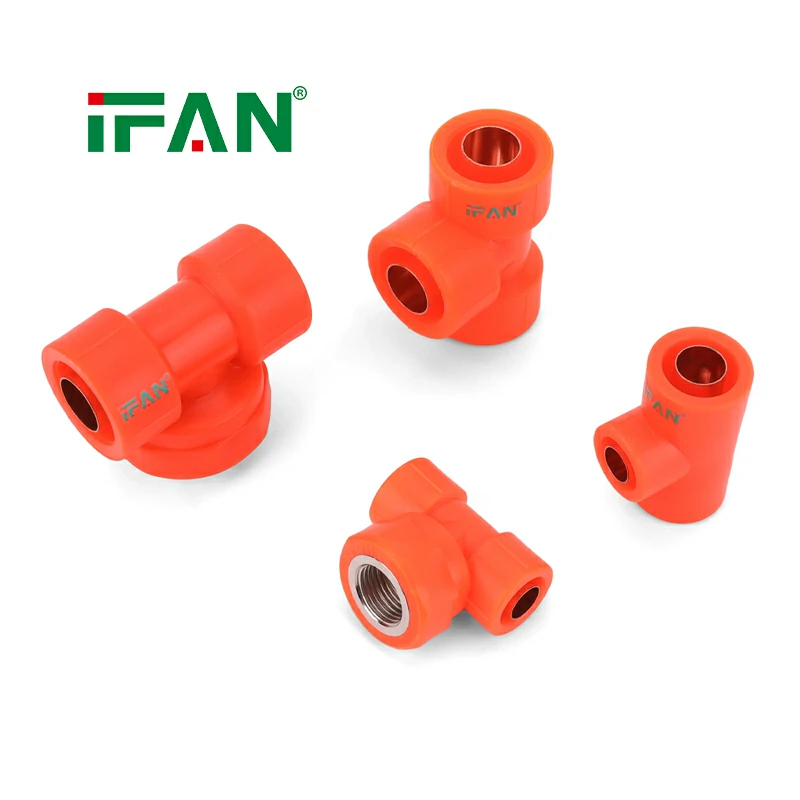
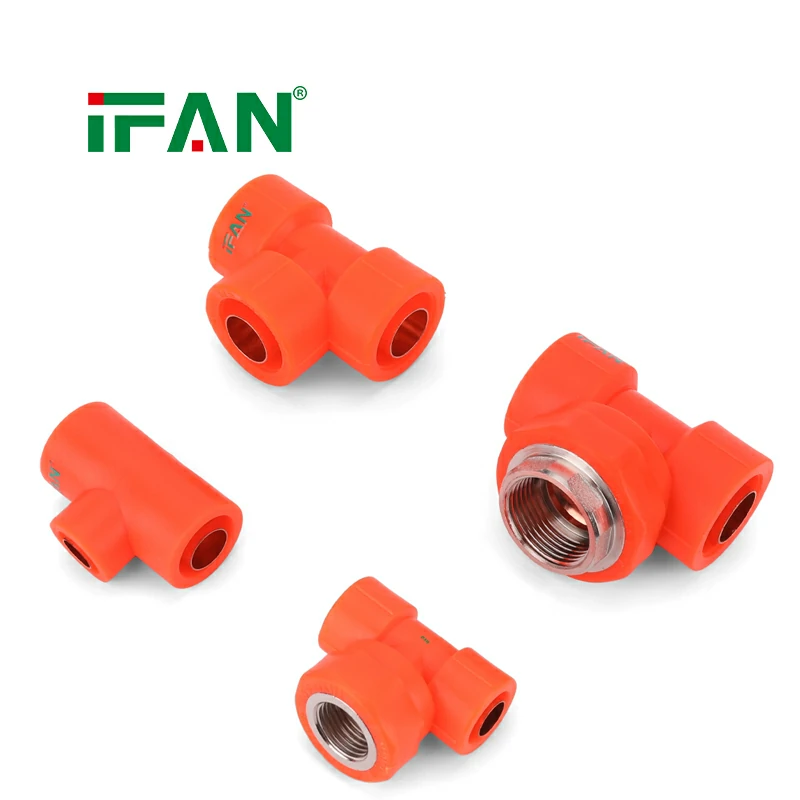
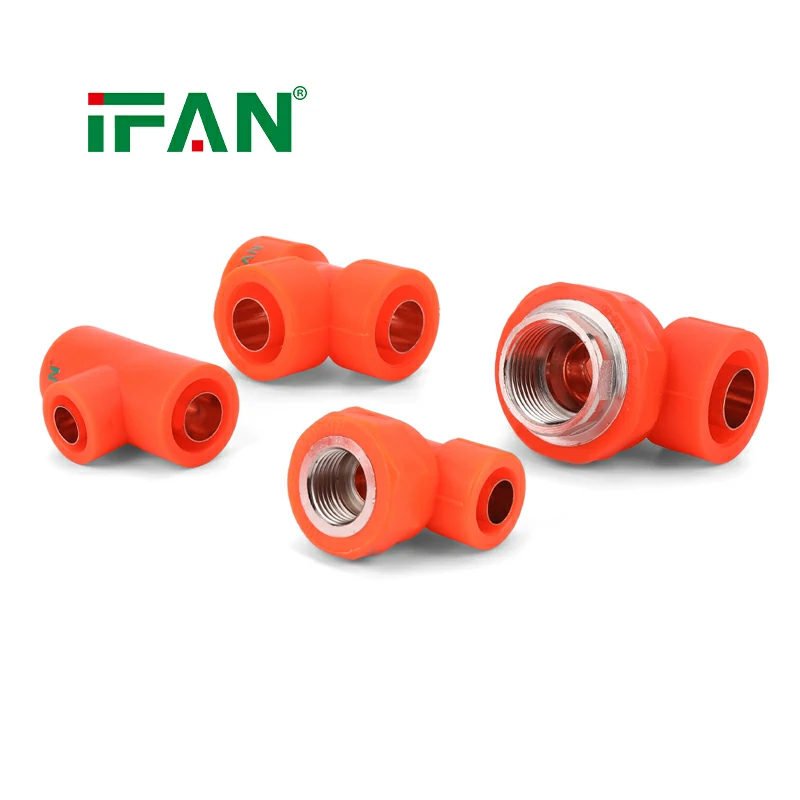
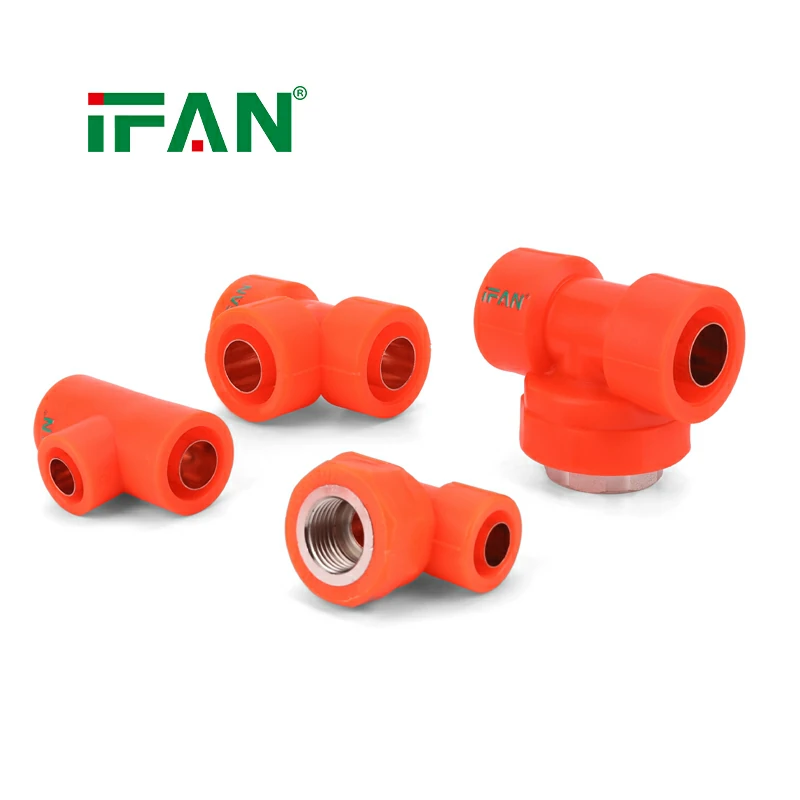
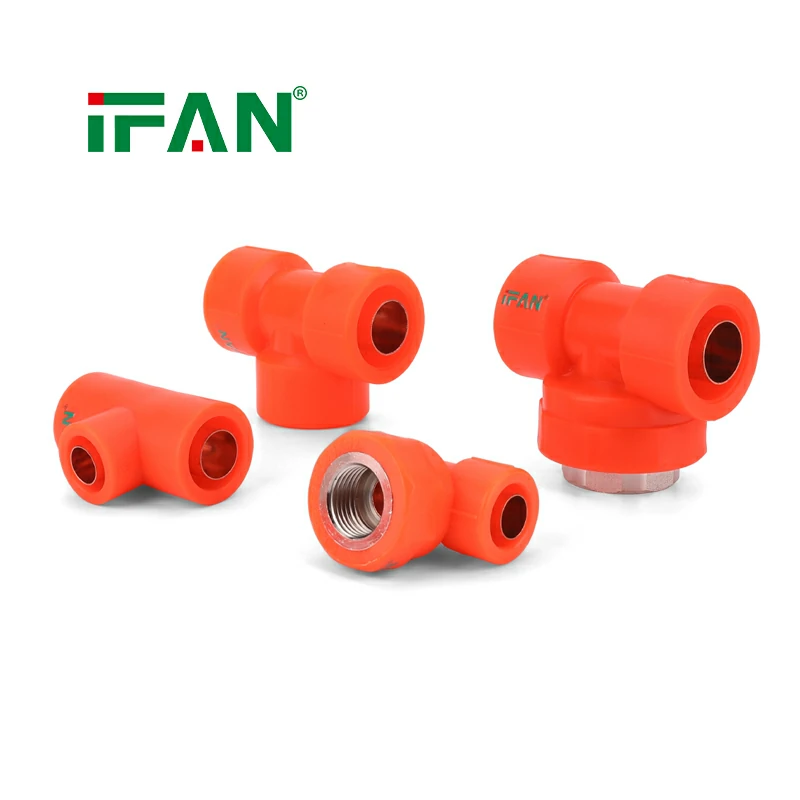
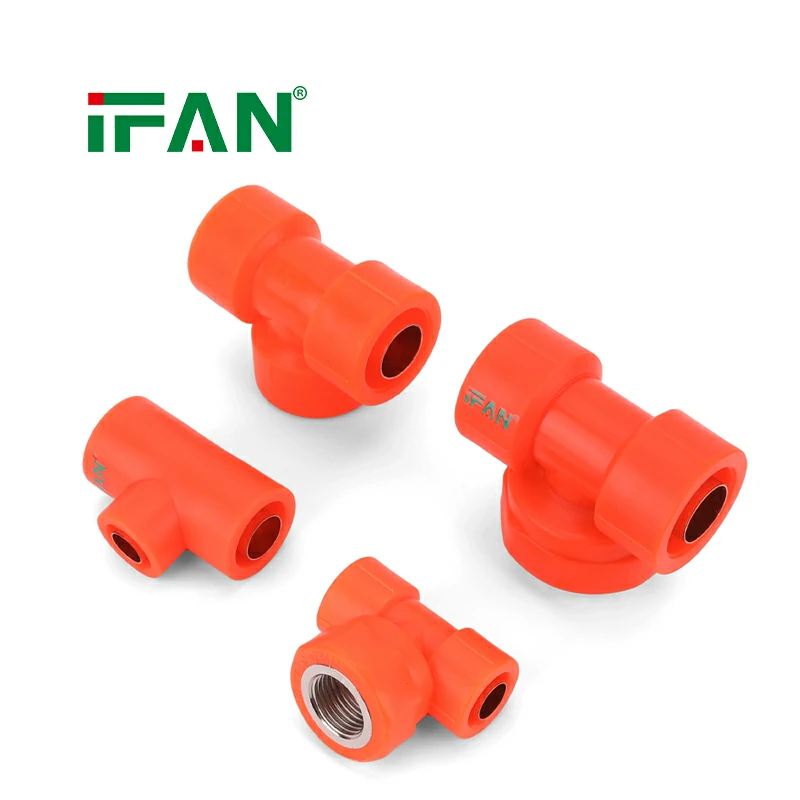
Complex fittings use multi-cavity molds for efficiency. Hot runner systems reduce material waste significantly. Vent holes in molds release trapped air during filling. Core pins create precise internal channels in tees or elbows.
If you have read this article and have any questions, please feel free to contact IFAN. Below is our contact information:
Whatsapp:+86 13373827623
Email:[email protected]