


Composition and Strength of HDPE Pipe
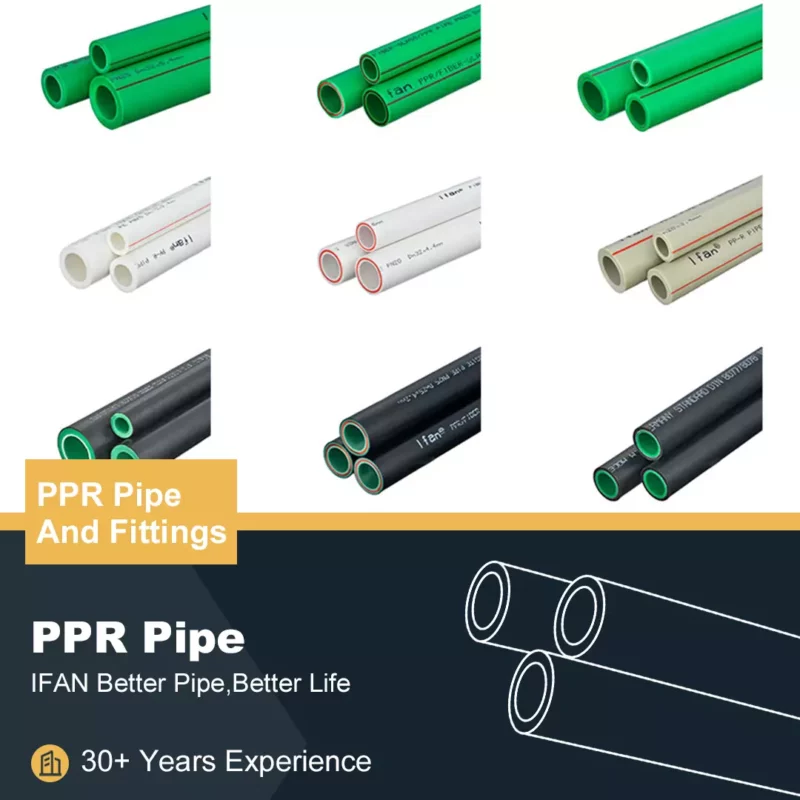
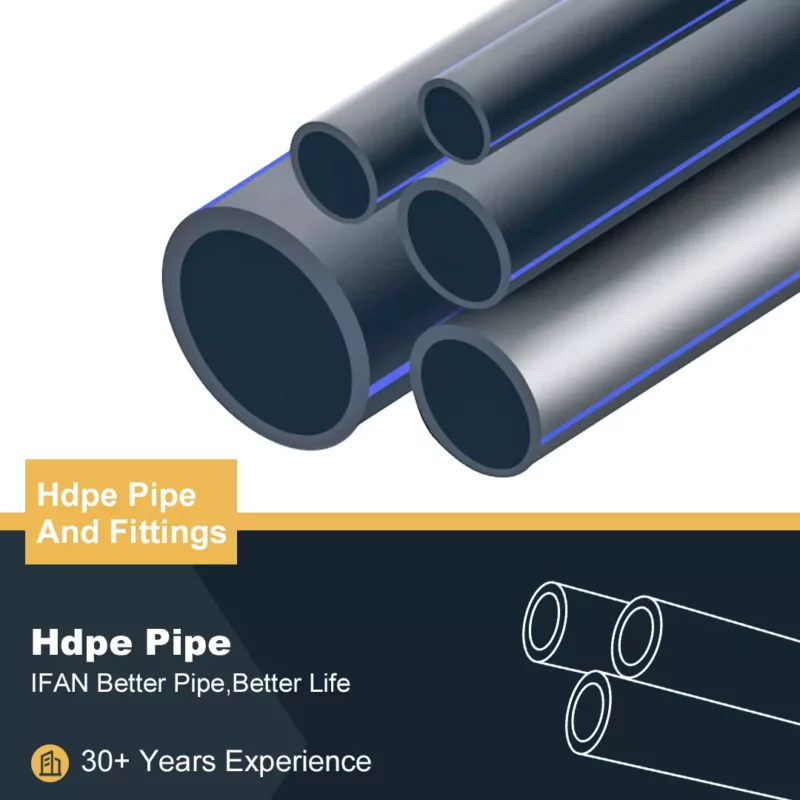
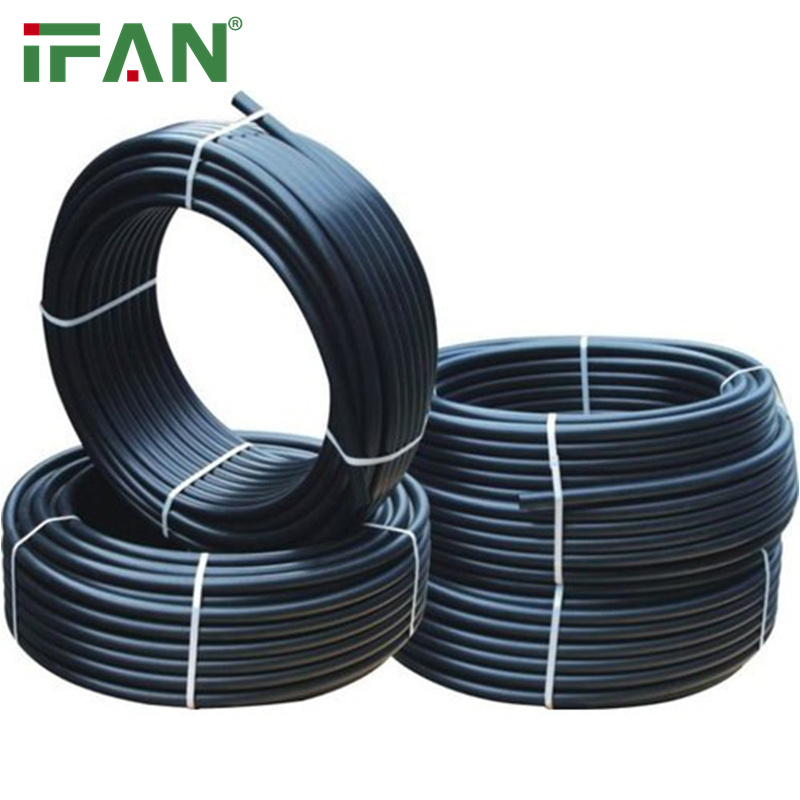
HDPE pipes feature a smooth inner wall and a durable exterior that resists abrasion and impact.They suit high-wear environments such as mining operations and slurry transport systems.
Slurry and Solid Transport in Mines
Mining companies use HDPE pipelines to move ore slurry between processing stations.These pipelines handle rocks, dust, and chemicals without failure.
Wear Resistance and Longevity
Engineers select thick-walled HDPE pipes to resist internal wear from abrasive materials.Installers install wear indicators on external surfaces for inspection.
High-Pressure Jointing Systems
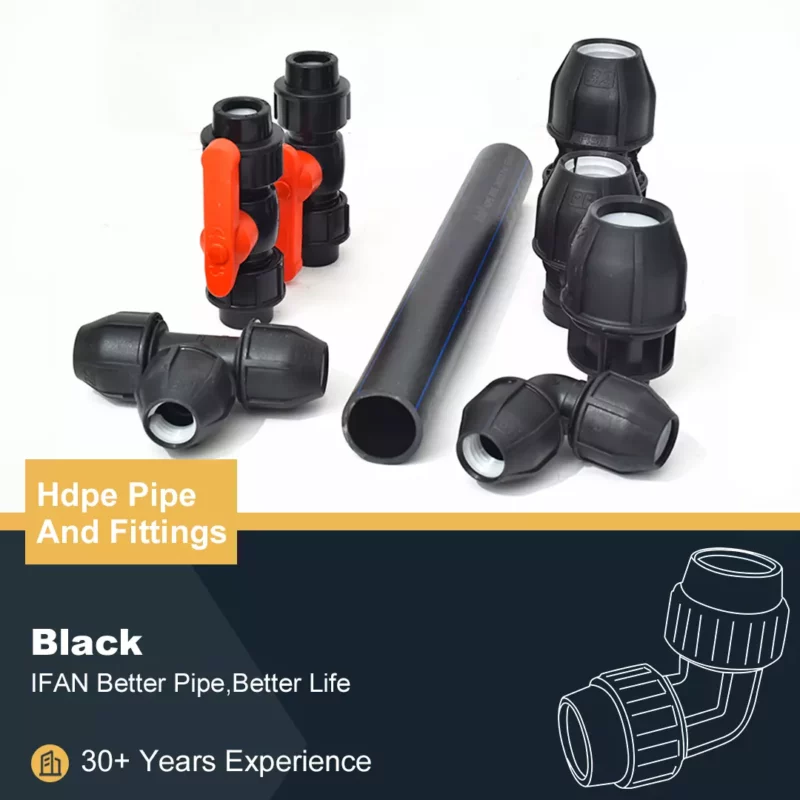
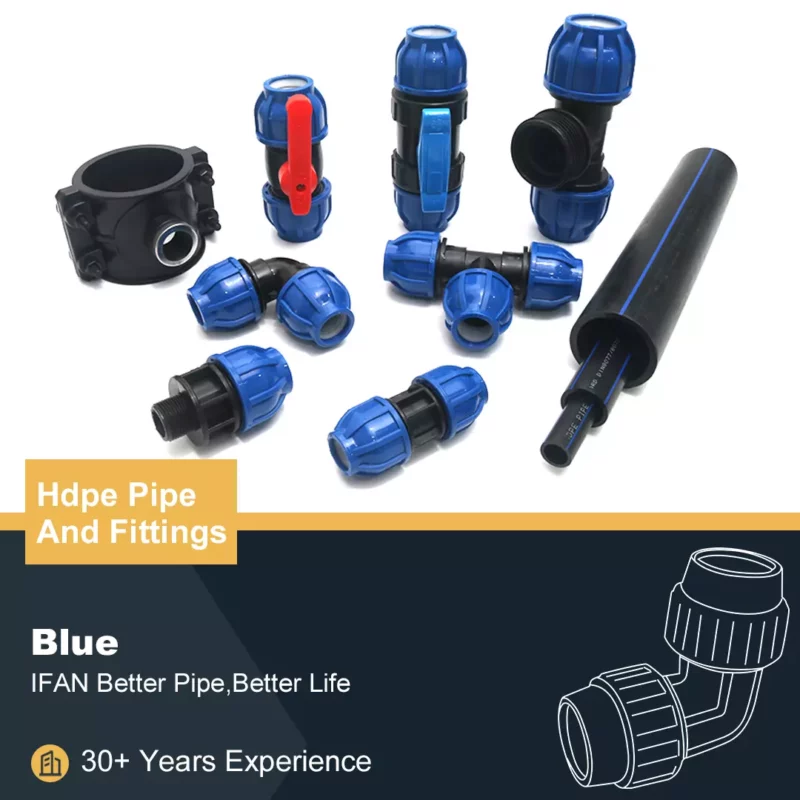
Workers use flanged joints or fusion methods for secure high-pressure operation.They monitor joint temperatures to avoid weak bonds under pressure.
Anchor and Support Planning
Installers secure HDPE pipes using clamps and anchors at regular intervals.They calculate support distances based on pipe diameter and expected load.
Thermal Movement Considerations
Engineers design expansion joints to allow for pipe movement from heat changes.Installers place these joints near bends or long straight runs.
Maintenance in Harsh Conditions
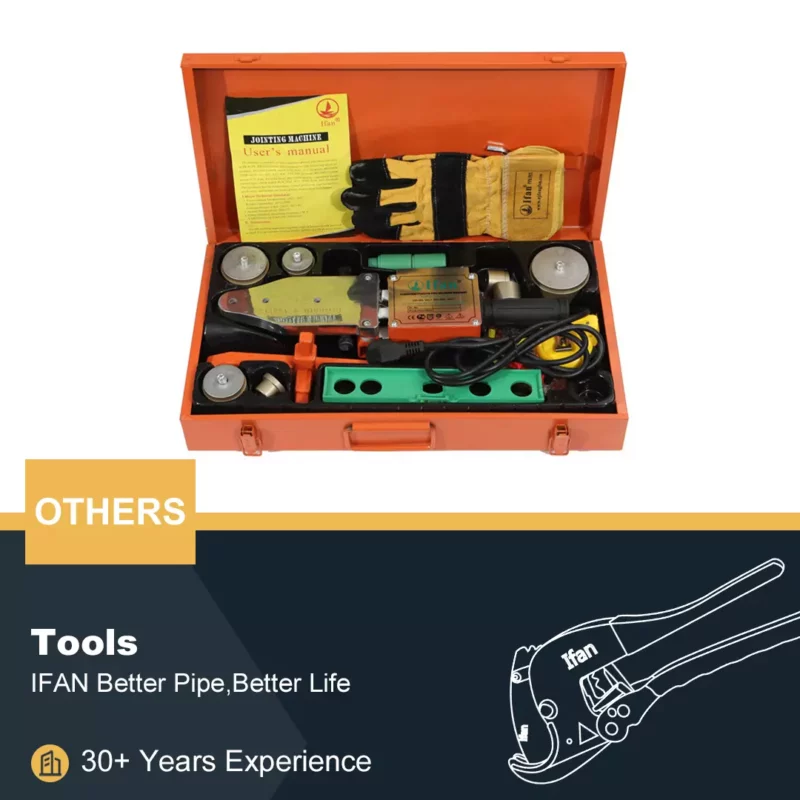
Workers inspect pipes weekly to check for cracks, leaks, or buckling.They replace worn areas using fusion welding and alignment tools.
Shutdown and Cleaning Procedures
Operators schedule periodic shutdowns for full-line flushing with clear water.Maintenance teams use remote cameras to inspect long runs after cleaning.
If you have read this article and have any questions, please feel free to contact IFAN. Below is our contact information:
Whatsapp:+86 13373827623
Email:[email protected]