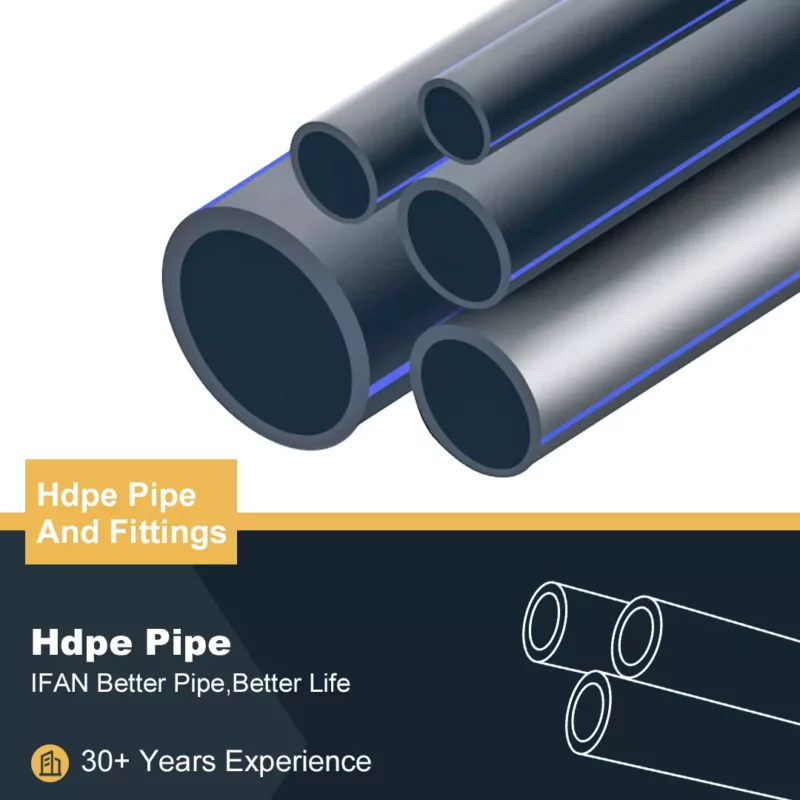
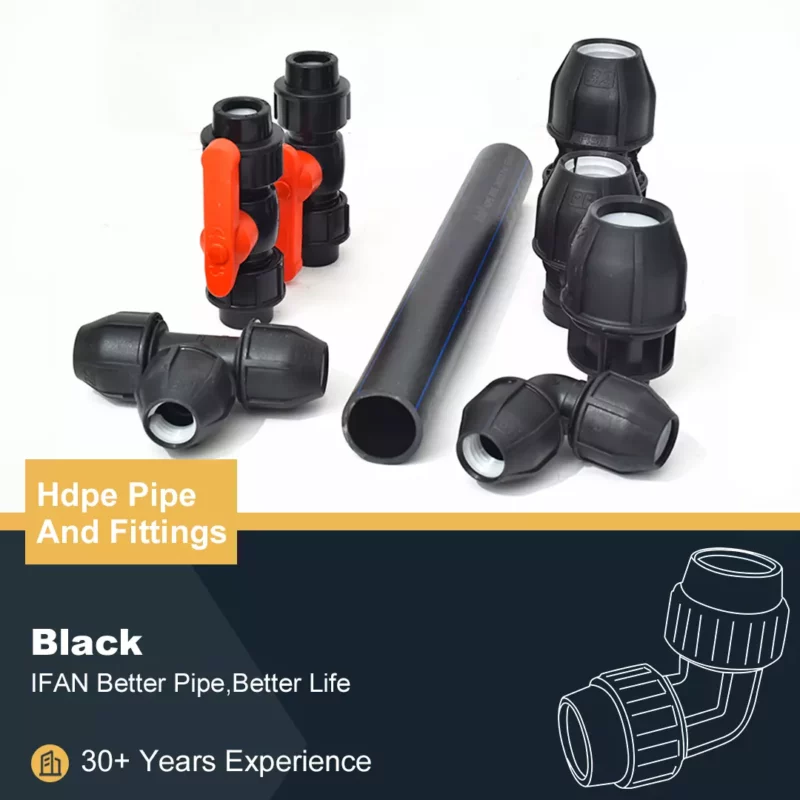
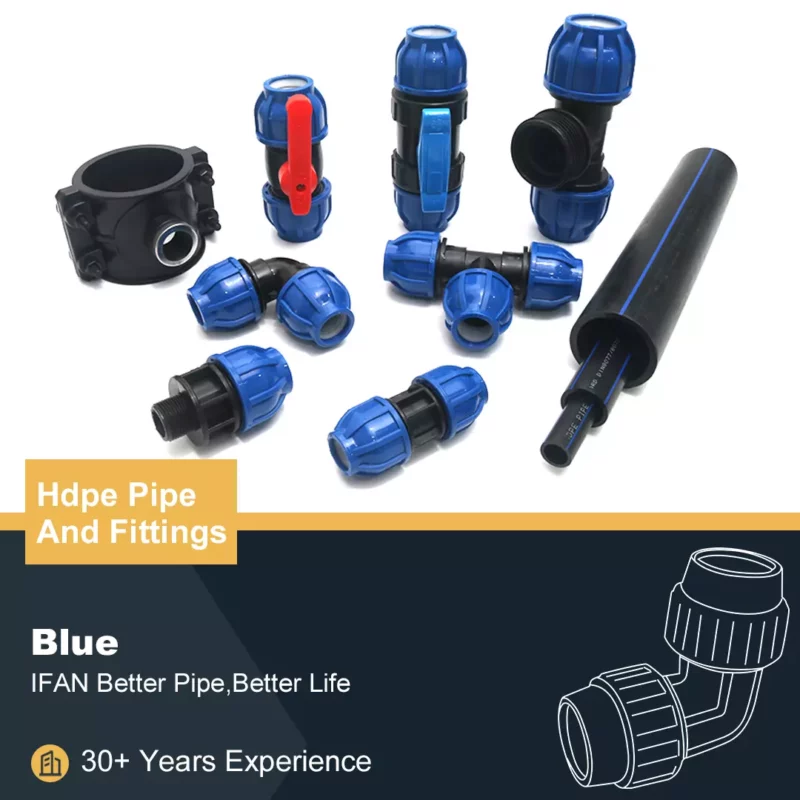
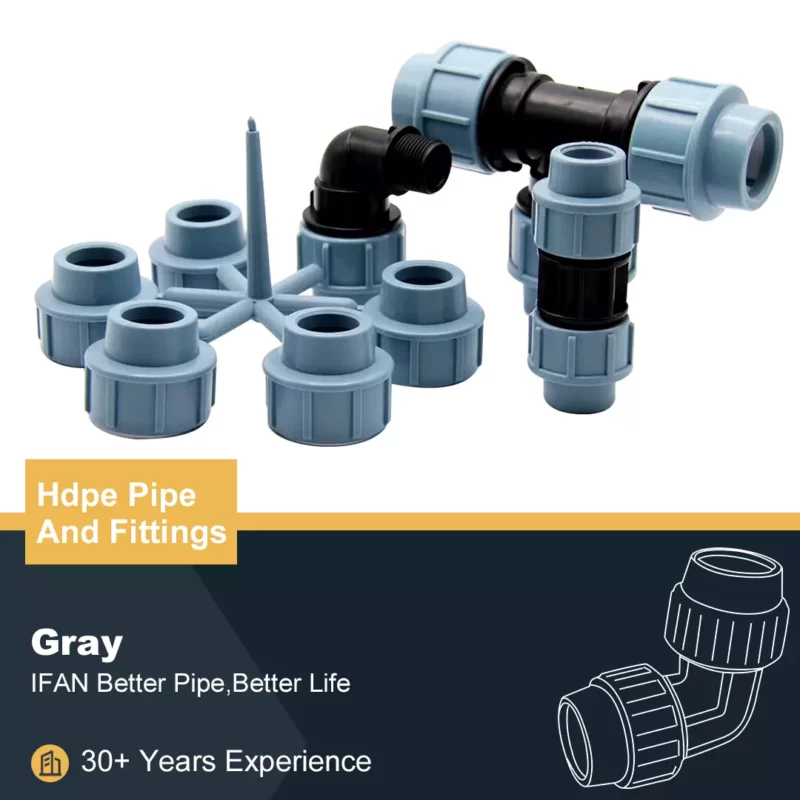


Material Profile of HDPE Pipe
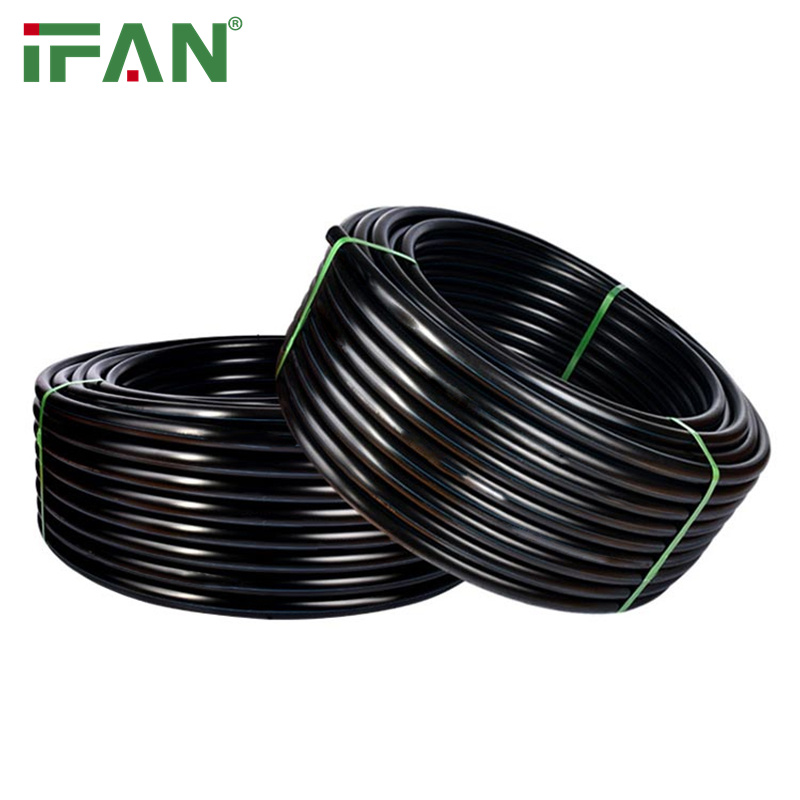
HDPE pipes resist chemical exposure, pressure changes, and soil movement.These pipes work well for gravity-based or pumped drainage applications.
Underground Drainage Uses
Contractors install HDPE pipes under roads or buildings to carry stormwater or greywater to disposal points.They choose pipe diameters based on rain intensity and catchment area.
Slope and Gradient Control
Engineers lay HDPE pipelines with exact slope measurements to ensure consistent water flow.Installers measure depth and gradient using laser levels or GPS tools.
Jointing and Connection Details
Crews weld pipe joints using butt fusion or insert couplings with rubber seals.Workers test pressure after joining to ensure watertight performance.
Manhole and Access Integration
Installers add manholes or inspection chambers every 30–50 meters along HDPE pipelines.These access points help maintenance teams clean or inspect blocked areas quickly.
Root Intrusion and Soil Pressure Prevention
Workers shield HDPE pipes from tree roots using barriers or deeper burial.They compact soil around the pipe to prevent deformation from above-ground loads.
Blockage Prevention Measures
Engineers install grates or screens at inlets to keep debris out of HDPE systems.Maintenance teams remove accumulated leaves or plastic regularly.
Periodic Flow Testing and Cleaning
Operators test flow speed during storms to check for partial blockage.
Workers flush systems with water jets to maintain efficiency.
If you have read this article and have any questions, please feel free to contact IFAN. Below is our contact information:
Whatsapp:+86 13373827623
Email:[email protected]