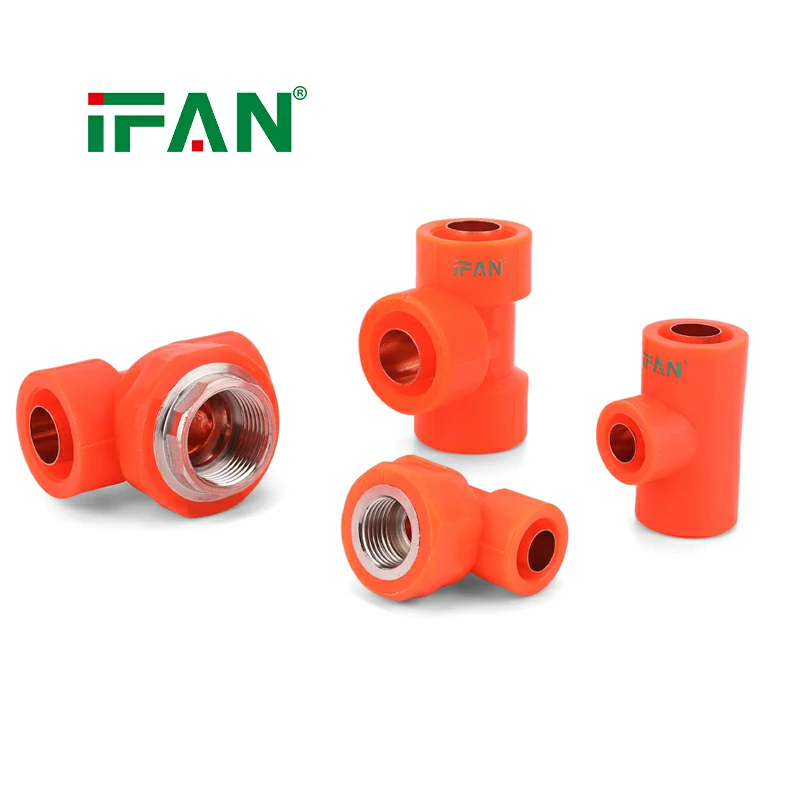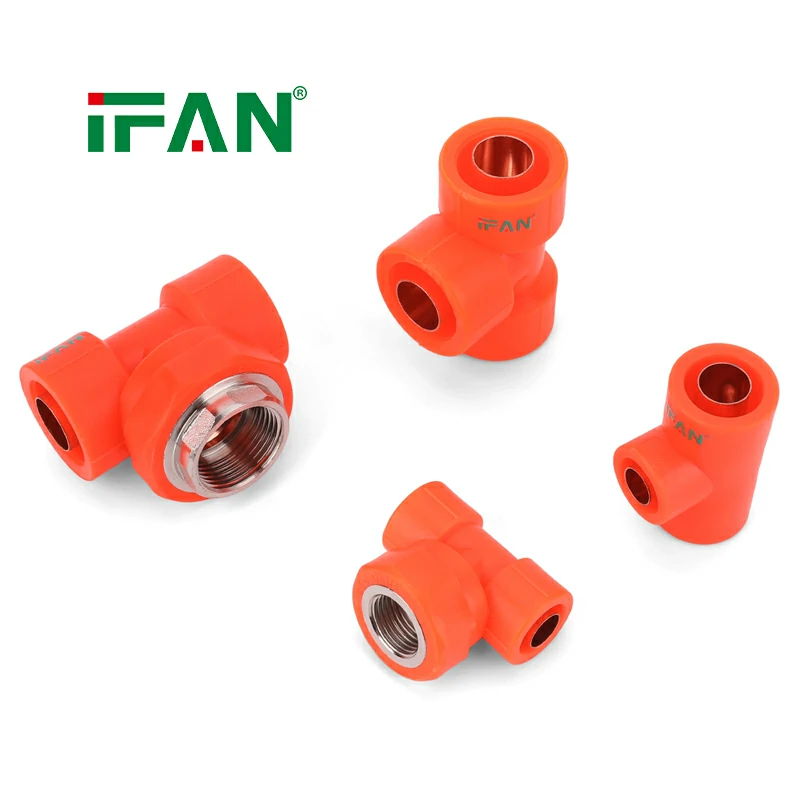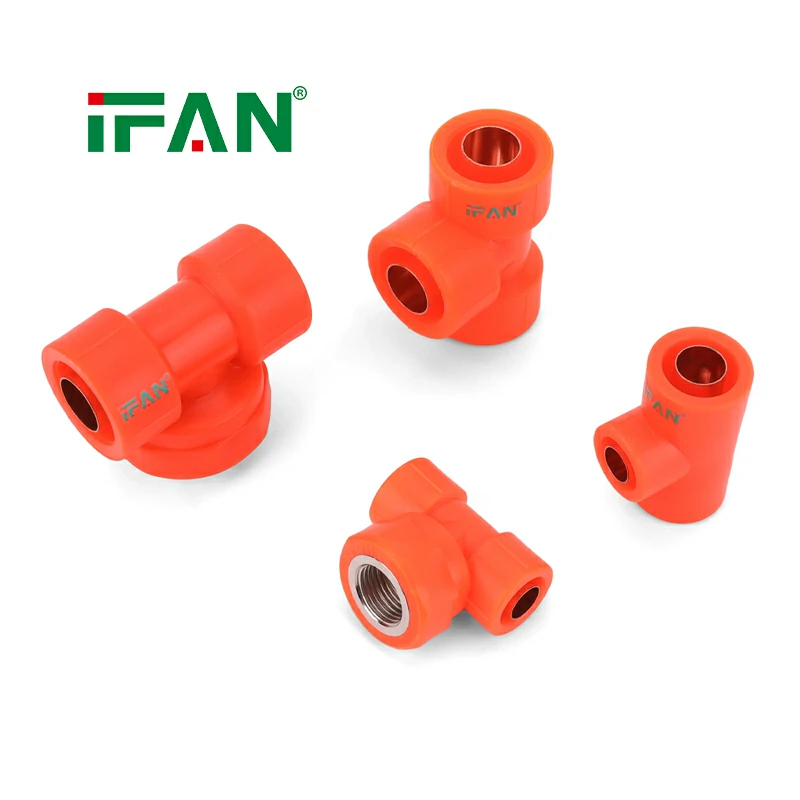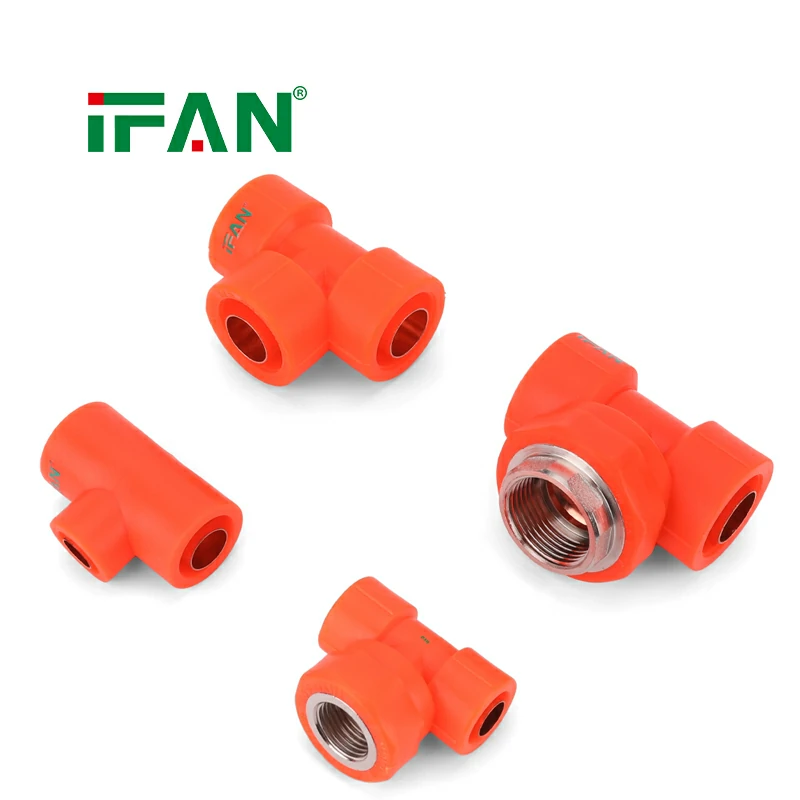




Thermal Expansion Differences
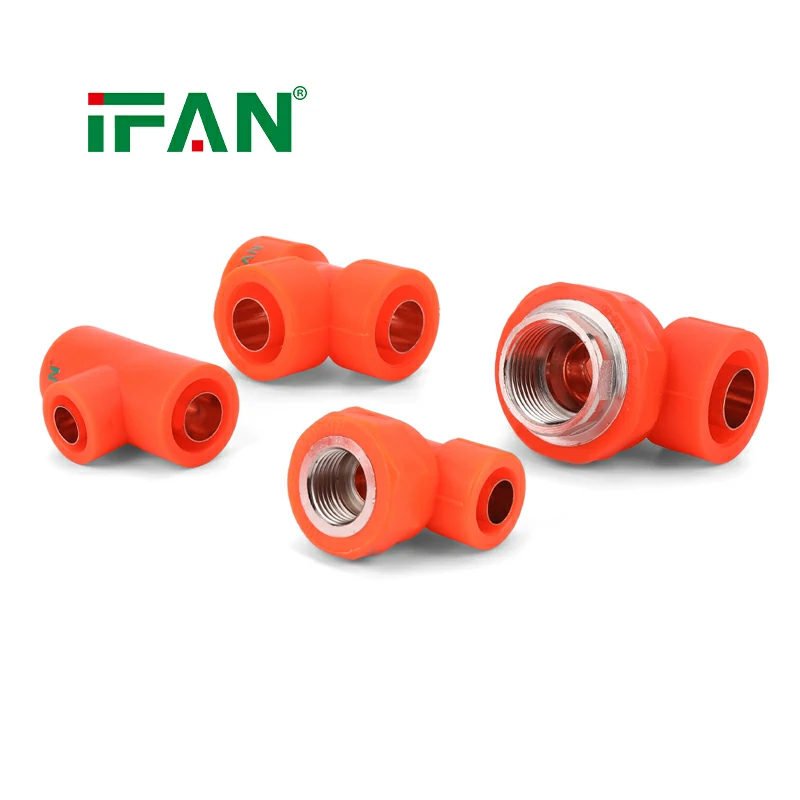
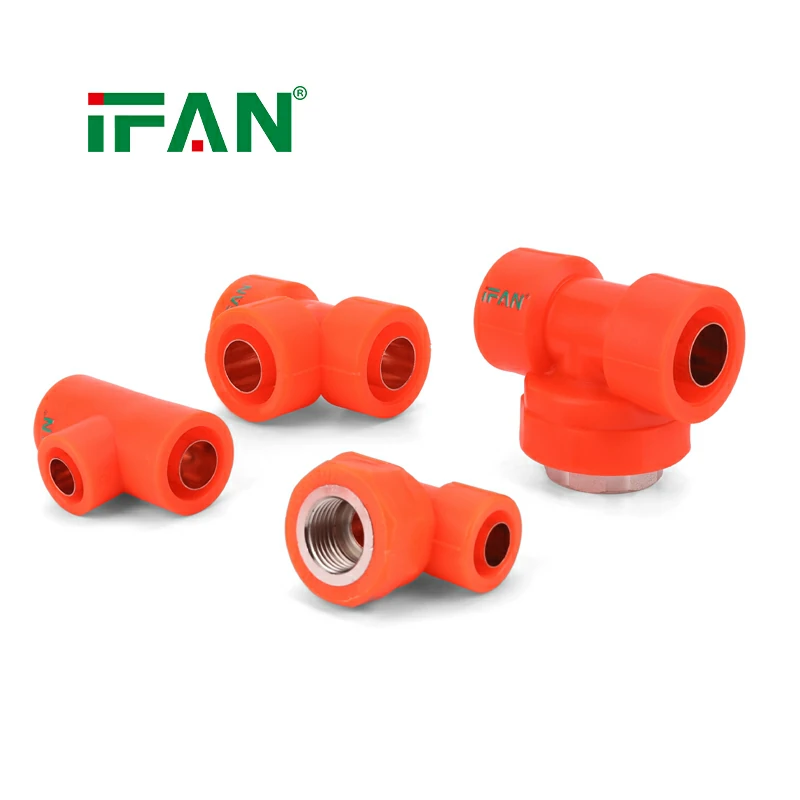
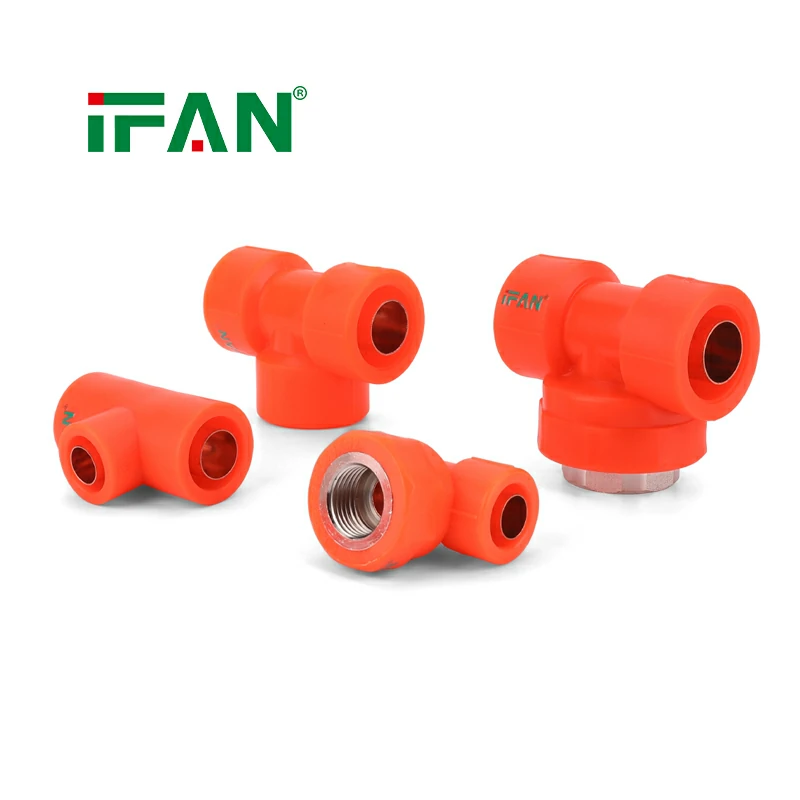
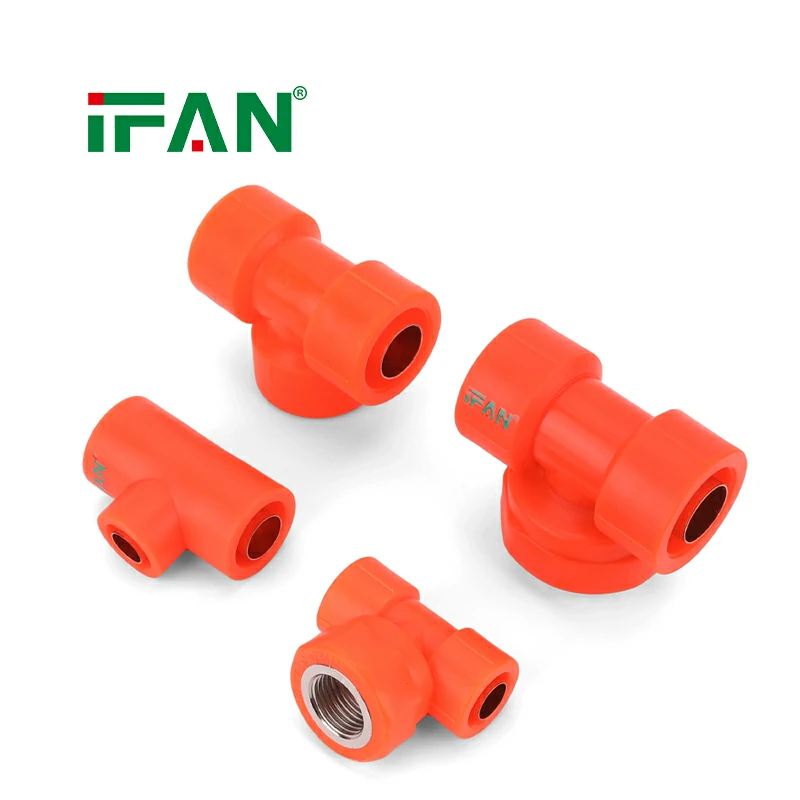
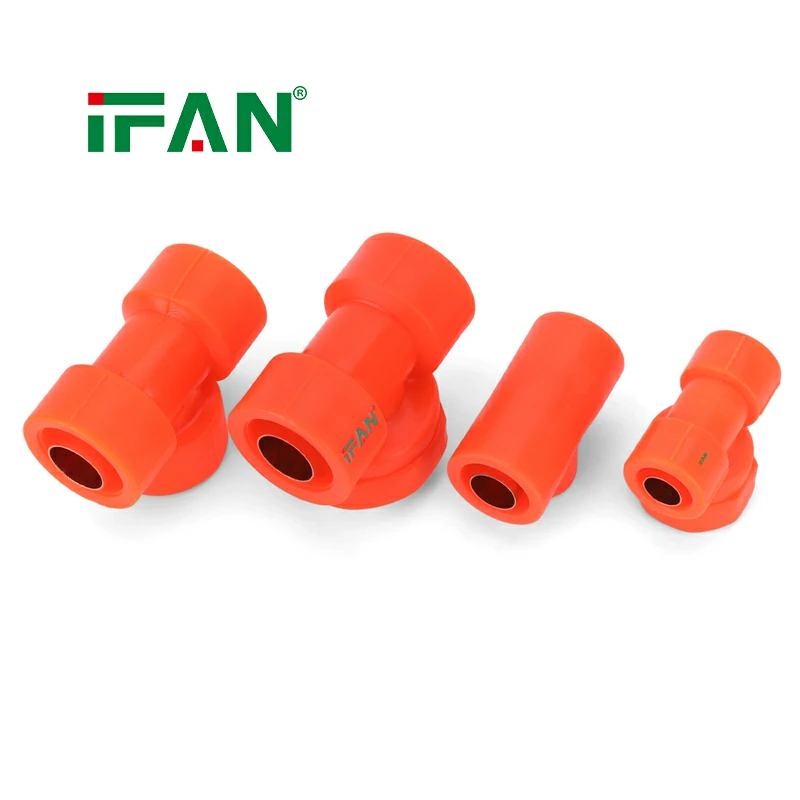
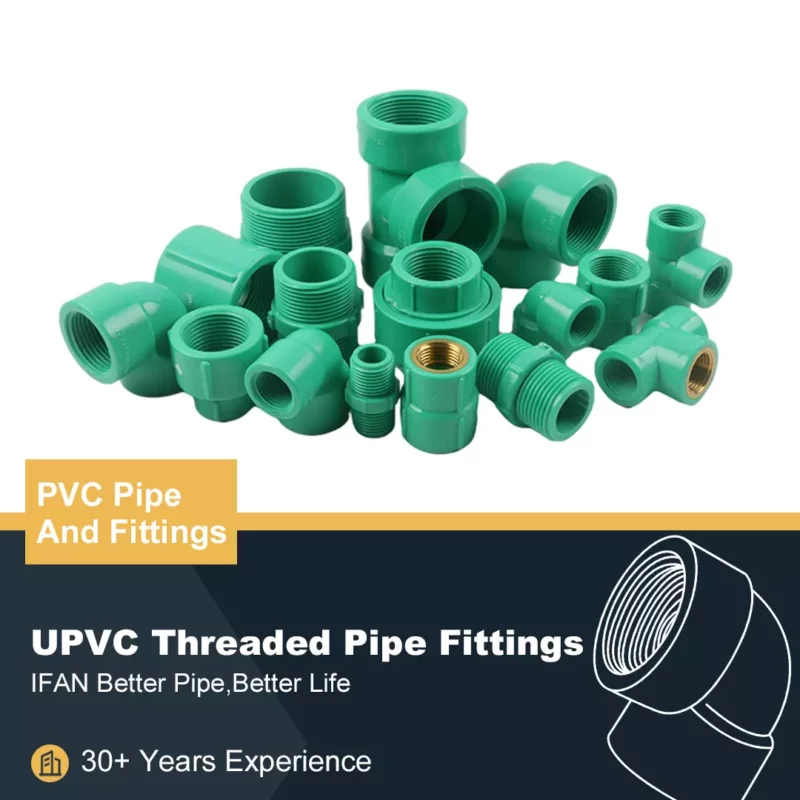
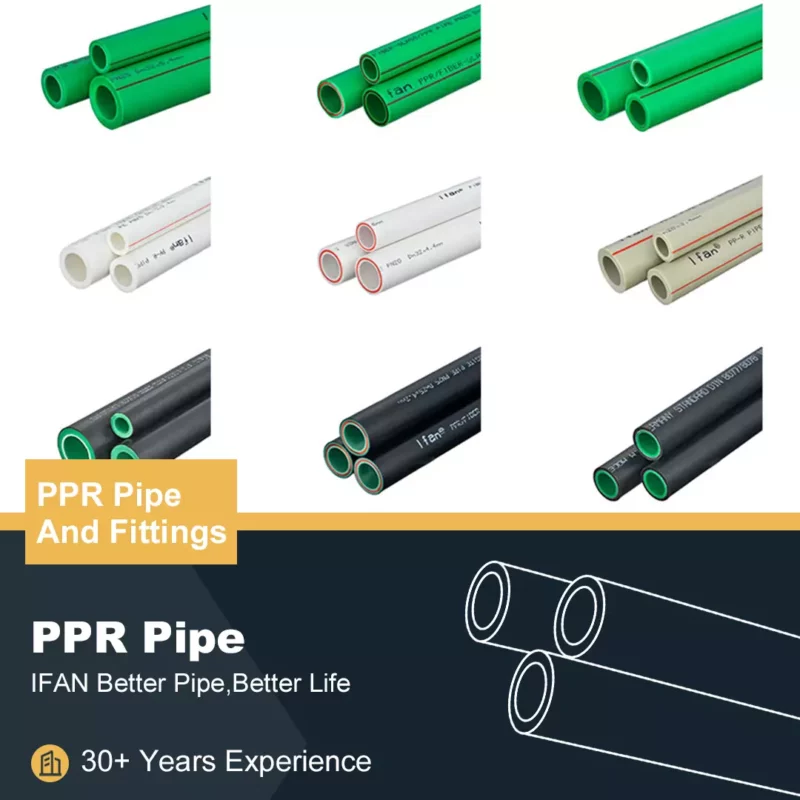
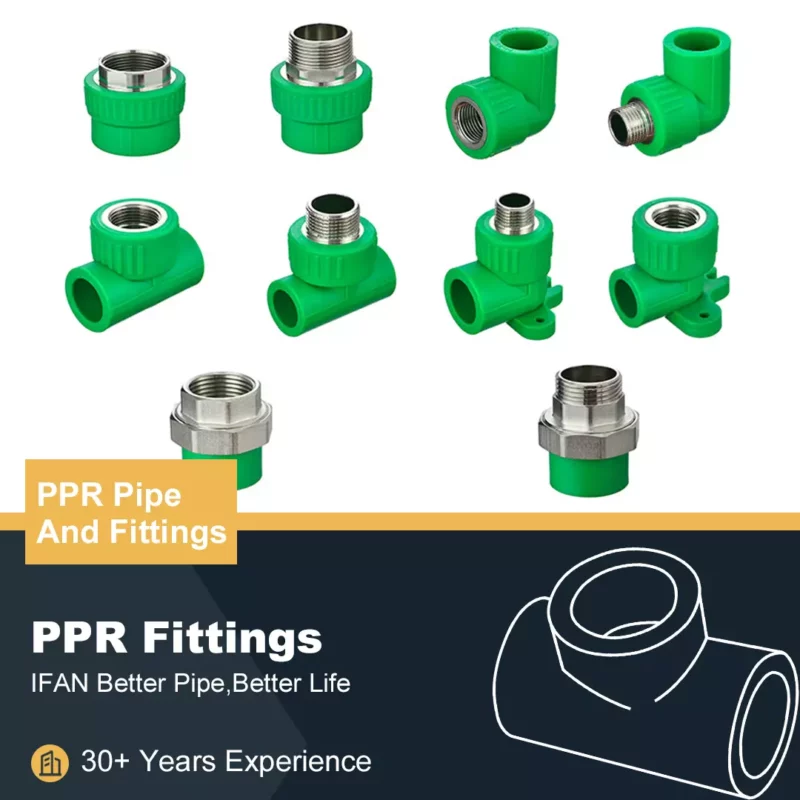
PPR fittings expand 0.15mm per meter per °C rise. Copper fittings expand only 0.017mm under same conditions. PPR’s flexibility absorbs this expansion. Installers add expansion loops for long straight runs. This prevents pipe stress in hot water systems.
Weight and Installation Effort
A 20mm PPR elbow weighs 15-20g. Same size brass elbow weighs 80-100g. Lighter weight reduces transport and handling effort. Workers carry more PPR fittings in tool belts easily. This speeds up installation time by 20% roughly.
Cost-Per-Lifespan Analysis
PPR fittings cost 30% less than brass initially. They last Long-term durability according to standards vs. brass’s 30 years. This lowers long-term replacement expenses clearly. Labor costs for replacement favor PPR too. Its lighter weight cuts removal time significantly.
Chemical Resistance Variations
PPR resists sulfuric acid up to 50% concentration. PVC fittings corrode at 30% concentration. This makes PPR better for industrial use. PPR handles chlorine in swimming pool systems well. Brass fittings develop pitting in chlorinated water slowly.
Flow Resistance Comparisons
PPR fittings have smooth inner walls with 0.007mm roughness. Steel fittings average 0.045mm roughness. This reduces pressure loss in PPR systems. Pumps use less energy to move water through PPR networks. Flow meters show 5-8% higher rates in PPR setups.
Temperature Range Limits
PPR works reliably between -10°C and 95°C. Copper handles -20°C to 120°C but costs more. PVC fails above 60°C quickly. This makes PPR ideal for residential hot water. It suits most climate zones without extra insulation.
If you have read this article and have any questions, please feel free to contact IFAN. Below is our contact information:
Whatsapp:+86 13373827623
Email:[email protected]