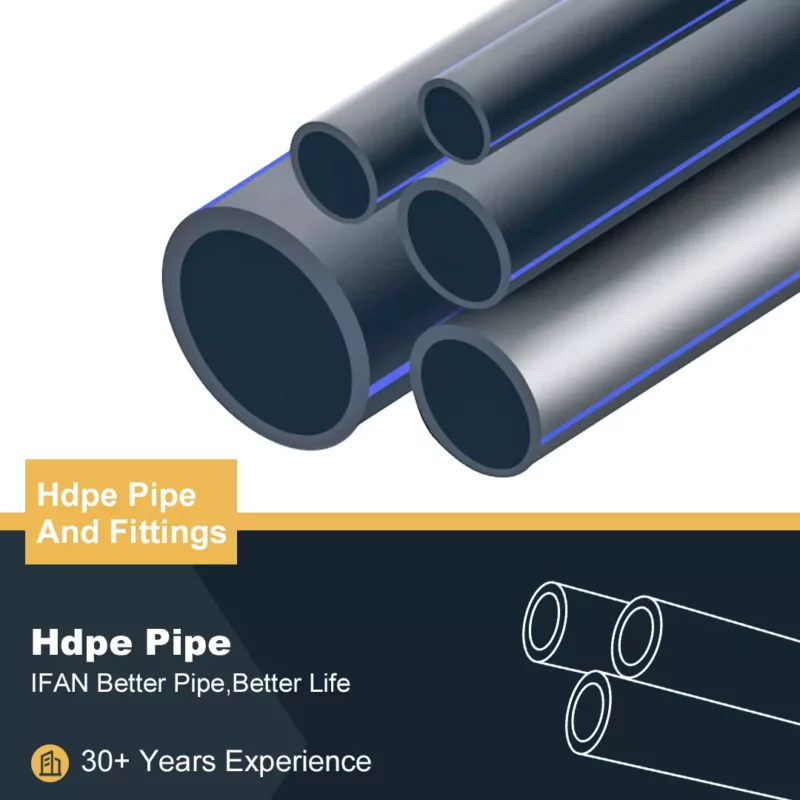
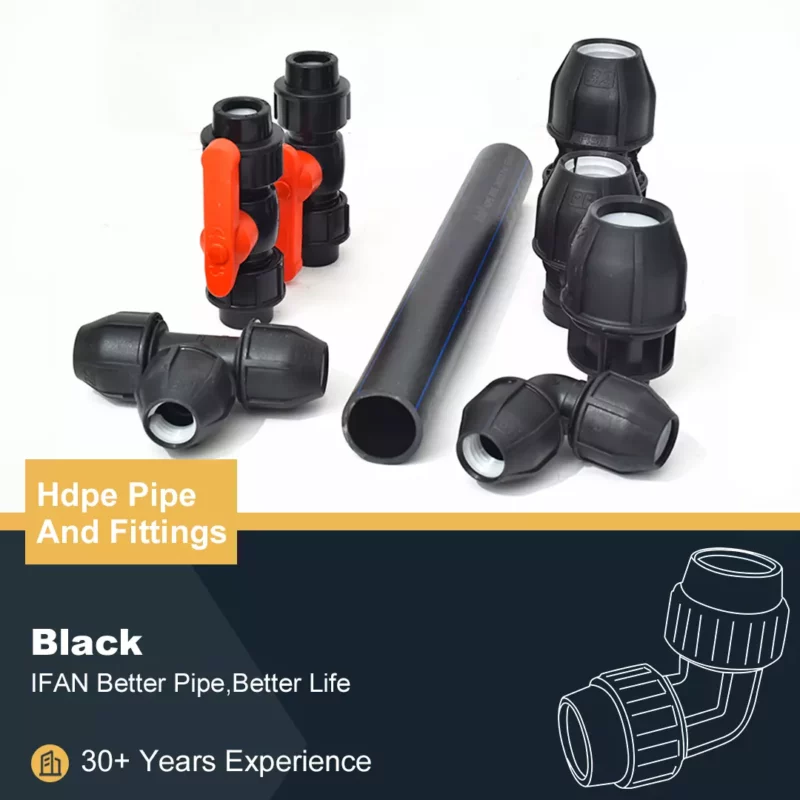
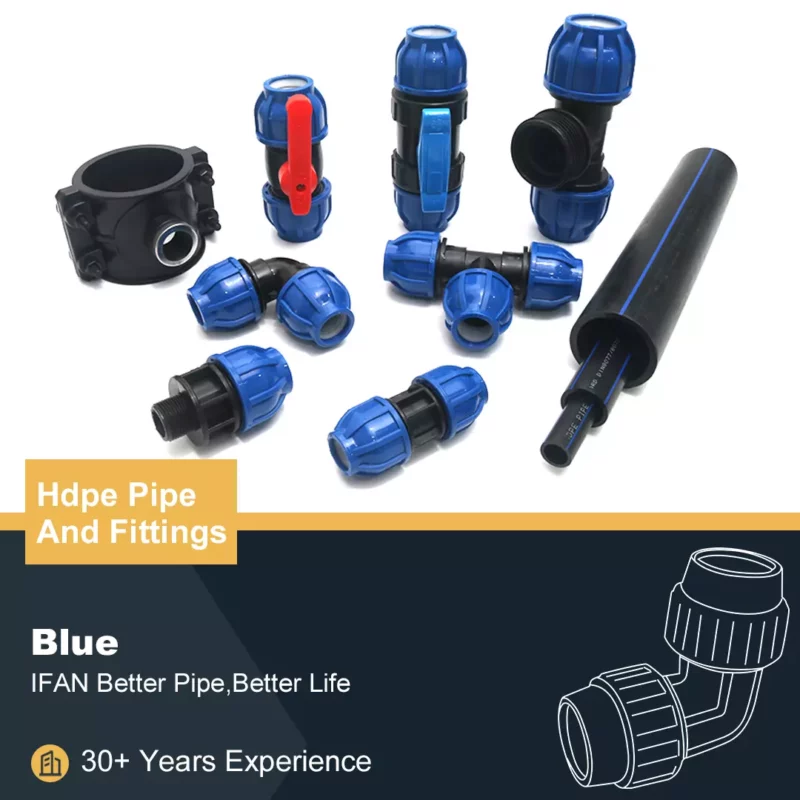
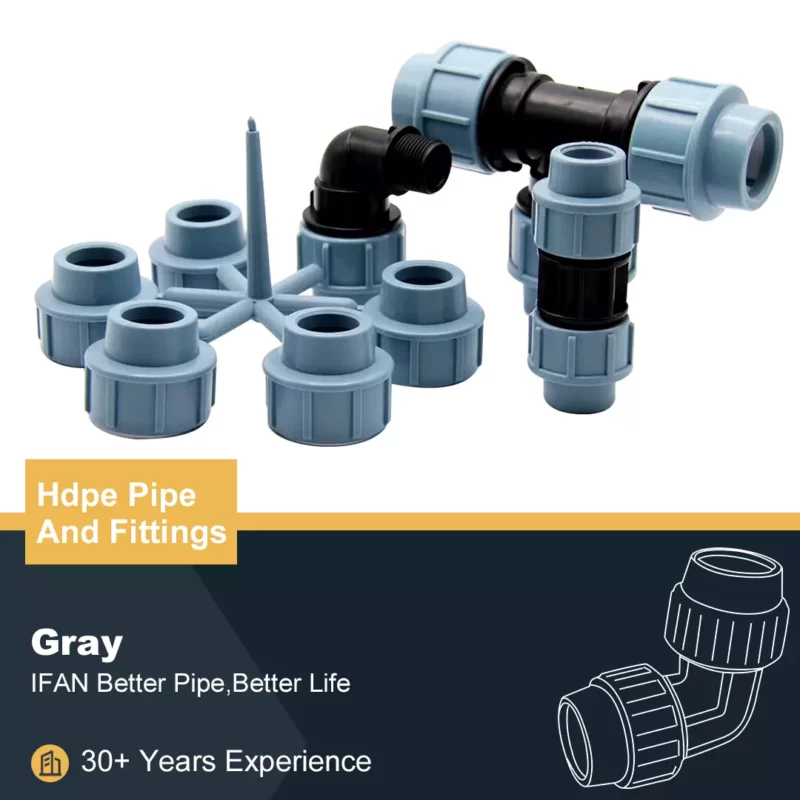

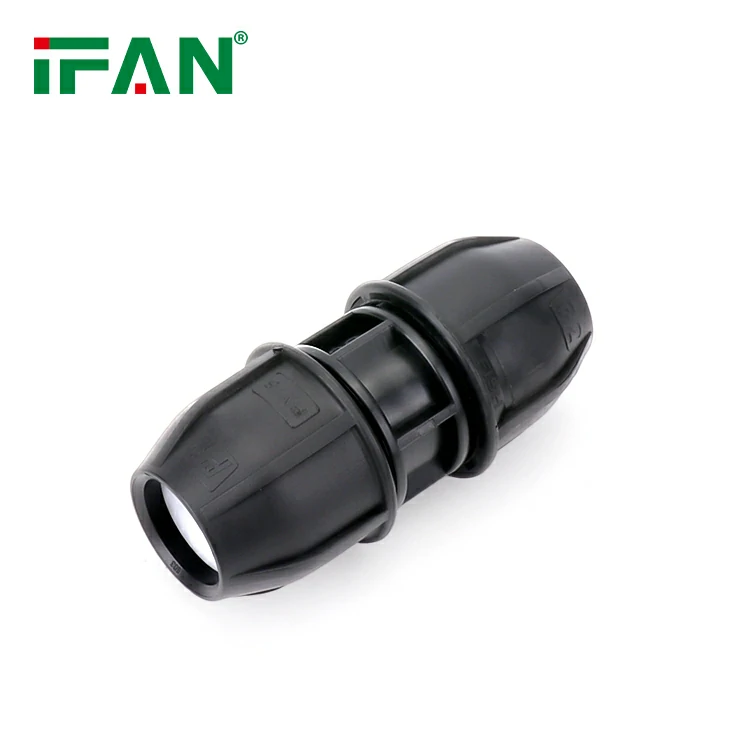
High-Density Polyethylene (HDPE) pipe fittings have become a preferred choice in modern piping networks due to their durability, efficiency, and ease of installation. HDPE is widely used in various industries for its excellent resistance to corrosion, chemicals, and wear. When combined with appropriate fittings, it contributes significantly to the development of efficient and reliable piping systems. This article explores the role of HDPE pipe fittings in optimizing piping networks and their benefits for different sectors.
Why HDPE Pipe Fittings Are Essential
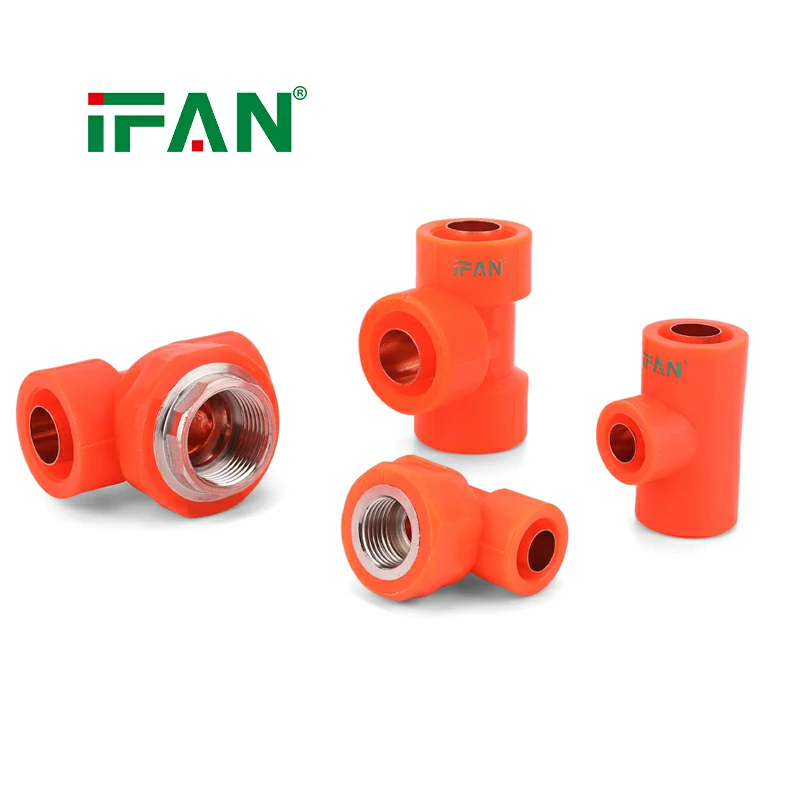
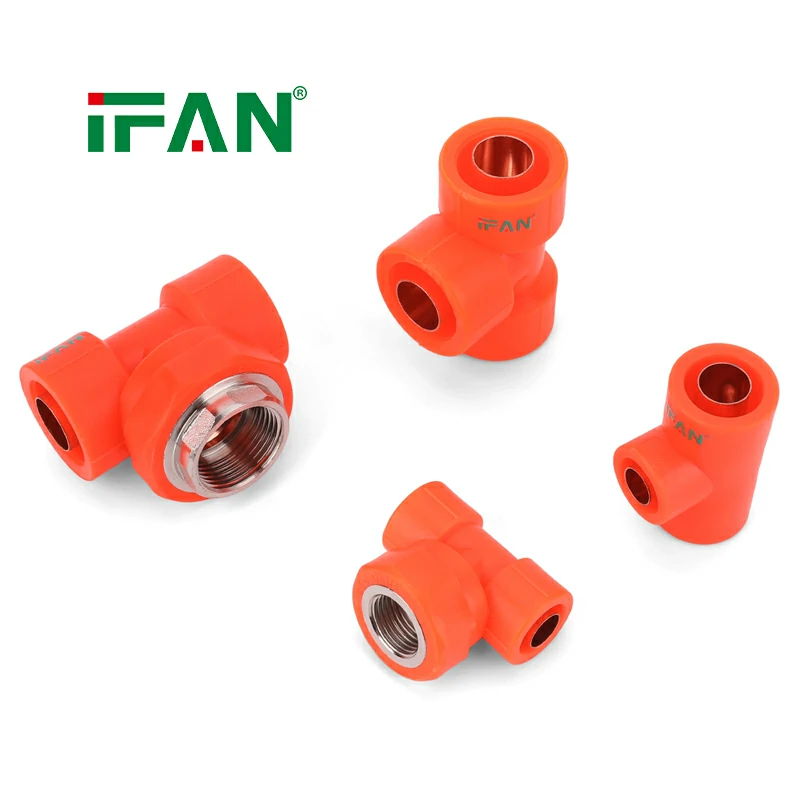
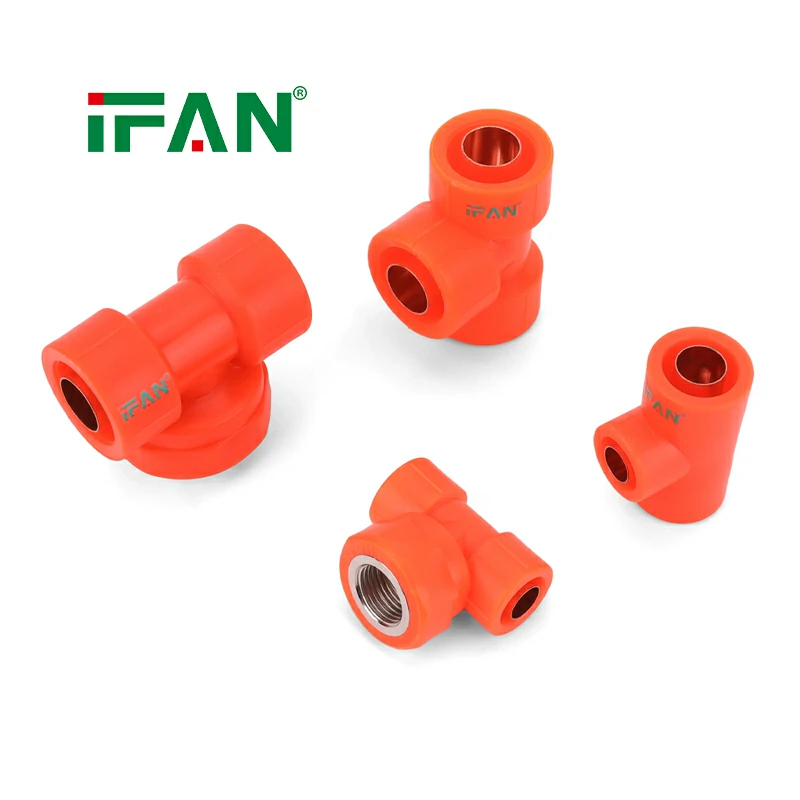
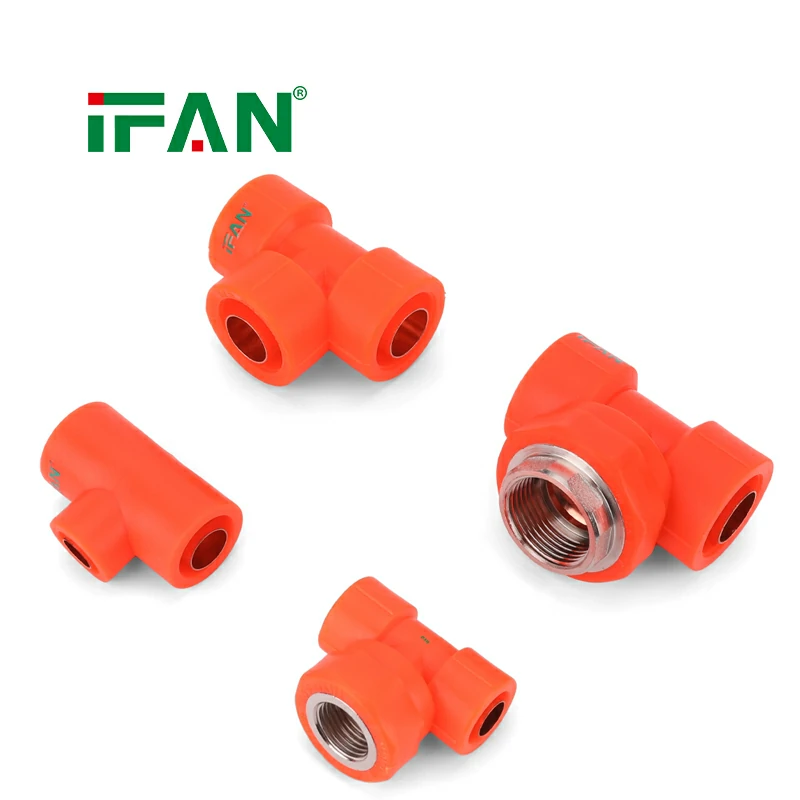
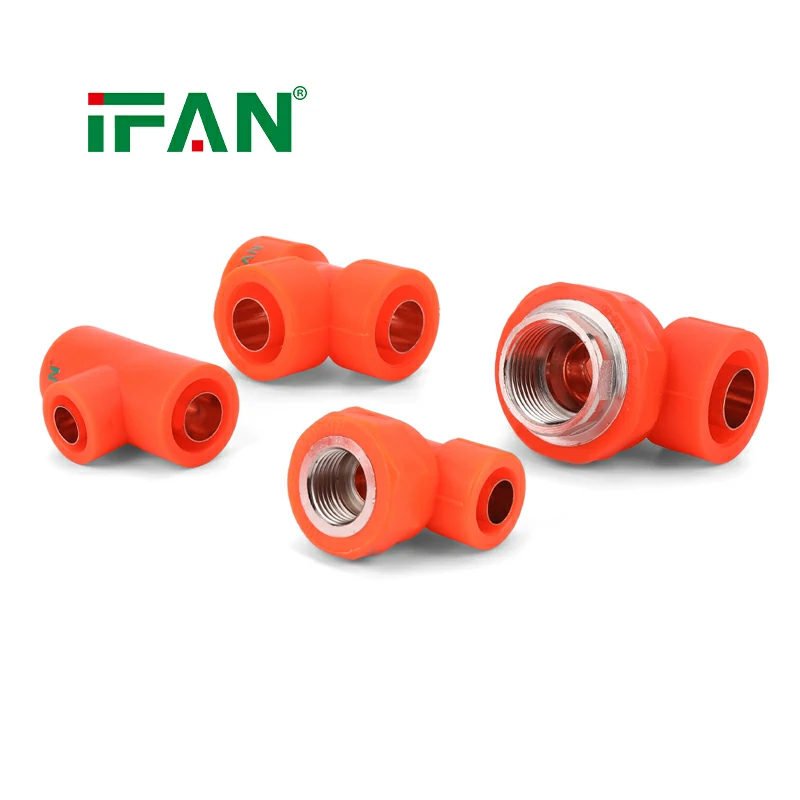
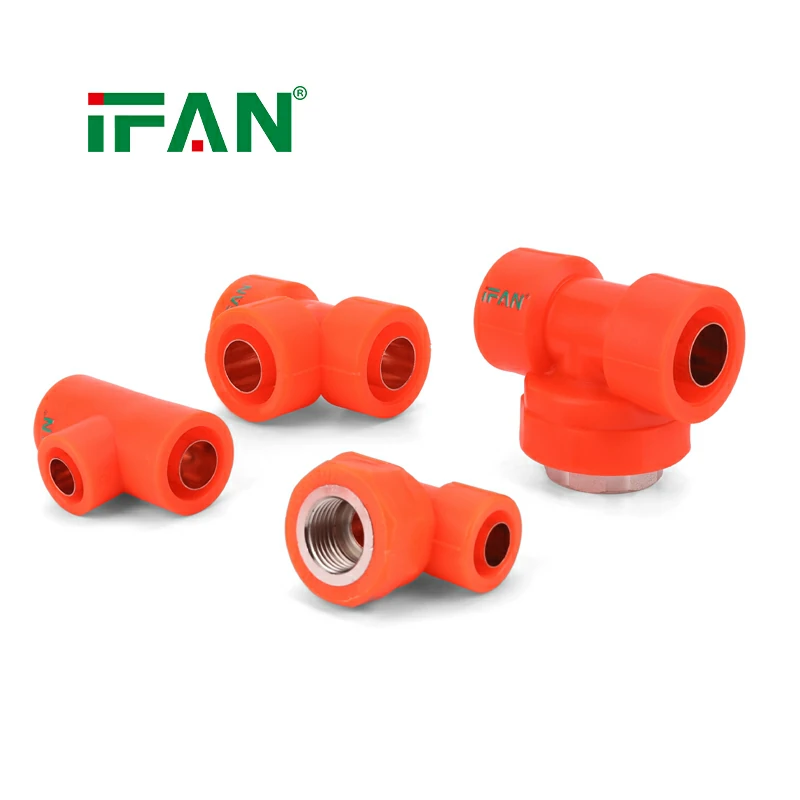
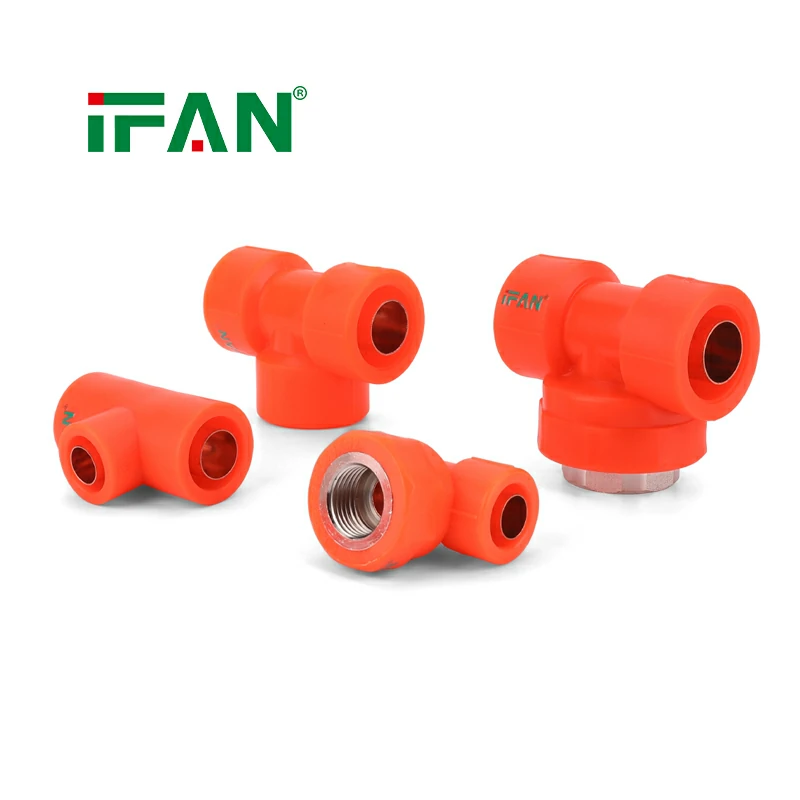
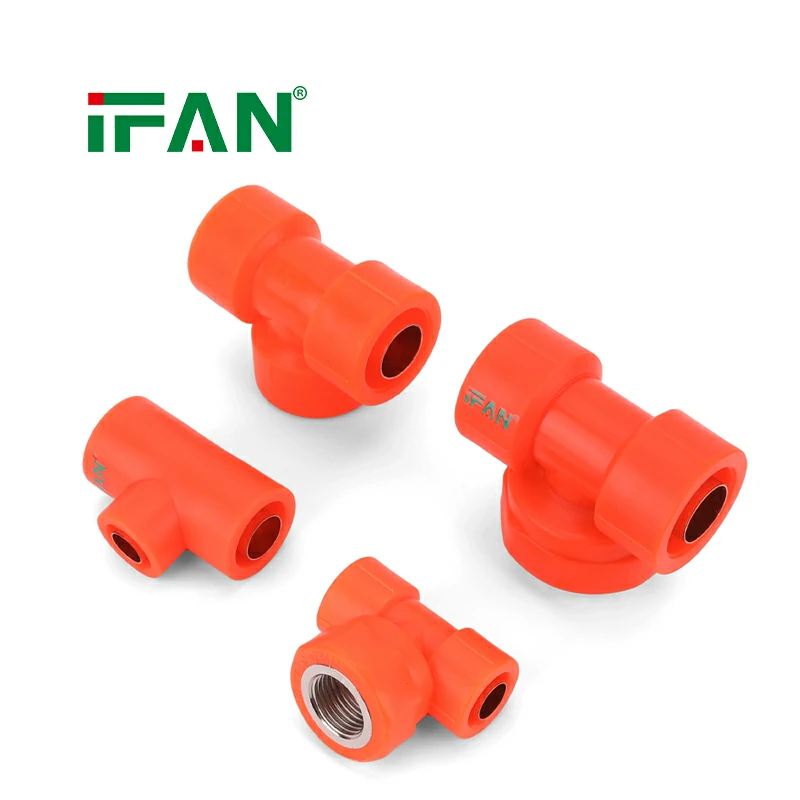
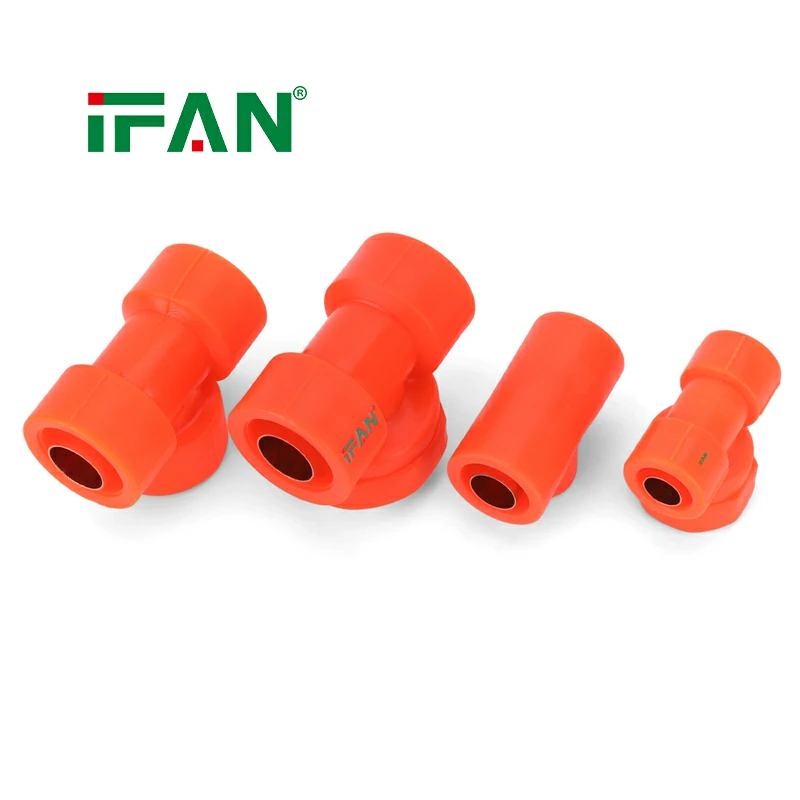
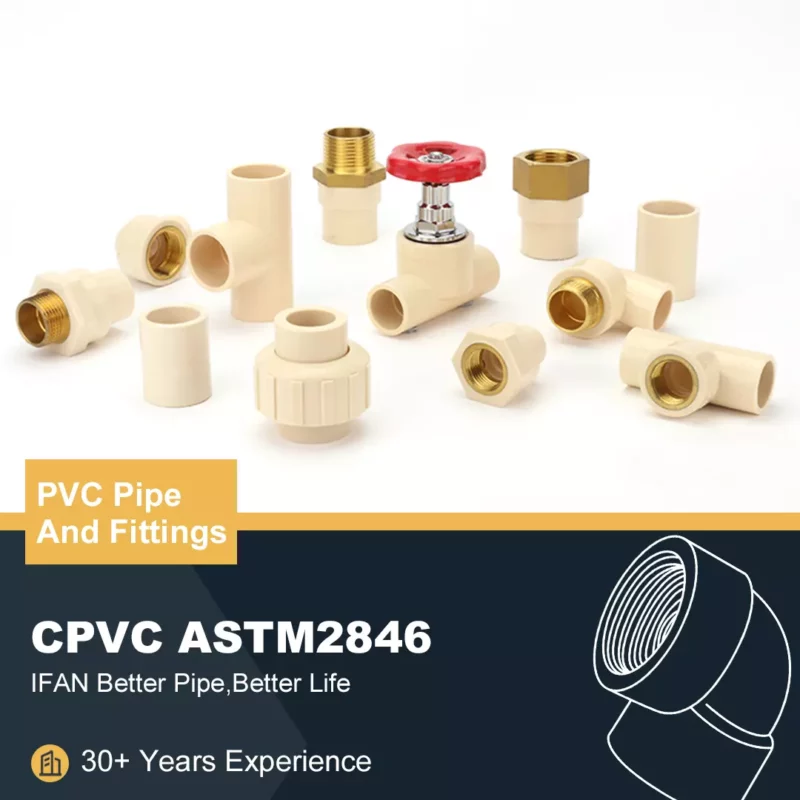
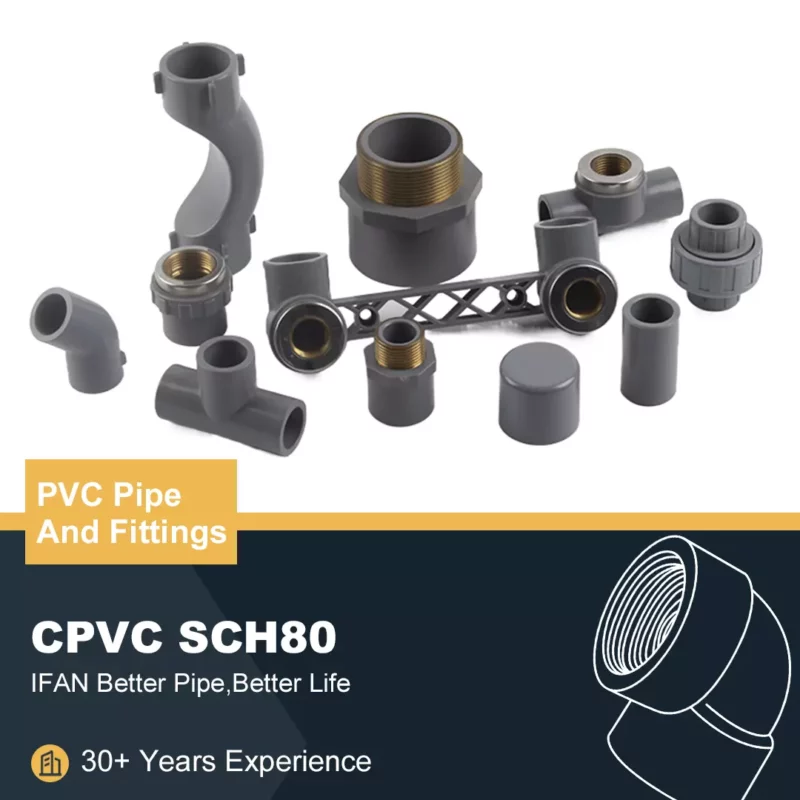
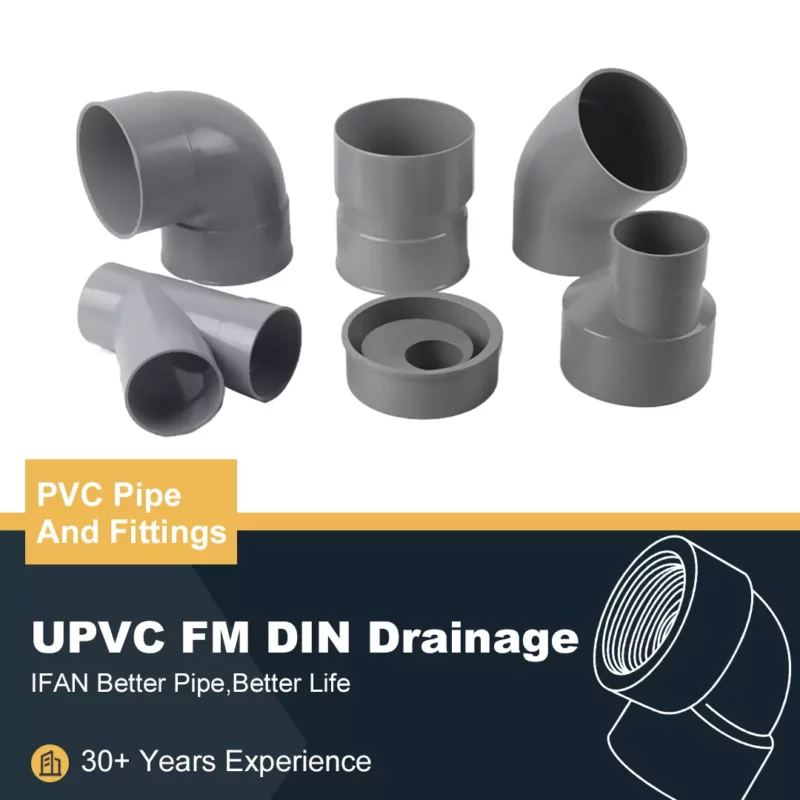
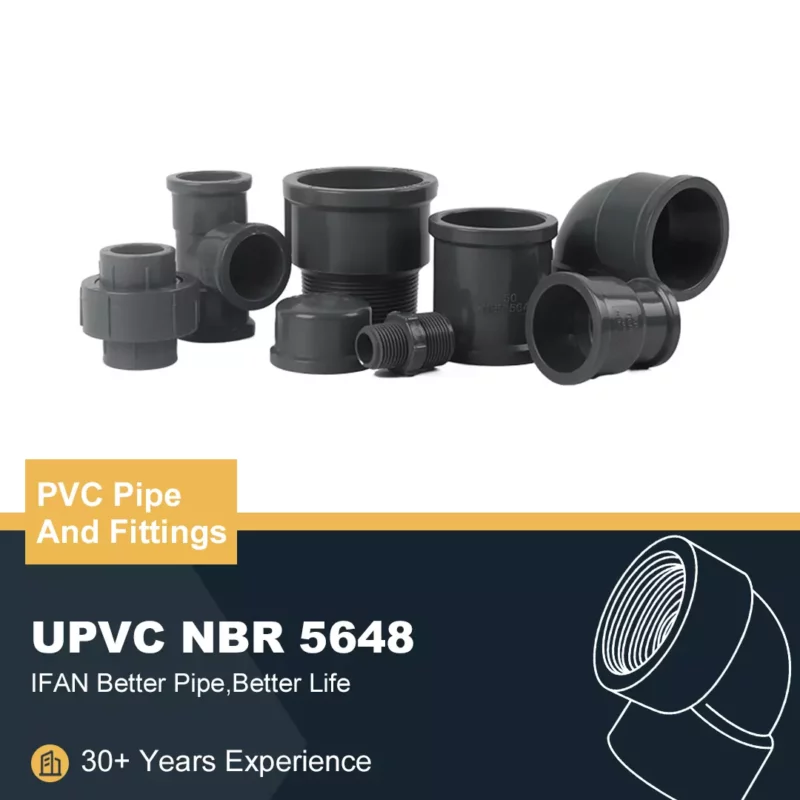
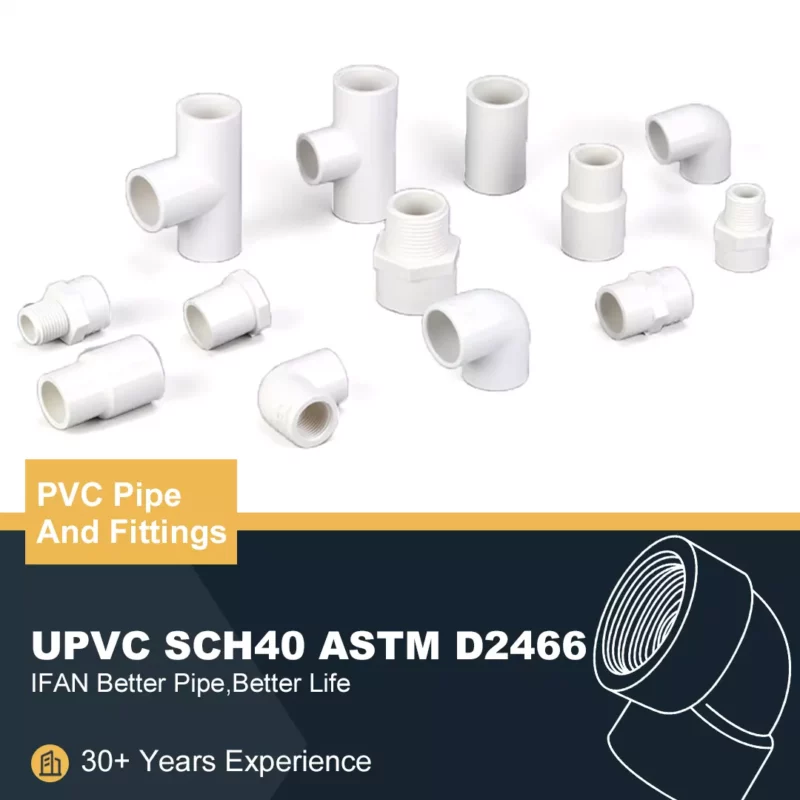
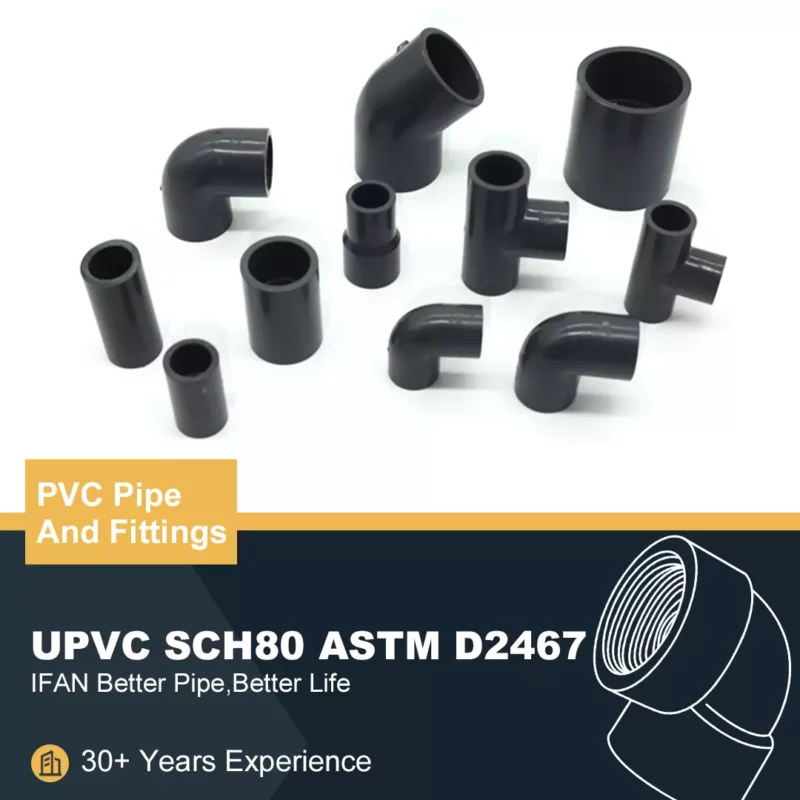
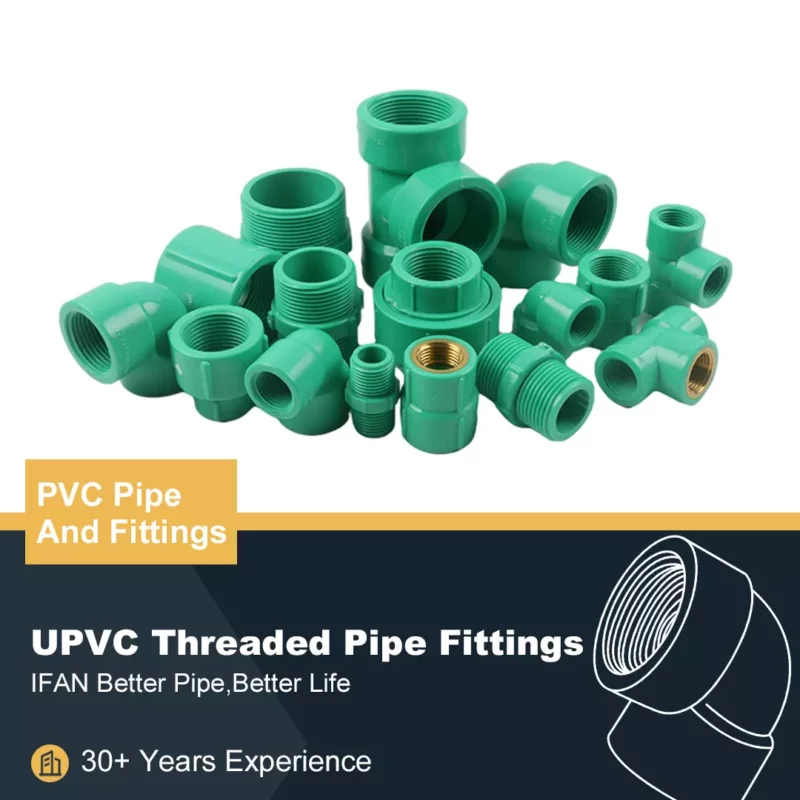
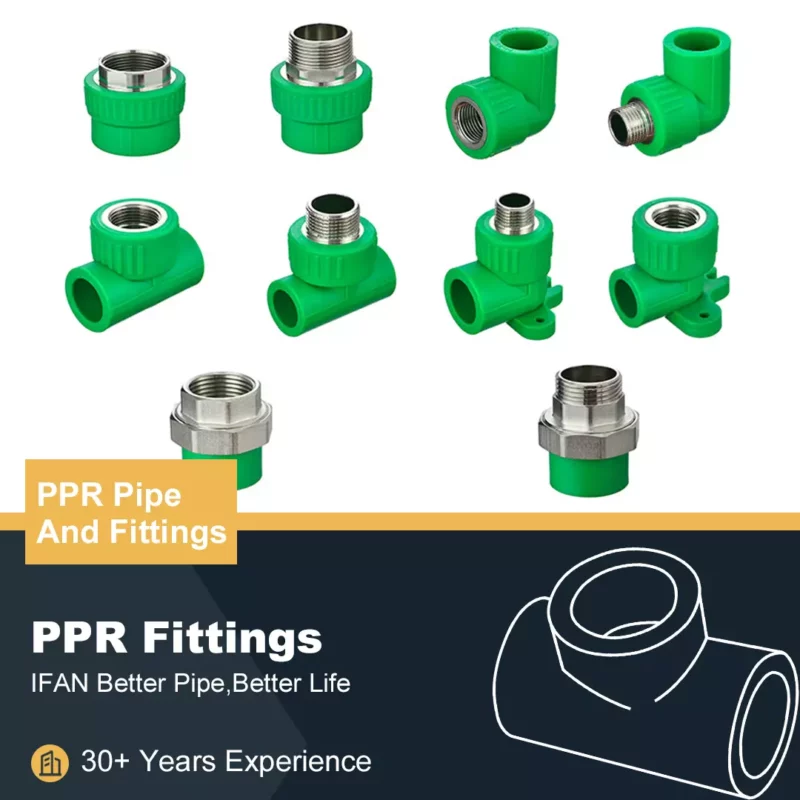
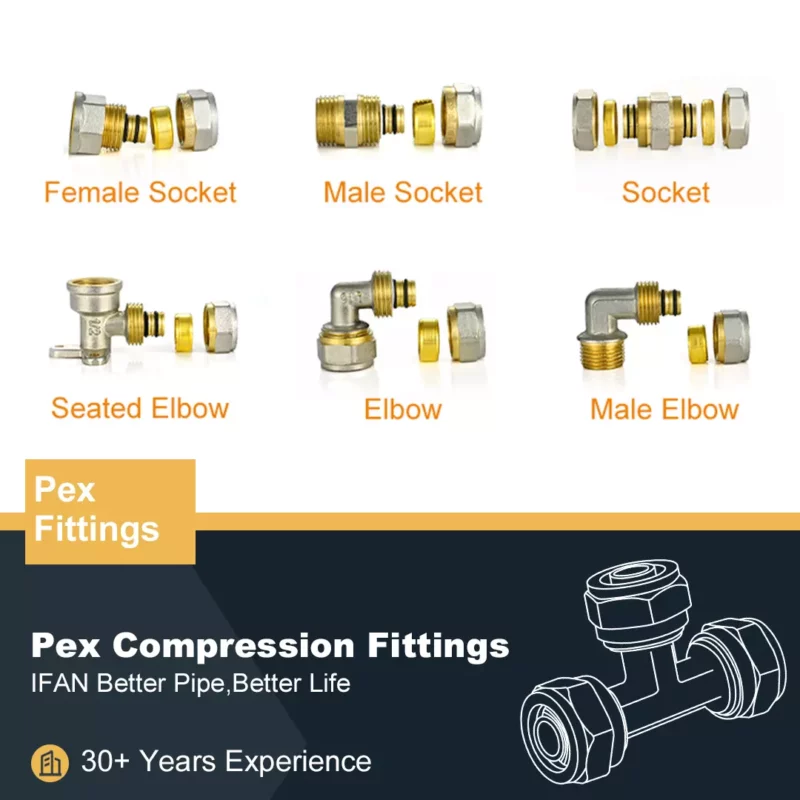
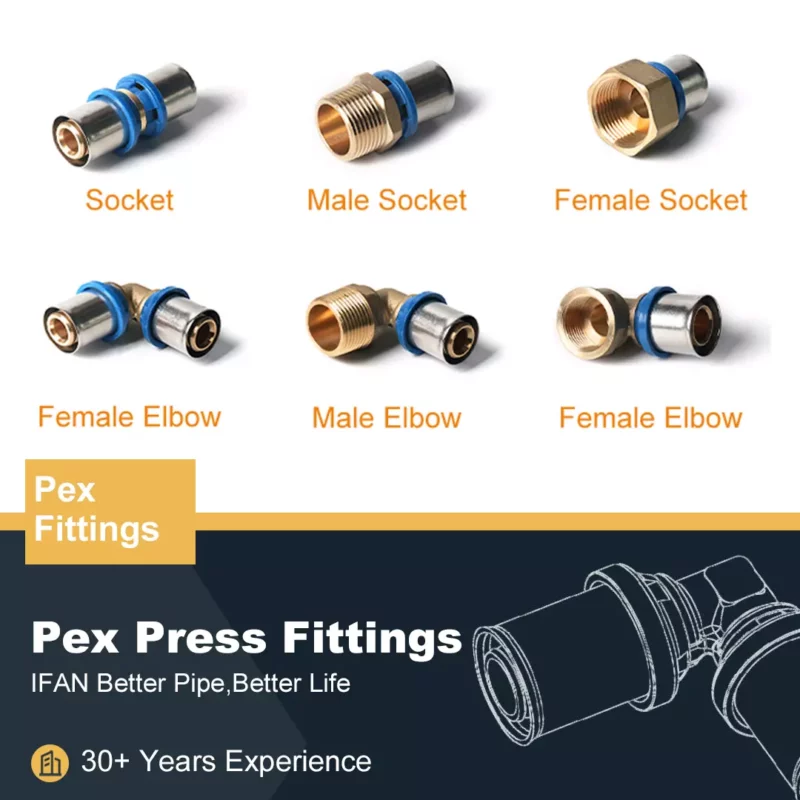
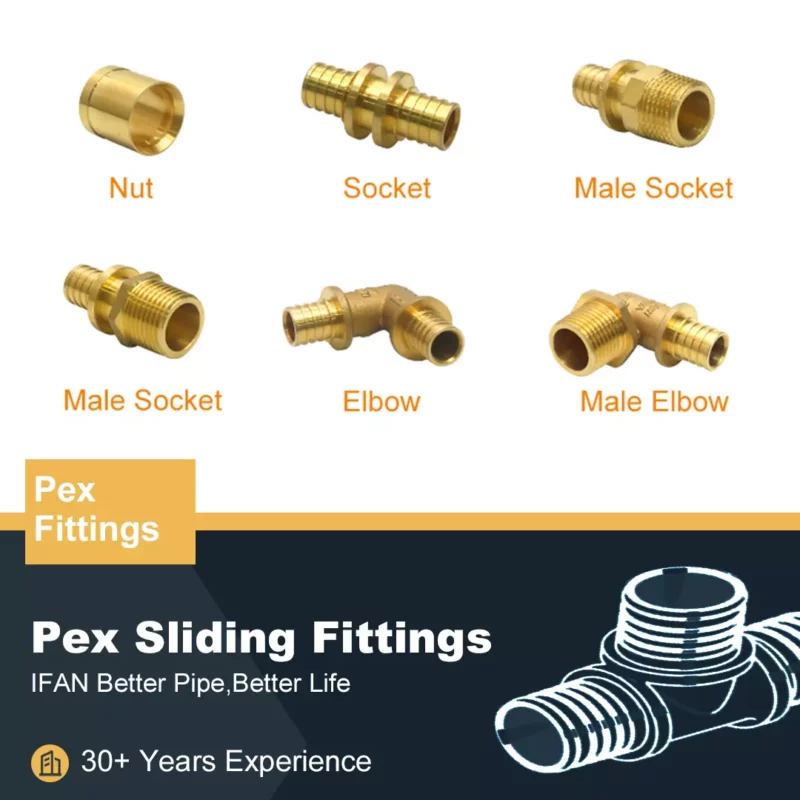
HDPE pipe fittings are critical components in piping systems that transport water, gas, chemicals, and other fluids. Their primary function is to connect sections of HDPE pipes, allowing fluid flow across the network. These fittings come in various forms, including elbows, tees, reducers, couplings, and flanges. The smooth interior of HDPE pipes ensures minimal resistance to flow, while the fittings maintain the structural integrity of the system. By offering secure, leak-proof connections, HDPE pipe fittings enhance the overall performance of a piping network.
Benefits of HDPE Pipe Fittings in Piping Networks
HDPE pipe fitting offer several advantages that improve the efficiency of piping networks. First, HDPE is highly resistant to corrosion and chemical degradation, ensuring that the piping system will last for decades without significant maintenance. Second, HDPE pipe fitting are flexible, making them ideal for installations in environments with challenging terrains or underground systems. They also require fewer joints than traditional materials like metal, reducing the likelihood of leaks. These characteristics make HDPE pipe systems reliable and cost-effective in the long run.
HDPE’s Contribution to Fluid Flow Efficiency
The smooth surface of HDPE pipes and fittings is one of the key factors contributing to efficient fluid flow. Unlike metal pipes, which can develop rough interior surfaces over time due to corrosion and scale buildup, HDPE maintains a smooth interior throughout its lifespan. This reduces friction and allows for higher flow rates, improving the overall efficiency of the piping network. Additionally, HDPE pipe fittings are designed to be leak-proof, ensuring that fluid flow remains uninterrupted and minimizing the risk of costly system failures.
Flexibility and Adaptability of HDPE Fittings
One of the major advantages of HDPE pipe fitting is their flexibility. HDPE pipes can bend and adapt to complex routes without the need for additional fittings or joints. This flexibility is especially valuable in situations where the piping system needs to navigate around obstacles, follow curved paths, or be installed in areas with limited space. The flexibility of HDPE reduces the need for specialized fittings, making the installation process faster and less costly. Furthermore, this adaptability also makes HDPE an ideal solution for both residential and industrial piping systems.
Cost-Effectiveness of HDPE Pipe Fitting
HDPE pipe fitting contribute to the overall cost-effectiveness of a piping system. While the initial cost of HDPE pipes and fittings might be slightly higher than alternatives like PVC or steel, the long-term savings are significant. HDPE’s resistance to corrosion and wear ensures that the system remains functional for decades, reducing the need for frequent repairs or replacements. Additionally, HDPE’s easy installation process requires less labor, and fewer specialized tools are needed compared to traditional materials. This reduces both installation and maintenance costs, making HDPE an economical choice over the long term.
Installation Methods for HDPE Pipe Fittings
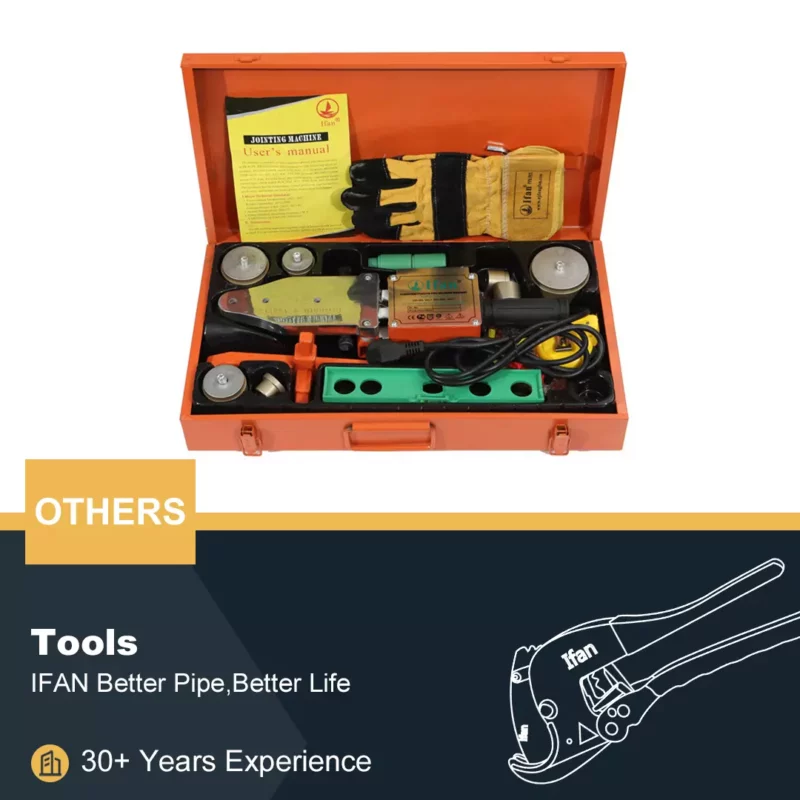
There are various methods for installing HDPE pipe fitting, depending on the type of connection required and the scale of the project. The most common methods are heat fusion welding, electrofusion, and mechanical joints.
- Heat Fusion Welding
This method involves heating the ends of the HDPE pipe and fitting to a specific temperature and then pressing them together to form a strong bond. Heat fusion welding creates a seamless connection that is highly durable and resistant to leaks. This method is widely used for large-scale installations, as it ensures a secure and long-lasting bond. - Electrofusion
Electrofusion involves using a fitting that contains an embedded heating element. When an electric current is passed through the fitting, the heating element melts the ends of the pipe and fitting, fusing them together. This method is suitable for smaller projects or installations where heat fusion welding is not practical. - Mechanical Joints
Mechanical joints use couplings, flanges, or other components to connect the pipes and fittings without the need for welding. This method is often used when the installation time needs to be minimized or when a temporary connection is required. While not as seamless as welding, mechanical joints can still provide a reliable and leak-proof connection when properly installed.
Durability of HDPE Pipe Fittings
HDPE pipe fittings are highly durable, with a lifespan that can exceed Long-term durability according to standards when properly installed and maintained. Their resistance to corrosion and chemical degradation makes them ideal for use in a variety of industries, including water treatment, oil and gas, and chemical processing. Unlike metal pipes, which can rust and weaken over time, HDPE pipe fitting retain their structural integrity and functionality for decades. This durability reduces the need for frequent replacements and ensures that the piping network continues to operate smoothly over the long term.
IFAN International Standard for HDPE
IFAN brand HDPE Pipe Fitting are manufactured according to a wide range of international standards, ensuring high quality and reliability. These standards include ASTM D3035, ASTM D3350, ISO 4427 series, EN 12201 series, DIN 8074/8075, GB/T 13663 series, AS/NZS 4130, JIS K6760, BS 6572, and CSA B137.1. By adhering to these rigorous specifications, IFAN ensures that its HDPE pipe fittings meet global performance and safety requirements, making them suitable for various applications in different industries.microorganisms.
HDPE Pipe Fittings in Water and Wastewater Systems
HDPE pipe fitting are widely used in water and wastewater systems. These systems require piping materials that can withstand the corrosive effects of water, sewage, and other contaminants. HDPE’s resistance to chemicals, UV radiation, and moisture makes it the ideal choice for these applications. The leak-proof nature of HDPE pipe fitting ensures that water and wastewater are transported safely and efficiently, without the risk of contamination or spills. Additionally, HDPE’s flexibility allows it to be installed in difficult terrains, ensuring that water distribution systems can be extended even in challenging environments.
Use in Industrial Applications
In industrial settings, HDPE pipe fitting play a critical role in transporting chemicals, gases, and other industrial fluids. These substances can often be highly corrosive, and using traditional materials such as metal or concrete can result in system failure or safety hazards. HDPE pipe fittings are chemically resistant, allowing them to transport aggressive chemicals safely and efficiently. Additionally, HDPE’s smooth interior reduces the likelihood of material buildup or blockages, ensuring that industrial systems remain operational without costly interruptions.
Environmental Impact of HDPE Pipe Fitting
HDPE pipe fittings are an environmentally friendly choice for piping systems. HDPE is a recyclable material, meaning that pipes and fittings can be reused at the end of their lifecycle. This reduces waste and contributes to a more sustainable piping solution. Furthermore, HDPE’s long lifespan means that fewer resources are required for repairs and replacements, reducing the environmental impact of manufacturing new pipes. The energy efficiency of HDPE pipe fitting during installation also minimizes their carbon footprint, making them a greener option compared to traditional piping materials.
Maintenance and Longevity of HDPE Systems
One of the key benefits of HDPE pipe fitting is their low maintenance requirements. Since HDPE is resistant to corrosion and wear, there is little need for regular upkeep or inspections. The smooth surface of HDPE pipes reduces the likelihood of blockages, while its flexibility allows it to adapt to shifting ground conditions, reducing the risk of leaks or damage. As a result, HDPE piping systems are highly reliable and cost-effective over time. With proper installation, an HDPE pipe network can last for decades without significant repairs or replacements.
Conclusion
HDPE pipe fittings play a crucial role in creating efficient, durable, and reliable piping networks across various industries. Their corrosion resistance, flexibility, ease of installation, and cost-effectiveness make them a superior choice over traditional piping materials. HDPE pipe fittings offer long-lasting solutions for various applications. They enhance the efficiency and sustainability of piping systems. In water distribution and wastewater management, their value is significant. Industries prioritize reliability and sustainability in their projects. HDPE pipe fittings will be essential for modern infrastructure development.
If you have read this article and have any questions, please feel free to contact IFAN. Below is our contact information:
Whatsapp:+86 13373827623
Email:[email protected]