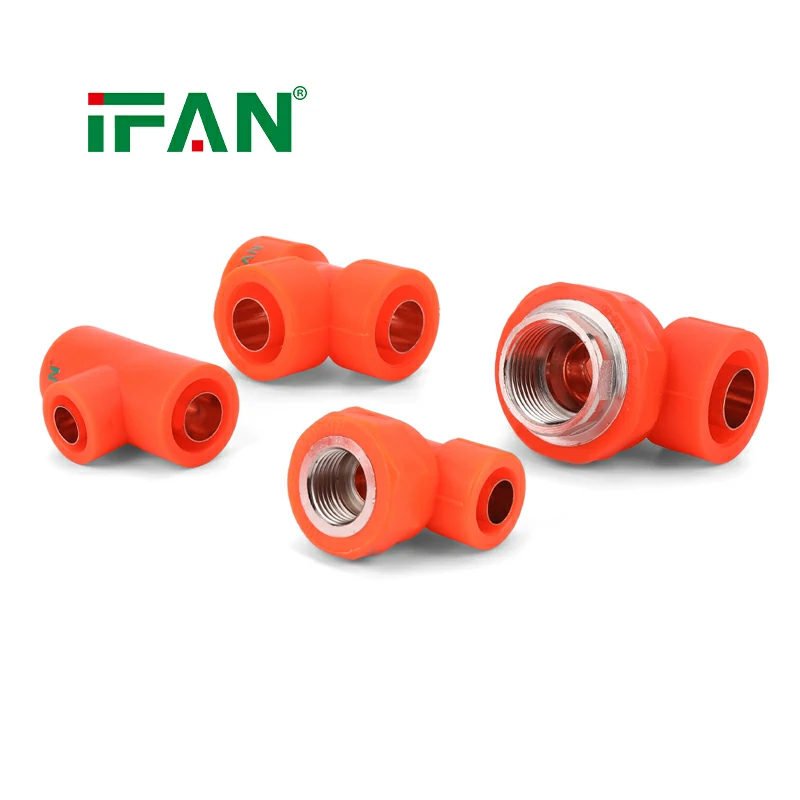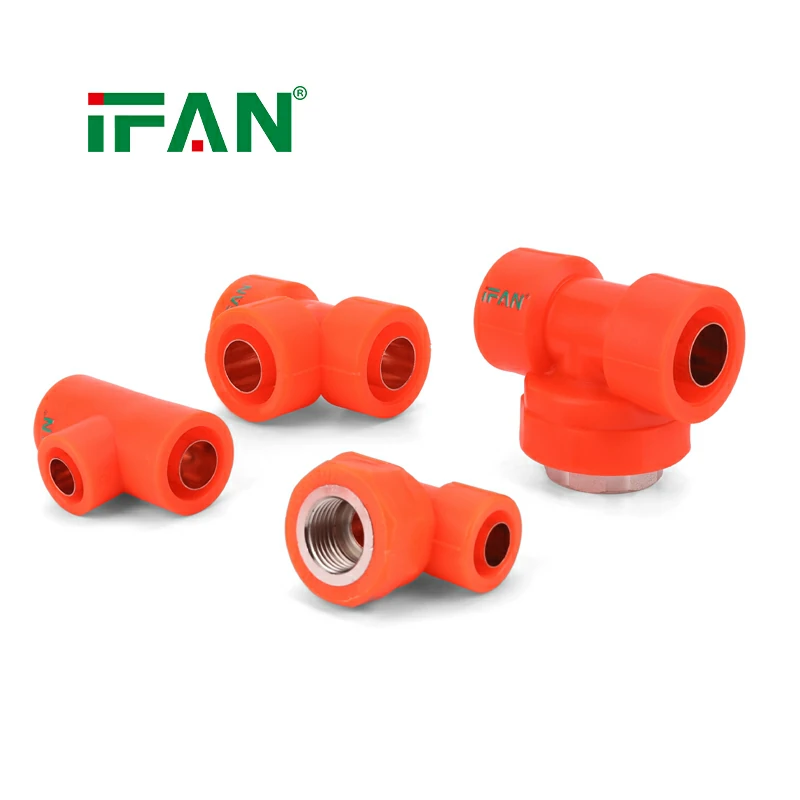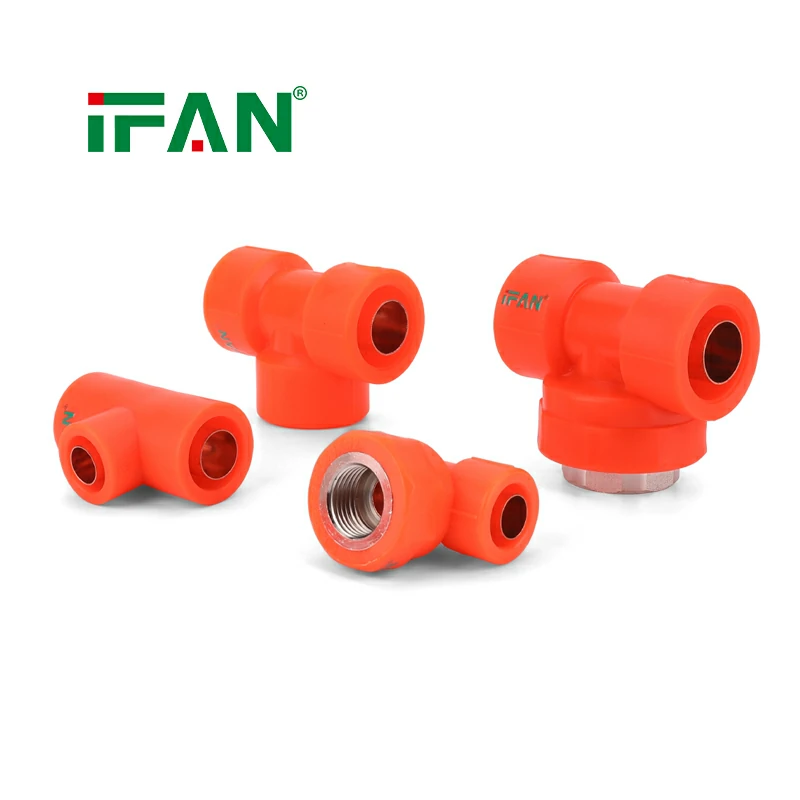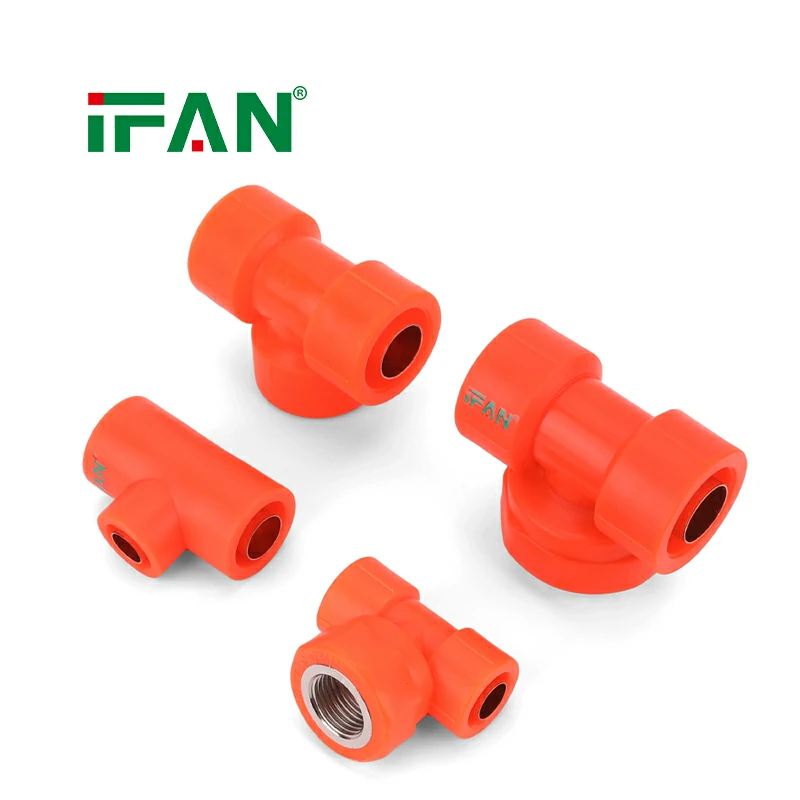
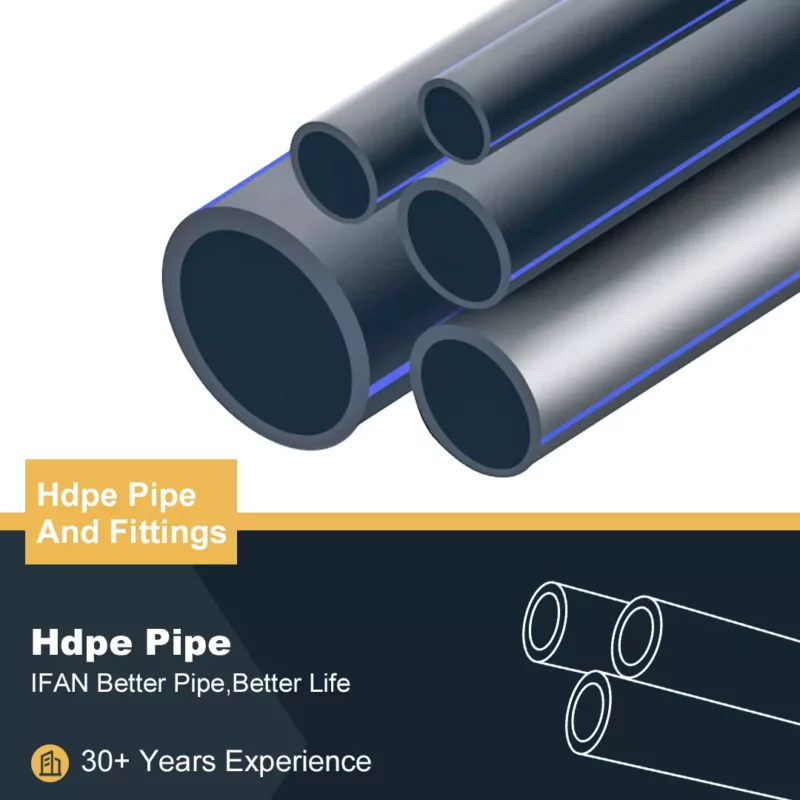
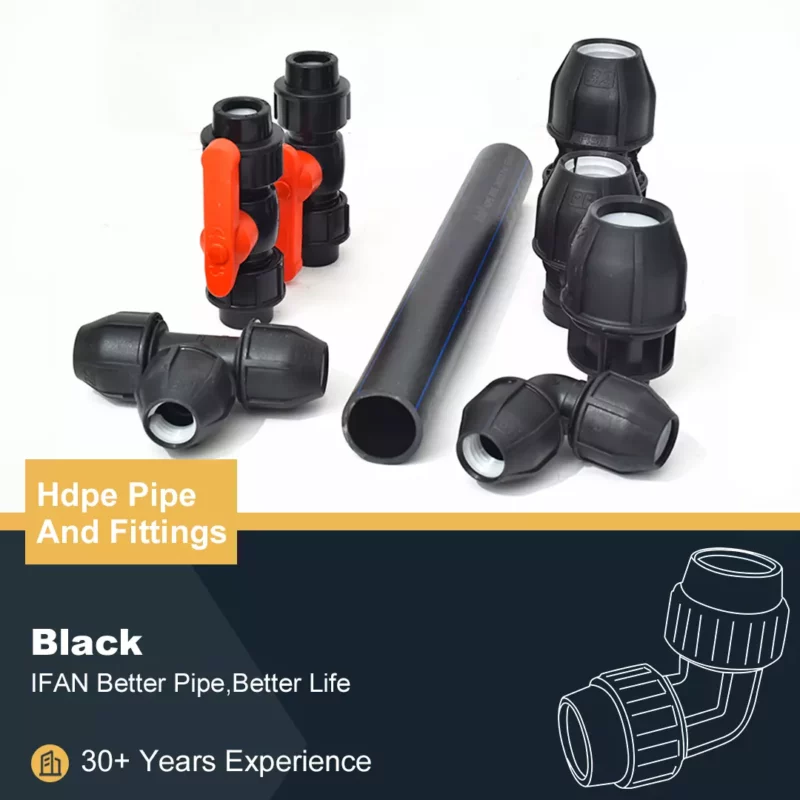
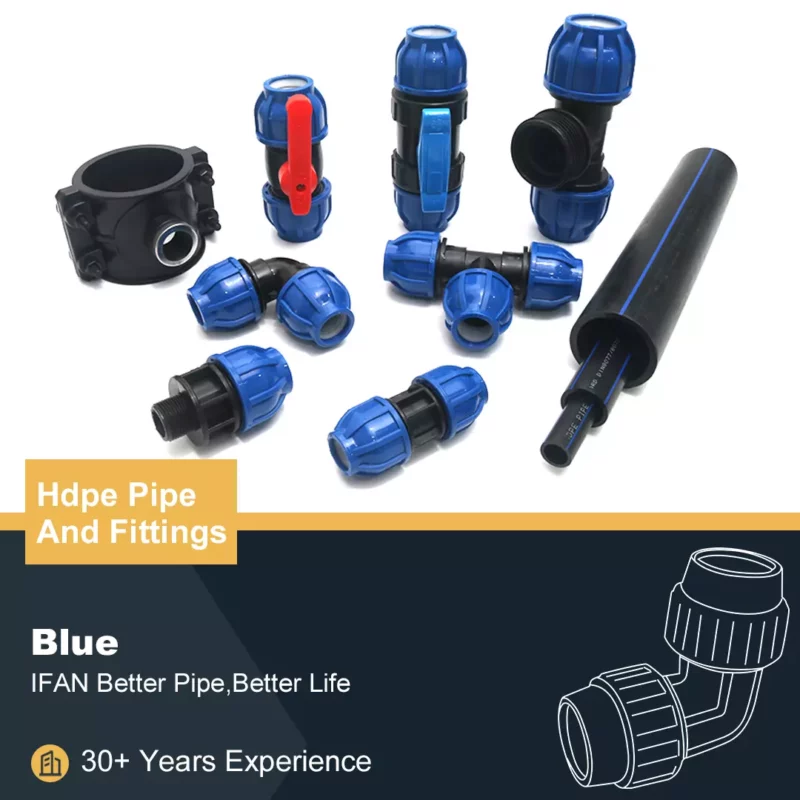
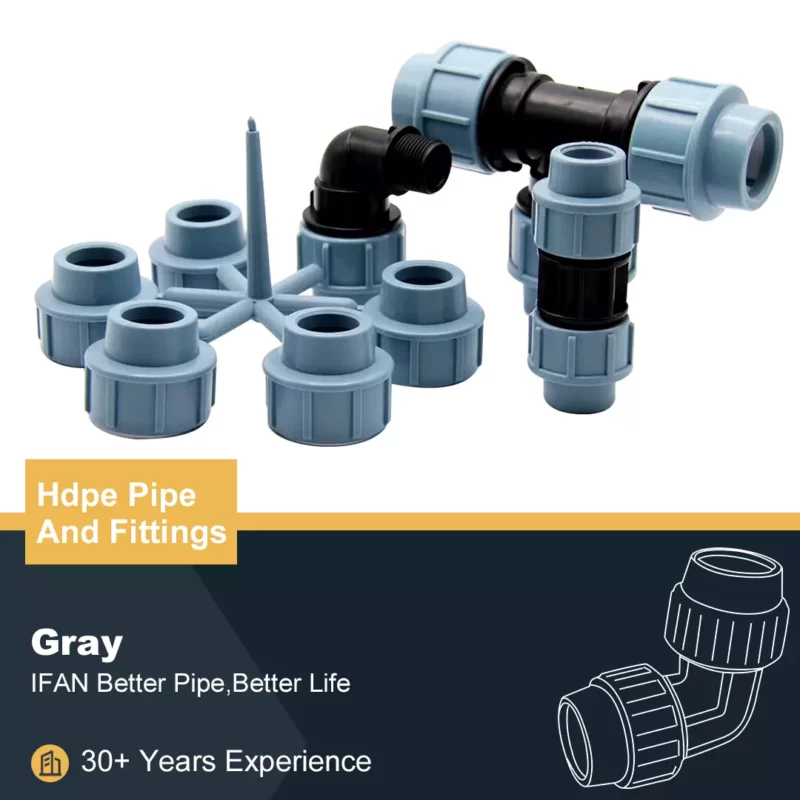


High-Density Polyethylene (HDPE) pipe fittings are an essential component in various industries, offering a range of benefits, such as durability and corrosion resistance. One of the standout features of HDPE pipes and fittings is their ease of installation. Unlike traditional piping materials, HDPE offers a simplified process that saves both time and money. This article will explore the key aspects of the easy installation process of HDPE pipe fittings, highlighting the benefits, methods, and considerations for efficient setup.
Why Choose HDPE Pipe Fittings?
HDPE pipes and fittings are known for their high resistance to corrosion, chemicals, and environmental stress. However, their ease of installation is another major reason for their popularity. Installing HDPE pipe fittings does not require complex procedures or specialized equipment. The lightweight nature of HDPE materials makes them easy to handle, transport, and assemble, reducing the effort and cost involved in the installation process. Additionally, HDPE’s flexibility and resistance to physical damage enhance the reliability of the installed system. This ease of installation ensures that projects stay within budget and timeline constraints.
Key Advantages of Easy Installation
The ease of installation of HDPE pipe fittings offers several significant advantages. First, HDPE pipes are lightweight compared to traditional materials like steel or concrete. This reduces the need for heavy lifting equipment and allows for quicker transportation and handling. Second, HDPE’s flexibility makes it easier to bend and fit around obstacles, minimizing the need for additional joints and fittings. The fewer joints in a system, the lower the risk of leaks. Lastly, the simplified installation process reduces the reliance on highly specialized labor, which lowers overall labor costs. These factors contribute to the widespread adoption of HDPE pipe fittings across industries.
Types of HDPE Pipe Fittings and Their Installation Methods
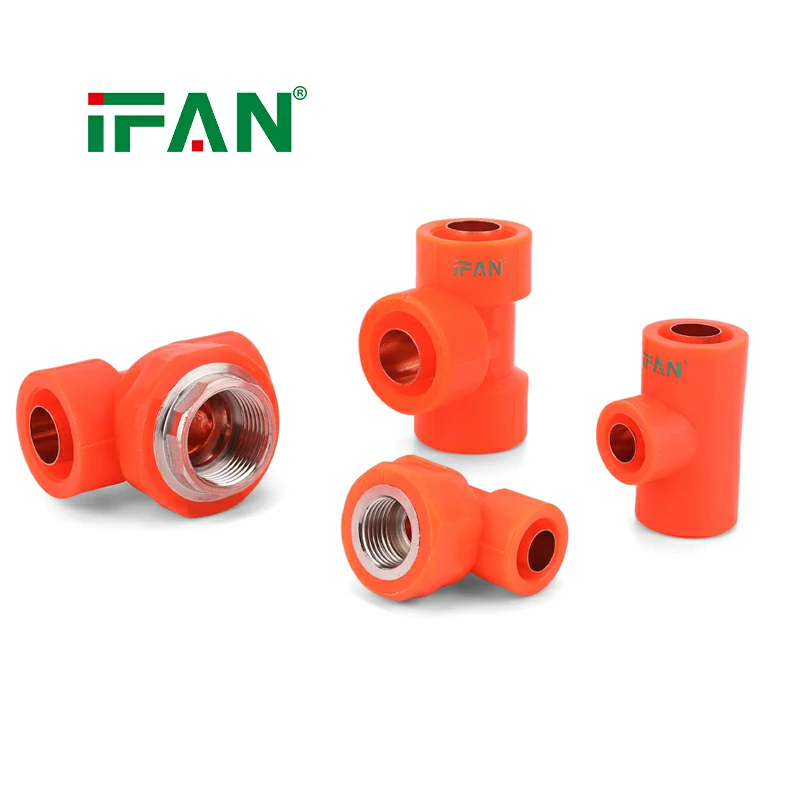
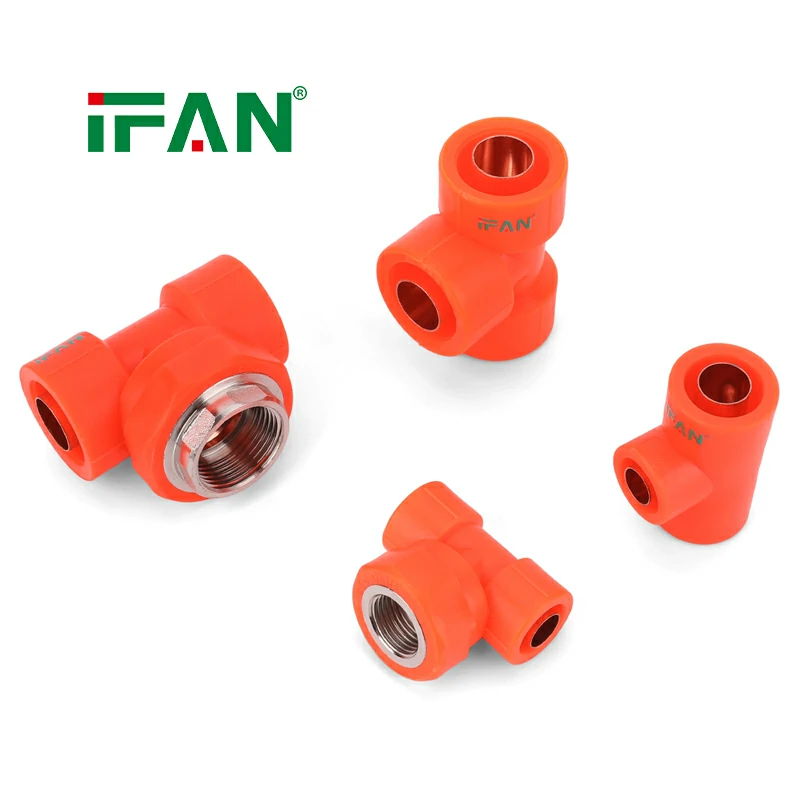
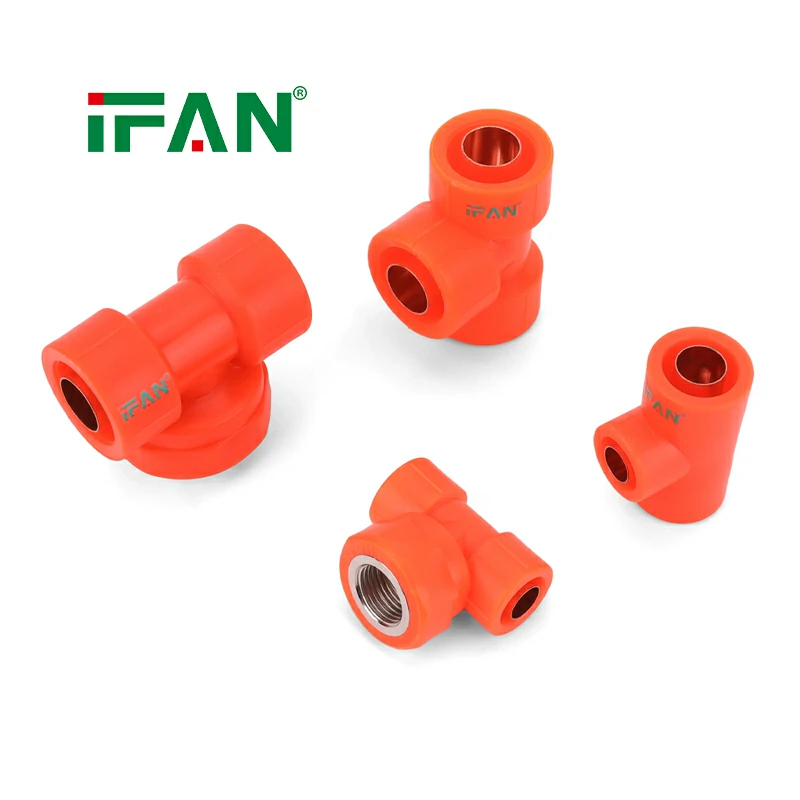
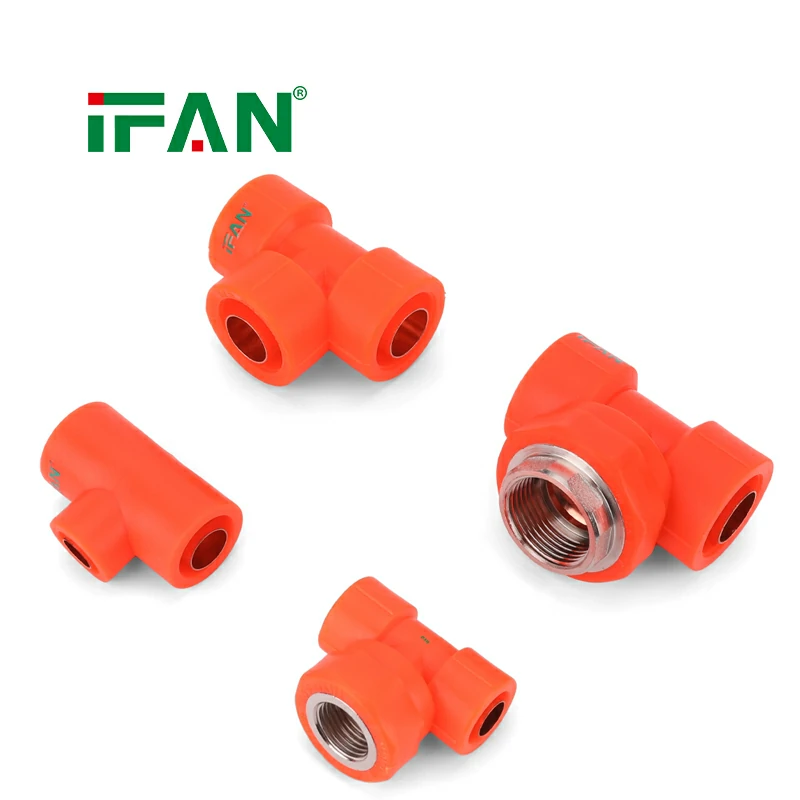
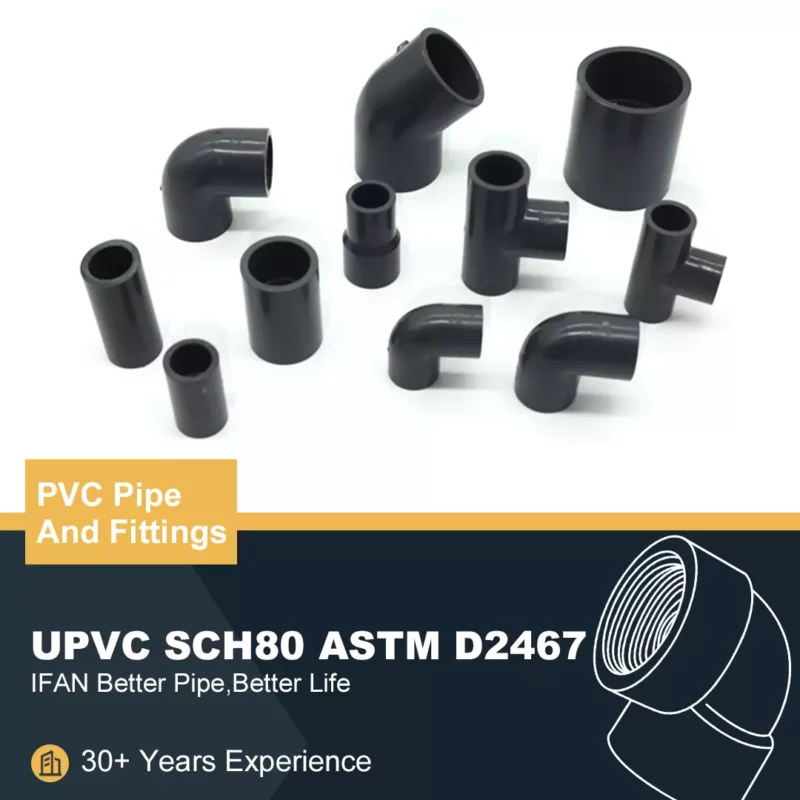
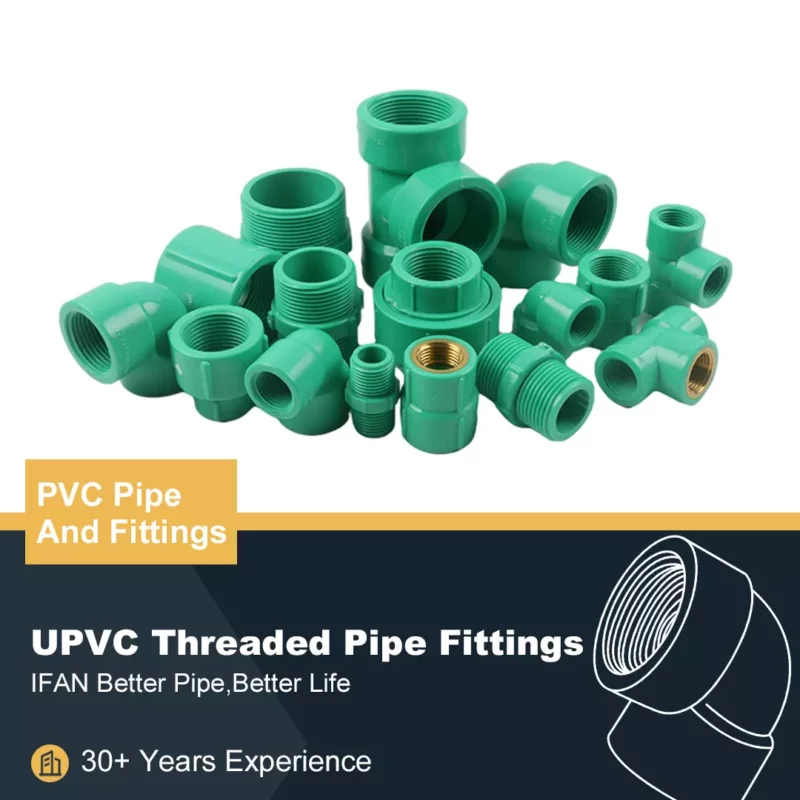
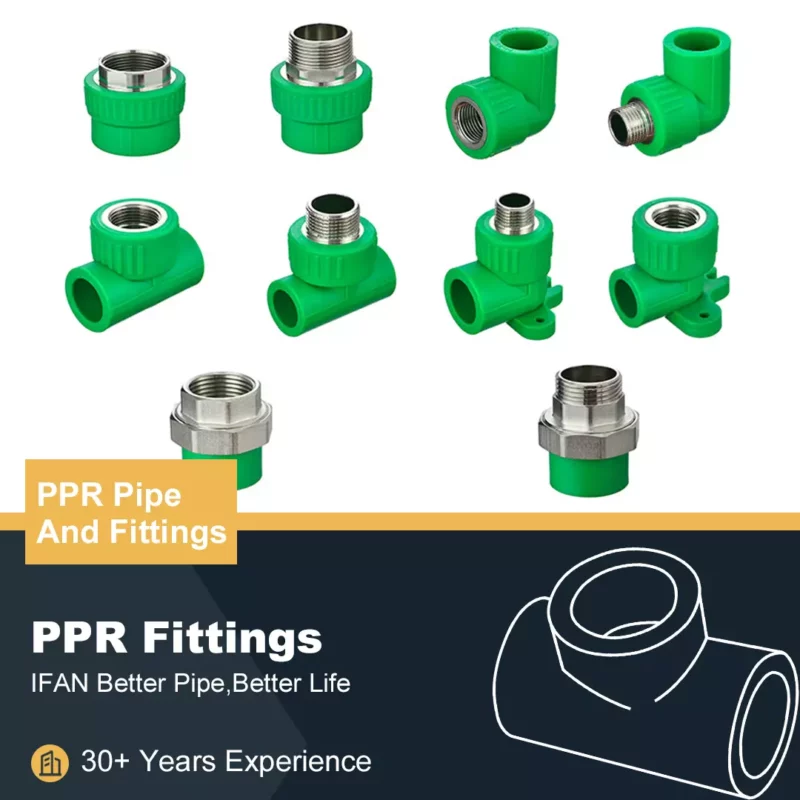
There are several types of HDPE pipe fittings, including elbows, tees, couplings, reducers, and flanges. The installation methods for these fittings generally rely on heat fusion welding, mechanical joints, or electrofusion. Each of these methods provides reliable, leak-proof connections, ensuring the integrity of the piping system.
- Heat Fusion Welding
Heat fusion welding is the most common method for connecting HDPE pipes and fittings. This process involves using heat to melt the pipe and fitting ends and then fusing them together under pressure. The result is a strong, seamless bond that is both durable and leak-resistant. This method is widely used because it provides a simple, effective way to join HDPE pipes, eliminating the need for additional sealing components like gaskets or adhesives. - Electrofusion
Electrofusion is another widely used method for installing HDPE fittings. In this process, a fitting with an embedded heating element is used. The heating element is activated using an electric current, which melts the pipe and fitting ends. Once melted, the materials are fused together to form a secure joint. This method is ideal for smaller installations or situations where heat fusion may not be possible. - Mechanical Joints
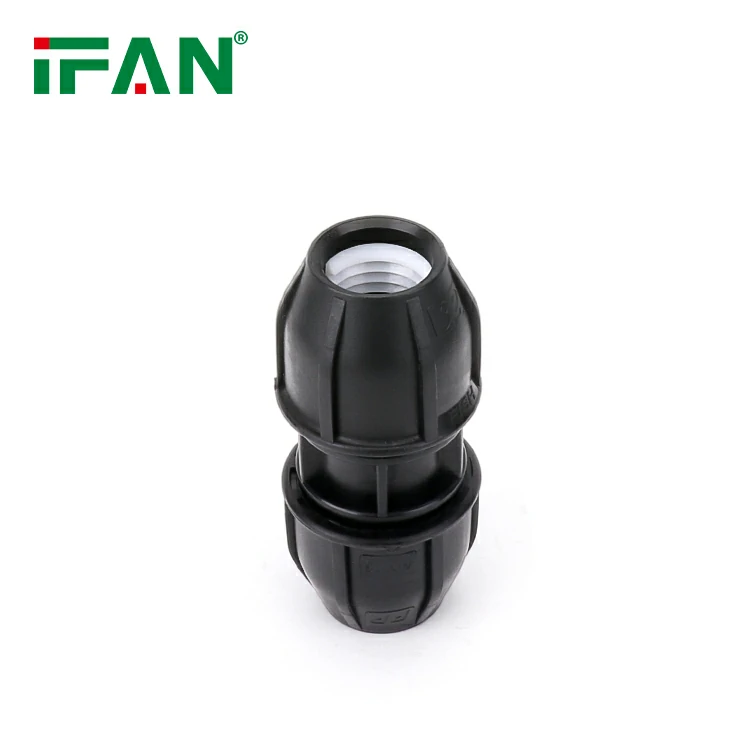
Mechanical joints offer a quick and easy solution for connecting HDPE pipes and fittings without the need for welding or electrical components. This type of connection involves using mechanical couplings, which include screws or bolts to secure the pipe and fitting. Mechanical joints are particularly useful in applications where the installation needs to be done quickly or in situations where fusion welding equipment is not available.
Tools Required for Installing HDPE Pipe Fittings
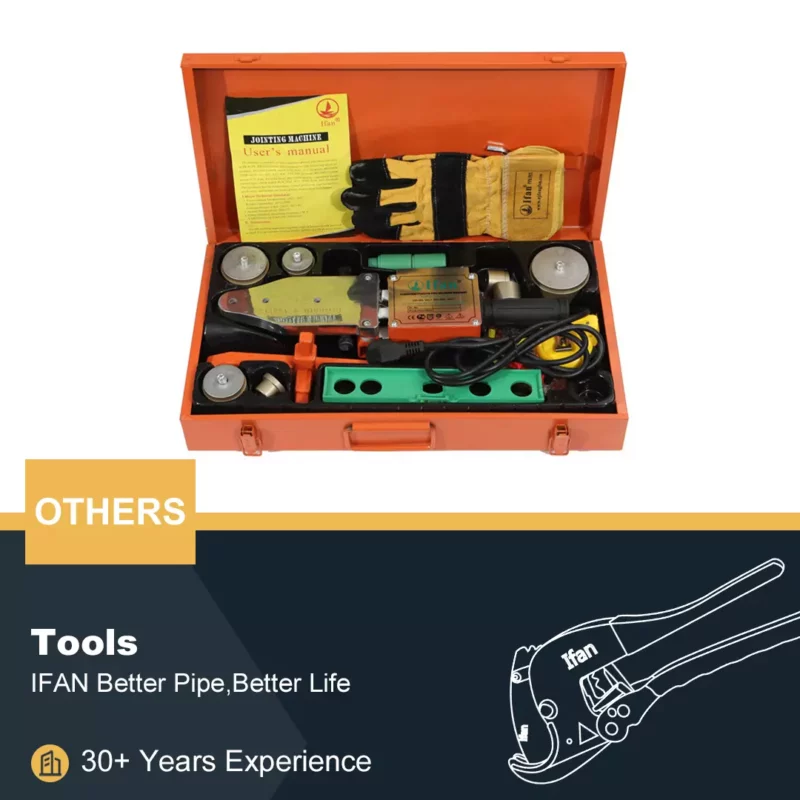
One of the reasons for the easy installation of HDPE pipe fittings is the minimal equipment required. The tools necessary for the installation process depend on the joining method selected.
- For Heat Fusion
- Fusion Machine: This machine is used to heat the pipe and fitting ends for fusion.
- Heaters: These are essential to ensure the pipe and fitting are heated to the correct temperature.
- Clamps: Clamps hold the pipes and fittings in place during fusion.
- Alignment Tools: Proper alignment ensures that the pipe and fitting are connected correctly, avoiding issues like misalignment.
- For Electrofusion
- Electrofusion Machine: This device activates the embedded heating element in electrofusion fittings.
- Electrofusion Fittings: These fittings are designed to work with the electrofusion machine and create a secure joint.
- For Mechanical Joints
- Wrenches or Torque Tools: These tools are used to tighten mechanical fittings, ensuring a secure connection.
Overall, the installation process for HDPE pipe fittings is straightforward and does not require expensive or complex tools, making it accessible for most contractors and workers.
Time-Saving Benefits of Easy Installation
The simplicity of installing HDPE pipe fittings results in significant time savings. Heat fusion welding and electrofusion methods allow for quick and efficient joining of pipes, reducing the time needed to complete a project. In addition, the lightweight nature of HDPE pipes means fewer workers are needed for installation, further speeding up the process. The ease of handling and fitting HDPE pipes also reduces downtime, ensuring that projects are completed on schedule. For industries with tight deadlines, such as construction or infrastructure development, this time-saving benefit can be a crucial factor in choosing HDPE pipe fittings.
Minimizing Errors and Leaks
One of the biggest advantages of HDPE pipe fittings is the minimized risk of leaks due to the secure connections formed during installation. Heat fusion and electrofusion welding methods create seamless joints, eliminating the need for additional sealing materials. Mechanical joints, while slightly less seamless, still provide a secure connection when properly tightened. Fewer joints and connections overall reduce the potential for weak points that could lead to leaks. This is particularly important in applications such as water and gas transportation, where leaks can result in costly repairs and safety risks.
Flexibility and Adaptability in Installation
HDPE pipes and fittings offer great flexibility when it comes to installation. Their ability to bend allows for adjustments on-site, avoiding the need for custom fittings or changes to the project design. This flexibility also reduces the amount of space needed for installation, as HDPE pipes can follow curved paths instead of requiring straight sections. This adaptability is especially useful in areas with complex layouts or challenging terrain, where rigid piping materials would require more complicated and expensive installation methods.
Environmental Impact and Sustainability
HDPE pipe fittings are an environmentally friendly option for pipeline systems. HDPE is a recyclable material, which means that pipes and fittings can be reused at the end of their lifecycle, reducing waste. Additionally, the simplicity of the installation process minimizes the need for chemicals or adhesives, which could have harmful environmental effects. The longer lifespan of HDPE pipes also contributes to sustainability, as fewer resources are used over time for repairs and replacements. By choosing HDPE pipe fittings, industries contribute to more sustainable practices in construction and infrastructure development.
Cost-Effectiveness of Easy Installation
The ease of installation of HDPE pipe fittings translates into significant cost savings. With fewer labor hours required for installation, overall project costs are reduced. Moreover, the reduced need for specialized equipment and materials further drives down expenses. HDPE’s durability and resistance to corrosion also lead to fewer maintenance costs in the long term. Fewer repairs and replacements mean that the total cost of ownership for HDPE pipe systems is lower compared to other materials. This cost-effectiveness makes HDPE an attractive choice for both short-term and long-term projects.
Conclusion
The easy installation of HDPE pipe fittings is one of the key reasons for their increasing popularity in various industries. The lightweight material, simple joining methods, and minimal tool requirements make HDPE pipes and fittings easy to handle, reducing labor and equipment costs. HDPE’s durability, corrosion resistance, and flexibility offer long-term advantages, making it a cost-effective choice for many piping applications. Whether through heat fusion, electrofusion, or mechanical joints, HDPE provides a reliable, efficient, and eco-friendly solution for modern infrastructure needs. By selecting HDPE pipe fittings, industries can benefit from faster installation, fewer errors, and a more sustainable approach to pipeline construction.
If you have read this article and have any questions, please feel free to contact IFAN. Below is our contact information:
Whatsapp:+86 13373827623
Email:[email protected]