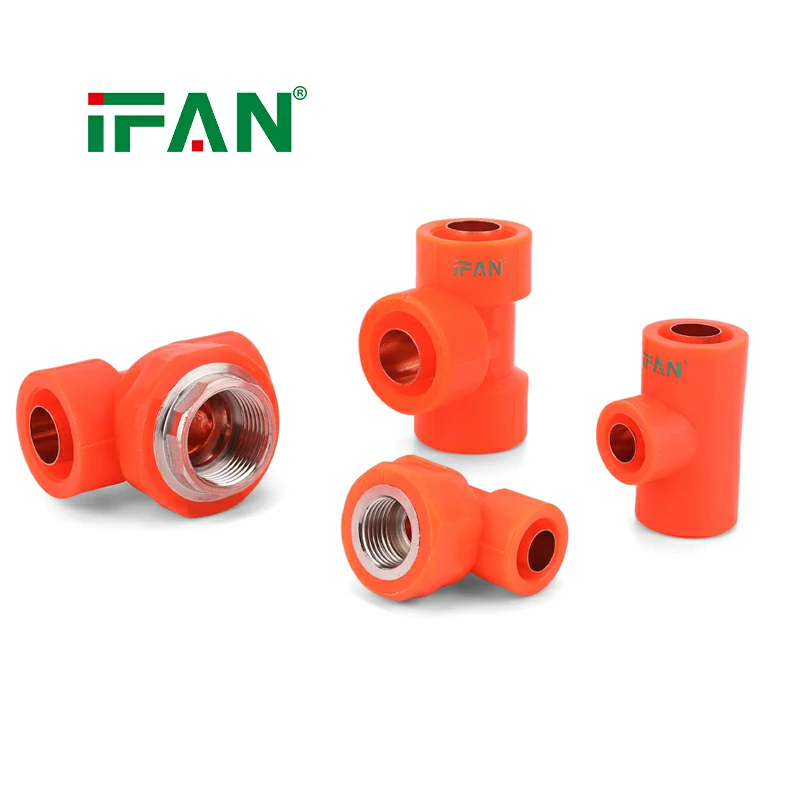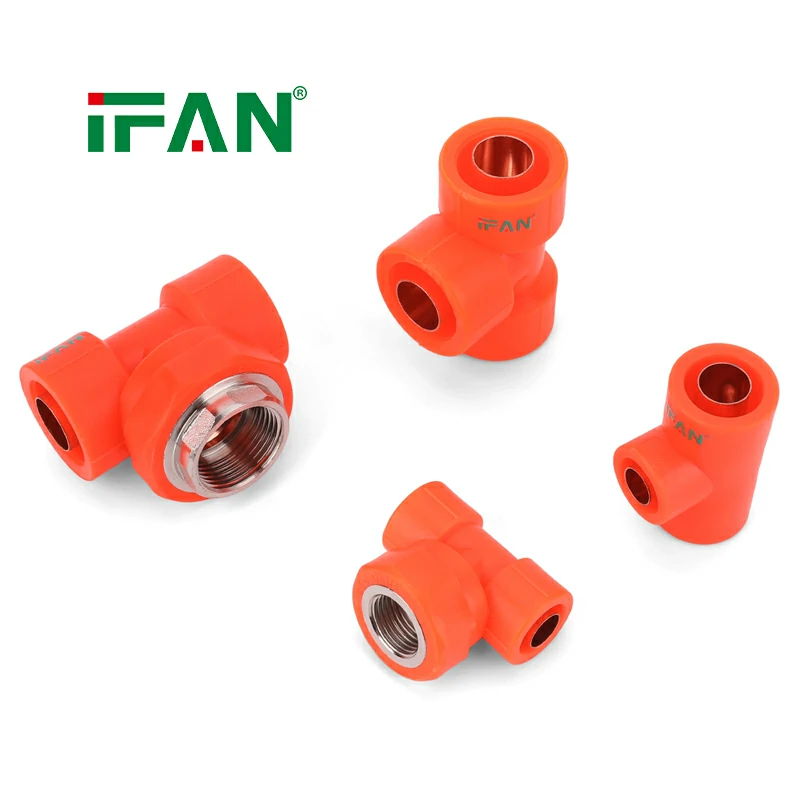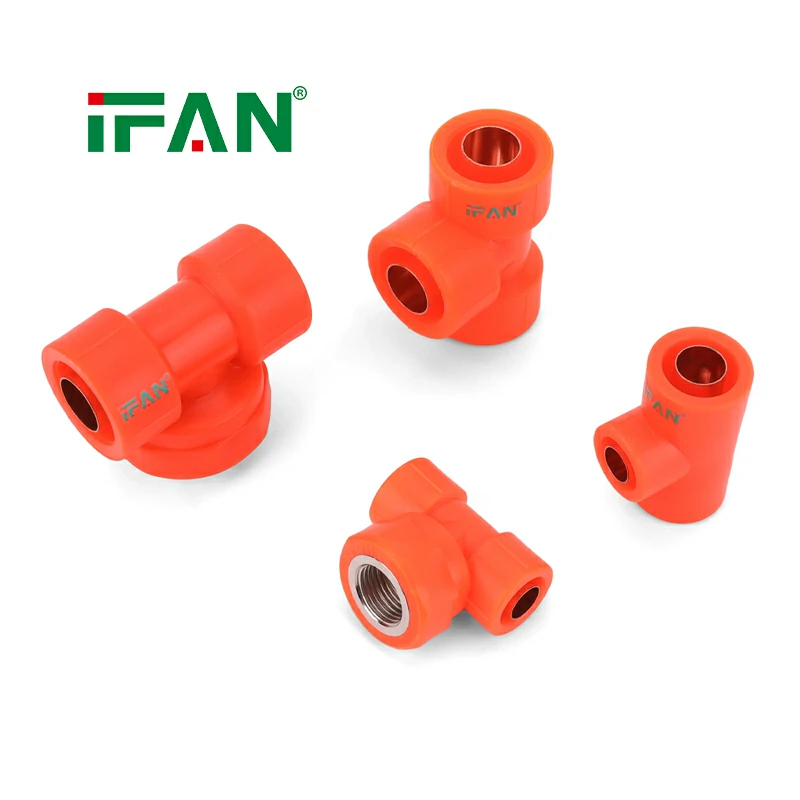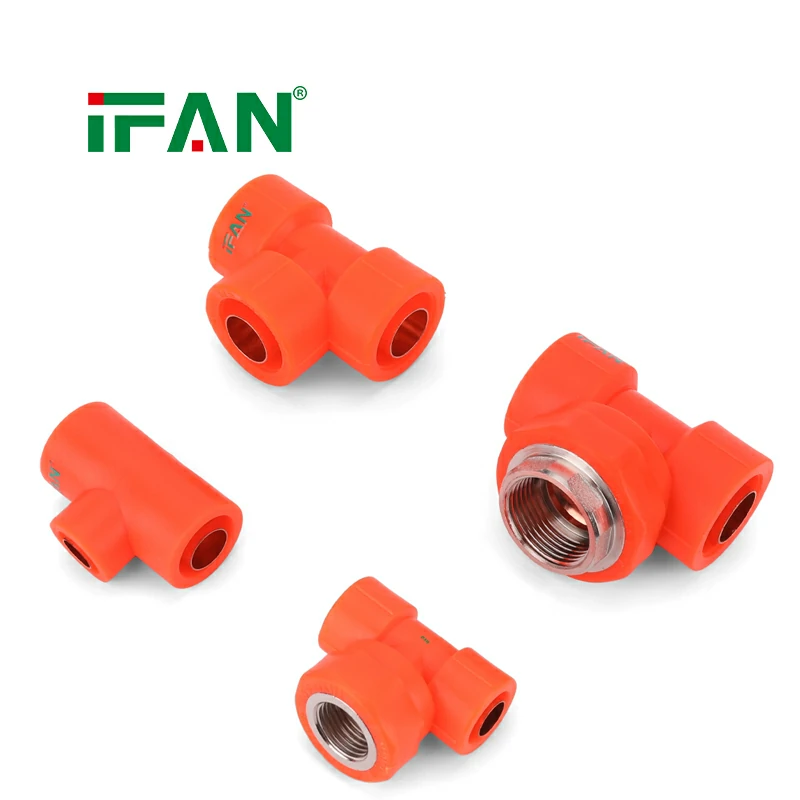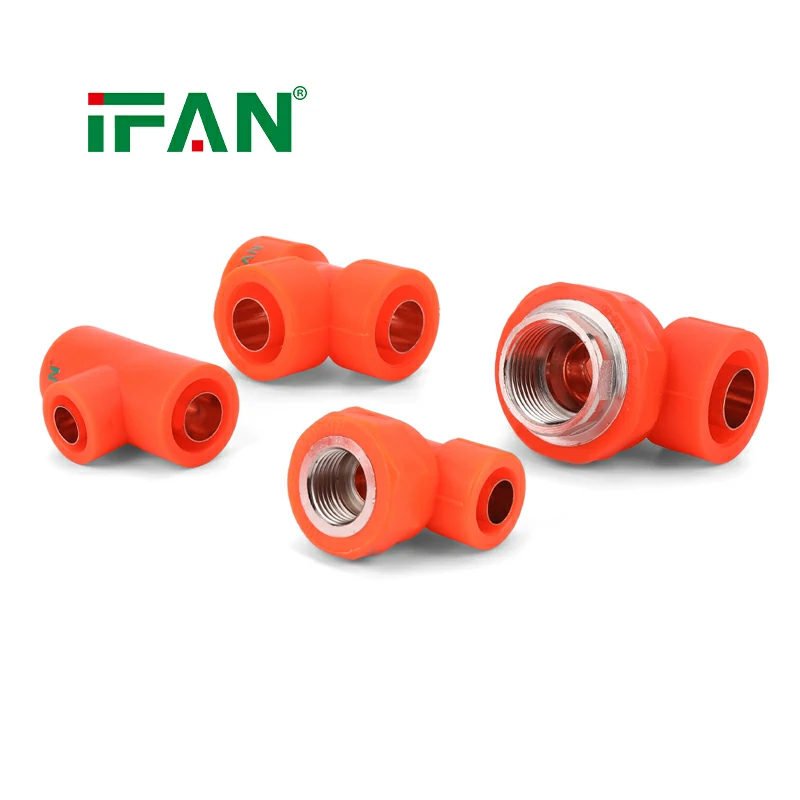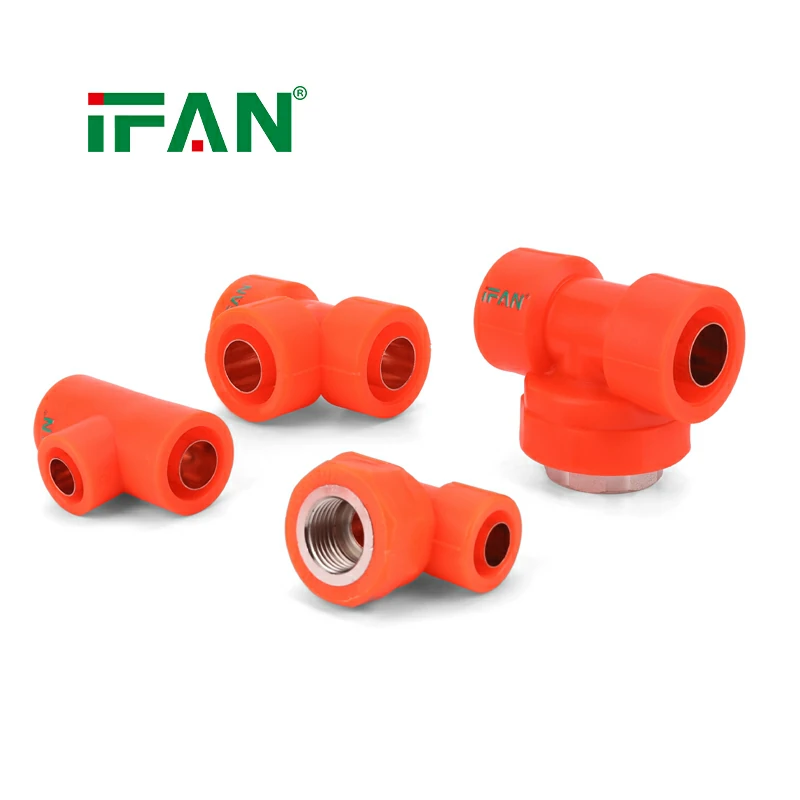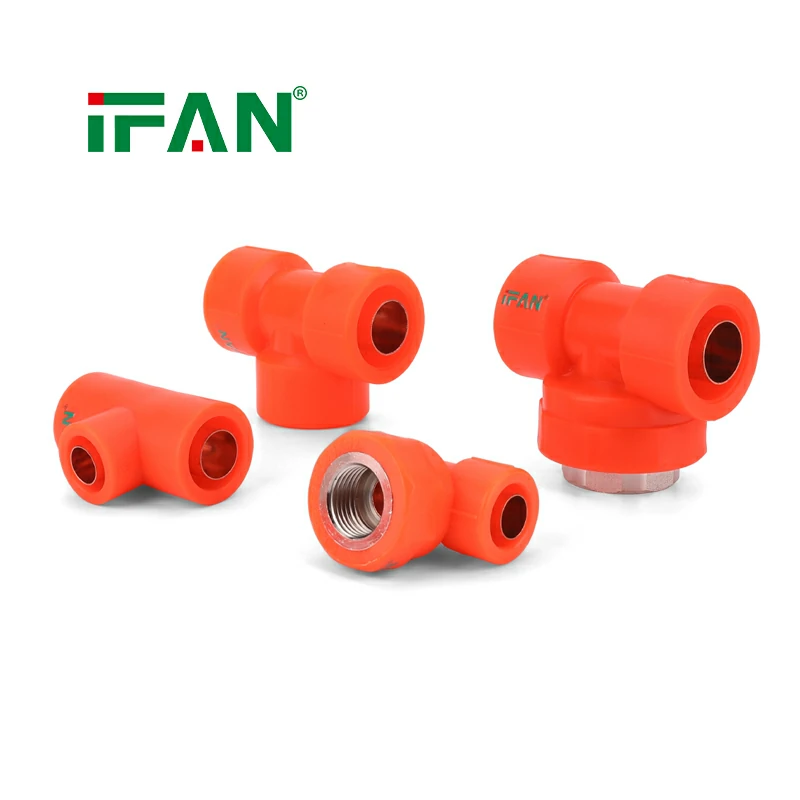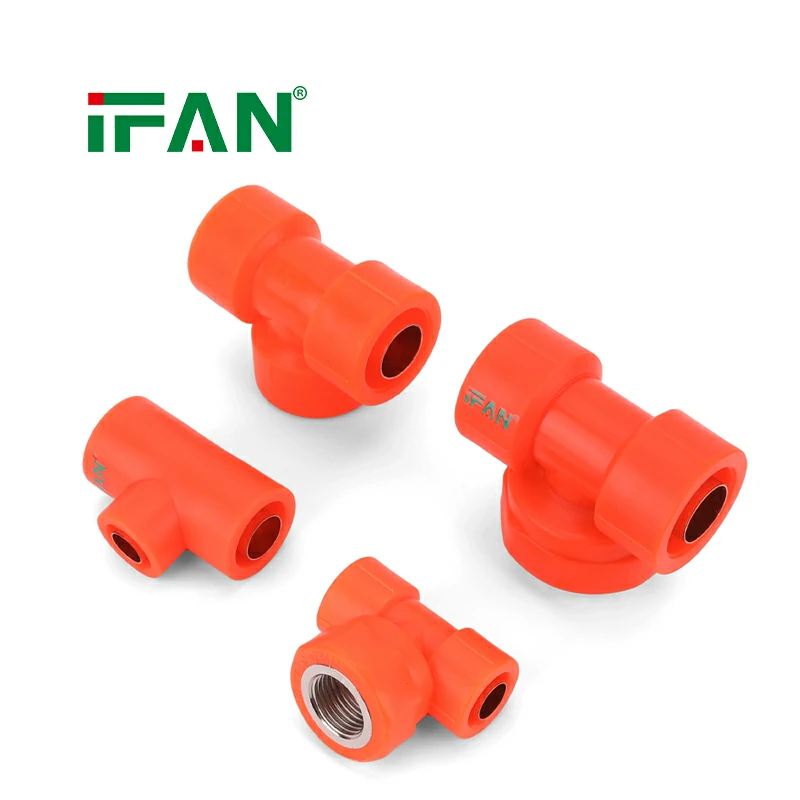
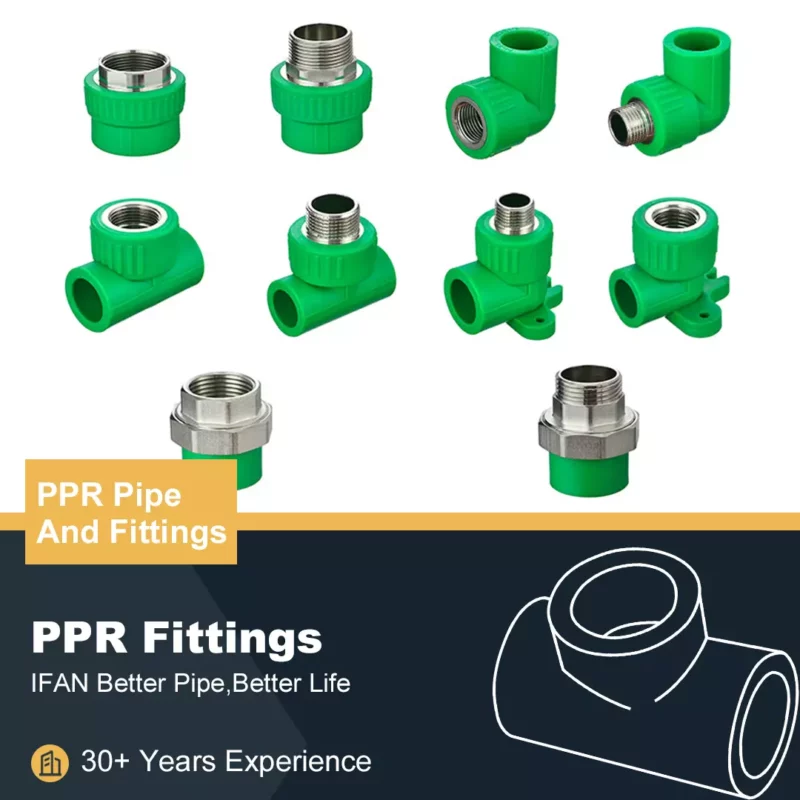
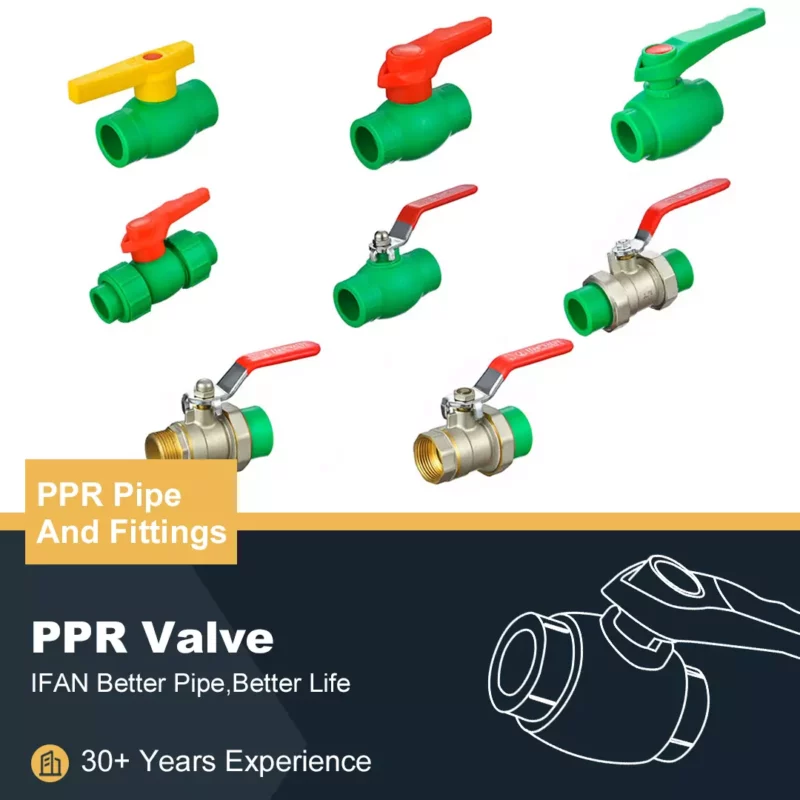
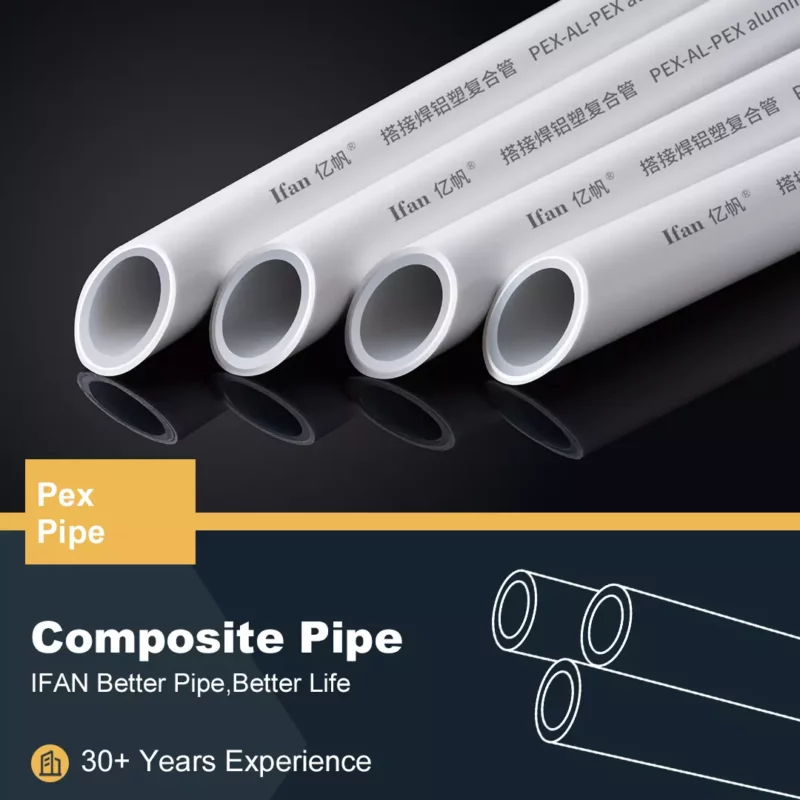
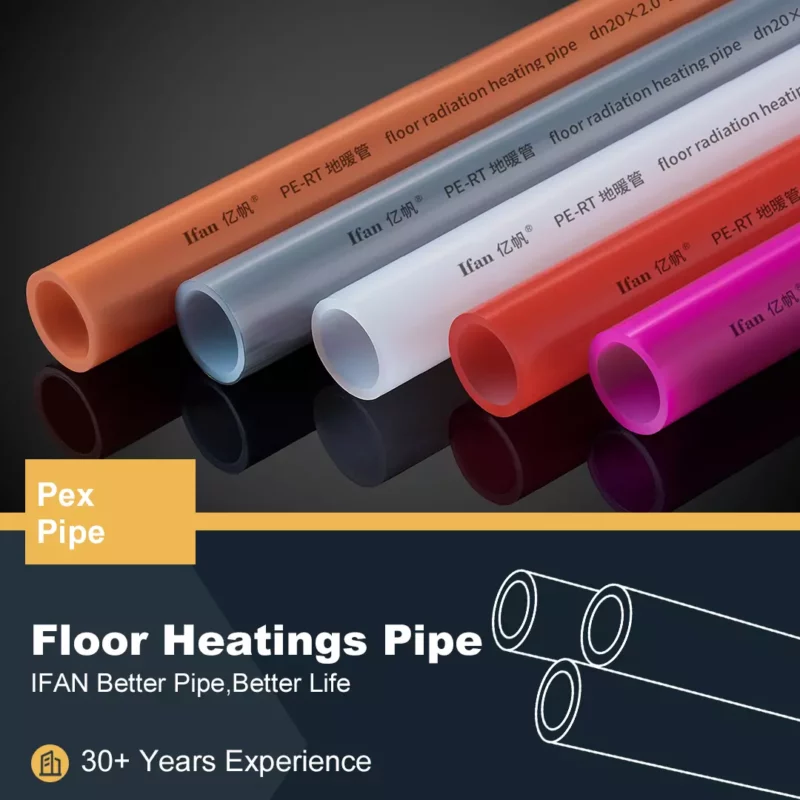
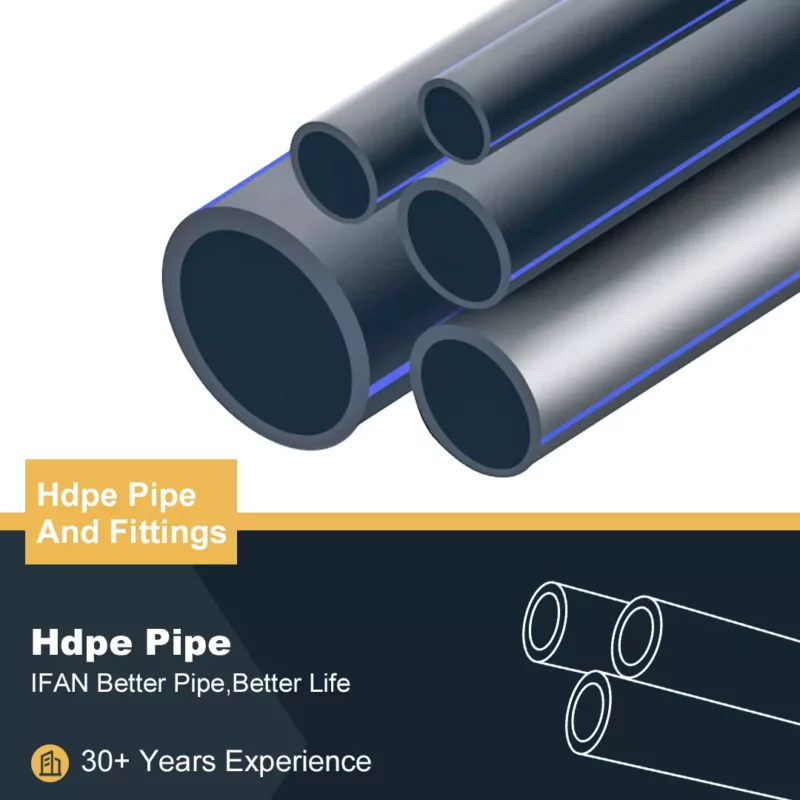
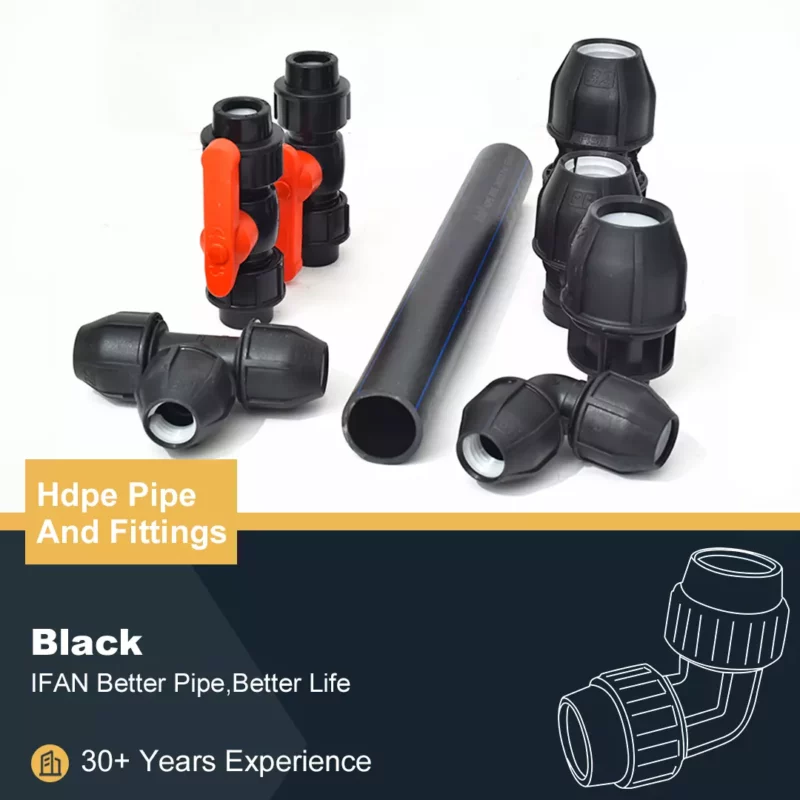
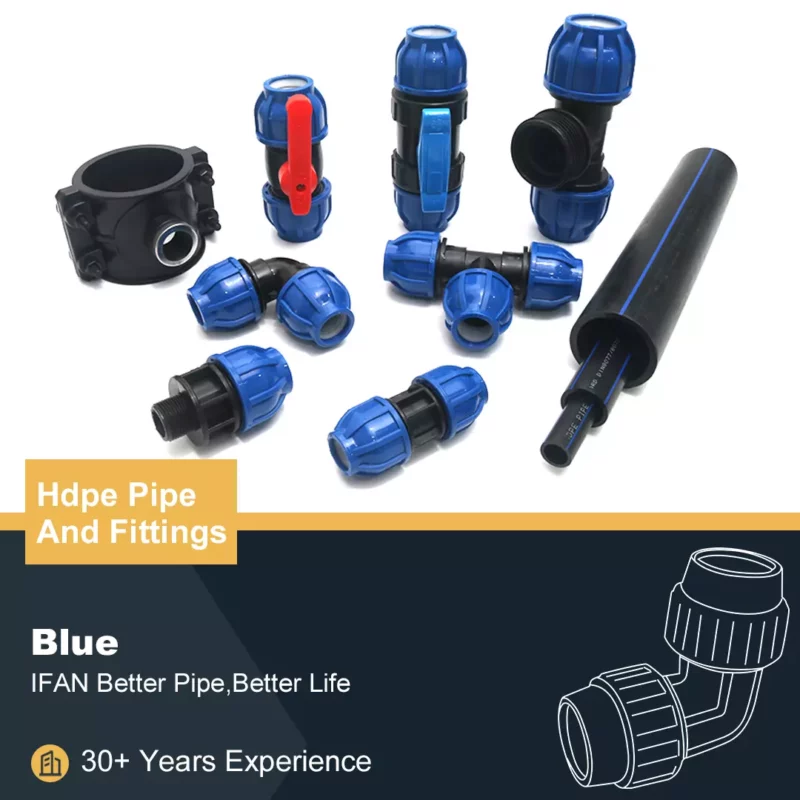
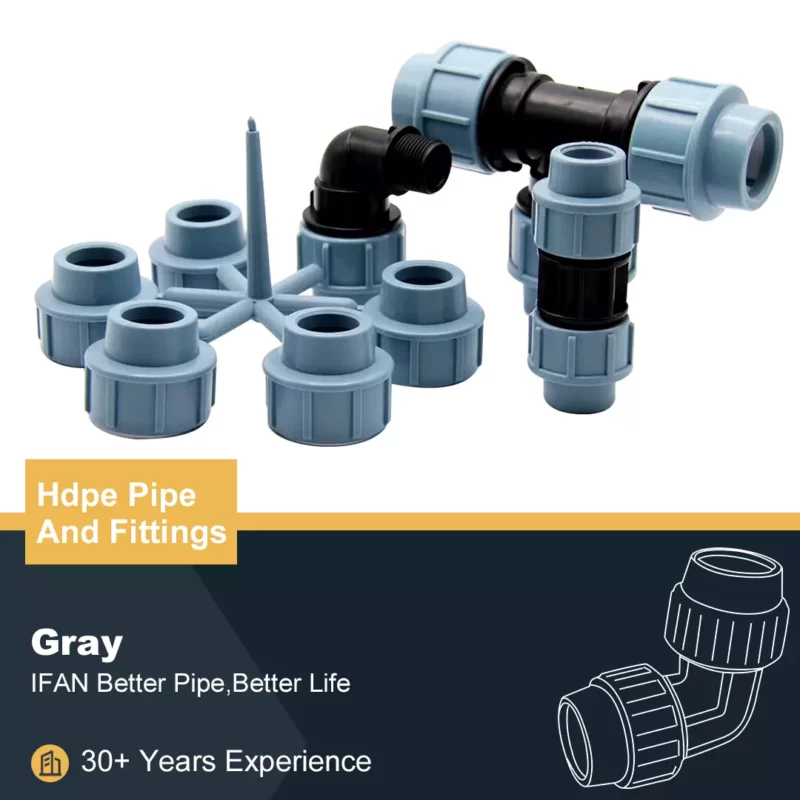


High-Density Polyethylene (HDPE) pipe fittings are increasingly used in industrial applications due to their superior performance, flexibility, and durability. Industries requiring reliable, long-lasting piping systems rely on HDPE for transporting fluids, chemicals, and gases. In this article, we will explore the various advantages of HDPE pipe fittings in industrial settings and how they contribute to the efficiency, safety, and sustainability of industrial processes.
Understanding HDPE Pipe Fittings
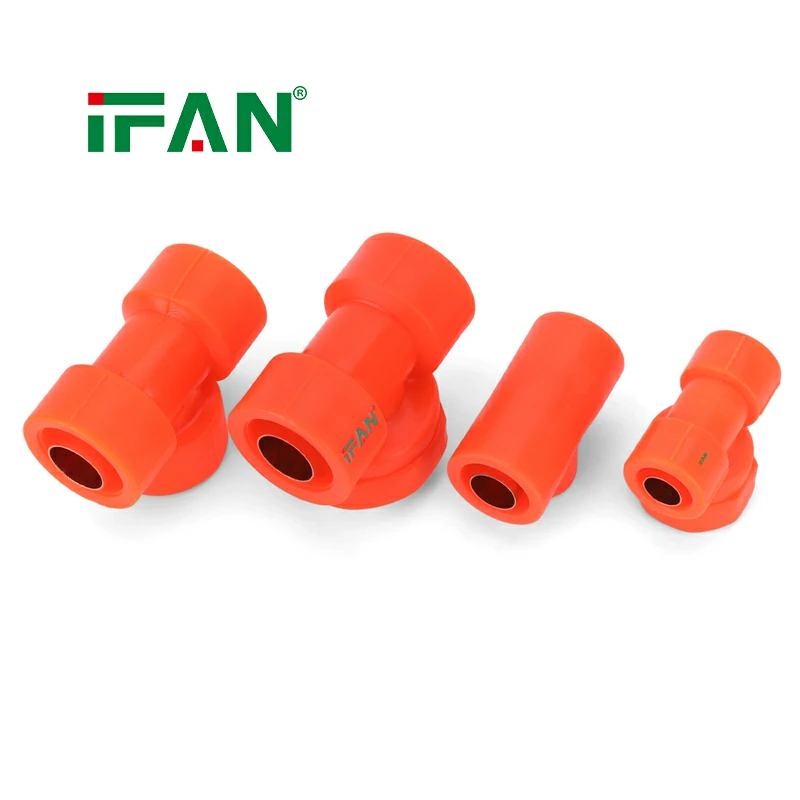
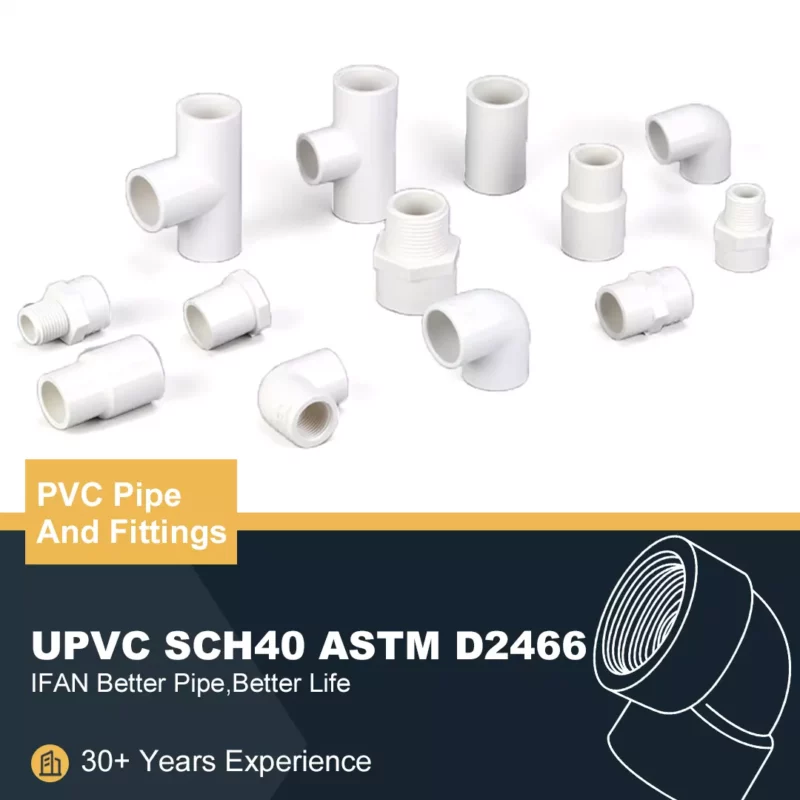
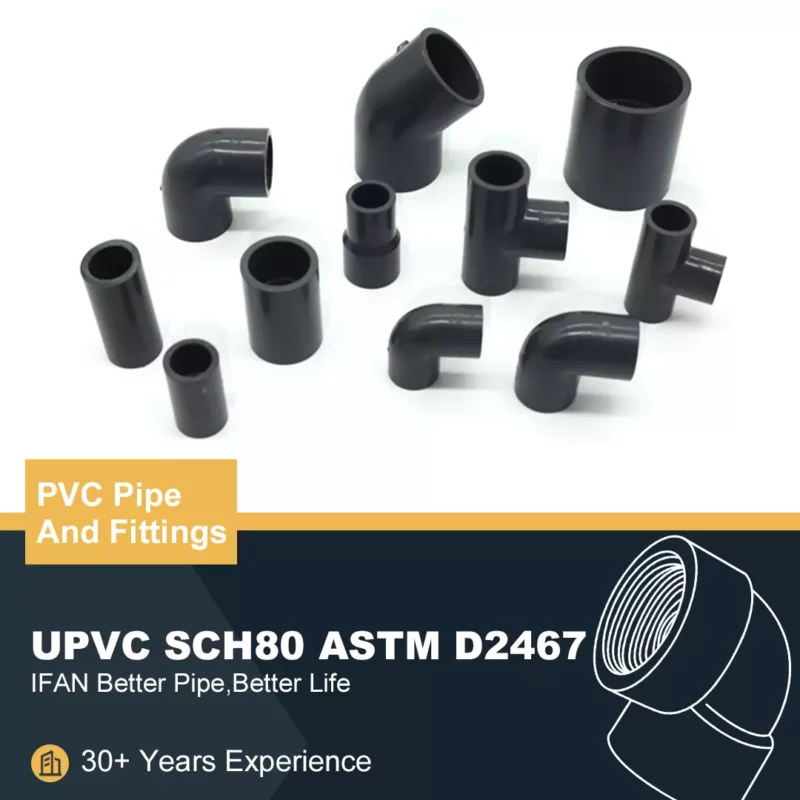
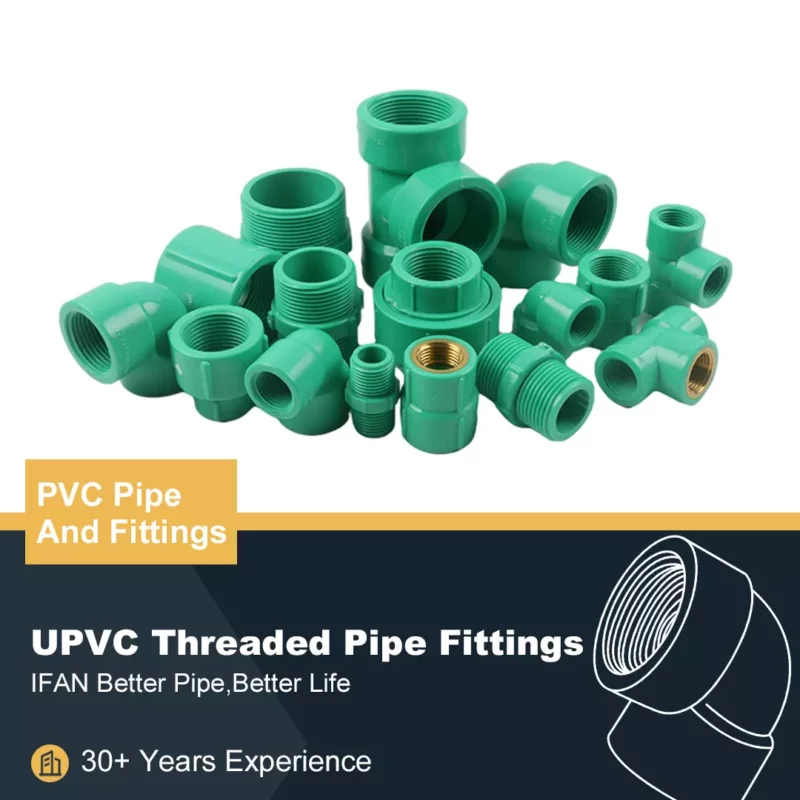
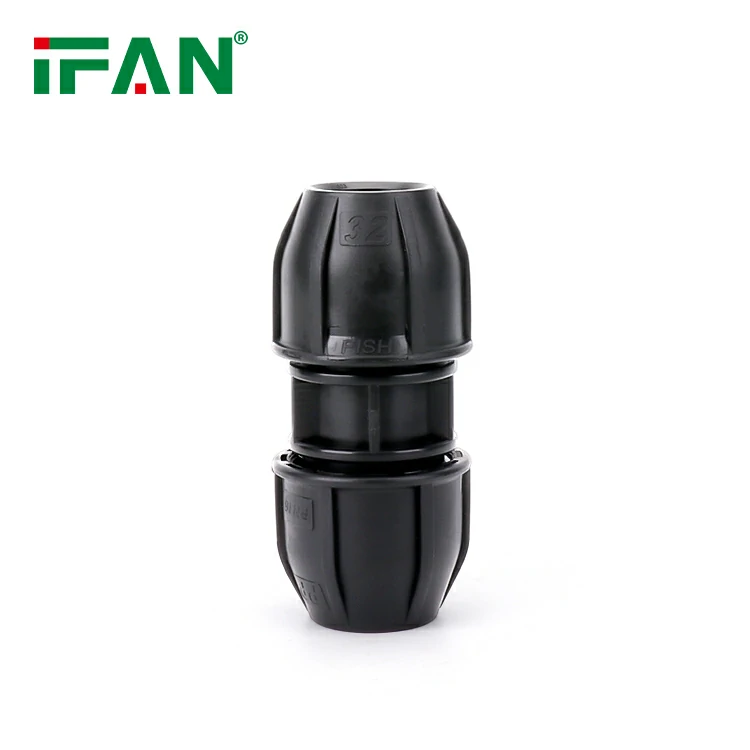
HDPE pipe fittings are components designed to connect sections of HDPE pipes. These fittings include elbows, tees, couplings, reducers, and flanges, among others. They are made from HDPE, a versatile and durable thermoplastic material known for its resistance to corrosion, chemicals, and wear. HDPE pipes and fittings are widely used in a variety of industrial sectors, including manufacturing, mining, and oil and gas. Their ability to withstand harsh environments and high-pressure systems makes them ideal for industrial applications.
Advantages of HDPE Pipe Fittings in Industrial Applications
HDPE pipe fittings offer several significant benefits in industrial applications. One of the key advantages is their resistance to corrosion and chemical damage. Unlike metal pipes, HDPE does not rust, corrode, or degrade when exposed to water, chemicals, or extreme environmental conditions. This makes HDPE ideal for industries where the pipes are exposed to aggressive substances, such as in the chemical or wastewater industries. HDPE pipe fittings ensure that the system remains intact and leak-free for decades.
Chemical Resistance for Harsh Environments
Industrial applications often require pipes and fittings that can handle aggressive chemicals and fluids. HDPE pipe fittings excel in these environments, as they are highly resistant to a wide range of chemicals, including acids, alkalis, and solvents. This chemical resistance makes HDPE an ideal choice for the chemical processing industry, where pipes often carry highly corrosive substances. HDPE’s ability to maintain its structural integrity under these conditions ensures that it can safely transport a variety of industrial fluids without risk of degradation or failure.
Durability and Longevity in Heavy Duty Applications
HDPE pipe fittings are known for their durability and long lifespan, which is crucial for industrial applications. Unlike metal pipes that may corrode or wear out over time, HDPE remains unaffected by environmental factors such as moisture, chemicals, and UV radiation. HDPE’s strength ensures that it can withstand high-pressure conditions, heavy loads, and even physical impact without cracking or breaking. The longevity of HDPE pipes and fittings significantly reduces the need for frequent replacements, thus lowering maintenance costs in the long term.
Temperature and Pressure Resistance
In industrial settings, pipes and fittings are often exposed to extreme temperatures and pressures. HDPE pipe fittings are designed to handle both, making them suitable for a variety of industrial applications. HDPE can resist temperatures up to 60°C (140°F) continuously and higher temperatures for short periods. The material also performs well under high-pressure systems, ensuring that it can safely transport fluids or gases without risk of leakage or rupture. This makes HDPE pipe fittings ideal for industries such as oil and gas, power plants, and chemical processing plants, where systems often operate under demanding conditions.
IFAN International Standard for HDPE
IFAN brand HDPE Pipe Fitting are manufactured according to a wide range of international standards, ensuring high quality and reliability. These standards include ASTM D3035, ASTM D3350, ISO 4427 series, EN 12201 series, DIN 8074/8075, GB/T 13663 series, AS/NZS 4130, JIS K6760, BS 6572, and CSA B137.1. By adhering to these rigorous specifications, IFAN ensures that its HDPE pipe fittings meet global performance and safety requirements, making them suitable for various applications in different industries.microorganisms.
Flexibility and Ease of Installation
The flexibility of HDPE pipe fittings is another key advantage in industrial applications. HDPE pipes can be bent and curved to fit around obstacles without the need for additional joints or fittings. This adaptability reduces the need for costly custom fittings and makes installation quicker and more cost-effective. In challenging or confined environments, where traditional rigid piping materials may not be suitable, the flexibility of HDPE offers a solution. The ease of installation also extends to maintenance, as HDPE pipes and fittings can be quickly replaced or modified as needed.
Reduction of Leaks and System Downtime
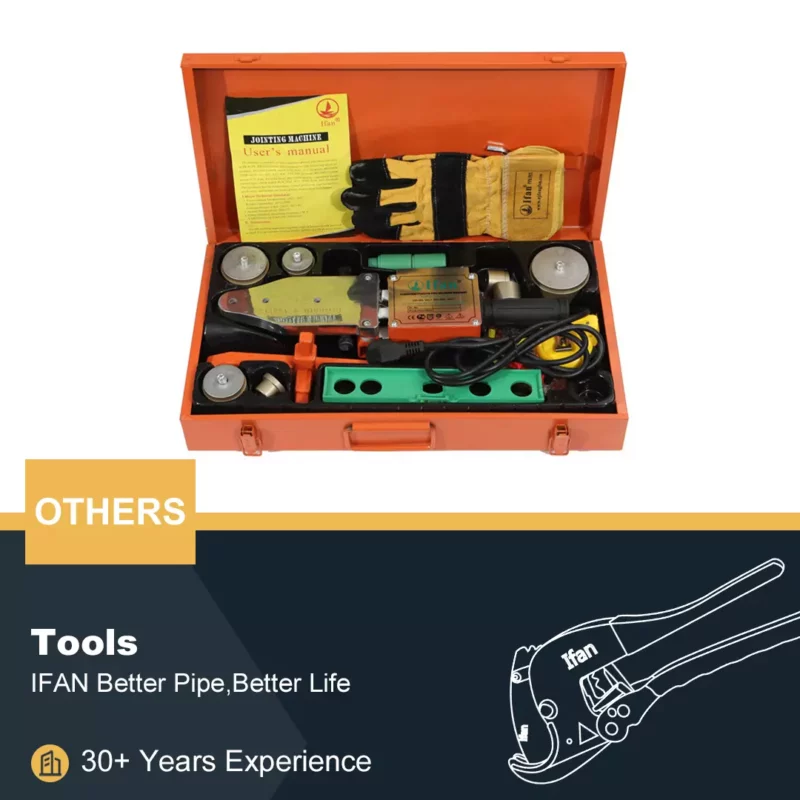
HDPE pipe fittings create seamless connections that are both durable and leak-resistant. The heat fusion method joins HDPE pipes and fittings effectively. It creates a strong bond that prevents leaks at joints. Unlike threaded metal or glued PVC connections, HDPE is more reliable. Fusion-welded joints ensure long-lasting performance in HDPE systems. In industrial applications, leaks can cause downtime and safety hazards. HDPE’s leak-proof nature minimizes system failure risks. It contributes to uninterrupted operations and reduces repair costs.
Cost-Effectiveness Over Time
Although the initial cost of HDPE pipe fittings may be slightly higher than alternatives like PVC or steel, their long-term cost-effectiveness is significant. HDPE’s durability, resistance to corrosion, and low maintenance requirements result in fewer repairs and replacements over time. The lightweight nature of HDPE pipes also reduces transportation and labor costs, making installation more affordable. Since HDPE pipe systems can last for decades without significant issues, the overall return on investment (ROI) is higher than other materials that require more frequent maintenance or replacement.
Applications in the Oil and Gas Industry
HDPE pipe fittings are essential in the oil and gas industry. They transport oil, gas, and other fluids safely. The chemical resistance of HDPE withstands harsh hydrocarbons and chemicals. HDPE’s flexibility makes it suitable for pipelines under pressure. Its durability helps with temperature fluctuations in operations. HDPE fittings support upstream, refining, and downstream distribution. They enhance the reliability and efficiency of oil and gas pipelines.
Water and Wastewater Management
HDPE pipe fittings are widely used in water and wastewater management systems. In industrial facilities, HDPE is often used to transport both potable water and wastewater due to its resistance to corrosion and chemical degradation. These systems require pipes and fittings that can handle varying pressures, resist blockages, and withstand exposure to harsh environmental conditions. HDPE’s smooth inner surface reduces the likelihood of clogs and bacterial buildup, ensuring that water and wastewater are transported efficiently and safely. The ability to install HDPE piping systems underground further protects them from external damage and weather-related wear.
Mining and Heavy Industry Applications
HDPE pipe fittings also play a critical role in the mining industry, where they are used to transport water, slurry, chemicals, and other materials in challenging environments. The high durability of HDPE ensures that it can withstand the abrasive wear that is common in mining operations. Additionally, the corrosion resistance of HDPE makes it ideal for transporting chemicals or water with high salinity, which would typically degrade metal pipes over time. HDPE’s flexibility also allows it to adapt to the dynamic conditions of mining sites, reducing the need for complex custom fittings.
Environmental Benefits of HDPE Pipe Fittings
The environmental impact of industrial piping systems can be reduced by using HDPE pipe fittings. HDPE is a recyclable material, and its long lifespan reduces the need for constant replacements, resulting in less waste. Additionally, HDPE’s lightweight nature means that it requires less energy to transport, which further lowers its environmental footprint. The reduced need for maintenance, coatings, and replacements also means that fewer resources are consumed during the lifetime of an HDPE system. Choosing HDPE for industrial applications aligns with sustainability goals by contributing to a reduction in waste and resource usage.
Maintenance and Long-Term Performance
The low-maintenance nature of HDPE pipe fittings makes them ideal for industrial applications, where downtime can lead to significant losses. HDPE’s resistance to wear and tear ensures that the system remains functional for many years with minimal intervention. Since HDPE pipes and fittings do not corrode, they do not require frequent inspection or replacement like metal piping systems. The longevity and reliability of HDPE piping networks make them an excellent choice for industries that rely on constant, uninterrupted fluid transport.
Conclusion
HDPE pipe fittings are essential for industrial applications due to their durability, flexibility, and resistance to chemicals, pressure, and temperature extremes. These characteristics make HDPE a superior choice in industries such as oil and gas, mining, water management, and chemical processing. The long lifespan, low maintenance requirements, and cost-effectiveness of HDPE pipe fittings contribute to the efficiency and reliability of industrial piping networks. As industries continue to prioritize safety, performance, and sustainability, HDPE pipe fittings will remain a key component in the development of modern industrial infrastructure.
If you have read this article and have any questions, please feel free to contact IFAN. Below is our contact information:
Whatsapp:+86 13373827623
Email:[email protected]