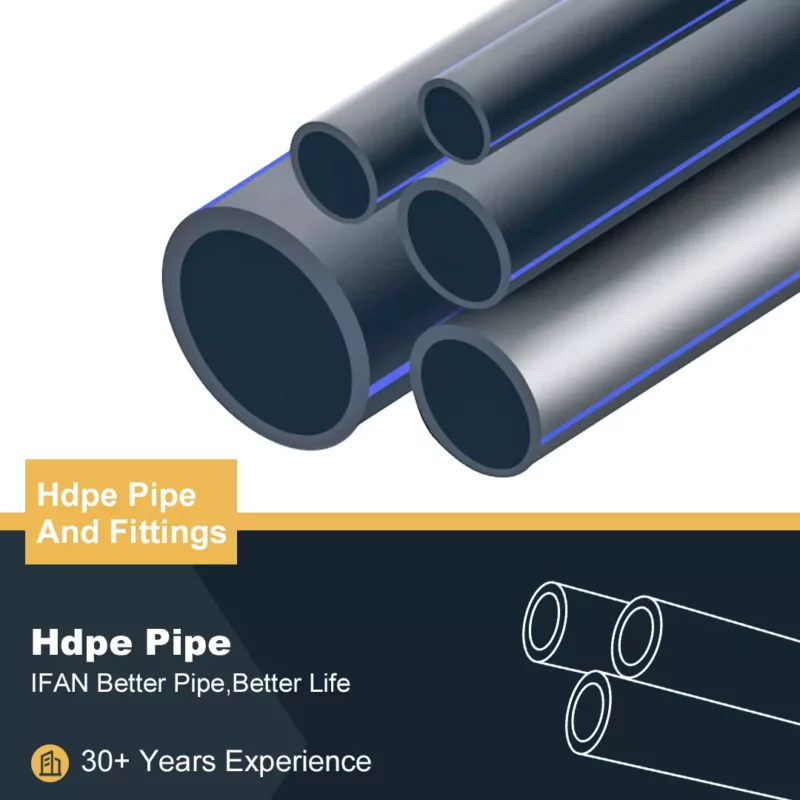


High-Density Polyethylene (HDPE) pipe fittings have earned a reputation for their durability, performance, and long-term reliability. Used across a wide range of industries, these fittings ensure stable and secure connections in piping systems. Their ability to withstand harsh conditions makes them an ideal choice for both residential and industrial applications. In this article, we will explore how HDPE pipe fittings contribute to the long-term reliability of piping systems.
What Are HDPE Pipe Fittings?
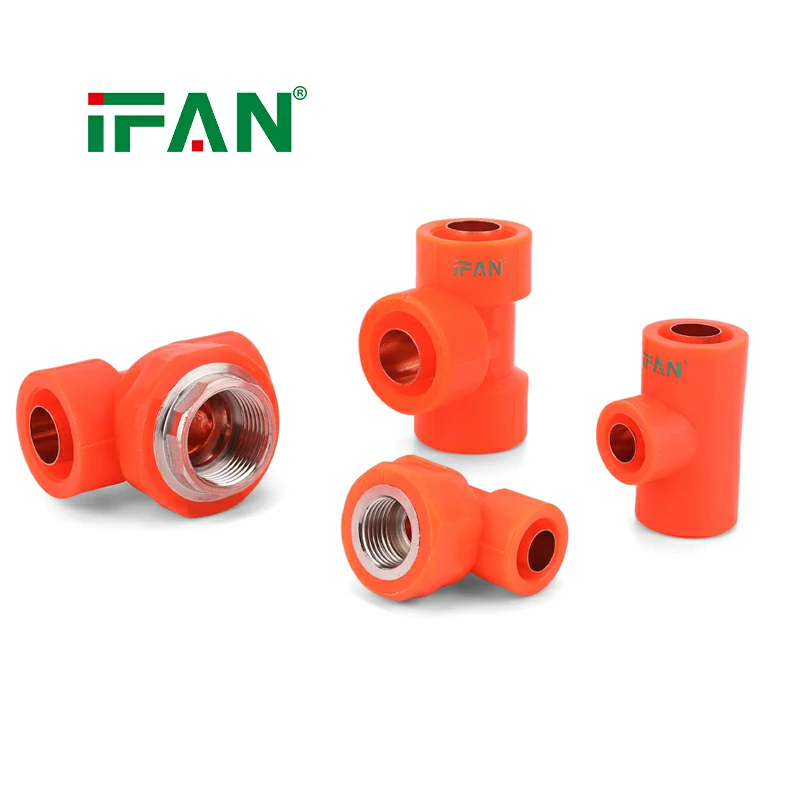
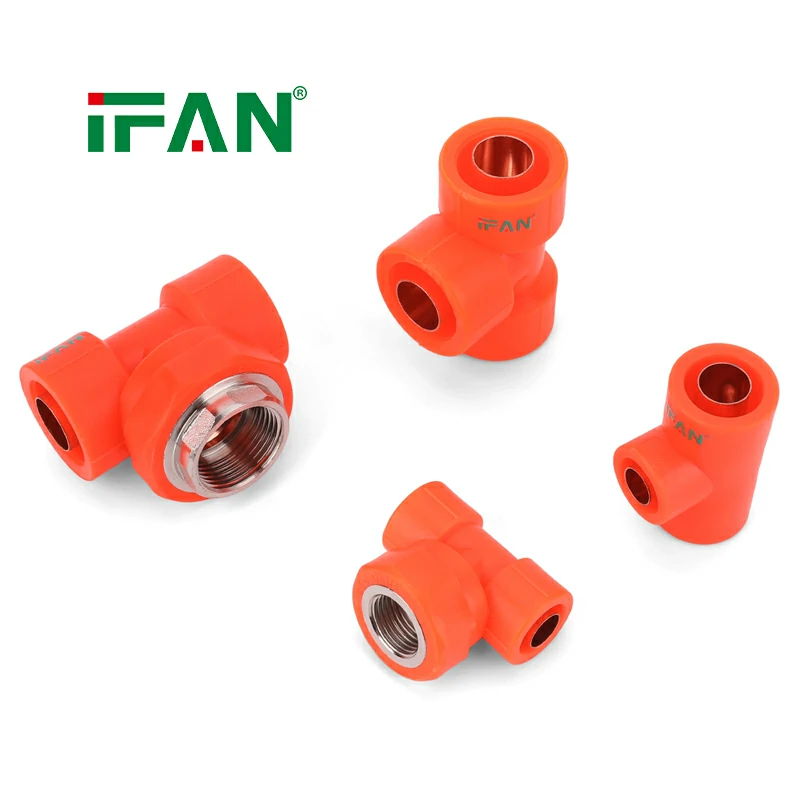
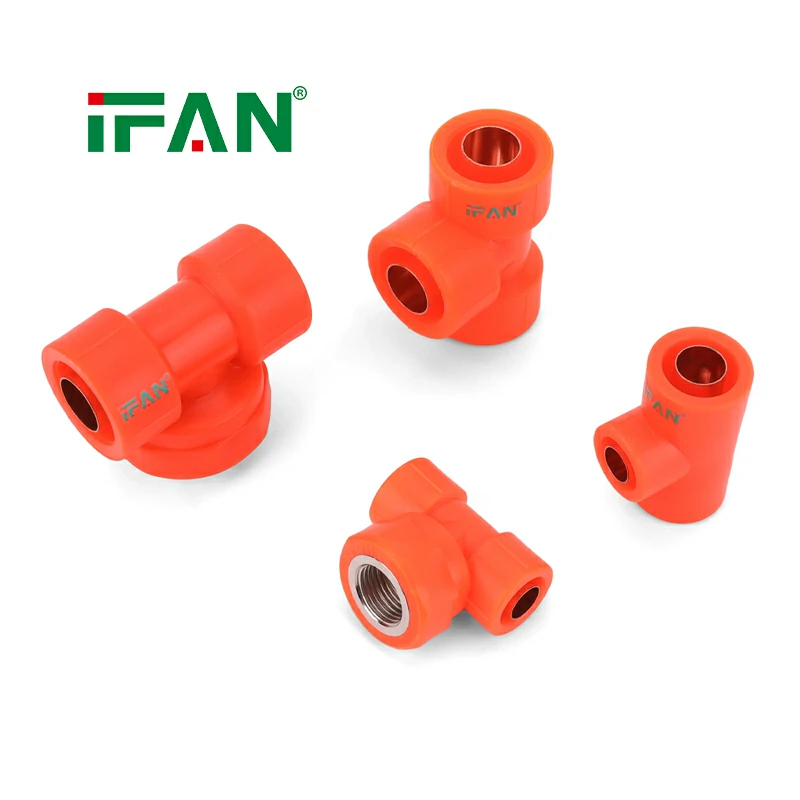
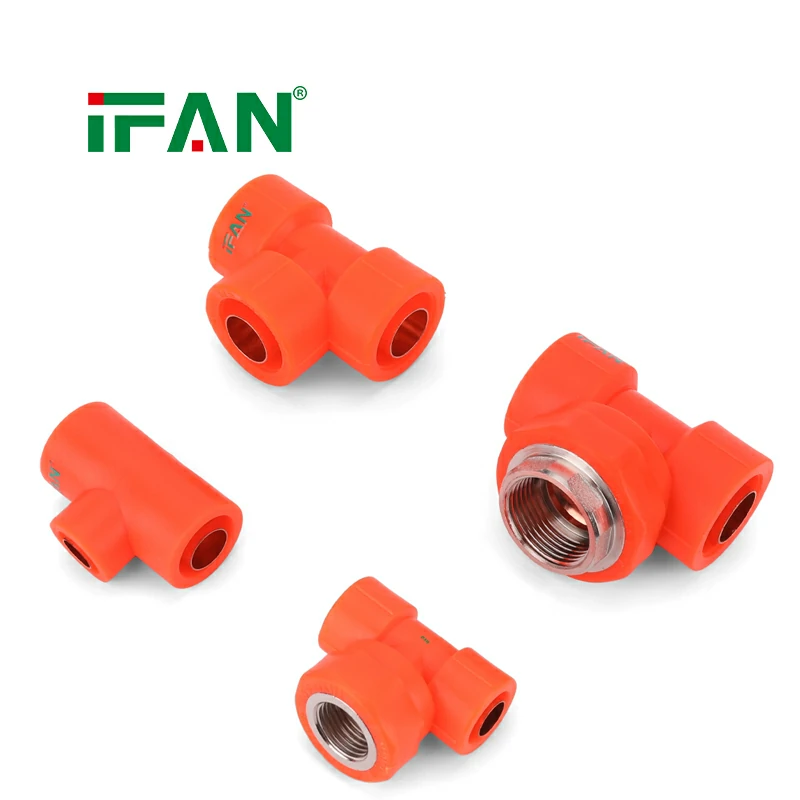
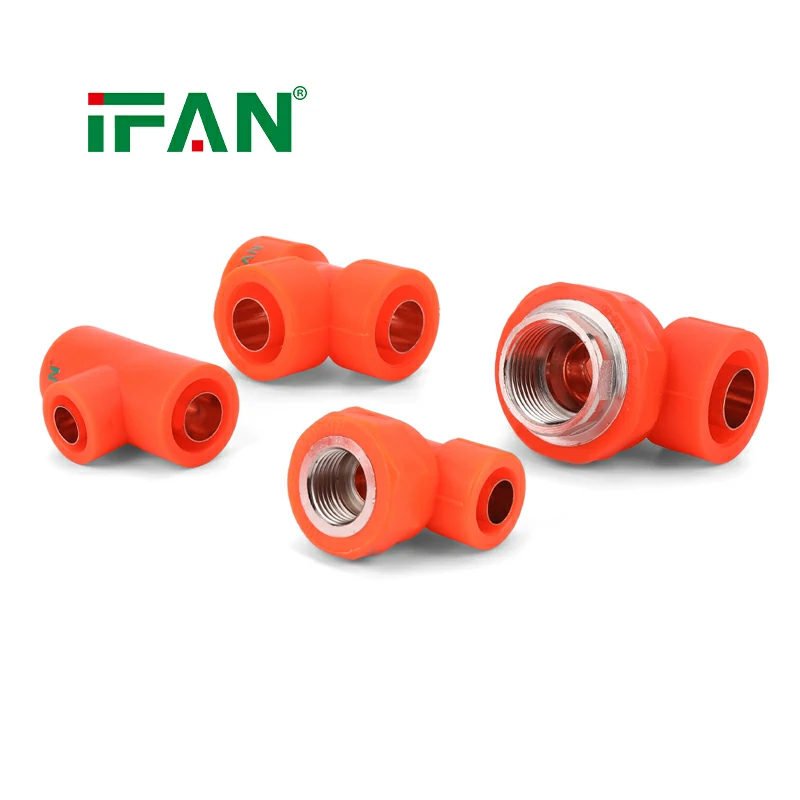
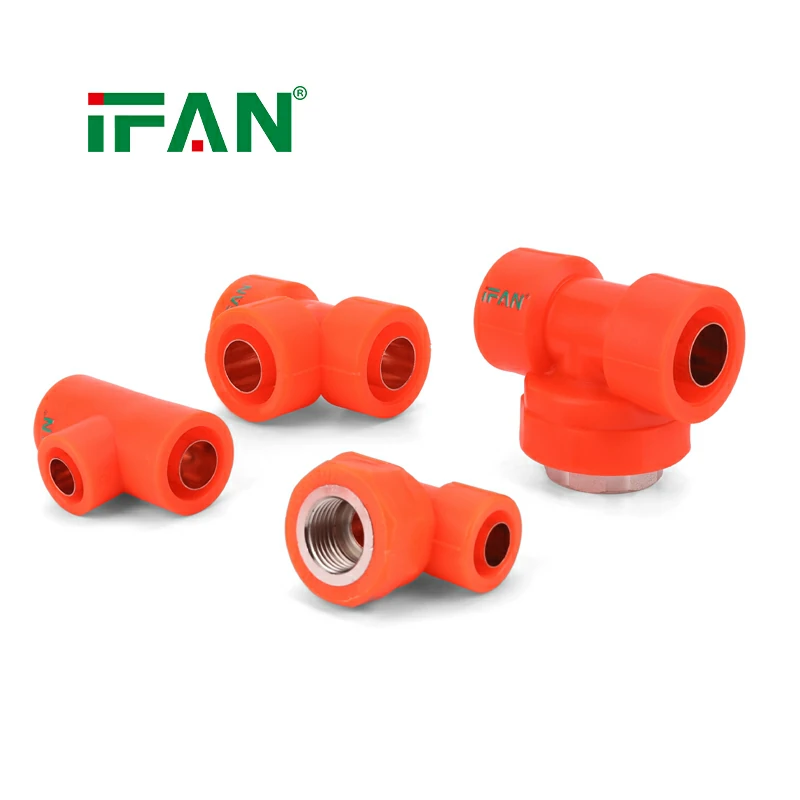
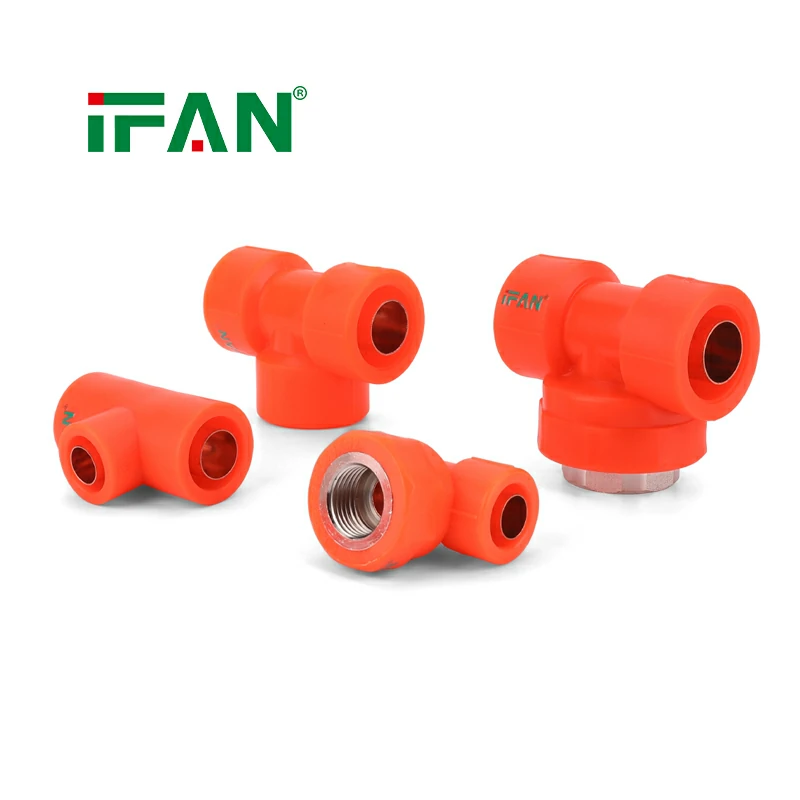
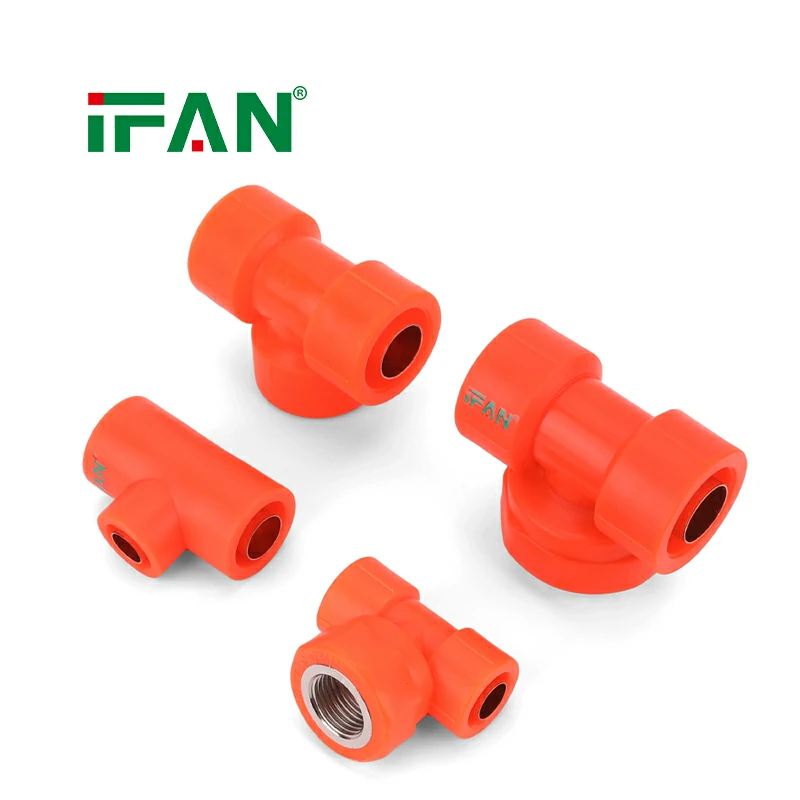
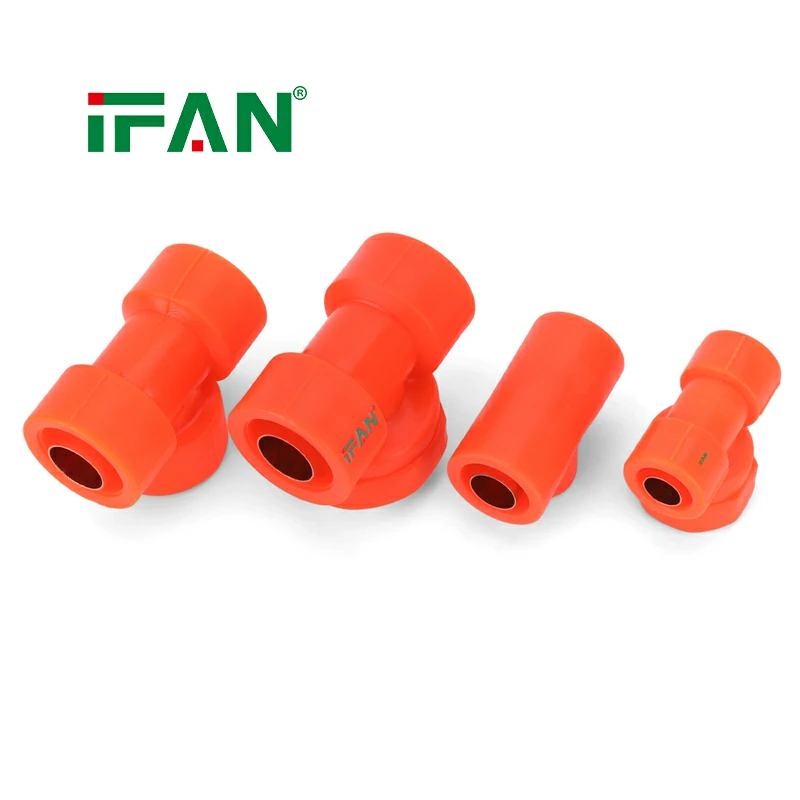
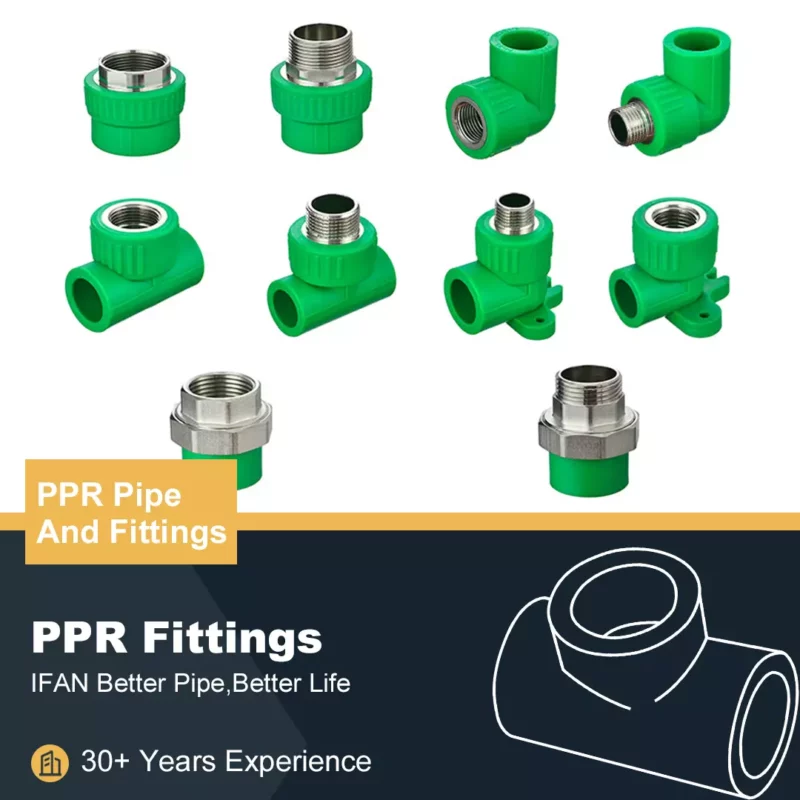
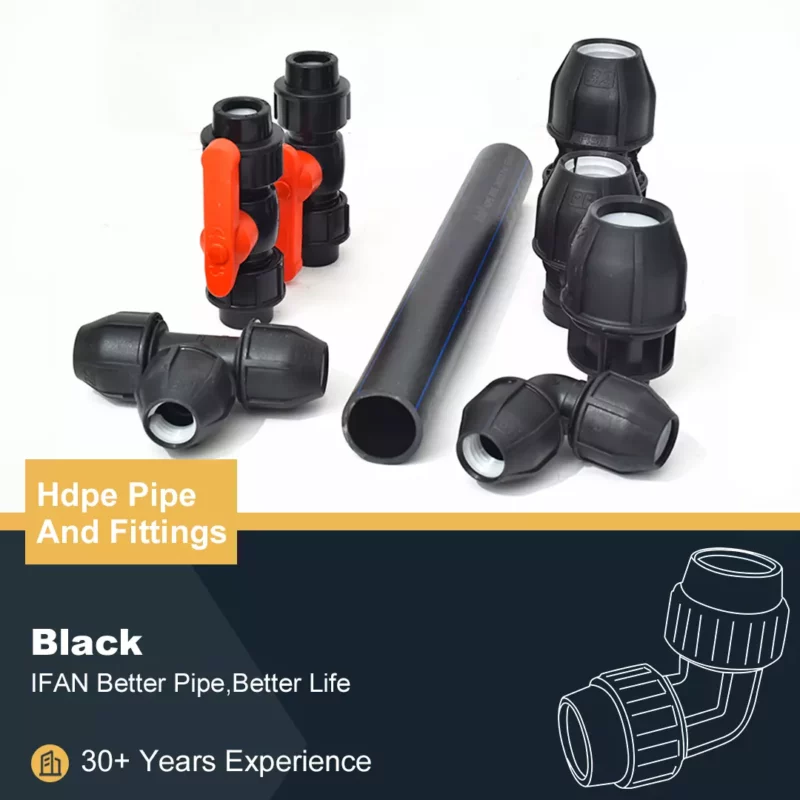
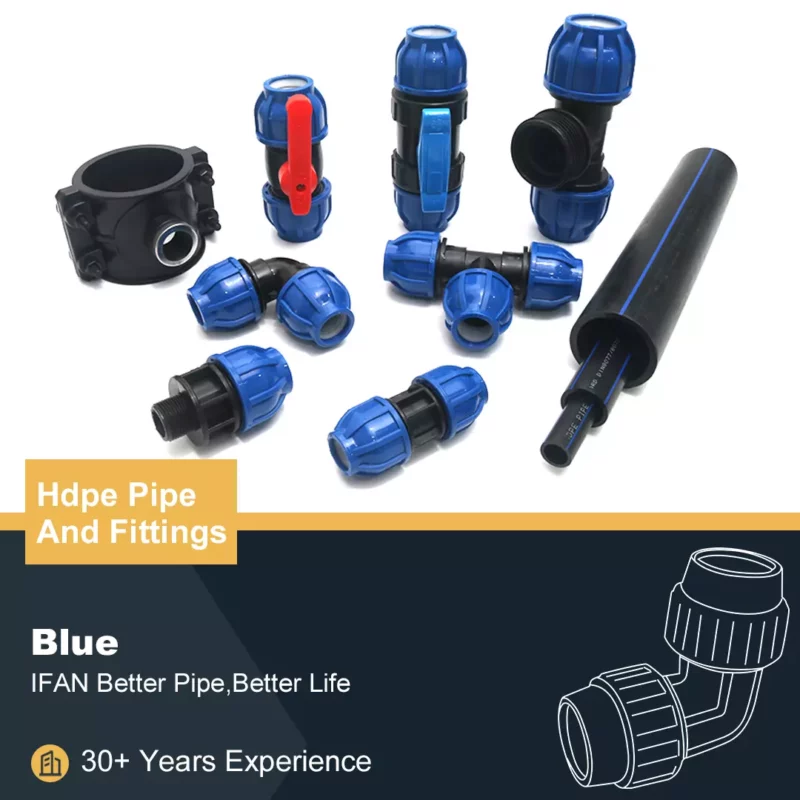
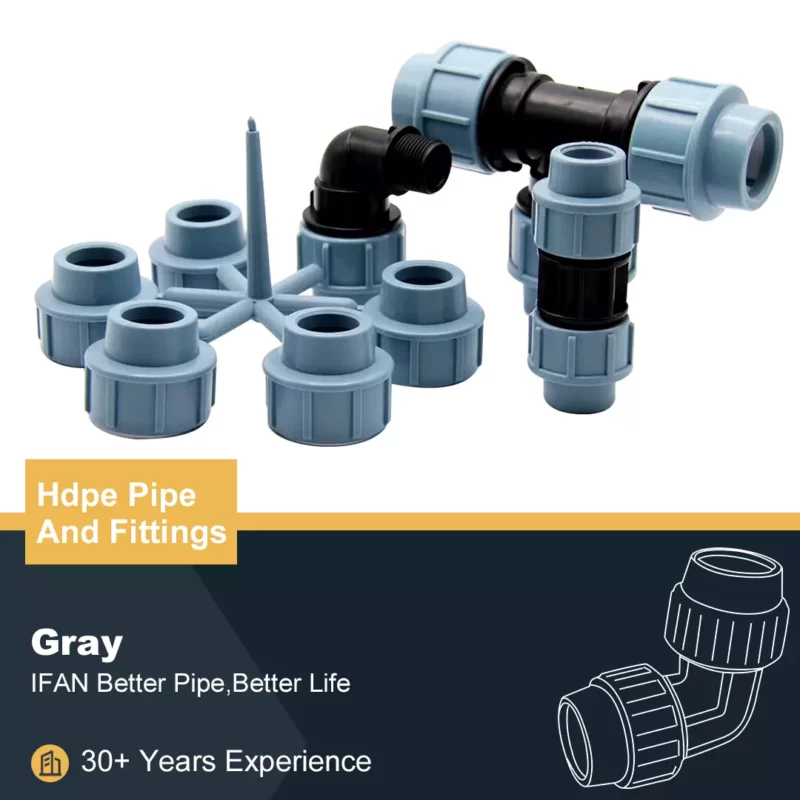
HDPE pipe fittings are essential components used to connect sections of HDPE pipes in various systems. These fittings come in various forms, such as elbows, tees, couplings, reducers, and flanges. Made from HDPE, a high-strength, corrosion-resistant thermoplastic material, they provide a durable solution for fluid and gas transportation. Whether for water distribution, chemical processing, or wastewater management, HDPE pipe fittings are known for their leak-proof and secure connections. Their long lifespan ensures that piping systems remain operational and reliable over time.
Benefits of HDPE Pipe Fittings for Long-Term Performance
HDPE pipe fittings offer numerous benefits that contribute to their long-term reliability. They are resistant to corrosion, chemicals, and environmental stress. These characteristics make them particularly useful in systems that transport harsh chemicals or are exposed to extreme weather conditions. HDPE pipe fittings also have a smooth inner surface, minimizing friction and improving the flow of liquids and gases. This reduces wear and tear, extending the system’s overall lifespan.
Corrosion Resistance for Longevity
One of the most significant advantages of HDPE pipe fittings is their resistance to corrosion. Unlike traditional metal piping systems, HDPE does not rust, corrode, or degrade when exposed to moisture or chemicals. In environments where pipes are frequently exposed to corrosive substances or harsh weather conditions, HDPE ensures a reliable, long-lasting solution. This corrosion resistance significantly reduces the risk of pipe failure, which is a common issue in other piping materials. As a result, the need for frequent repairs and replacements is minimized.
Chemical Resistance for Harsh Environments
Industries such as chemical processing, pharmaceuticals, and wastewater treatment require pipes and fittings that can withstand exposure to aggressive chemicals. HDPE pipe fittings are highly resistant to a wide range of chemicals, including acids, alkalis, and solvents. This resistance ensures that HDPE systems maintain their integrity over time, even when transporting substances that could degrade other types of piping materials. The chemical resistance of HDPE pipe fitting makes them a reliable choice for applications where safety and reliability are paramount.
Durability Under Pressure
HDPE pipe fitting are designed to withstand high-pressure conditions, making them suitable for demanding applications. HDPE pipes and fittings can handle pressures up to several hundred PSI (pounds per square inch), depending on the specific grade of HDPE used. This durability under pressure ensures that the entire piping system remains functional, even under extreme conditions. Whether for water distribution, gas transport, or chemical handling, HDPE pipe fitting provide the strength needed to maintain the system’s efficiency and reliability over time.
Flexibility for Complex Installations
HDPE pipe fitting offer a unique level of flexibility, which is essential for installations in challenging environments. HDPE pipes can bend and conform to curved paths without the need for additional joints or fittings. This flexibility reduces the number of connections in a system, decreasing the risk of leaks. It also makes HDPE ideal for installations in areas with limited space or complex designs, such as underground systems or systems that must navigate obstacles. The flexibility of HDPE also contributes to its durability, as it can absorb stress and movement from the surrounding environment without cracking or failing.
Seamless Connections for Leak Prevention
A key feature of HDPE pipe fitting is their ability to form seamless, leak-proof connections. When joined using heat fusion, HDPE pipes and fittings create a continuous bond that is both strong and durable. Heat fusion involves heating the ends of the pipe and fitting and then pressing them together under pressure, forming a strong, homogeneous joint. This seamless connection eliminates the risk of leaks at the joint, which can be a common problem with threaded or mechanically joined pipes. The leak-proof nature of HDPE pipe fitting ensures that the system remains efficient and secure for the long term.
Long Lifespan for Reduced Maintenance
HDPE pipe fittings have a long service life, often exceeding Long-term durability according to standards when properly installed and maintained. The material’s resistance to wear, corrosion, and chemical degradation ensures that the piping system can continue to operate without the need for frequent repairs or replacements. This long lifespan reduces maintenance costs and minimizes disruptions to the system. For industries that rely on continuous fluid or gas transport, the durability of HDPE pipe fitting ensures long-term operational efficiency.
Cost-Effectiveness Over Time
While HDPE pipe fitting may have a higher upfront cost than some alternative materials, their long-term cost-effectiveness is undeniable. The material’s durability, low maintenance requirements, and resistance to corrosion and chemicals reduce the need for frequent repairs or replacements. This results in significant savings over the lifespan of the system. Additionally, the ease of installation, with fewer joints and connections required, reduces labor costs. Over time, the savings from reduced maintenance, repairs, and replacement parts far outweigh the initial investment.
IFAN International Standard for HDPE
IFAN brand HDPE Pipe Fitting are manufactured according to a wide range of international standards, ensuring high quality and reliability. These standards include ASTM D3035, ASTM D3350, ISO 4427 series, EN 12201 series, DIN 8074/8075, GB/T 13663 series, AS/NZS 4130, JIS K6760, BS 6572, and CSA B137.1. By adhering to these rigorous specifications, IFAN ensures that its HDPE pipe fittings meet global performance and safety requirements, making them suitable for various applications in different industries.microorganisms.
Eco-Friendly Characteristics
In addition to their durability and reliability, HDPE pipe fitting offer several environmental benefits. HDPE is a recyclable material, meaning that at the end of its lifecycle, it can be repurposed rather than disposed of in landfills. This contributes to a circular economy, reducing waste and promoting sustainability. Furthermore, the longevity of HDPE pipe systems means fewer resources are needed for repairs and replacements, helping to reduce the overall environmental footprint of the infrastructure. The eco-friendly nature of HDPE pipe fitting makes them a sustainable choice for long-term piping systems.
HDPE Pipe Fittings in Water Distribution Systems
In water distribution systems, HDPE pipe fitting are particularly advantageous due to their resistance to corrosion and chemical degradation. Water pipes are often exposed to varying pressures and temperatures, which can weaken other materials over time. HDPE pipe fittings, however, can maintain their integrity even in harsh conditions, ensuring a reliable supply of clean water. The leak-resistant connections also prevent water loss, which is critical in conserving resources. Additionally, HDPE’s flexibility makes it suitable for installations in areas with challenging terrains or underground networks.
HDPE in Industrial Applications
HDPE pipe fittings are widely used in industrial applications, such as chemical processing, mining, and oil and gas industries. These industries often involve the transport of hazardous or corrosive materials, requiring a piping solution that can withstand these harsh conditions. HDPE pipe fittings’ resistance to chemicals, high pressures, and extreme temperatures makes them a reliable choice for industrial piping systems. Furthermore, the long lifespan and minimal maintenance required help industrial facilities reduce downtime and operational costs.
HDPE Pipe Fittings in Wastewater Treatment
In wastewater treatment plants, HDPE pipe fittings play a crucial role in maintaining the system’s integrity. The resistance of HDPE to chemicals and environmental factors ensures that it can handle the diverse range of substances encountered in wastewater treatment processes. HDPE pipe fittings are used to connect pipes that carry wastewater and treatment chemicals, ensuring that the system remains functional and leak-free. The durability of HDPE ensures that these systems can operate efficiently for decades without significant issues.
Challenges and Considerations
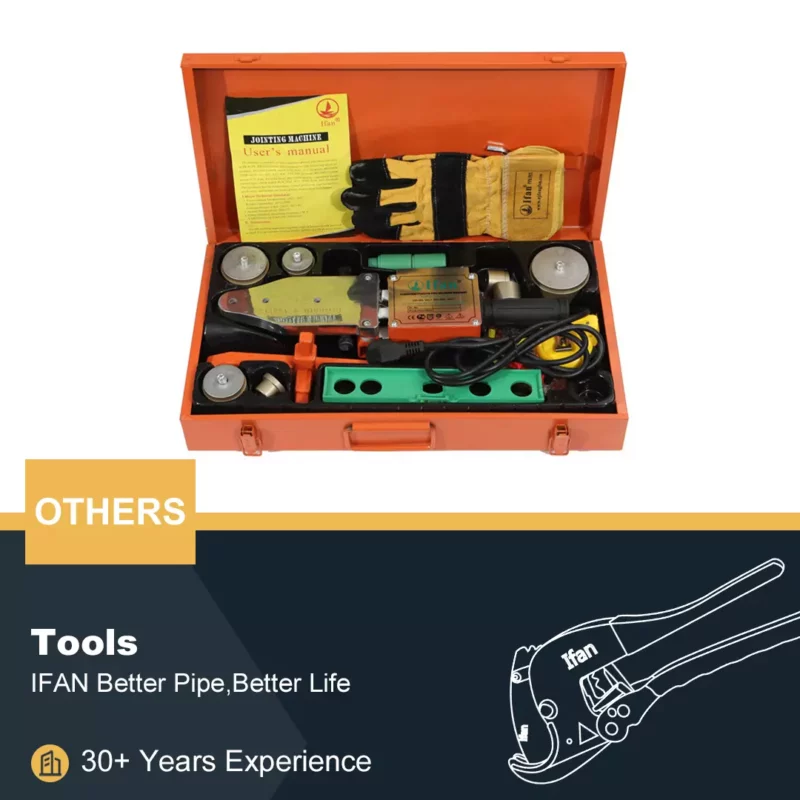
While HDPE pipe fittings offer numerous benefits, there are a few considerations to keep in mind. The installation of HDPE pipes and fittings requires specialized equipment, such as fusion machines for heat welding. This may require additional investment for companies unfamiliar with the process. Additionally, while HDPE is resistant to many chemicals, it may not be suitable for extreme temperatures or highly reactive substances without special consideration. However, these challenges can typically be addressed with proper installation techniques and material selection.
Conclusion
HDPE pipe fittings offer a reliable, cost-effective, and durable solution for piping systems in a variety of industries. Their resistance to corrosion, chemicals, high pressures, and environmental stress ensures that they maintain performance and integrity for decades. The long lifespan, low maintenance, and ease of installation of HDPE pipe fittings make them an excellent choice for ensuring the reliability of water, wastewater, and industrial piping systems. With their ability to provide seamless, leak-resistant connections, HDPE pipe fittings contribute significantly to the overall efficiency and longevity of piping networks. By choosing HDPE, industries and municipalities can secure long-term performance while minimizing maintenance and operational costs.
If you have read this article and have any questions, please feel free to contact IFAN. Below is our contact information:
Whatsapp:+86 13373827623
Email:[email protected]