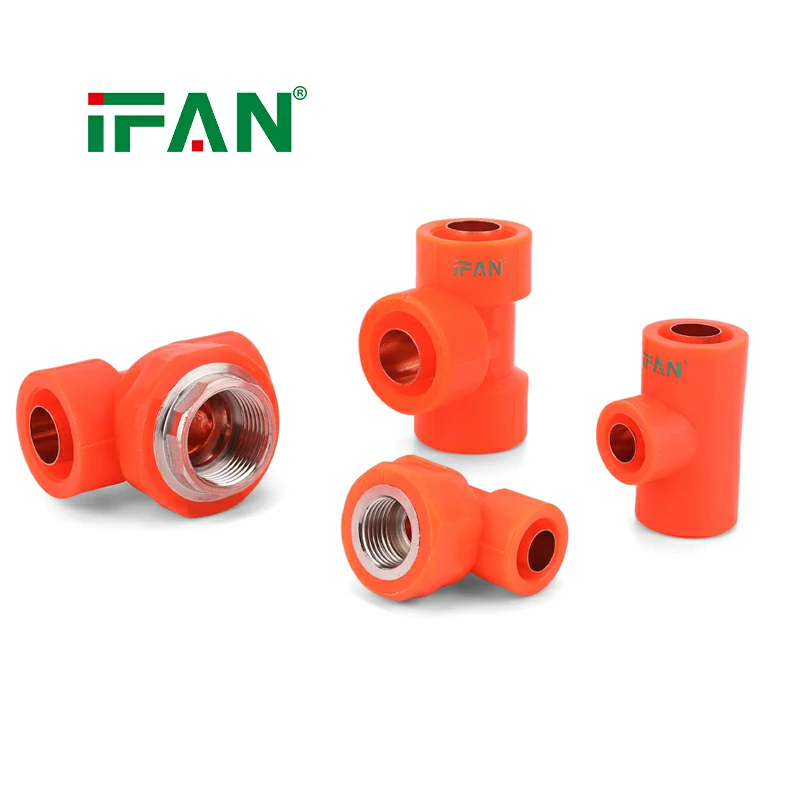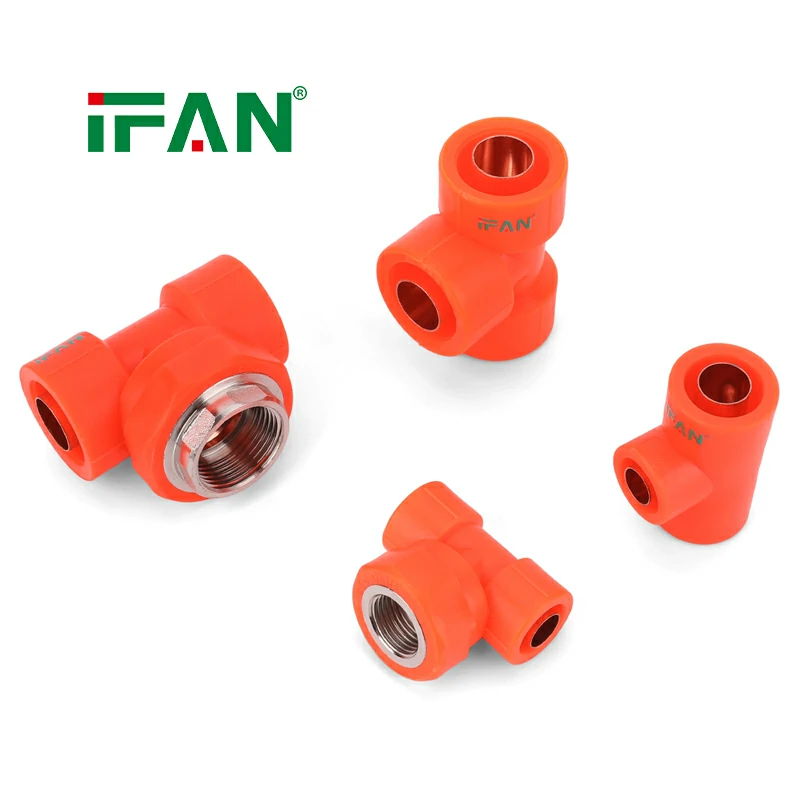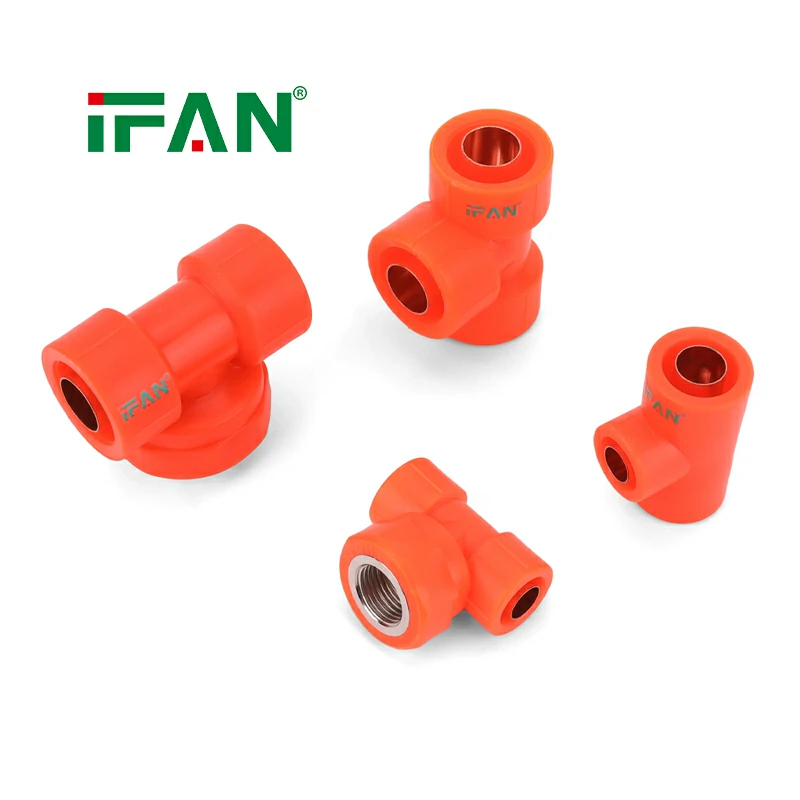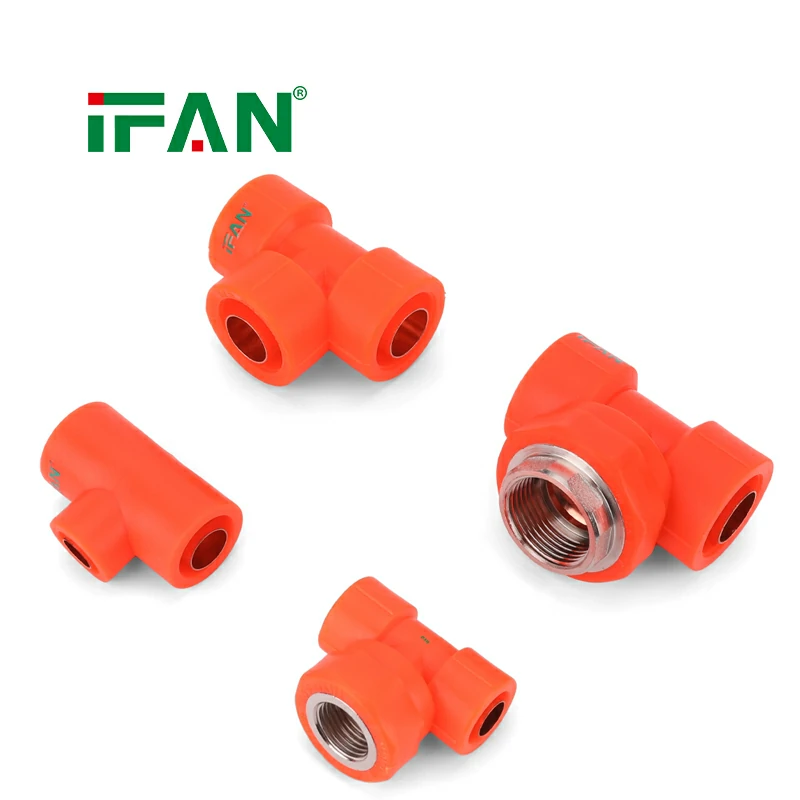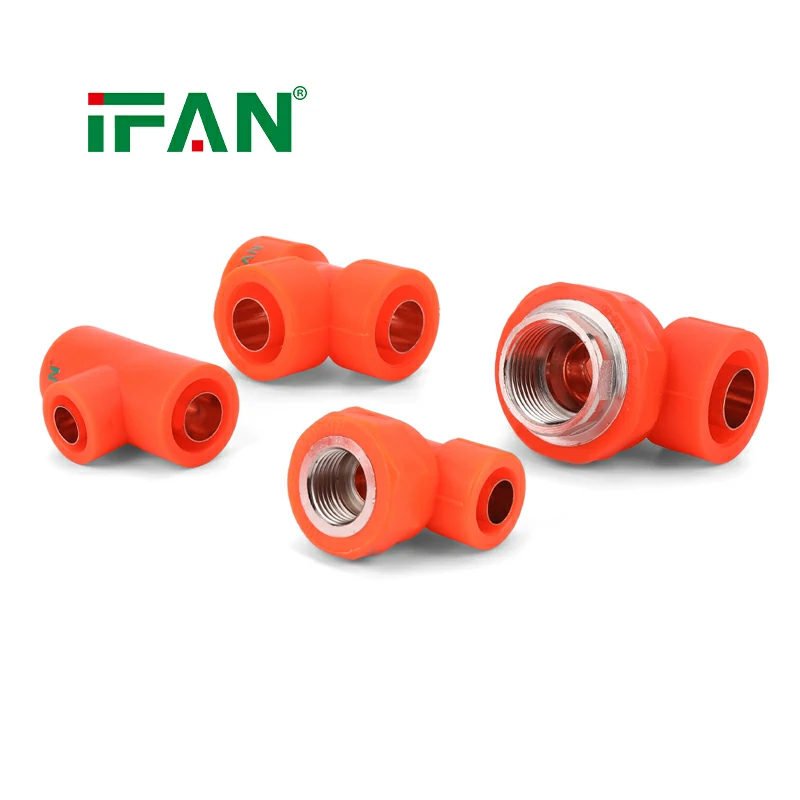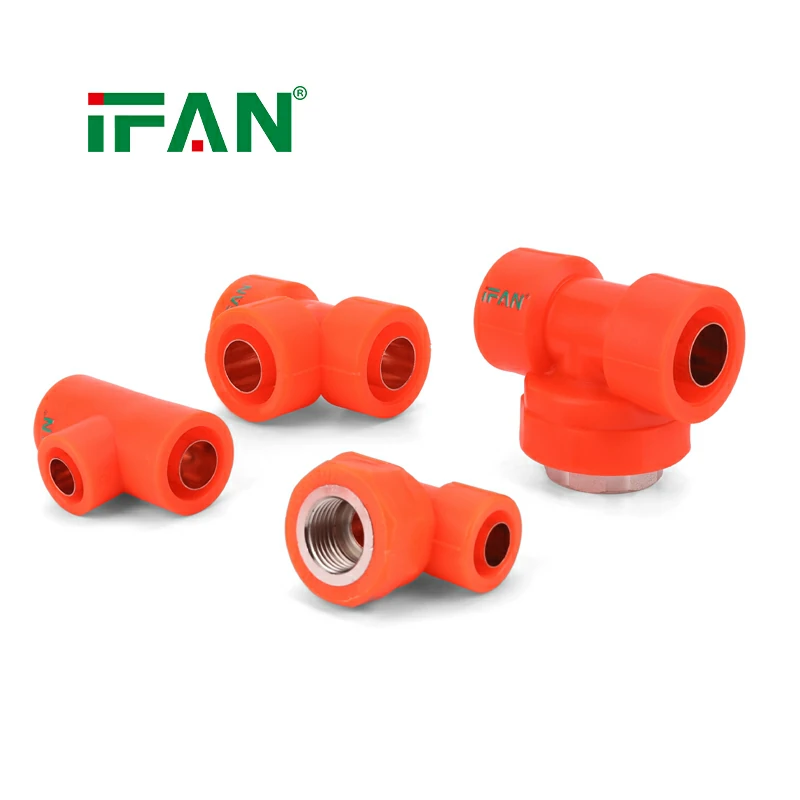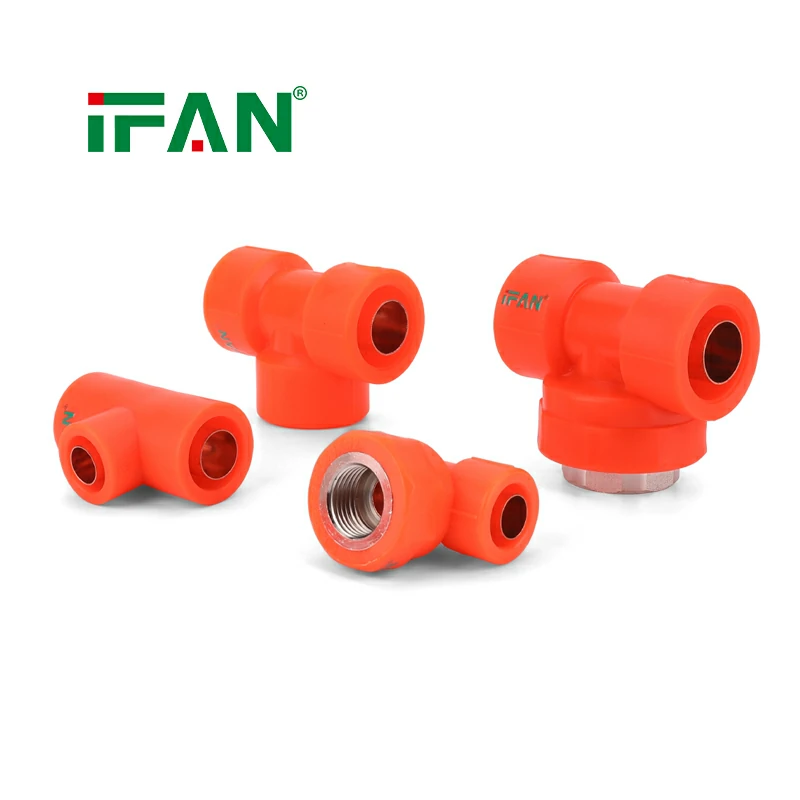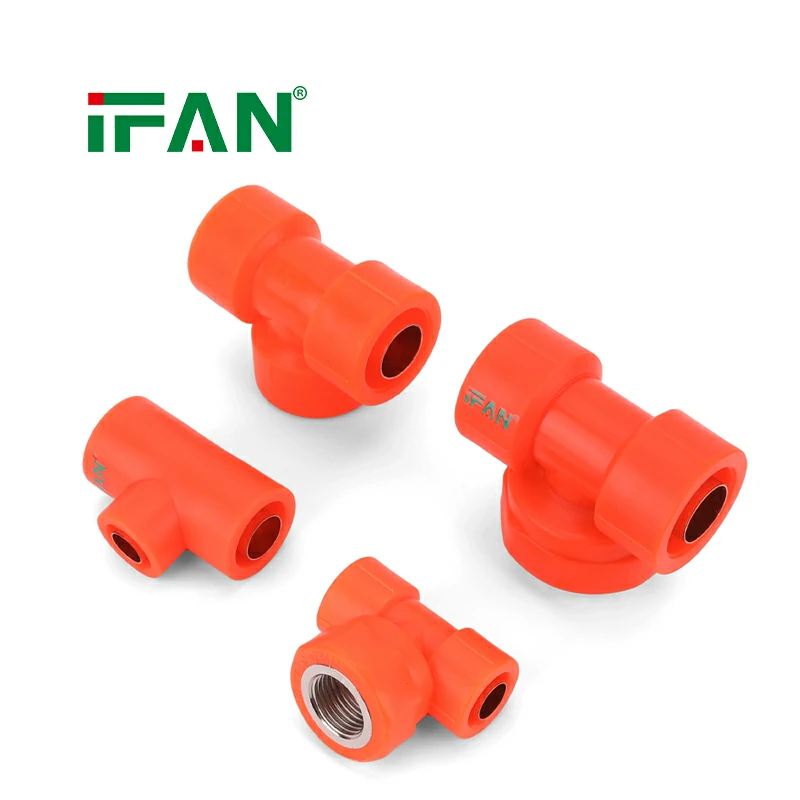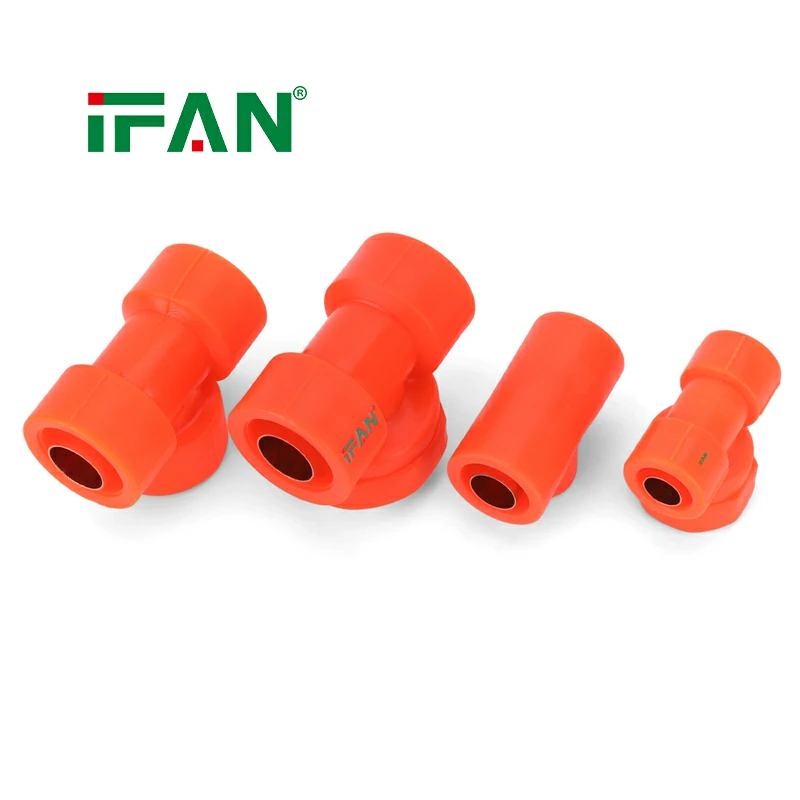
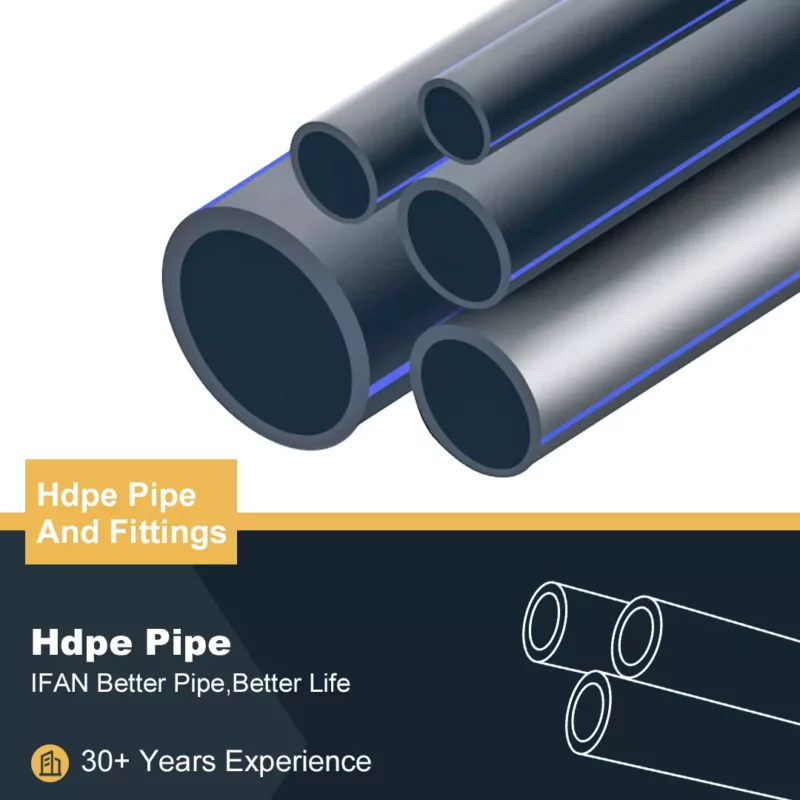
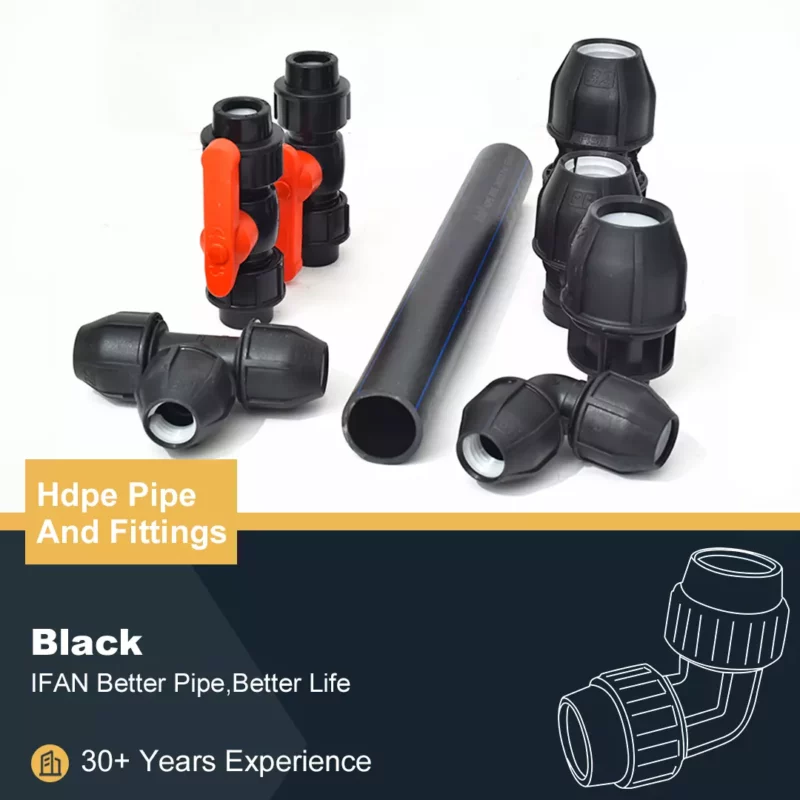
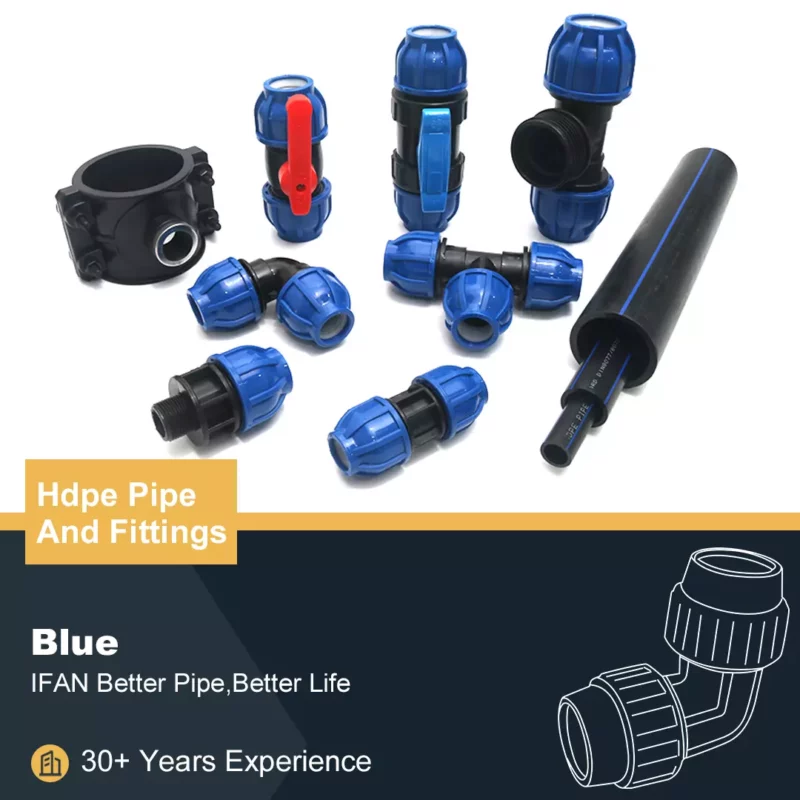
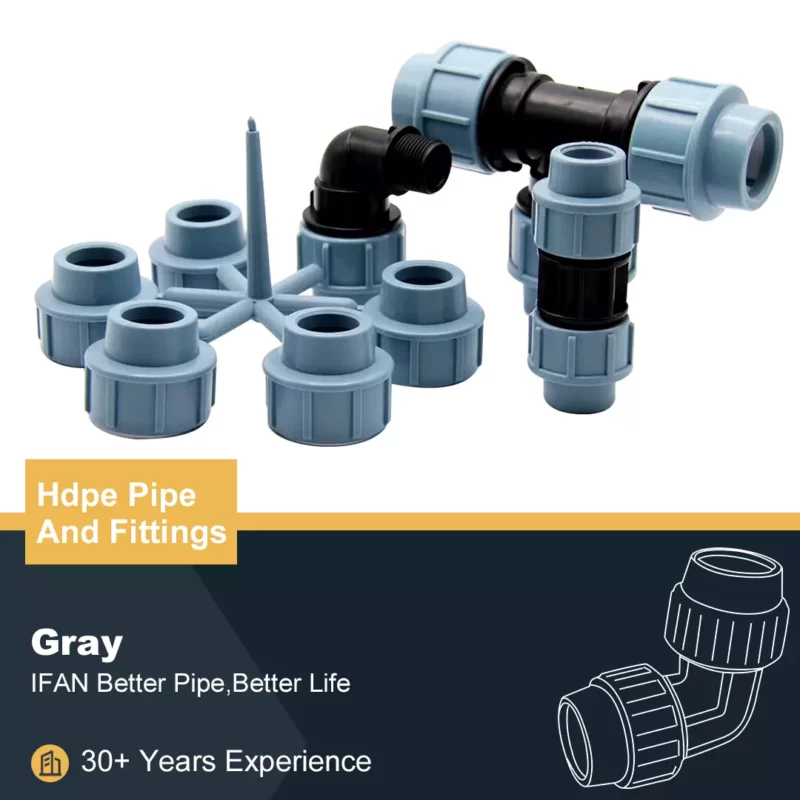


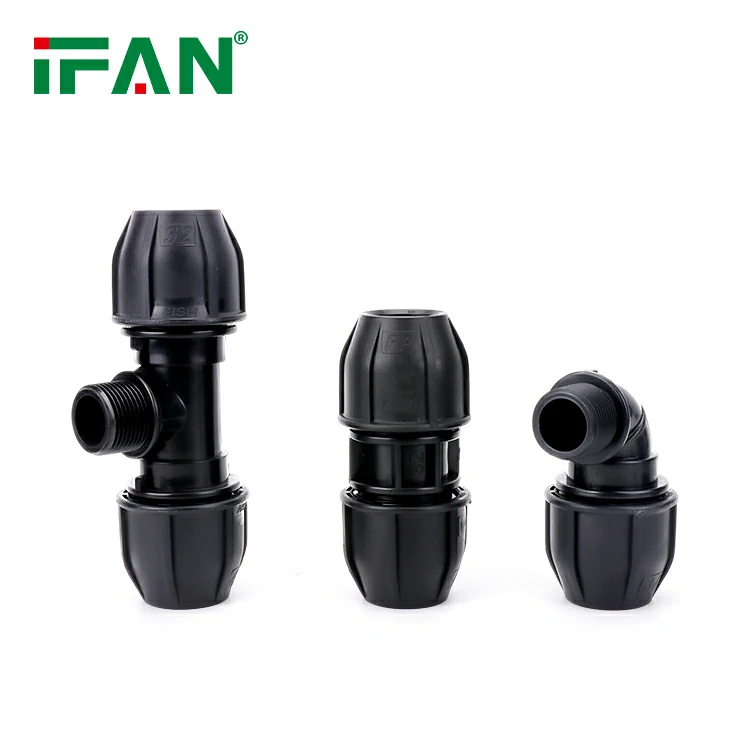
High-Density Polyethylene (HDPE) pipe fittings are increasingly popular due to their superior resistance to corrosion. Corrosion is a significant issue for traditional piping materials like metal and concrete. When exposed to water, chemicals, or moisture, these materials degrade, causing costly repairs and system failures. HDPE, however, remains unaffected by corrosion, making it an ideal solution for various industries, from water treatment to chemical processing. This article explores the corrosion-resistant properties of HDPE pipe fittings and the benefits they offer in maintaining the longevity and efficiency of piping systems.
Understanding Corrosion in Piping Systems
Corrosion occurs when metals interact with their environment, leading to the degradation of the material. In piping systems, corrosion can cause leaks, blockages, and pressure loss, ultimately reducing system efficiency. Steel, cast iron, and concrete are common piping materials that suffer from corrosion when exposed to moisture, oxygen, and chemicals. Over time, this deterioration compromises the integrity of the pipe, resulting in expensive maintenance and repair needs. To avoid these issues, industries are shifting towards more reliable materials, such as HDPE, that offer enhanced corrosion resistance.
How HDPE Pipe Fittings Resist Corrosion
HDPE pipe fittings are made from a high-density thermoplastic polymer that resists corrosion naturally. Unlike metal pipes, which rust when exposed to moisture and chemicals, HDPE does not undergo oxidation or other corrosive reactions. Its smooth surface prevents the buildup of minerals and deposits, which is a common problem in metallic pipes. Additionally, HDPE’s chemical resistance ensures that it remains unaffected in aggressive environments, such as sewage systems or chemical transport pipelines. This makes HDPE a durable and long-lasting option for various applications, where metal pipes would typically degrade over time.
Advantages of HDPE Pipe Fittings
The primary advantage of HDPE pipe fittings is their exceptional resistance to corrosion. They are ideal for use in underground applications where metal pipes would be vulnerable to rust. In addition to their corrosion resistance, HDPE pipes and fittings have a longer lifespan compared to traditional materials. They require minimal maintenance since they do not corrode, crack, or degrade under normal conditions. This results in lower repair costs and less downtime, making HDPE an economical choice for industries with large-scale piping systems. The durability of HDPE also translates into fewer replacements over the years, further reducing long-term expenses.
Cost Efficiency of HDPE Pipe Fittings
While the initial cost of HDPE pipe fittings may be slightly higher than metal options, the long-term savings are significant. Since HDPE is not susceptible to corrosion, there is no need for ongoing repairs, rust treatment, or replacement of corroded pipes. This reduction in maintenance costs makes HDPE a more cost-effective solution in the long run. Furthermore, the installation of HDPE pipes is quicker and easier than metal alternatives due to their lightweight nature. This reduces labor costs and installation time, adding to the overall savings. With fewer operational disruptions and repairs, HDPE systems provide a better return on investment.
Applications in Corrosive Environments
HDPE pipe fittings are highly suitable for industries that operate in corrosive environments. In the water and wastewater sectors, HDPE is used for both potable water distribution and sewage systems. Since HDPE does not rust, it is ideal for transporting water that may contain aggressive chemicals, minerals, or contaminants. Similarly, HDPE is extensively used in chemical processing plants where pipes must carry corrosive substances like acids, oils, and solvents. The ability to withstand these harsh chemicals without degradation ensures that HDPE is a reliable option for safeguarding fluid transport and maintaining system integrity in these industries.
Comparison with Traditional Materials
When compared to traditional piping materials, HDPE stands out for its corrosion resistance. Steel and cast iron are prone to rust and decay when exposed to water, air, or chemicals. Concrete pipes, while durable, are also vulnerable to cracking and corrosion, especially when exposed to aggressive substances. HDPE pipes, on the other hand, provide a more robust solution. They do not corrode, crack, or leak under pressure. The flexibility of HDPE also allows for easier installation, especially in underground or complex systems. Moreover, HDPE pipes and fittings are more resistant to physical damage, offering better overall protection against environmental wear.
Environmental Benefits of HDPE Pipe Fittings
One of the key benefits of using HDPE pipe fittings is their environmental sustainability. HDPE is fully recyclable, which reduces its impact on the environment. Unlike metal or concrete pipes, which may require hazardous disposal methods, HDPE can be reused or repurposed once the system reaches the end of its service life. Furthermore, because HDPE pipes are resistant to corrosion, they do not require chemical treatments or coatings to maintain their integrity. This reduces the environmental burden associated with producing and disposing of chemical treatments for traditional materials.
Maintenance and Longevity
The corrosion resistance of HDPE pipe fittings contributes significantly to their low-maintenance requirements. Unlike metal pipes, HDPE does not require regular maintenance or rust treatment. This lack of degradation ensures that the system will continue to function efficiently for many years with minimal intervention. HDPE pipes and fittings are resistant to the growth of bacteria or algae, which can sometimes clog or damage traditional pipe systems. The long lifespan of HDPE translates into fewer repairs and a more reliable piping system, reducing the overall maintenance burden and making it ideal for industries with strict operational timelines.
Improved Safety and Reliability
The corrosion resistance of HDPE pipe fittings also enhances the overall safety and reliability of piping systems. In industries such as oil and gas or chemical manufacturing, where the failure of pipes could have catastrophic consequences, HDPE provides a secure and dependable option. Its resistance to chemical reactions ensures that harmful substances are safely transported without the risk of leaks or contamination. Additionally, the smooth interior of HDPE pipes helps maintain consistent flow rates, preventing issues like blockages or pressure fluctuations, which can occur in metal pipes over time due to corrosion.
HDPE in Industrial and Commercial Sectors
HDPE pipe fittings are increasingly being used across a wide range of industrial and commercial sectors. For example, in the agricultural industry, HDPE pipes are used for irrigation systems, where they are exposed to soil, moisture, and various chemicals. The durability of HDPE in such environments helps reduce downtime and ensures the efficient operation of irrigation systems. In the energy sector, HDPE is used for transporting gas and oil, where it resists corrosion from harsh chemicals. Its flexibility and long-term performance make HDPE a preferred choice for energy pipelines and other critical infrastructure.
Challenges in Implementing HDPE Systems
Despite the many advantages of HDPE, there are some challenges that users must consider. HDPE pipe fittings require specific installation techniques, such as heat fusion welding, to ensure leak-proof joints. Incorrect installation can lead to failures in the system, which may offset some of the cost savings. Additionally, HDPE is sensitive to UV radiation and may degrade if exposed to direct sunlight for extended periods. However, these challenges can be managed by using protective coatings or installing HDPE pipes in covered or underground environments.
Conclusion
HDPE pipe fittings offer unparalleled resistance to corrosion, making them an ideal solution for industries and applications that require long-lasting and reliable piping systems. Their superior durability, cost-effectiveness, and ease of installation make them a preferred choice over traditional materials like metal and concrete. As industries continue to prioritize sustainability and long-term performance, HDPE will play a crucial role in modern infrastructure projects. Whether in water treatment, chemical processing, or agricultural applications, HDPE pipe fittings provide a safe, efficient, and environmentally friendly alternative to traditional piping materials. By choosing HDPE, industries can reduce operational costs, enhance system reliability, and ensure the longevity of their piping systems.
If you have read this article and have any questions, please feel free to contact IFAN. Below is our contact information:
Whatsapp:+86 13373827623
Email:[email protected]