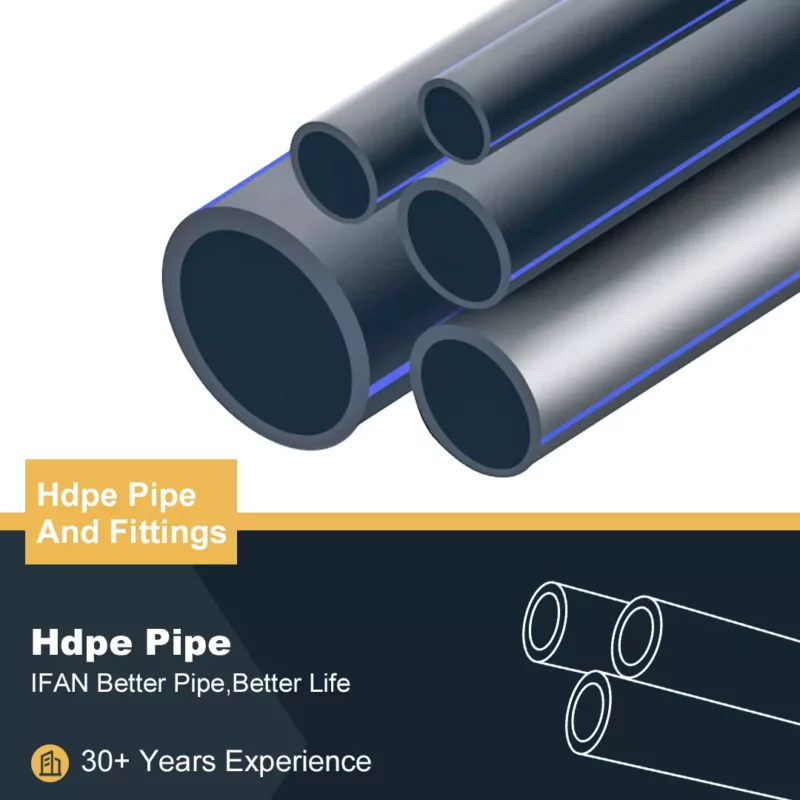

High-Density Polyethylene (HDPE) pipes are commonly used in a wide range of industries due to their durability, resistance to corrosion, and flexibility. As a key component of HDPE pipe systems, HDPE pipe fittings play a crucial role in connecting, redirecting, and controlling the flow of fluids or gases within pipelines. To achieve an efficient and cost-effective solution, it is important to consider the selection, installation, and maintenance of HDPE pipe fittings. This article will explore ways to achieve cost-effective HDPE pipe fittings solutions while ensuring long-term performance.
Understanding HDPE Pipe Fittings
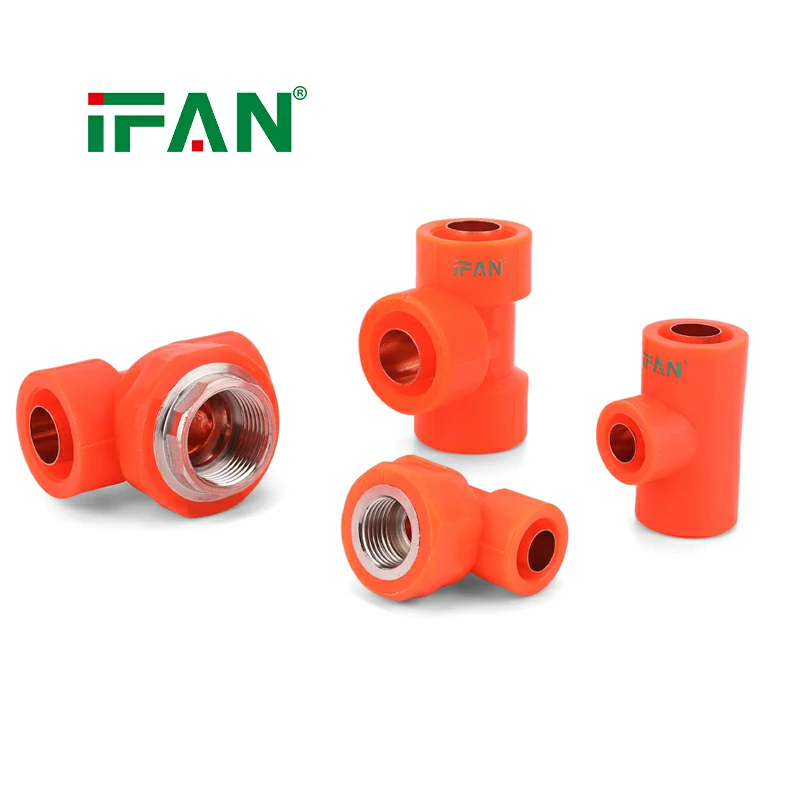
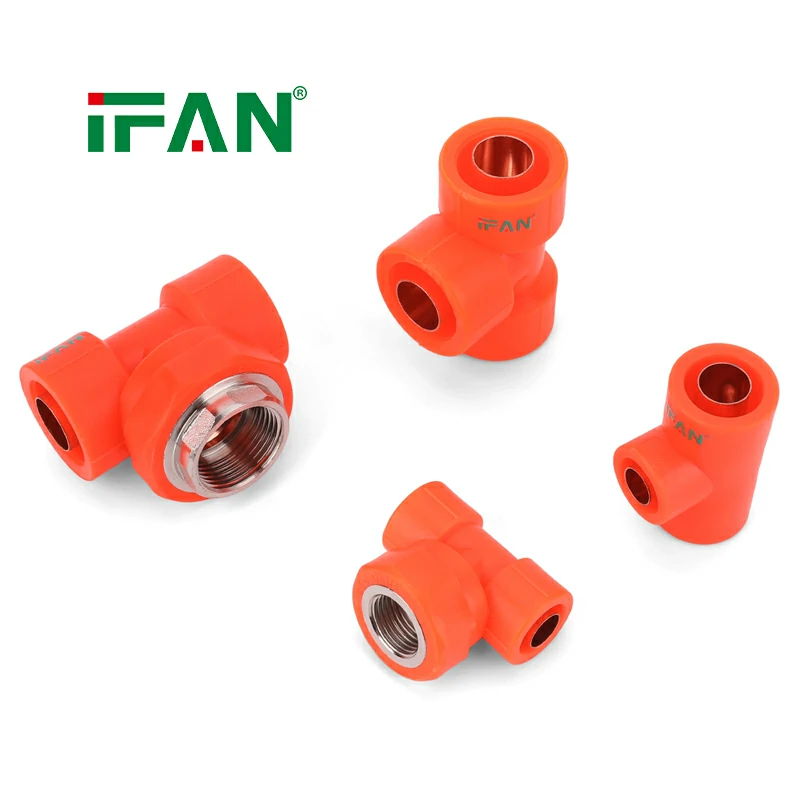
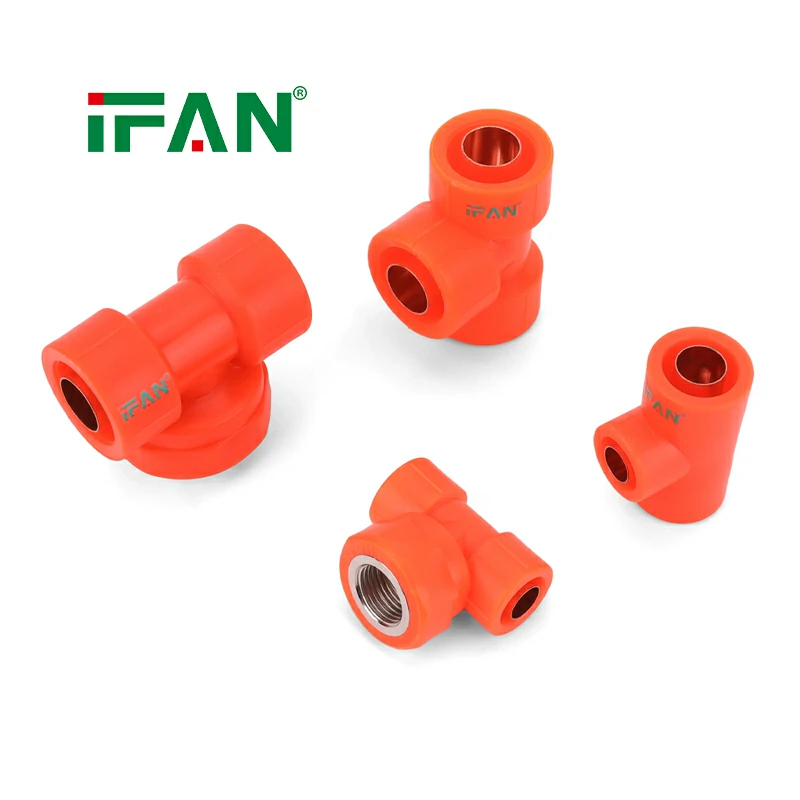
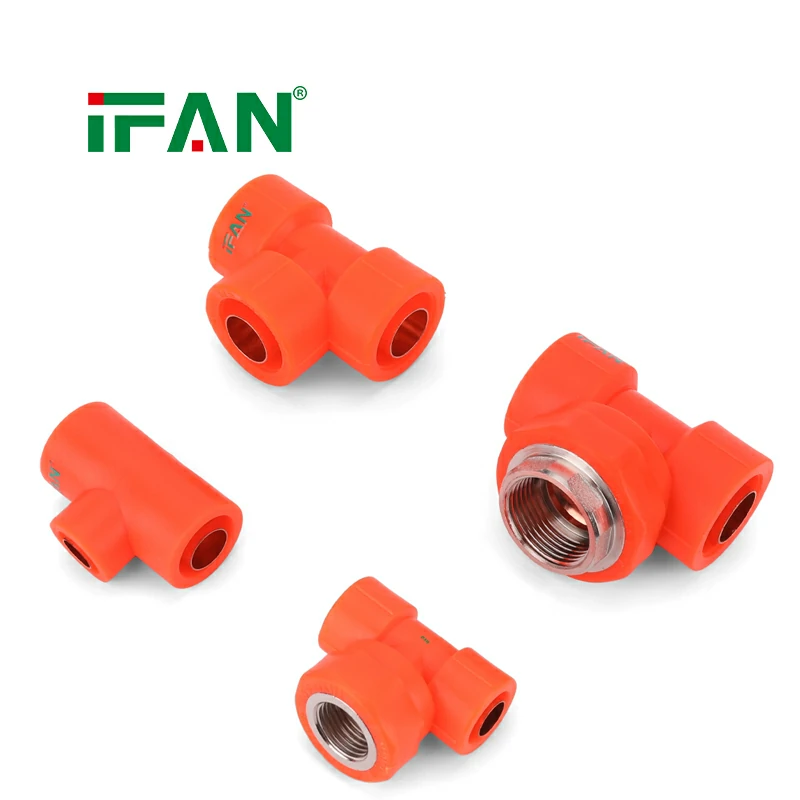
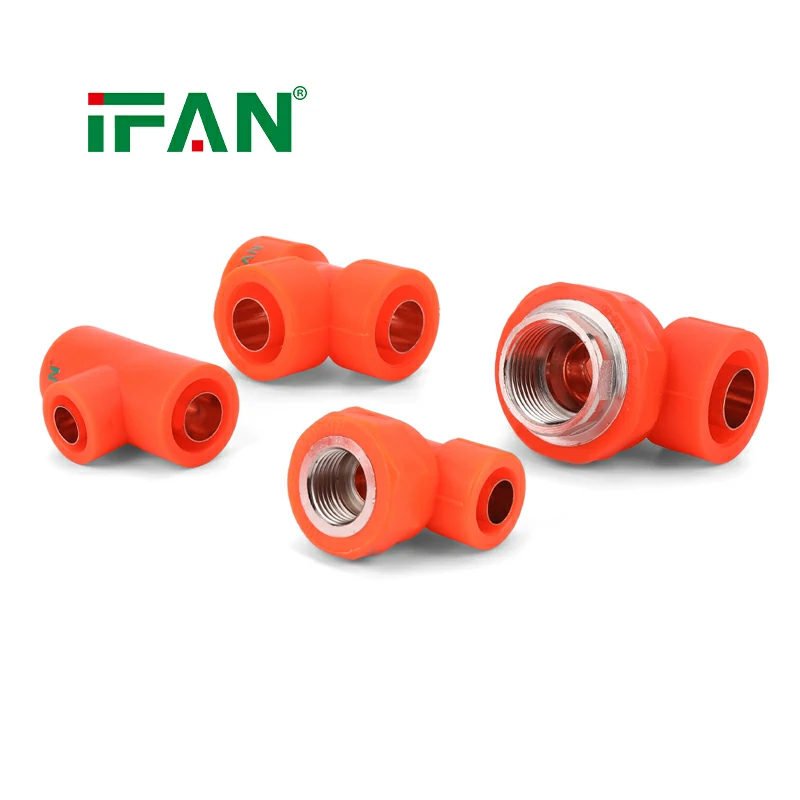
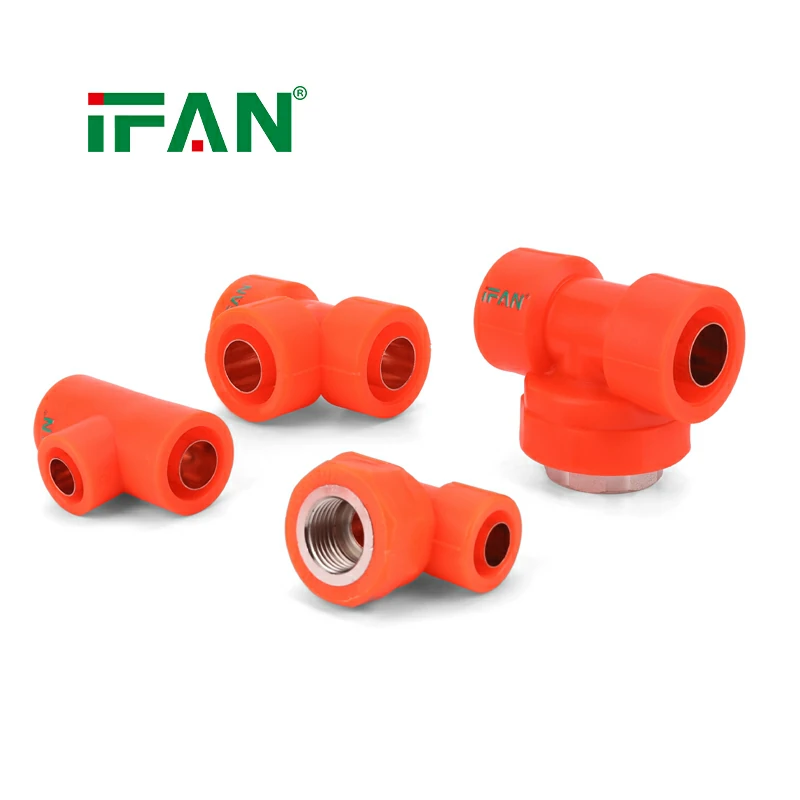
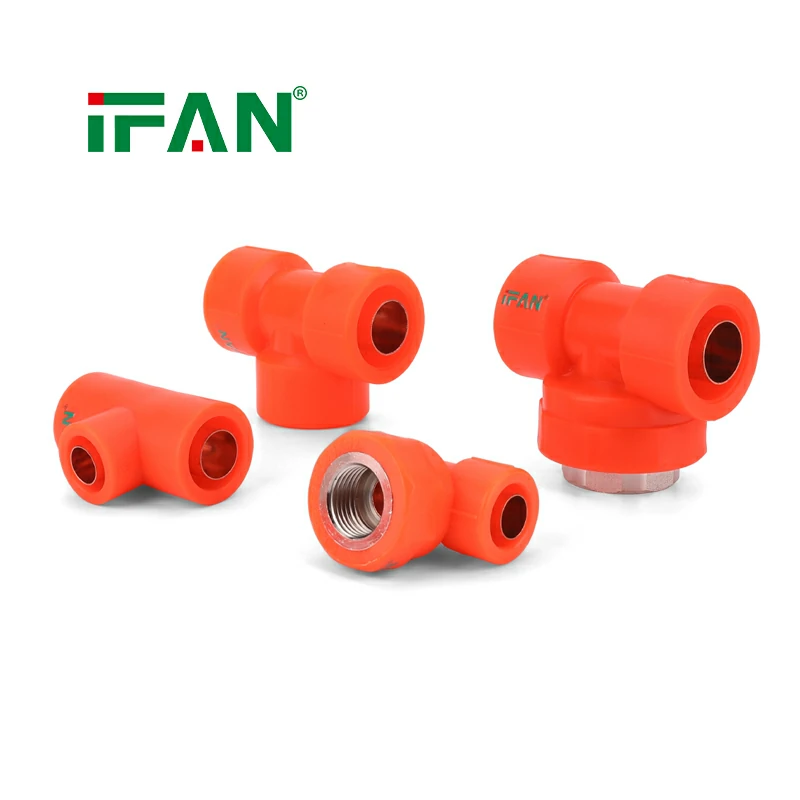
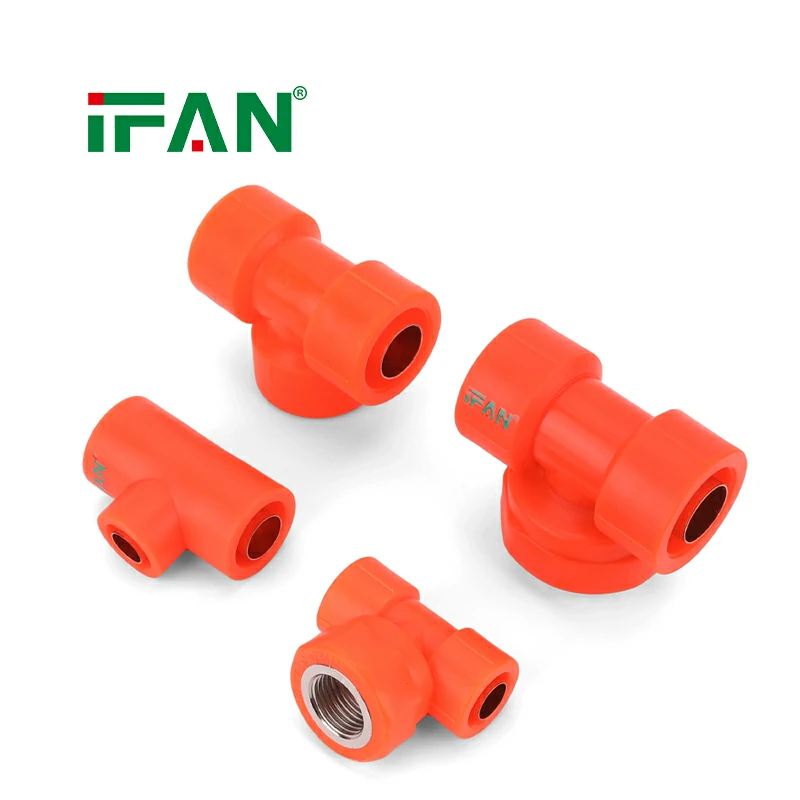
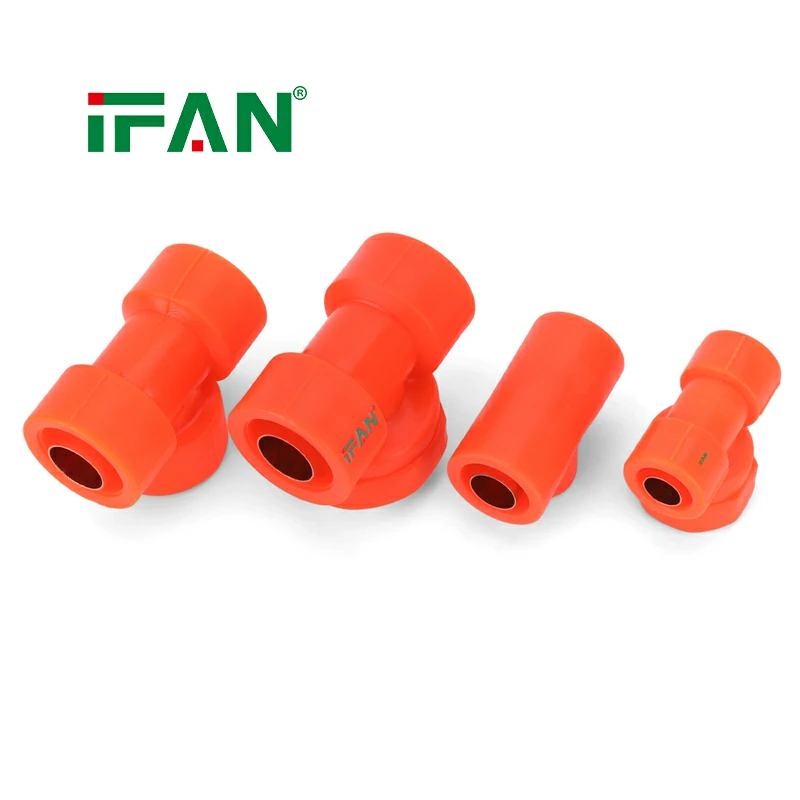
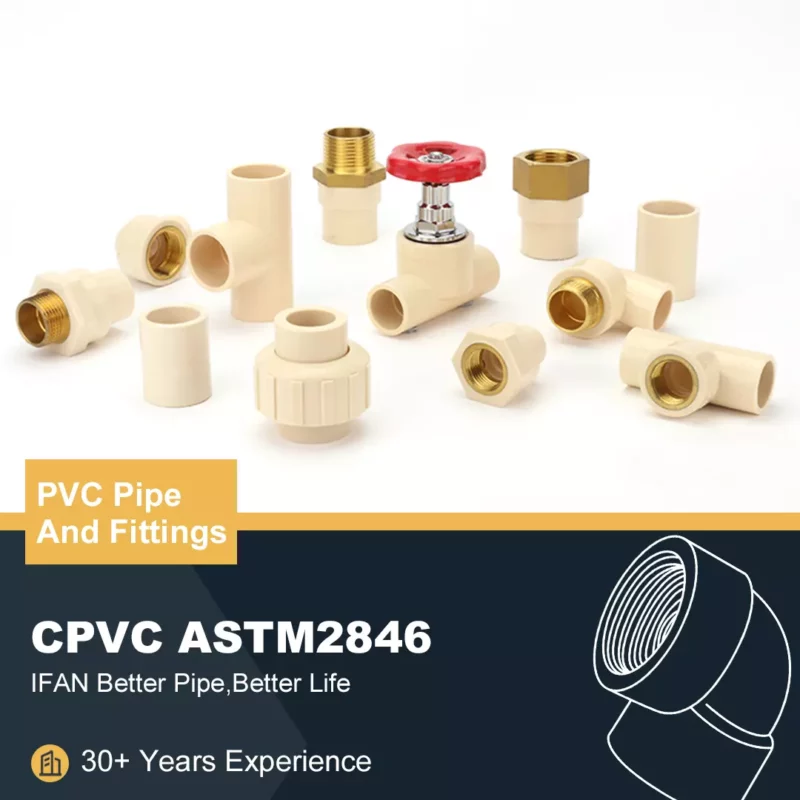
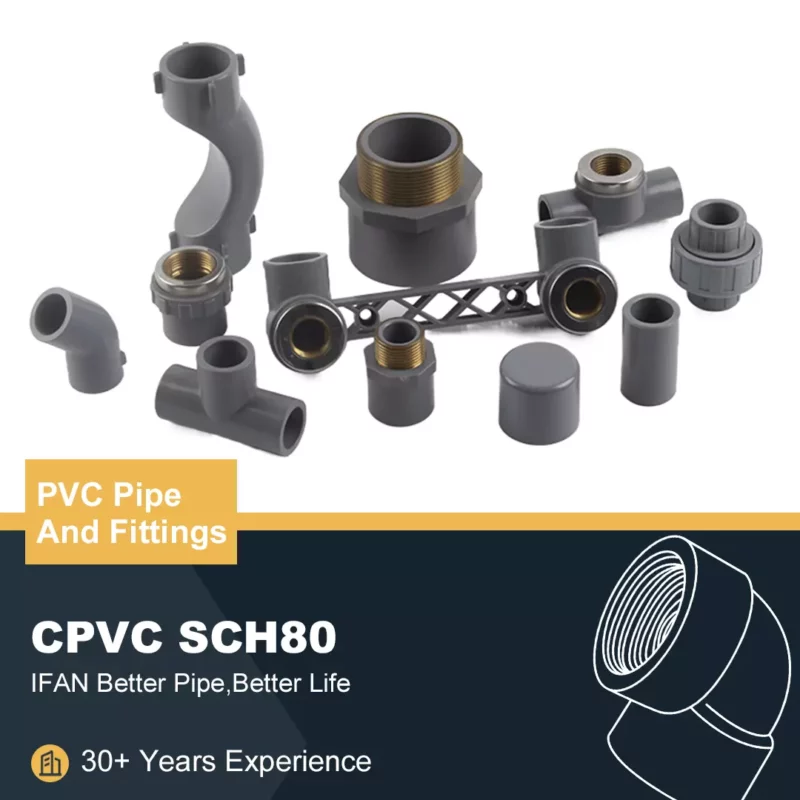
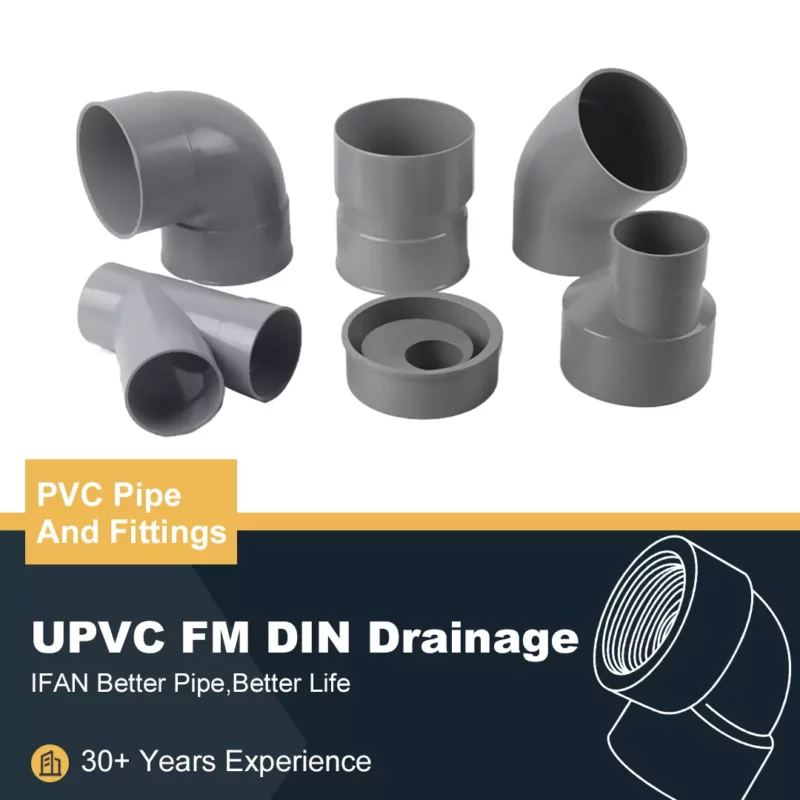
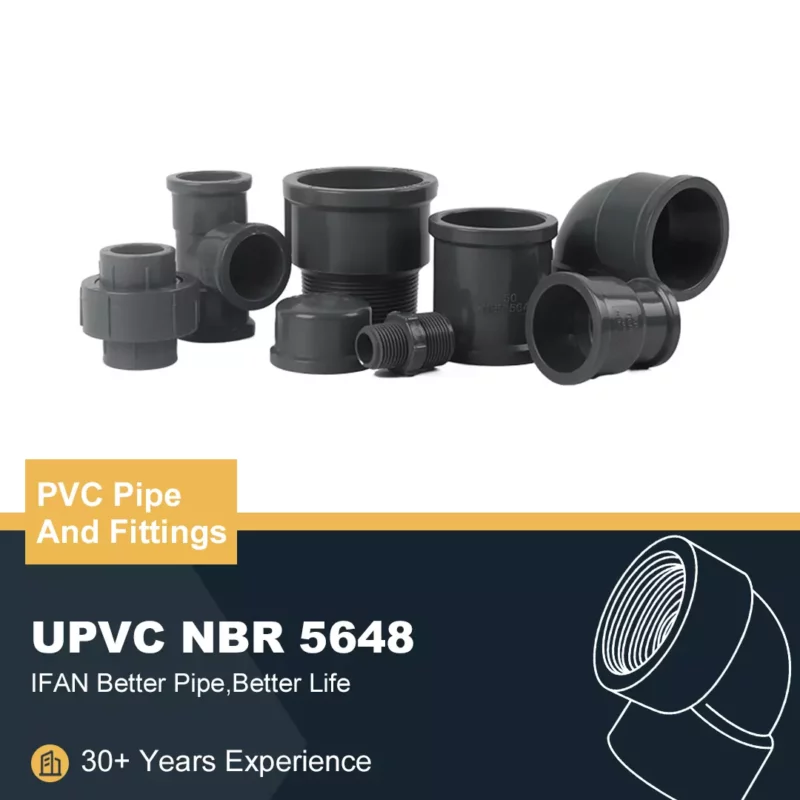
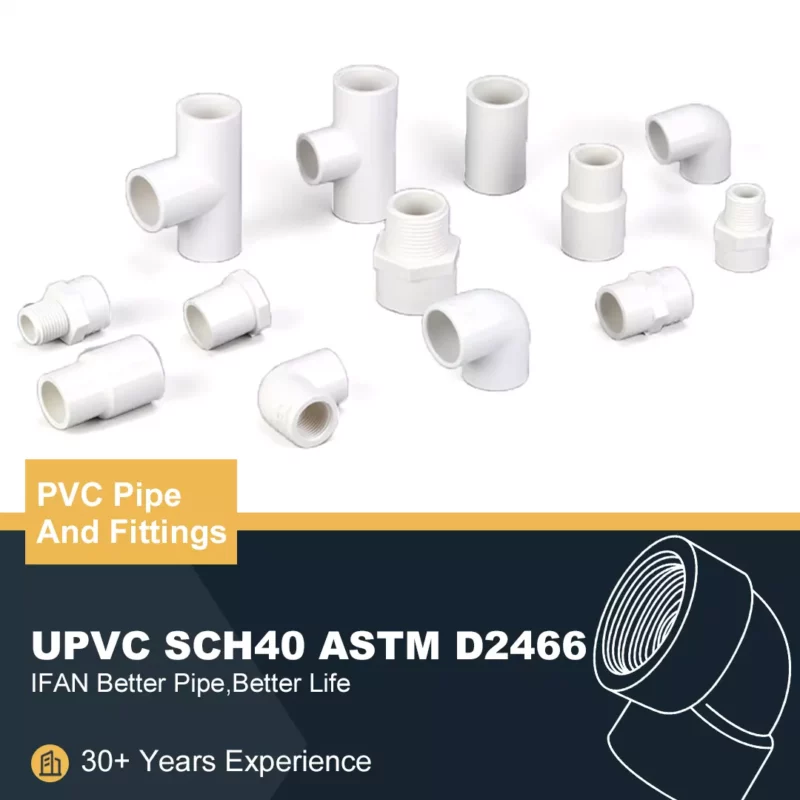
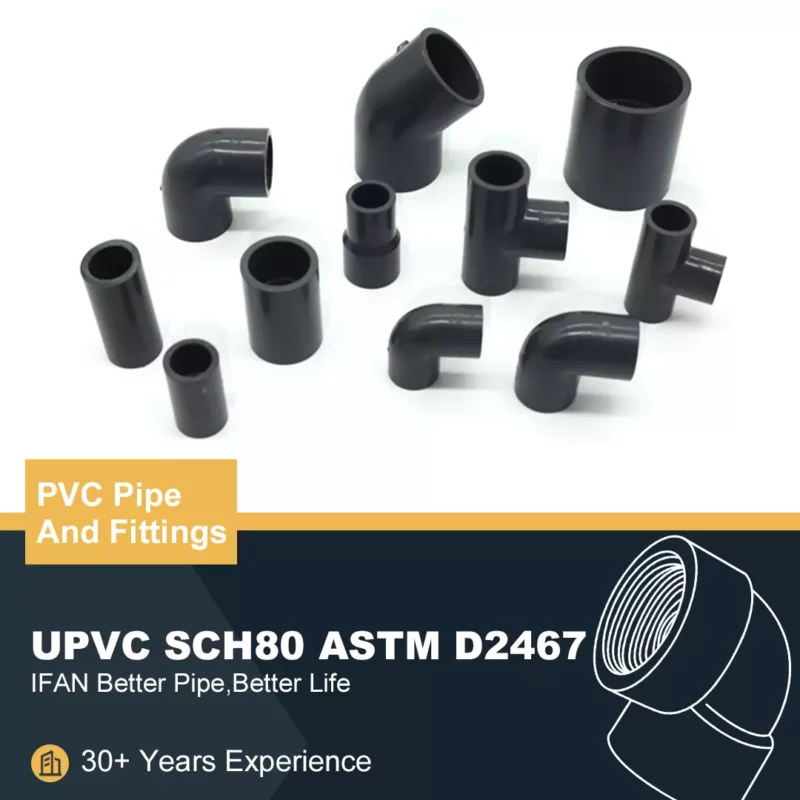
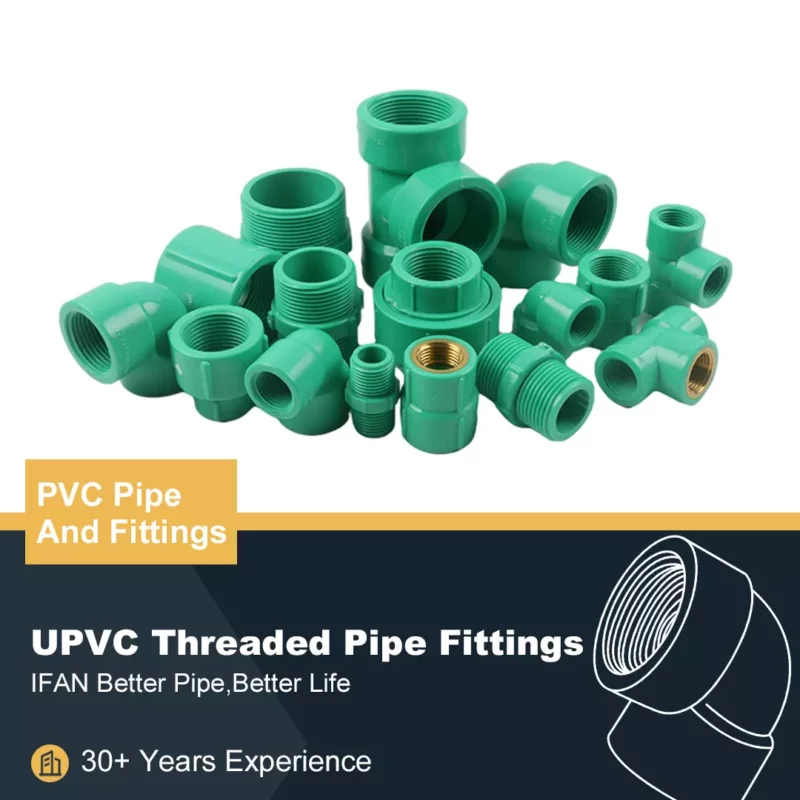
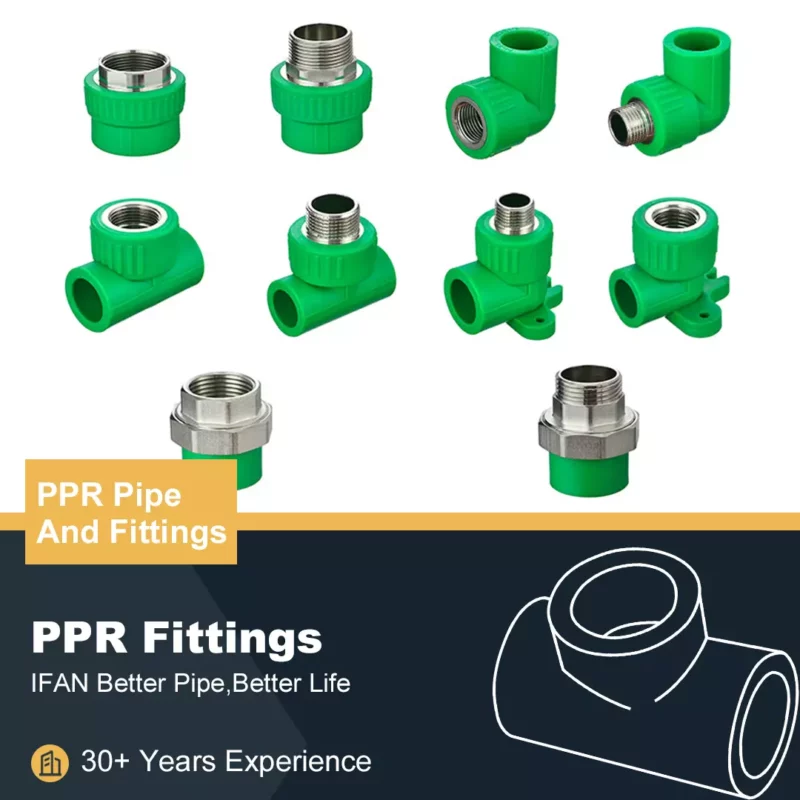
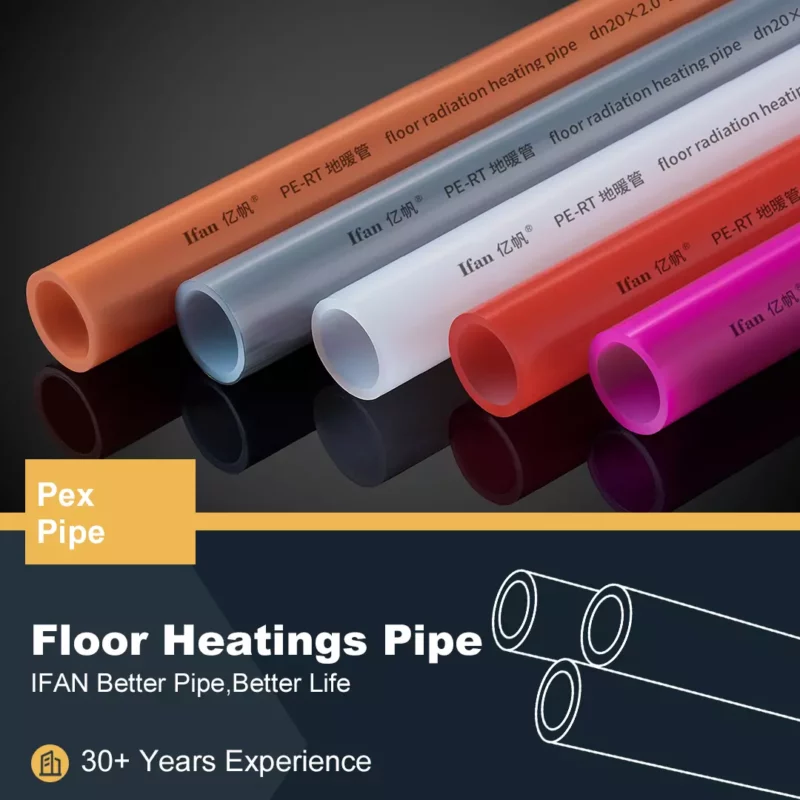
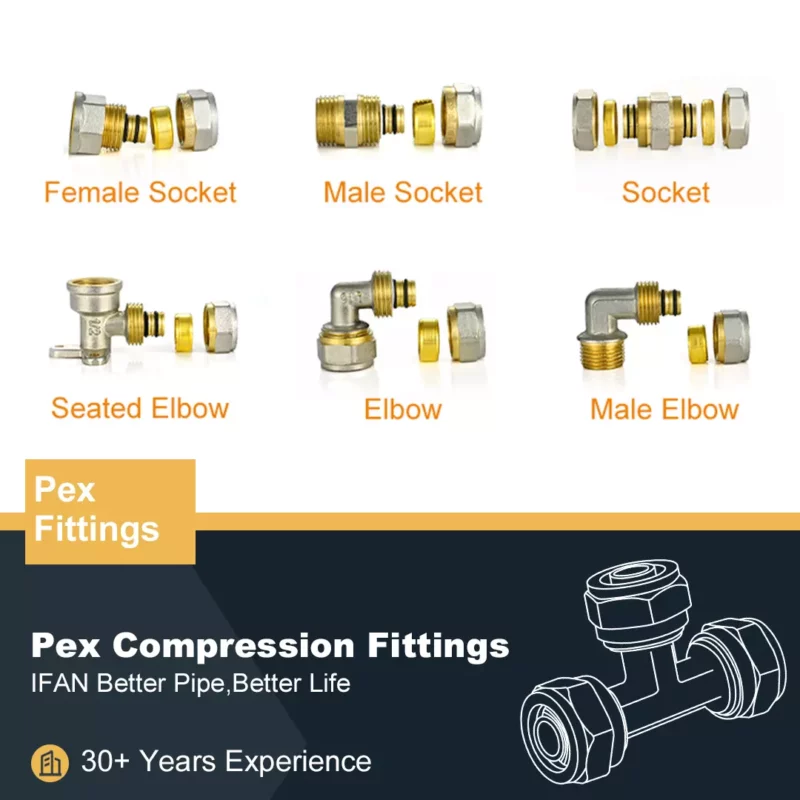
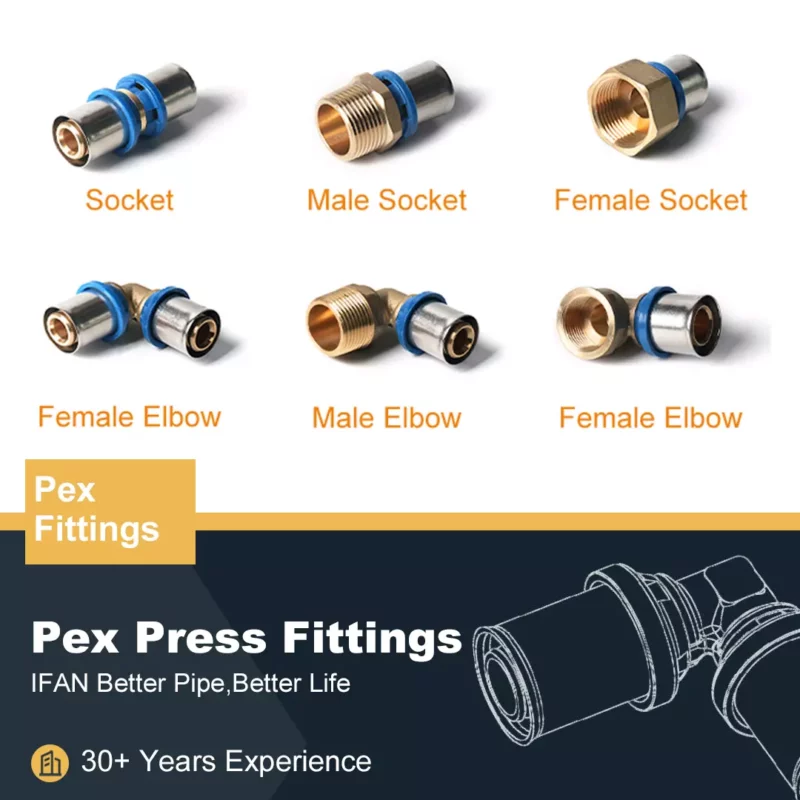
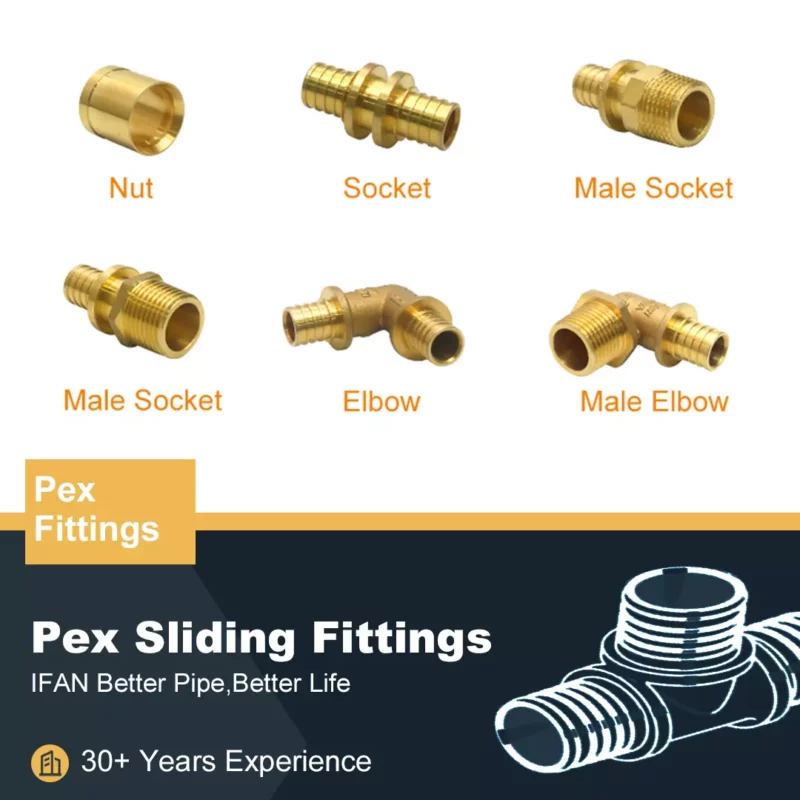
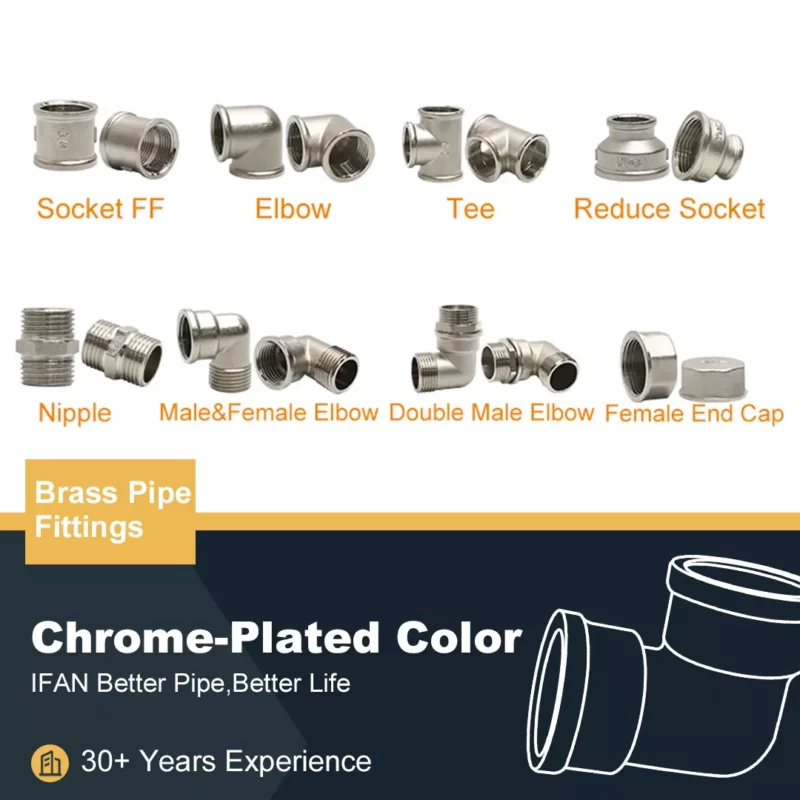
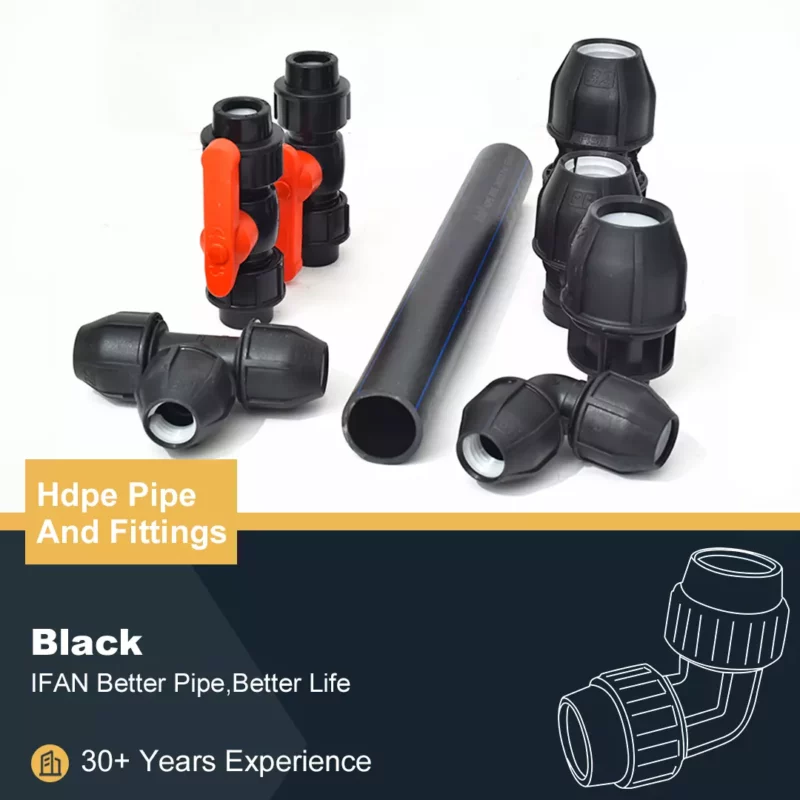
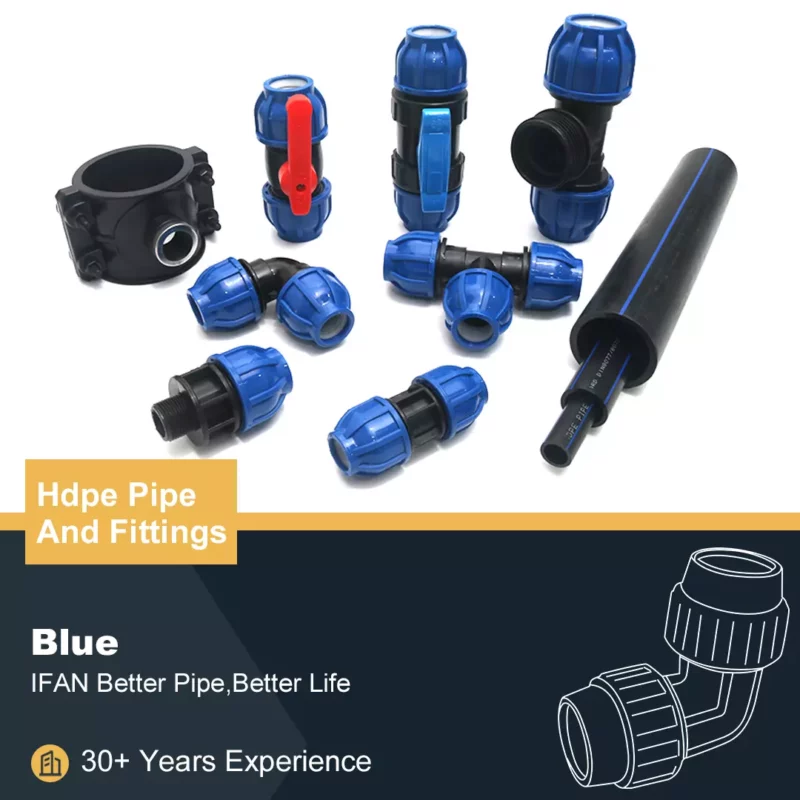
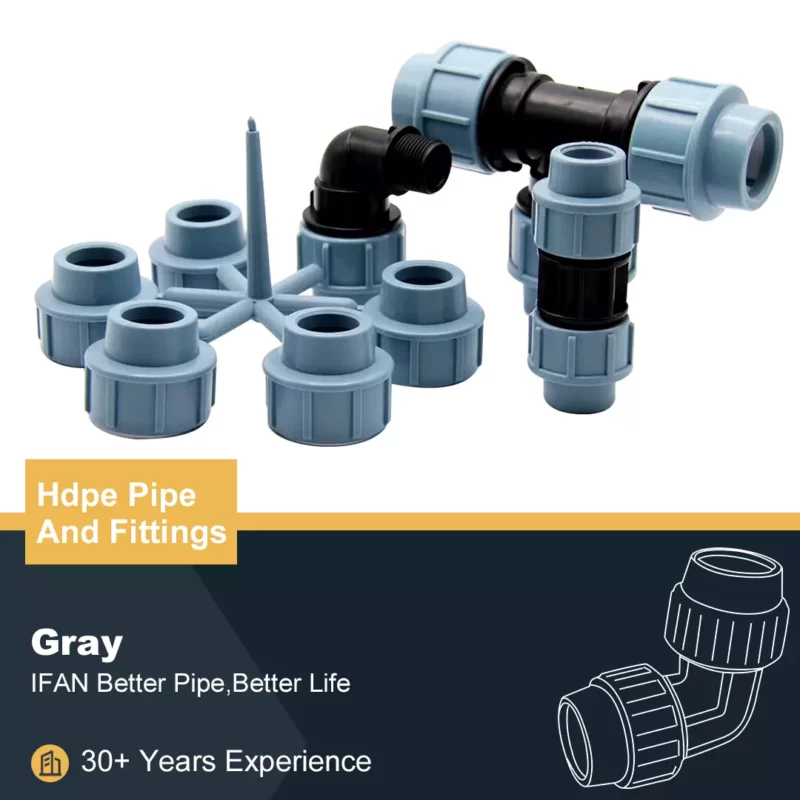
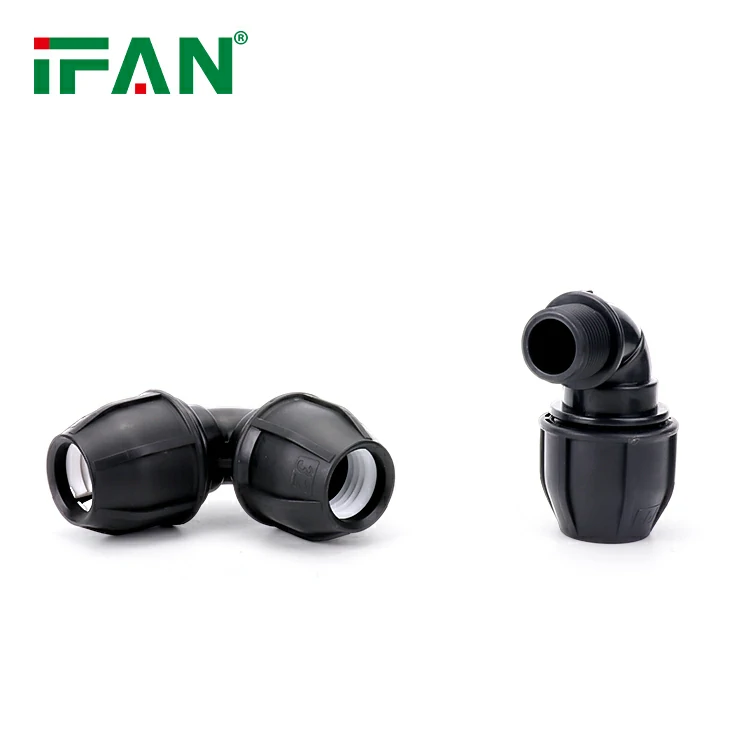
HDPE pipe fittings are designed to work with HDPE piping systems. These fittings come in various forms, including elbows, tees, couplings, reducers, and flanges. They are used to connect different sections of pipes, change the direction of flow, or reduce pipe sizes. These fittings are known for their excellent chemical resistance, high impact strength, and leak-proof joints. Choosing the right HDPE pipe fittings is essential to ensure optimal system performance, longevity, and cost savings.
Importance of Selecting the Right HDPE Fittings
To maximize the benefits of HDPE pipes, it is essential to select the appropriate fittings. Using the wrong type of fitting can lead to leaks, reduced system efficiency, or premature failure. For instance, mismatched materials between pipes and fittings can cause joint failure under pressure. To avoid these issues, it’s vital to ensure that the selected fittings match the specifications of the HDPE pipes in terms of size, pressure rating, and material compatibility.
The Role of Proper Installation in Cost Savings
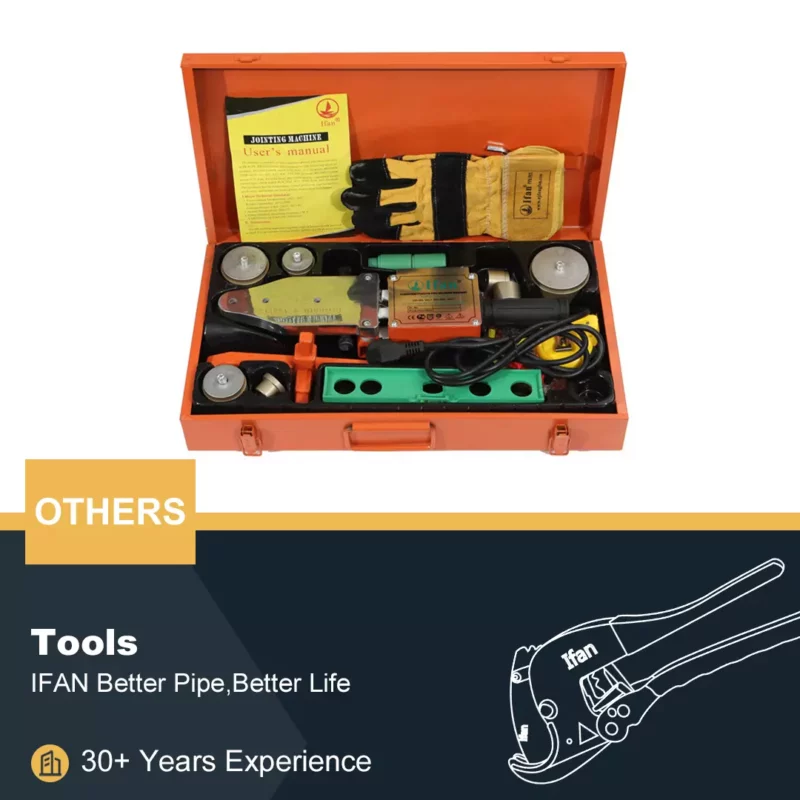
Installation is a crucial factor in achieving cost-effective solutions with HDPE pipe fittings. Proper installation ensures that the system operates efficiently, minimizing the need for costly repairs and replacements in the future. For example, improper welding or joining techniques can lead to leaks and system failures. Hiring qualified professionals with experience in HDPE pipe fitting installation can help avoid such issues and improve the overall cost-effectiveness of the system. Additionally, proper installation practices can also minimize material waste, reducing costs.
Benefits of Prefabricated HDPE Fittings
Prefabricated HDPE pipe fittings offer a significant cost-saving advantage compared to custom-built fittings. These fittings are manufactured in standard sizes and can be readily available, reducing lead times and procurement costs. Using prefabricated fittings ensures uniformity and reduces the risk of errors during the manufacturing process. Furthermore, prefabricated fittings can be more affordable due to economies of scale in production. Choosing prefabricated HDPE pipe fittings is an excellent option for projects requiring a large number of fittings.
Long-Term Cost Benefits of HDPE Pipes and Fittings
HDPE pipes and fittings are known for their longevity and minimal maintenance needs. Unlike traditional materials like metal pipes, HDPE is resistant to corrosion, reducing the likelihood of costly repairs and replacements. Additionally, HDPE systems are lightweight and easy to handle, leading to lower transportation and installation costs. The long-term durability of HDPE fittings means fewer replacements are needed over the lifespan of the system, resulting in overall savings.
Maintenance Practices to Ensure Longevity
Routine maintenance is essential for maintaining the cost-effectiveness of HDPE pipe fittings. Regular inspections can help identify minor issues before they develop into major problems. For example, checking for leaks, ensuring that joints are secure, and ensuring that the fittings remain free from blockages or damage can prevent system failure. While HDPE pipes and fittings are low maintenance, periodic checks can extend the lifespan of the system and prevent costly repairs. Implementing a preventive maintenance program can significantly improve the cost-effectiveness of the system over time.
Choosing Reliable Suppliers and Manufacturers
Selecting a reliable supplier or manufacturer is key to achieving cost-effective HDPE pipe fittings solutions. Trusted suppliers offer high-quality products that comply with industry standards, ensuring optimal performance and reducing the likelihood of defects. They can also provide expert advice on selecting the best fittings for a specific application, taking into account factors like pressure requirements and environmental conditions. Moreover, a reputable supplier may offer competitive prices without compromising quality, leading to overall cost savings.
Optimizing System Design for Efficiency
Designing an HDPE piping system with efficiency in mind can lead to significant cost savings. By planning the layout of pipes and fittings carefully, it is possible to minimize the number of fittings required, reducing material costs. Additionally, a well-designed system can reduce installation time, which also contributes to lower labor costs. Ensuring that the system is optimized for fluid flow will also prevent issues such as blockages or unnecessary pressure drops, resulting in improved performance and long-term savings.
IFAN International Standard for HDPE
IFAN brand HDPE Pipe Fitting are manufactured according to a wide range of international standards, ensuring high quality and reliability. These standards include ASTM D3035, ASTM D3350, ISO 4427 series, EN 12201 series, DIN 8074/8075, GB/T 13663 series, AS/NZS 4130, JIS K6760, BS 6572, and CSA B137.1. By adhering to these rigorous specifications, IFAN ensures that its HDPE pipe fittings meet global performance and safety requirements, making them suitable for various applications in different industries.microorganisms.
Considerations for Special Applications
HDPE pipe fittings are used in various industries, including water distribution, oil and gas, agriculture, and wastewater management. Each of these industries has unique requirements for HDPE pipe systems. For example, in the oil and gas industry, fittings must withstand high-pressure environments, while in agriculture, they must resist chemical exposure. In such cases, it’s essential to choose HDPE fittings specifically designed for these conditions, even if they come at a higher initial cost. These fittings will provide reliable performance, reducing the need for frequent replacements and repairs.
Innovations in HDPE Pipe Fittings
Ongoing innovations in HDPE pipe fitting technology have led to the development of more cost-effective solutions. Advances in manufacturing processes, such as improved welding techniques, have made it easier to produce fittings that are both high quality and affordable. Additionally, new materials and designs are improving the overall performance of HDPE pipe fittings, making them more suitable for a broader range of applications. By staying informed about these innovations, companies can adopt the latest solutions that offer better value for money.
Sustainability and Environmental Benefits
HDPE pipe systems offer environmental advantages, contributing to cost savings in the long run. HDPE is a recyclable material, and using HDPE pipes and fittings can reduce waste. Additionally, since HDPE systems have a long lifespan and require minimal maintenance, fewer resources are consumed over time. This sustainability aspect can be a selling point for projects looking to meet environmental standards or achieve green certifications. Over the long term, these environmental benefits can also translate into cost savings.
Conclusion
In conclusion, achieving cost-effective HDPE pipe fittings solutions requires careful selection, proper installation, and ongoing maintenance. By choosing the right fittings, using prefabricated options, and designing efficient systems, significant savings can be realized over the lifespan of the HDPE piping system. Long-term durability, minimal maintenance, and the growing availability of innovative solutions further enhance the cost-effectiveness of HDPE pipe fittings. For industries and projects focused on sustainability and performance, HDPE pipe fittings offer an excellent option for achieving both cost savings and reliable, high-quality pipeline systems.
If you have read this article and have any questions, please feel free to contact IFAN. Below is our contact information:
Whatsapp:+86 13373827623
Email:[email protected]