

Introduction
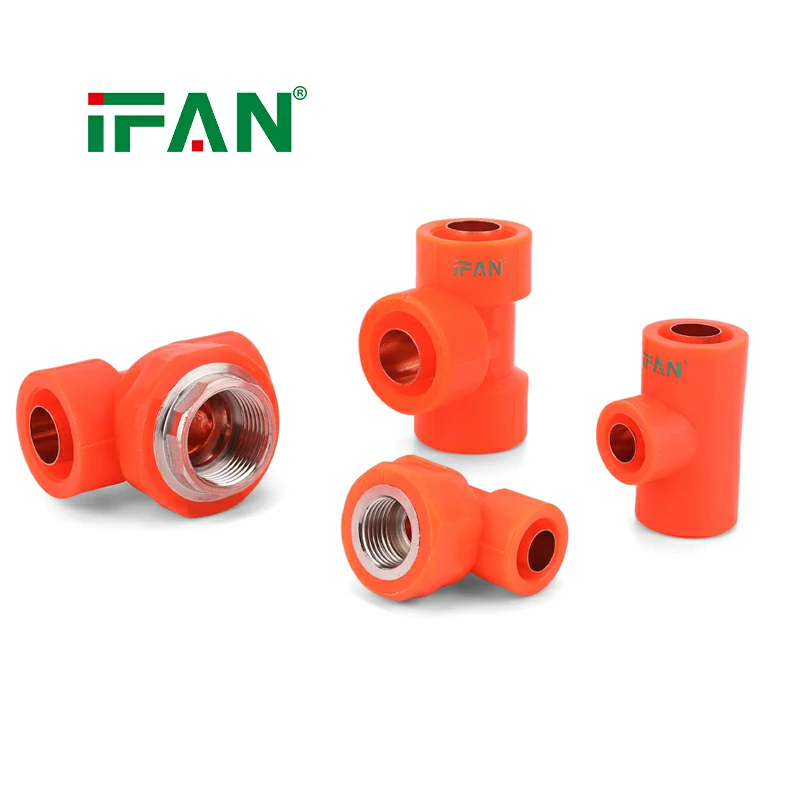
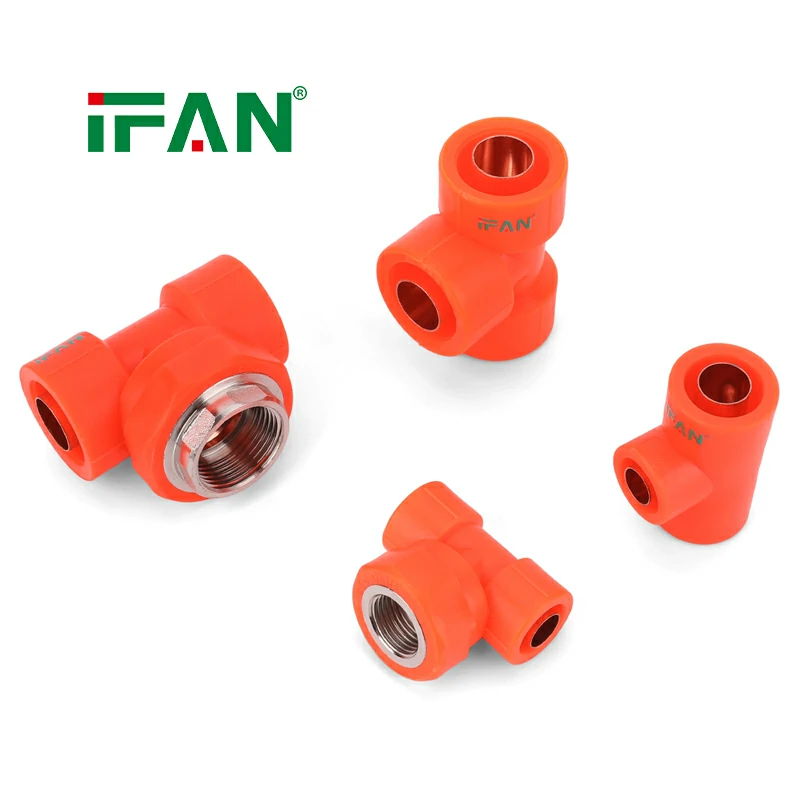
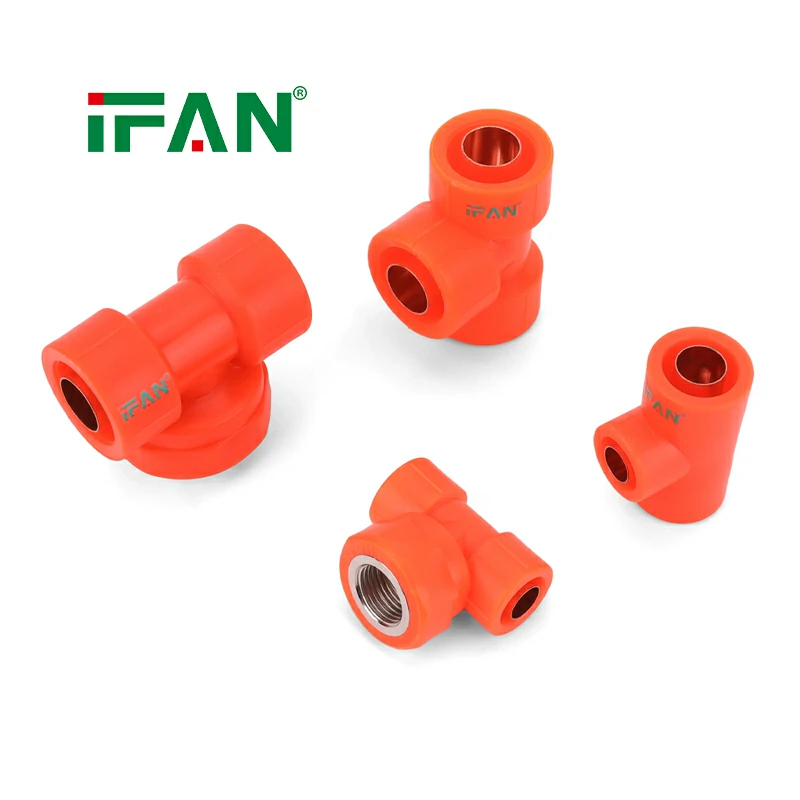
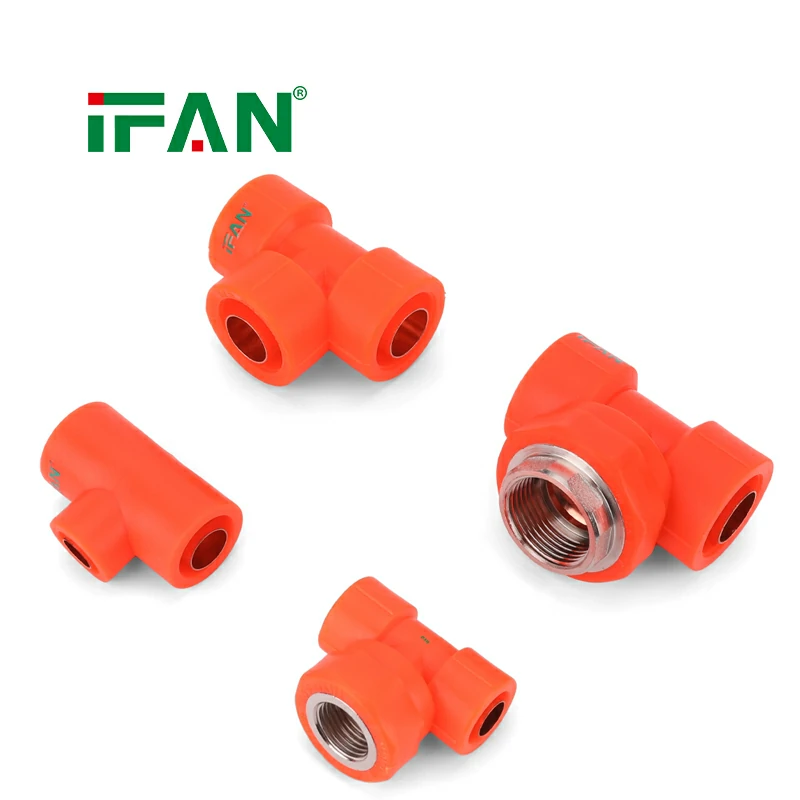
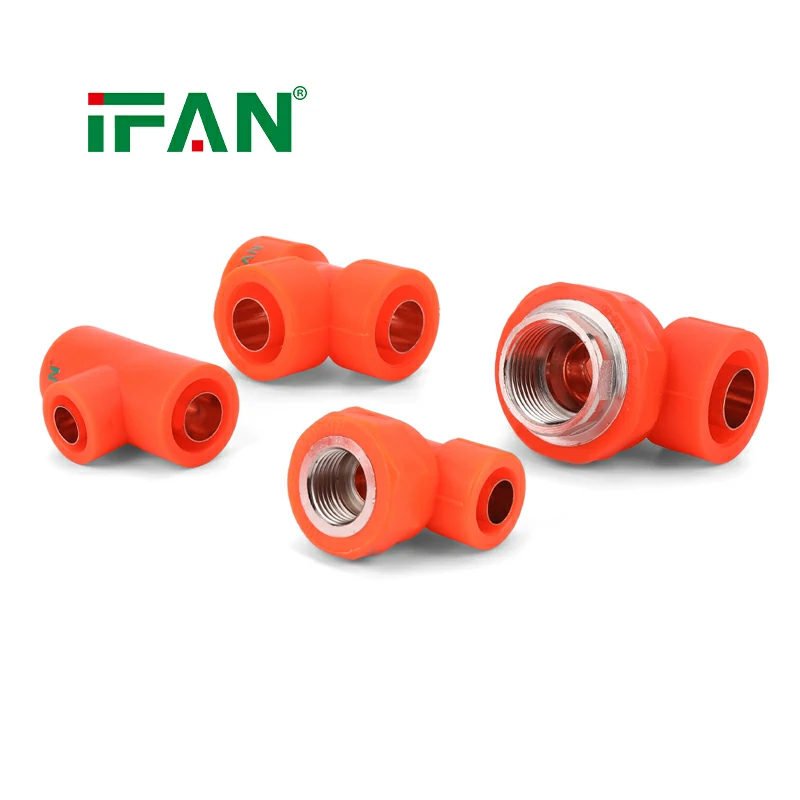
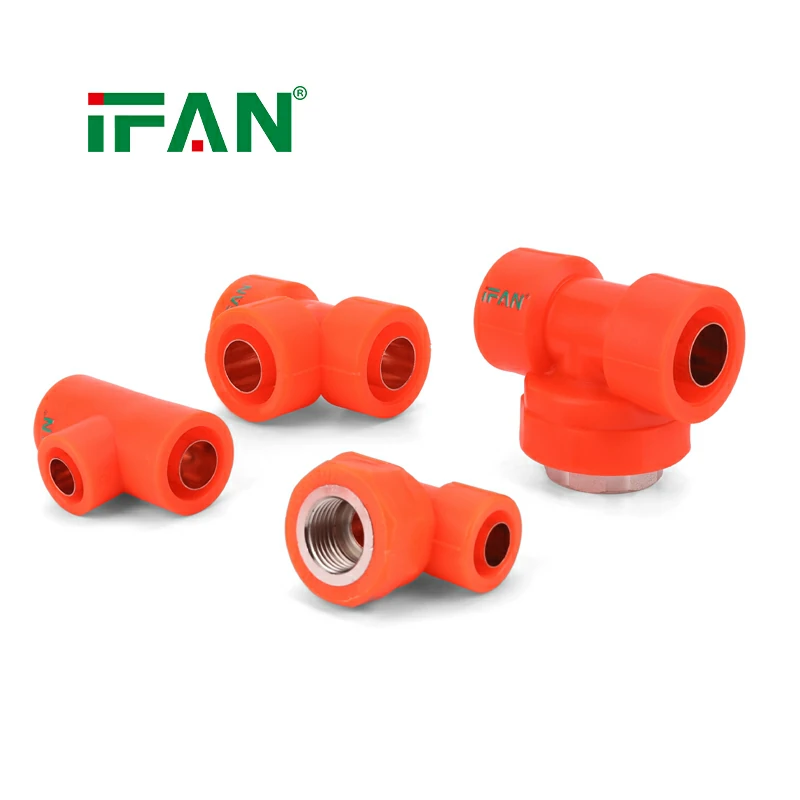
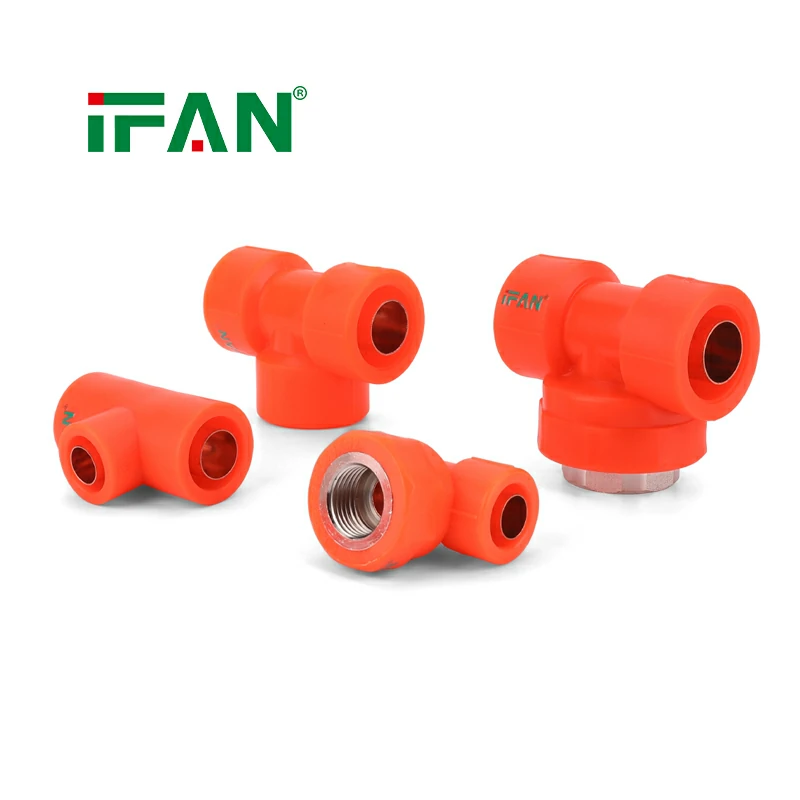
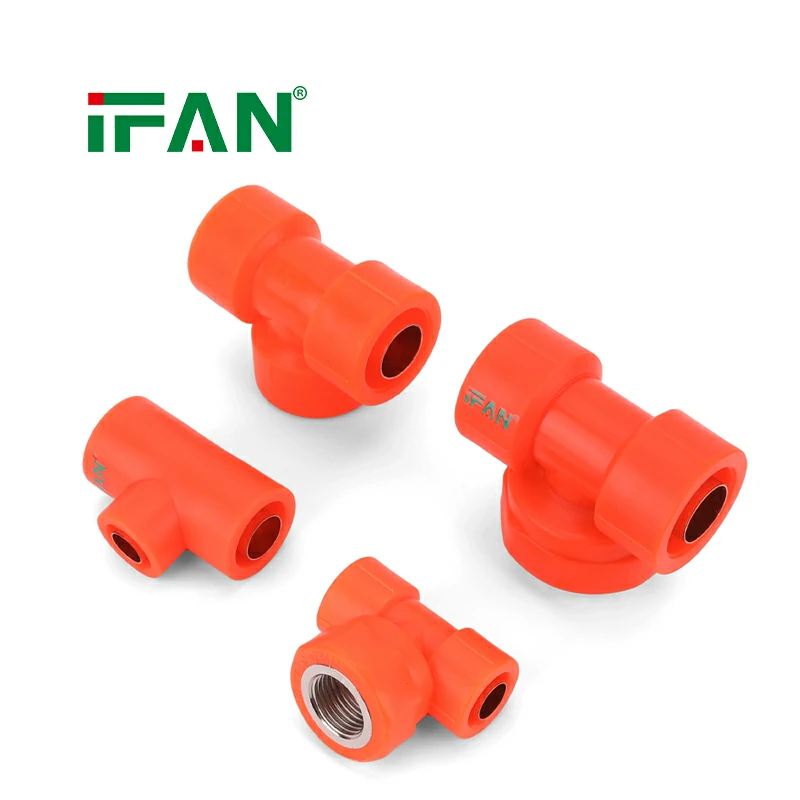
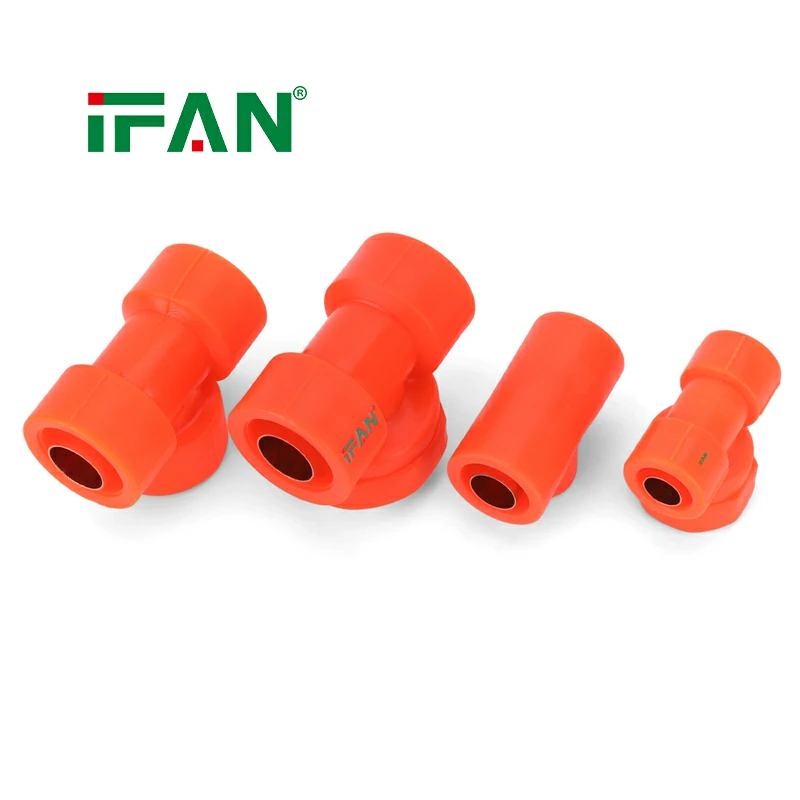
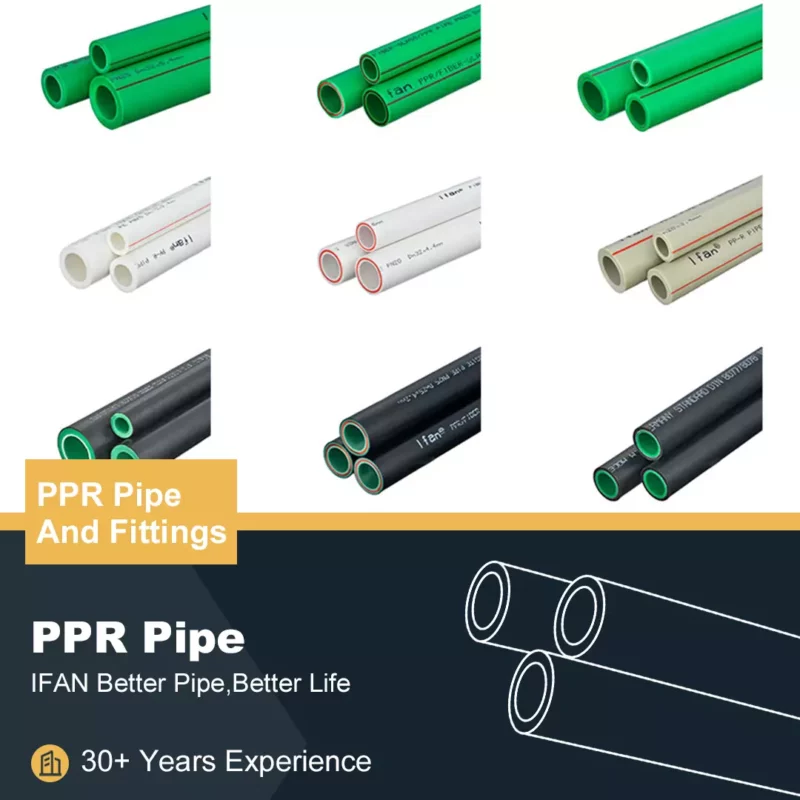
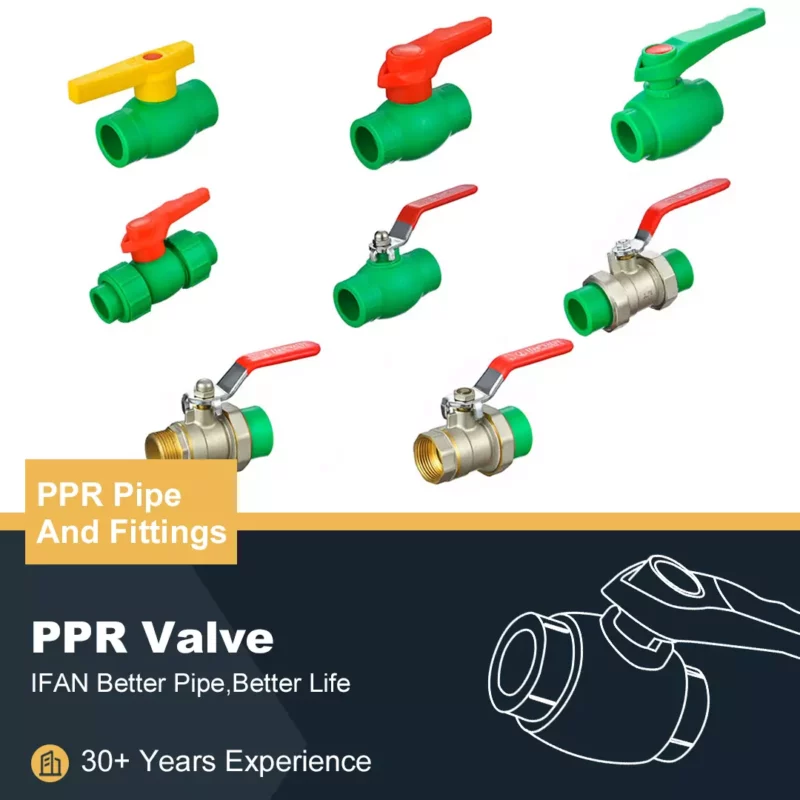
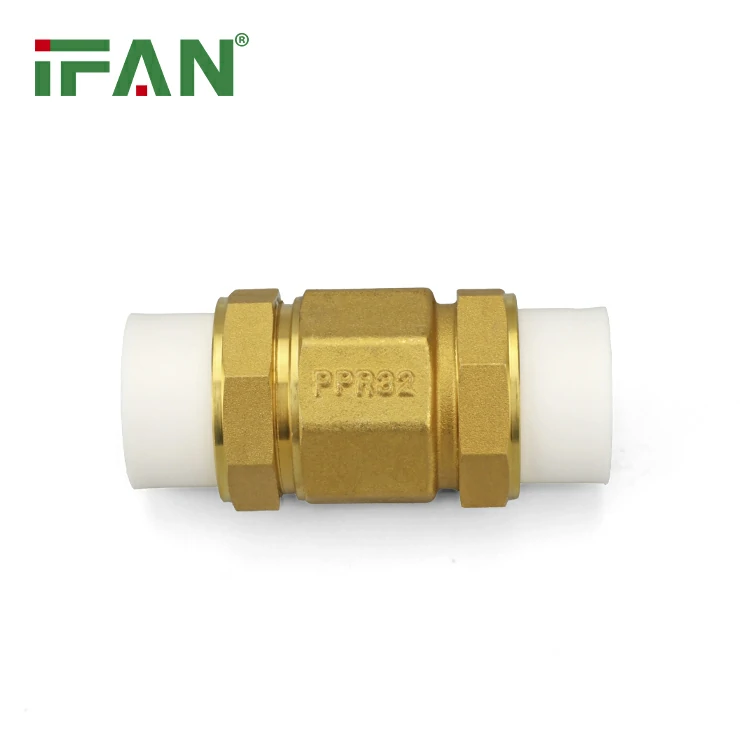
A PPR check valve is an essential component in plumbing systems, designed to allow fluid to flow in one direction while preventing backflow. Made from polypropylene random copolymer (PPR), it offers a lightweight, durable, and corrosion-resistant solution for fluid control. One of the key advantages of a PPR check valve is its cost-effectiveness. With low installation costs, minimal maintenance, and a long lifespan, it provides an economical alternative to traditional metal check valves. This article explores the cost-effective benefits of PPR check valves in fluid control applications.
What Is a PPR Check Valve?
A PPR check valve is a non-return valve used to maintain one-way fluid flow in piping systems. It operates automatically, using an internal mechanism that opens and closes in response to fluid pressure. This prevents backflow, ensuring system efficiency and protecting water quality. PPR check valves are widely used in residential, commercial, and industrial plumbing applications.
Lower Material Costs
A PPR check valve is more affordable than metal alternatives. PPR material is cost-effective to produce, reducing overall valve prices. Unlike brass or stainless steel check valves, which have higher raw material costs, PPR check valves offer a budget-friendly solution without compromising quality.
Reduced Installation Expenses
Installing a PPR check valve is simple and does not require expensive tools or skilled labor. The lightweight nature of PPR makes handling and positioning easier, reducing labor time and costs. Whether using fusion welding or threaded connections, installation is faster than with metal valves, leading to significant savings.
Minimal Maintenance Requirements
A PPR check valve requires little to no maintenance. Unlike metal valves, which may corrode or develop leaks, PPR check valves remain in excellent condition for years. Their corrosion resistance and smooth internal surface prevent scaling and clogging, reducing the need for frequent servicing and repairs.
Long-Lasting Durability
Durability is a key factor in cost-effectiveness. A PPR check valves has a lifespan of over Long-term durability according to standards under normal operating conditions. Metal check valves may deteriorate due to rust or chemical exposure, requiring replacement. By choosing a PPR check valves, users benefit from long-term performance with fewer replacements.
Energy Efficiency and Flow Optimization
A PPR check valve ensures smooth fluid flow, reducing pressure loss and energy consumption. Metal valves may develop internal corrosion, leading to increased resistance and higher pumping costs. The smooth, non-reactive surface of a PPR check valves maintains optimal flow conditions, contributing to energy savings.
Resistance to Corrosion and Chemical Damage
Corrosion is a major cause of valve failure and high maintenance costs. A PPR check valves is resistant to rust, scaling, and chemical damage, making it a more reliable and cost-effective choice than metal valves. This resistance eliminates the need for additional coatings or protective treatments, reducing long-term expenses.
Lightweight Design Reduces Transportation Costs
The lightweight nature of a PPR check valves lowers transportation costs compared to heavy metal valves. This is particularly beneficial for large-scale projects requiring bulk valve shipments. Lower transportation expenses contribute to overall cost-effectiveness.
Versatile Applications Reduce Inventory Costs
A PPR check valves is suitable for multiple applications, including potable water, heating systems, irrigation, and industrial fluid control. Because the same valve type can be used across different systems, businesses can reduce inventory costs by stocking a single, versatile solution instead of multiple valve types.
Faster Installation Saves Time and Money
Time efficiency directly impacts labor costs. A PPR check valve can be installed quickly using fusion welding or simple threaded connections. Metal valves, on the other hand, require precise alignment and sealing, increasing installation time and cost. The quick and secure installation of PPR check valves translates into cost savings.
No Need for Additional Coatings or Linings
Metal valves often require anti-corrosion coatings, which add to their cost. A PPR check valve does not need extra coatings or linings, as it is naturally resistant to rust and chemical degradation. This further reduces installation and maintenance expenses.
Improved Reliability Reduces Downtime Costs
Unplanned valve failures can be costly, leading to downtime and emergency repairs. A PPR check valve offers reliable operation with minimal risk of failure. Its long-lasting performance helps prevent system disruptions, saving businesses from unexpected repair costs and operational losses.
Environmentally Friendly and Sustainable
A PPR check valve is an environmentally friendly option due to its recyclable material and long lifespan. Its resistance to corrosion prevents contamination, making it a safe and sustainable choice for potable water systems. Choosing PPR check valves helps reduce waste and environmental impact, contributing to cost savings in eco-friendly projects.
Comparison with Other Check Valves
When compared to other check valves, a PPR check valve stands out for its cost-effectiveness:
- Lower cost than metal valves: No expensive raw materials or coatings required.
- Longer lifespan than PVC valves: More resistant to temperature and pressure variations.
- Less maintenance than rubber-sealed valves: No risk of material degradation.
Cost Savings in Industrial and Residential Use
Industries and households benefit from the affordability and efficiency of PPR check valves. In residential plumbing, they provide a budget-friendly solution for homeowners looking to maintain high-quality water systems. In industrial settings, their low maintenance and high durability lead to long-term savings on operational costs.
Conclusion
A PPR check valve is a cost-effective solution for fluid control, offering affordability, durability, and minimal maintenance requirements. Its corrosion resistance, energy efficiency, and easy installation contribute to long-term cost savings. Whether for residential, commercial, or industrial use, a PPR check valve provides a reliable, budget-friendly alternative to traditional metal valves.
If you have read this article and have any questions, please feel free to contact IFAN. Below is our contact information:
Whatsapp:+86 13373827623
Email:[email protected]