


Introduction
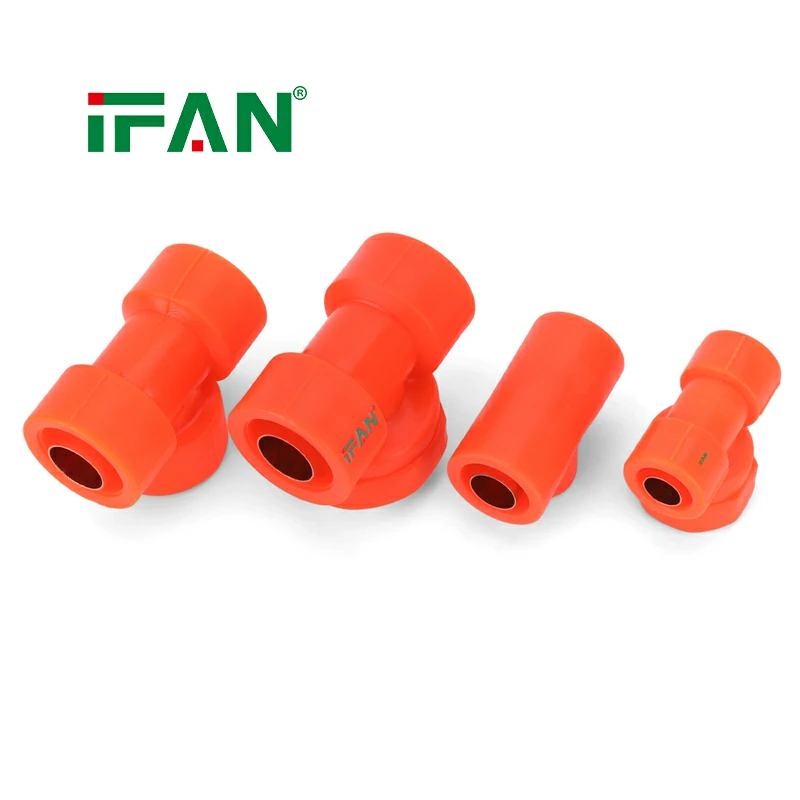
A PPR check valve is a vital component in modern plumbing systems, preventing backflow and ensuring smooth water flow. Made from polypropylene random copolymer (PPR), it offers exceptional resistance to corrosion. Unlike metal check valves, which can rust or degrade over time, a PPR check valve remains unaffected by moisture, chemicals, and environmental factors. This article explores the corrosion-resistant properties of PPR check valves and their advantages in plumbing applications.
What Is a PPR Check Valve?
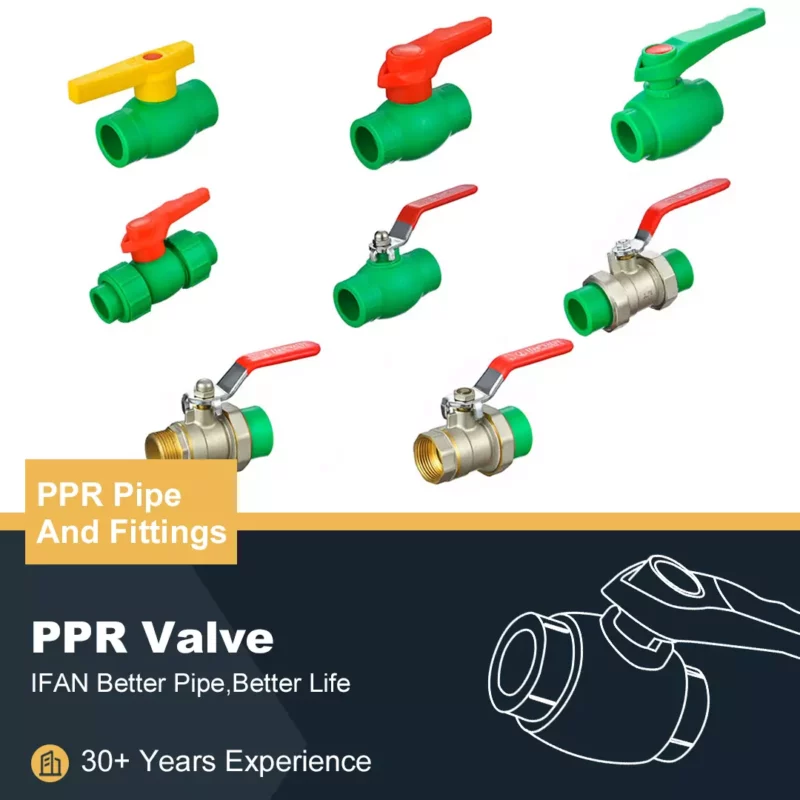
A PPR check valve is a non-return valve that allows fluid to flow in one direction while preventing backflow. It operates automatically, using an internal mechanism that closes when reverse flow is detected. Designed for potable water systems, heating networks, and industrial pipelines, a PPR check valves ensures efficiency and system protection.
Why Corrosion Resistance Matters
Corrosion weakens plumbing components, leading to leaks, contamination, and costly repairs. Metal check valves are particularly vulnerable to rust, which can clog pipes and affect water quality. A PPR check valves, however, is naturally resistant to corrosion, making it an ideal choice for long-term reliability.
How PPR Resists Corrosion
The PPR check valves is made from a high-quality thermoplastic that does not react with water, acids, or alkalis. Unlike metal, which oxidizes when exposed to moisture, PPR remains stable. This property ensures that a PPR check valves maintains its strength and functionality for years.
No Rust or Scaling Issues
Rust and scale buildup are common problems in metal check valves. These issues restrict water flow, increase pressure loss, and require frequent maintenance. A PPR check valve does not rust or form scale, ensuring consistent performance without clogging or obstructions.
Resistance to Chemical Exposure
A PPR check valves is highly resistant to chemicals, making it suitable for industrial applications. Unlike metal valves that corrode when exposed to aggressive substances, PPR check valves remain unaffected by acidic or alkaline solutions. This makes them ideal for wastewater treatment plants, chemical processing facilities, and laboratory plumbing systems.
Protection Against Hard Water Damage
Hard water contains minerals that can lead to scaling inside metal check valves. Over time, this buildup reduces efficiency and increases maintenance costs. A PPR check valves does not suffer from mineral deposits, maintaining a smooth internal surface for optimal water flow.
Long-Lasting Performance
A PPR check valves has a longer lifespan compared to metal alternatives. Its corrosion-resistant properties allow it to function efficiently for decades without deterioration. This durability reduces replacement costs and ensures a reliable plumbing system.
Suitable for Harsh Environments
Harsh environmental conditions, such as high humidity and chemical exposure, accelerate corrosion in metal valves. A PPR check valves, however, remains unaffected by these conditions, making it a preferred choice for marine, industrial, and outdoor applications.
Maintenance-Free Operation
Metal check valves require frequent maintenance to prevent corrosion and leaks. A PPR check valves, on the other hand, operates maintenance-free. Its corrosion resistance eliminates the need for protective coatings or regular inspections, reducing overall maintenance costs.
Cost Savings with Corrosion Resistance
The long-term cost benefits of a PPR check valve are significant. Because it does not corrode, there is no need for costly repairs, replacements, or anti-corrosion treatments. This makes it a cost-effective option for residential, commercial, and industrial plumbing systems.
Lightweight and Easy Installation
In addition to being corrosion-resistant, a PPR check valves is lightweight and easy to install. Unlike heavy metal valves, which require additional support, PPR check valves can be installed quickly using fusion welding or threaded connections.
Applications of PPR Check Valves
Due to their corrosion-resistant properties, PPR check valves are widely used in:
- Potable Water Systems: Ensuring clean, uncontaminated drinking water.
- Heating Systems: Preventing backflow in hot water networks.
- Irrigation Systems: Providing reliable water flow in agricultural applications.
- Chemical Processing: Withstanding exposure to aggressive substances.
- Marine Plumbing: Resisting corrosion in saltwater environments.
Environmental Benefits
A PPR check valve is environmentally friendly due to its long lifespan and recyclability. Unlike metal valves, which degrade and contribute to waste, PPR check valves remain functional for years, reducing environmental impact.
Comparison with Other Check Valves
Compared to other types of check valves, a PPR check valve offers superior corrosion resistance:
- Better than Metal Valves: No rust, no oxidation, and no need for protective coatings.
- Stronger than PVC Valves: More resistant to high temperatures and pressure fluctuations.
- More Reliable than Rubber-Sealed Valves: No risk of material degradation over time.
Conclusion
A PPR check valve is a reliable and corrosion-resistant solution for plumbing systems. Its ability to withstand moisture, chemicals, and environmental stress makes it a superior choice compared to metal alternatives. With long-lasting durability, maintenance-free operation, and cost-effective performance, a PPR check valve is an excellent investment for residential, commercial, and industrial applications.
If you have read this article and have any questions, please feel free to contact IFAN. Below is our contact information:
Whatsapp:+86 13373827623
Email:[email protected]