






Fermentum scelerisque hendrerit parturient nullam enim lobortis litora parturient dictumst.

Potenti a quisque tincidunt venenatis adipiscing parturient fermentum nisl tincidunt amentu.

Scelerisque conubia lobortis a condimentum ad eleifend dui integer maecenas habitant nostra.
| Specification | Chair | Armchair | Sofas |
| Height | 37" | 42" | 42" |
| Width | 26.5" | 32.5" | 142" |
| Depth | 19.5" | 22.5" | 24.5" |
| Assembly Required | No | No | Yes |
| Packaging Type | Box | Box | Box |
| Package Weight | 55 lbs. | 64 lbs. | 180 lbs. |
| Packaging Dimensions | 27" x 26" x 39" | 45" x 35" x 24" | 46" x 142" x 25" |
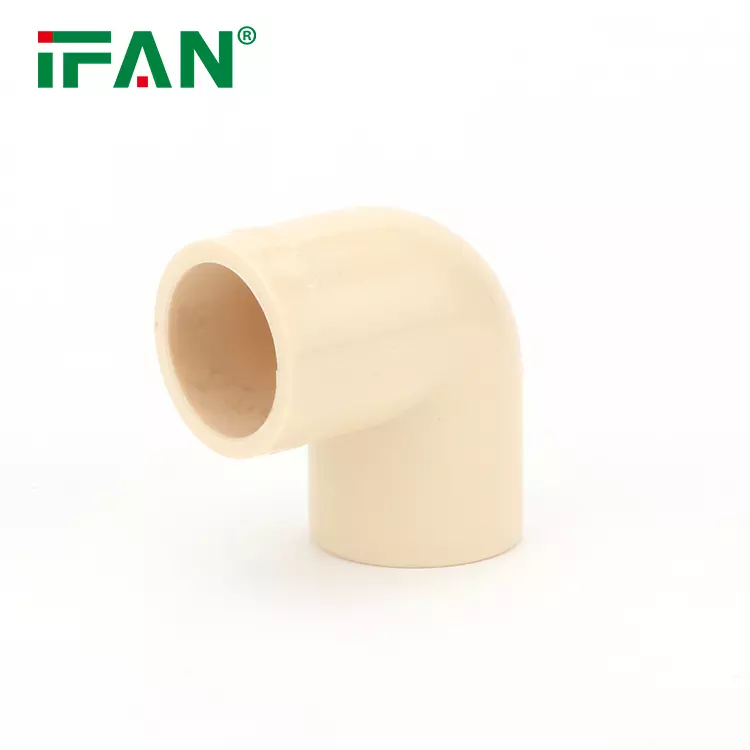
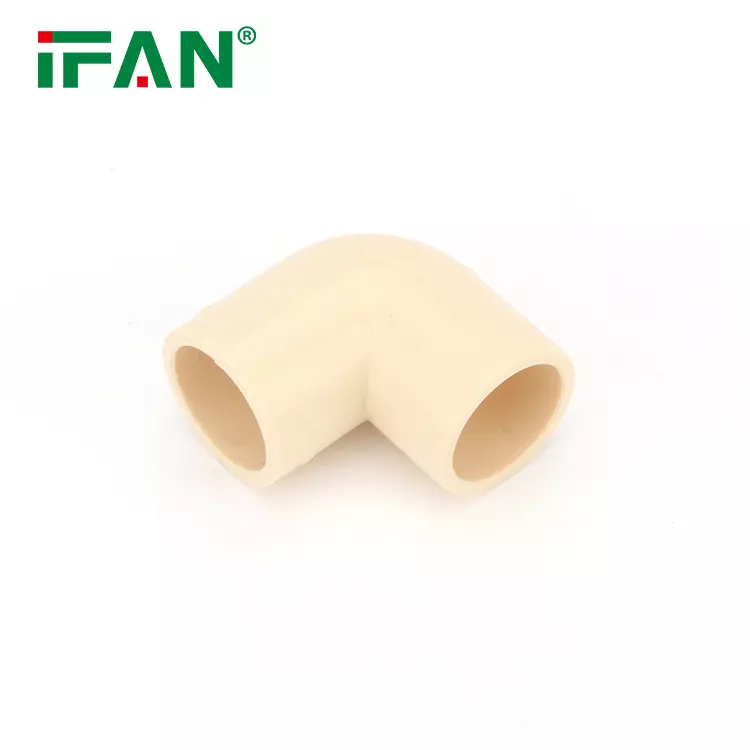
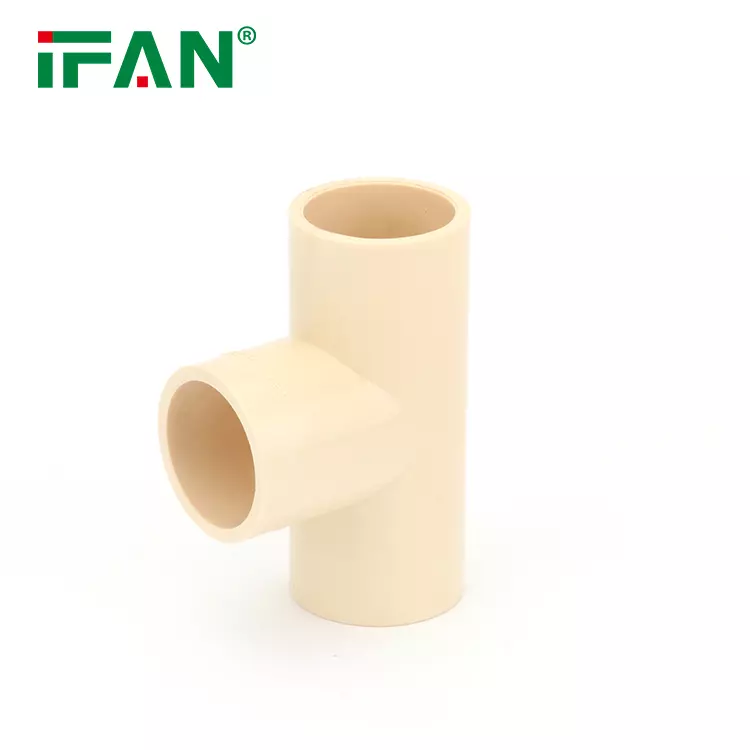


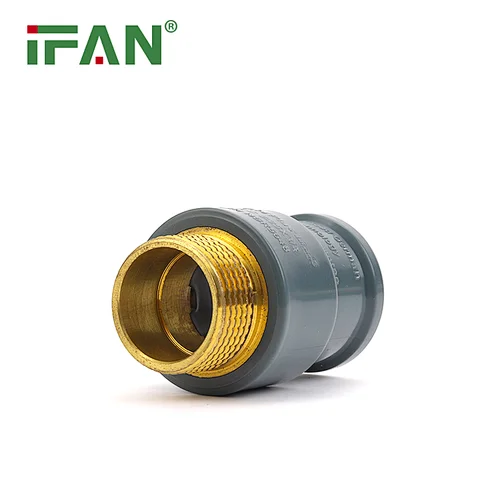
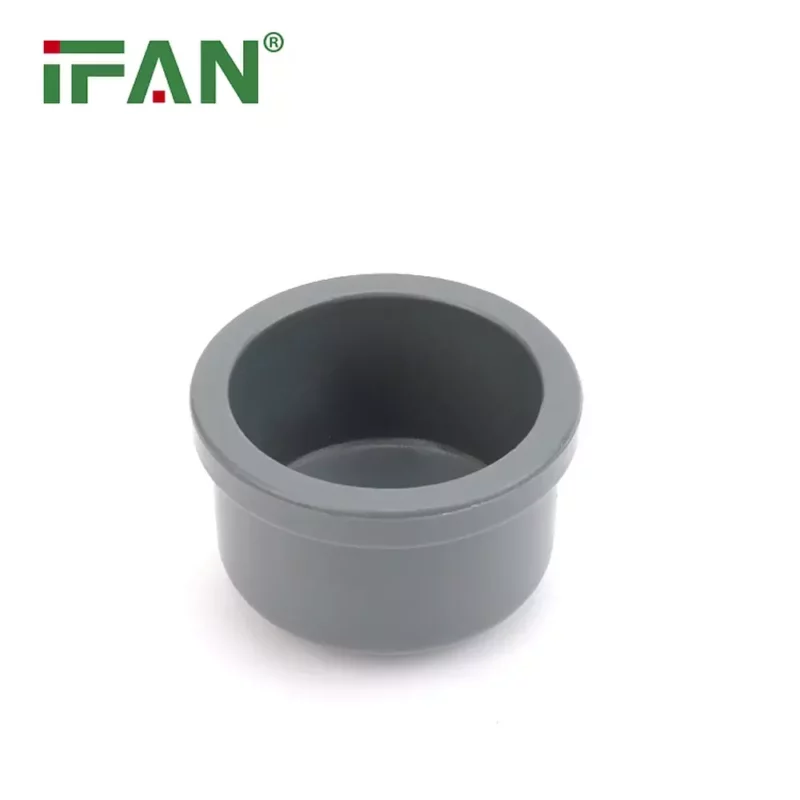
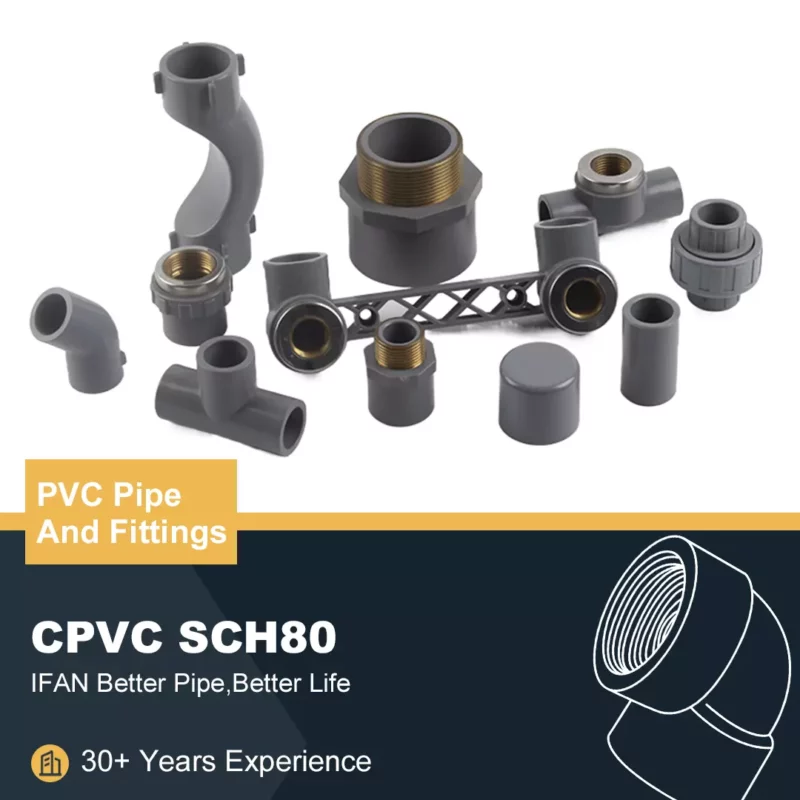
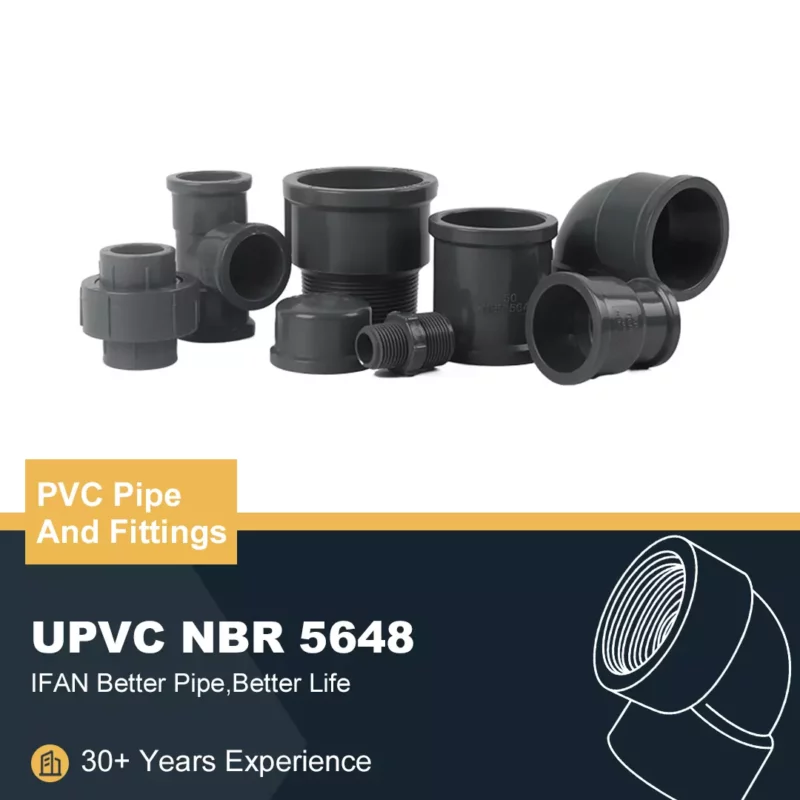
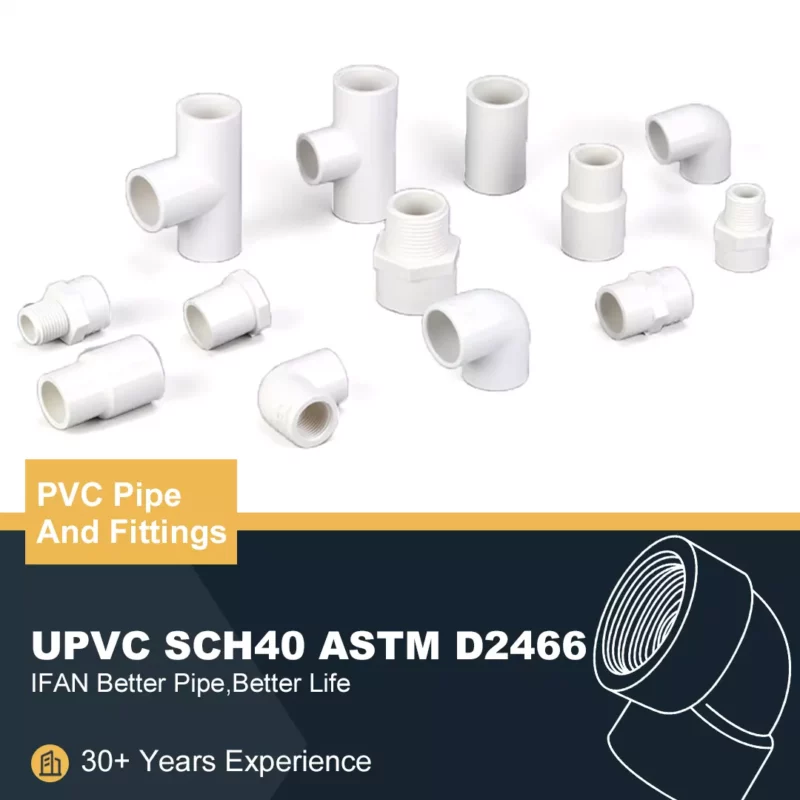
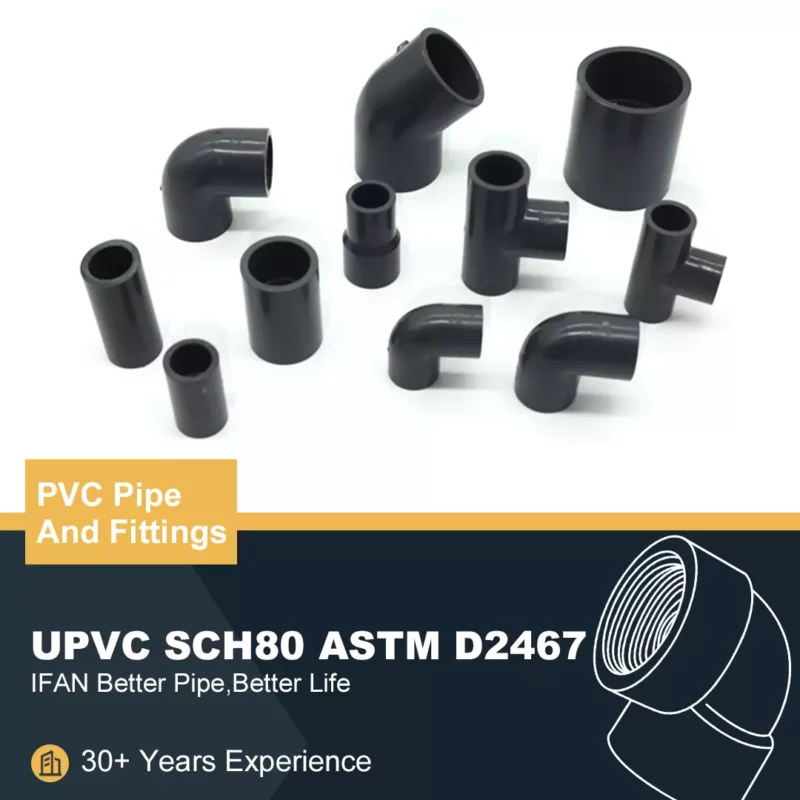
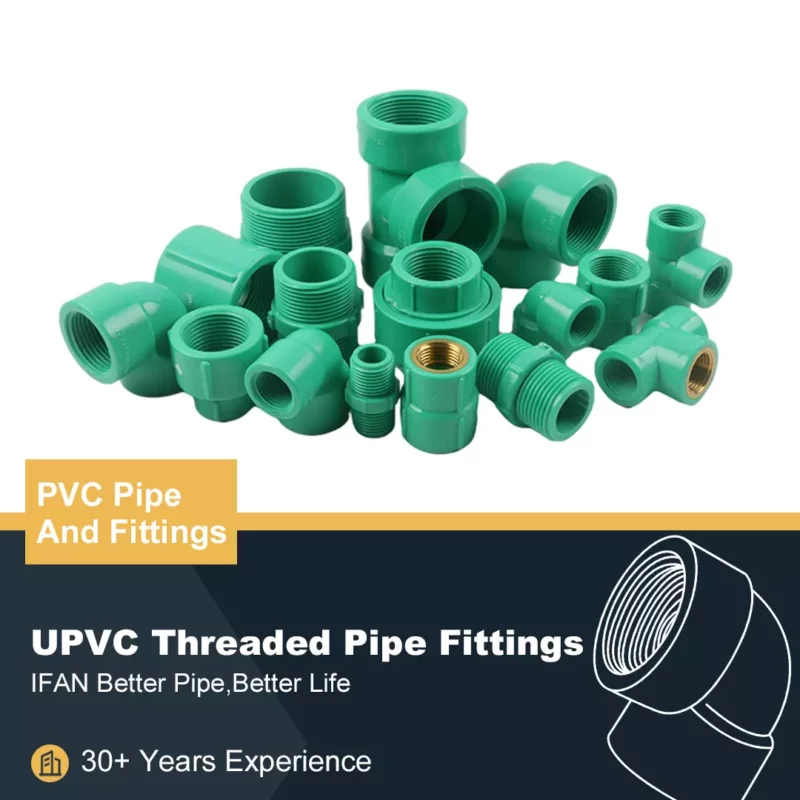
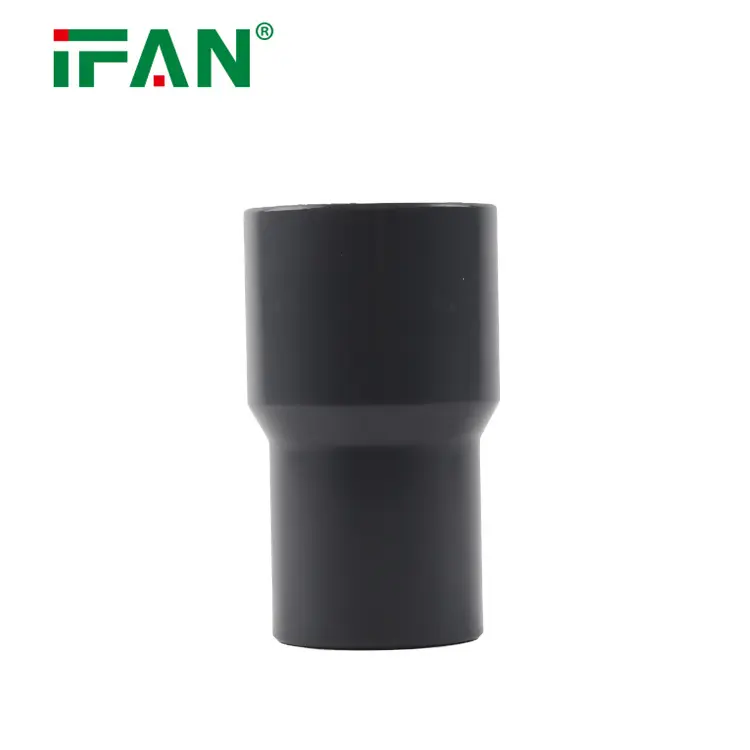
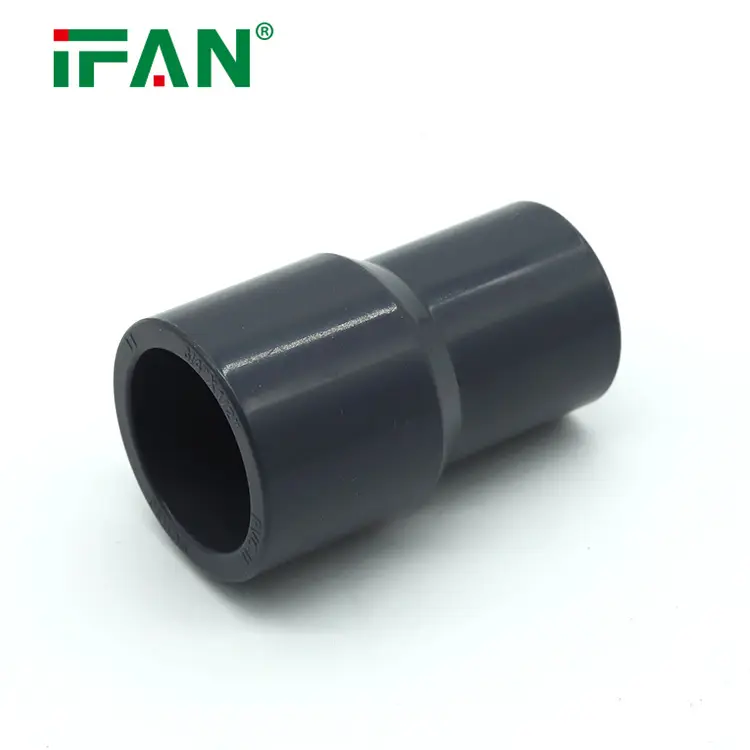
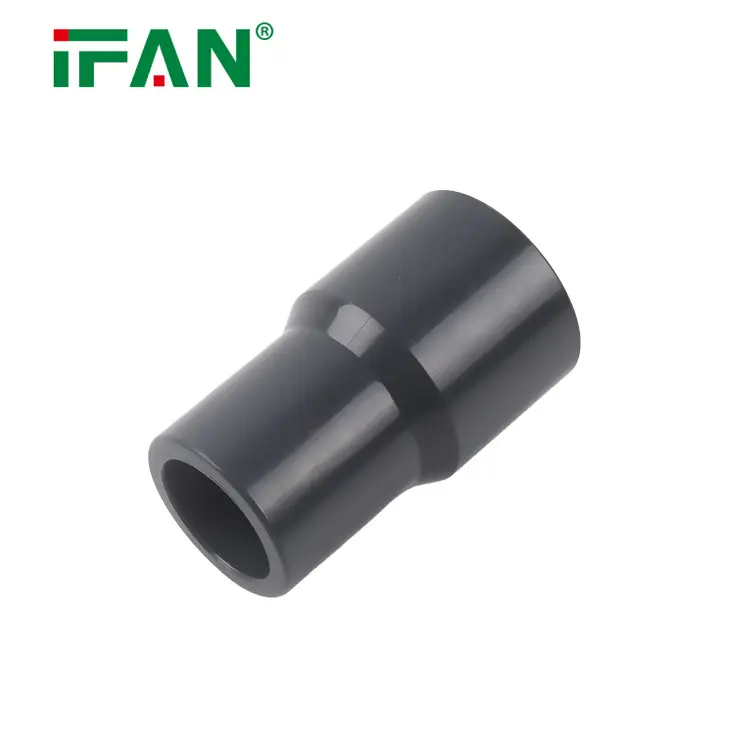
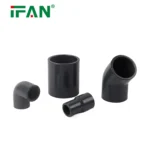
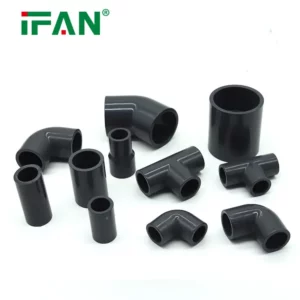
IFAN PVC American Standard 80 pipe fittings can use in various industries and applications, due to their excellent durability, versatility, and affordability.
| Product Name | IFAN PVC Pipe Fittings |
| Color | White,Grey,Green Or Customized |
| Size | 1/2″-2″ |
| OEM | Support |
| Sample | Free |
| Experience | 30+Years |
| Contact Us | Phone:13373827623 Email:[email protected] |
Section 1: What are PVC Pipe Fittings?
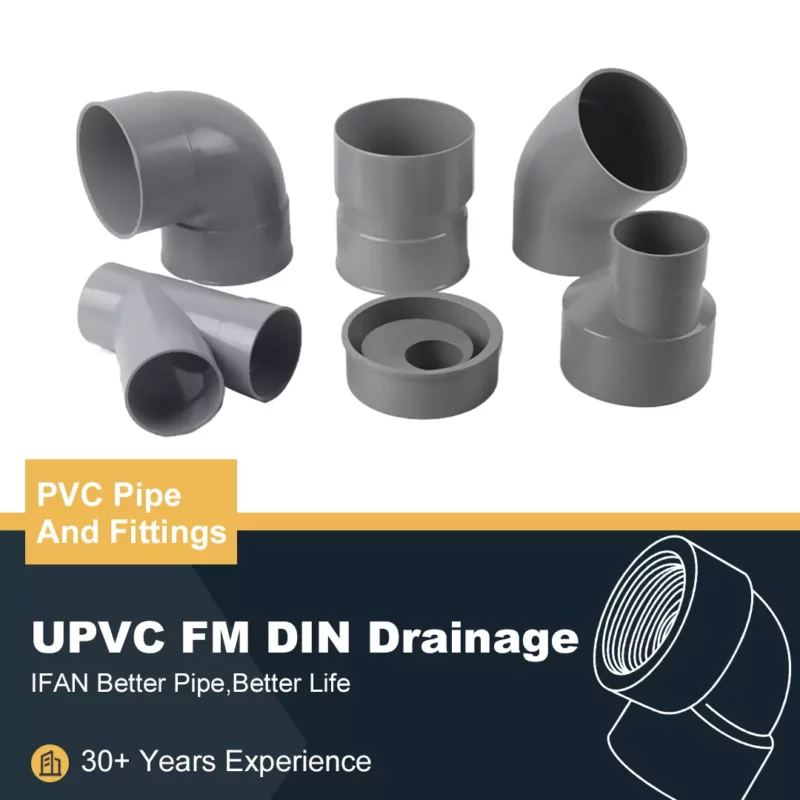
PVC (polyvinyl chloride) pipe fitting are used to join PVC pipes and control the flow of fluids or gases through the pipe system. CPVC pipe fittings can be made in various shapes and sizes, including couplings, elbows, tees, reducers, and adapters. PVC pipe fitting are lightweight, easy to handle, and resistant to corrosion, chemicals, and UV radiation. PVC pipes and fittings are widely used in applications such as water supply, drainage, irrigation, ventilation, and electrical conduits.
To effectively connect PVC pipe fittings, you will need the following tools:
1. PVC pipe cutter – used to cut PVC pipe to the desired length
2. Cleaning brush – used to remove debris and dirt from both the pipe and fittings before assembly
3. PVC cement – used to bond the pipe and fittings together securely
4. Primer – used to clean and prepare the PVC surfaces for cement application
5. Cloth – used to wipe and clean the PVC surfaces
6. Gloves – used to protect your hands from the cement
To connect PVC pipe fittings, follow these steps:
1. Cut the PVC pipe to the desired length using a PVC pipe cutter.
2. Use a cleaning brush to remove any debris or dirt from both the pipe and fittings.
3. Apply a coat of primer to both the pipe and fittings, using a clean cloth to spread it evenly.
4. Apply a coat of PVC cement to the fitting and insert the pipe into the fitting, twisting it slightly to ensure a tight fit.
5. Hold the pipe and fitting together for several seconds to allow the cement to dry and bond them together securely.
6. Repeat the above steps for all connections in the pipe system, including couplings, elbows, tees, and other fittings.