





Fermentum scelerisque hendrerit parturient nullam enim lobortis litora parturient dictumst.

Potenti a quisque tincidunt venenatis adipiscing parturient fermentum nisl tincidunt amentu.

Scelerisque conubia lobortis a condimentum ad eleifend dui integer maecenas habitant nostra.
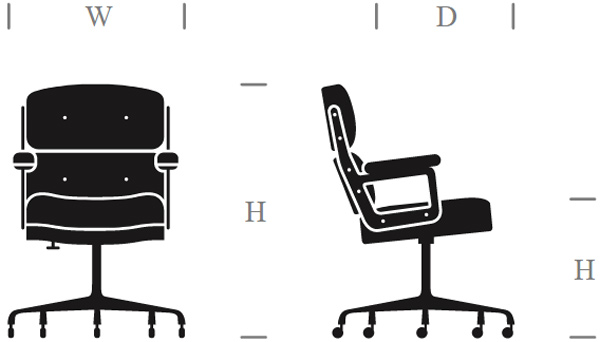
| Specification | Chair | Armchair | Sofas |
| Height | 37" | 42" | 42" |
| Width | 26.5" | 32.5" | 142" |
| Depth | 19.5" | 22.5" | 24.5" |
| Assembly Required | No | No | Yes |
| Packaging Type | Box | Box | Box |
| Package Weight | 55 lbs. | 64 lbs. | 180 lbs. |
| Packaging Dimensions | 27" x 26" x 39" | 45" x 35" x 24" | 46" x 142" x 25" |
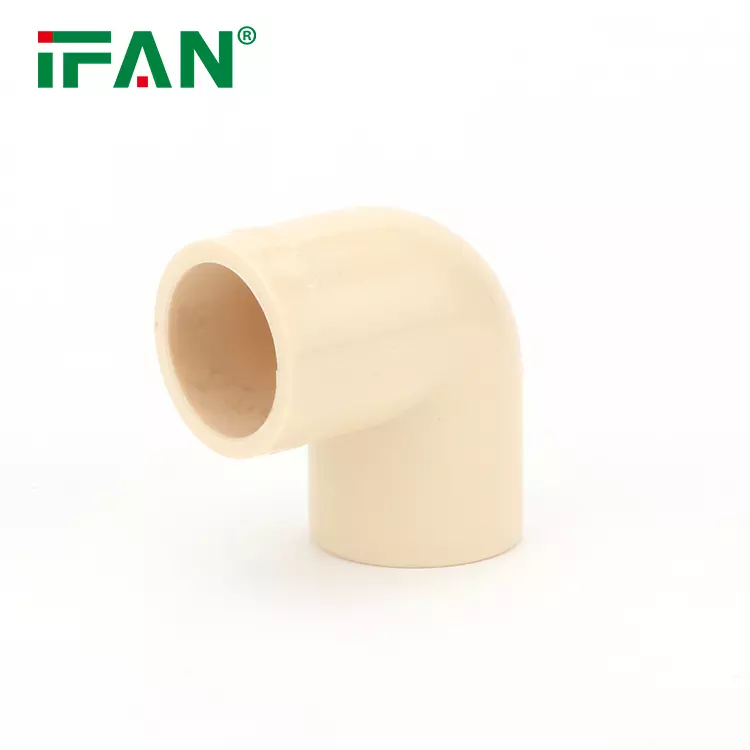
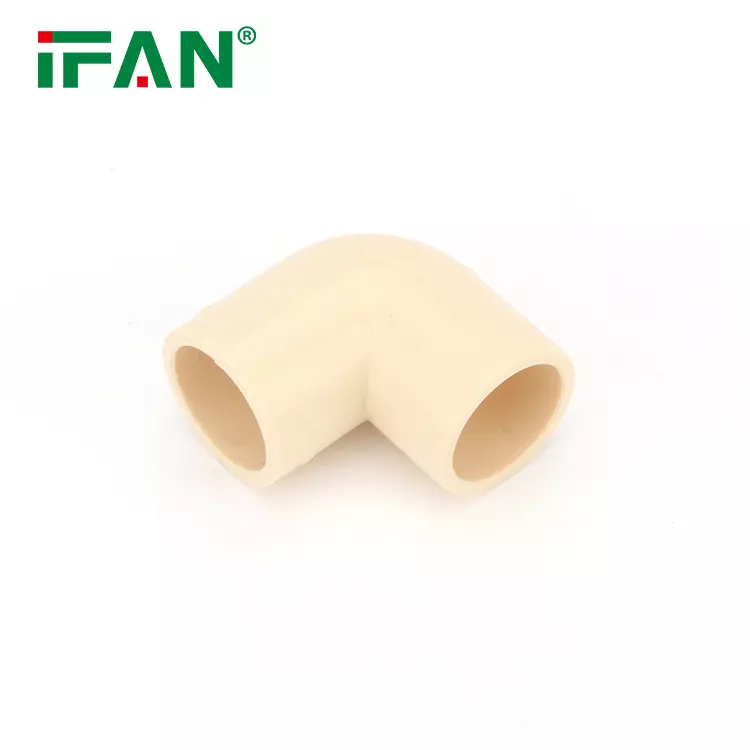
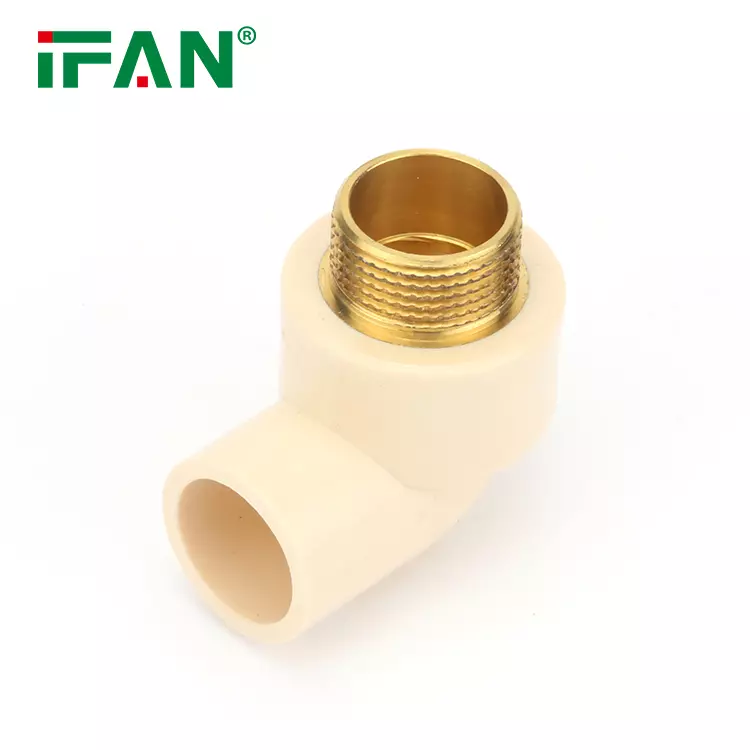
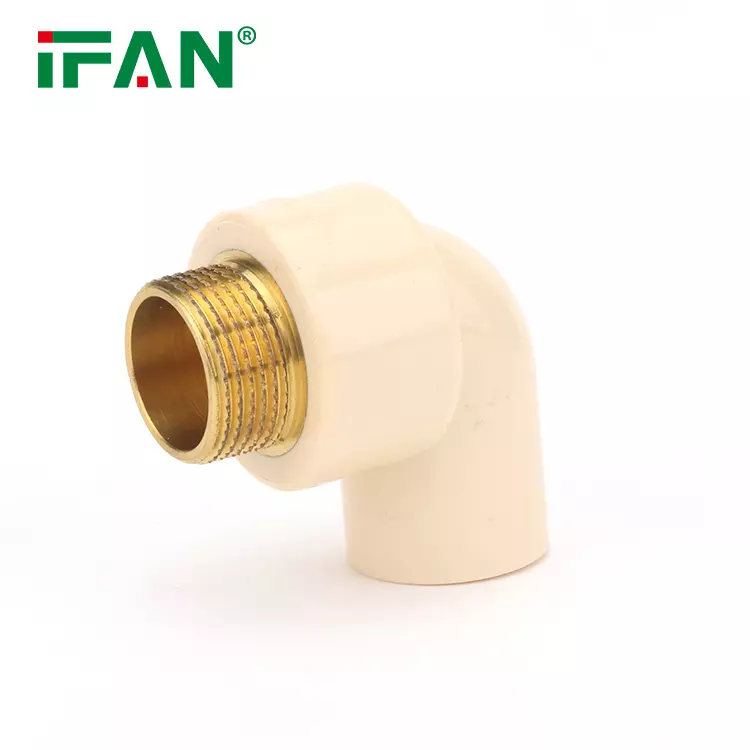


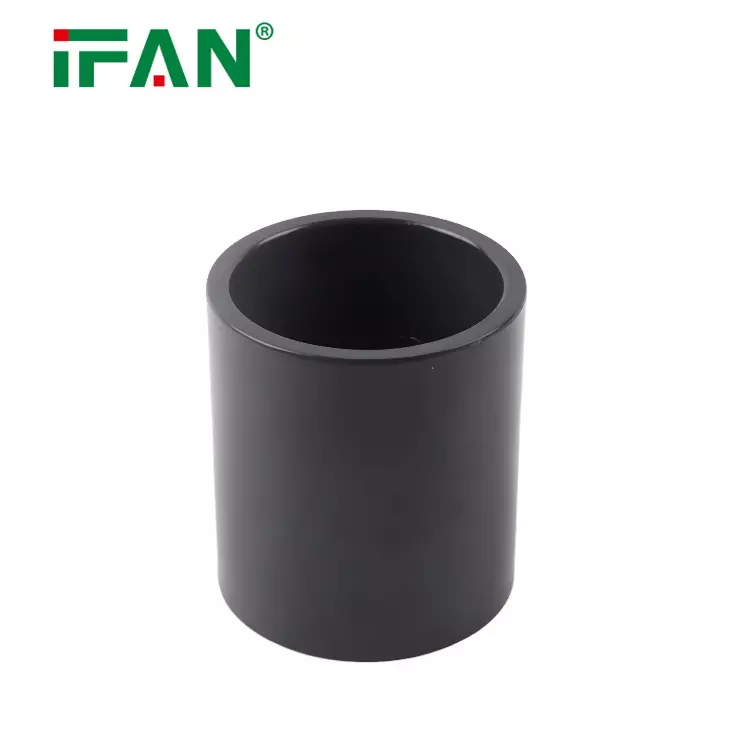
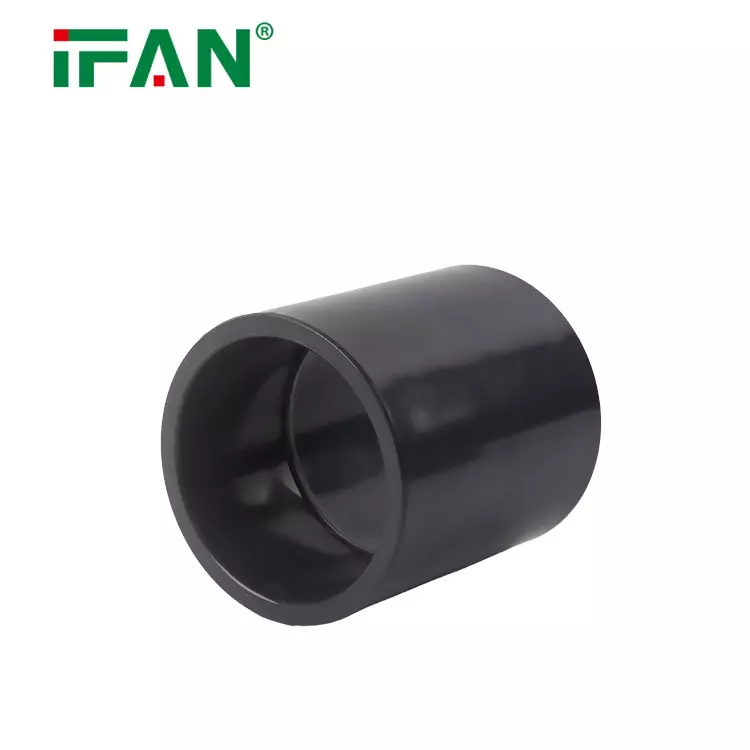


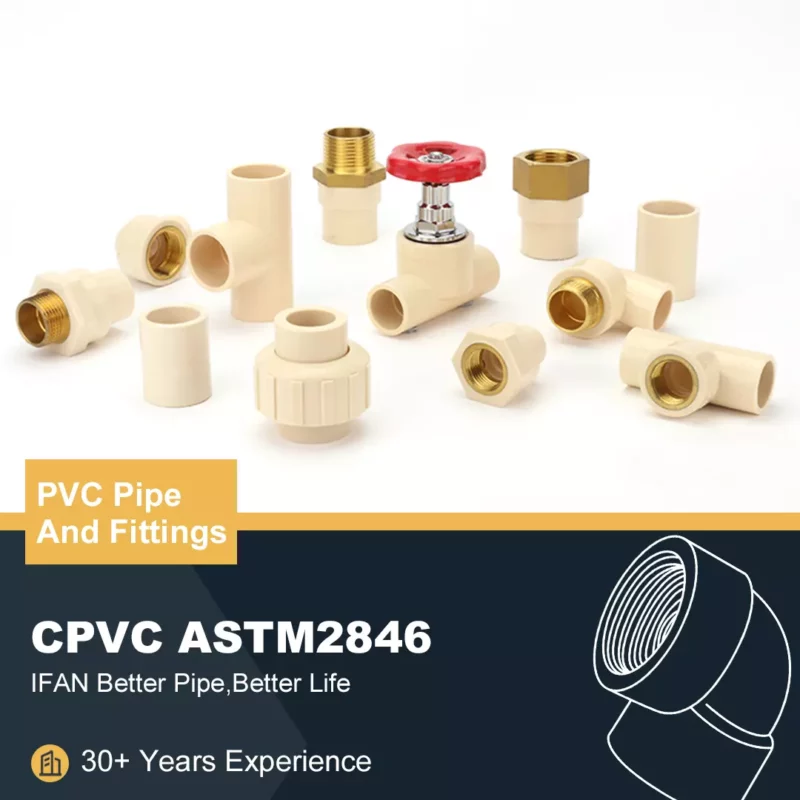
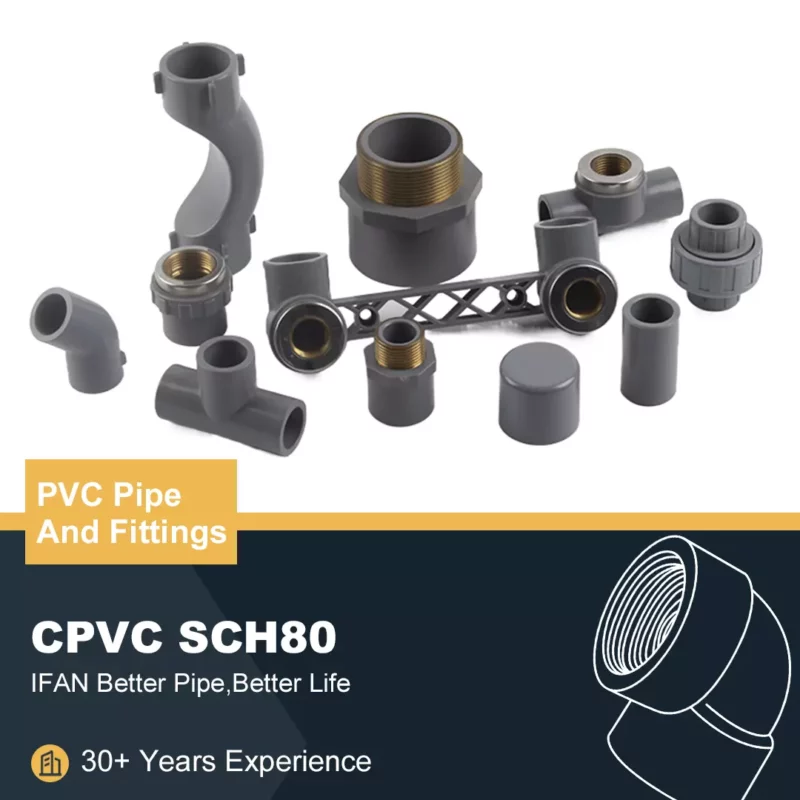
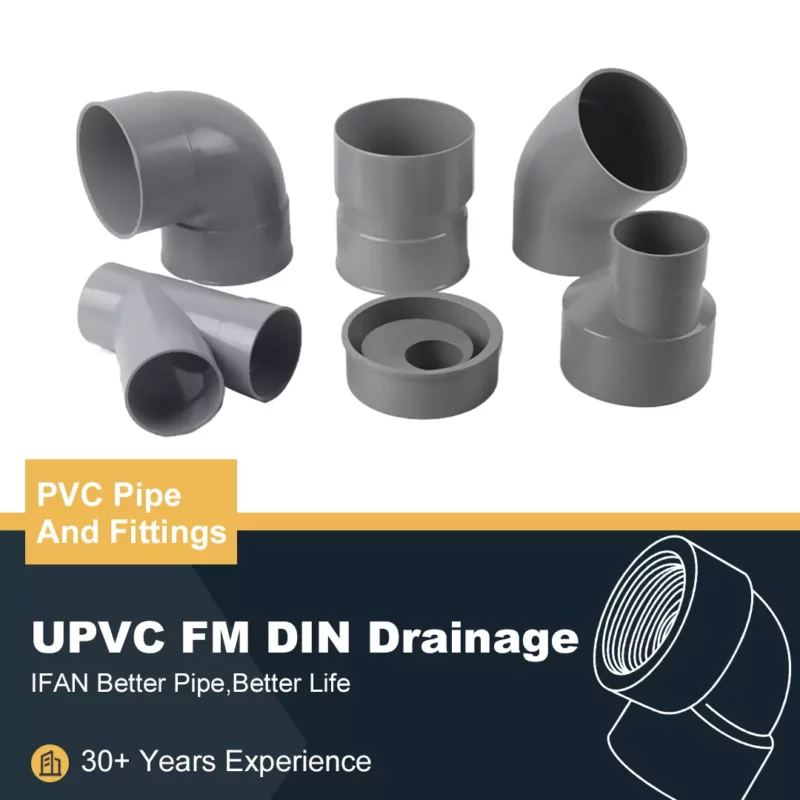
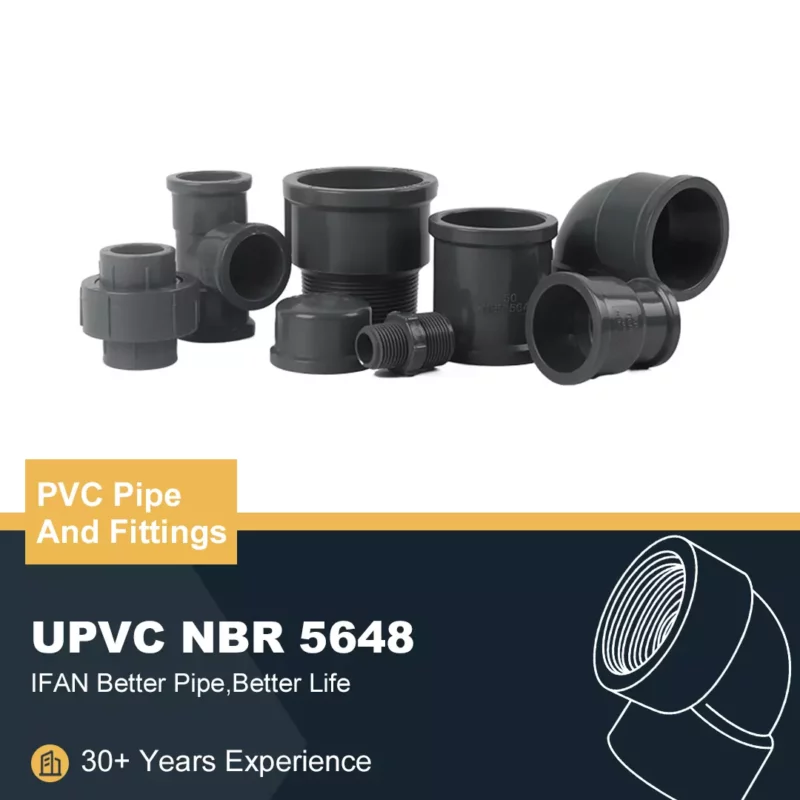
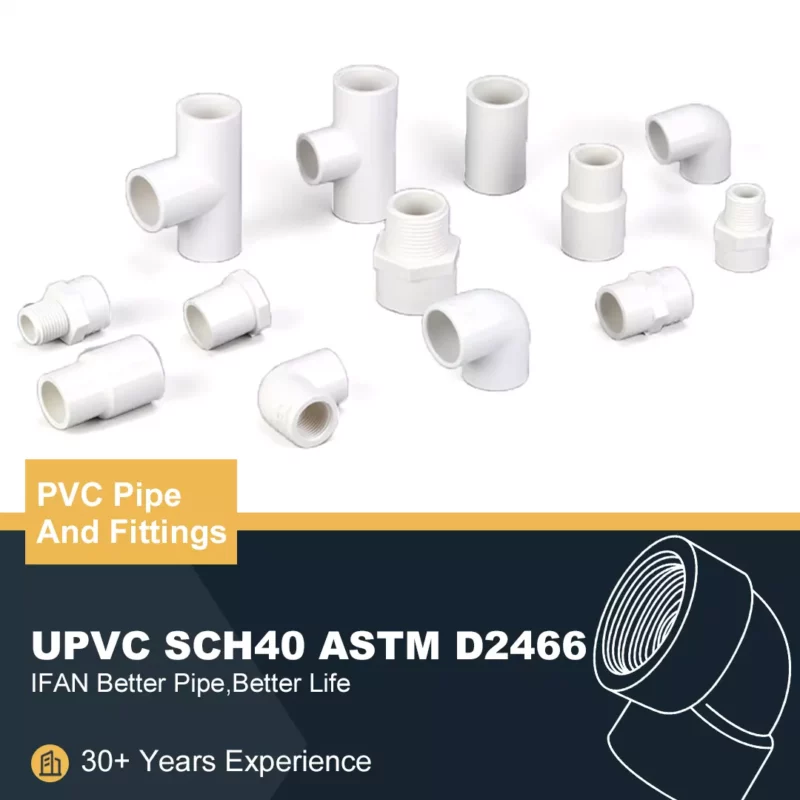
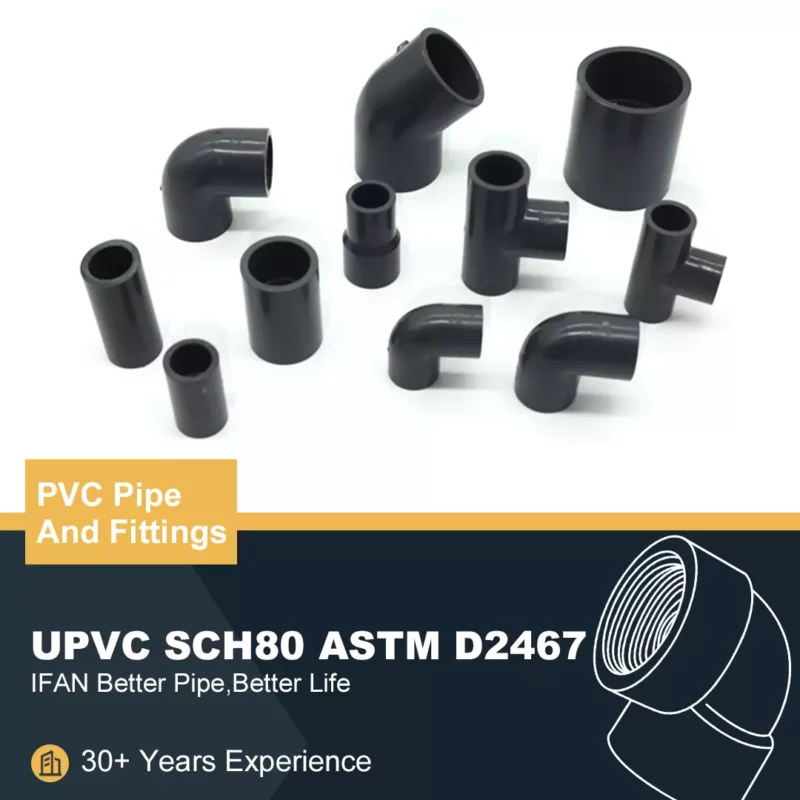
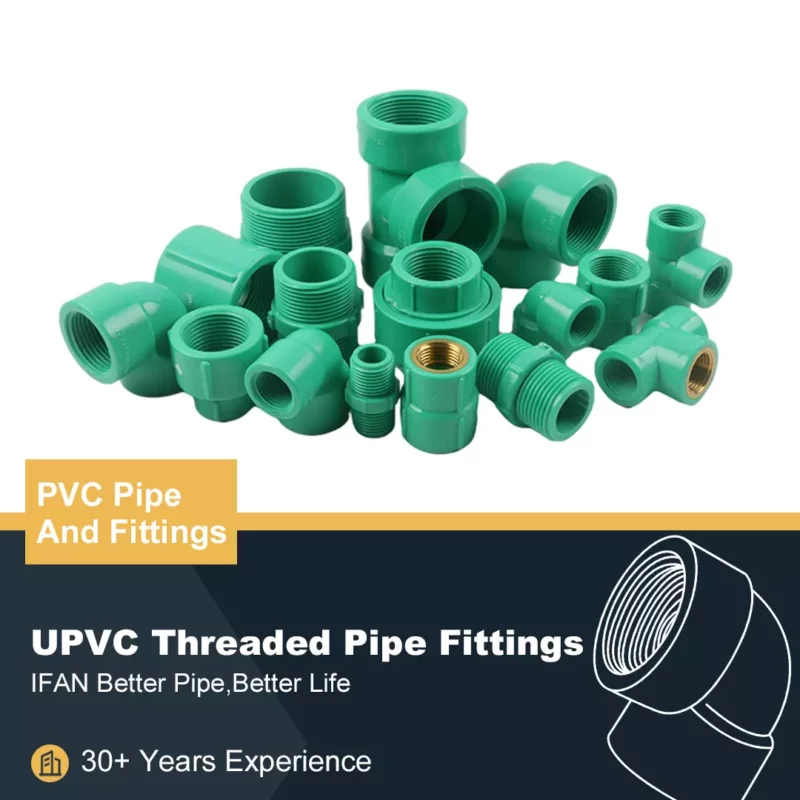
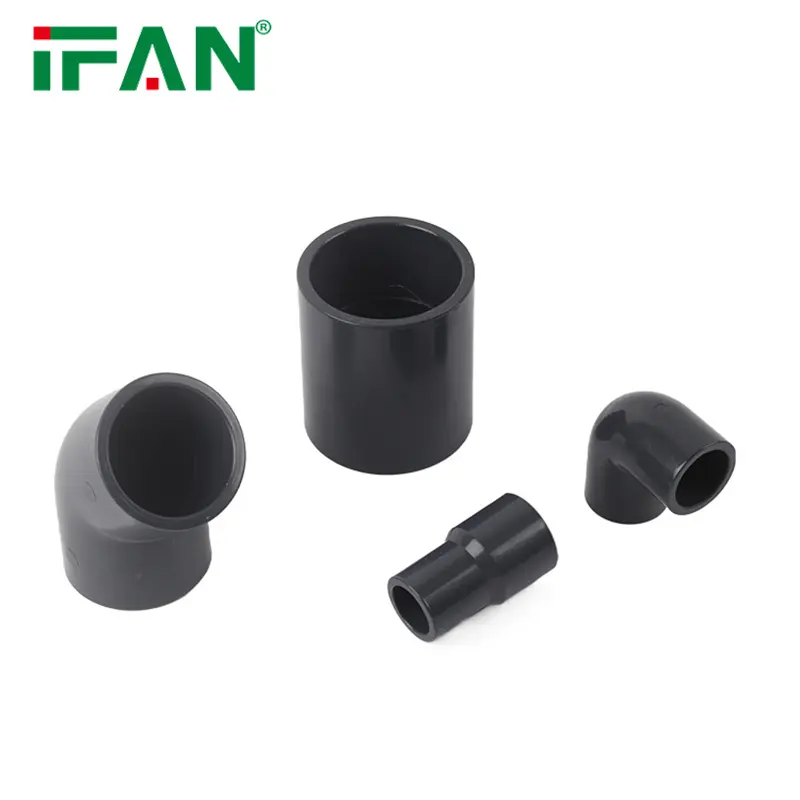
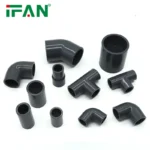
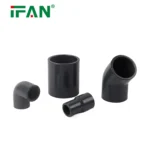
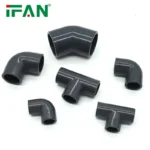
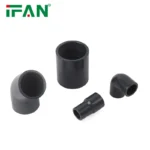
UPVC pipe fittings are widely used in many industries due to their numerous advantages. These fittings come in various standards and sizes to suit different applications. In this article, we will introduce the different types of standard UPVC pipe fitting, the advantages of UPVC pipe fitting, and how to select the right size for your plastic pipes.
| Product Name | IFAN UPVC Pipe Fittings |
| Color | White,Grey,Green Or Customized |
| Size | 1/2″-2″ |
| OEM | Support |
| Sample | Free |
| Experience | 30+Years |
| Contact IFAN | Phone:13373827623 Email:[email protected] |
The damage of UPVC pipe fittings can be detected by the following methods:
First, a visual inspection is carried out to carefully observe the surface of the UPVC pipe fitting. Check for visible cracks, breakage, deformation, or color changes. Pay special attention to the joints of pipe fittings, elbows, tees and other easily worn parts. If any exception is found, record and handle it in time.
By touching the surface of the UPVC pipe fitting, check for uneven, uneven thickness or local hardening. These can be caused by potential cracks or breakage. If you touch an abnormal area, check it further.
Gently tap the UPVC pipe fitting to listen for abnormal sounds, such as muffling, hollow sound, etc. Broken or cracked pipe fittings may produce a different sound than normal pipe when struck. This method helps detect potential breakages.
By applying a certain pressure to the UPVC pipe fitting, observe whether there is water leakage or pressure drop. First close the main sluice and fix the instrument on the pipe. Gradually increase the water pressure and test the bearing capacity of the pipe fittings. If the pressure drop or water leakage is found, it indicates that the pipe fittings are damaged.
You can use professional testing equipment, such as infrared thermal imager, ultrasonic detector, etc., to detect the damage of UPVC pipe fittings. These devices enable more accurate detection of potential cracks, breakages or other defects.
In the detection of damage, attention should be paid to safety to avoid further damage to pipe fittings. If damage is found, timely measures should be taken to repair or replace the damaged pipe fittings to ensure the safety and reliability of the pipeline system. At the same time, regular inspection and maintenance of UPVC pipe fittings, timely detection and treatment of potential problems. It can extend its service life and ensure normal operation.