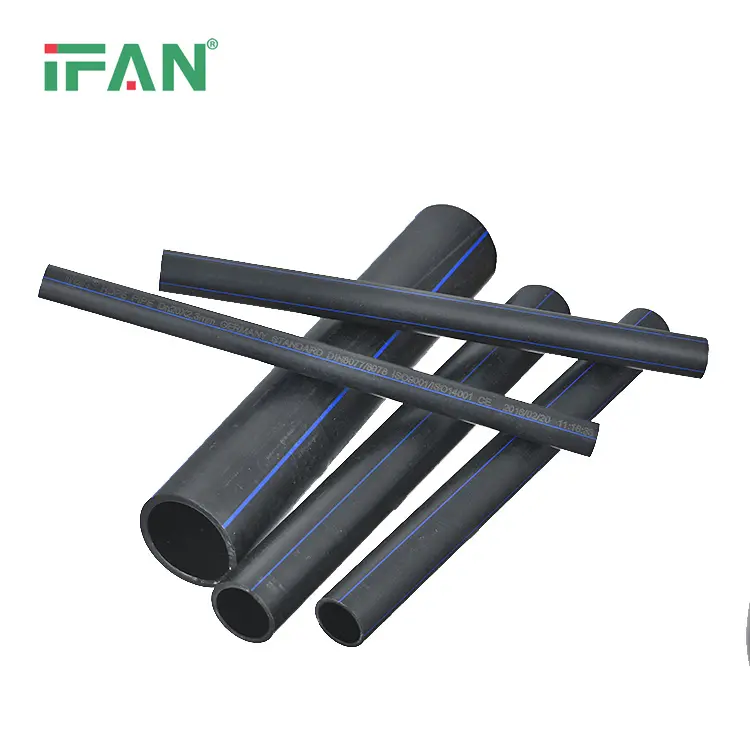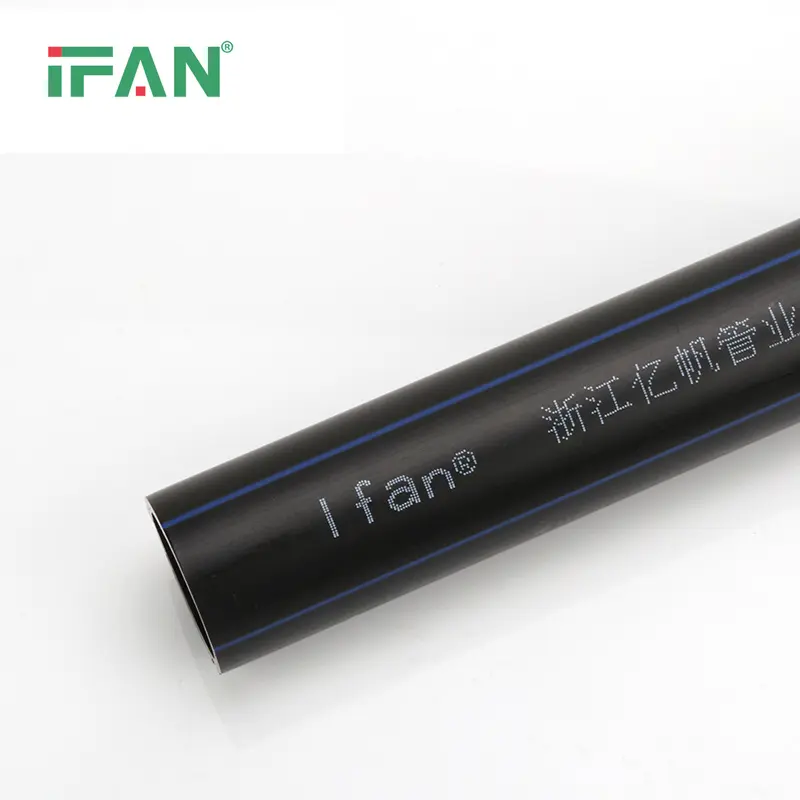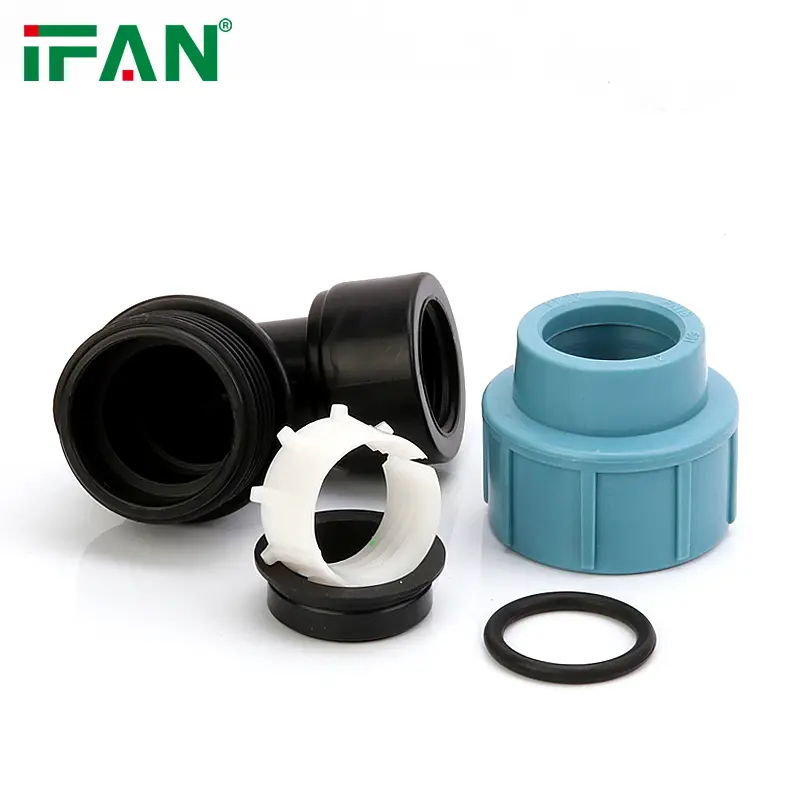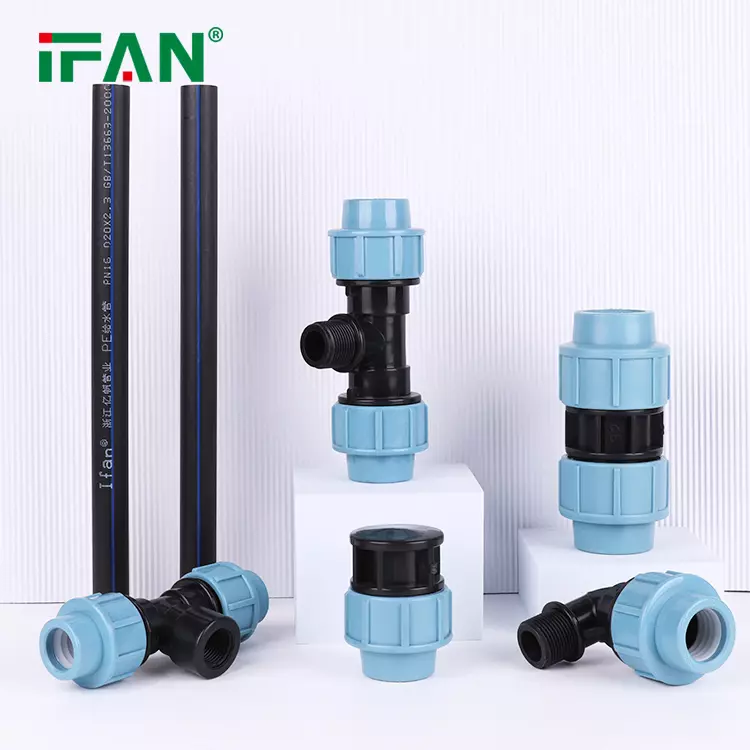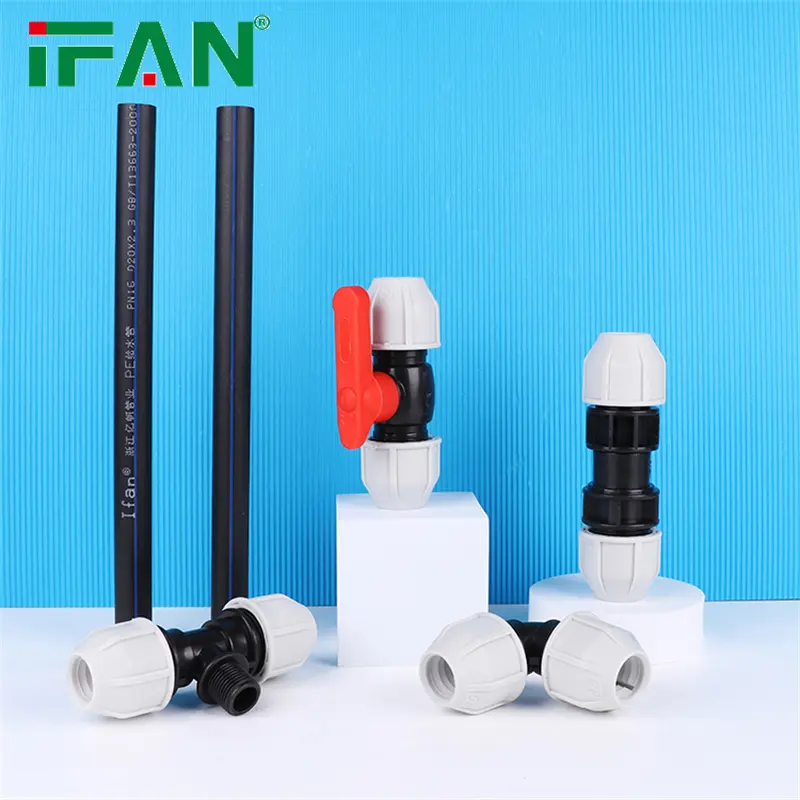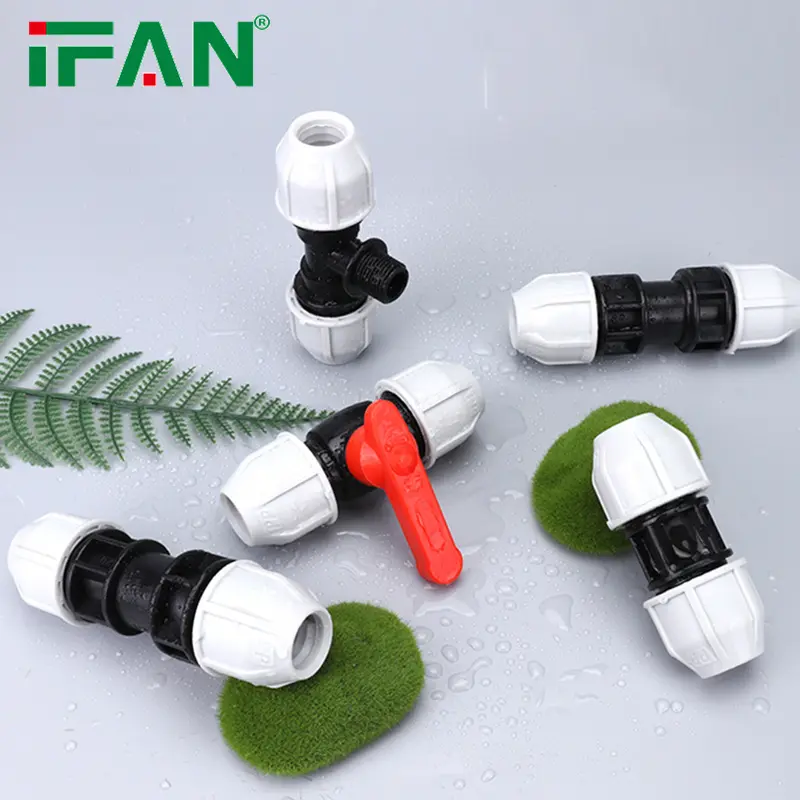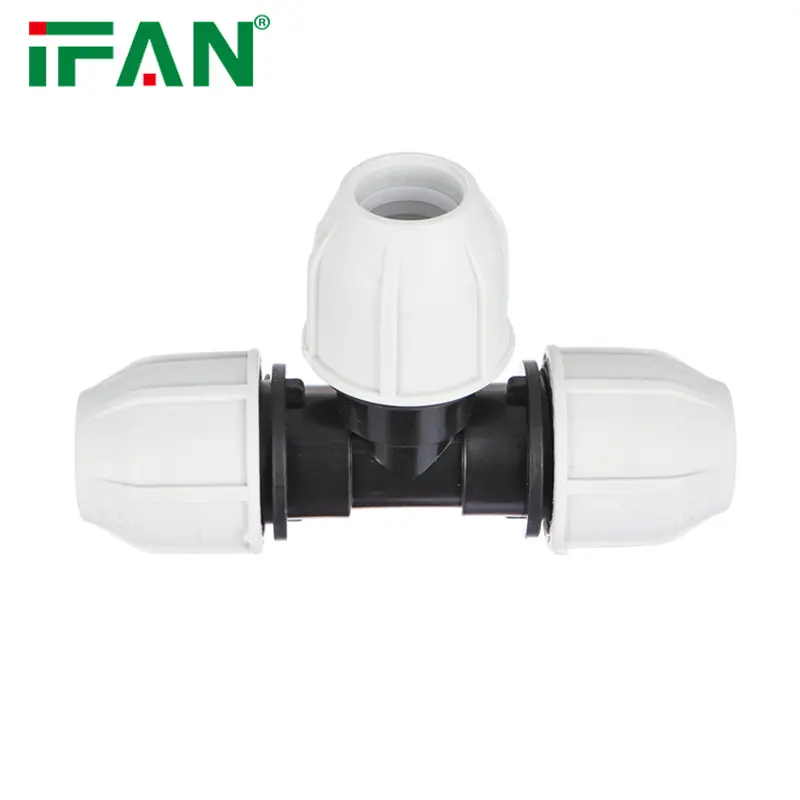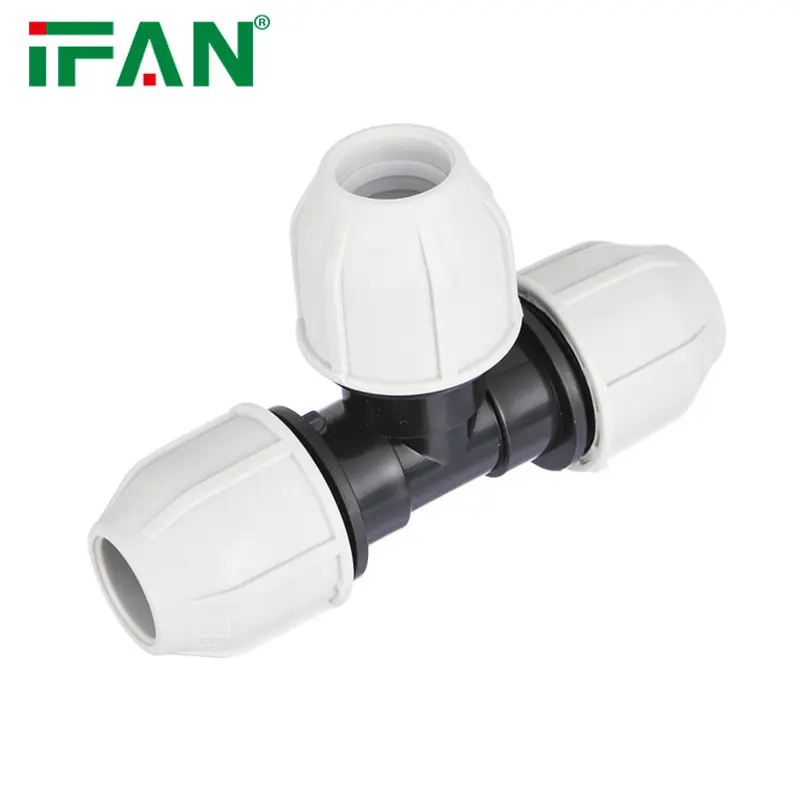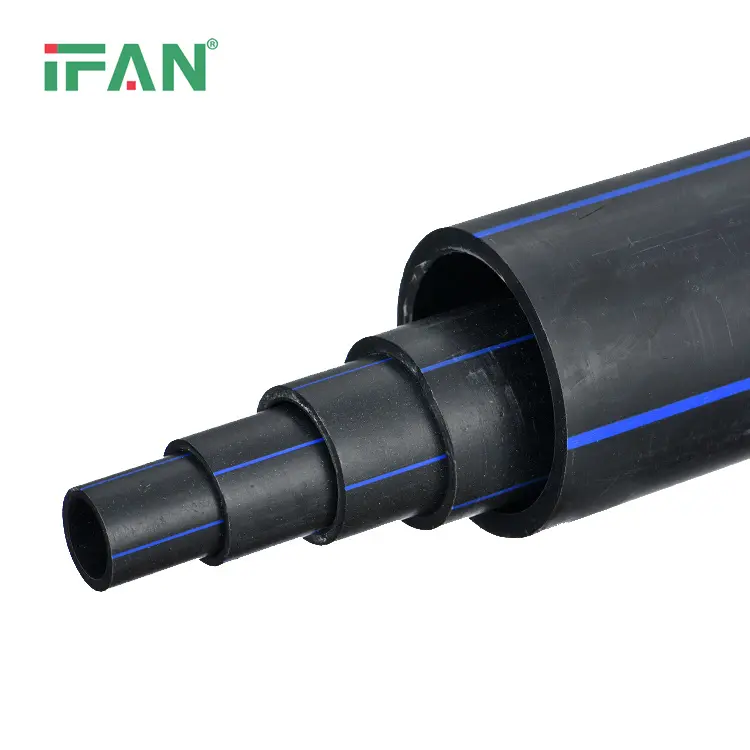
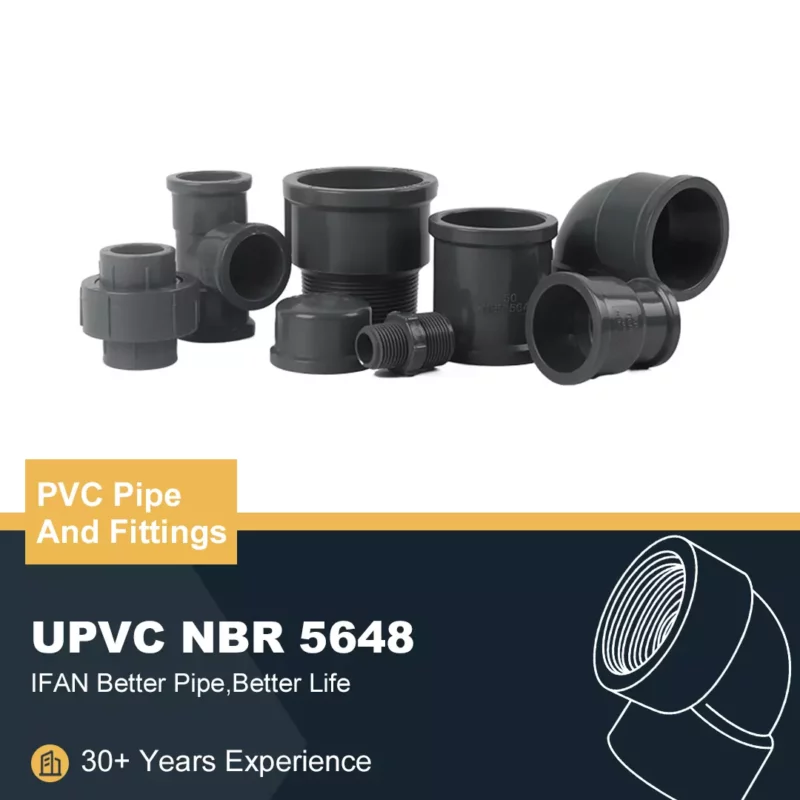
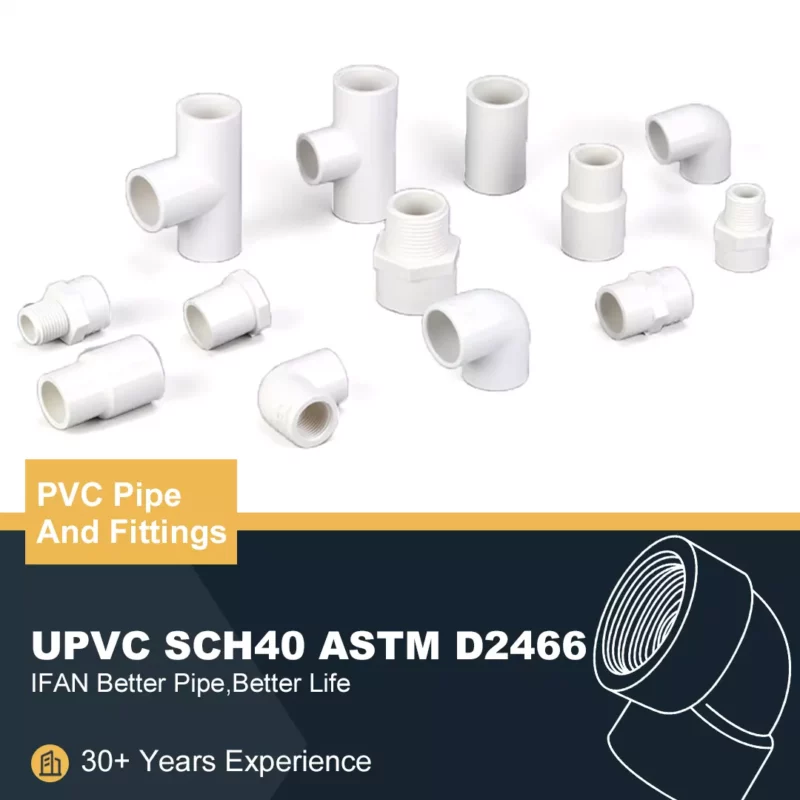
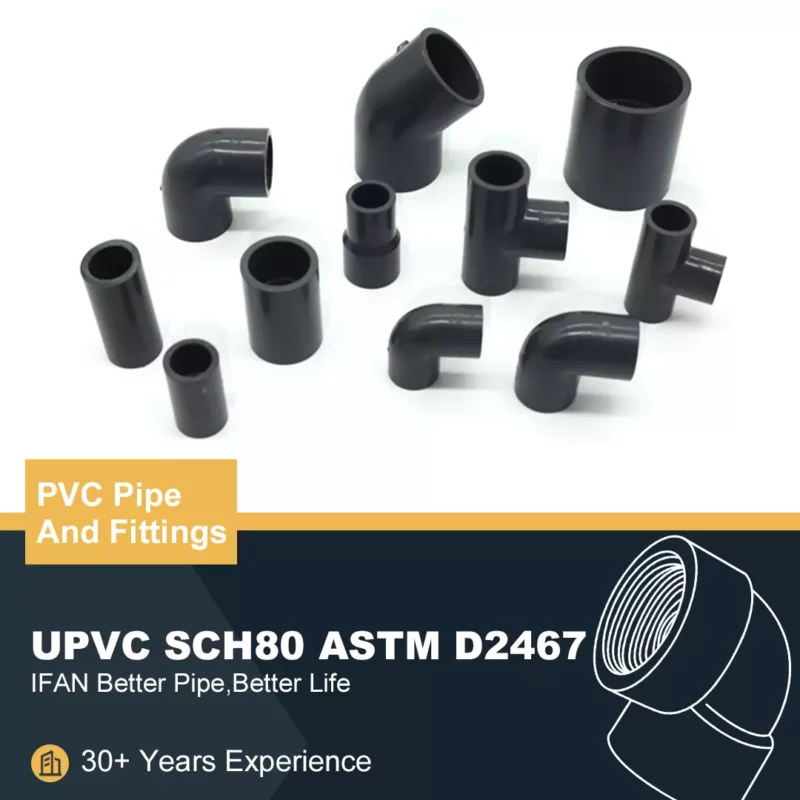
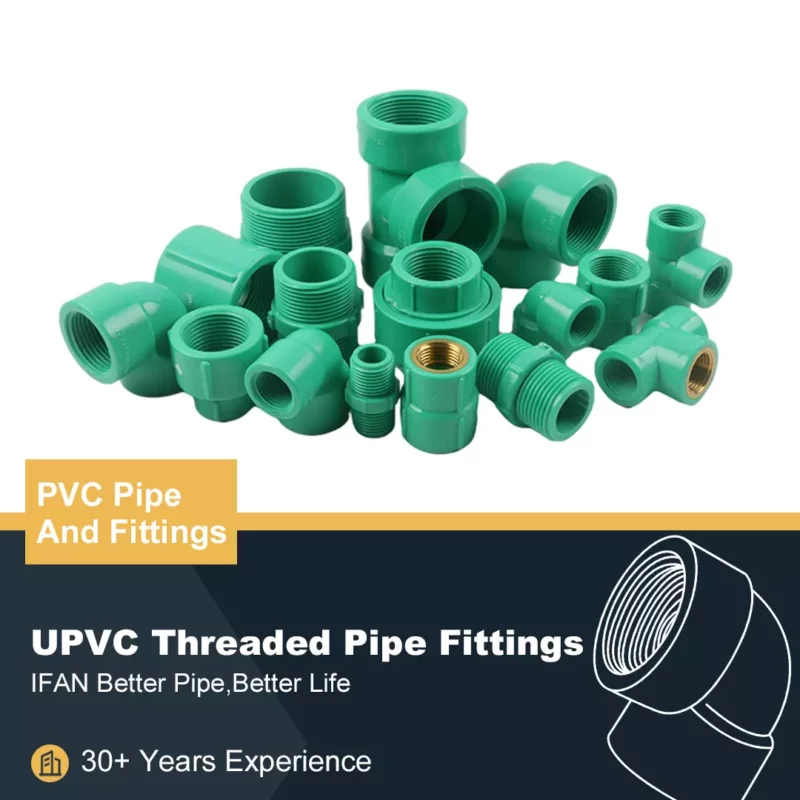
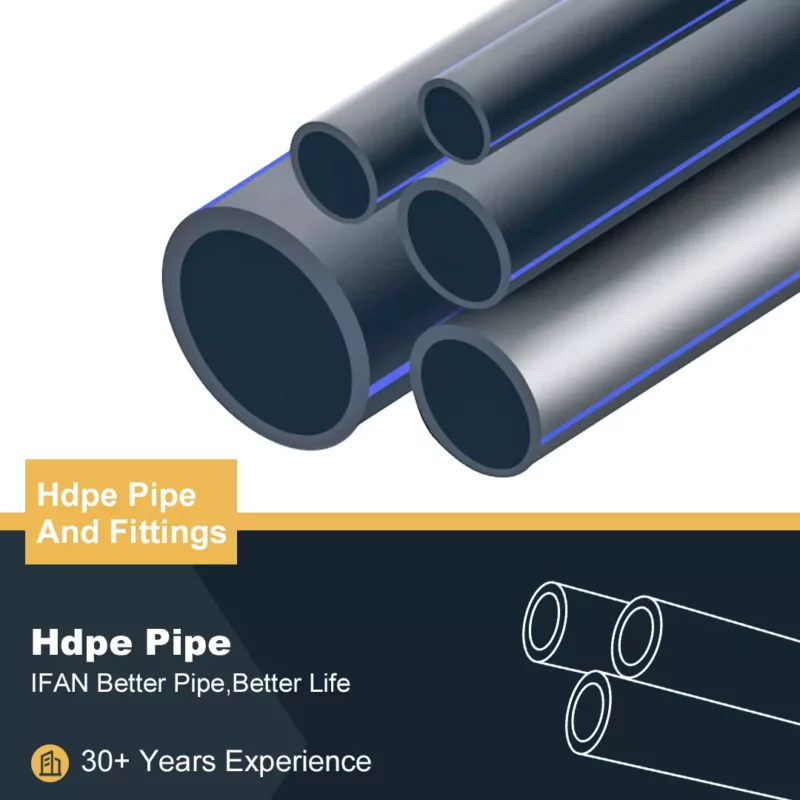
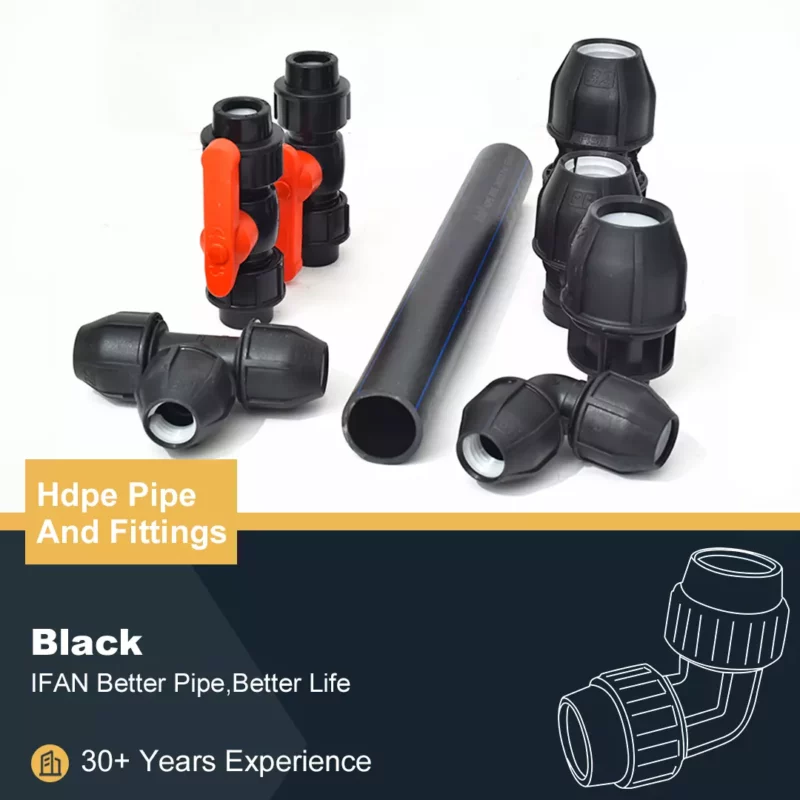
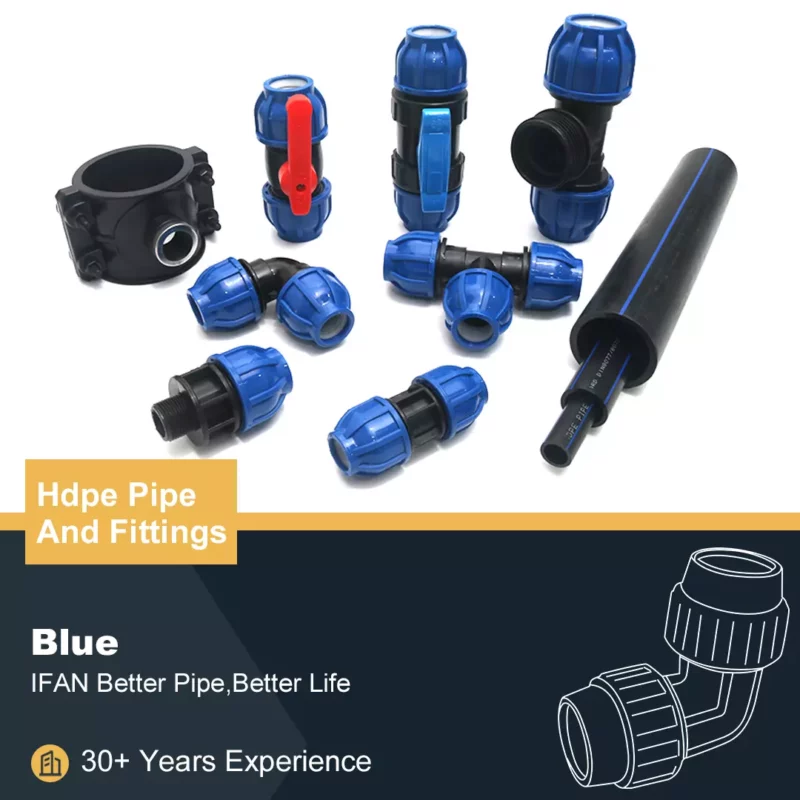
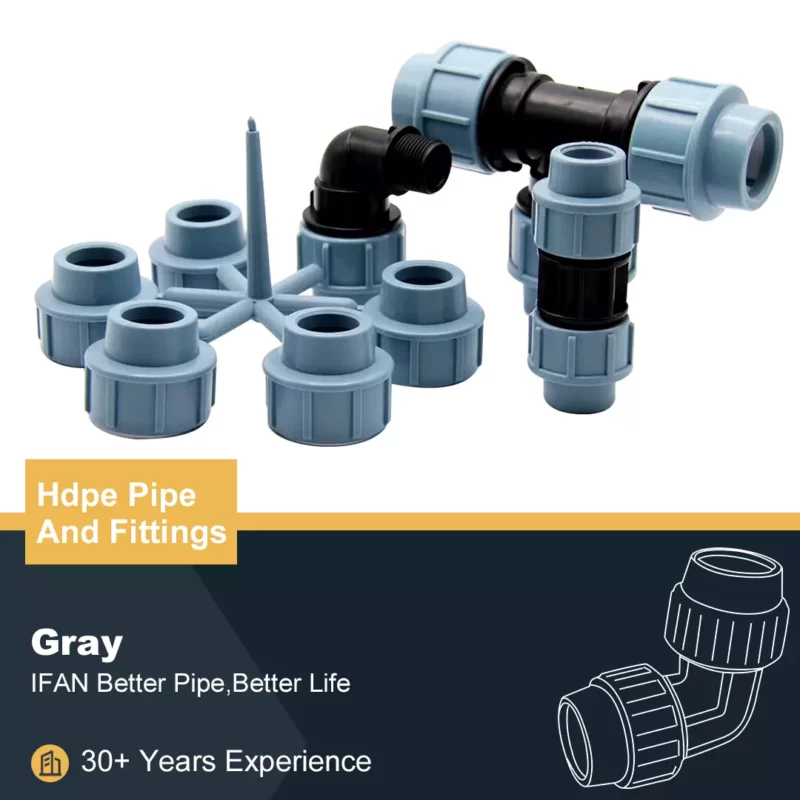
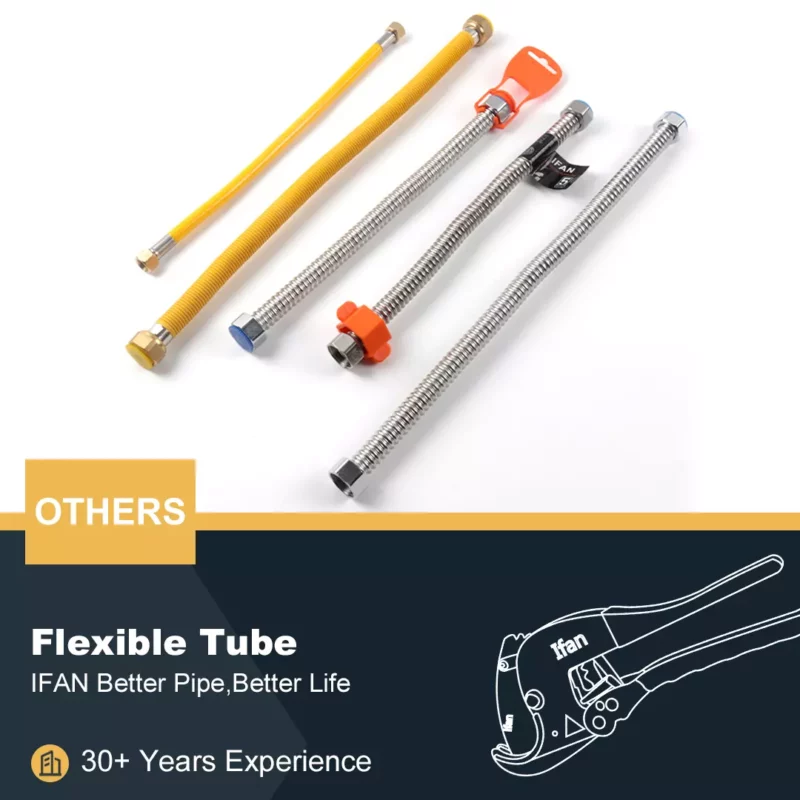
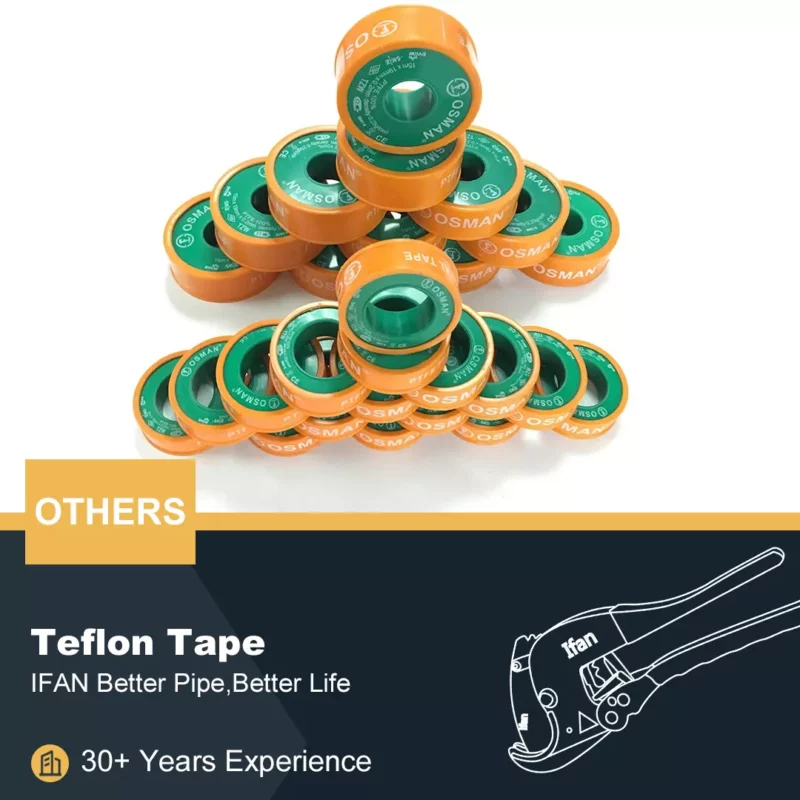
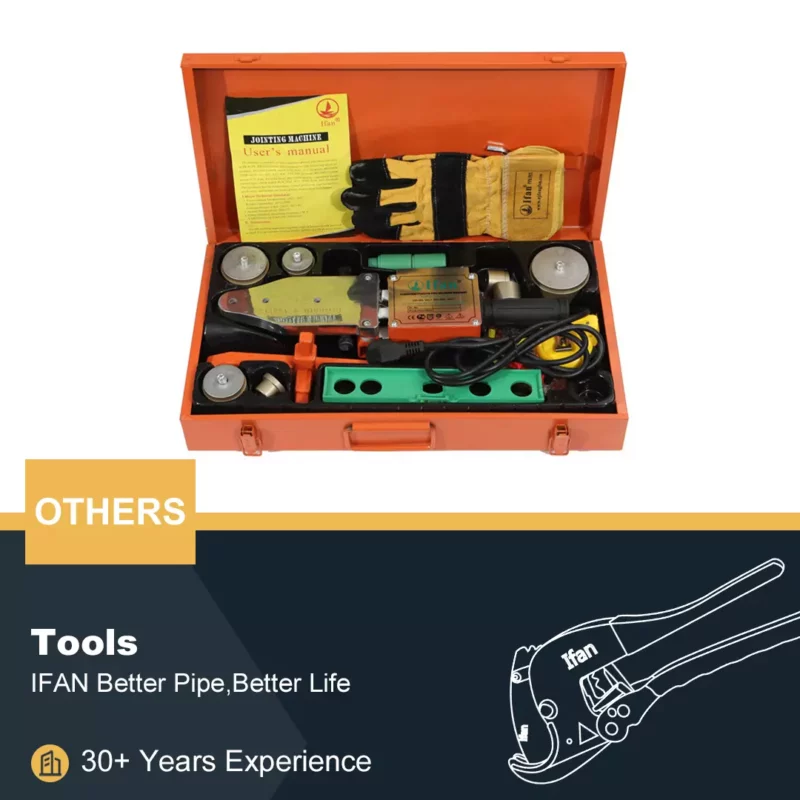




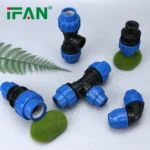
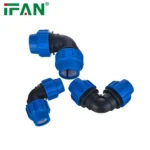
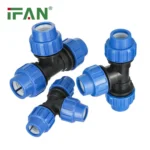
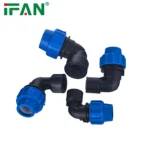
High-density polyethylene (HDPE) pipe fittings are widely used in various industries for their excellent corrosion resistance, high strength, and durability.
| Product Name | IFAN HDPE Pipe Fitting |
| Color | Blue,Grey,Black Or Customized |
| Size | 20-110mm |
| Material | HDPE or Customized |
| Package | Opp Bag+Cartoon |
| Brand | IFAN |
| OEM | Aviable |
| Sample | Free Provide |
| Contact US | Click here for quotes and product catalogues |
We have 30+ years of plumbing experience, a wide range of products, support customization and free samples. This IFAN Facebook:https://www.facebook.com/IFANPiping, welcome to contact us.
If you are interested in IFAN’s Products, please feel free to send us a message; we will send you the price list and product catalogue in time.
HDPE pipe fittings are critical components in modern fluid transport systems, offering reliable performance across varied environments. These fittings are manufactured from high-density polyethylene (HDPE), a material known for its durability and chemical resistance. Designed to connect HDPE pipes in different configurations, these fittings ensure leak-proof and long-lasting performance. Their resistance to corrosion and chemicals makes them especially suitable for use in challenging conditions. HDPE pipe fittings are available in various shapes such as elbows, tees, couplings, and reducers, each engineered for specific applications. The uniform material properties of HDPE allow these fittings to maintain structural integrity even under exposure to aggressive substances. By focusing on how HDPE pipe fittings interact with corrosive and chemical elements, this article highlights the features that make them ideal for stable, long-term use.
Corrosion is a major concern in metal piping systems exposed to moisture, salts, acids, and other reactive compounds. Unlike metallic components, HDPE pipe fittings do not rust, oxidize, or degrade due to environmental exposure. This is because HDPE is a non-conductive, chemically stable thermoplastic. The molecular structure of HDPE lacks free ions, which makes electrochemical reactions nearly impossible. As a result, HDPE pipe fittings can be used in both above-ground and buried applications without the need for protective coatings or linings. In marine or coastal environments, where saltwater can rapidly corrode steel or iron, HDPE maintains its original strength and appearance. Even when exposed to wet soils or groundwater containing chloride, sulfate, or organic materials, HDPE pipe fittings remain unaffected. Their corrosion resistance significantly reduces maintenance demands and enhances long-term reliability. This characteristic allows system designers to avoid costly repairs and replacements associated with corrosion damage in traditional piping systems.
HDPE pipe fittings are widely recognized for their excellent chemical resistance. They are compatible with a broad range of acids, bases, salts, and organic compounds. This stability stems from HDPE’s saturated polymer backbone, which does not easily react with most chemicals. In industrial environments, HDPE pipe fittings often come into contact with aggressive fluids such as sulfuric acid, caustic soda, chlorine solutions, or alcohols. Even after prolonged exposure, the fittings retain their mechanical strength and surface properties. They do not swell, crack, or become brittle when exposed to reactive agents. HDPE’s non-polar surface resists the absorption of fluids, reducing the risk of internal chemical attack. This makes HDPE pipe fittings ideal for systems where chemical purity and resistance are required. Their performance has been verified through rigorous compatibility charts and laboratory testing. Over time, the fittings continue to provide consistent function without the need for chemical liners or secondary containment. This reliability ensures safe transport of fluids across diverse industrial processes.
Many piping materials experience gradual breakdown when exposed to environmental elements or harsh substances. HDPE pipe fittings, however, do not suffer from such degradation. The material does not flake, peel, or corrode on the surface, either inside or outside the fitting. This stability ensures that flow efficiency is maintained over the system’s entire service life. Even when used in underground installations or in chemically active soils, HDPE fittings show no signs of wear or decay. Their surfaces remain smooth, preventing the buildup of deposits that could obstruct flow or damage equipment. This internal and external durability is critical in applications requiring consistent pressure and flow rate. HDPE pipe fittings do not support microbial growth or biofilm formation, which can also damage other materials. Their non-reactive surfaces make them easy to clean and resistant to contamination. As a result, HDPE pipe fittings support hygienic and low-maintenance systems for many years without performance loss.
HDPE pipe fittings are frequently used in industries where corrosion and chemical resistance are essential. These include mining, chemical processing, water treatment, agriculture, and waste management. In these sectors, fluids often contain abrasive solids, corrosive gases, and reactive compounds. HDPE’s resistance to such materials makes it ideal for maintaining secure flow without degradation. Unlike metals or composite materials that may delaminate or corrode, HDPE fittings retain their structural integrity under continuous chemical exposure. Even in facilities with variable temperature and chemical concentrations, HDPE pipe fittings adapt without structural fatigue. Field tests and operational data confirm that HDPE systems remain stable and leak-free even in the most demanding environments. Their longevity under such exposure makes them a preferred choice in both temporary and permanent installations. HDPE pipe fittings allow for long-term chemical transport without concern for erosion or contamination. This consistency makes system planning and budgeting more predictable and cost-effective over time.
In mixed-material piping systems, electrochemical reactions can lead to galvanic corrosion. This occurs when two dissimilar metals are joined, especially in the presence of an electrolyte like water. HDPE pipe fittings eliminate this risk entirely because they are non-metallic and non-conductive. There is no potential difference that allows for electron transfer between connected parts. This makes HDPE ideal for systems that include metallic equipment such as pumps, valves, or meters. The fittings act as insulators, preventing current flow and reducing corrosion risk at connection points. Additionally, HDPE does not react with stray currents that may be present in electrical installations or industrial environments. These characteristics eliminate the need for grounding or isolation components in many cases. The use of HDPE pipe fittings therefore contributes to both chemical and electrochemical system stability. This electrical neutrality is especially important in sensitive electronic or monitoring applications. By removing the threat of galvanic activity, HDPE fittings support safer and longer-lasting installations.
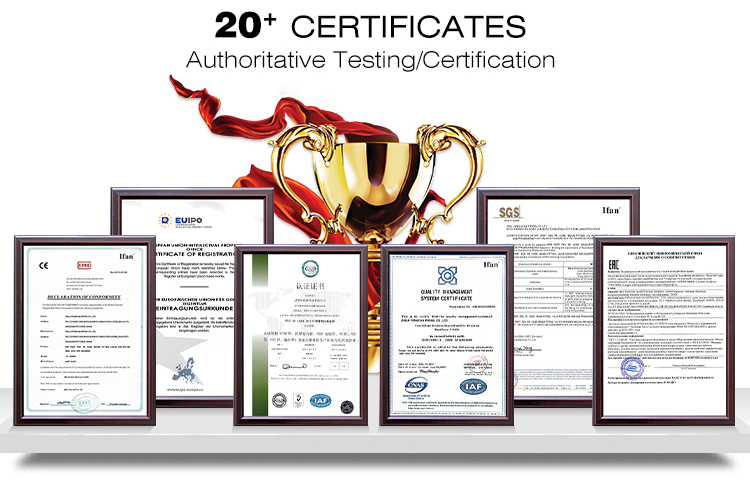
The corrosion and chemical resistance of HDPE pipe fittings is not just theoretical—it is backed by extensive field data. Utilities, municipalities, and private companies have used HDPE systems for decades with consistent results. Long-term performance reports show no measurable material degradation in pipelines exposed to aggressive soils or fluids. Testing under accelerated aging conditions supports these observations. Laboratories simulate decades of wear using elevated temperatures and concentrated chemicals. Even after these tests, HDPE pipe fittings maintain tensile strength and surface smoothness. Manufacturers follow strict quality controls during production, ensuring resin purity and proper molding techniques. Every fitting is tested to meet international standards for pressure, chemical compatibility, and structural integrity. Certifications from organizations such as ISO and ASTM validate their durability. The combination of real-world experience and controlled testing provides confidence in the performance of HDPE systems. These proven results help engineers and planners specify HDPE pipe fittings in high-risk or mission-critical environments.
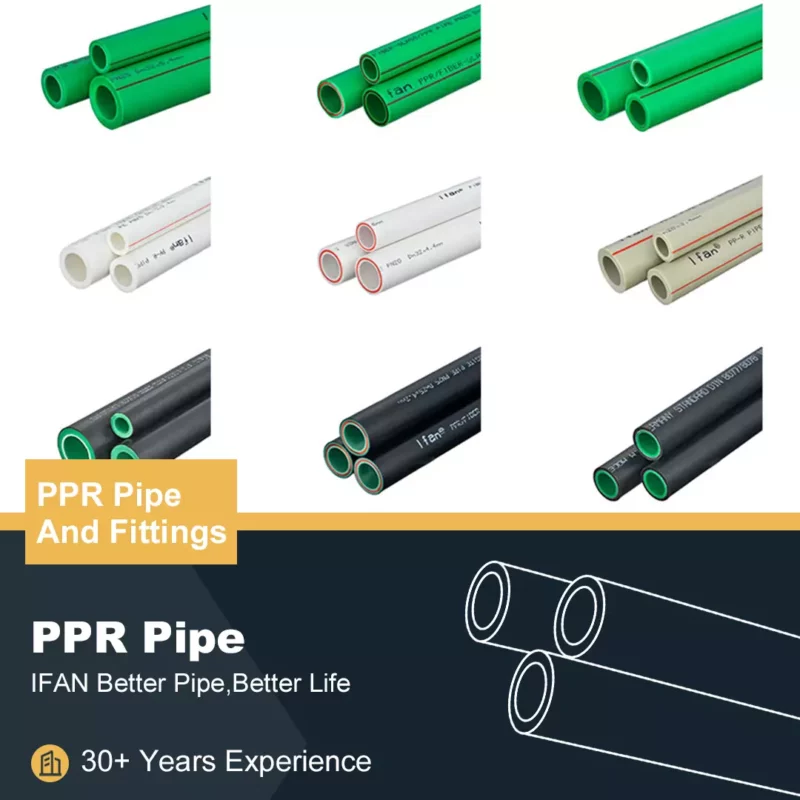
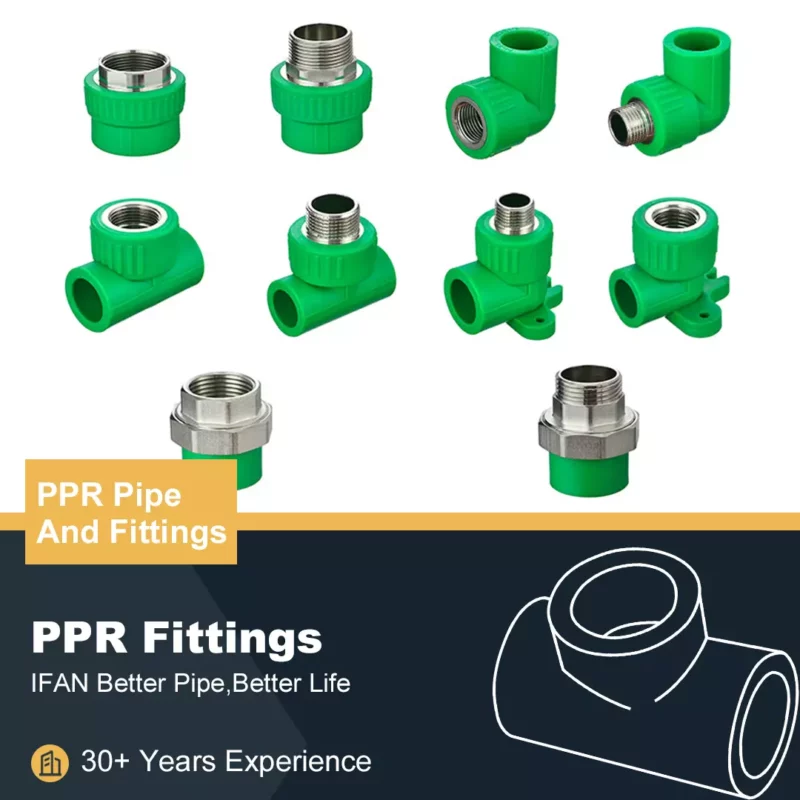
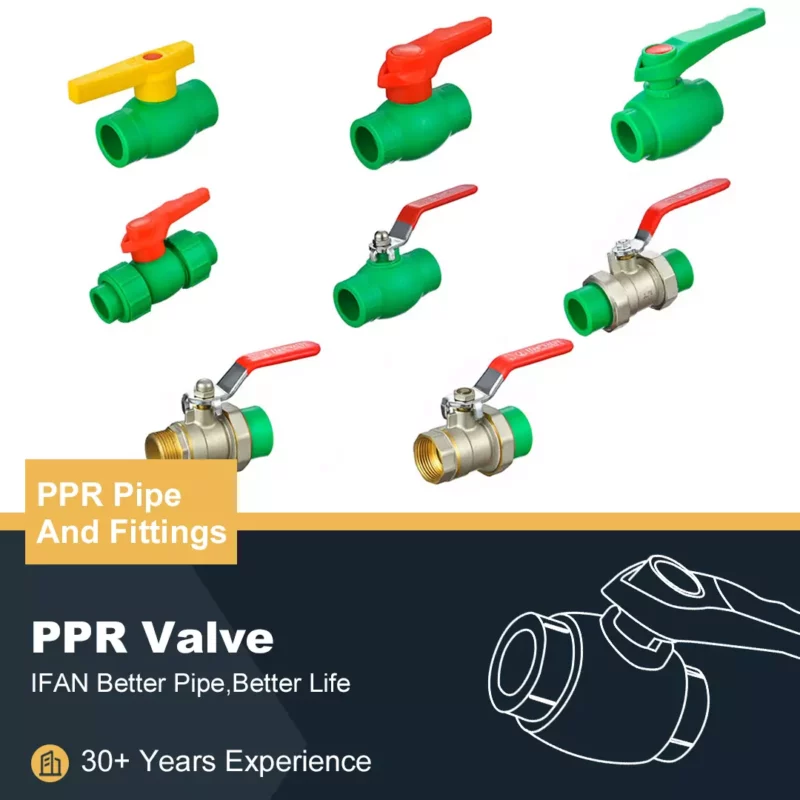
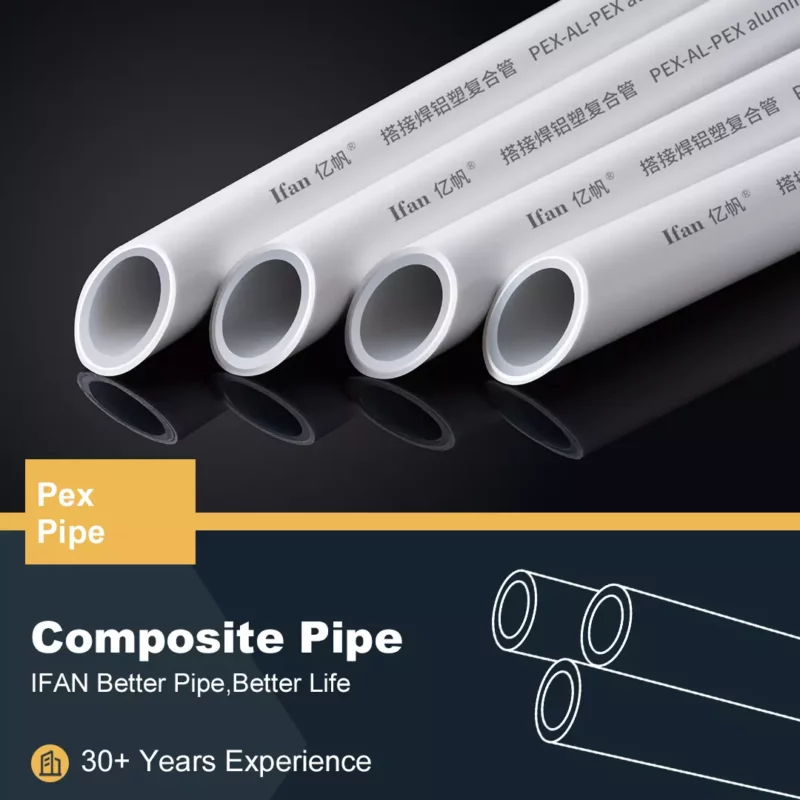
IFAN integrates R&D, production, sales and service, and provides comprehensive plumbing system solutions. The company’s main product lines cover construction engineering, municipal pipelines, agricultural irrigation, home improvement, fire protection, industrial pipelines, gas pipelines, bathrooms and other systems, providing water supply, drainage, waterproofing, floor heating, bathing, hardware plumbing and other modules. The company provides a variety of products such as pipes, pipe fittings, valves, etc., covering PP-R, PVC-U, Ball Valve, Water Tap, PEX, CPVC, PP and other series.
No. 3, Central Road, Diankou Town, Zhuji City, Shaoxing City, Zhejiang Province
1. Our outer boxes are generally in the format of IFAN unified boxes, and OPP bags and cartons are uniformly packaged.
2. Our products usually use different packaging according to different product types.
3. In addition, we can also customize packaging according to different needs. Adopt customer opinions on product packaging, design packaging and customize Logo.
1. IFAN products have deeply covered many countries around the world, with rich product varieties, complete qualifications, and strong brand influence, helping you to expand the market faster.
2. We have a stable sales team and long-term experience, and can grasp customer needs in time.
3. Mutual benefit and win-win can lead to sustainable development.
4. Provide customers with perfect after-sales service
1. From production to shipment, we have advanced production machines and a very strict management system.
2. Our products are designed, molded, and produced in accordance with international standards. Quality control mainly includes the inspection of the first piece, process, packaging, and finished products. Only qualified products are packaged.
3. We not only have our own laboratory for testing, but also send samples to authoritative certification agencies every year to ensure the long-term quality of products.
4. Our products have different connection methods, including glue, hot melt, electric fusion, thread, etc., which can meet different needs.
5. Our product prices are very competitive, and the company provides free samples to let customers see the quality of the products.