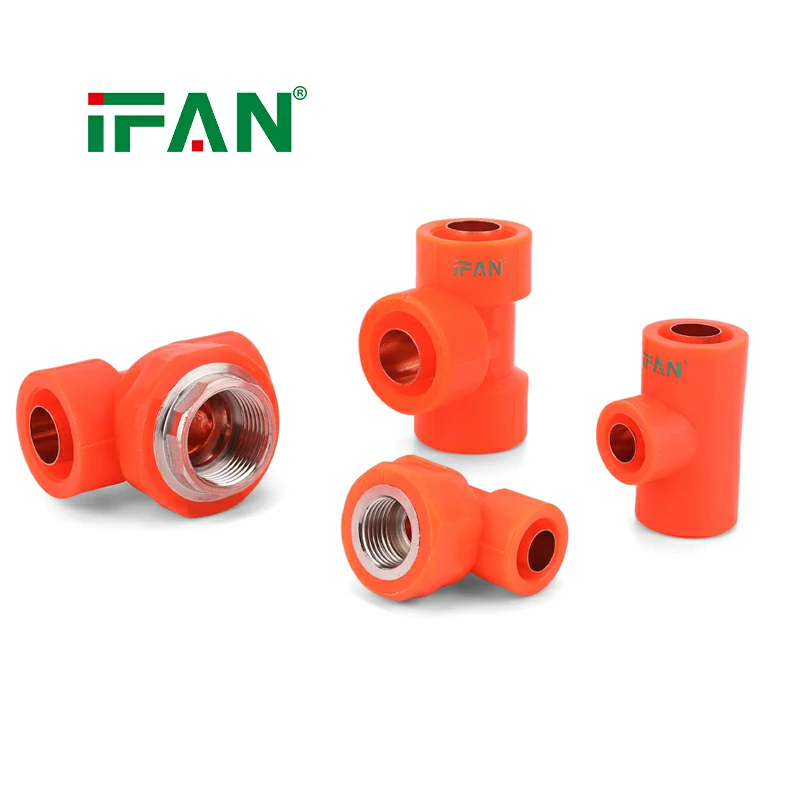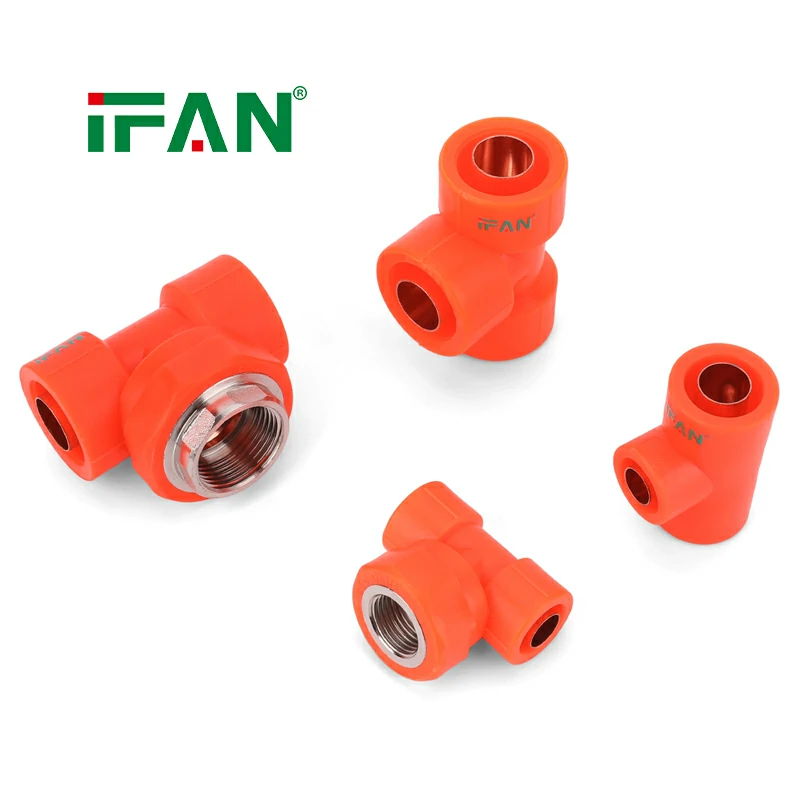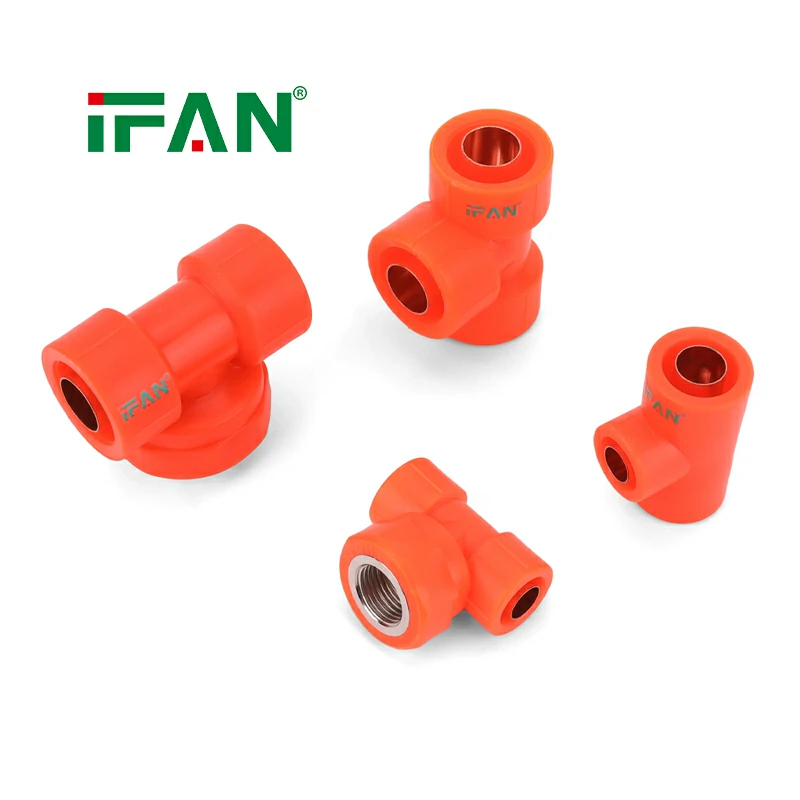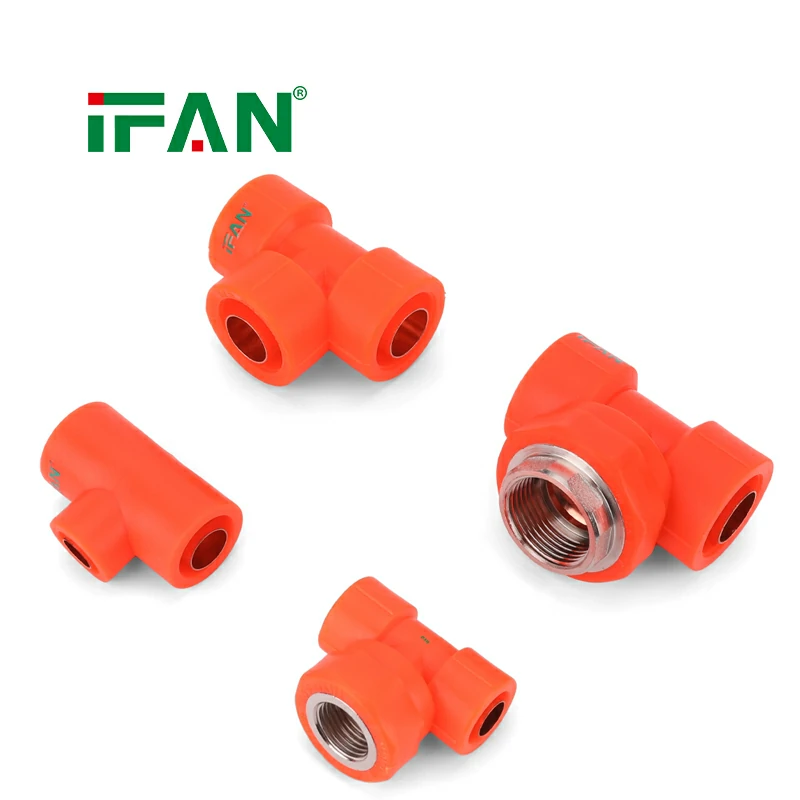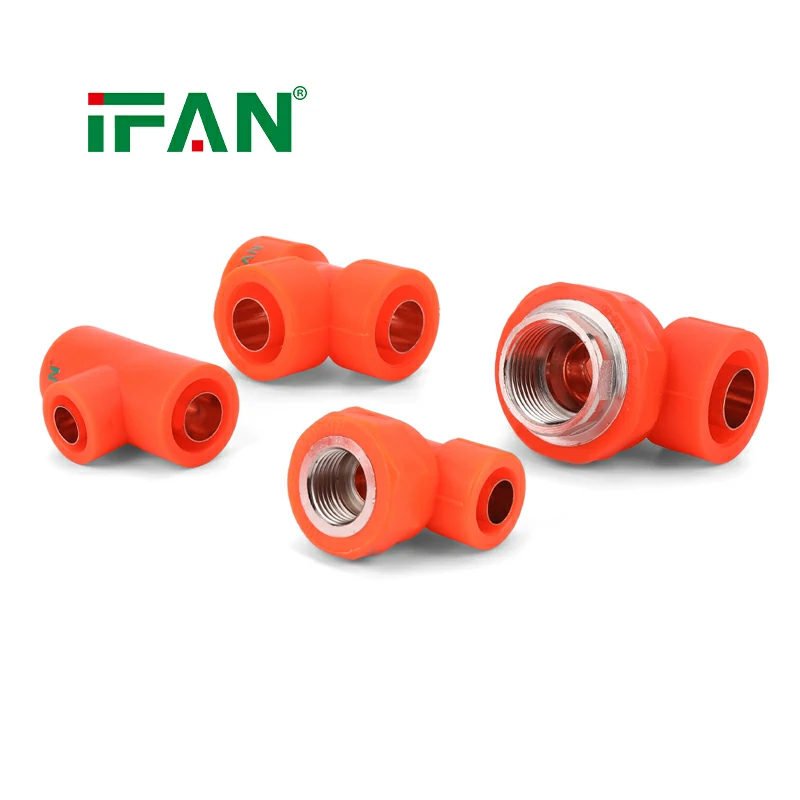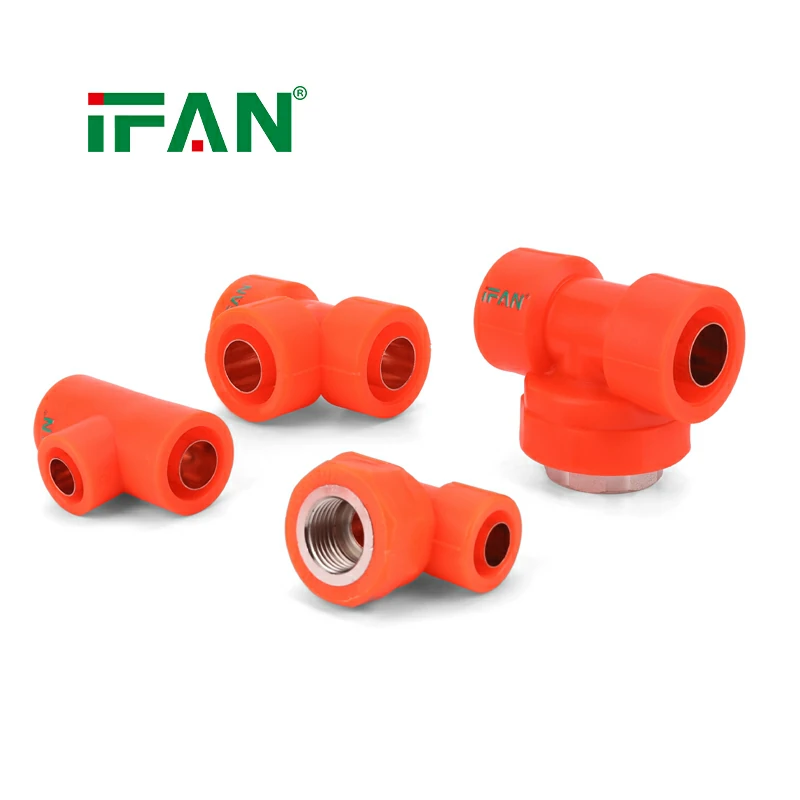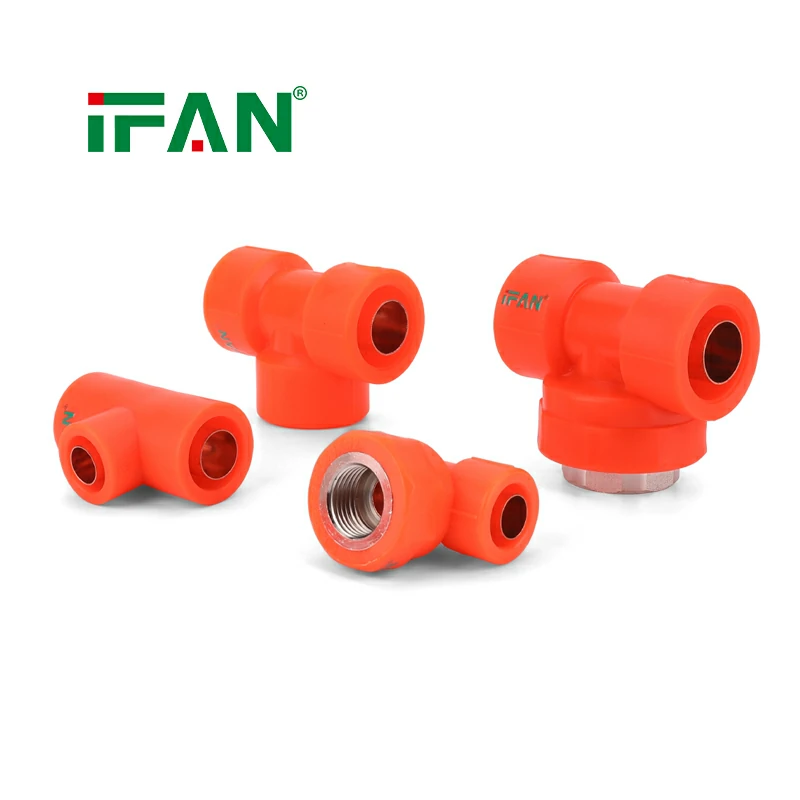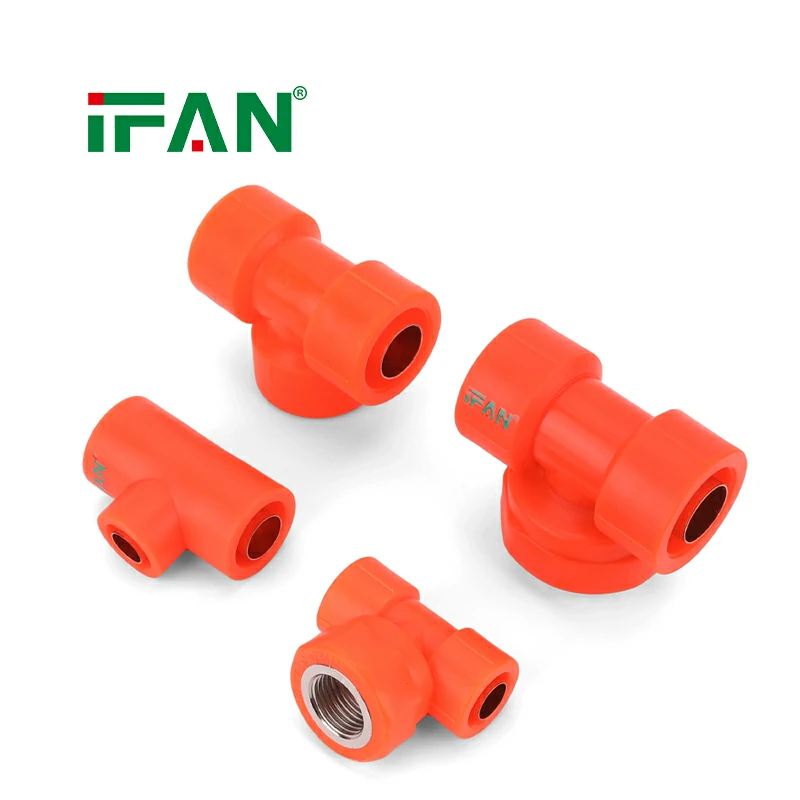
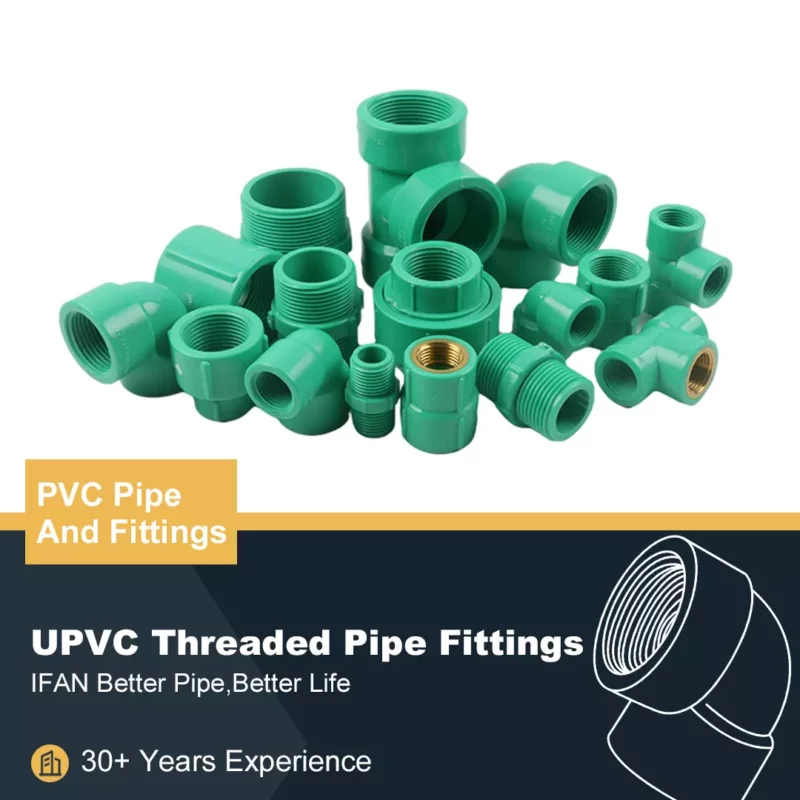
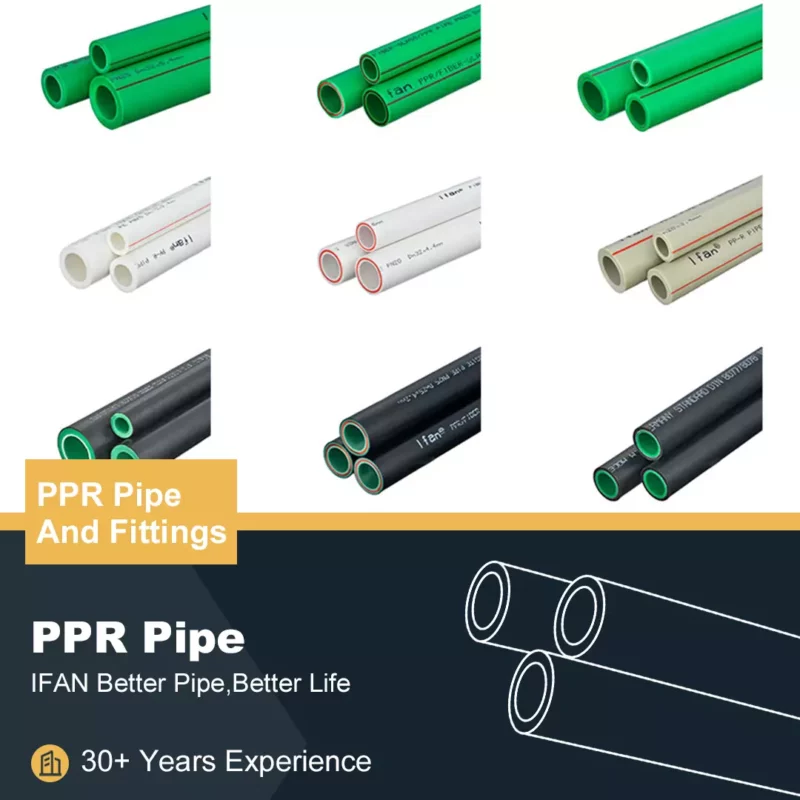
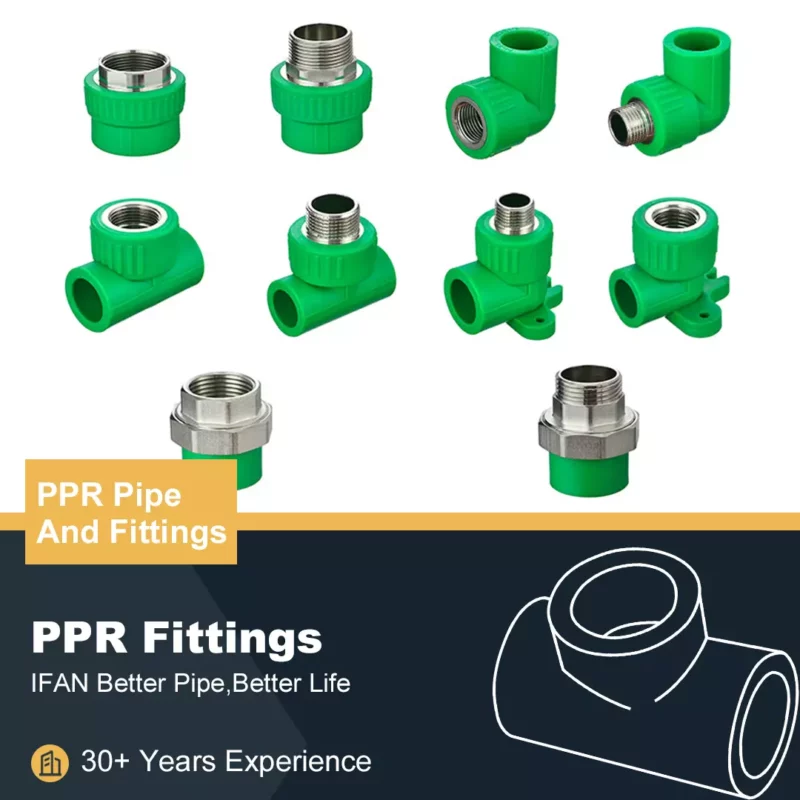
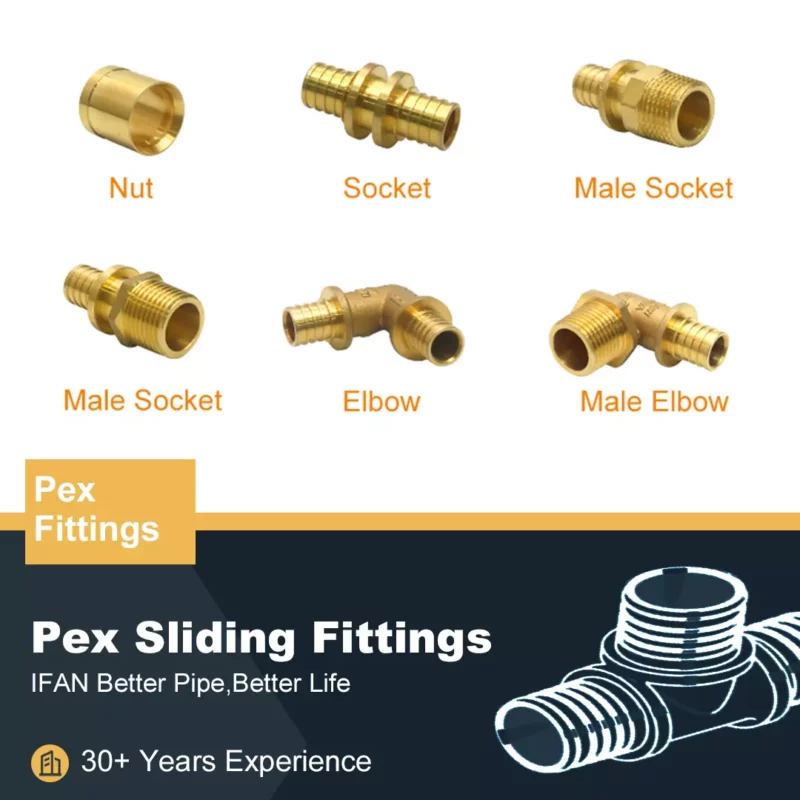



Product Introduction
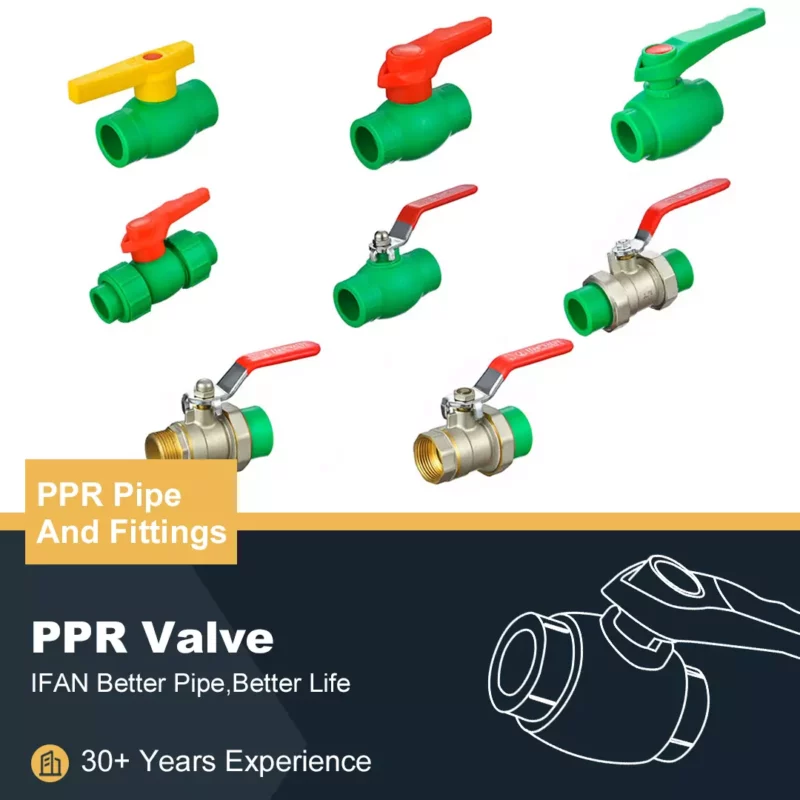
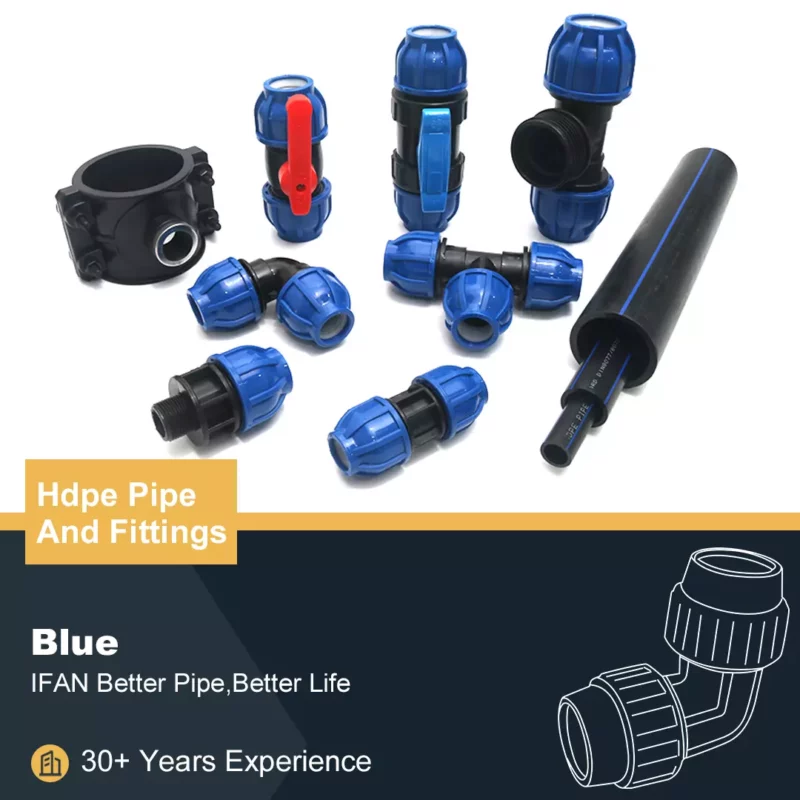
PPR valve fittings control water flow within pipelines.
They allow opening, closing, and regulating water supply.
Valves improve system safety and maintenance efficiency.
Core Function of PPR Valves
PPR valves isolate water sections when needed.
They help stop water during repairs.
System operation becomes more controllable.
Common Application Areas
PPR valves are used in residential plumbing systems.
Bathrooms and kitchens rely on valve control.
Commercial buildings also require multiple valves.
Material Structure
Valve bodies are made from high-quality PPR material.
Internal components ensure smooth operation.
Material compatibility prevents leakage.
Hot and Cold Water Performance
PPR valves support both hot and cold water.
They resist deformation under high temperatures.
Sealing performance remains stable.
Pressure Resistance Capability
PPR valves handle standard system pressure.
They maintain sealing under pressure changes.
This protects downstream fittings.
Common Valve Types
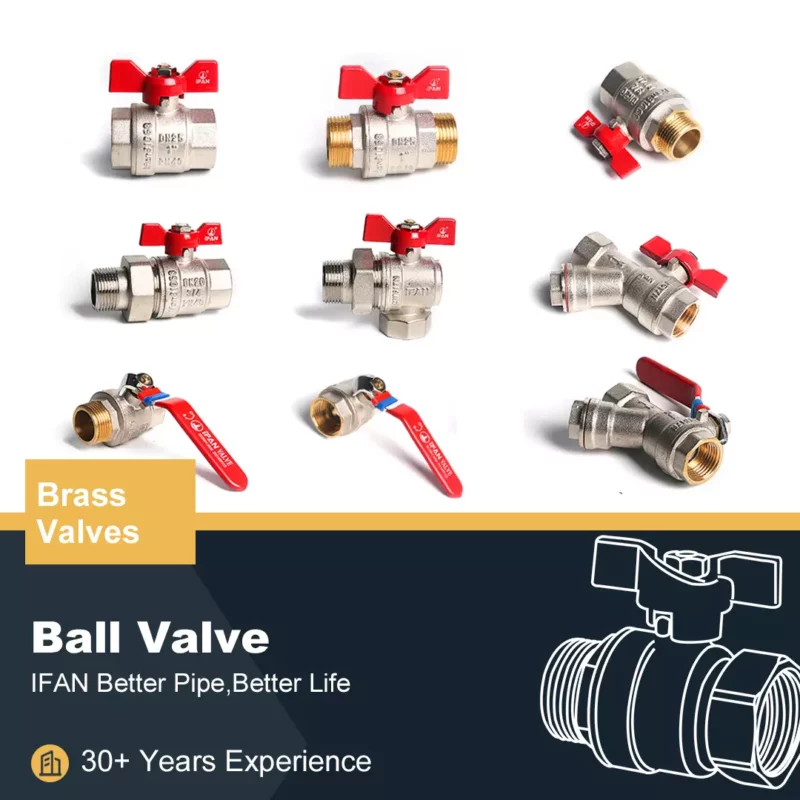
Ball valves are widely used in PPR systems.
They provide fast on and off control.
Stop valves allow more precise regulation.
Ball Valve Operating Principle
The internal ball rotates to control flow.
Full opening reduces flow resistance.
Quick operation improves convenience.
Stop Valve Operating Features
Stop valves control flow gradually.
They allow partial flow adjustment.
This suits balancing applications.
Connection Methods
Some PPR valves use full fusion connections.
Others include metal threaded inserts.
Selection depends on system requirements.
Welding Connection Advantages
Fusion-connected valves eliminate threaded leaks.
The joint becomes fully integrated.
Long-term reliability improves.
Threaded Insert Applications
Metal inserts allow connection with metal pipelines.
They support equipment and pump connections.
Proper sealing is essential.
Installation Direction Guidelines
Valves must follow flow direction markings.
Incorrect direction affects sealing.
Correct installation ensures performance.
Handle Design and Operation
Valve handles are ergonomically designed.
Operation requires minimal force.
Frequent use does not cause wear.
Sealing Performance
High-quality seals prevent water leakage.
Precision surfaces improve closure.
Water loss is minimized.
Resistance to Scaling
PPR valve interiors resist scale buildup.
Operation remains smooth over time.
Maintenance frequency is reduced.
Noise Control Benefits
Smooth internal design reduces flow noise.
Pressure shock is minimized.
User comfort improves.
System Zoning Advantages
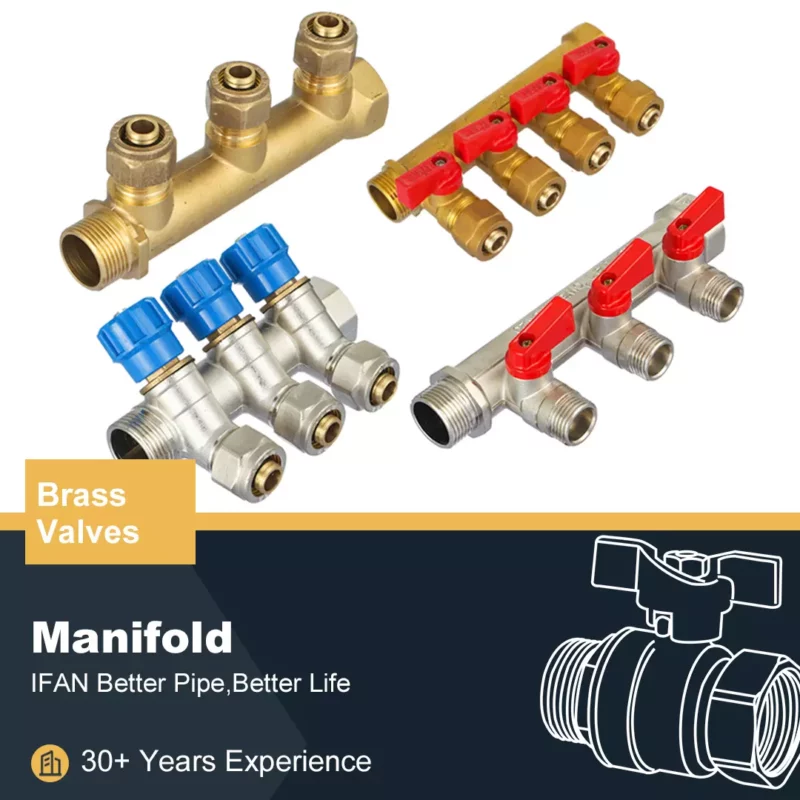
Valves allow zoning of water systems.
Specific areas can be isolated.
Repairs become more efficient.
Size Range Options
Common valve sizes range from 20mm to 63mm.
Larger sizes serve main supply lines.
Smaller sizes control branch outlets.
Compatibility with Other Fittings
PPR valves connect easily with elbows and tees.
System layout remains flexible.
Future expansion is possible.
Installation Environment
Valves can be installed in walls or cabinets.
Access should remain convenient.
Proper positioning aids maintenance.
Maintenance Requirements
PPR valves require minimal maintenance.
No lubrication is usually needed.
Performance stays stable.
Service Life Expectations
Quality PPR valves offer long service life.
Proper installation extends durability.
Replacement frequency is reduced.
Storage and Handling
Valves should be stored in dry areas.
Avoid prolonged sun exposure.
Proper storage protects seals.
Quality Inspection Points
Check handle movement smoothness.
Inspect sealing surfaces carefully.
Defect-free valves ensure reliability.
Buyer Selection Considerations
Buyers should verify pressure ratings.
Material certification is important.
Reliable suppliers ensure consistent quality.
If you have read this article and have any questions, please feel free to contact IFAN. Below is our contact information:
Whatsapp:+86 13373827623
Email:[email protected]