



















PEX Tubing Cutters
Use ratcheting PEX cutters. They make clean square cuts. Rotary cutters work too. Never use saws or knives. Clean cuts prevent leaks. Keep blades sharp always.
Deburring and Cleaning Tools
Deburr every cut end. Use a dedicated deburring tool. Clean the pipe exterior. Remove all plastic shavings. This ensures proper sealing. It takes only seconds.
Crimping Tools and Sets
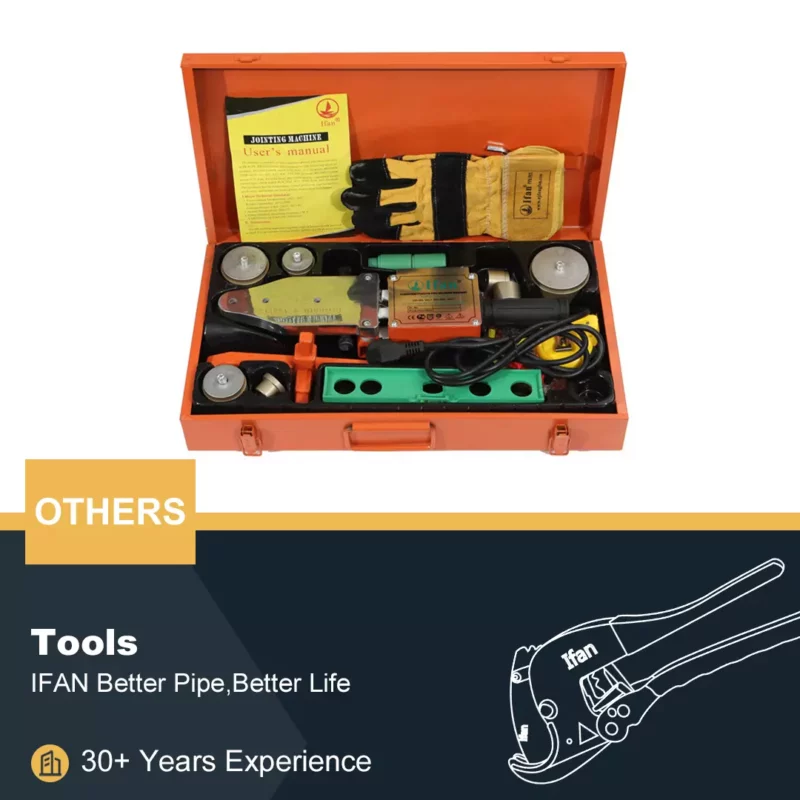
Manual crimp tools are affordable. They work for small jobs. Electric crimpers save time. They are for large projects. Calibration gauges are essential. Check every crimp connection.
Expansion Tool Systems
For PEX-A tubing only. Expand the pipe end first. Insert the fitting quickly. Wait for contraction. Several tool types exist. Manual and battery-powered options.
Clamp Tools and Pliers
Stainless steel clamp systems. Special pliers tighten clamps. They create visible connections. Different sizes available. Calibration tools check tightness. Follow manufacturer instructions.
Manifold Installation Equipment
Special wrenches for manifold nuts. Tube benders for neat routing. Support brackets for mounting. Labeling tools for organization. Have all tools ready. Plan manifold installation carefully.
Bending Tools and Supports
Bending springs for tight bends. Heat guns for cold weather bending. Support clips for routing. Follow minimum bend radius. Avoid kinks at all costs. Practice makes perfect.
Go/No-Go Gauges
Essential quality control tools. They check crimp tightness. Use after every connection. Gauges are specific to brands. Never skip this step. It prevents callbacks.
Pressure Testing Equipment
Pressure pumps for testing. Accurate gauges for reading. Adapters for different systems. Test before closing walls. Document test results. Fix all leaks immediately.
Tool Maintenance Requirements
Clean tools after each use. Lubricate moving parts regularly. Store in protective cases. Calibrate periodically. Replace worn parts promptly. Good tools last for years.
Essential Safety Equipment
Safety glasses for eye protection. Gloves for hand protection. Knee pads for comfort. Good lighting for visibility. First aid kit on site. Safety is always first.
Tool Storage and Organization
Use organized tool bags. Keep systems separated. Label tool sets clearly. Maintain inventory lists. Replace lost tools quickly. Efficiency saves time.
Rental vs. Purchase Decisions
Rent specialized tools occasionally. Purchase frequently used tools. Calculate cost per use. Consider storage space. Buy quality for daily use. Rent for rare applications.
Training and Certification
Get proper training first. Many manufacturers offer classes. Practice on scrap pieces. Get certified if possible. Skills improve with experience. Stay updated on techniques.
If you have read this article and have any questions, please feel free to contact IFAN. Below is our contact information:
Whatsapp:+86 13373827623
Email:[email protected]