

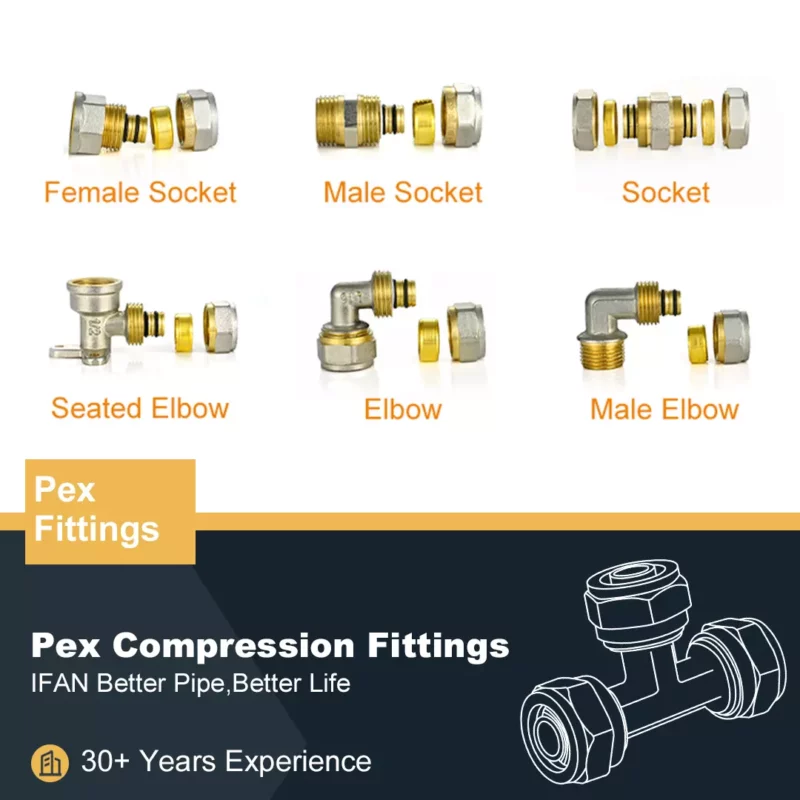




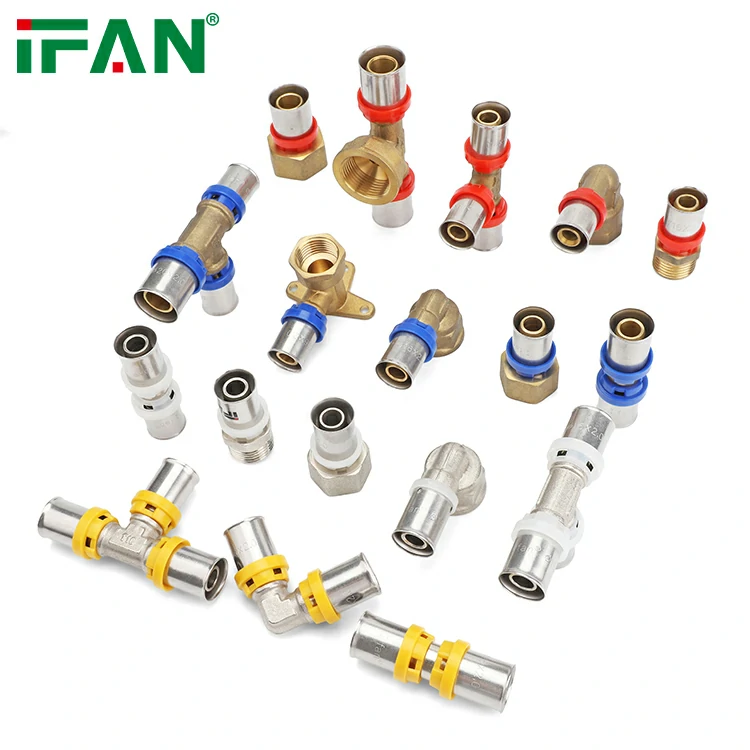
There’s a moment on every commercial job site when technology either creates new efficiencies or becomes another complication. Milwaukee Tool’s development of RLS-compatible PEX press fittings represents the former—a thoughtful integration that bridges the gap between plumbing installation and digital layout systems. This isn’t just another fitting; it’s a solution to one of the most persistent challenges in modern construction: translating digital designs into physical installations with precision and speed.
The Radio Lock System (RLS) has been transforming layout work across trades, allowing crews to place points with laser accuracy without strings, chalk lines, or constant supervision. But until now, plumbers working with PEX press fittings haven’t fully benefited from this technology. The connection between the digital layout and the physical installation often broke down at the most critical point—where the pipe actually gets installed.
The Integration Challenge: From Digital Point to Physical Connection
Traditional plumbing installation follows a familiar pattern: layout crews mark points, then plumbers interpret these marks to run pipe and install PEX press fittings. The system works, but it introduces interpretation errors and requires constant verification.
With Milwaukee’s RLS-compatible system, the PEX press fittings become active participants in the digital workflow. Here’s how the integration transforms the process:
Precision Placement
The RLS system allows layout technicians to mark exact fitting locations with radio-frequency tags. When plumbers arrive with their PEX press fittings and RLS-enabled tools, they receive precise guidance to each installation point. No more measuring from reference marks or interpreting ambiguous layout symbols.
Verified Installation
As each PEX press fitting is pressed, the RLS system can record the installation data—timestamp, location, and even the tool used. This creates a digital record of the entire plumbing system that’s valuable for building owners, facility managers, and future renovation teams.
Reduced Re-work
One commercial contractor reported a 75% reduction in re-work on a recent office tower project. “We used to have constant issues with PEX press fittings being installed in the wrong locations or at wrong heights,” the project manager explained. “With the RLS integration, every fitting goes exactly where the model specifies.”
The Technology Behind the Integration
Milwaukee’s approach to RLS compatibility for PEX press fittings involves both physical and digital components:
Physical Marking System
Specialized tags and markers work with the PEX press fittings to provide clear visual identification while also communicating digitally with RLS receivers. These aren’t generic RFID tags—they’re engineered to withstand job site conditions while maintaining precise location data.
Tool Integration
Milwaukee’s M18 Press Tools now feature RLS receivers that guide installers to exact fitting locations. The tools provide both visual and audible feedback as installers approach marked PEX press fittings locations, eliminating the search-and-interpret process that consumes so much installation time.
Data Ecosystem
The system generates valuable data that flows back into the building information model. Each PEX press fitting installation becomes a recorded event, creating what amounts to a digital twin of the plumbing system as it’s being built.
Real-World Impact: Beyond the Technology Demo
The practical benefits of RLS-compatible PEX press fittings extend far beyond the initial installation accuracy:
Labor Efficiency
A mechanical contractor working on a hospital project documented their experience: “Our plumbers are completing rough-in 30% faster with the RLS system. They spend less time measuring and verifying, and more time actually installing PEX press fittings.”
Quality Assurance
The superintendent on a school project noted: “We have confidence that every PEX press fitting is exactly where the engineer designed it. When we had to coordinate with electrical and HVAC, there were zero conflicts because everything was installed according to the coordinated model.”
Future Maintenance
The building owner of a new corporate headquarters appreciated the long-term value: “We have a complete digital record of every PEX press fitting in the building. If we have a maintenance issue years from now, we’ll know exactly what’s behind the walls.”
The Learning Curve: Adopting Integrated Workflows
Transitioning to RLS-compatible PEX press fittings requires more than just new tools—it requires new processes:
Early Trade Coordination
The system works best when all trades use compatible digital layout systems. This requires earlier and more detailed coordination between plumbing, electrical, mechanical, and structural teams.
Training Investment
Crews need training not just on the PEX press fittings installation, but on the digital workflow. Milwaukee provides comprehensive training that covers both the technical aspects of the press system and the digital integration.
Process Adaptation
The biggest challenge isn’t the technology—it’s adapting established workflows. Successful contractors report that the transition typically takes 2-3 projects before crews become fully comfortable with the integrated system.
The Bigger Picture: Where This Technology is Headed
Milwaukee’s RLS-compatible PEX press fittings represent just the beginning of digital integration in plumbing:
Predictive Maintenance
Future systems might use the installation data from PEX press fittings to predict maintenance needs or optimize system performance.
Enhanced Coordination
As more trades adopt similar systems, the coordination between plumbing, electrical, and mechanical systems will become increasingly seamless.
Automated Verification
We’re moving toward systems where PEX press fittings installations are automatically verified against the building model, with discrepancies flagged immediately rather than discovered during inspections.
The Contractor’s Decision: Is It Worth The Investment?
For plumbing contractors considering the move to RLS-compatible PEX press fittings, the calculation involves several factors:
Project Scale
The system provides the most value on complex commercial projects where coordination between trades is challenging and the cost of errors is high.
Workforce Development
Contractors investing in developing their crew’s digital skills will find the system enhances their capabilities rather than complicating them.
Competitive Positioning
Early adopters are finding that offering RLS-compatible PEX press fitting services provides a significant competitive advantage in bidding on sophisticated projects.
The message from the field is clear: the future of commercial plumbing isn’t just about better fittings—it’s about better integration between the digital and physical worlds. Milwaukee’s RLS-compatible PEX press fittings represent a significant step toward that future.
Frequently Asked Questions (FAQ)
1. Do I need to use Milwaukee’s PEX press fittings to benefit from RLS compatibility?
Yes, the system is designed as an integrated solution. Milwaukee’s RLS-compatible PEX press fittings contain the necessary components for digital identification and tracking. Using other brands of fittings would break the digital workflow.
2. How accurate is the RLS positioning for PEX press fittings?
The system typically provides accuracy within 1/8 inch, which is more than sufficient for plumbing rough-in. The accuracy remains consistent throughout the project, unlike traditional layout methods that can drift over time or across large areas.
3. What happens if the RLS system fails during installation?
The PEX press fittings themselves remain fully functional through traditional installation methods. The RLS components enhance but don’t interfere with the basic functionality of the fittings. You can complete installations using conventional layout methods if needed.
4. Is there additional cost for RLS-compatible PEX press fittings?
There is a moderate premium for the RLS-compatible PEX press fittings, typically 10-15% over standard press fittings. Most contractors find the additional cost justified by the labor savings and error reduction on suitable projects.
5. How does the system handle changes or modifications to the plumbing layout?
The digital system is designed to accommodate changes. Layout technicians can update the digital model and remark locations quickly. The system maintains a record of all changes, providing better documentation than traditional methods where changes might not be thoroughly documented.