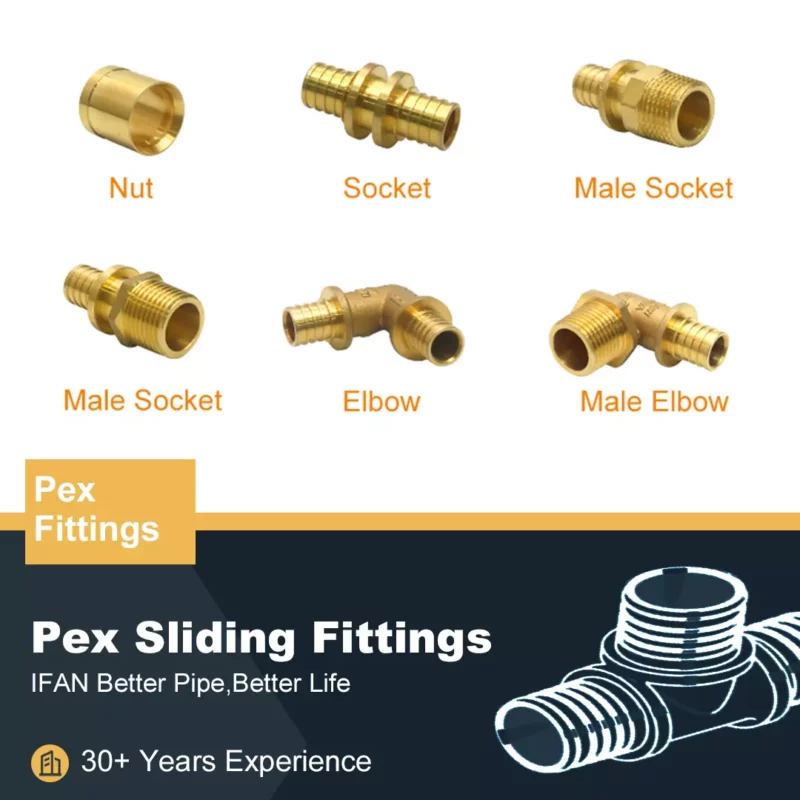
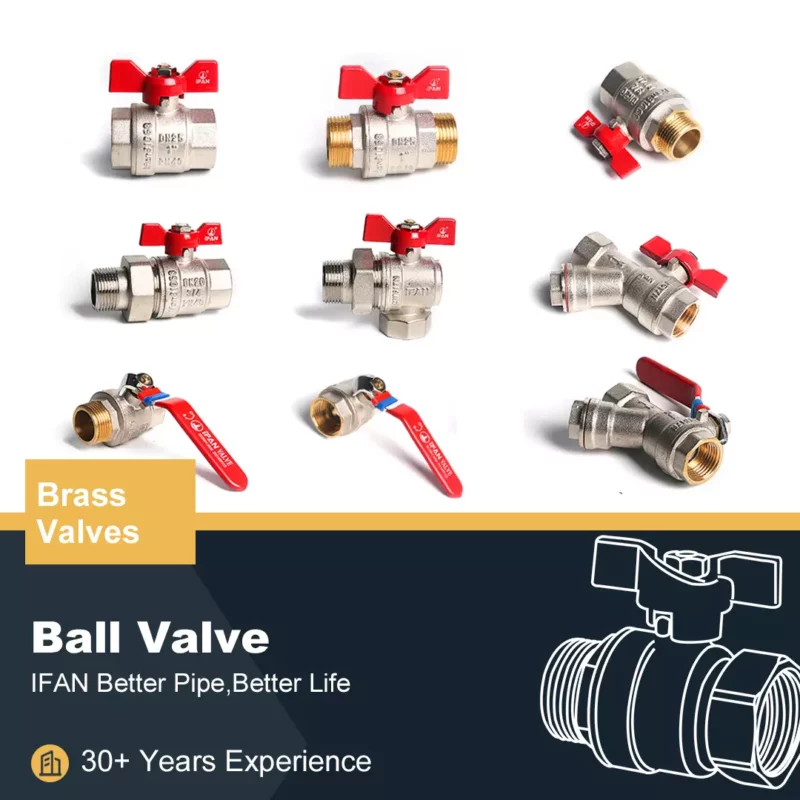
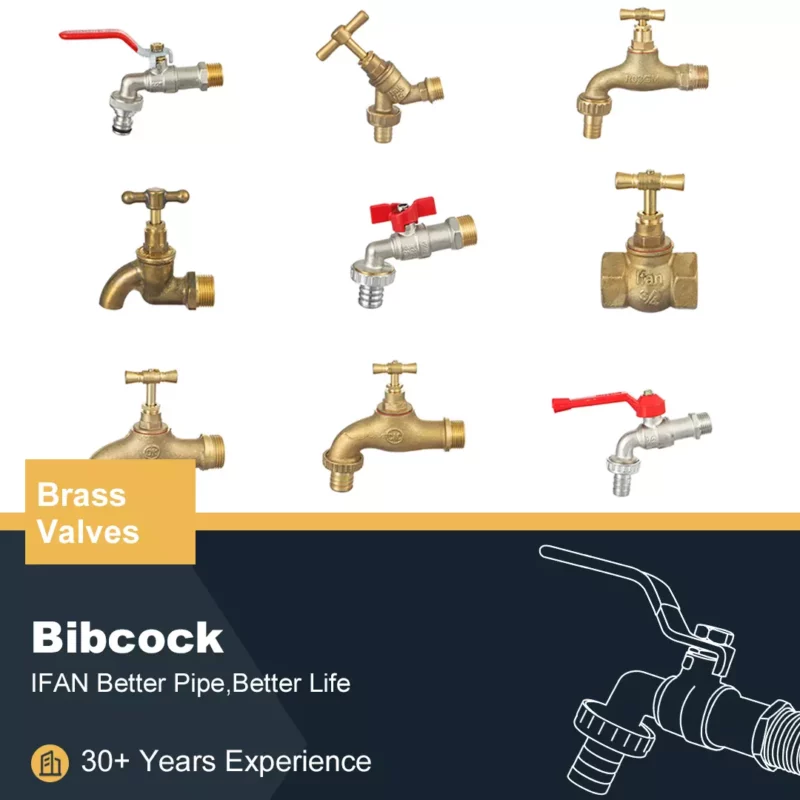
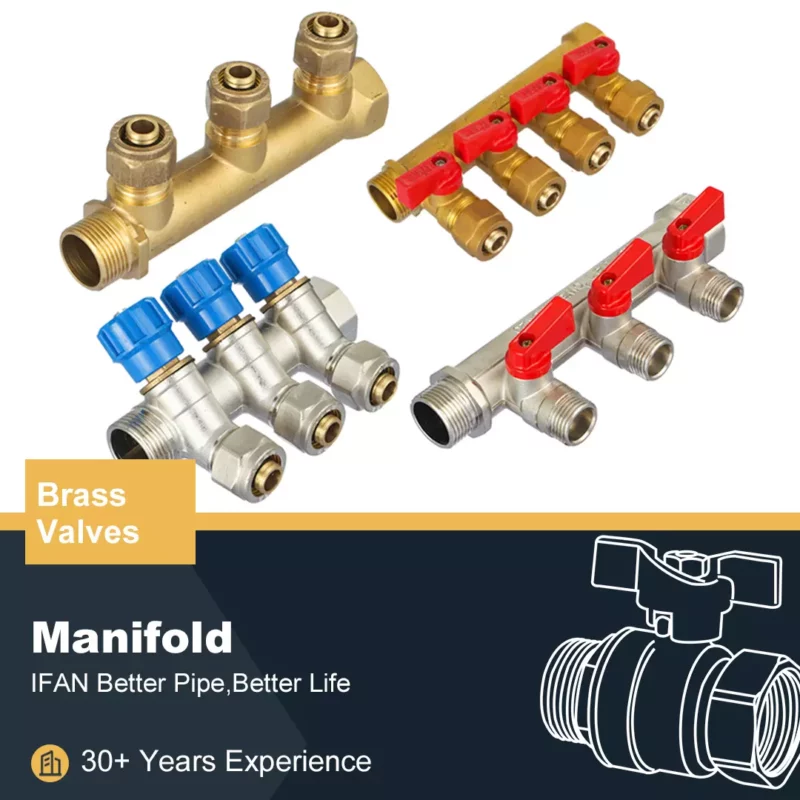


Walk through the plumbing aisle of any supply house and you’ll see a convergence of technologies that can easily confuse even seasoned professionals. The Jones Stephens PlumBite Push-On system is a prime example. While often grouped under the broad umbrella of modern PEX connections, it’s crucial to understand that this is not a PEX press fitting system. The distinction isn’t just academic; it defines the tools you need, the installation process you’ll follow, and the long-term performance you can expect.
Calling the PlumBite system a “press fitting” is a misnomer that can lead to costly mistakes and misunderstandings on the job site. Let’s break down what this system actually is and where it fits in the modern plumber’s toolkit.
The Mechanics: A Push-On System vs. A True Press
The core of the confusion lies in the action. Both systems are fast, but the similarity ends there.
A True PEX Press Fitting:
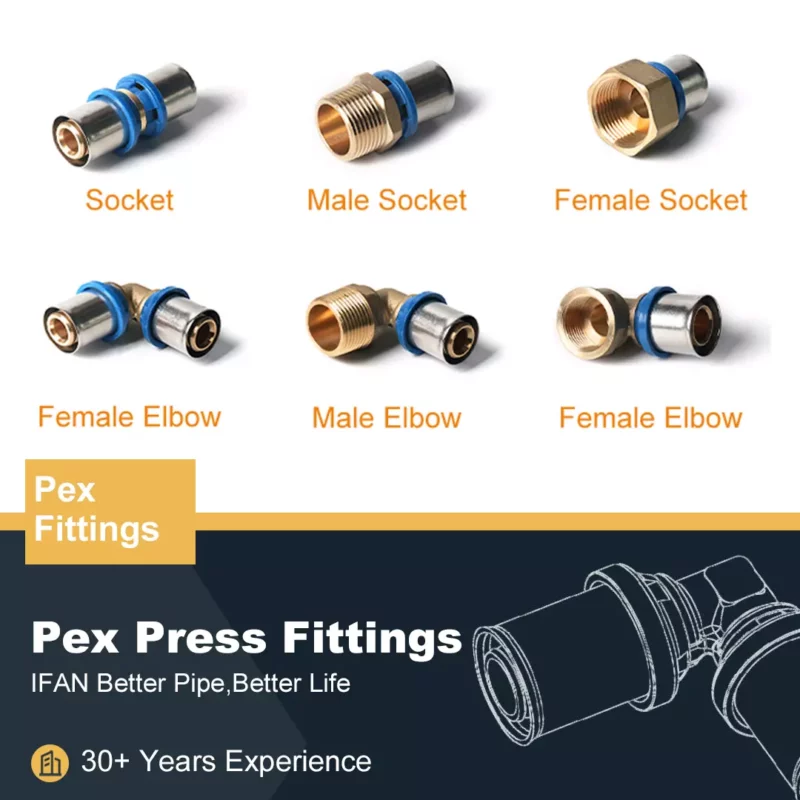
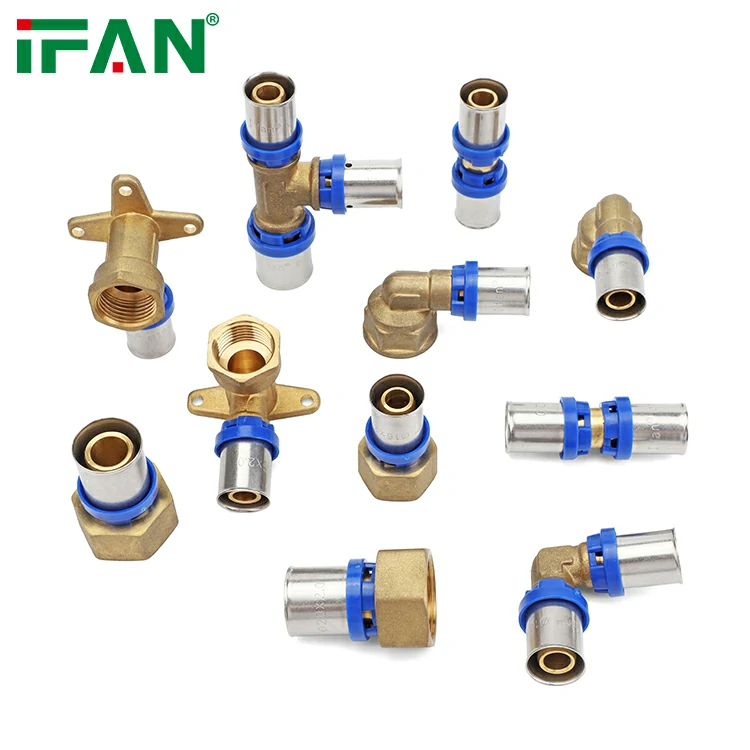
As we’ve established, a PEX press fitting is a brass body with an integrated O-ring and a loose stainless-steel sleeve. It requires a significant investment in a specialized, often battery-powered press tool. The tool applies immense hydraulic force to crimp the sleeve, creating a permanent mechanical lock and activating the O-ring seal in one action. The connection is unyielding and verified by the tool itself.
The Jones Stephens PlumBite Push-On System:
This system operates on a completely different principle. The fitting is a brass body with internal, often stainless-steel, grip rings and a separate EPDM O-ring. The installation requires no power tool. You simply cut the PEX tube square, deburr it, mark the insertion depth, and push the pipe into the fitting until it bottoms out. You will feel and often hear a distinct “click” as the internal grip rings engage the pipe. A visual check at the depth mark confirms a proper connection.
The force here is human hand strength, not hydraulic power. The seal is created by the O-ring, and the connection is held by the mechanical grip of the internal teeth resisting pull-out.
The Job-Site Reality: Where Each System Excels
Understanding this distinction is key to choosing the right tool for the job.
The Case for the PlumBite Push-On System:
This system shines in specific, often challenging, scenarios:
- The Emergency Service Call: A plumber on a rooftop or in a basement without power can carry a handful of these fittings and a cutter to make immediate, reliable repairs.
- The Tight Space: When a press tool is too large to fit between joists or in a crowded mechanical closet, the push-on system provides a professional-grade solution where other methods fail.
- Low-Volume and DIY Applications: For handymen or homeowners tackling a small project, the zero-tooling-cost aspect is a significant advantage over a multi-thousand-dollar press tool investment.
The Case for the Traditional PEX Press Fitting:
The press system remains the king of high-volume, production-style work.
- New Construction Rough-In: When you’re making hundreds of connections a day, the speed and verified consistency of a press tool are unbeatable.
- Commercial Reliability: The absolute, tool-verified permanence of a pressed connection is often the standard for large-scale commercial projects where liability is a primary concern.
- Reduced Physical Strain: For a crew installing an entire house, pressing hundreds of fittings is less physically demanding than manually pushing on each one.
A Question of Permanence and Verification
This is the most significant philosophical difference between the two systems.
A PEX press fitting connection is, for all practical purposes, permanent. It cannot be disassembled without destroying the fitting and cutting the pipe. Its reliability is verified by the calibrated press tool.
A push-on fitting, like the PlumBite, is technically demountable. Using a specific disassembly tool (a colored plastic ring), you can release the grip rings and remove the pipe. This is a fantastic feature for prototyping or correcting a mistake, but it introduces a psychological question for some installers: “Can it come apart on its own?” The manufacturers rigorously test these fittings against pull-out forces, but the perception of permanence differs from a crimped metal sleeve.
Making the Informed Choice
The arrival of systems like Jones Stephens PlumBite hasn’t made PEX press fittings obsolete. Instead, it has expanded the options available to professionals. It’s not a matter of one being universally better, but of one being more appropriate.
Before you stock your truck, ask:
- What is my primary work? High-volume new construction, or varied service and retrofit?
- What is my tool budget? Can I justify the press tool for the speed it provides?
- What are the access conditions? Will I frequently be in tight, powerless spaces?
The Jones Stephens PlumBite Push-On system is a brilliant, reliable solution that fills a vital niche in the market. But calling it a PEX press fitting does a disservice to both technologies. It is a push-on system—a fast, tool-free, and code-compliant method that stands on its own considerable merits, offering a powerful alternative to the pressed connection.
Frequently Asked Questions (FAQ)
1. Is the PlumBite system as reliable as a pressed connection for behind-the-wall installation?
Yes, when installed correctly according to manufacturer instructions, it is certified and code-listed for permanent, behind-the-wall installation. Its reliability is proven through independent testing for pressure rating and pull-out resistance.
2. Do I need to use a special tool to ensure the pipe is fully seated?
No power tool is needed, but you should use a go/no-go gauge (often provided by the manufacturer) to visually confirm the pipe has been inserted to the correct depth. This is a critical step to ensure the grip rings and O-ring are fully engaged.
3. Can I use PlumBite fittings with any type of PEX tubing?
You must always follow the manufacturer’s compatibility guide. Typically, these fittings are listed for use with specific types of PEX (e.g., PEX-b). Using an incompatible PEX type can result in a failed connection.
4. What happens if I need to disconnect a PlumBite fitting?
The system is designed to be demountable using a specific disassembly collar. You slide this plastic collar into the fitting to retract the internal grip rings, allowing you to pull the pipe out. The fitting can often be reused if the O-ring is undamaged.
5. Are there any special considerations for supporting pipes with push-on fittings?
Yes, proper support is crucial. Follow standard PEX support spacing guidelines. A key best practice is to install a support within 6-8 inches of the fitting on both sides to prevent any lateral stress or leverage on the connection point, which could theoretically contribute to pull-out over time.
Whatsapp:+86 13373827623
Email:[email protected]