


Introduction
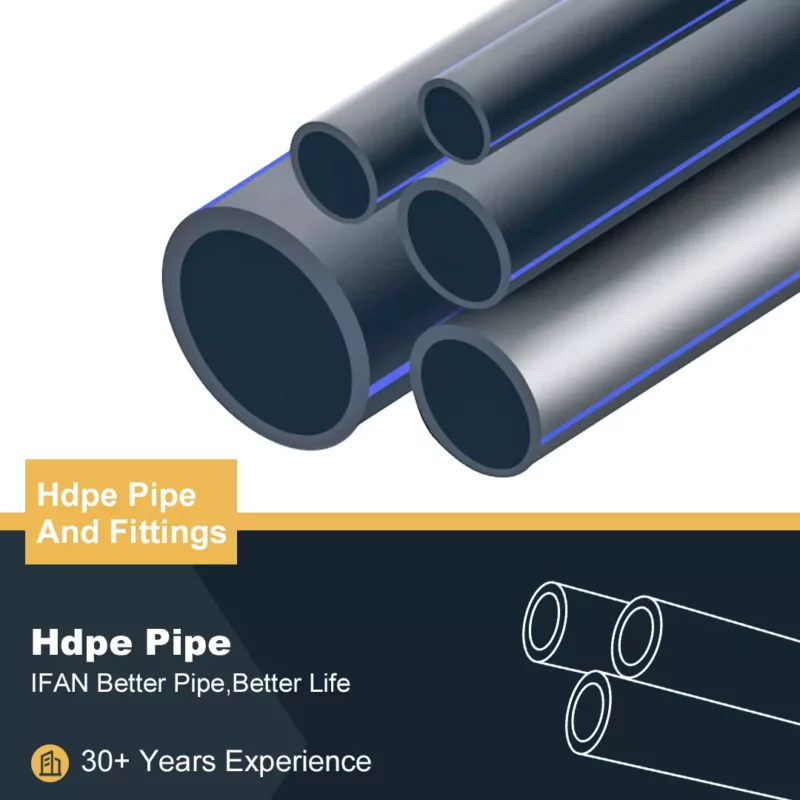
High-Density Polyethylene (HDPE) pipe systems have become a leading choice for modern infrastructure projects. Their durability, flexibility, and corrosion resistance make them superior to many traditional materials. Among the key advantages of these systems is their compatibility with fusion welding. This method ensures a seamless and leak-free connection between pipes and fittings, providing long-term reliability. The following sections explore how HDPE pipe fittings enable efficient fusion welding, their applications, and the benefits they bring to various industries.
Understanding Fusion Welding
Fusion welding is a technique that joins two thermoplastic components using heat and pressure. The process involves melting the pipe ends and fittings, then pressing them together to form a solid joint. This results in a monolithic system where the joint is as strong as the pipe itself. Unlike mechanical connections, fusion joints have no weak points or potential leak paths. The procedure is commonly performed using either butt fusion or electrofusion methods. Both methods are efficient, cost-effective, and suitable for a wide range of diameters and pressure ratings.
Types of Fusion Welding Methods
There are two main types of fusion welding used with these fittings. Butt fusion is the most common method. It involves heating the ends of pipes and fittings with a heating plate until they soften, then joining them under controlled pressure. Electrofusion, on the other hand, uses fittings with embedded electrical coils. When current passes through the coils, they generate heat to melt the joining surfaces. This technique is ideal for confined spaces or repair work. Both methods create joints that are leak-free and resistant to stress and vibration.
Advantages of Fusion Welding
Fusion welding offers numerous advantages over mechanical or adhesive joining techniques. The process eliminates the need for extra sealing materials like gaskets or solvents. This simplifies installation and reduces long-term maintenance. Fusion-welded joints are also resistant to corrosion, impact, and chemical attack. The continuous inner surface ensures smooth flow and minimizes pressure loss. Additionally, since the joints have no metal parts, they are immune to rust or galvanic corrosion. This makes fusion-welded systems ideal for potable water, gas, and industrial pipelines.
Material Properties Supporting Fusion Welding
The molecular structure of HDPE allows it to be easily melted and reformed. This property is crucial for achieving a strong and uniform fusion bond. The material maintains its flexibility even at low temperatures, which prevents cracking during installation. Its lightweight nature simplifies handling and transportation, reducing labor costs. Furthermore, HDPE resists ultraviolet radiation and harsh environmental conditions. These features make it suitable for outdoor and underground applications. The combination of strength, flexibility, and thermal stability ensures that fusion welding delivers consistent results.
Installation Process and Equipment
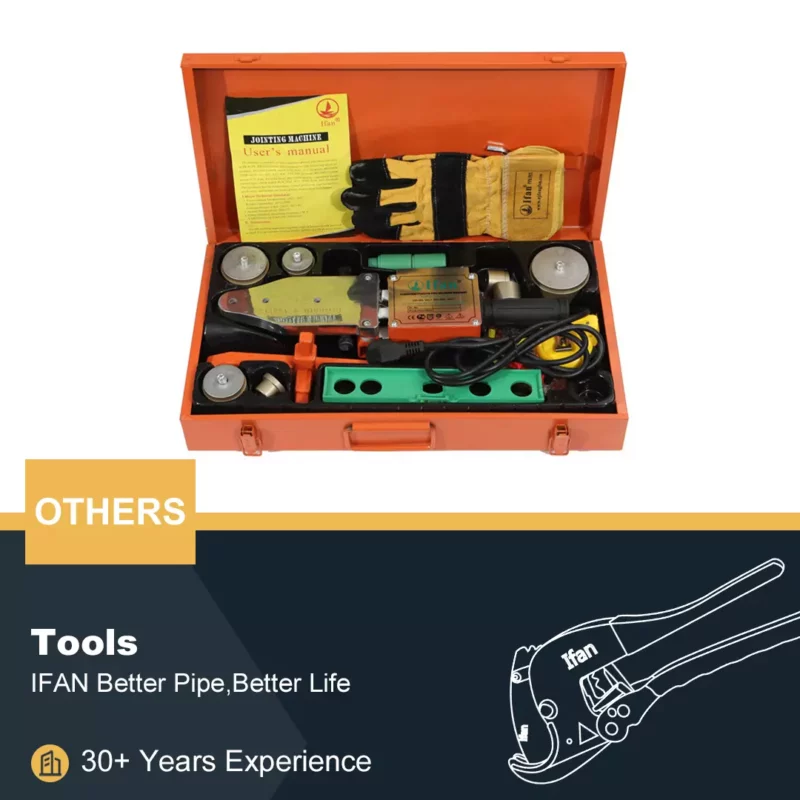
The installation of HDPE systems using fusion welding requires precision and proper equipment. For butt fusion, the process begins by cleaning and aligning the pipe ends. A heating plate is then applied until the surfaces soften. Once removed, the ends are pressed together under controlled pressure until they cool and solidify. Electrofusion follows a similar principle but uses special fittings with embedded heating elements. Both methods require training and quality control to ensure reliable joints. Modern welding machines come with digital controls that monitor temperature, pressure, and fusion time for accuracy.
Applications in Different Sectors
Fusion-welded HDPE systems are widely used in water supply, gas distribution, sewage management, and industrial processing. In water systems, the leak-free joints prevent contamination and loss of resources. Gas pipelines benefit from the system’s resistance to corrosion and its ability to withstand ground movement. In industrial applications, the chemical resistance of HDPE ensures safe transport of aggressive fluids. The mining and agricultural sectors also rely on these systems for their flexibility and durability. The versatility of fusion welding allows installations in varied environments, from urban infrastructure to remote field operations.
Environmental and Economic Benefits
Fusion welding supports sustainability goals by reducing waste and energy consumption. Since the joints are permanent and maintenance-free, the system’s lifespan is extended. This reduces the frequency of replacements and associated costs. The lightweight material also lowers transportation emissions. Moreover, HDPE pipes and fittings are recyclable, contributing to a circular economy. The reduced need for mechanical parts or chemical adhesives further minimizes environmental impact. In the long term, these systems offer significant cost savings due to minimal maintenance, durability, and efficient installation.
Quality Assurance and Standards
Quality assurance is critical when performing fusion welding. International standards such as ISO 21307 and ASTM F2620 provide detailed procedures and testing requirements. These standards ensure uniform performance across projects. Proper inspection includes visual checks, pressure testing, and data logging of welding parameters. Certified operators and calibrated machines are essential for consistent results. Manufacturers also test materials to verify melt flow rates and mechanical strength. Adherence to standards guarantees safety, reliability, and compliance in all installations.
Future Trends and Innovations
The future of HDPE systems and fusion welding technology looks promising. Automation and digital monitoring are becoming integral to modern welding machines. These features improve precision, reduce human error, and increase productivity. Innovations in material science are also enhancing the thermal and mechanical properties of HDPE. Smart fittings with embedded sensors can track weld quality and operational performance. Sustainability trends are driving demand for recyclable and energy-efficient solutions. As infrastructure needs evolve, fusion-welded HDPE systems will continue to play a vital role in modern pipeline networks.
Conclusion
Fusion welding has revolutionized the installation and performance of HDPE pipe systems. It provides durable, leak-free joints that enhance system longevity and reliability. With the right equipment, trained personnel, and adherence to standards, these fittings deliver exceptional results in diverse applications. From water distribution to industrial pipelines, the benefits of fusion welding are clear—efficiency, safety, and sustainability. As technology advances, the process will become even more precise and environmentally friendly, securing its place as a cornerstone of modern piping solutions.
If you have read this article and have any questions, please feel free to contact IFAN. Below is our contact information:
Whatsapp:+86 13373827623
Email:[email protected]