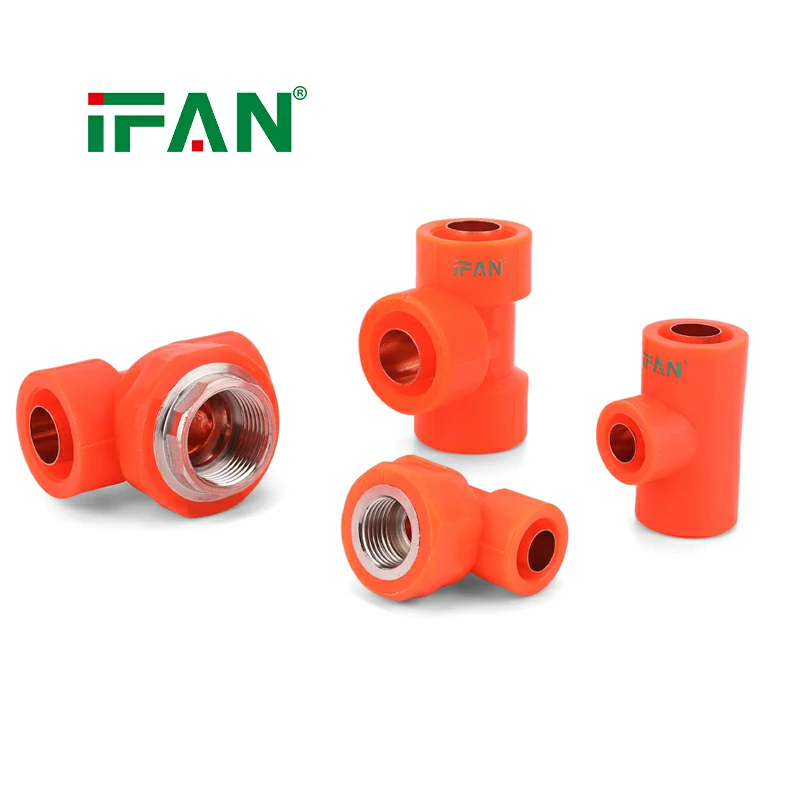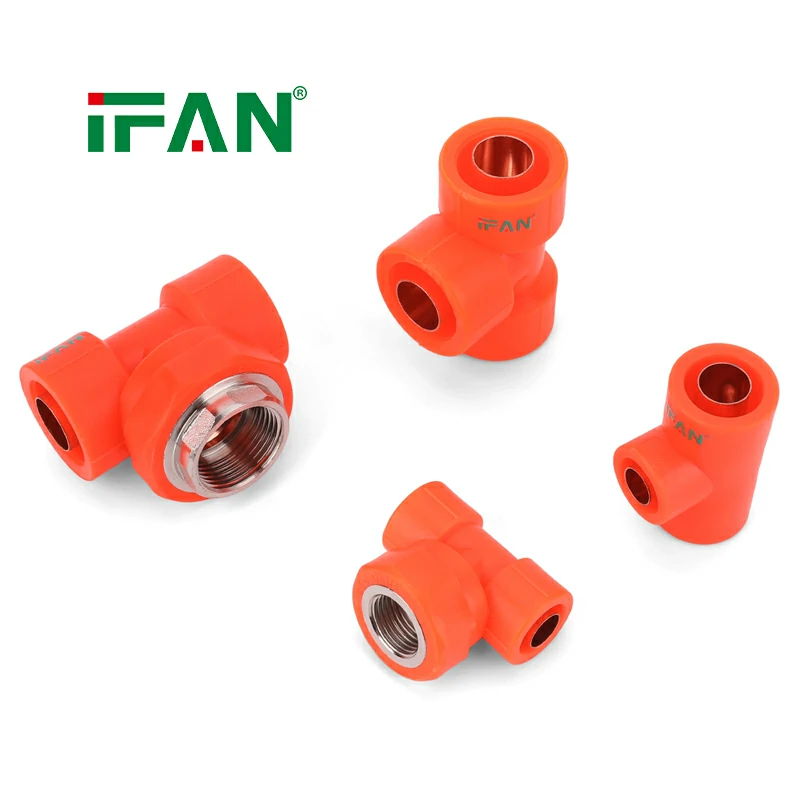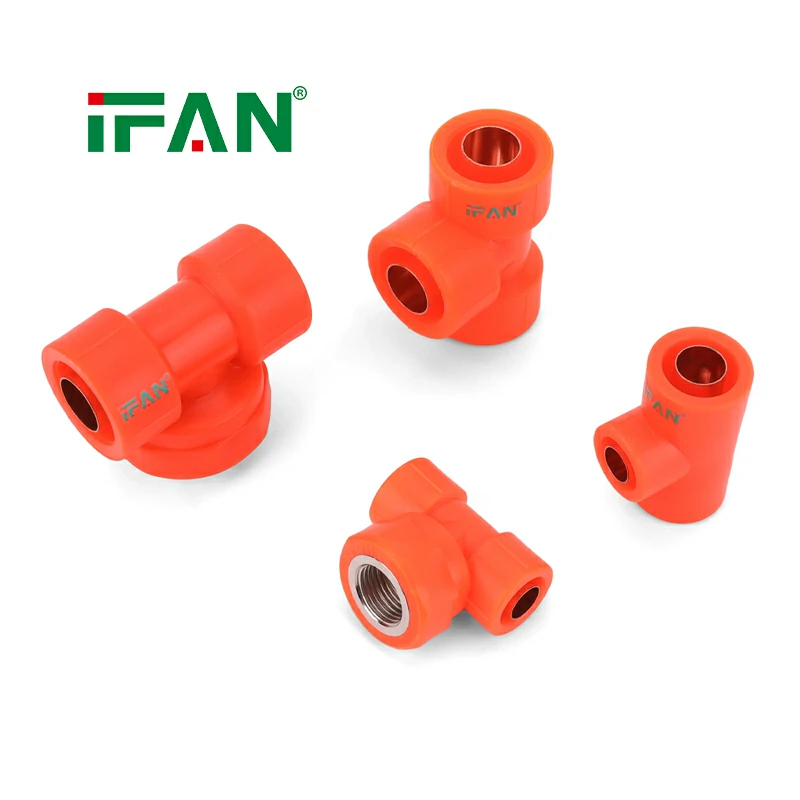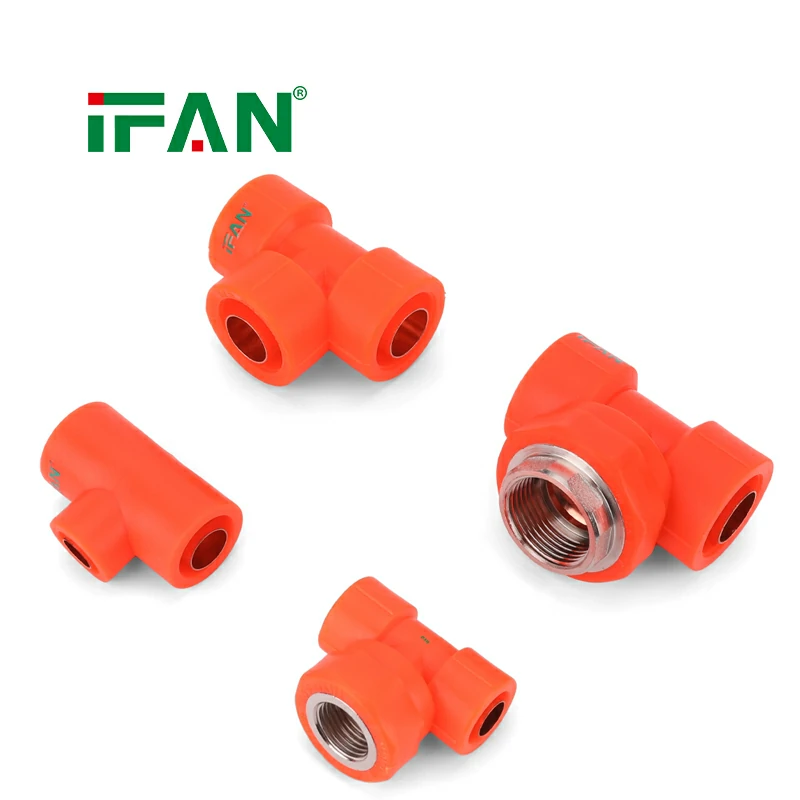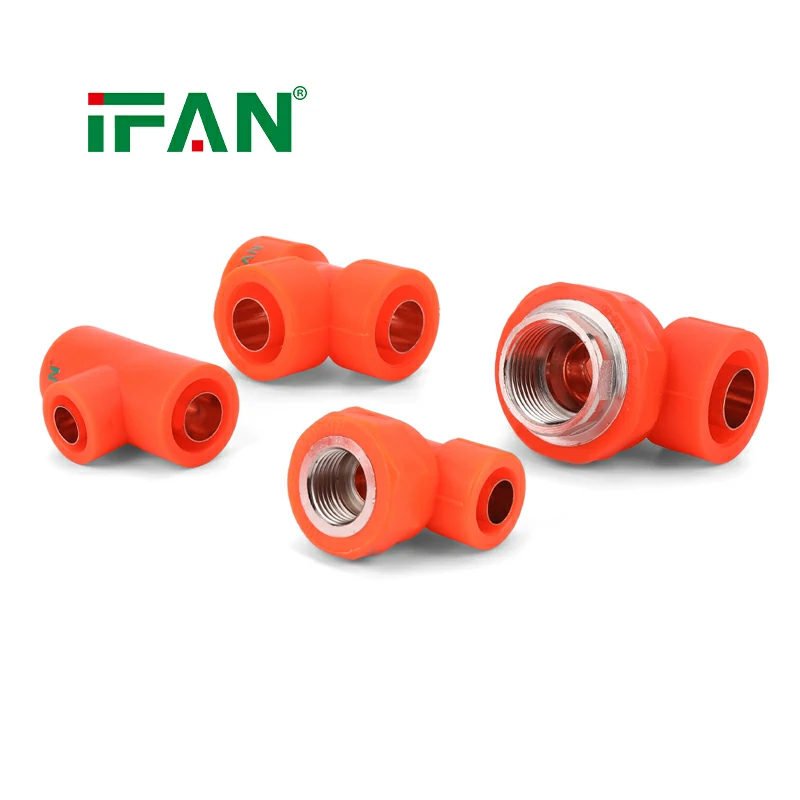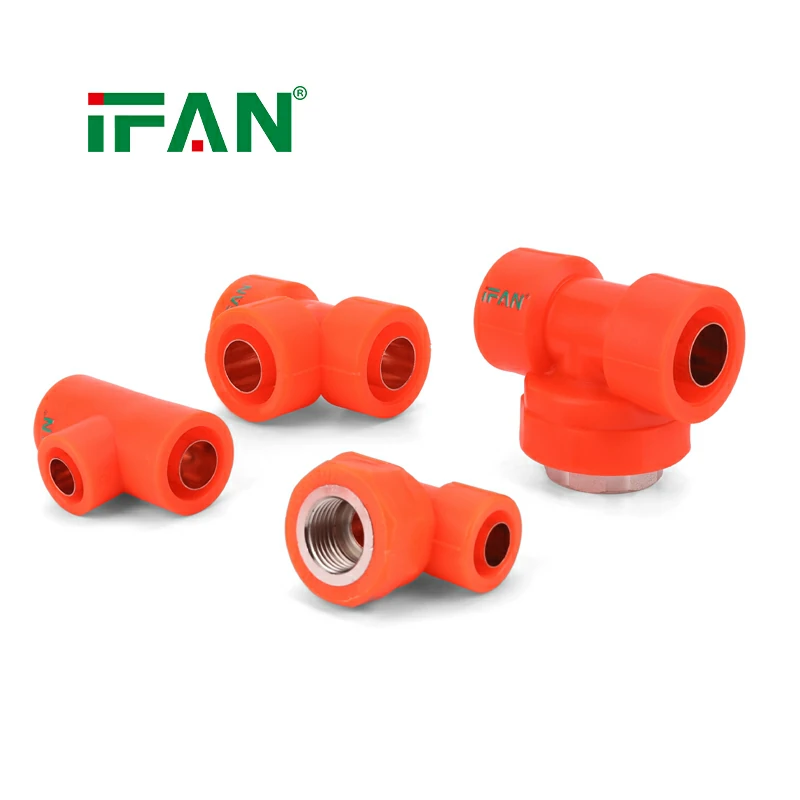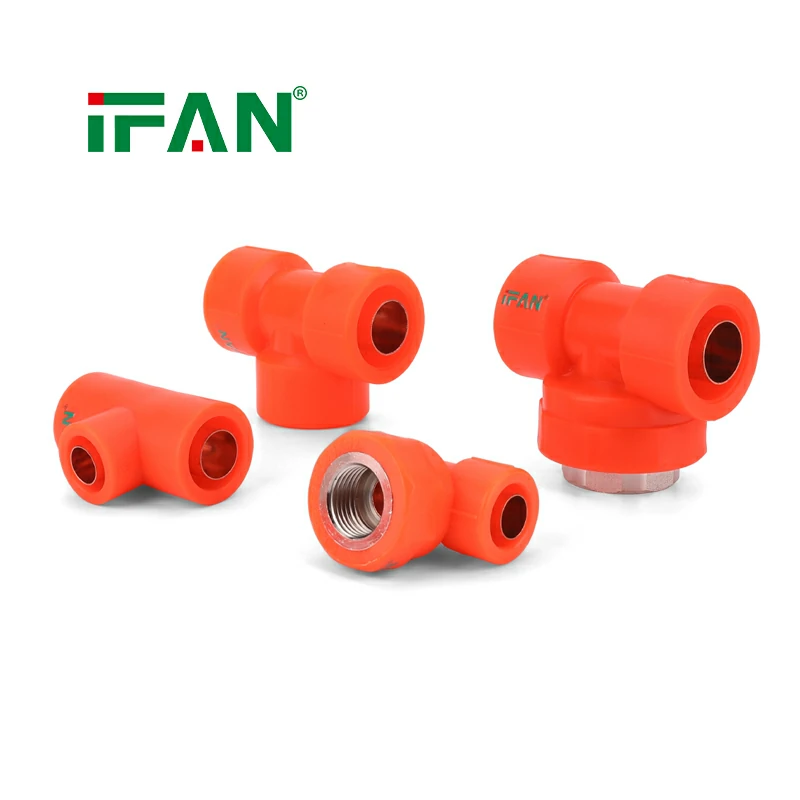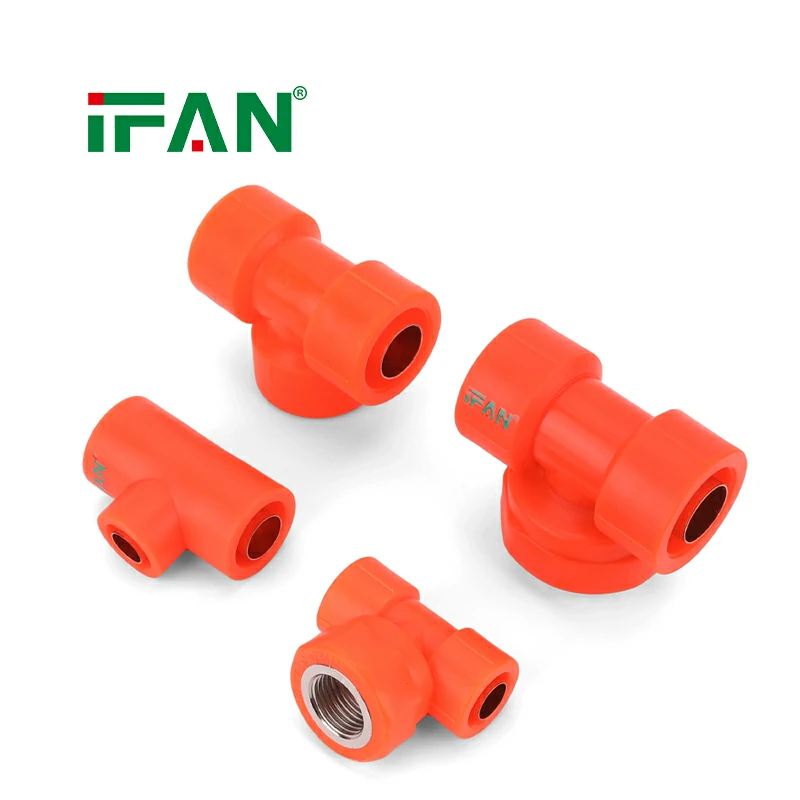



In a significant development that underscores the critical importance of transparency and technical rigor in public procurement. A high court has ordered the Water and Sewerage Corporation (WSC) to re-evaluate its recently awarded tender for PPR fittings. This ruling sends shockwaves through the construction and plumbing sectors. Highlighting the pivotal role that material quality and adherence to specifications play in vital public infrastructure projects. Particularly those involving potable water systems.
The Case Background: A Disputed Award
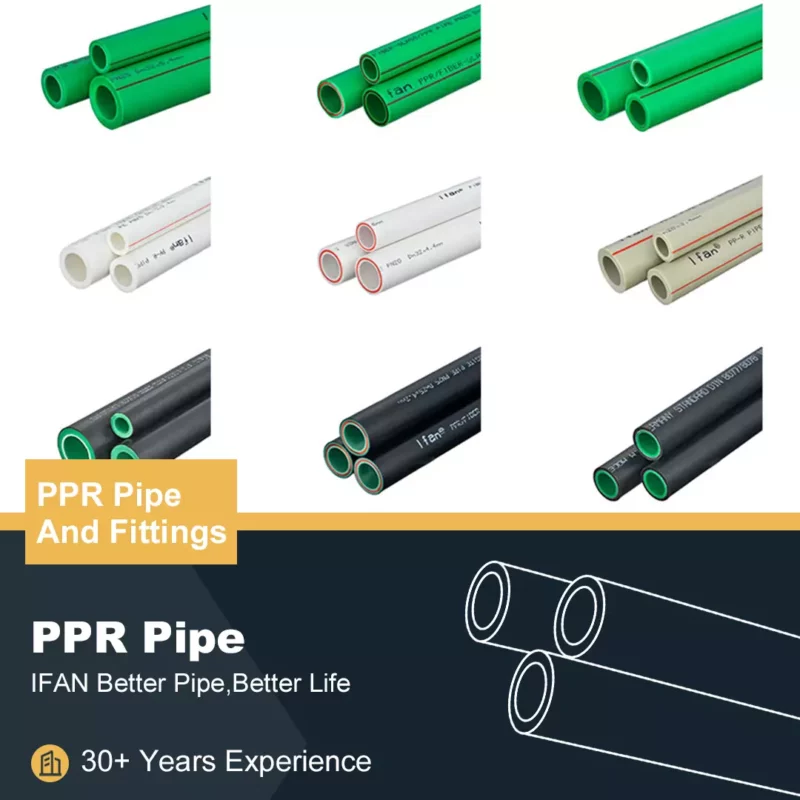
The WSC had initiated a substantial tender for the supply of Polypropylene Random Copolymer (PPR) fittings and pipes, intended for a series of municipal water system upgrades. These upgrades are a key part of a national strategy to reduce non-revenue water loss—the water lost through leaks in aging distribution networks. The choice of PPR fittings was itself a forward-looking decision, given the material’s renowned leak-proof characteristics due to its heat-fused, monolithic joint system.
Following the tender process, the contract was awarded to a specific bidder. However, a competing bidder, whose offer was rejected, filed a legal challenge against the award. The plaintiff’s case did not merely allege procedural irregularities; it centered on a core technical argument: that the evaluation committee had failed to properly assess whether the winning bid’s PPR fittings fully complied with the mandatory international standards and technical specifications outlined in the tender documents.
The Core of the Controversy: Not All PPR Fittings Are Created Equal
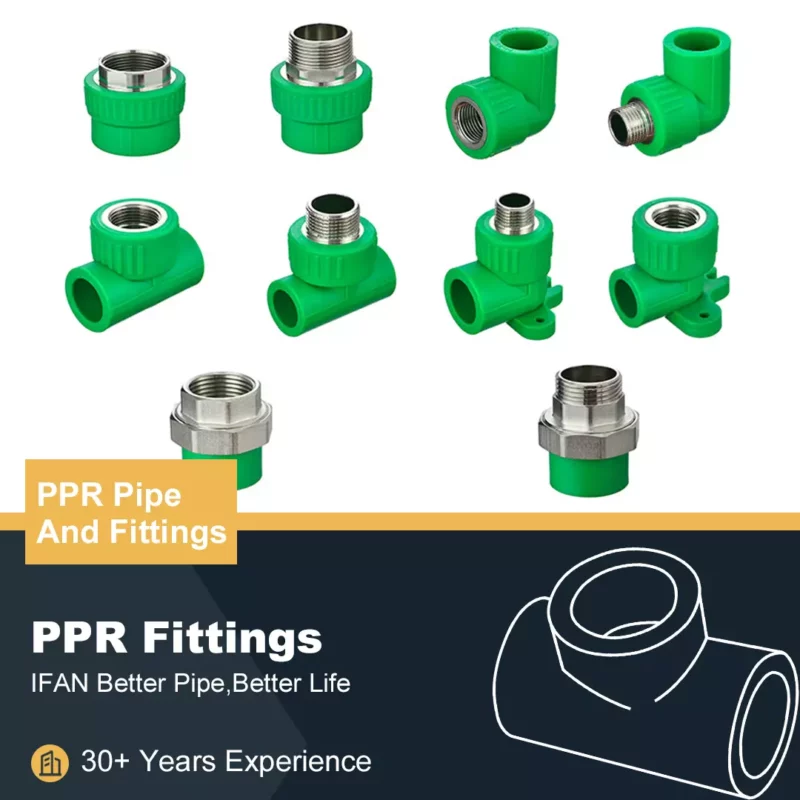
The court’s decision to intervene rests on a fundamental principle in engineering procurement: compliance with standards is non-negotiable. The tender documents likely referenced strict international benchmarks, such as the German DIN 8077/8078 or the international ISO 15874 standards. These standards govern every aspect of PPR fittings, including:
- Material Composition: Mandating the use of specific, high-grade virgin PP-R CT (Type 3) material to ensure long-term pressure-bearing capacity and thermal stability.
- Dimensions and Tolerances: Ensuring that every elbow, tee, and coupling has the exact socket depth and diameter to guarantee a perfect fusion weld.
- Performance Under Stress: Requiring the fittings to withstand specific internal pressures at high temperatures for extended periods without failing.
The plaintiff’s argument likely asserted that the evaluation process was flawed because it did not adequately verify test certificates or require sufficient sample validation to prove the winning bid’s products met these critical criteria. Accepting PPR fittings that deviate from these standards, even slightly, could compromise the entire multi-million-dollar water network, leading to:
- System Failure: Inferior PPR fittings may have weak points or imperfect fusion zones, making them susceptible to rupture under pressure, especially in hot water applications.
- Premature Aging: Substandard material may degrade faster when exposed to chlorine in drinking water or UV radiation, leading to brittle fractures and a drastically reduced lifespan.
- Catastrophic Leaks: A single failed fitting in a pressurized main can cause significant water loss, property damage, and service disruption, utterly defeating the project’s goal of water conservation.
The Court’s Rationale and the Order for Re-evaluation
The court, in its ruling, emphasized that the duty of a public utility like the WSC is not merely to select the lowest bidder, but to secure the “most economically advantageous tender” that delivers long-term value and public safety. The judge found merit in the argument that the technical evaluation phase may have been insufficiently rigorous.
This re-evaluation must be conducted with heightened scrutiny, focusing on:
- Third-Party Verification of Certificates: Requiring independent validation of the quality test certificates submitted by bidders from internationally accredited laboratories.
- Physical Sample Testing: Mandating that samples of the proposed PPR fittings undergo rigorous physical testing in a recognized lab to verify compliance with pressure rating. Thermal stability. And dimensional standards.
- Assessment of Manufacturing Origin: Scrutinizing the quality control processes of the manufacturing plant where the PPR fittings are produced. As facilities without advanced automation and strict protocols are more likely to produce inconsistent quality.
Broader Implications for the PPR Industry and Public Procurement
This landmark ruling has implications far beyond the immediate parties involved.
- A Victory for Quality: For reputable manufacturers of PPR fittings, this decision is a vindication. It creates a more level playing field where quality and compliance are rightfully prioritized over potentially deceptive low pricing.
- A Warning to Public Bodies: It serves as a stern reminder to all public procurement entities that the courts will hold them accountable for conducting thoroug. Transparent, and technically sound evaluations. Especially for critical infrastructure components.
- Empowerment for Genuine Bidders: It empowers contractors and suppliers who invest in high-quality products and rigorous certification to challenge awards that appear to favor substandard alternatives.
Conclusion: Integrity in Piping is Integrity in Public Service
The court’s order to re-evaluate the WSC tender for PPR fittings is more than a legal technicality. It is a powerful affirmation that the integrity of our public water systems begins with the integrity of the components we install. By insisting on a re-evaluation grounded in technical evidence and strict standard compliance. The court is ultimately protecting the public interest. It ensures that the choice of PPR fittings will deliver on their promise: a durable, leak-proof. This case will undoubtedly become a benchmark for future infrastructure tenders. Reinforcing that when it comes to public water, quality cannot be compromised.
Focus Keyphrase: PPR fittings
Slug: court-orders-reevaluation-wsc-ppr-fittings-tender
Categories: Legal, Public Policy, Water Infrastructure, Plumbing, Piping Systems
Tags: PPR Fittings, Court Order, Tender, WSC, Water Infrastructure, Public Procurement, Plumbing Standards, Water Loss, Legal Challenge, ISO 15874
Twin international trade shows begins PPR Fitting用这个标题生成一篇文章, 以PPR fittings为关键词, 文章总数800词,按照Yoast SEO格式输出
Twin International Trade Shows Begin, Spotlighting PPR Fitting Innovations
The global plumbing, heating, and piping industries have converged as two major international trade shows, INTERPLUMB and AQUATHERM, opened their doors simultaneously this week. This powerful synergy has created an unprecedented platform for innovation, with one product category emerging as the undeniable star of both events: PPR fittings and the broader Polypropylene Random Copolymer (PPR) piping system.
A Confluence of Giants: The Stage is Set
The simultaneous occurrence of INTERPLUMB, renowned for its focus on plumbing technology and sanitary ware, and AQUATHERM, the leading exhibition for HVAC and renewable energy systems, provides a 360-degree view of the building services sector. The central takeaway is clear: PPR is a versatile, cross-disciplinary solution.
The PPR Fitting: From Component to Centerpiece
Walking the expansive aisles of both shows, it is impossible to miss the prominence of PPR fittings. Dozens of exhibitors, from established German giants to agile Asian manufacturers, are showcasing their latest innovations. But what exactly is driving this intense focus on what might seem like simple plastic components? The answer lies in a fundamental industry shift towards systems that offer long-term reliability, installation efficiency, and water quality preservation.
The key advantages being highlighted at the booths align perfectly with these market demands:
- The Perfected Fusion Joint: The core of the PPR system is the thermally fused joint, a process demonstrated live at nearly every major exhibitor’s stand. It eliminates the primary failure points of traditional systems—threads that can loosen and solder joints that can corrode.
- Corrosion and Scale Immunity: In a direct challenge to metallic pipes, manufacturers are using clear cutaways of decades-old PPR fittings from European installations to demonstrate their pristine. Smooth interior surfaces, completely free from the scale and rust that plague iron and copper systems. This guarantees consistent water flow and pressure over a lifespan exceeding Long-term durability according to standards.
- Speed and Skill Efficiency: Live installation competitions are showcasing how quickly a certified welder can assemble a complex network of PPR fittings. This emphasis on reduced labor time and cost is a powerful selling point in a market facing skilled labor shortages.
Groundbreaking Innovations on Display
Beyond the established benefits, the trade shows are a launchpad for the next generation of PPR fittings:
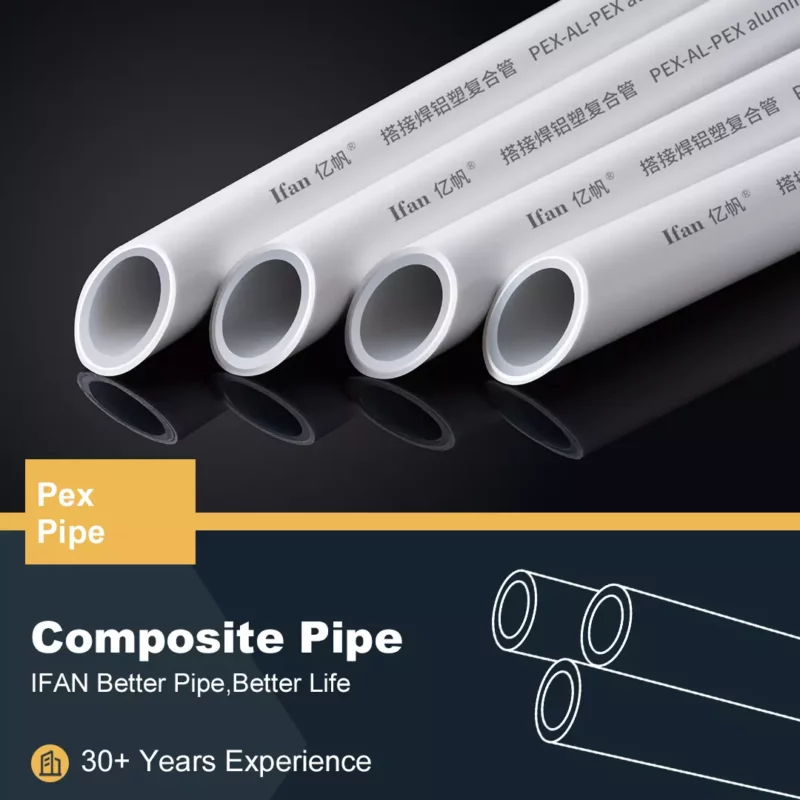
- PPR with Aluminum and Fiberglass Layers: Several leading brands are exhibiting new multilayer PPR fittings integrated with an aluminum or fiberglass layer. This innovation significantly reduces linear thermal expansion, making the systems even more stable and suitable for long, straight runs in commercial applications where movement can be a concern.
- Smart Fittings and Digital Integration: A futuristic but tangible development is the emergence of “smart” PPR fittings. These components are embedded with RFID chips or QR codes. This creates a verifiable digital twin of the entire plumbing system for maintenance and warranty purposes.
- Expanded Size Range and Specialized Components: Exhibitors are showcasing an ever-wider range of diameters, with some manufacturers presenting massive PPR fittings for main water supply lines and industrial applications.
Market Sentiment and Global Trends
Conversations with engineers and contractors on the floor reveal a market that is rapidly maturing. The discussion has moved from “What is PPR?” to “Which PPR system offers the best long-term value and technical support?” The demand for certified installers and robust technical training programs is a recurring theme. indicating that the industry is preparing for mass adoption.
Furthermore, the alignment of PPR fittings with global sustainability goals is a major talking point. The material’s durability contributes to resource conservation.
Conclusion: A Defining Moment for the Industry
The twin international trade shows have served as a powerful barometer for the plumbing and HVAC industries. The overwhelming focus on PPR fittings at both INTERPLUMB and AQUATHERM is not a coincidence; it is a reflection of a profound and lasting transformation. The innovations on display—from multilayer structures to digital integration—prove that this technology is far from static. It is evolving rapidly to meet the future demands of global infrastructure.