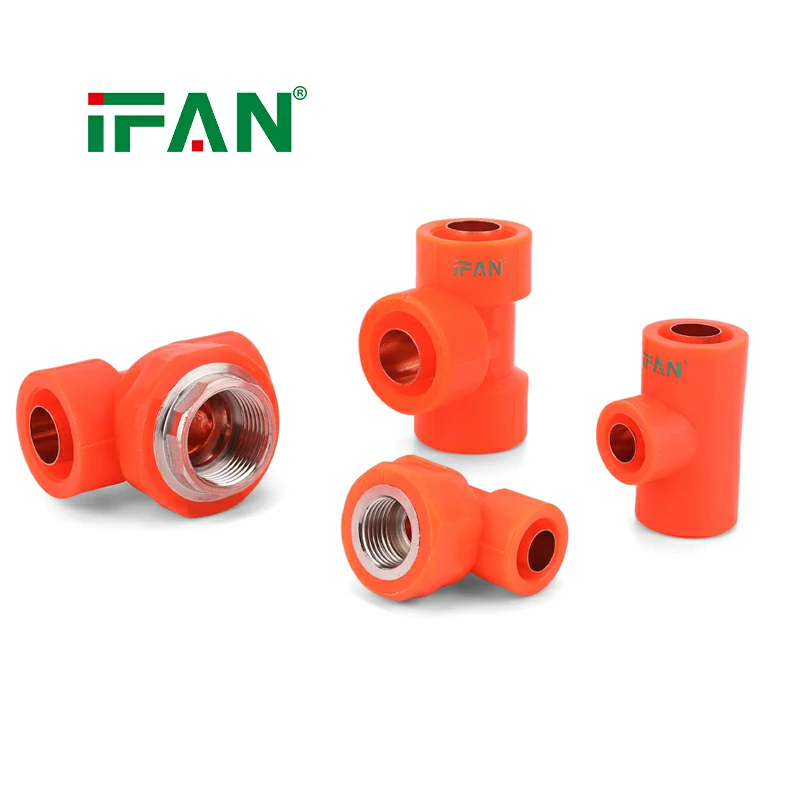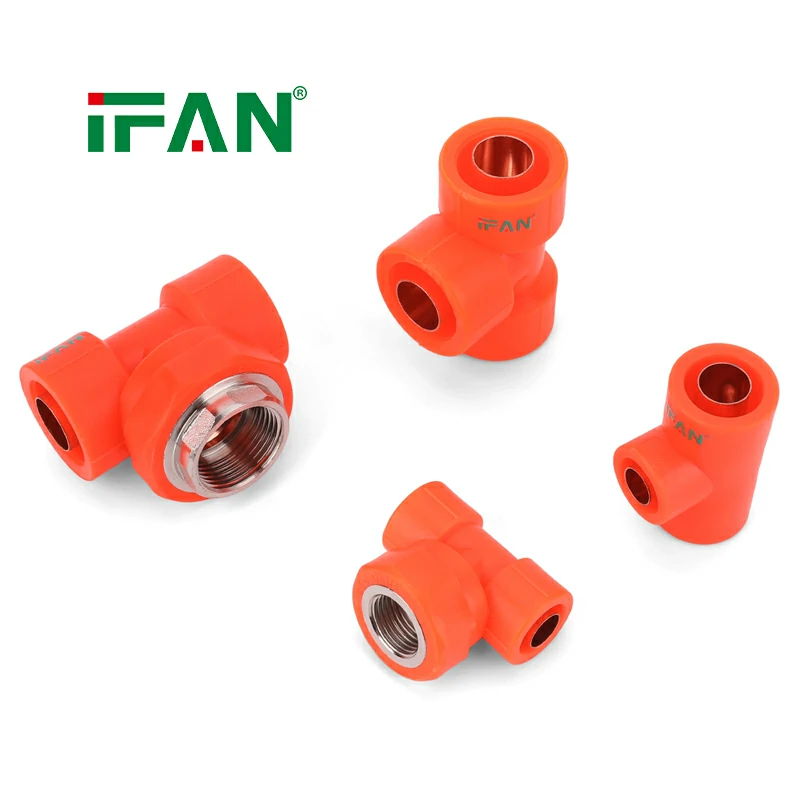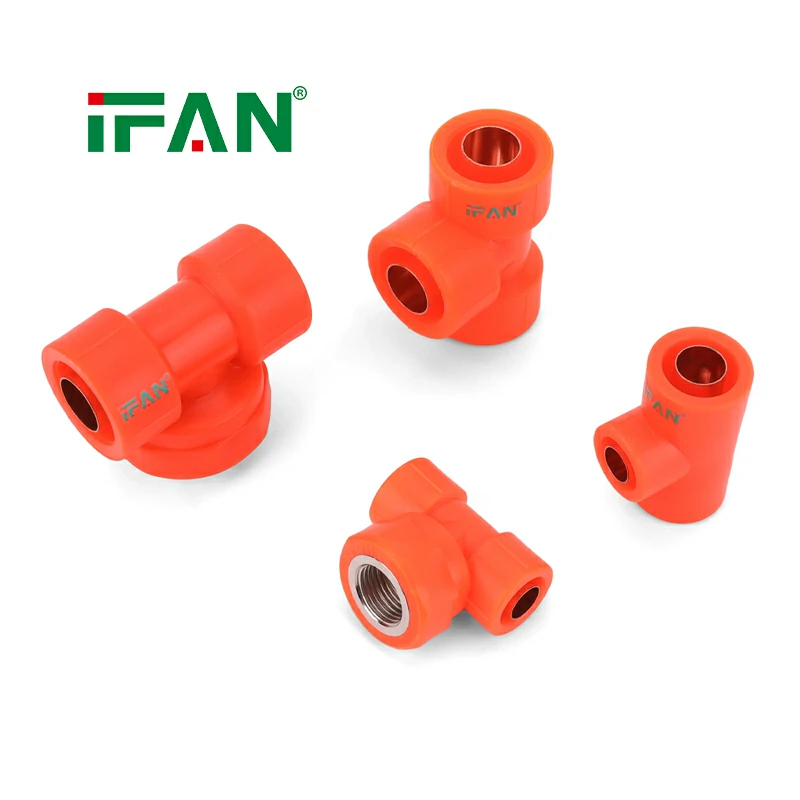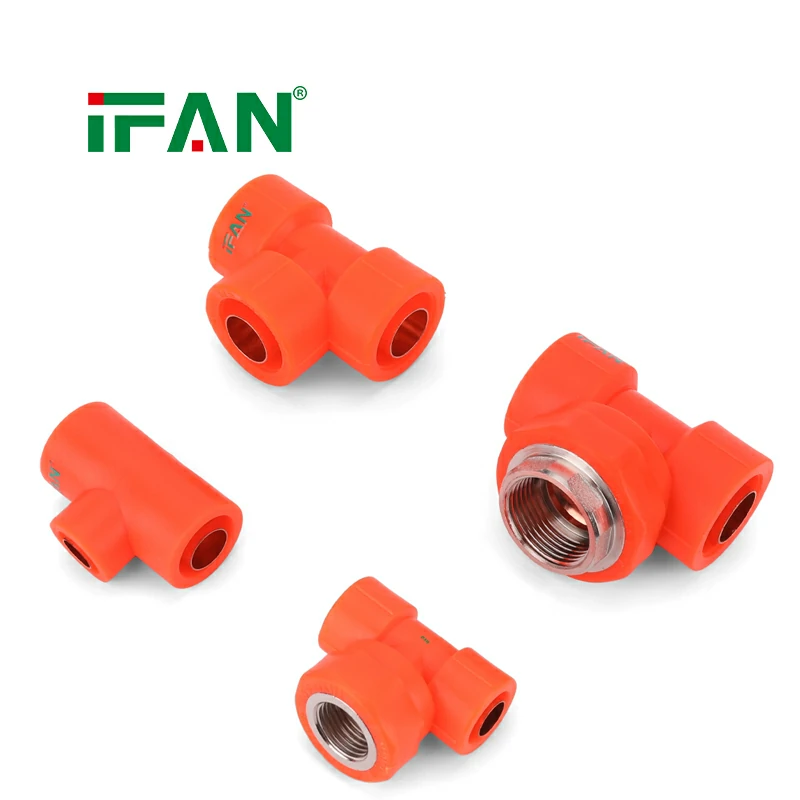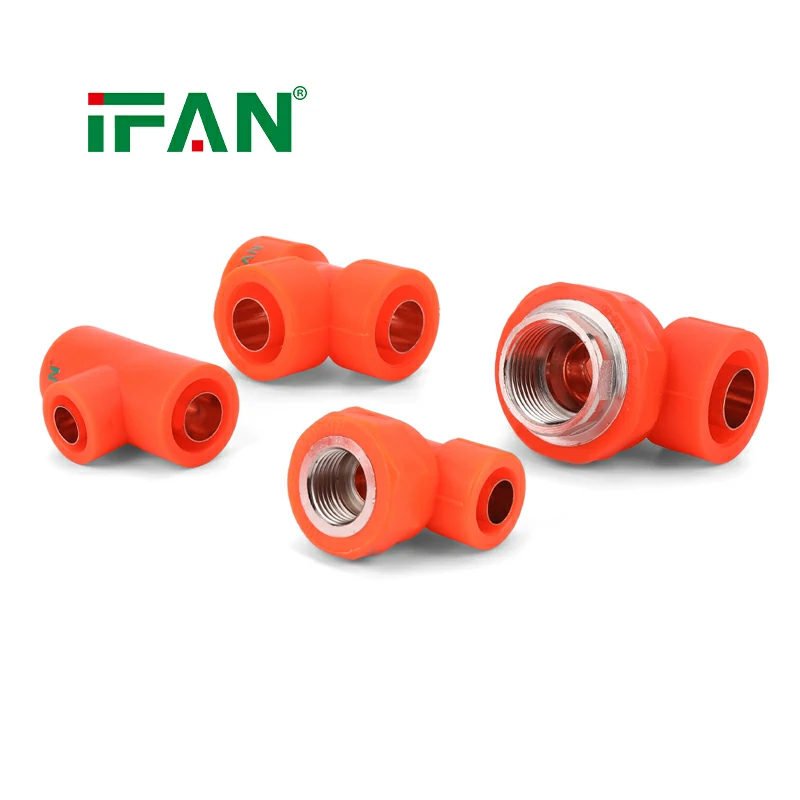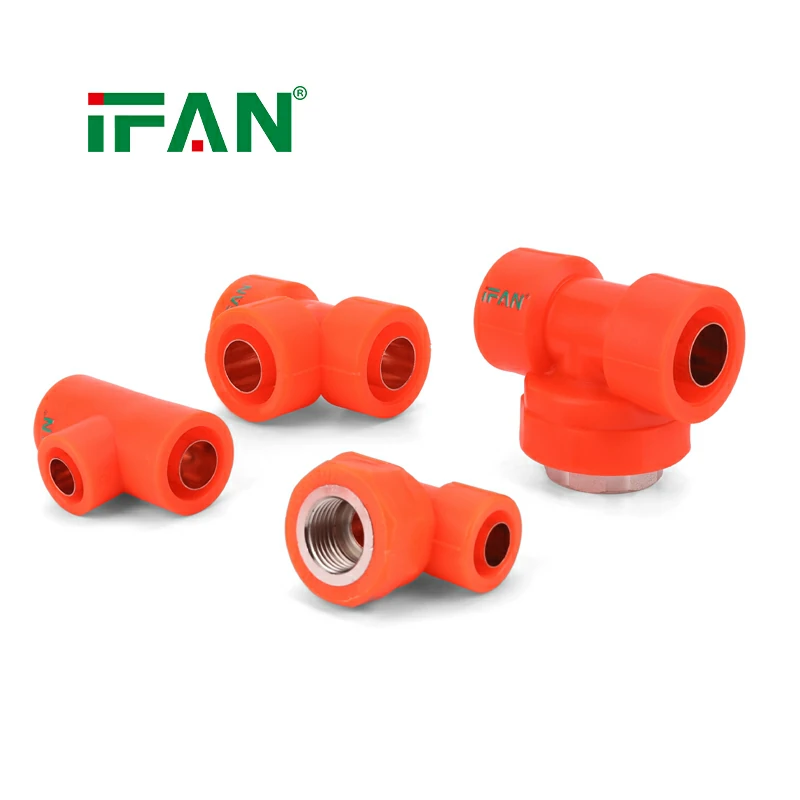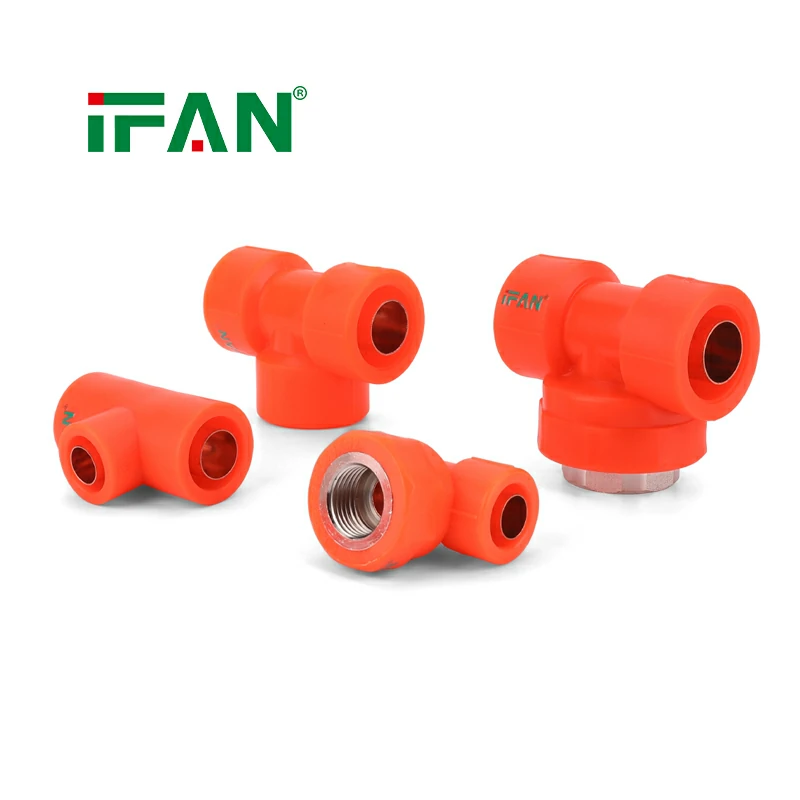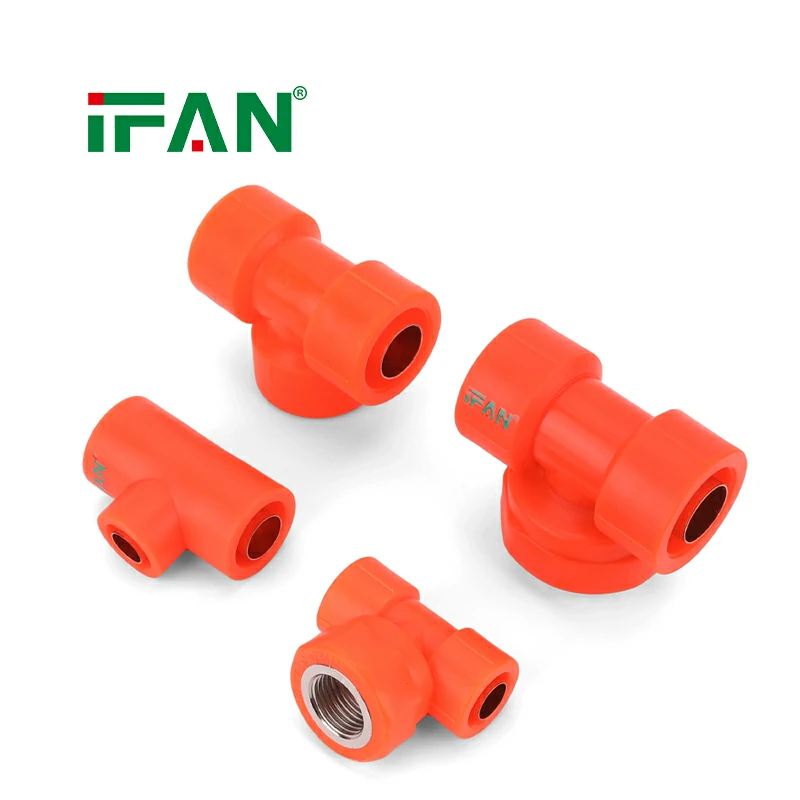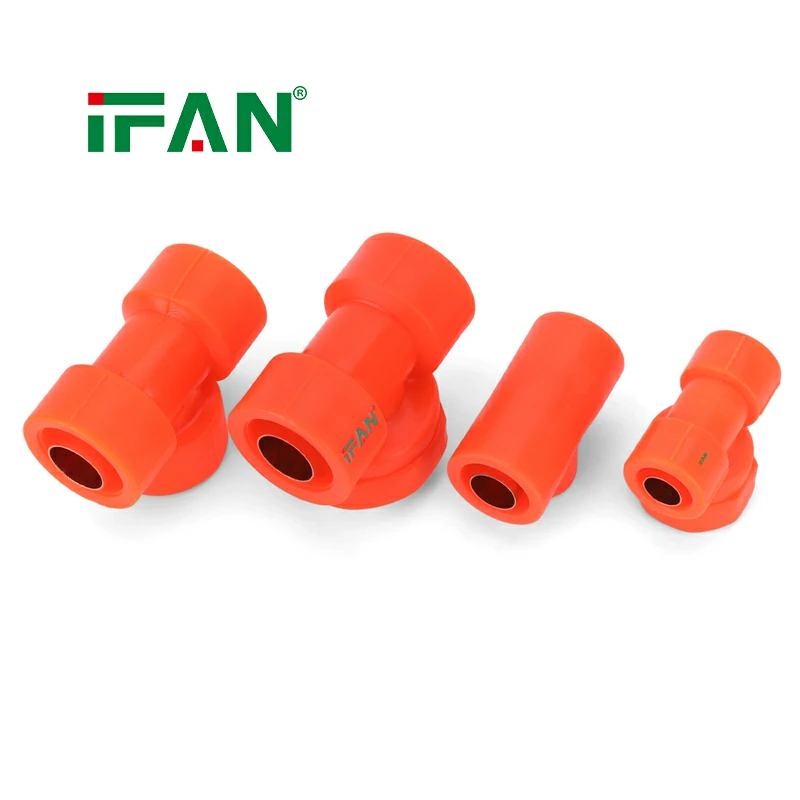


The Pervasive Problem of Substandard PPR Fittings
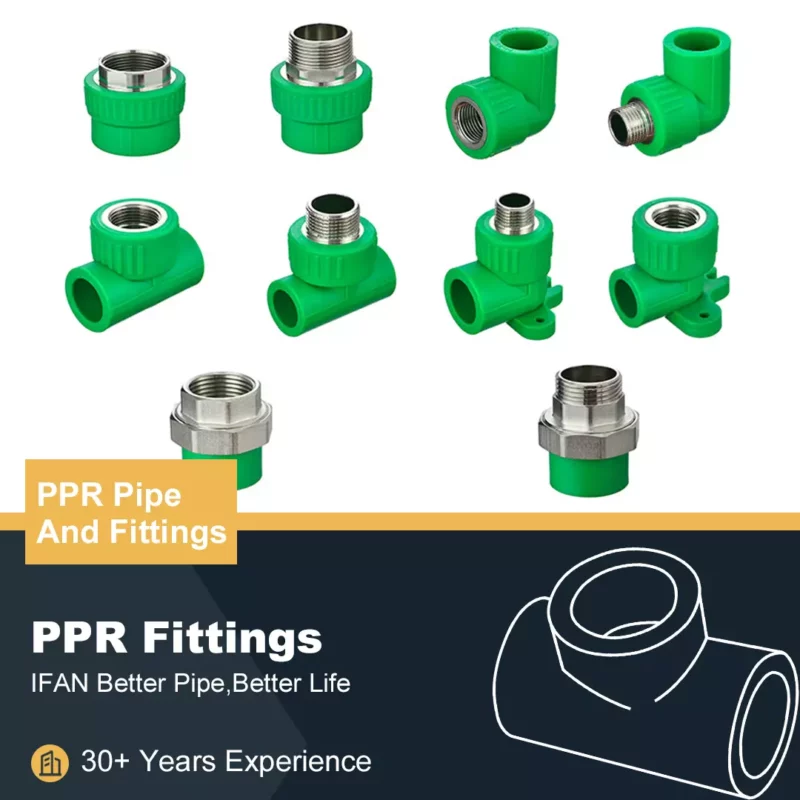
For years, the Nigerian market has been flooded with substandard PPR fittings. These counterfeit and non-compliant products pose a severe threat, often failing to meet the basic technical and safety standards required for potable water systems. The common issues with these inferior PPR fittings include:
- Use of Inferior Raw Materials: Manufacturers often use recycled or contaminated polypropylene, which lacks the necessary thermal stability and mechanical strength. This leads to fittings that are brittle, prone to cracking, and susceptible to premature failure under pressure and heat.
- Incorrect Dimensions and Poor Wall Thickness: Substandard PPR fittings frequently have inconsistent wall thickness and inaccurate dimensions, leading to poor fusion welds. This creates weak points that are destined to leak, causing property damage and water wastage.
- Toxic Material Additives: Some unscrupulous manufacturers use lead-based stabilizers and other harmful additives to cut costs. These toxins can leach into the drinking water, posing serious long-term health risks to consumers.
The Federal Government’s Sanction Framework: What to Expect
The proposed sanctions are expected to be multi-faceted, designed to deter manufacturers and protect consumers effectively.
H2: Key Measures of the Crackdown:
- Heavy Fines and Financial Penalties: Manufacturers found guilty of producing substandard PPR fittings will face significant financial penalties that far outweigh the profits gained from their illicit activities.
- Sealment and Closure of Production Facilities: Regulatory bodies, likely in collaboration with the Standards Organisation of Nigeria (SON), will have the power to seal off factories that consistently fail to comply with mandated quality standards for PPR fittings.
- Product Recalls and Public Blacklisting: The government may mandate the public recall of identified batches of substandard PPR fittings. Furthermore, the names of offending manufacturers will be blacklisted, barring them from participating in public procurement tenders.
- Criminal Prosecution: In severe cases, particularly those involving falsified certifications or products that cause significant public harm, company executives could face criminal prosecution.
The Critical Importance of Quality PPR Fittings for National Development
This government action is not merely about regulation; it is about securing the nation’s future. The reliance on quality PPR fittings is fundamental to several key national goals:
- Ensuring Public Health and Safety: The primary purpose of a water distribution system is to deliver clean, safe water. Substandard PPR fittings can harbor bacteria, leach chemicals, and fail catastrophically, directly endangering public health. This crackdown is a direct investment in the well-being of the citizenry.
- Protecting Financial Investments: Billions of Naira are invested in public water projects and private construction annually. The use of substandard PPR fittings jeopardizes these investments, leading to systemic failures that require costly early-stage repairs and replacements. Sanctioning their manufacturers protects national and private assets.
- Achieving Sustainable Development Goals (SDGs): Reliable access to clean water and sanitation (SDG 6) and building resilient infrastructure (SDG 9) are core SDGs. High-quality PPR fittings are a foundational component in achieving these objectives, ensuring that infrastructure built today lasts for its intended 50-year lifespan.
Impact on the Market and Legitimate Stakeholders
This regulatory push will have a profound and positive impact on the entire industry ecosystem.
H2: For Reputable Manufacturers and Importers:
- Level Playing Field: Legitimate businesses that invest in quality raw materials and rigorous production processes have long been undercut by cheap, substandard imports. This crackdown will level the competitive landscape, rewarding quality and compliance.
- Increased Market Confidence: As substandard products are pushed out of the market, public trust in PPR fittings as a whole will rise, potentially increasing demand for certified products from trusted brands.
H2: For Plumbers, Contractors, and Engineers:
- Reduced Liability and Rework: Professionals can specify and install PPR fittings with greater confidence, knowing that compliant products will perform as expected, eliminating costly call-backs and reputational damage from failed installations.
- Clear Sourcing Guidelines: The sanctions will make it easier for professionals to identify and demand PPR fittings with verifiable SONCAP certifications and standard marks.
H2: For Consumers and Property Owners:
- Peace of Mind: Homeowners and developers will have the assurance that their plumbing systems are safe, durable, and will not require premature and expensive repairs, protecting their property values and ensuring a safe water supply for their families.
A Call for Collective Vigilance
While government action is crucial, a collective effort is needed. Distributors must refuse to stock non-compliant products. Plumbers must insist on using only certified PPR fittings. And consumers must be educated to recognize and demand quality. Reporting suspected substandard products to the SON is a civic duty that supports this national initiative.
Conclusion: Building a Safer, More Durable Future with Quality PPR Fittings
The Federal Government’s decision to sanction manufacturers of substandard PPR fittings is a bold and necessary step in the right direction. It is a clear declaration that the quality of the nation’s infrastructure is non-negotiable. By weeding out bad actors and empowering legitimate businesses, this policy will not only protect consumers and investments but also foster an environment of quality and innovation in the local manufacturing sector. This crackdown is more than a sanction; it is a foundational investment in building a safer, healthier, and more resilient Nigeria, one reliable PPR fitting at a time.
If you have read this article and have any questions, please feel free to contact IFAN. Below is our contact information:
Whatsapp:+86 13373827623
Email:[email protected]