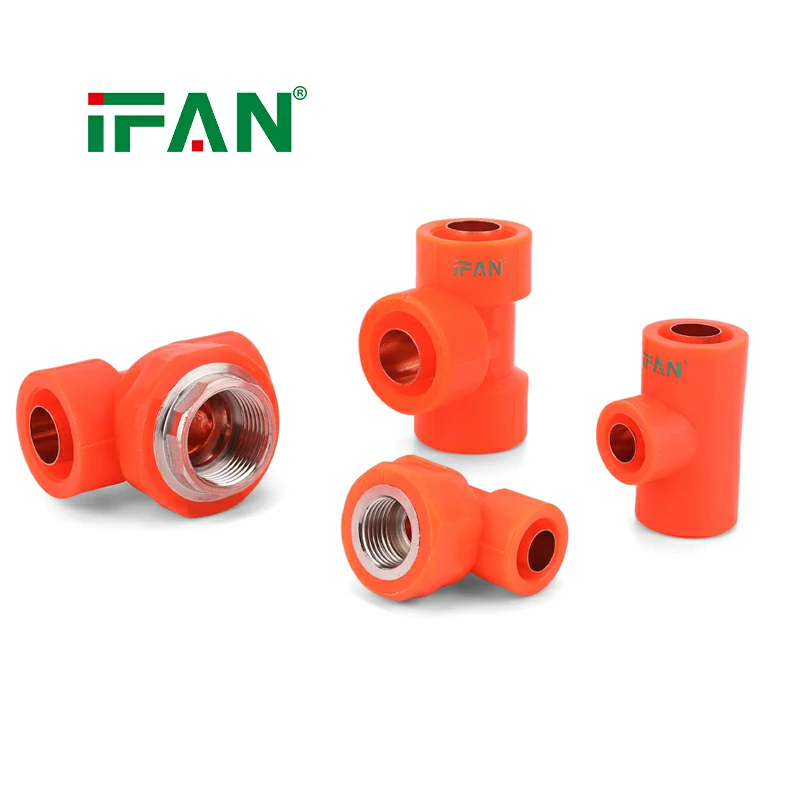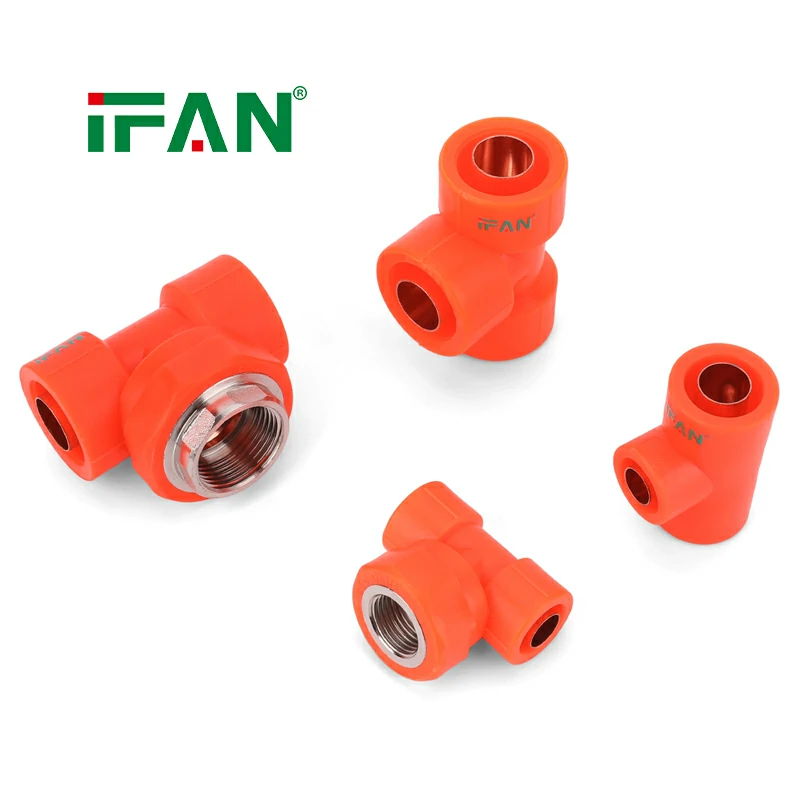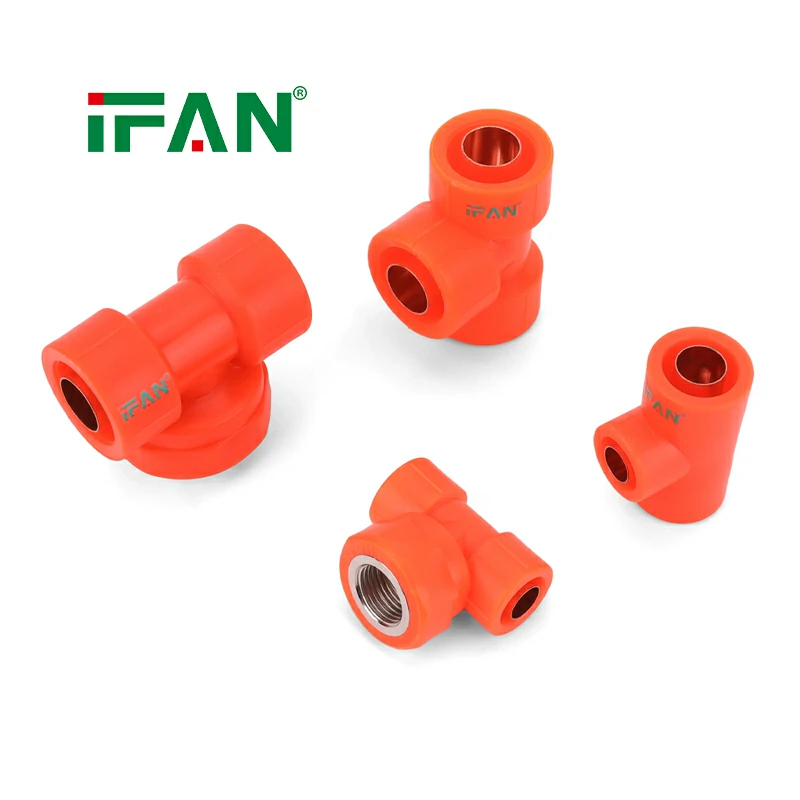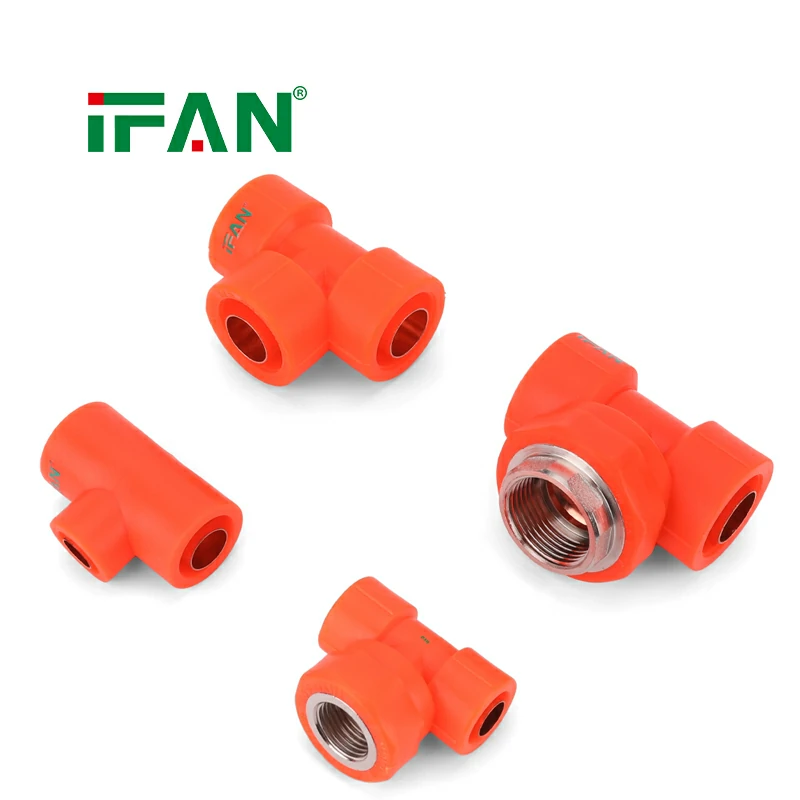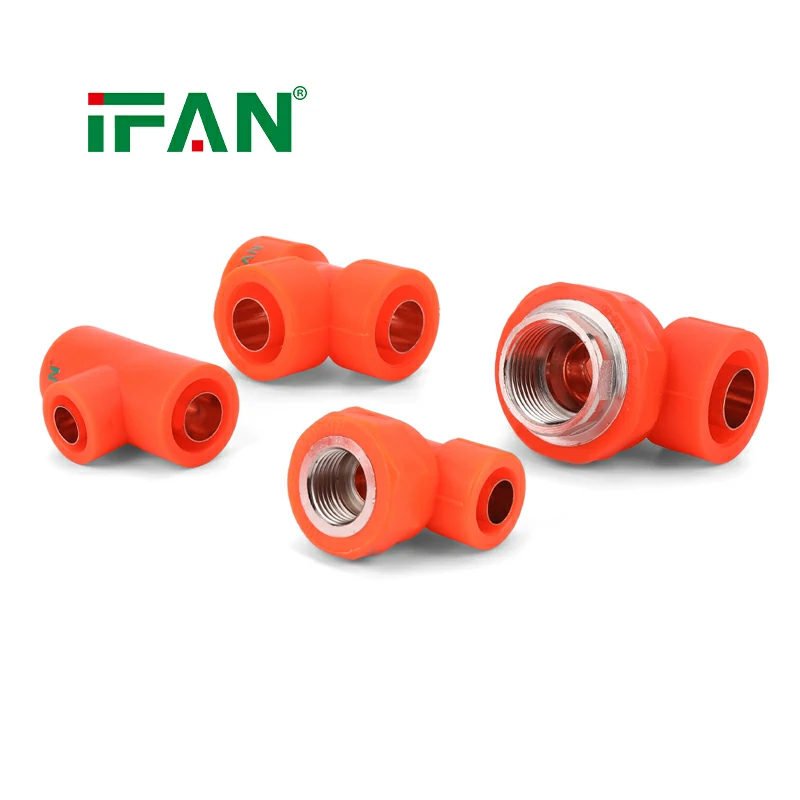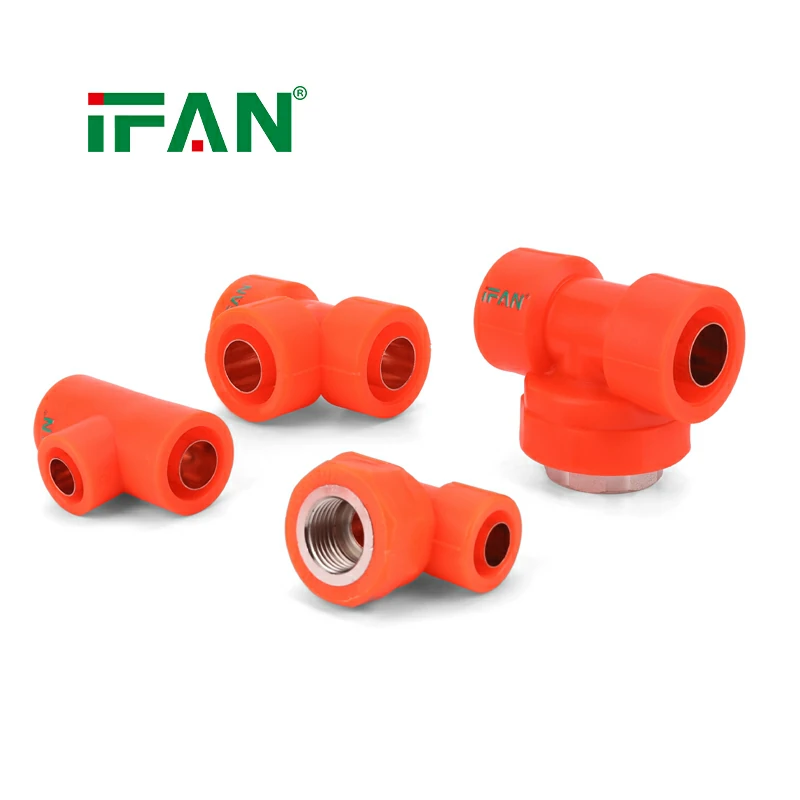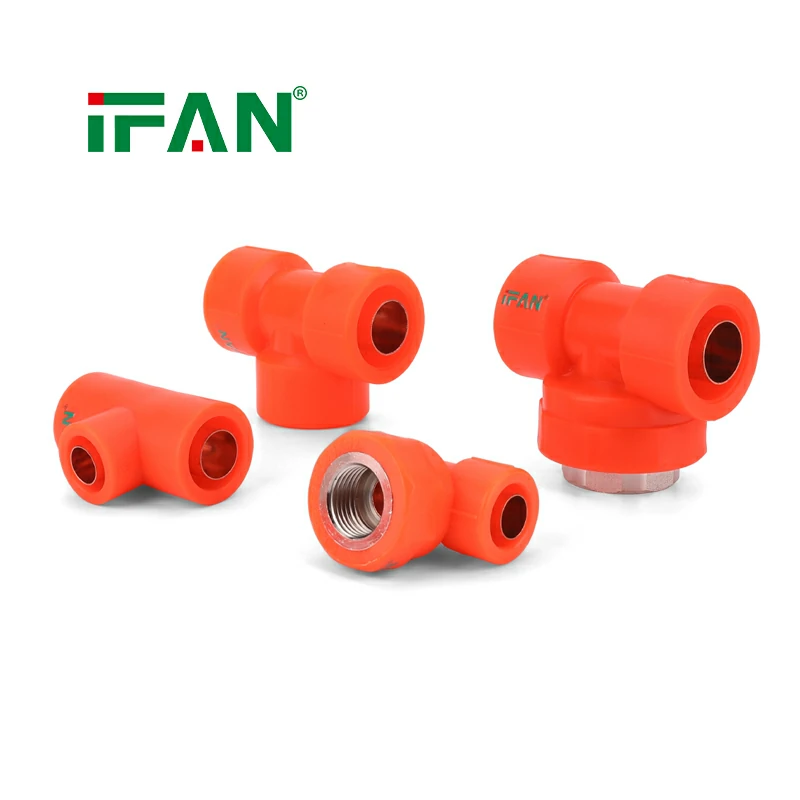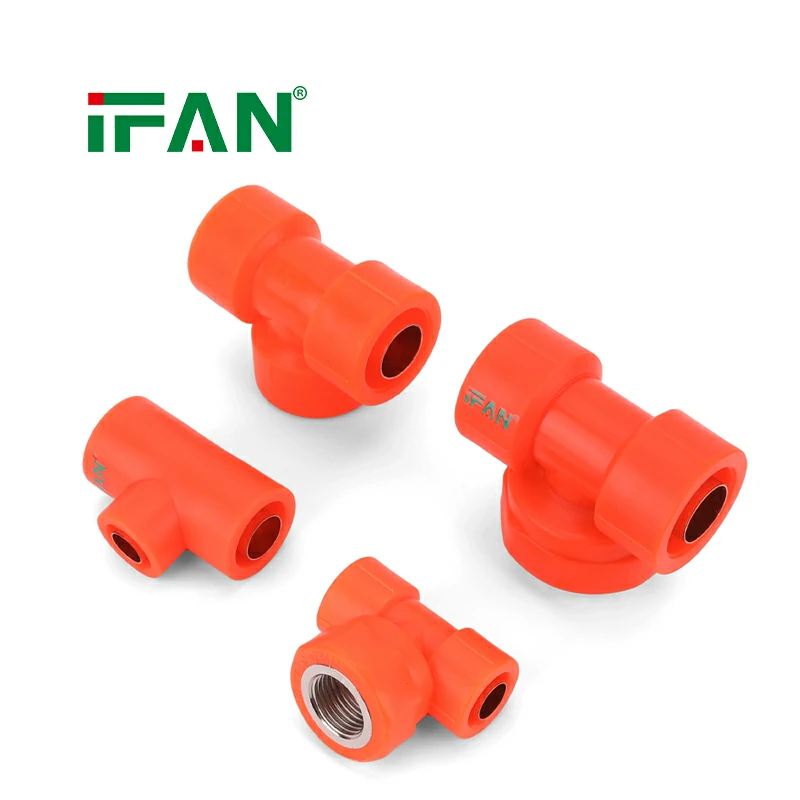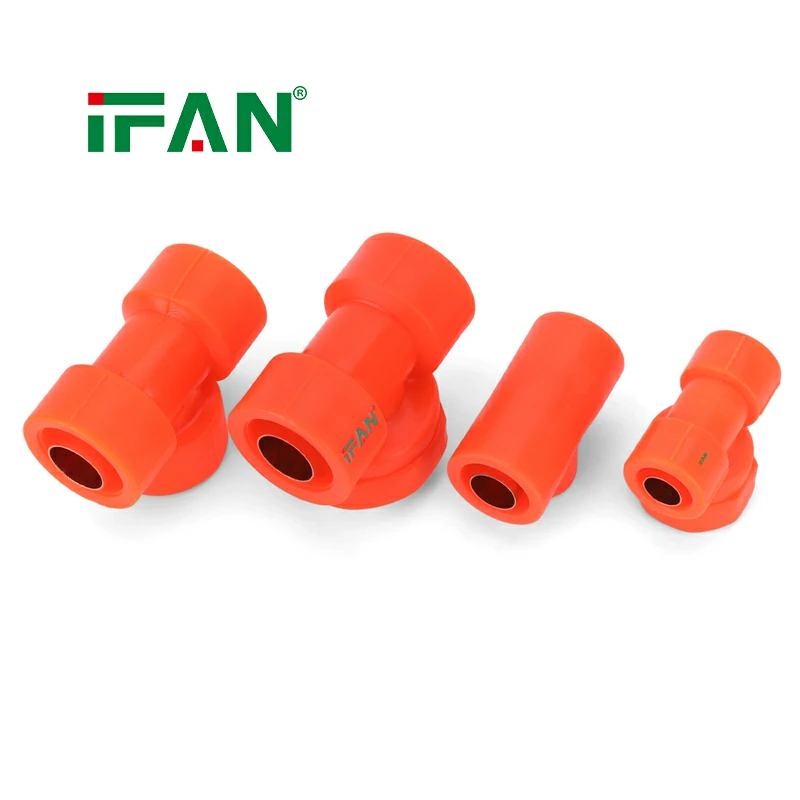
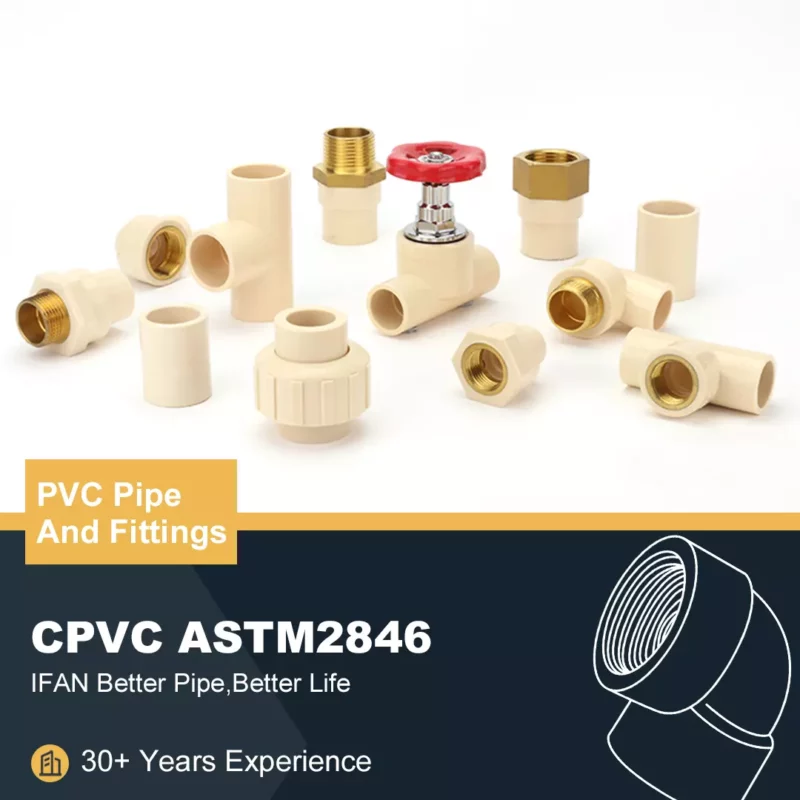
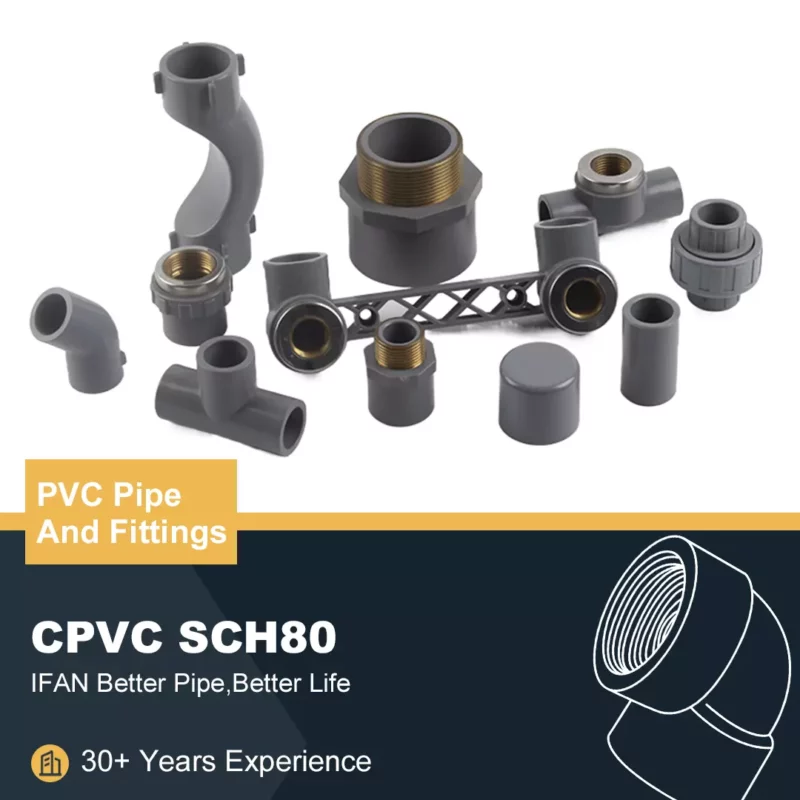


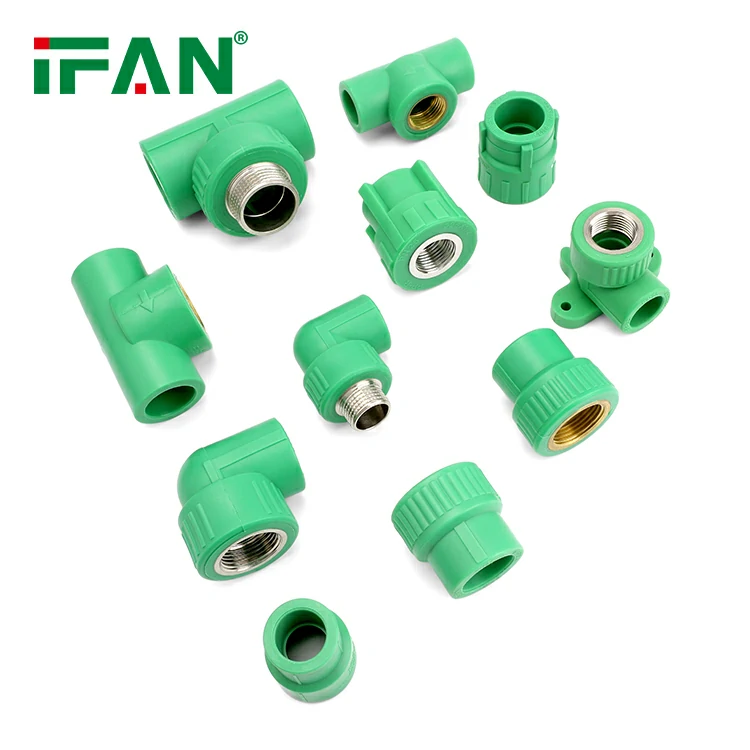
What is a PPR Female Socket Coupling with Brass Thread?
To understand its value, let’s break down its anatomy:
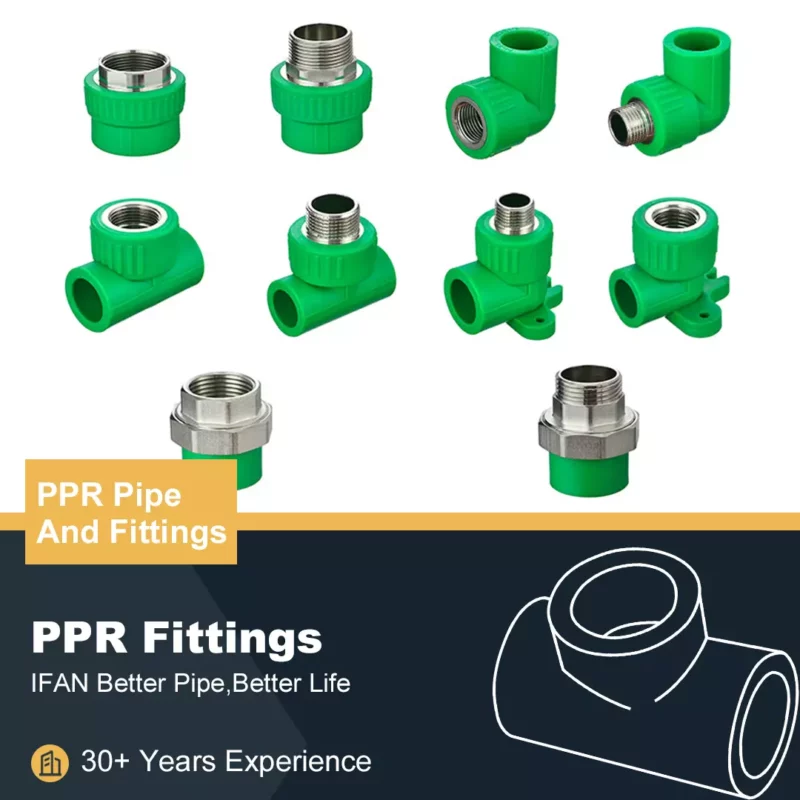
- PPR Fitting: The body is made from high-quality Polypropylene Random Copolymer, known for its corrosion resistance, durability, and thermal stability.
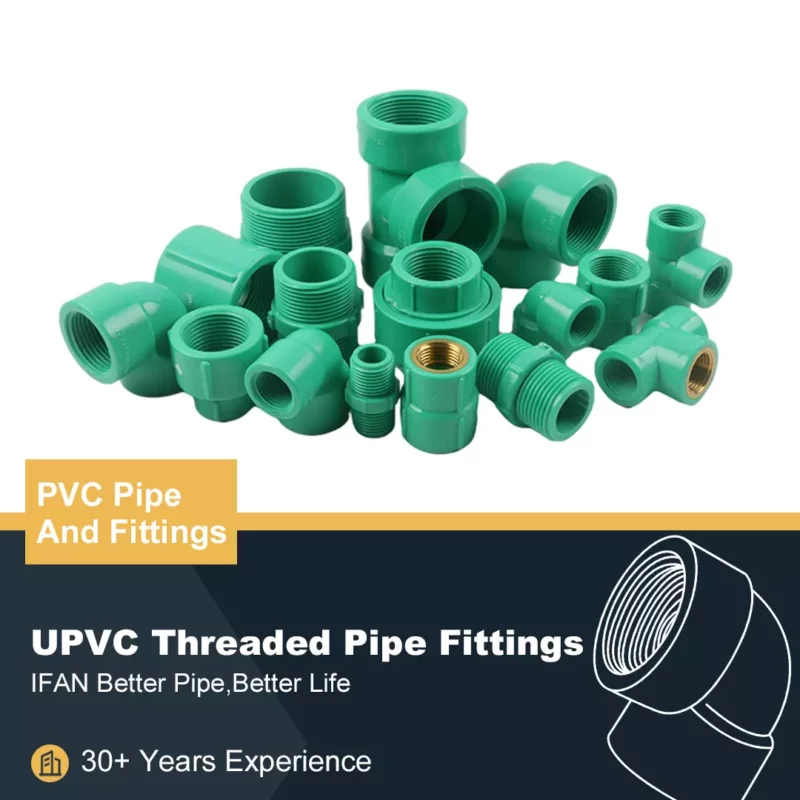
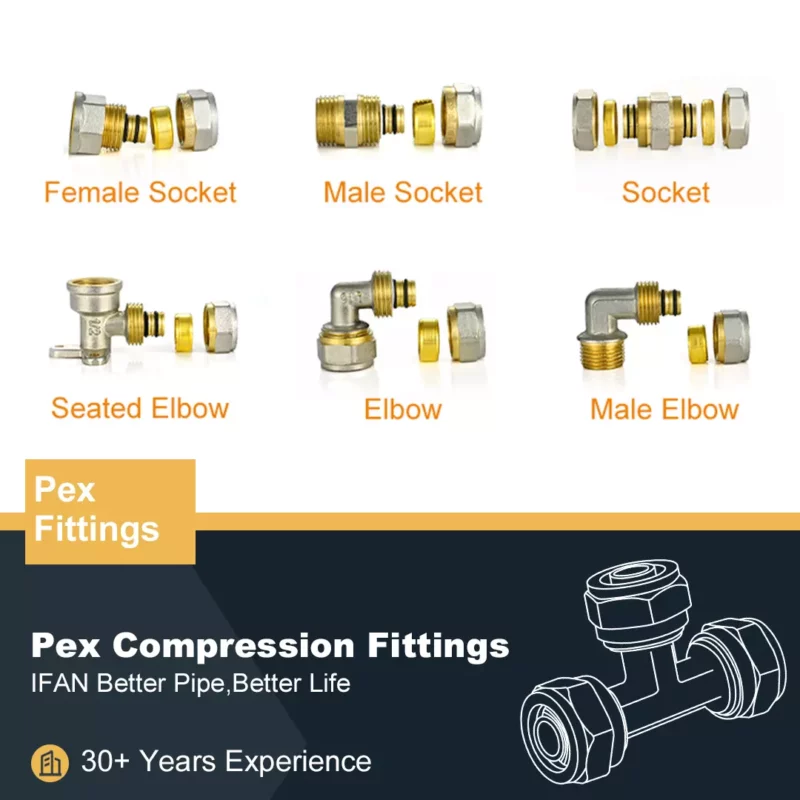
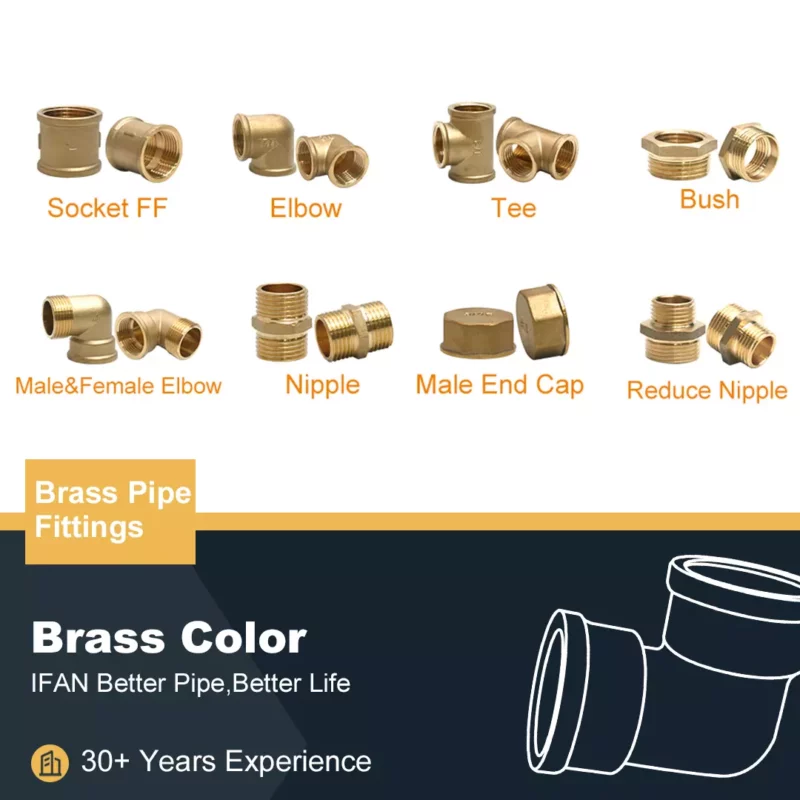
- Female Socket: This refers to the part of the fitting that has an internal thread, designed to receive a male threaded pipe or component.
- Coupling: This denotes its function—to connect two pipes or a pipe to a threaded fixture.
- Integrated Brass Insert: The critical feature. A high-quality brass thread is mechanically integrated or molded directly into the PPR body during manufacturing. This creates a durable, leak-resistant transition point.
In essence, one end of this PPR fitting is designed for a permanent, leak-proof heat-fusion weld to a PPR pipe, while the other end provides a sturdy female brass thread for a sealed mechanical connection.
Key Advantages of Using This Hybrid PPR Fitting
The combination of PPR and brass in a single PPR fitting offers a powerful set of benefits that neither material could provide alone.
H2: 1. Seamless System Integration and Versatility
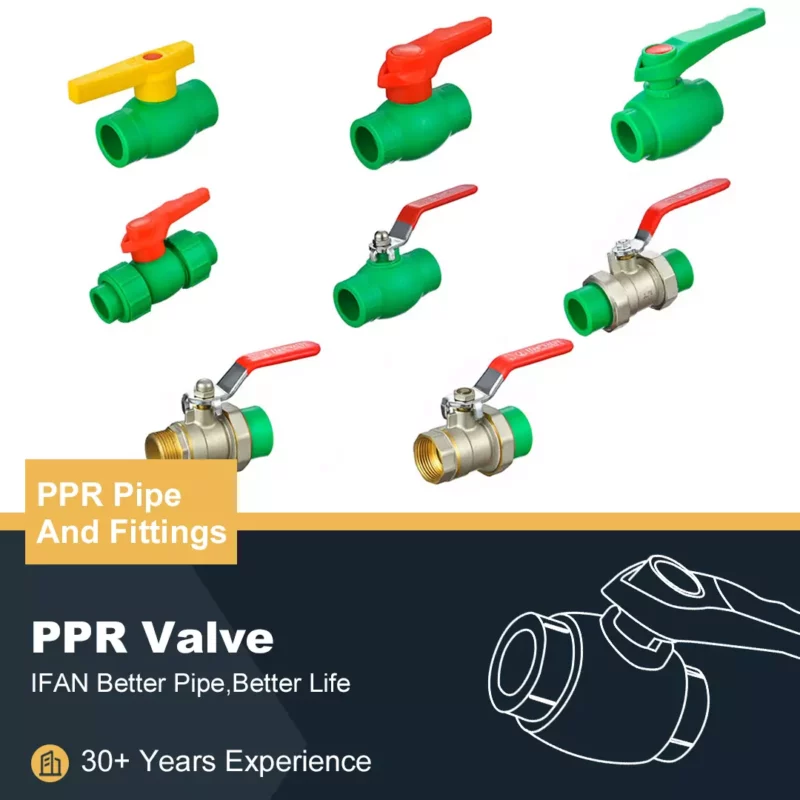
This is the primary advantage. This PPR fitting allows installers to effortlessly connect a modern PPR piping system to a wide array of common household and commercial fixtures, including:
- Water heaters and boilers
- Brass ball valves and stop valves
- Pumps and filtration systems
- Mixers and shower sets
- Existing galvanized or copper pipelines (with the correct adapter).
H2: 2. Unmatched Corrosion Resistance
The PPR portion of the fitting is completely immune to scale, rust, and chemical corrosion, ensuring the purity of the water within the PPR system.
H2: 3. Durability and Pressure Resistance
A quality PPR fitting with a brass insert is engineered to withstand the high pressures and temperatures of both hot and cold water systems. The fusion between the brass and PPR is robust, preventing separation under stress.
H2: 4. Leak-Free Transitions
The design ensures a dual-seal security. On the PPR side, the heat-fusion weld creates a permanent, monolithic joint.
Critical Applications in Hot and Cold Water Systems
This specific PPR fitting is a workhorse found in numerous points throughout a plumbing system:
- Connection to Water Heaters: It is the standard fitting used to connect the PPR cold water feed and hot water output to the corresponding threaded inlets and outlets of a storage or tankless water heater.
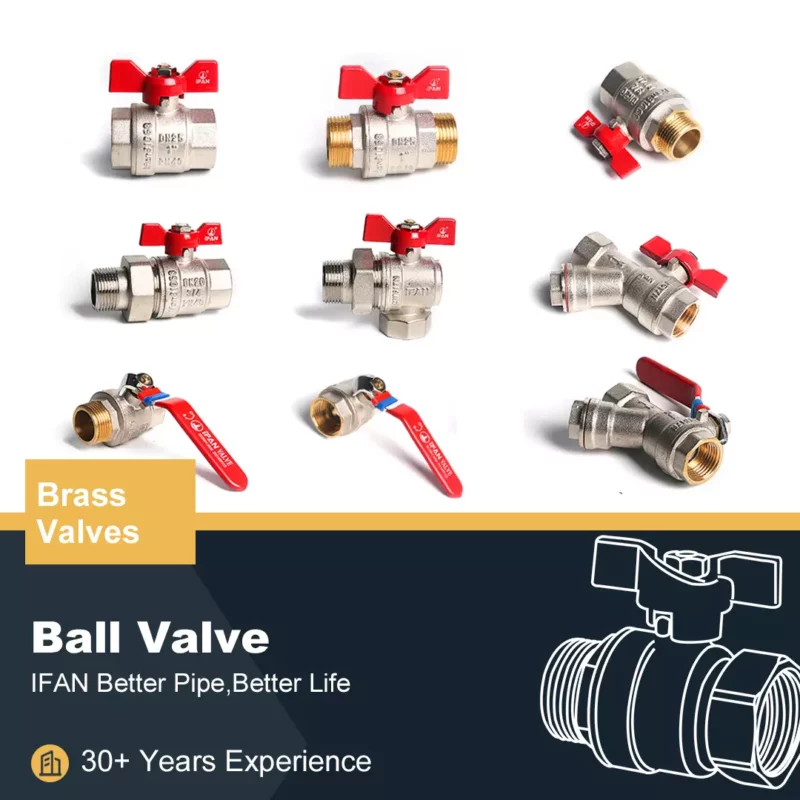
- Valve Installations: Installing a brass ball valve into a PPR line is a common practice for flow control and maintenance. A female socket coupling is used on both sides of the valve to integrate it seamlessly.
- Fixture Hookups: It serves as the final connection point for toilets, sinks, and bidets, where the PPR system meets the flexible supply lines.
- Pump and Filter Connections: Connecting a circulation pump or a whole-house water filtration system often requires a transition from fused PPR pipes to the pump’s threaded ports.
Installation Best Practices
Correct installation is key to leveraging the full potential of this PPR fitting.
- Cut and Prepare the PPR Pipe: Cut the PPR pipe square and deburr it. Mark the required insertion depth.
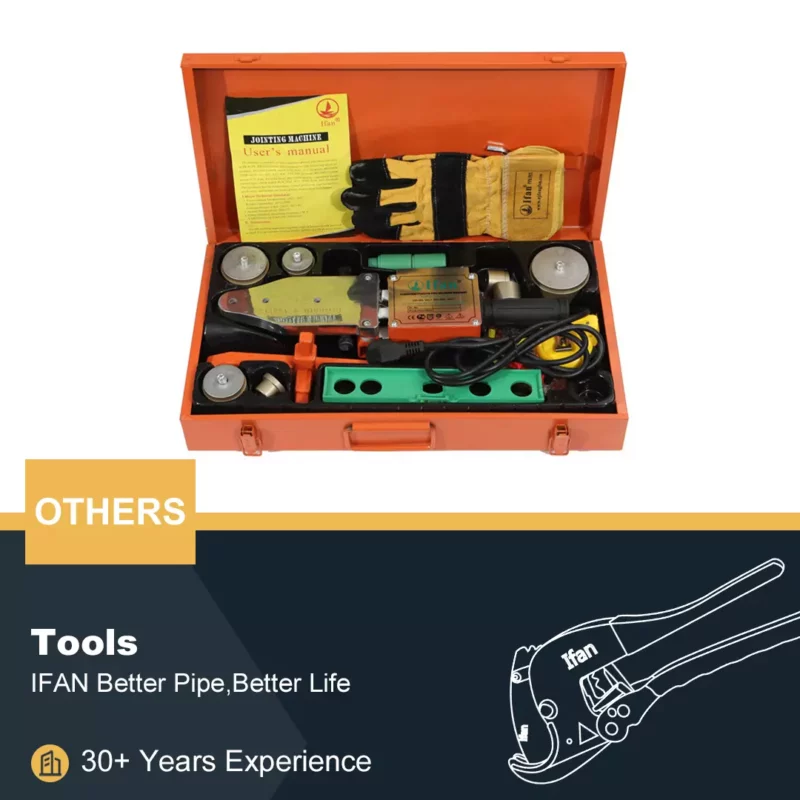
- Heat Fusion Welding: Using a PPR welding machine with the correct temperature setting (typically 260°C ± 5°C), simultaneously heat the PPR fitting socket and the pipe end.
- Assemble and Hold: After the heating time. quickly remove the parts from the heater. insert the pipe into the socket of the fitting in a straight. swift motion.
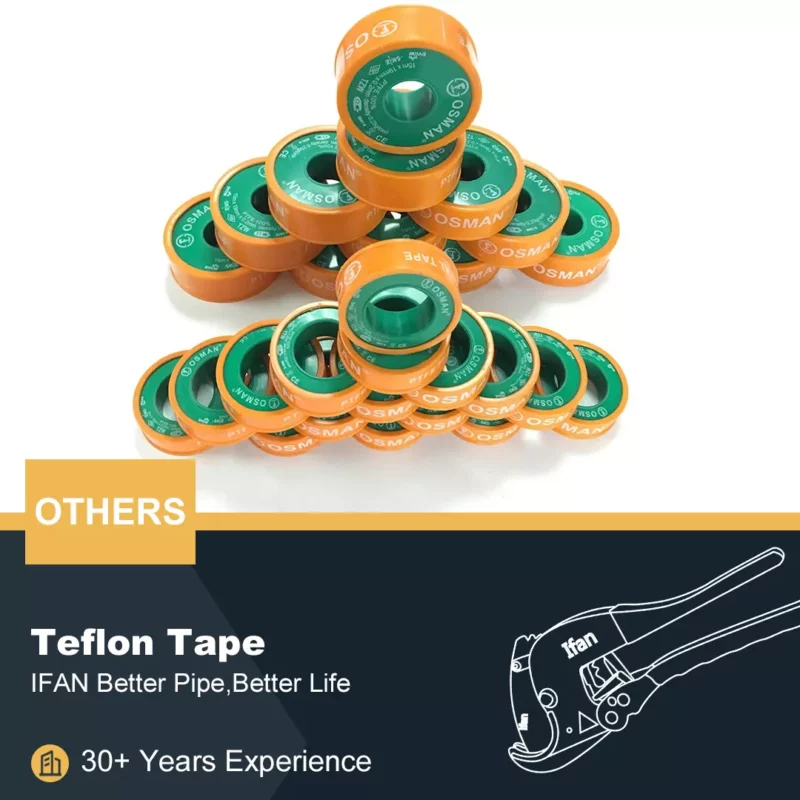
- Prepare the Threaded Connection: Once the fused joint has cooled. wrap the male thread of the component you are connecting to (e.g., a valve) with PTFE tape. Wind the tape clockwise 4-6 times, ensuring even coverage.
- Tighten the Thread: Screw the PPR fitting onto the male thread by hand, then use an appropriate wrench to tighten it. Avoid over-tightening, as this can damage the brass thread or the PPR body. A quarter to a half turn past hand-tight is usually sufficient.
Conclusion: An Essential Component for a Flawless Plumbing System
The PPR female socket coupling with a brass thread is more than just a simple connector.
it is the intelligent bridge that makes the superior benefits of PPR piping accessible and practical for any project.
Its ability to provide a corrosion-resistant, durable. and leak-free transition between fused. threaded systems makes it an indispensable PPR fitting in the toolbox of every modern plumber. By specifying and installing high-quality versions of this hybrid fitting, you ensure a robust, long-lasting,.