
The Water and Sanitation Landscape in Nigeria
Nigeria faces a substantial gap in providing clean water and adequate sanitation for its growing population. Issues such as contaminated water sources, leaky distribution networks, and inadequate sewage systems contribute to the spread of waterborne diseases. Traditional piping materials like galvanized steel are highly susceptible to corrosion and rust, which not only causes leaks and water loss but also contaminates the water with heavy metals and sediments. This deteriorating infrastructure underscores the urgent need for a superior, long-term solution.
How PPR Fittings Ensure Clean Water from Source to Tap
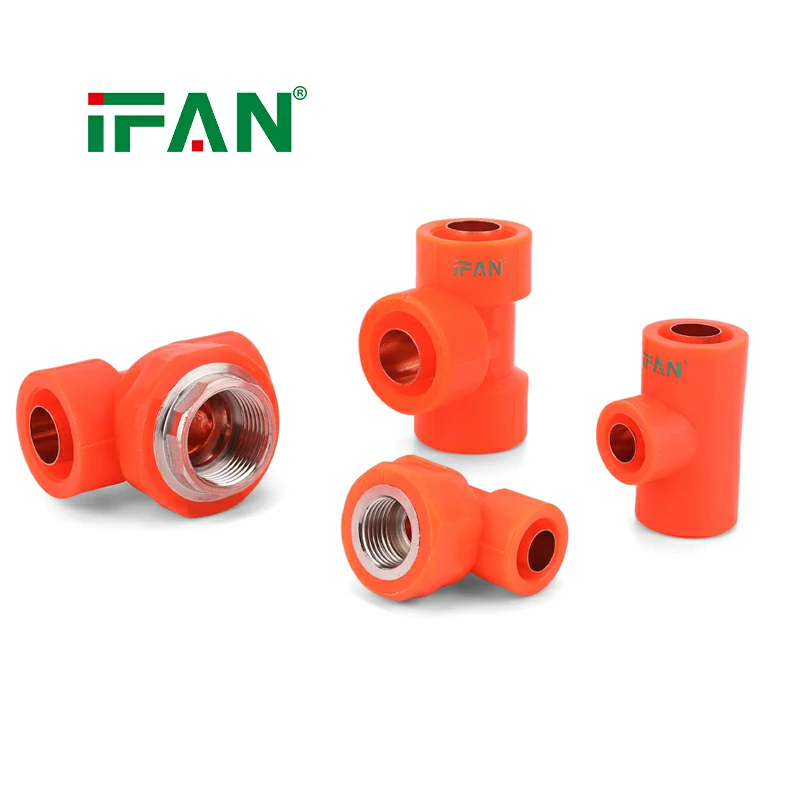
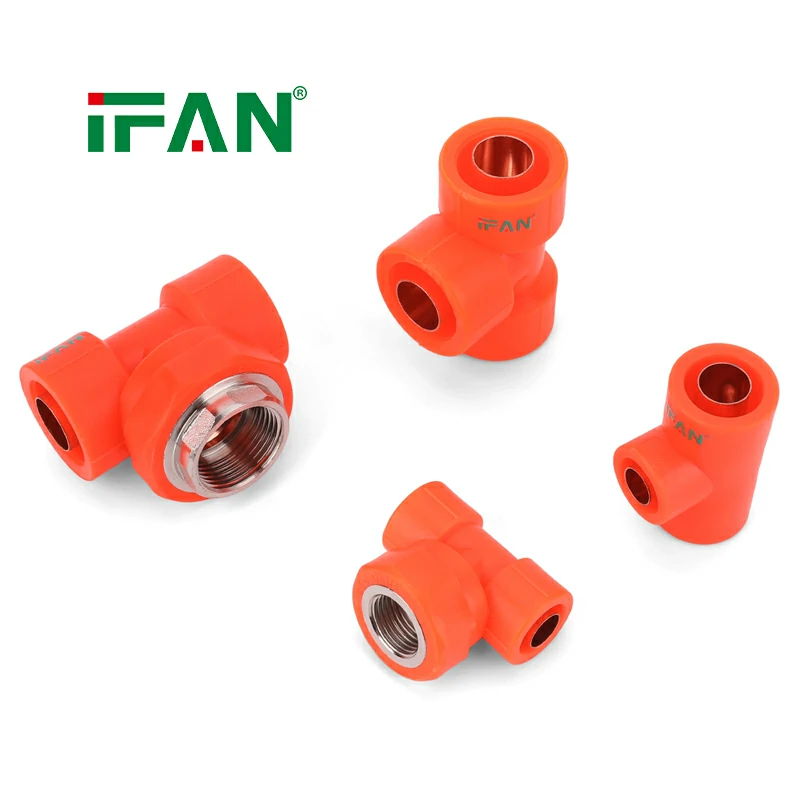
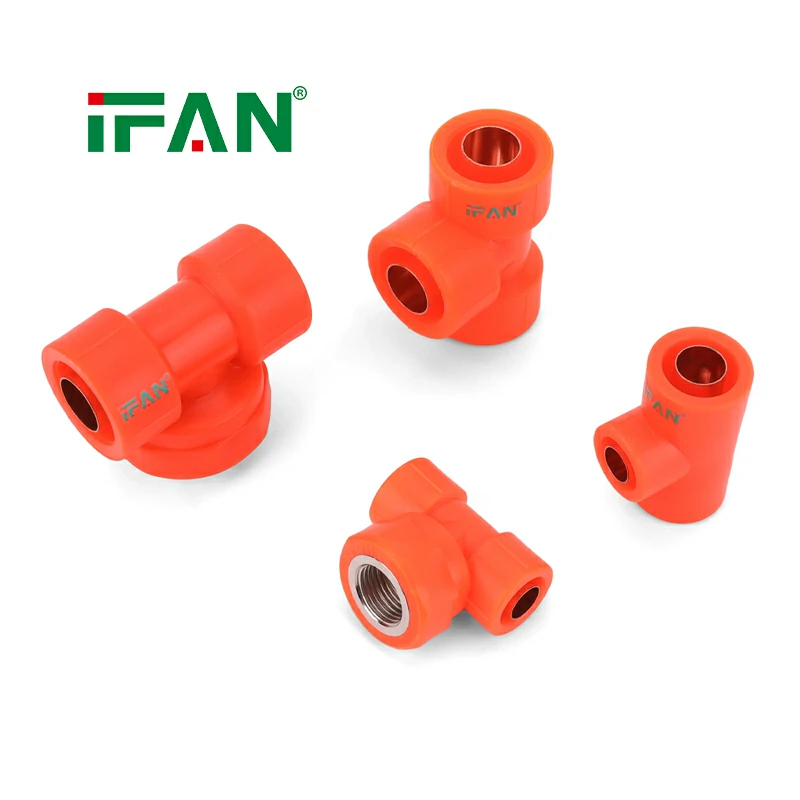
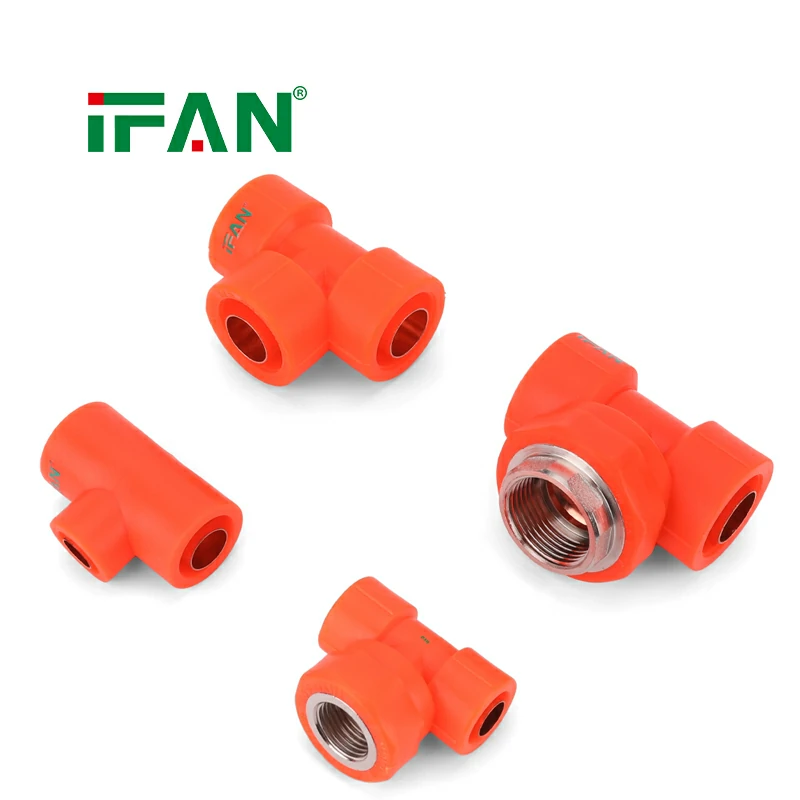
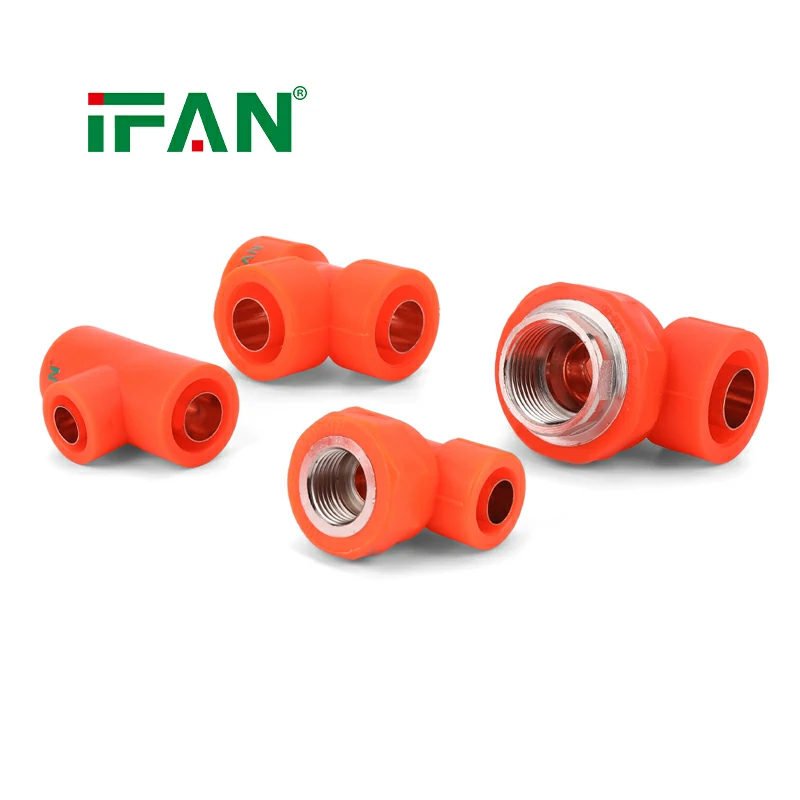
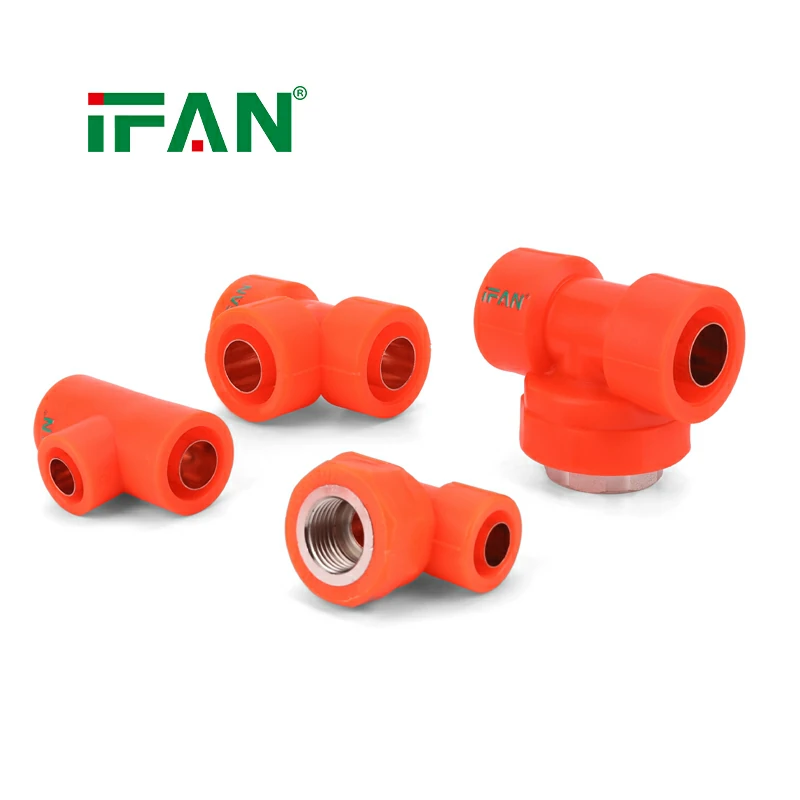
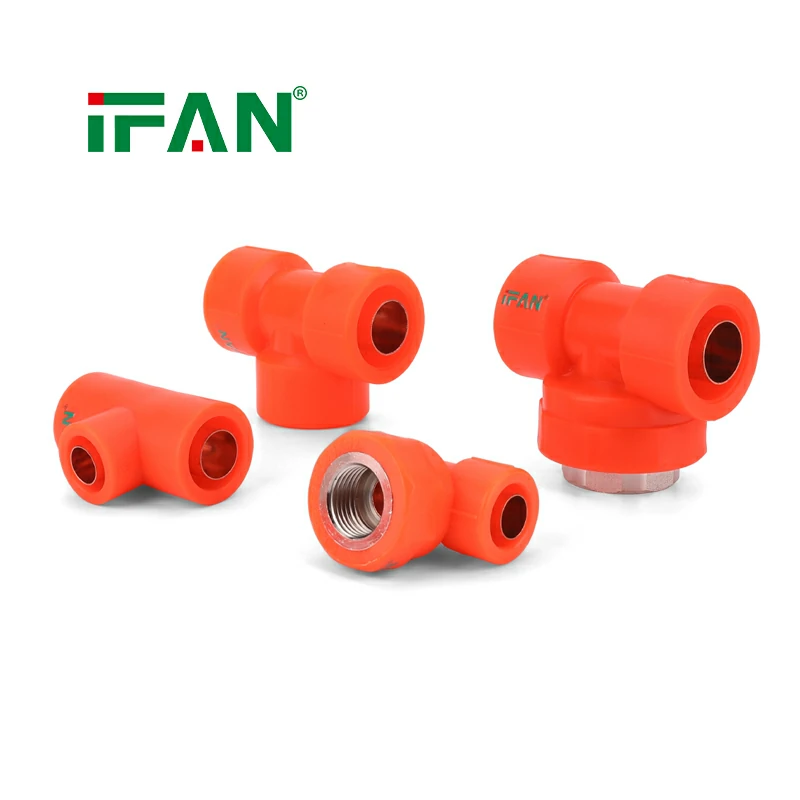
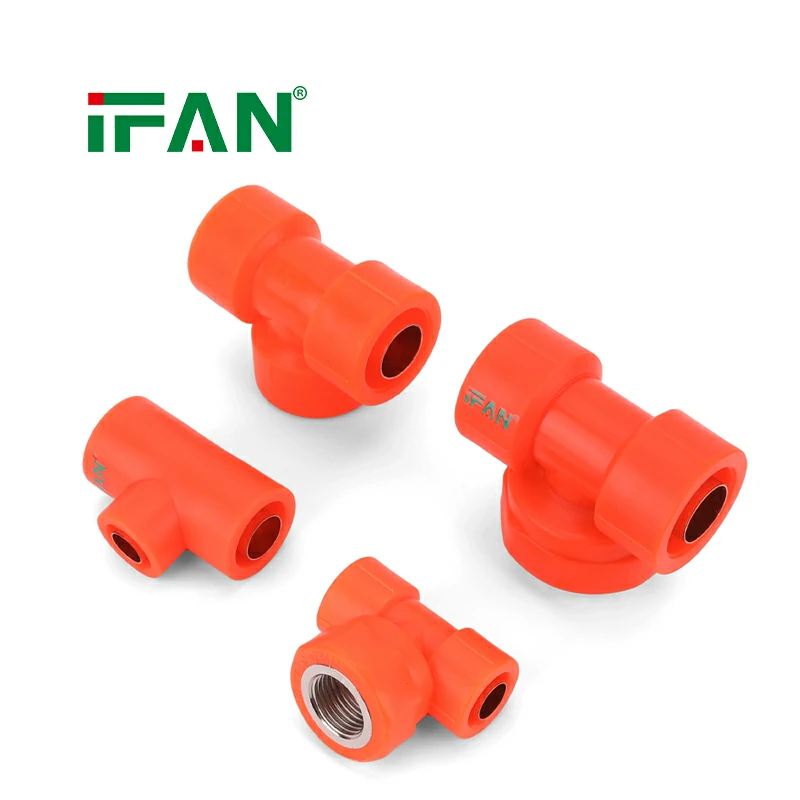
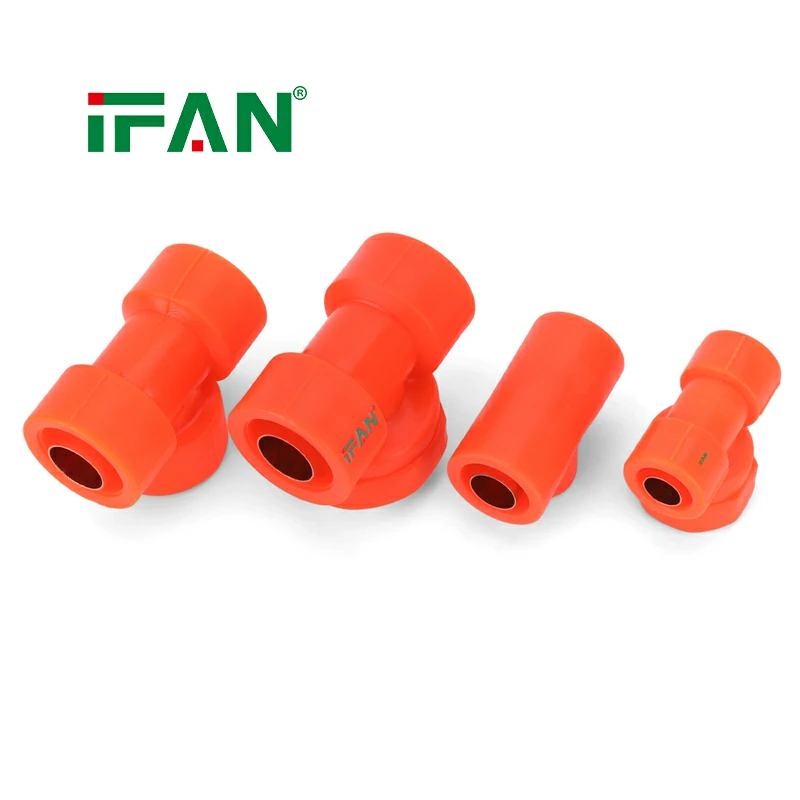
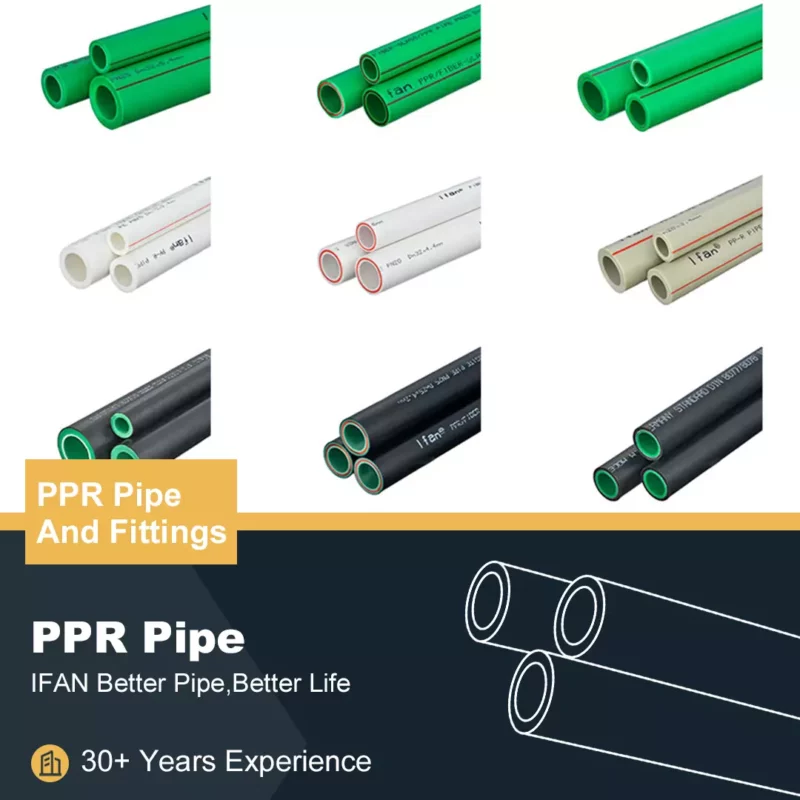
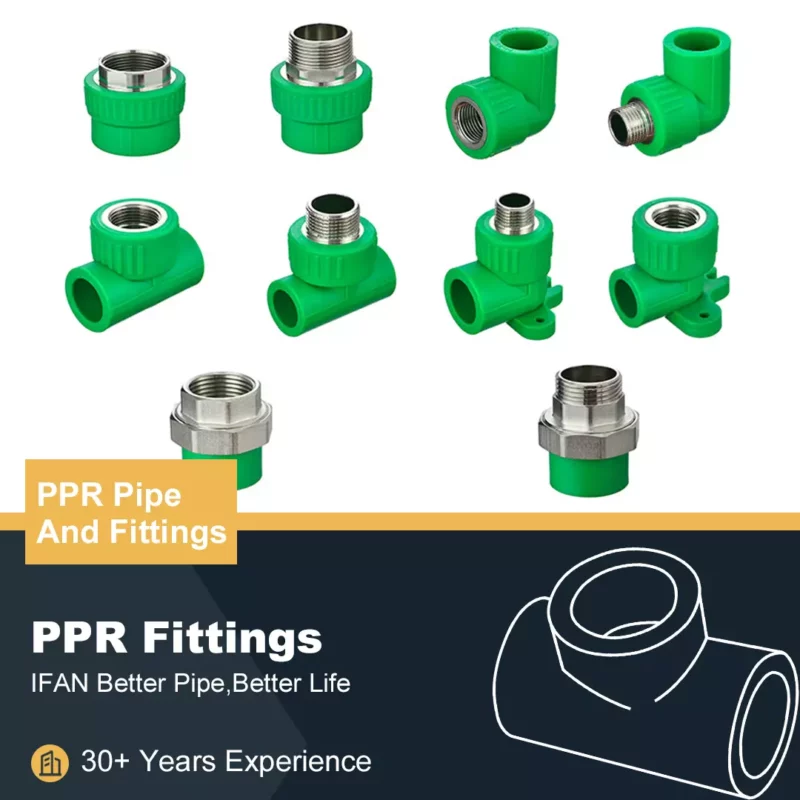
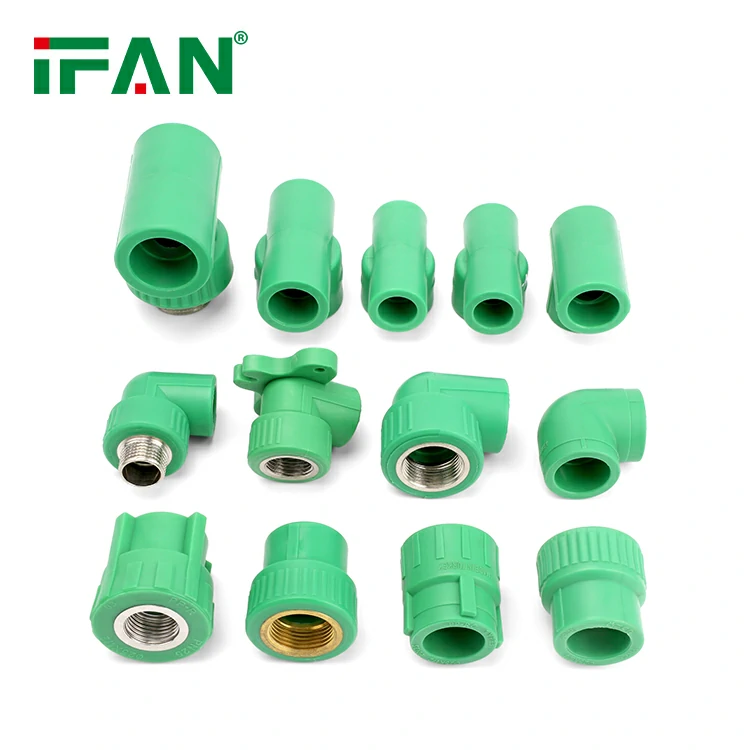
The properties of PPR fittings make them uniquely suited to address the specific challenges of the Nigerian environment. Their commitment to clean water is built into their very design.
- Hygienic and Non-Toxic Material: PPR fittings are manufactured from a food-grade, inert polymer. This means they do not rust or corrode, and, crucially, they do not leach harmful chemicals or heavy metals into the water. This guarantees that the water flowing through the system remains as pure as its source, protecting public health at the point of consumption.
- Smooth Interior, No Scale Buildup: The inner walls of PPR fittings are exceptionally smooth. This prevents the accumulation of scale and mineral deposits, which can harbour bacteria like E. coli and Legionella. By resisting biofilm formation, PPR fittings maintain water quality and prevent a common source of contamination in plumbing systems.
- Leak-Proof, Monolithic Joints: The primary method for joining PPR fittings to pipes is thermal fusion. This process melts the pipe and fitting together, creating a seamless, monolithic joint that is stronger than the pipe itself. This eliminates the risk of leaks at connection points, preventing contaminated groundwater from seeping into the supply and ensuring that clean water is not lost through faulty joints.
The Role of PPR Fittings in Sustainable Sanitation
Beyond clean water delivery, effective sanitation is paramount. PPR fittings play a vital role in modern, reliable sanitation systems.
- Durability for Sewage and Wastewater Systems: High-quality PPR fittings are highly resistant to chemical corrosion from soils and wastewater. This makes them ideal for soil and waste systems within buildings, ensuring that sanitation infrastructure is durable and long-lasting.
- reducing the risk of leaks and environmental contamination.
- Long-Term System Integrity: With a proven service life of over 50 year. plumbing systems built with PPR fittings represent a sustainable investment.
- They eliminate the recurring costs and disruptions associated with repairing or replacing corroded metal pipes.
- allowing municipalities and property owners to allocate resources to other critical areas.
Economic and Practical Benefits for Nigeria
The commitment to PPR fittings is not just a technical choice; it’s an economically sound strategy for national development.
- Reduction in Water Loss: Nigeria loses a significant portion of its treated water to leaky pipes. The leak-proof nature of fused PPR fitting systems directly conserves water. making water supply projects more efficient and expanding their reach.
- Cost-Effectiveness: While the initial material cost may be comparable or slightly higher. the total lifecycle cost of a PPR fittings system is lower. The speed of installation reduces labor costs, and the near-zero maintenance requirement eliminates future repair expenses.
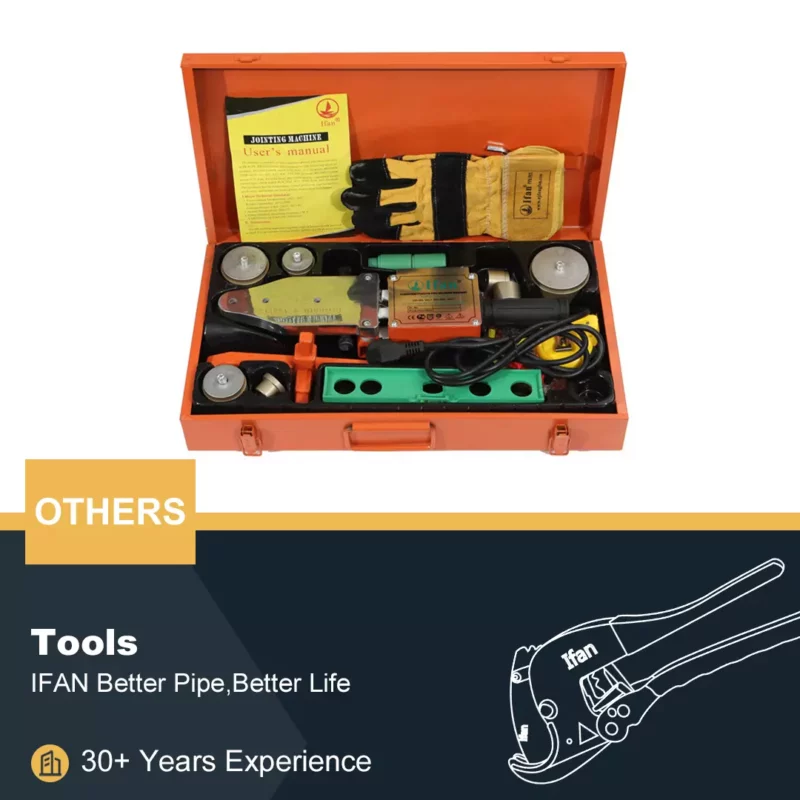
- Supporting Local Skills and Economy: The installation of PPR fittings requires specialized welding tools and training.
- This creates opportunities for upskilling local plumbers and technicians, fostering a skilled workforce.
Case Studies and Future Outlook
Across Nigeria, from urban housing projects in Lagos and Abuja to rural water schemes supported by NGOs and government initiatives. PPR fittings are increasingly being specified as the standard. Their reliability is proving crucial in ensuring that new infrastructure projects deliver on their promises long after their inauguration.
The future of water and sanitation in Nigeria depends on building resilient systems. As the country works towards achieving the Sustainable Development Goals (SDGs) for clean water and sanitation.
the role of reliable materials cannot be overstated. PPR fittings provide a foundational technology upon which a healthier. more sustainable future can be built.
Conclusion: A Clear Path Forward with PPR Fittings
The commitment to improving water and sanitation in Nigeria is a complex, multi-faceted endeavor. It requires political will, community engagement, and significant investment. Crucially, it also requires the right tools and materials. PPR fittings represent a proven, reliable, and sustainable choice that directly contributes to the goal of delivering clean.
safe water and effective sanitation to every citizen. By specifying and installing high-quality PPR fittings, engineers, contractors.
and government agencies are making a tangible commitment to the health of the nation.
If you have read this article and have any questions, please feel free to contact IFAN. Below is our contact information:
Whatsapp:+86 13373827623
Email:[email protected]