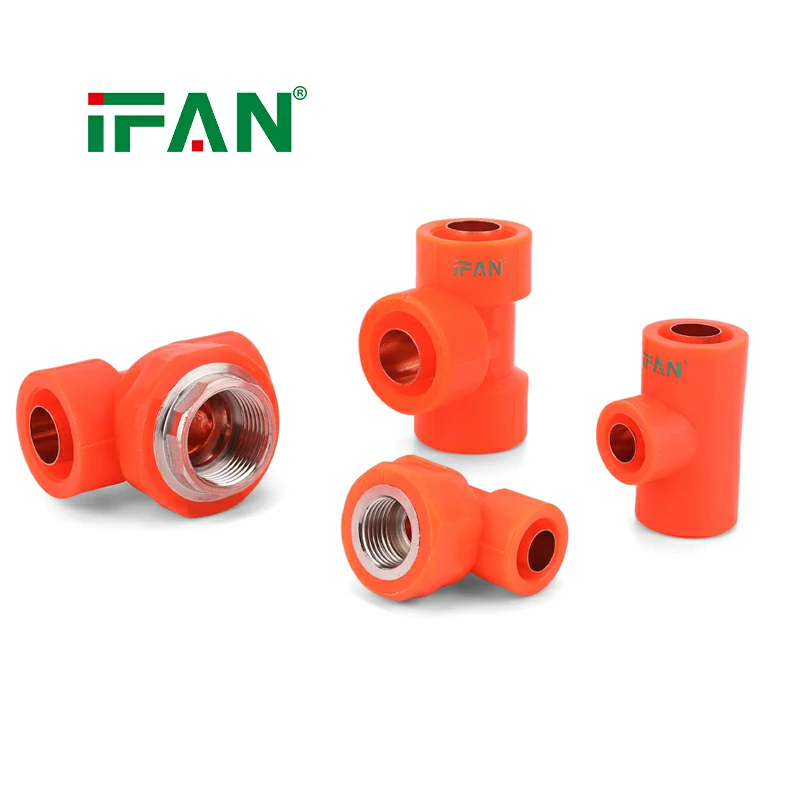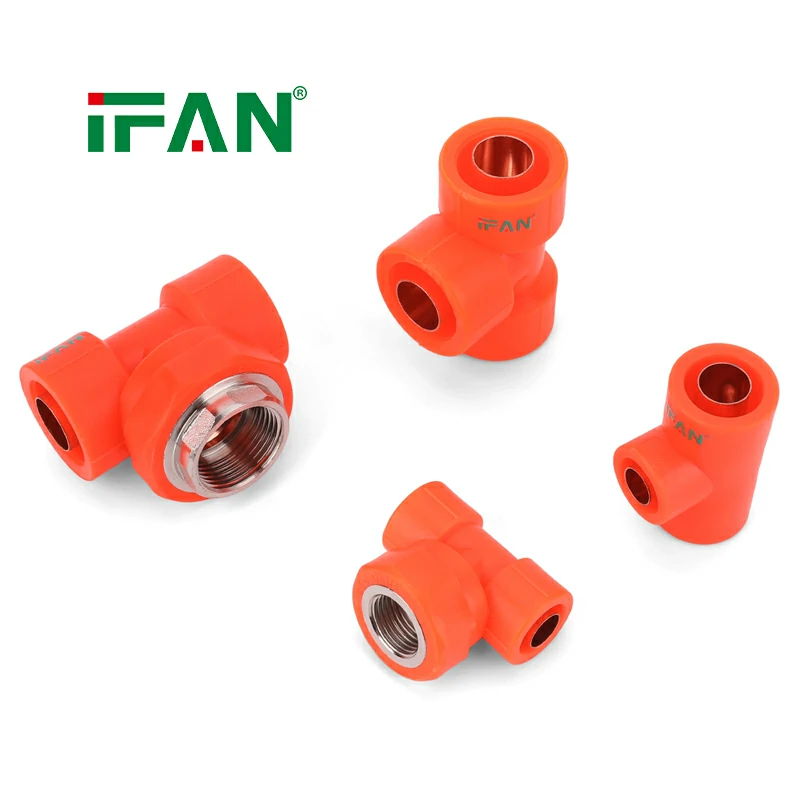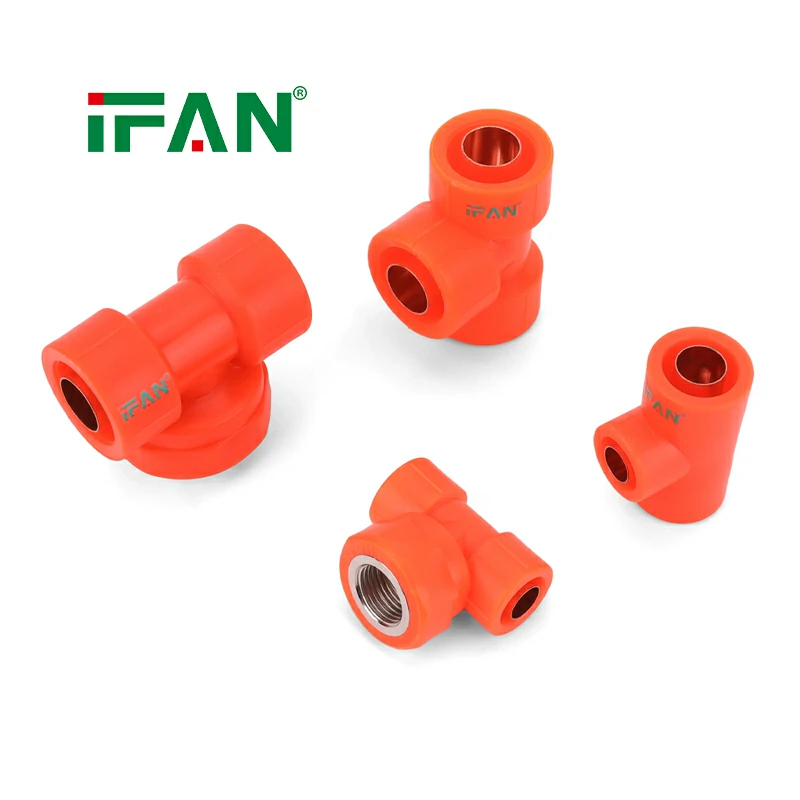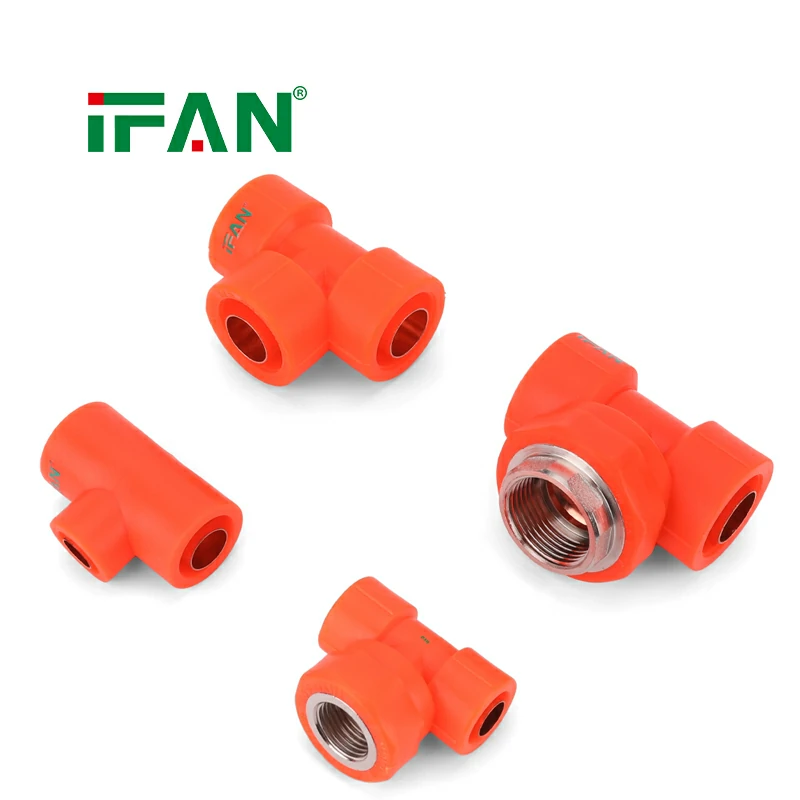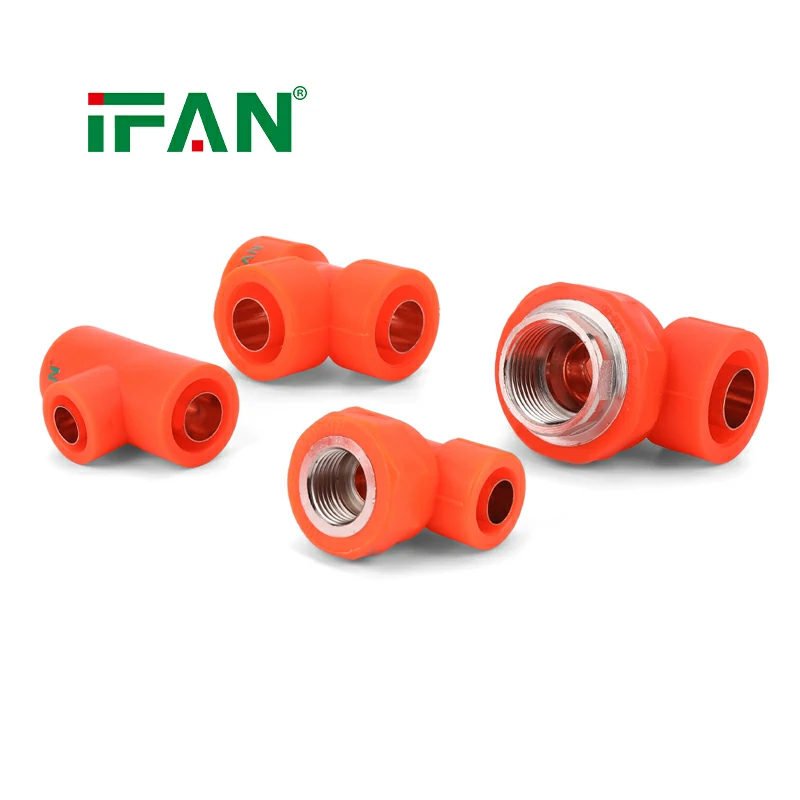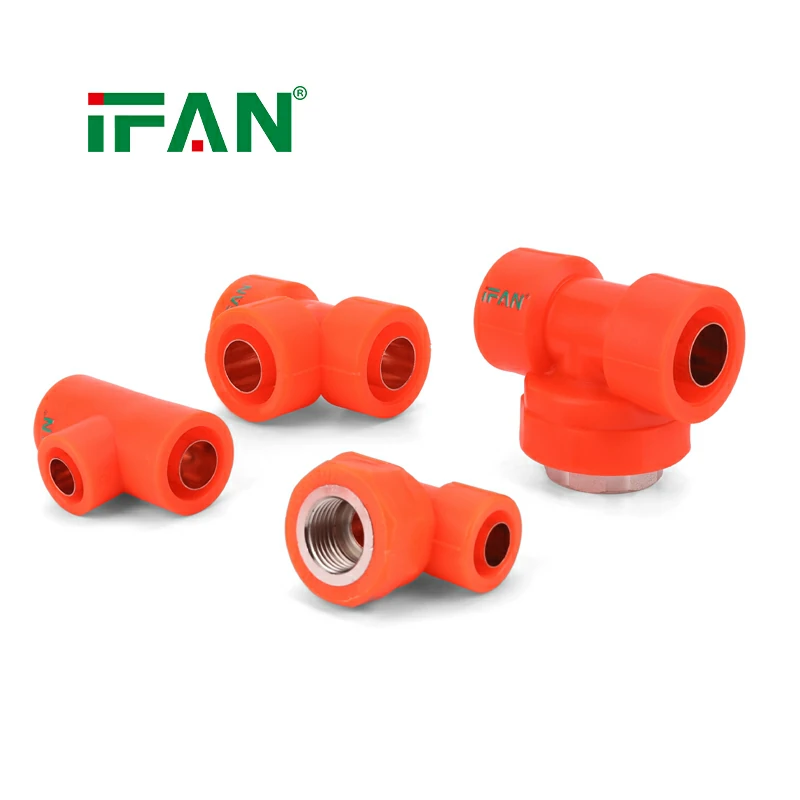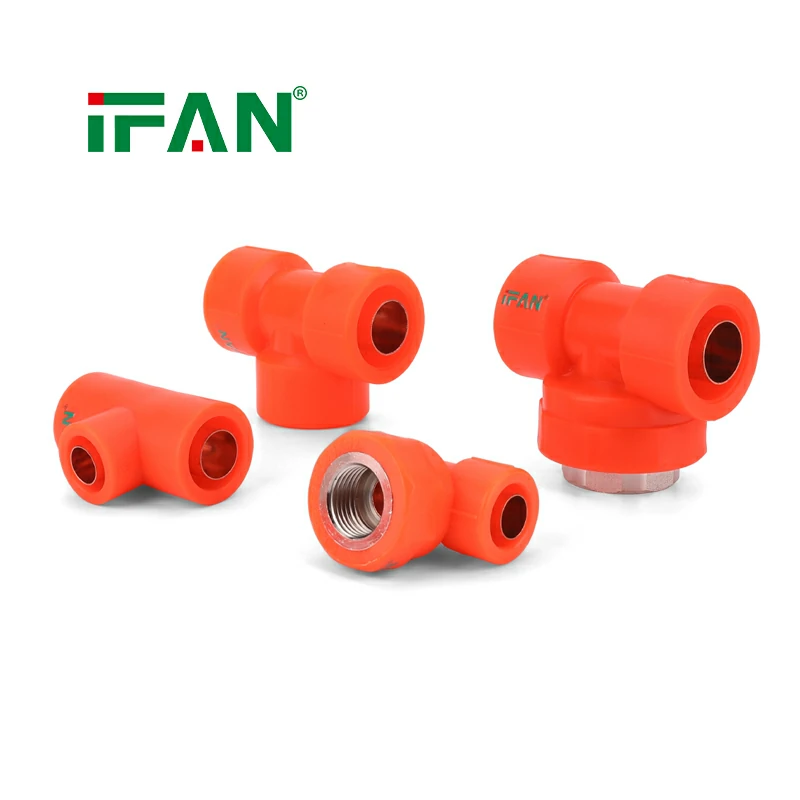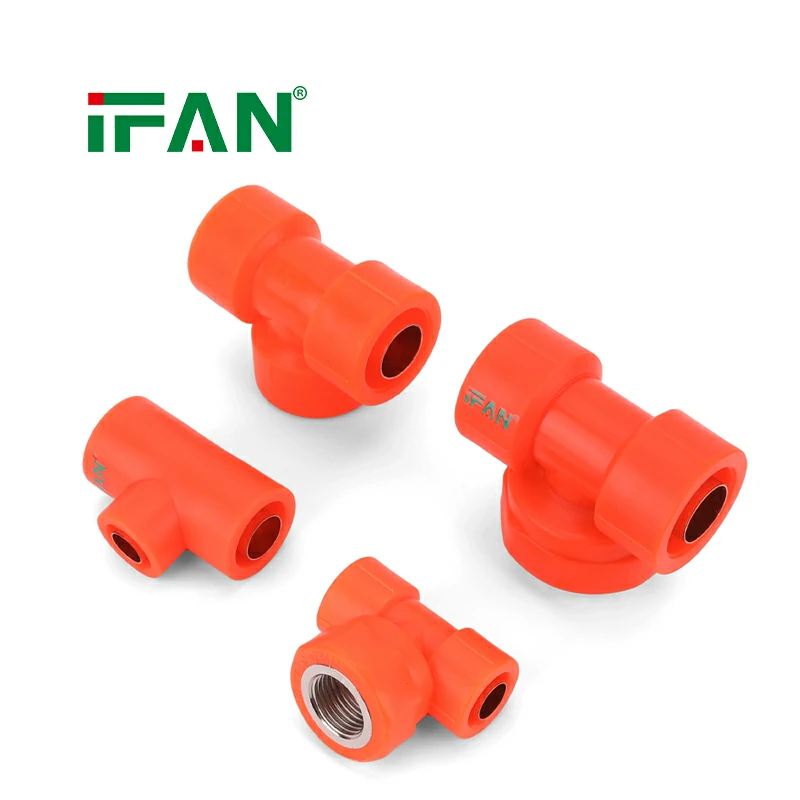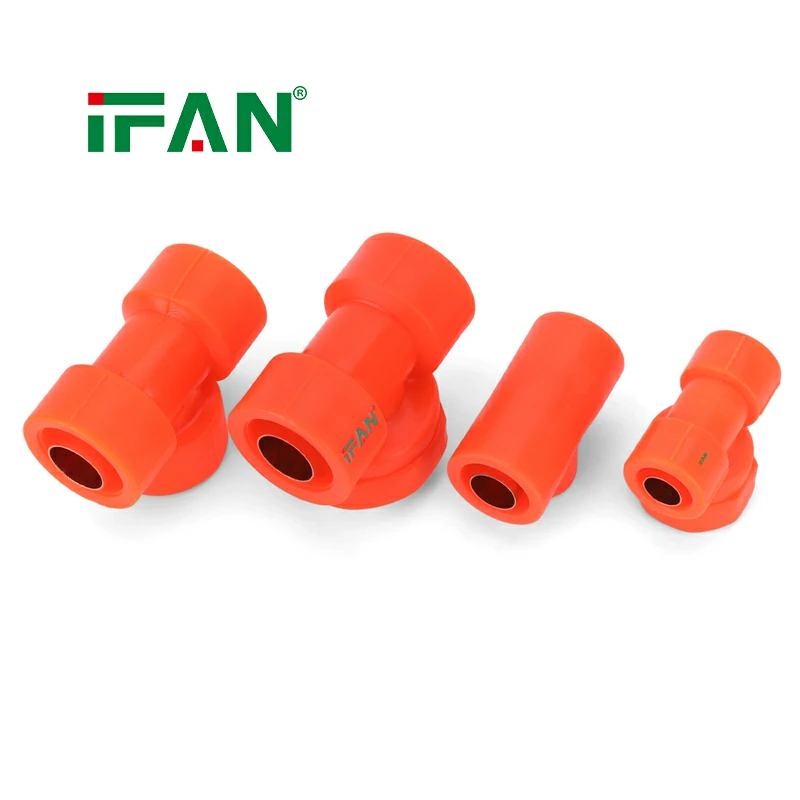
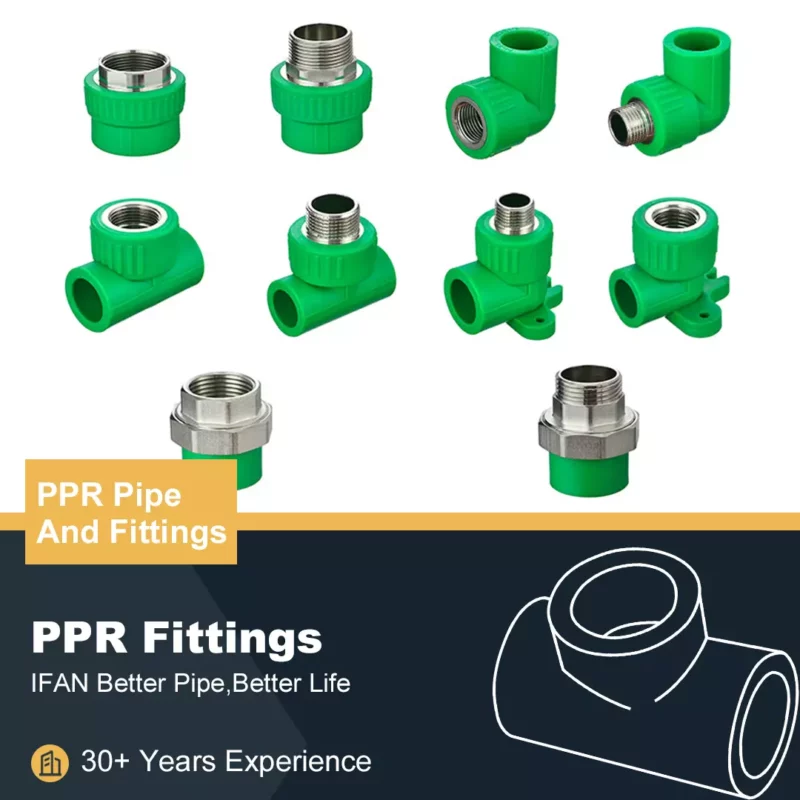
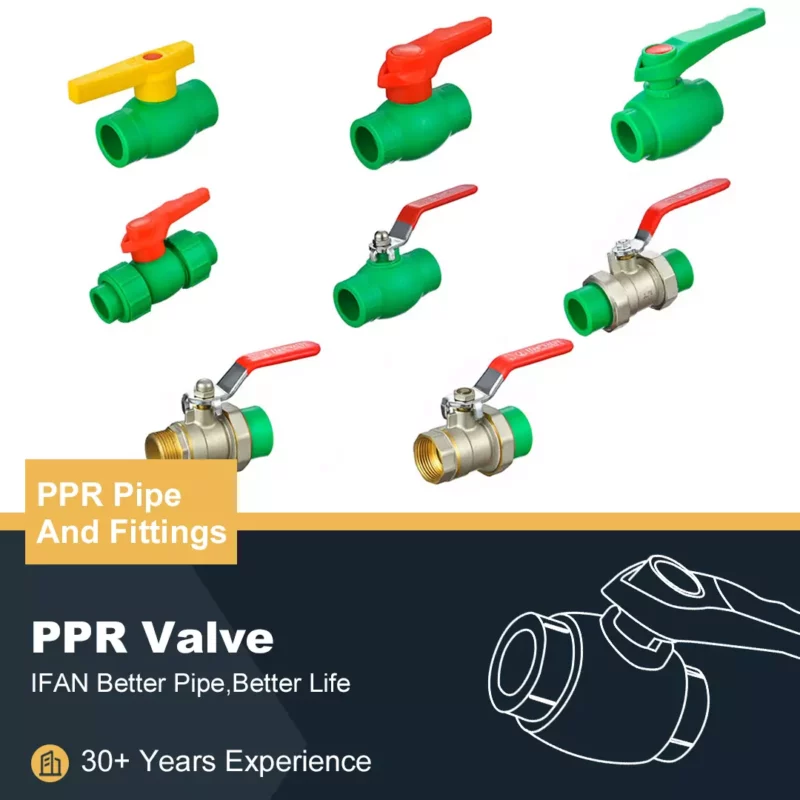
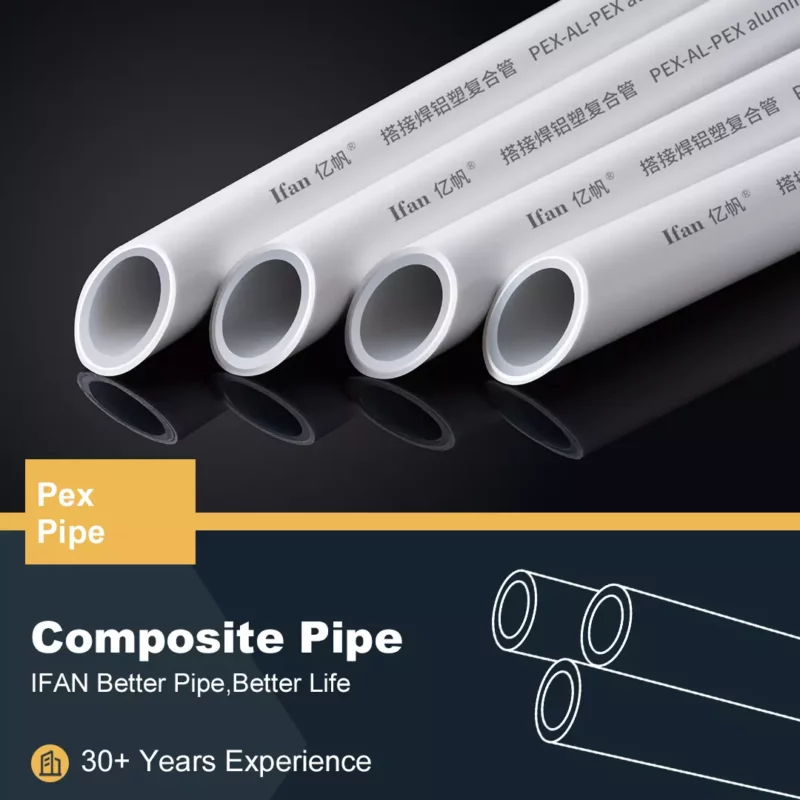
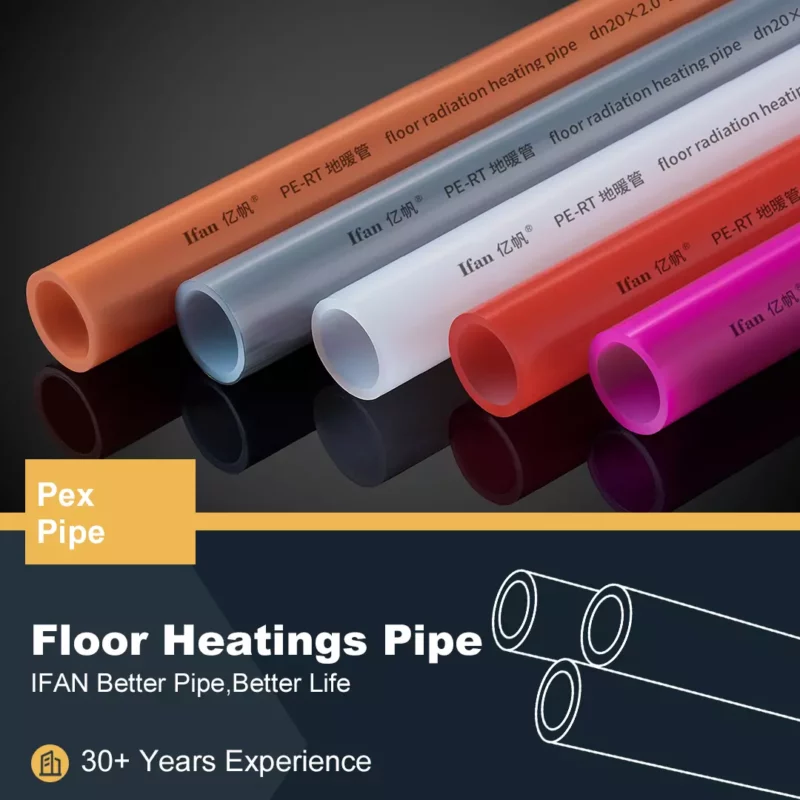

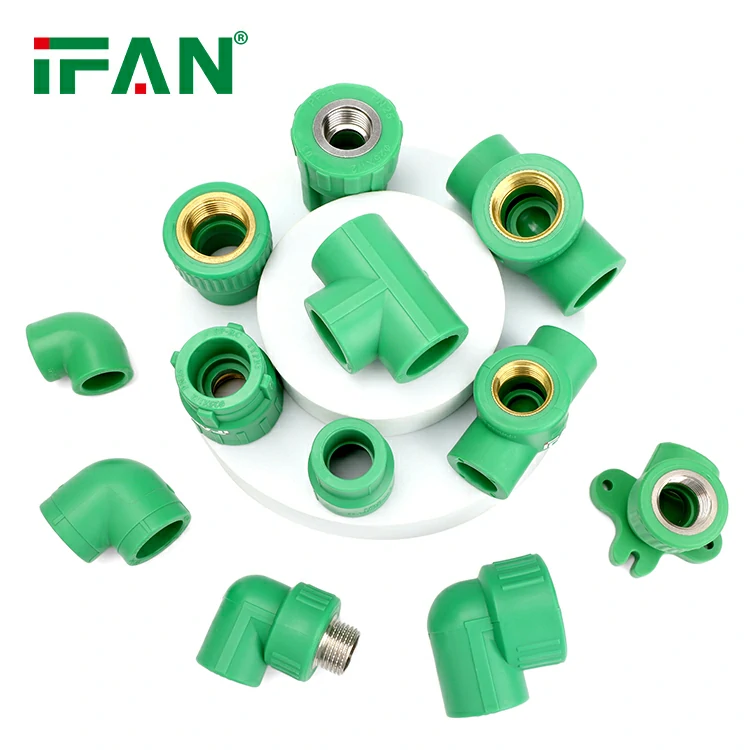
In a decisive move to address one of the most pressing challenges in urban infrastructure, a national Ministry of Water Resources has officially endorsed and welcomed the adoption of advanced PPR fittings for municipal and residential water systems. This landmark policy shift is centered on a clear and critical objective: drastically reducing non-revenue water (NRW)—the water that is produced but lost before it reaches the consumer. By championing Polypropylene Random Copolymer (PPR) piping technology, the ministry is signaling a transition from aging, failure-prone systems to a modern, durable, and leak-resistant solution for the 21st century.
The Silent Crisis: Understanding Water Loss
Before delving into the solution, it’s crucial to understand the scale of the problem. Water loss is a global scourge, with some cities losing 30-50% of their treated water to leaks, breaks, and inefficiencies within the distribution network. This lost water represents a massive waste of financial resources, energy used for treatment and pumping, and the precious resource itself. The primary culprits are often outdated metallic pipe networks—iron, steel, and copper—that are susceptible to corrosion, scaling, and joint failure over time.
Every pinhole leak in a galvanized iron pipe or every corroded joint in a threaded system represents not just water dripping away, but also a potential point of contamination. For a ministry tasked with ensuring water security, public health, and fiscal responsibility, tackling this issue is paramount. The search for a better system has led directly to the inherent properties of PPR fittings and their integrated piping systems.
The Science of a Leak-Proof System: Why PPR Fittings are the Answer
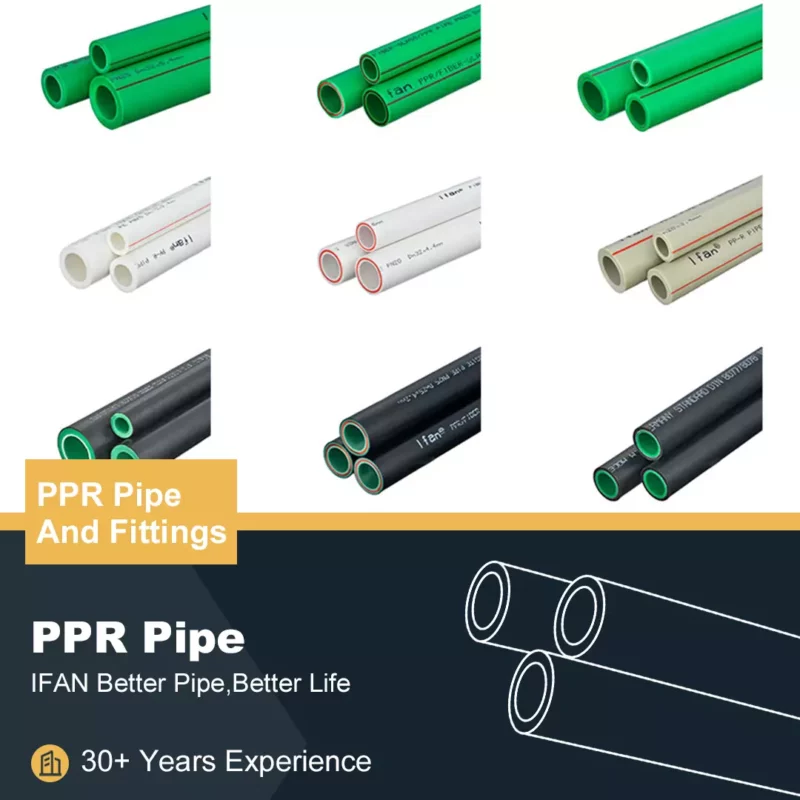
The ministry’s endorsement is rooted in the fundamental engineering and material science behind PPR technology. Unlike traditional systems that rely on mechanical force (threading) or chemical bonds (solvent cement) to create joints, the PPR fittings system is based on thermal fusion.
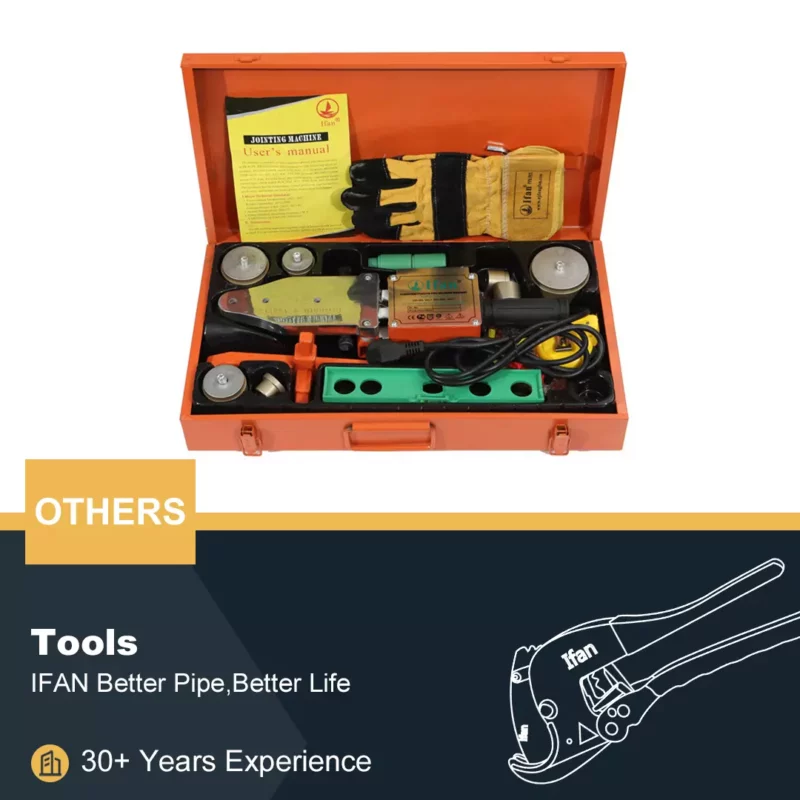
- Homogeneous Joint Integrity: The installation process involves heating both the PPR fittings socket and the pipe end simultaneously with a specialized welding tool. When the molten components are joined, the polypropylene molecules interdiffuse and create a seamless, monolithic, and homogeneous joint. This fusion joint is, in effect, as strong as—or even stronger than—the pipe itself. This eliminates the joint as a potential failure point, which is where the vast majority of leaks in traditional systems occur.
- Immunity to Corrosion and Scaling: The number one enemy of metallic pipes is corrosion. PPR fittings and pipes are chemically inert. They do not rust, oxidize, or undergo electrolytic corrosion. Furthermore, the smooth inner surface of PPR pipes prevents the build-up of scale and deposits that can constrict water flow over time,
- increasing pumping pressure and stress on the system. This smooth bore is maintained for the entire lifespan of the system, ensuring consistent flow and pressure.
The Ministry’s Multi-Faceted Rationale for Endorsement
The ministry’s welcome for PPR fittings is based on a comprehensive analysis of their long-term benefits,
which align perfectly with public policy goals:
- Direct Reduction in Non-Revenue Water: By eliminating leaks at the joint and resisting failures from corrosion,
- PPR systems directly preserve the water that is treated and pumped. This translates into more water delivered to customers, increased revenue for utilities, and a greater return on infrastructure investment.
- Long-Term Fiscal Responsibility: While the initial investment in a PPR system may be competitive or slightly higher than traditional options, the Total Cost of Ownership (TCO) is significantly lower. The near-elimination of maintenance, repairs,
- and emergency leak-fixing operations results in massive savings for municipal budgets over a system lifespan that exceeds Long-term durability according to standards.
- Public Health and Water Quality:
- The inert nature of PPR ensures that no heavy metals or corrosive by-products leach into the drinking water.
- The seamless interior also prevents the formation of biofilms and bacteria-harboring scales,
- safeguarding water quality from the treatment plant to the consumer’s tap.
- Sustainability and Resource Conservation: Reducing water loss is a cornerstone of sustainable water management.
- By conserving every drop of treated water, the ministry reduces the energy footprint of water treatment and the need for extracting more raw water from the environment. Furthermore, PPR is a recyclable material, contributing to a circular economy.
Implementation and the Path Forward
The ministry’s welcome is more than just a statement; it is expected to be followed by concrete actions. This will likely include:
- Updating National Plumbing Codes: Revising standards to explicitly approve and encourage the use of heat-fused PPR systems for potable water.
- Public Procurement Policies: Prioritizing the specification of PPR fittings and pipes for all new public housing,
- government buildings, and municipal water line upgrade projects.
- Training and Certification Programs:
- Collaborating with industry bodies to establish certified training programs for installers,
- ensuring that the fusion welding process is performed to the highest standards, guaranteeing the system’s integrity.
A Watershed Moment for Water Infrastructure
The ministry’s public welcome of PPR fittings marks a watershed moment. It represents a forward-thinking, data-driven approach to solving the ancient problem of water loss. By moving away from reactive repairs of failing metallic systems and proactively adopting the leak-proof promise of PPR fusion technology, the ministry is not just fixing pipes—it is securing a more sustainable, efficient, and resilient water future for its citizens.
This endorsement serves as a powerful model for governments and water authorities worldwide.
demonstrating that the path to water security is paved with innovative materials and intelligent design.
Meta Description: A national ministry endorses PPR fittings to combat water loss. Discover how this leak-proof piping technology saves water, reduces costs, and ensures a sustainable supply.
Focus Keyphrase: PPR fittings
Slug: ministry-ppr-fittings-reduce-water-loss
Categories: Water Conservation, Public Policy, Plumbing, Infrastructure, Piping Systems
Tags: PPR Fittings, Ministry of Water, Water Loss, Non-Revenue Water, Leak-Proof, Plumbing, Water Infrastructure, Sustainable Water, Corrosion-Resistant, Piping Solutions