

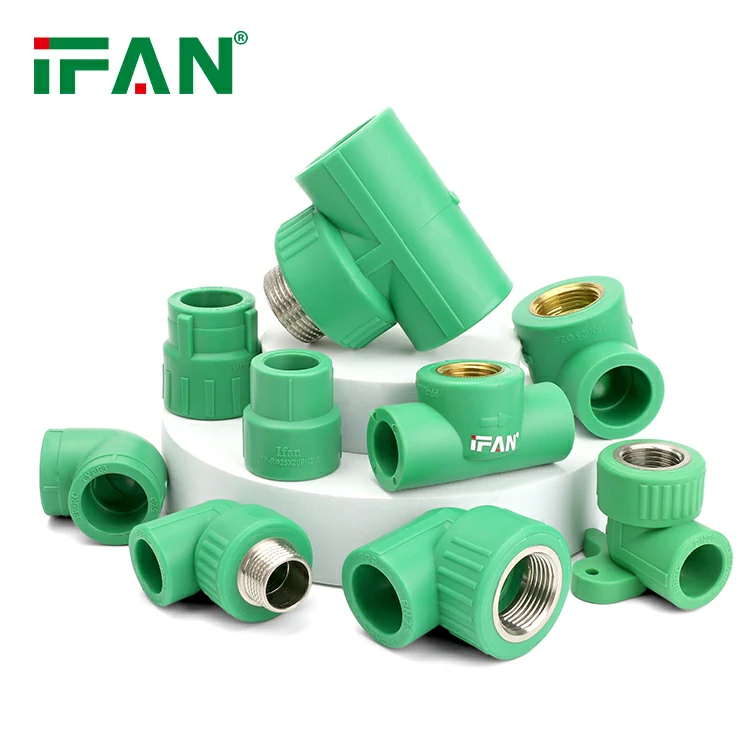
In a significant development that underscores the critical importance of transparency and technical rigor in public procurement, a high court has ordered the Water and Sewerage Corporation (WSC) to re-evaluate its recently awarded tender for PPR fittings. This ruling sends shockwaves through the construction and plumbing sectors, highlighting the pivotal role that material quality and adherence to specifications play in vital public infrastructure projects, particularly those involving potable water systems.
The Case Background: A Disputed Award
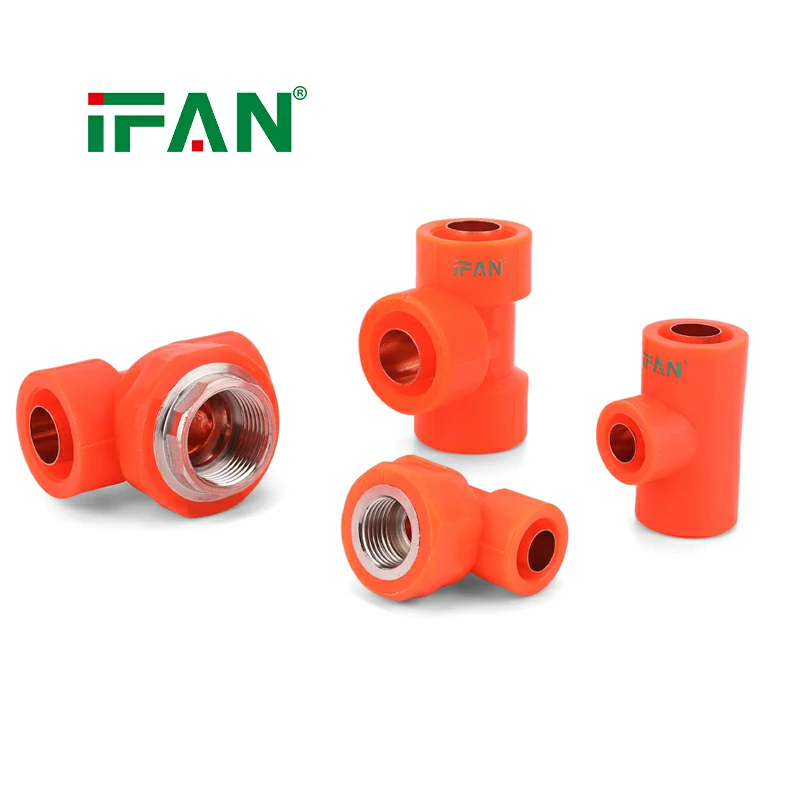
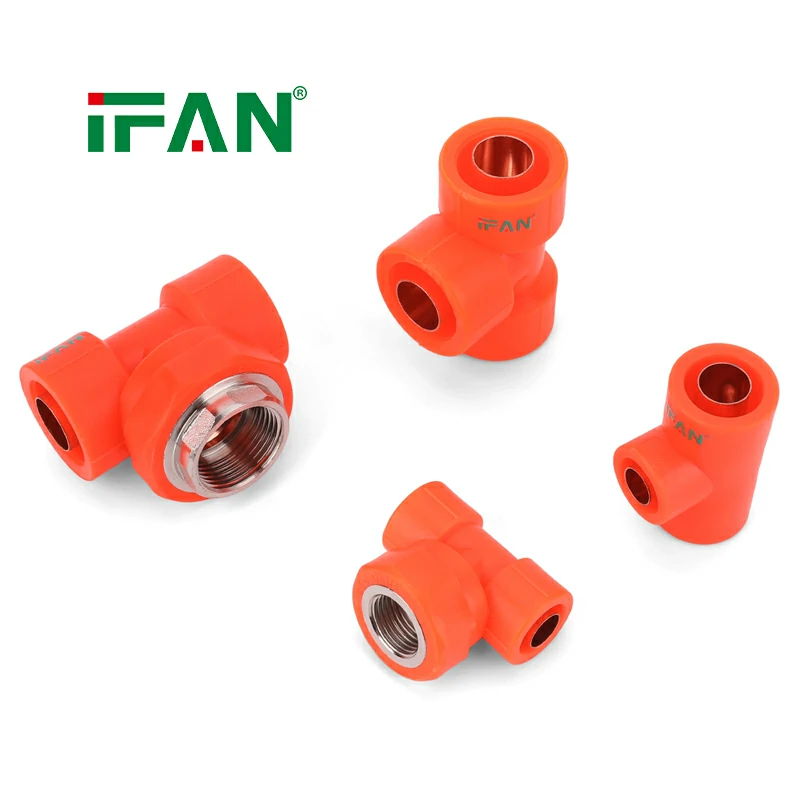
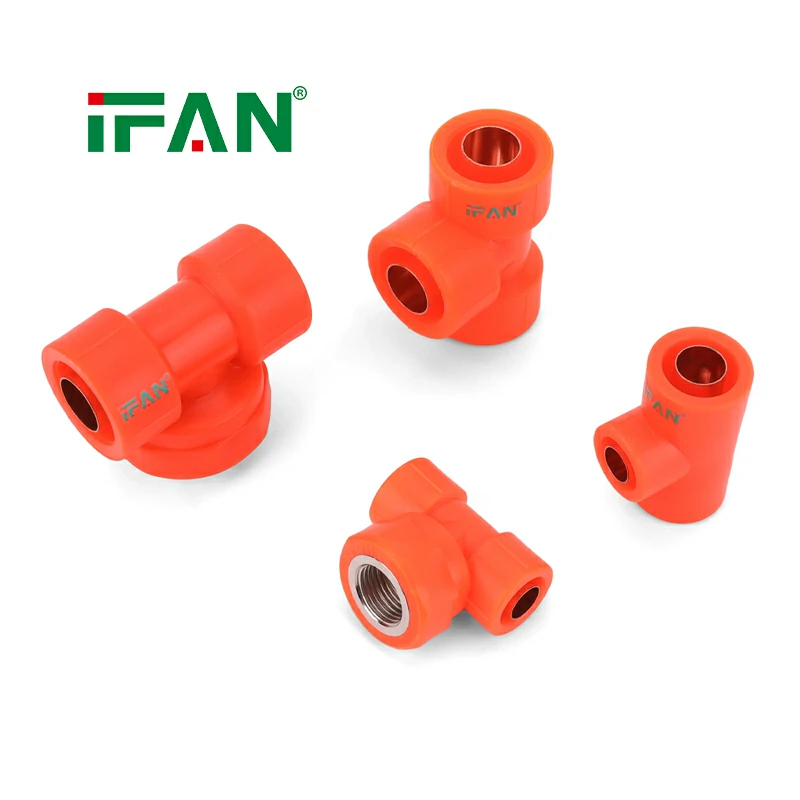
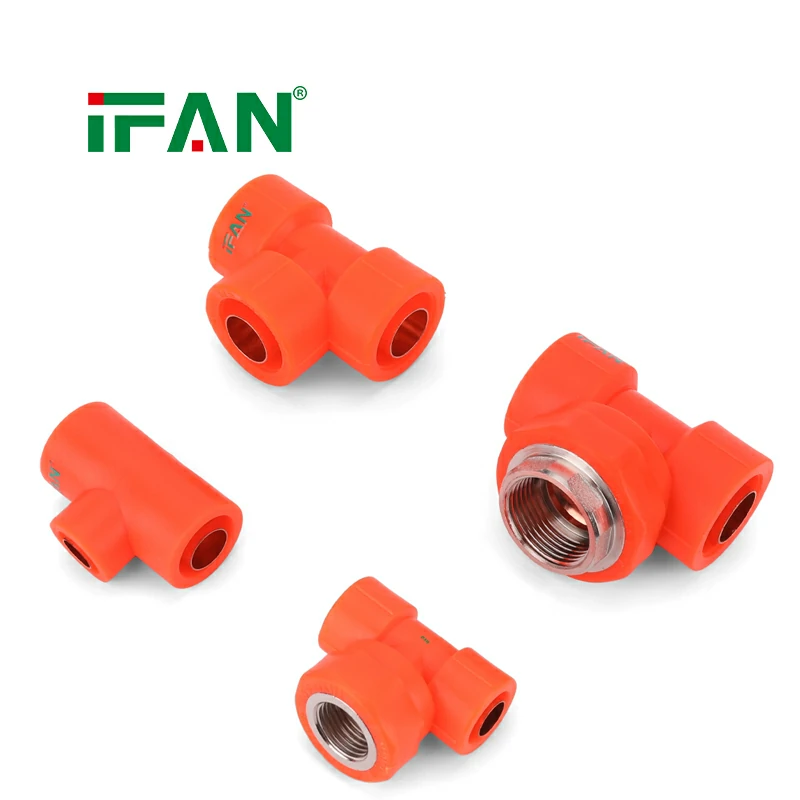
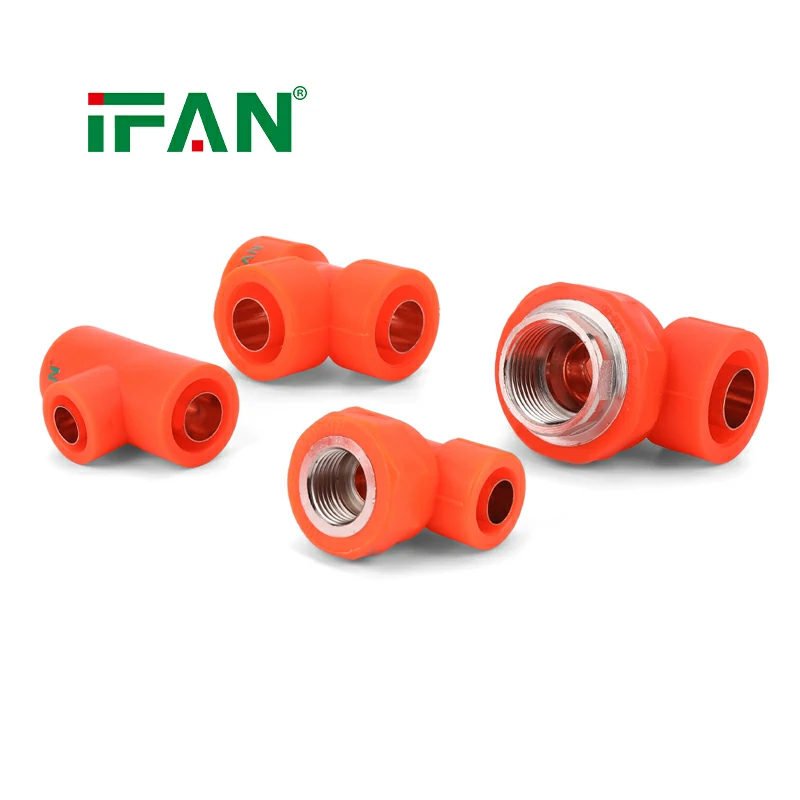
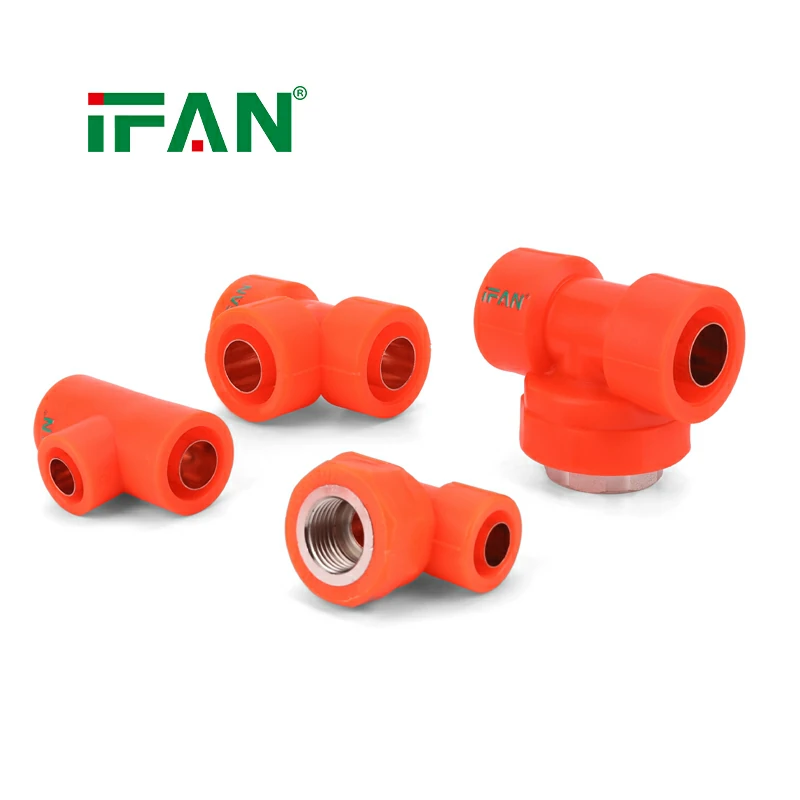
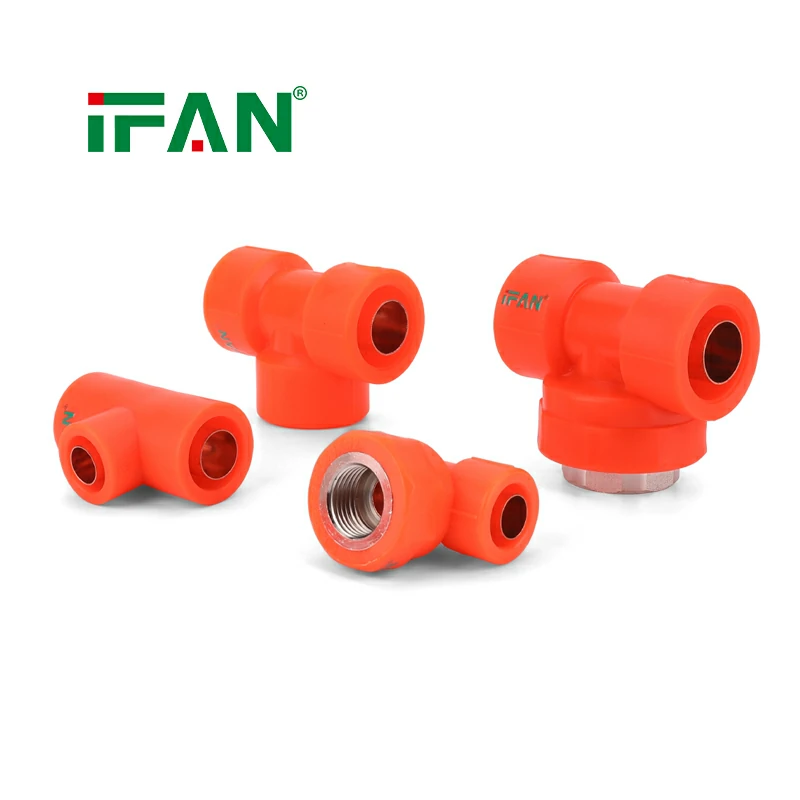
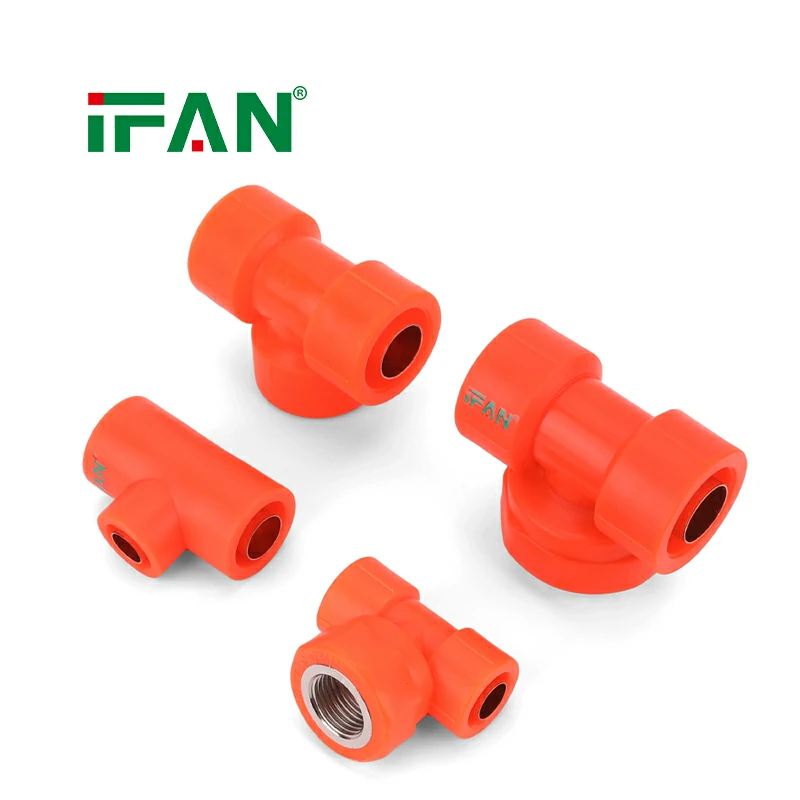
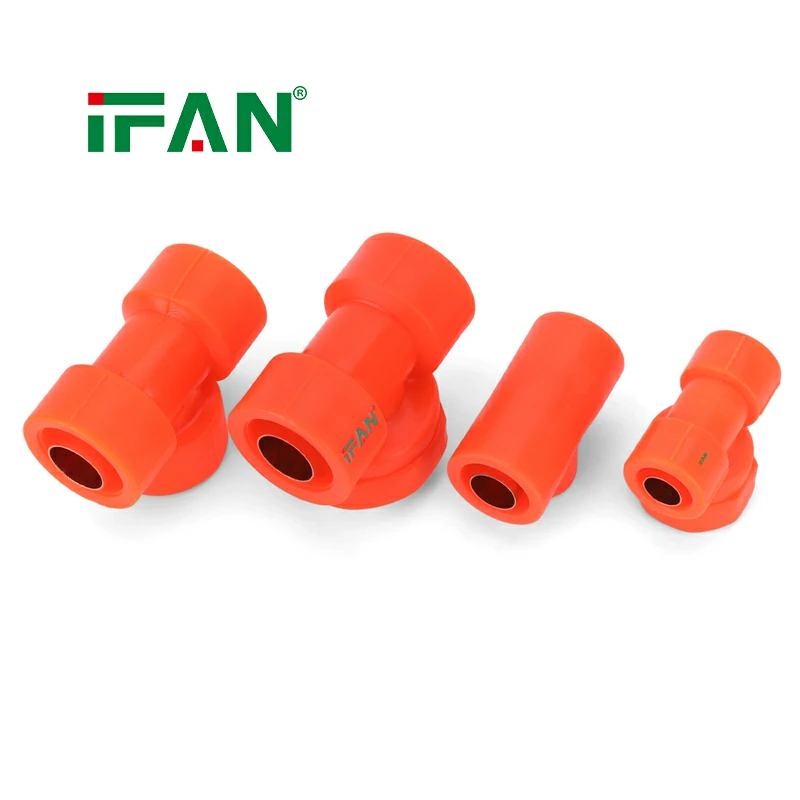
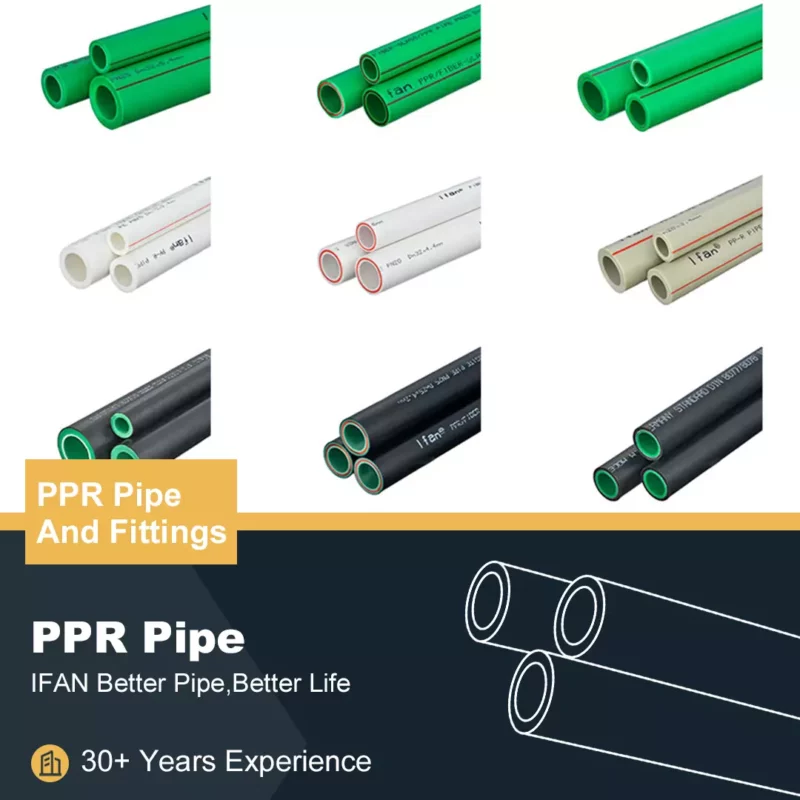
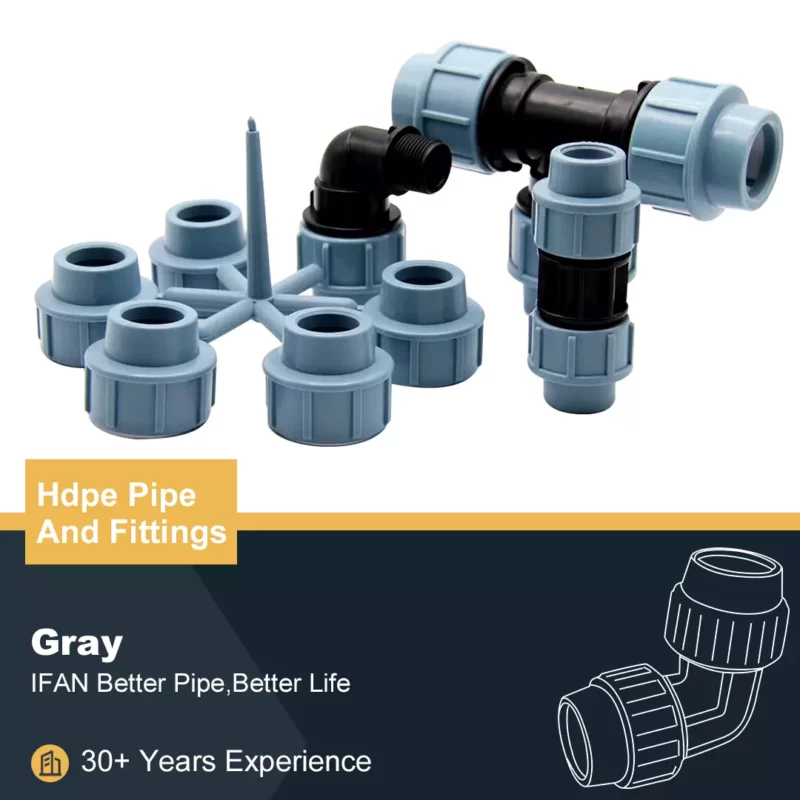
The WSC had initiated a substantial tender for the supply of Polypropylene Random Copolymer (PPR) fittings and pipes, intended for a series of municipal water system upgrades.
These upgrades are a key part of a national strategy to reduce non-revenue water loss—the water lost through leaks in aging distribution networks.
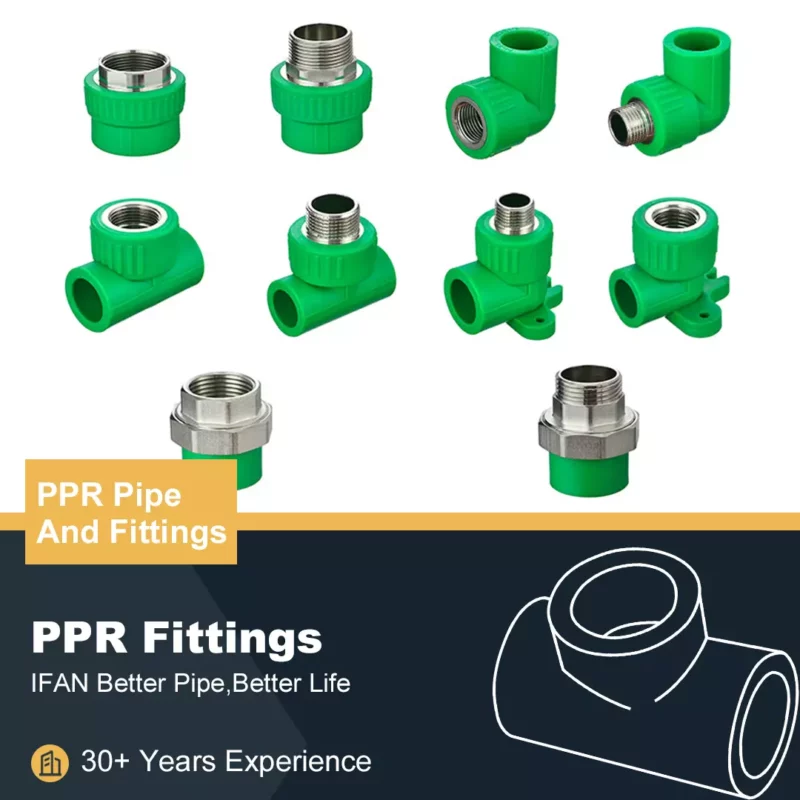
The choice of PPR fittings was itself a forward-looking decision, given the material’s renowned leak-proof characteristics due to its heat-fused, monolithic joint system.
Following the tender process, the contract was awarded to a specific bidder. However, a competing bidder, whose offer was rejected, filed a legal challenge against the award. The plaintiff’s case did not merely allege procedural irregularities; it centered on a core technical argument: that the evaluation committee had failed to properly assess whether the winning bid’s PPR fittings fully complied with the mandatory international standards and technical specifications outlined in the tender documents.
The Core of the Controversy: Not All PPR Fittings Are Created Equal
The court’s decision to intervene rests on a fundamental principle in engineering procurement: compliance with standards is non-negotiable. The tender documents likely referenced strict international benchmarks, such as the German DIN 8077/8078 or the international ISO 15874 standards. These standards govern every aspect of PPR fittings, including:
- Material Composition:
- Mandating the use of specific, high-grade virgin PP-R CT (Type 3) material to ensure long-term pressure-bearing capacity and thermal stability.
- Dimensions and Tolerances:
- Ensuring that every elbow, tee, and coupling has the exact socket depth and diameter to guarantee a perfect fusion weld.
- Performance Under Stress: Requiring the fittings to withstand specific internal pressures at high temperatures for extended periods without failing.
The plaintiff’s argument likely asserted that the evaluation process was flawed because it did not adequately verify test certificates or require sufficient sample validation to prove the winning bid’s products met these critical criteria. Accepting PPR fittings that deviate from these standards, even slightly, could compromise the entire multi-million-dollar water network, leading to:
- System Failure: Inferior PPR fittings may have weak points or imperfect fusion zones, making them susceptible to rupture under pressure.
- especially in hot water applications.
- Premature Aging: Substandard material may degrade faster when exposed to chlorine in drinking water or UV radiation.
- leading to brittle fractures and a drastically reduced lifespan.
- Catastrophic Leaks: A single failed fitting in a pressurized main can cause significant water loss, property damage.
- and service disruption, utterly defeating the project’s goal of water conservation.
The Court’s Rationale and the Order for Re-evaluation
The court, in its ruling, emphasized that the duty of a public utility like the WSC is not merely to select the lowest bidder.
but to secure the “most economically advantageous tender” that delivers long-term value and public safety. The judge found merit in the argument that the technical evaluation phase may have been insufficiently rigorous.
The court has not cancelled the tender outright but has issued a mandamus order compelling the WSC to re-evaluate the bids.
This re-evaluation must be conducted with heightened scrutiny, focusing on:
- Third-Party Verification of Certificates: Requiring independent validation of the quality test certificates submitted by bidders from internationally accredited laboratories.
- Physical Sample Testing: Mandating that samples of the proposed PPR fittings undergo rigorous physical testing in a recognized lab to verify compliance with pressure rating.
- thermal stability, and dimensional standards.
- Assessment of Manufacturing Origin: Scrutinizing the quality control processes of the manufacturing plant where the PPR fittings are produced.
- as facilities without advanced automation and strict protocols are more likely to produce inconsistent quality.
Broader Implications for the PPR Industry and Public Procurement
This landmark ruling has implications far beyond the immediate parties involved.
- A Victory for Quality: For reputable manufacturers of PPR fittings, this decision is a vindication. It creates a more level playing field where quality and compliance are rightfully prioritized over potentially deceptive low pricing.
- A Warning to Public Bodies:
- It serves as a stern reminder to all public procurement entities that the courts will hold them accountable for conducting thorough, transparent, and technically sound evaluations, especially for critical infrastructure components.
- Empowerment for Genuine Bidders:
- It empowers contractors and suppliers who invest in high-quality products and rigorous certification to challenge awards that appear to favor substandard alternatives.
Conclusion: Integrity in Piping is Integrity in Public Service
The court’s order to re-evaluate the WSC tender for PPR fittings is more than a legal technicality; it is a powerful affirmation that the integrity of our public water systems begins with the integrity of the components we install.
By insisting on a re-evaluation grounded in technical evidence and strict standard compliance, the court is ultimately protecting the public interest.
It ensures that the choice of PPR fittings will deliver on their promise: a durable, leak-proof,.
and sustainable water network that serves citizens effectively for decades to come.
This case will undoubtedly become a benchmark for future infrastructure tenders
reinforcing that when it comes to public water, quality cannot be compromised.
Meta Description: A court mandates a re-evaluation of a WSC tender for PPR fittings,
highlighting critical issues of quality and compliance in public water infrastructure projects.
Focus Keyphrase: PPR fittings
Slug: court-orders-reevaluation-wsc-ppr-fittings-tender
Categories: Legal, Public Policy, Water Infrastructure, Plumbing, Piping Systems
Tags: PPR Fittings, Court Order, Tender, WSC, Water Infrastructure, Public Procurement, Plumbing Standards, Water Loss, Legal Challenge, ISO 15874
If you have read this article and have any questions, please feel free to contact IFAN. Below is our contact information:
Whatsapp:+86 13373827623
Email:[email protected]