


Introduction and Basic Function
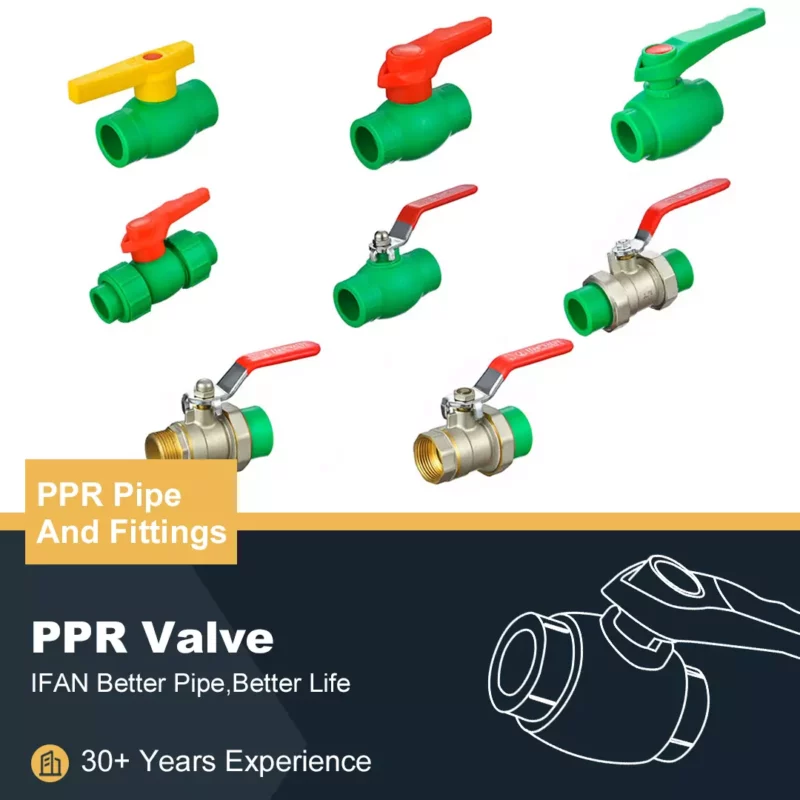
A brass ball valve controls liquid or gas flow. It uses a hollow, perforated ball. You turn the handle to rotate this ball. This aligns the hole with the pipe for flow. Turning it 90 degrees blocks the flow completely. This simple mechanism offers reliable on/off control.
Superior Material Composition
Manufacturers use dezincification-resistant brass (DZR). This special brass alloy resists corrosion excellently. It handles both hot and cold water perfectly. The material also withstands high system pressures. This durability makes it a long-lasting solution.
Key Internal Components
The valve interior houses a precision-machined ball. This ball typically has a chrome-plated surface. This plating reduces friction and enhances durability. Stem seals made from PTFE ensure a leak-proof seal. These seals maintain integrity under temperature fluctuations.
Various End Connection Types
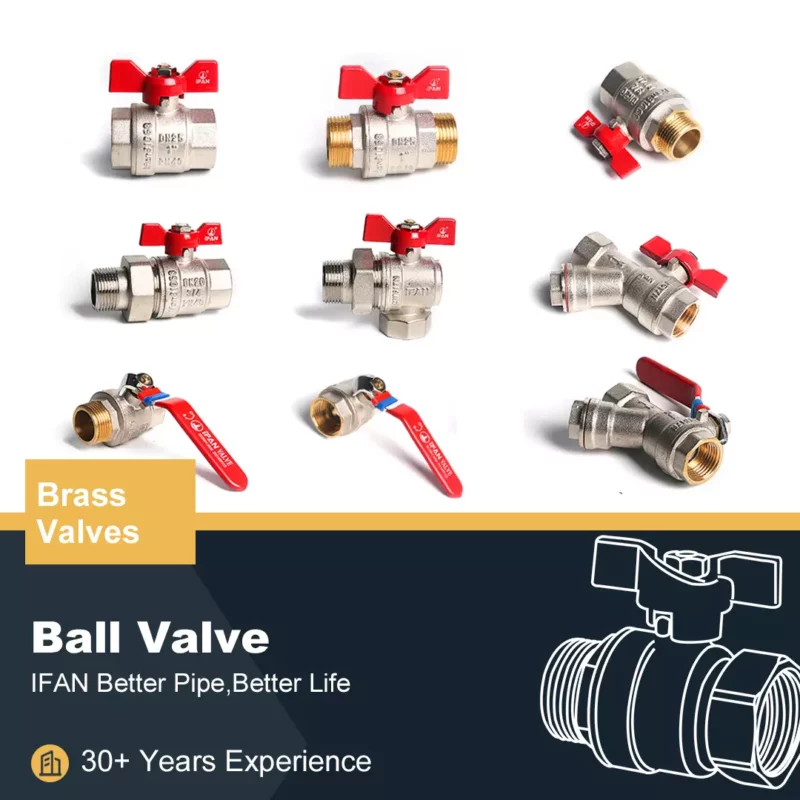
You can find valves with female threaded ends. These allow for screw-type installation onto pipes. Other types have male threaded connections. Some valves feature a combination of both ends. Soldered end versions exist for permanent copper piping.
Handle and Actuation Options
Most models use a simple lever handle. This lever provides clear visual position indication. Some applications use a locking handle for safety. You can also get valves with a handwheel for fine control. Automated actuators are available for remote operation.
Pressure and Temperature Ratings
Standard brass ball valves handle pressures up to 600 PSI. Their temperature range typically spans from -20°F to 350°F. This makes them suitable for various heating systems. Always check the manufacturer’s exact specifications first.
Common Applications in Plumbing
These valves are perfect for main water shut-offs. They work well under sinks and behind toilets. You will find them in water heater supply lines. They also serve effectively in irrigation system controls. Their versatility is a major advantage.
Installation Tips and Best Practices
Always support the pipe during valve installation. This prevents stress on the valve body. Use appropriate sealant tape on threaded connections. Ensure the valve is fully open before soldering. This protects the internal seals from heat damage.
Maintenance and Longevity
Brass ball valves require minimal maintenance. Occasionally exercise the valve to prevent seizing. This means turning it from open to closed. Inspect the external surfaces for any corrosion. Replace the entire valve if any leaks develop.
Conclusion
Brass ball valves provide exceptional flow control. Their robust construction ensures decades of service. The simple design allows for easy operation. They remain a fundamental component in modern plumbing systems worldwide.
If you have read this article and have any questions, please feel free to contact IFAN. Below is our contact information:
Whatsapp:+86 13373827623
Email:[email protected]