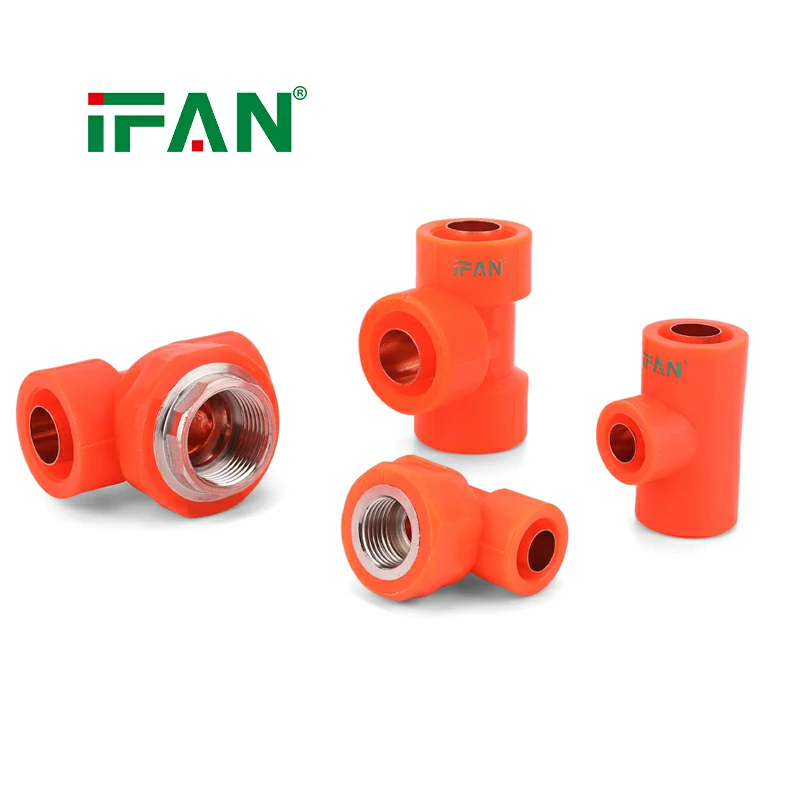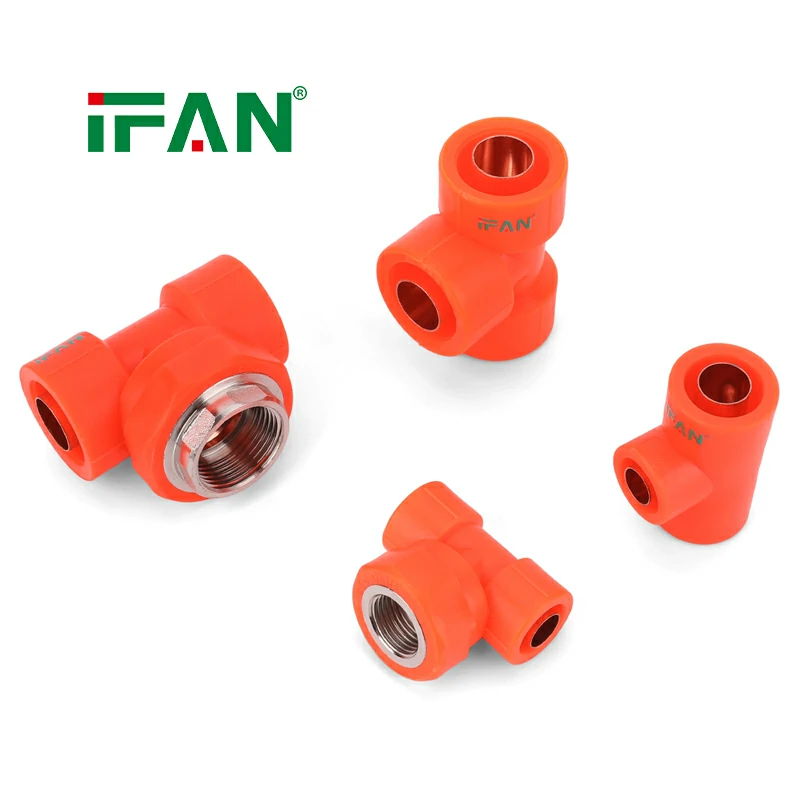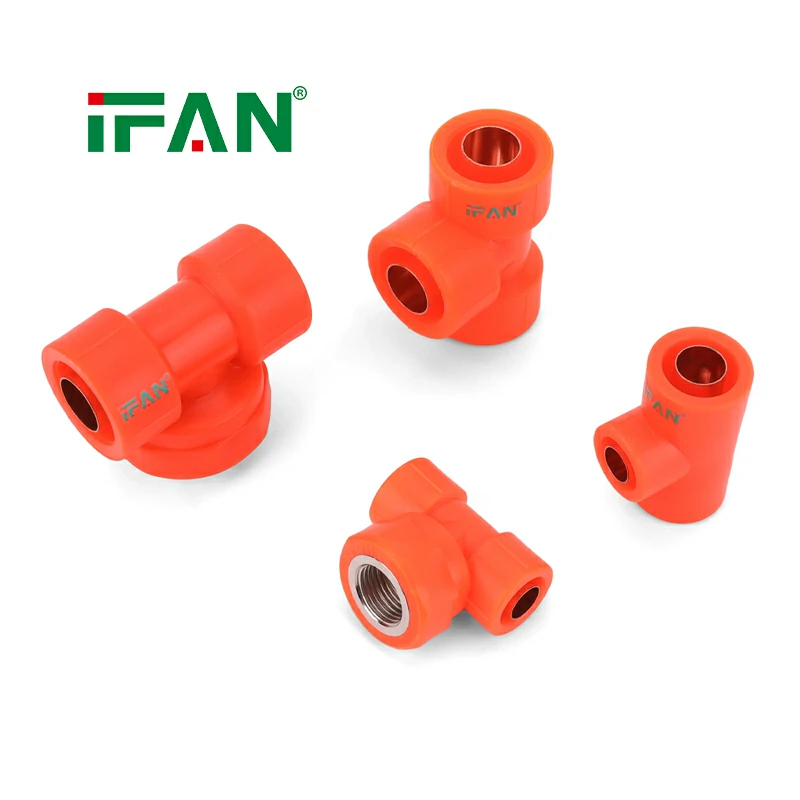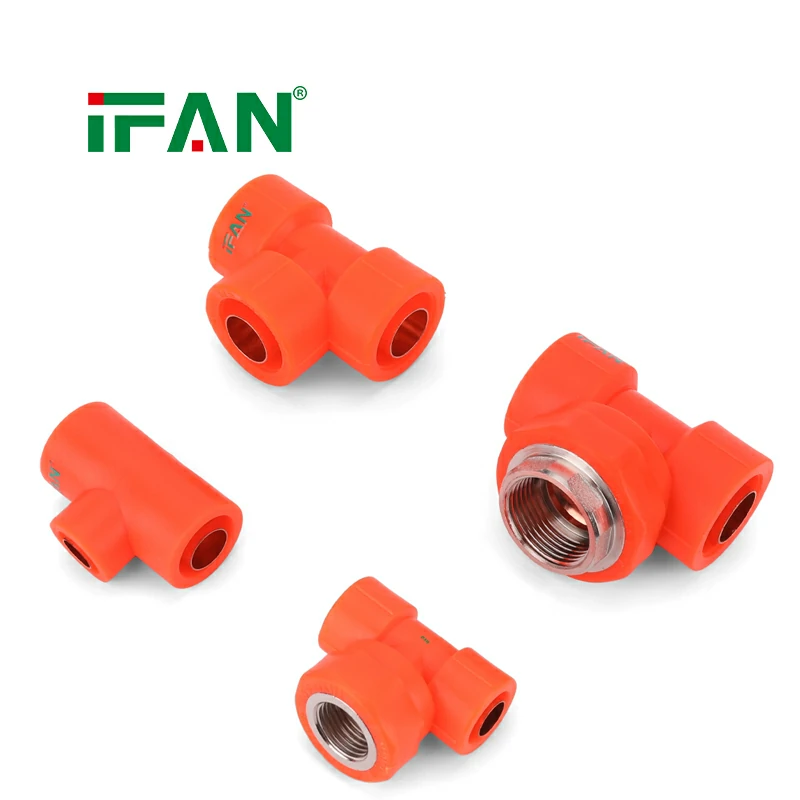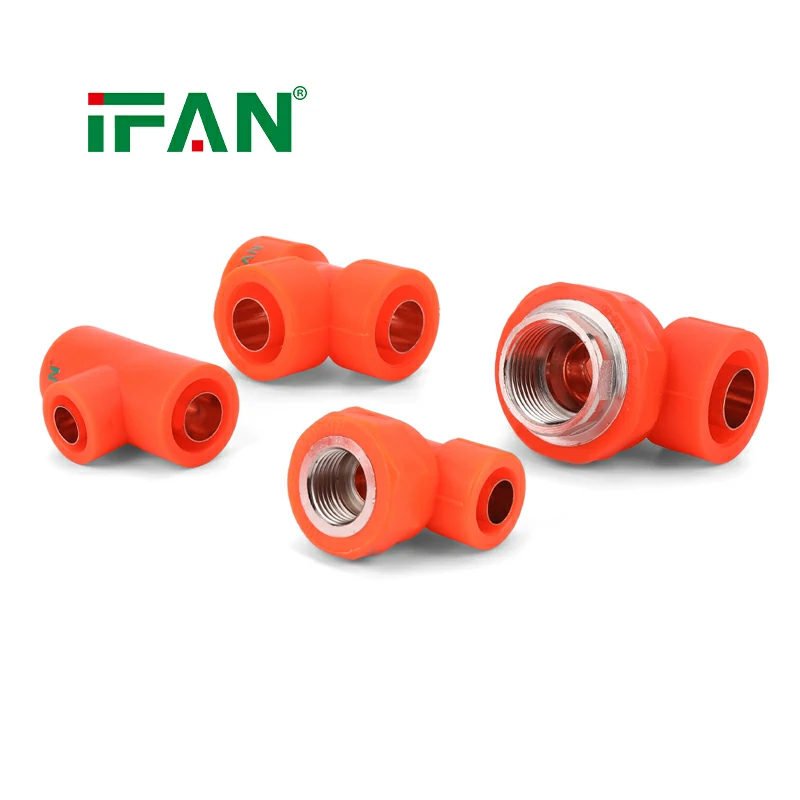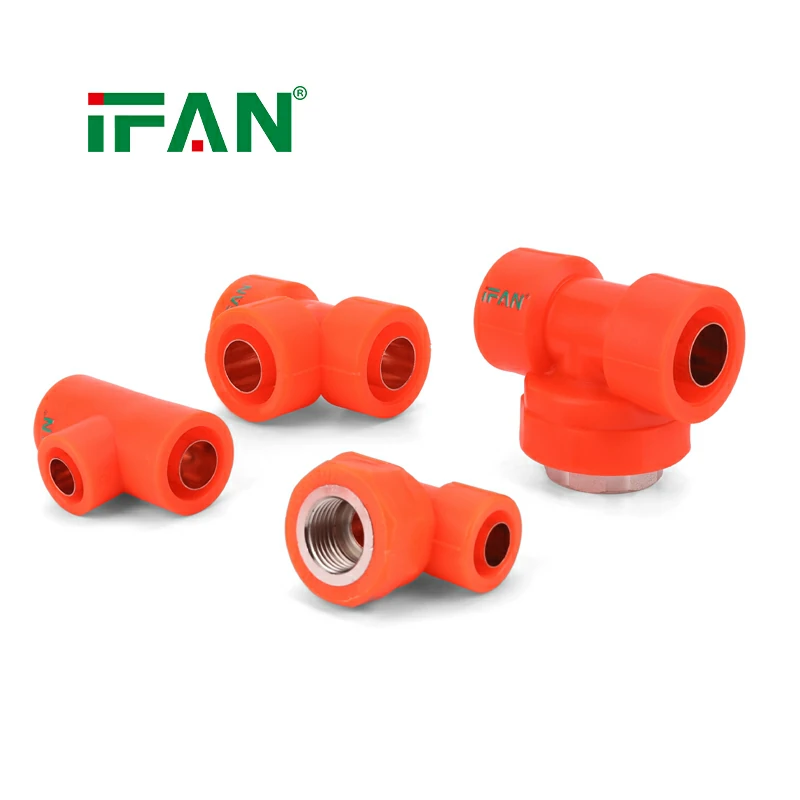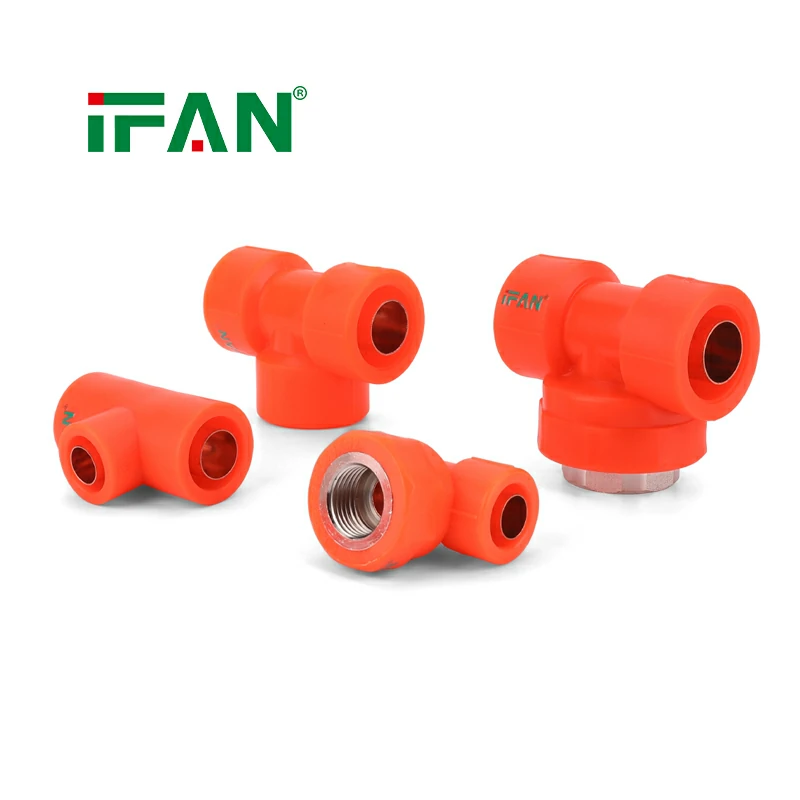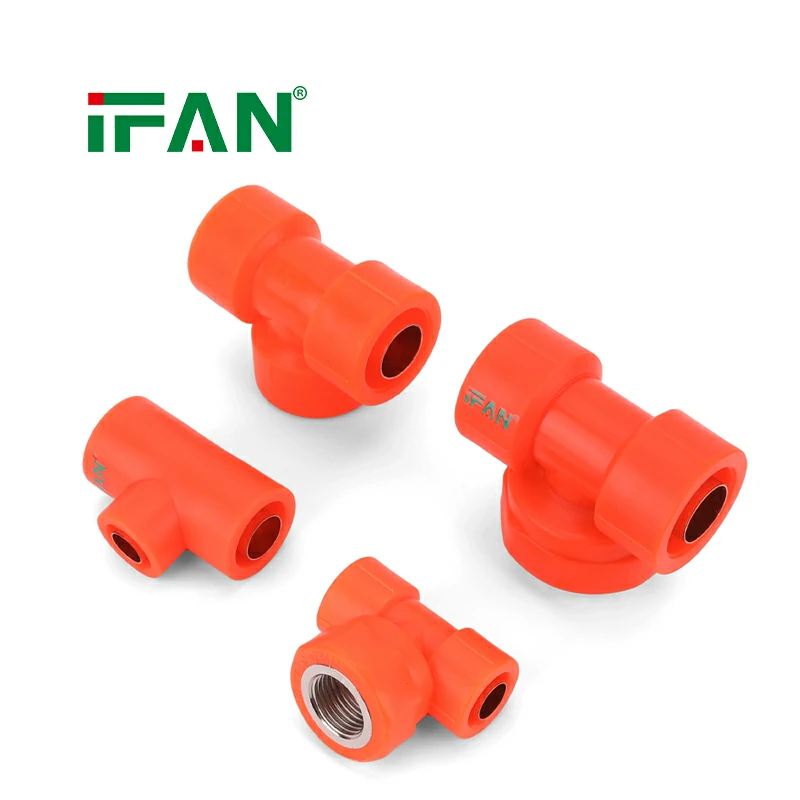
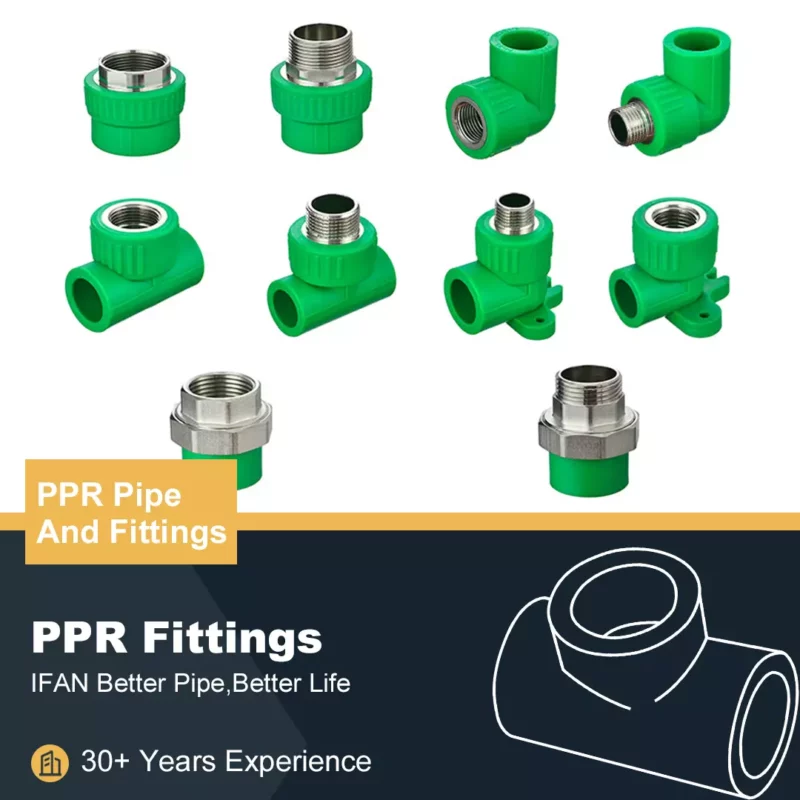
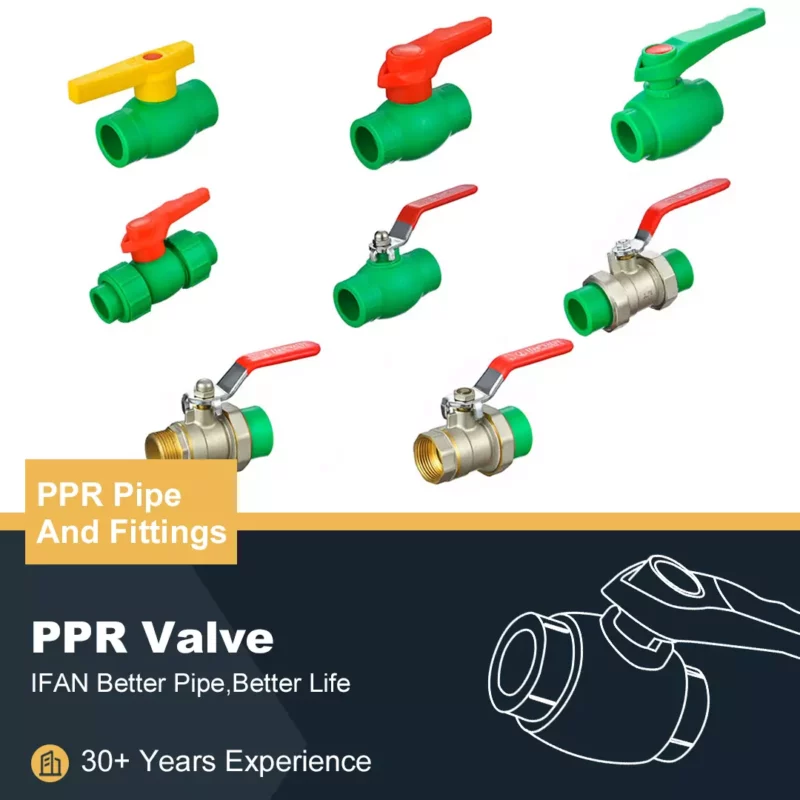
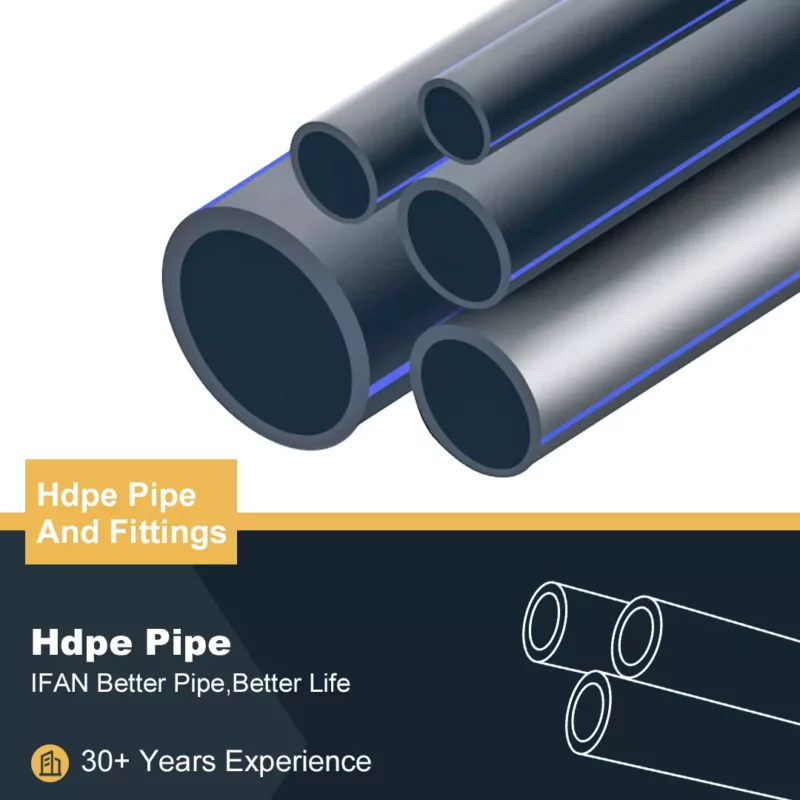
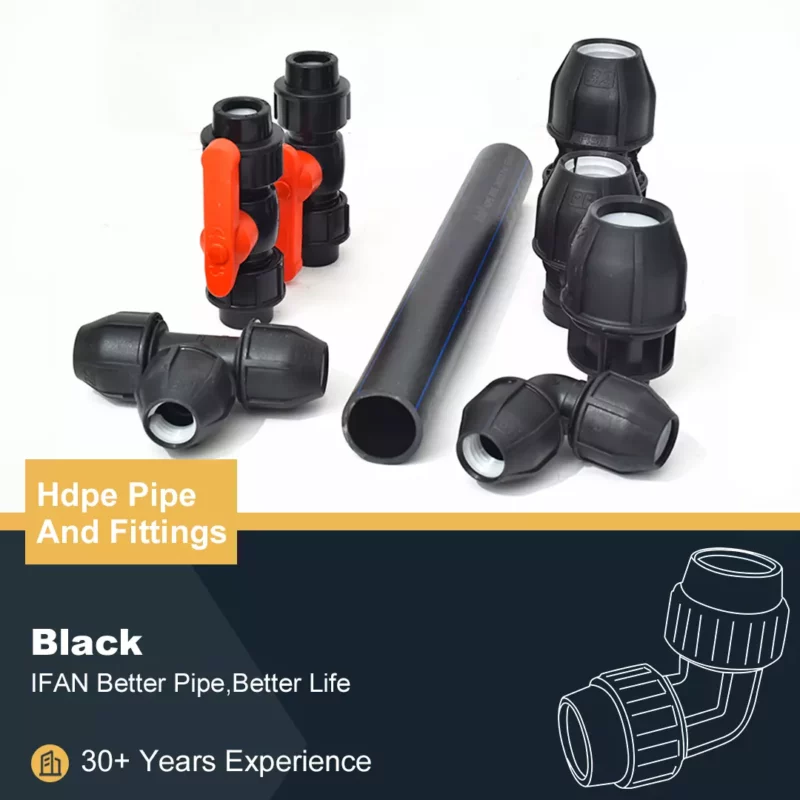
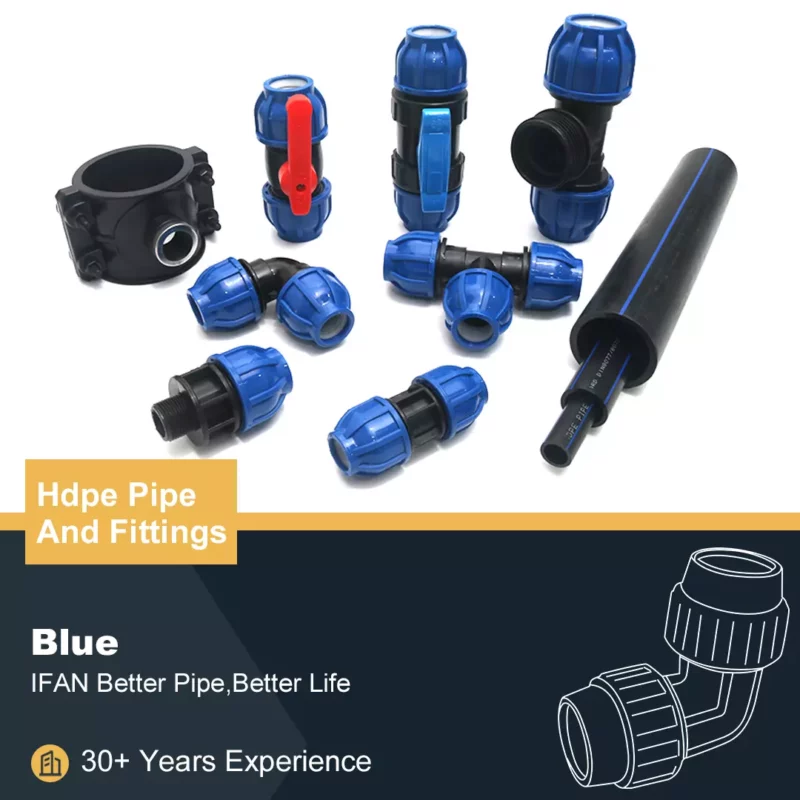
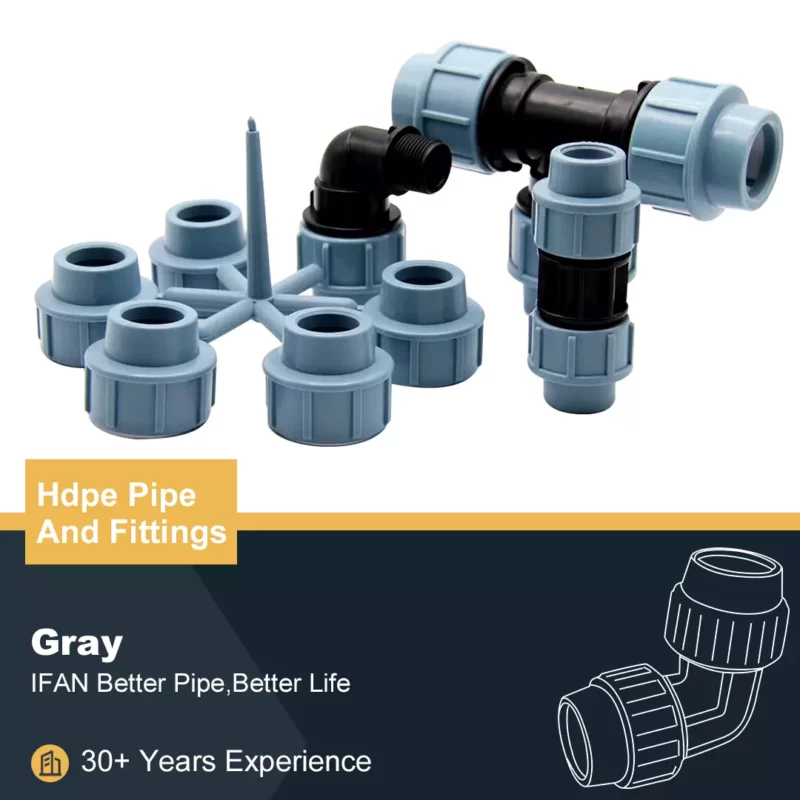


Introduction to PPR Pipe
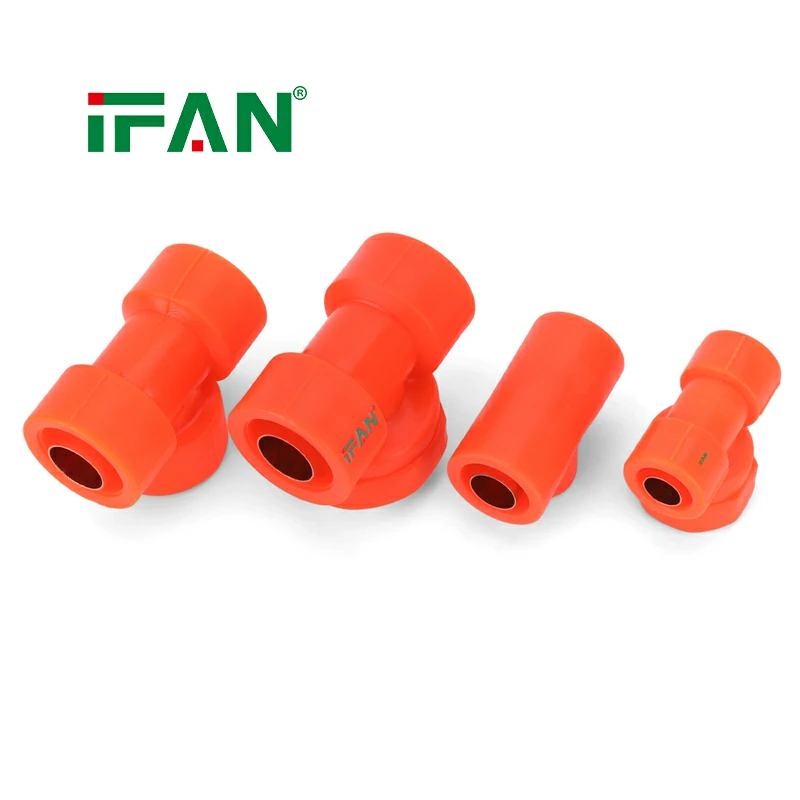
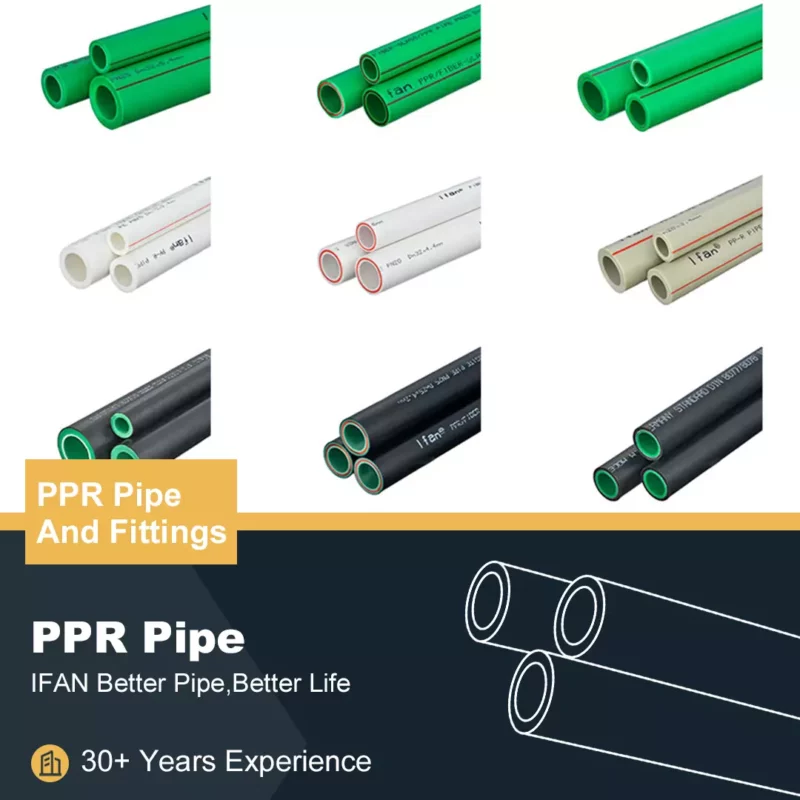
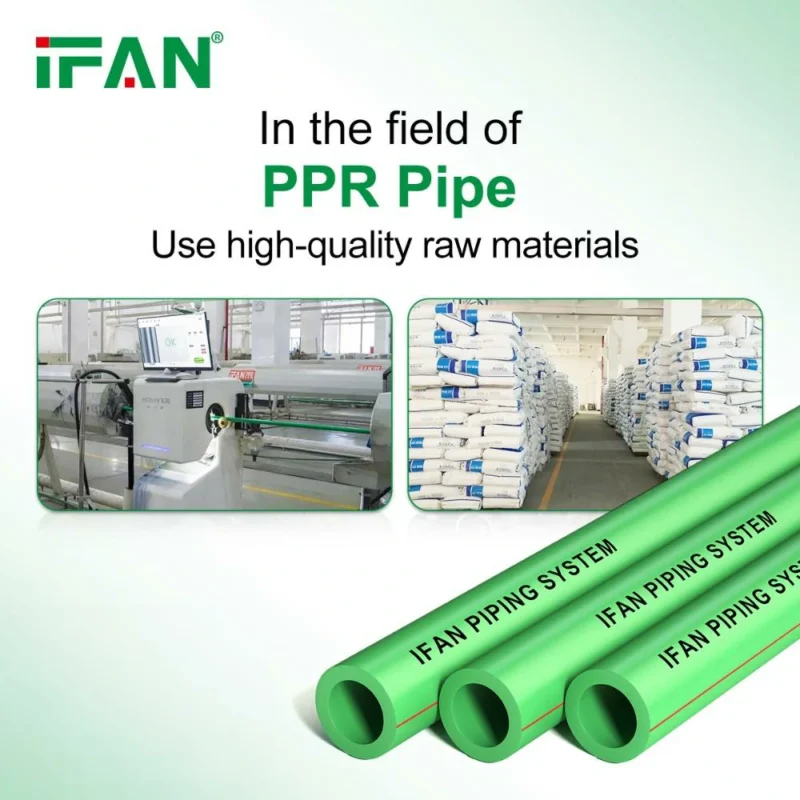
PPR stands for Polypropylene Random Copolymer. It is widely used in piping systems today. Known for its chemical resistance, thermal stability, and durability, PPR pipe is ideal for industrial fluid transport. It is commonly used in chemical plants, water treatment facilities, and manufacturing environments.
PPR piping systems are available in various sizes and pressure ratings. These pipes are joined using heat fusion, creating strong, leak-proof connections. PPR is suitable for transporting both hot and cold fluids. Its long lifespan and performance make it the preferred choice for many industrial applications.
Key Properties of PPR Material
PPR is a thermoplastic polymer with excellent physical and chemical properties. It offers high resistance to corrosion, pressure, and chemical exposure. These qualities are essential in industrial fluid systems where reliability is critical.
The material is non-toxic and suitable for transporting drinking water. It also withstands aggressive substances such as acids, alkalis, and salts. PPR has a smooth internal surface, which reduces pressure loss and prevents scaling. These properties ensure consistent flow and long-term performance in fluid transport systems.
Durability and Service Life
PPR pipes are highly durable, offering a service life of over Long-term durability according to standards. This longevity reduces the need for frequent replacement. The material resists wear, stress cracking, and mechanical damage.
In industrial settings, this durability translates to fewer shutdowns and lower maintenance costs. The pipe’s resistance to temperature fluctuations also enhances its long-term performance. Whether exposed to hot liquids or harsh chemicals, PPR maintains its structural integrity.
Compared to metal or PVC, PPR provides a longer and more stable operating lifespan. This makes it ideal for permanent installations in critical systems.
Temperature and Pressure Resistance
PPR pipes are designed to handle high temperatures and pressures. They can withstand temperatures up to 95°C continuously and up to 110°C temporarily. This makes them suitable for hot water and steam systems.
PPR also performs well under pressure. It is commonly rated for PN10, PN16, or PN20 pressure classes. These ratings meet the demands of various industrial fluid systems. Pressure capacity decreases slightly with high temperature, but remains within safe operational limits.
For industries handling heated fluids or pressurized lines, PPR offers reliable and consistent performance.
Chemical Resistance Advantage
One of the strongest benefits of PPR pipes is their chemical resistance. They can handle a wide range of aggressive chemicals found in industrial processes. This includes acids, bases, and various salts.
Unlike metal pipes, PPR does not corrode or scale. Chemical deposits are minimized due to its smooth surface and inert properties. This helps preserve fluid purity and system efficiency.
In environments like chemical plants or laboratories, this resistance is essential. PPR ensures that transported fluids remain uncontaminated and the pipe remains functional over time.
Low Thermal Conductivity
PPR has low thermal conductivity compared to metal pipes. This means it retains fluid temperature better, reducing energy loss. In systems requiring temperature control, this property is crucial.
Insulation may not be necessary for some applications, reducing material costs. Heat loss in hot water or steam systems is significantly minimized. Similarly, cold fluids maintain temperature longer without condensation.
This makes PPR efficient in HVAC systems, cooling circuits, and industrial water supply lines. It supports energy savings and enhances overall system efficiency.
Simple and Secure Installation
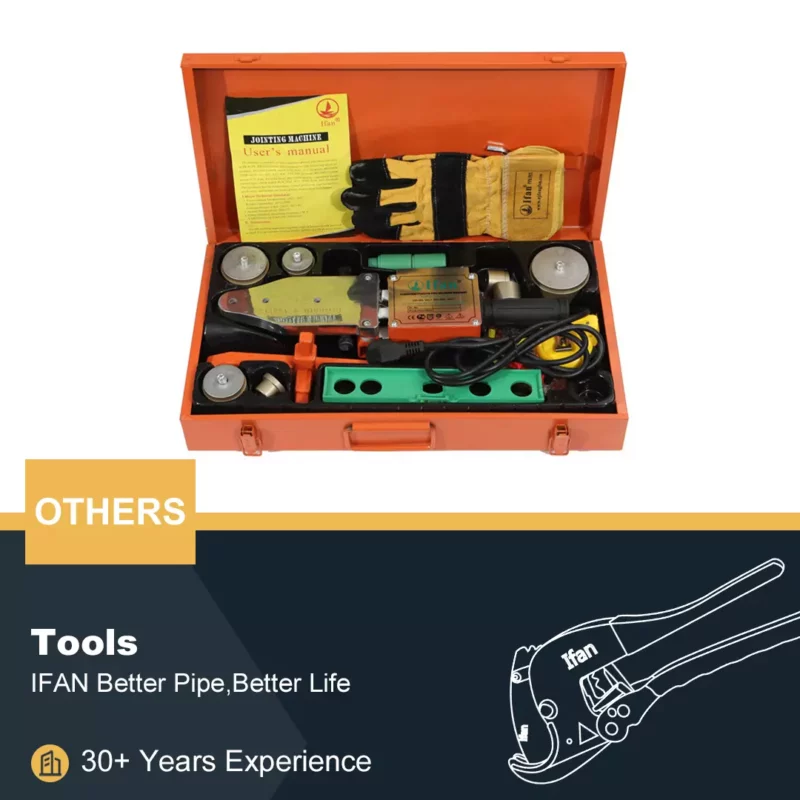
PPR pipe installation is fast and secure using heat fusion welding. This method creates a homogeneous joint between pipe and fitting. The fused joint is as strong as the pipe itself, with no weak points.
No adhesives or solvents are required, reducing environmental and safety risks. The welding process also allows for quick installation in confined or complex layouts. Because it forms leak-free connections, maintenance is reduced after installation.
Installers can easily cut and join PPR pipes with minimal training. This simplicity benefits large-scale industrial projects with tight deadlines.
Cost Efficiency in Industrial Projects
PPR piping offers excellent value in both material and installation costs. It is cheaper than many metal alternatives and lasts longer than PVC. Reduced maintenance and fewer repairs also contribute to lower long-term costs.
Energy efficiency from low heat loss further adds to savings. Installation is quicker and less labor-intensive due to its lightweight and fusion-welding process. With fewer fittings and secure joints, the risk of failure is reduced.
For industrial applications that require budget-conscious yet reliable solutions, PPR delivers a balanced performance-cost ratio.
Environmental and Health Benefits
PPR is a recyclable and non-toxic material. It does not release harmful substances during use or installation. This makes it environmentally friendly and safe for transporting drinking water and chemicals.
Because it resists corrosion and leaching, it helps maintain fluid purity. Its smooth interior surface also reduces bacterial growth, a key factor in sensitive environments. PPR contributes to clean operations in industries like food processing and pharmaceuticals.
At the end of its life cycle, PPR can be recycled and reused, supporting sustainability goals. These factors make it a responsible choice for modern industries.
Industrial Applications of PPR Pipe
PPR pipes are used in various industrial sectors. In the chemical industry, they transport aggressive fluids without degradation. In HVAC systems, they handle hot and cold water efficiently.
In food and beverage plants, PPR maintains hygiene and resists contamination. Water treatment facilities use it for its long life and corrosion resistance. Pharmaceutical industries rely on its clean, inert nature.
PPR is also used in compressed air systems, industrial cooling, and geothermal systems. Its performance across diverse applications proves its versatility and reliability.
Limitations and Considerations
Despite its many advantages, PPR has some limitations. It is not UV resistant and must be protected from sunlight. For outdoor installations, insulation or casing is required.
At extremely high temperatures, long-term pressure capacity may reduce. Engineers must account for this in system design. PPR is also more flexible than metal, which may require additional support in long horizontal runs.
Proper fusion welding techniques are essential for leak-proof joints. Installers must be trained and use appropriate tools. With correct planning and execution, these issues are manageable.
Conclusion
PPR pipe is a preferred solution for industrial fluid transport due to its strength, reliability, and cost-effectiveness. It handles high temperatures, pressures, and aggressive chemicals with ease. Its long service life, energy efficiency, and low maintenance needs make it ideal for demanding environments.
From chemical plants to HVAC systems, PPR delivers outstanding performance. Its ease of installation and eco-friendly characteristics further support its growing popularity. For industries seeking dependable piping systems, PPR remains a smart and proven choice.
If you have read this article and have any questions, please feel free to contact IFAN. Below is our contact information:
Whatsapp:+86 13373827623
Email:[email protected]