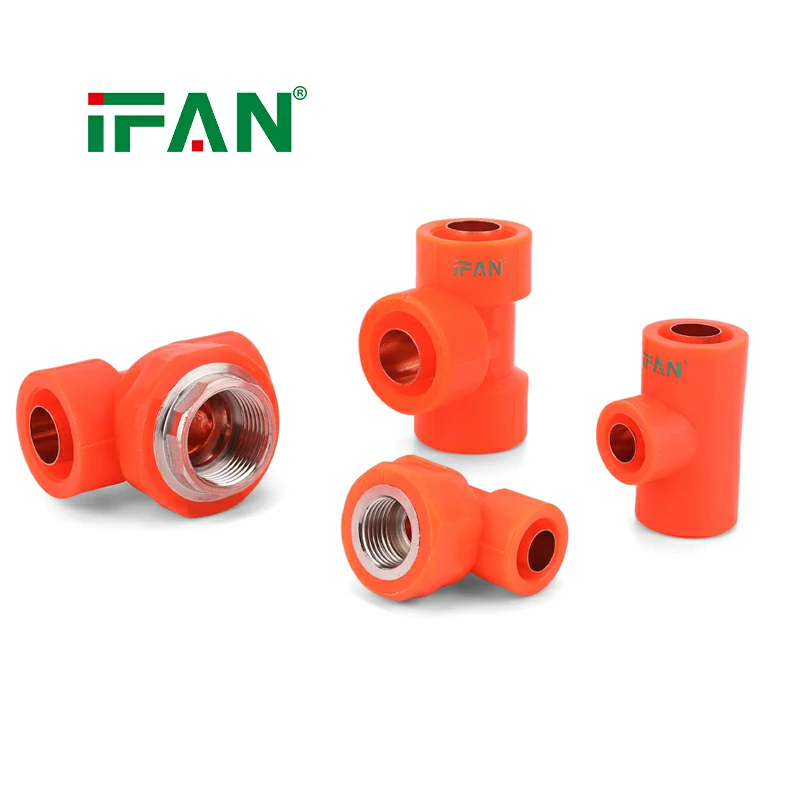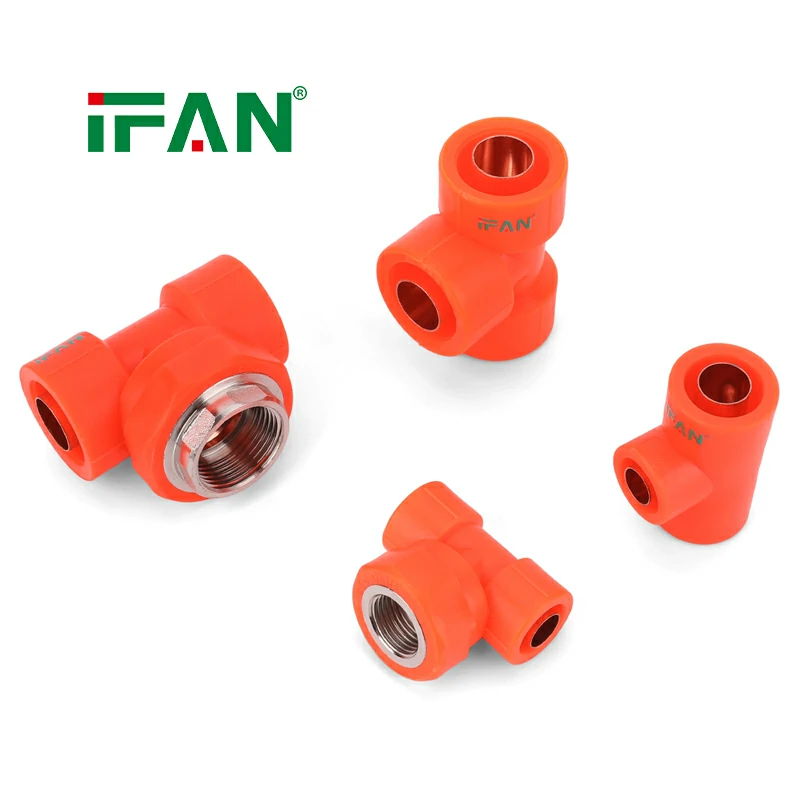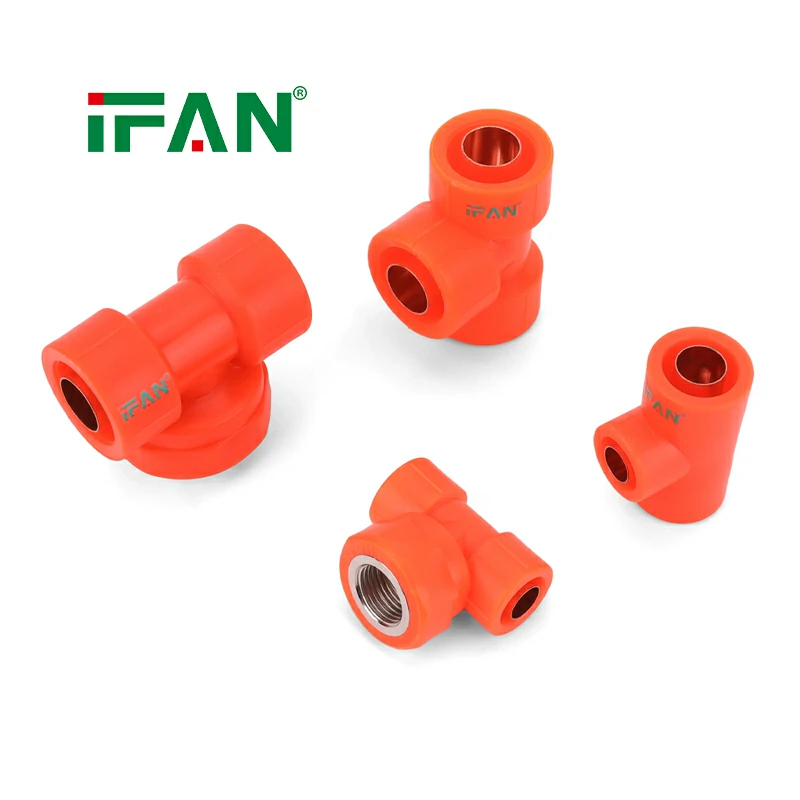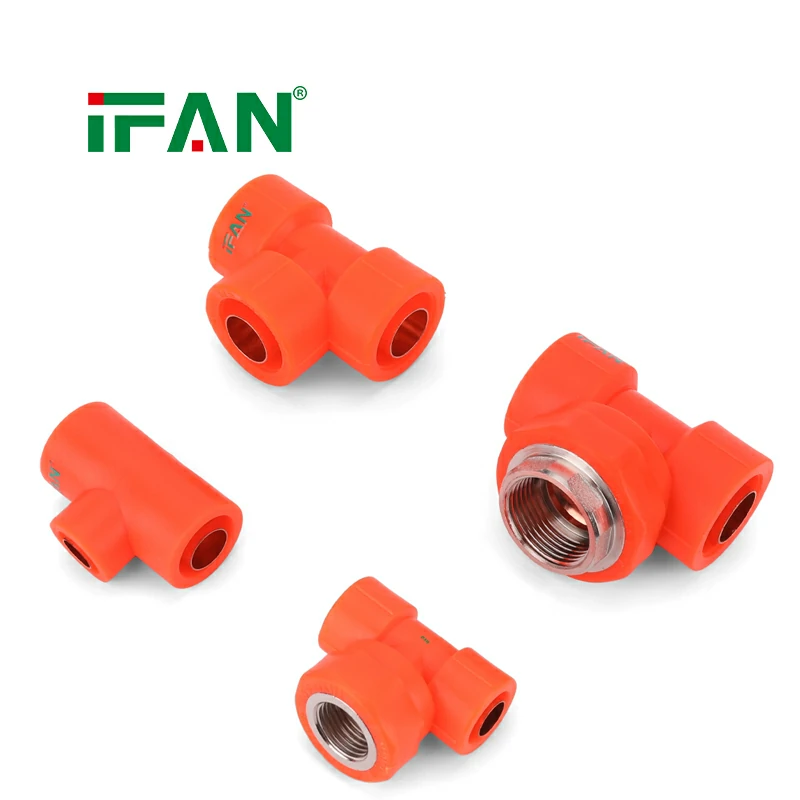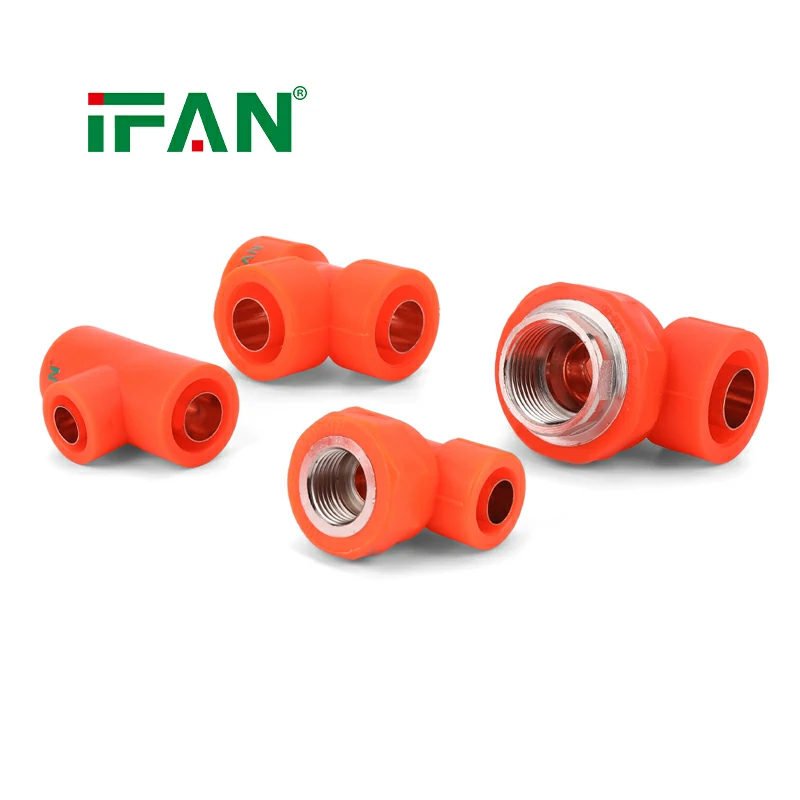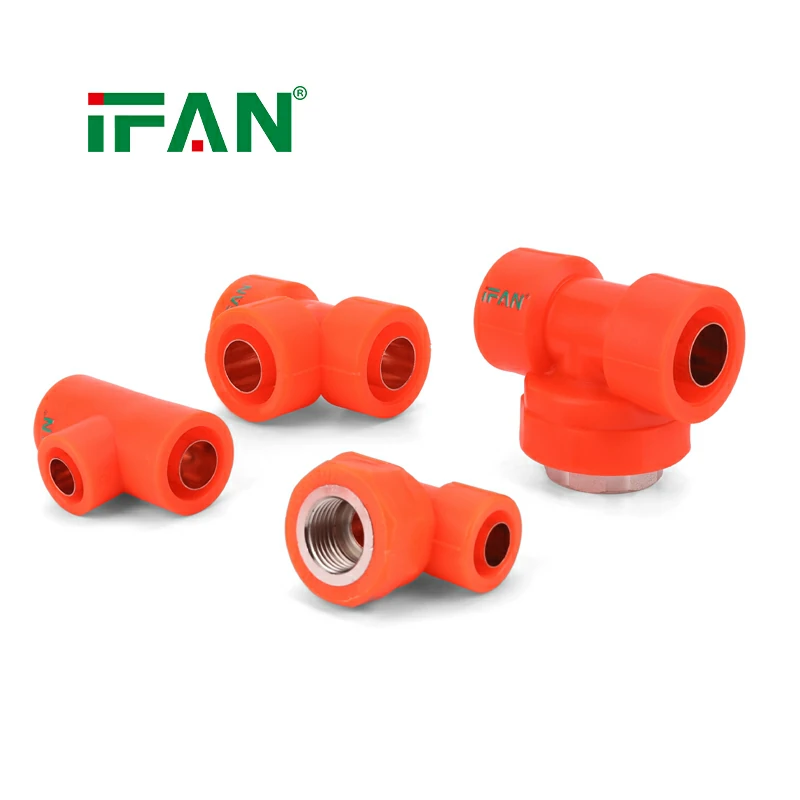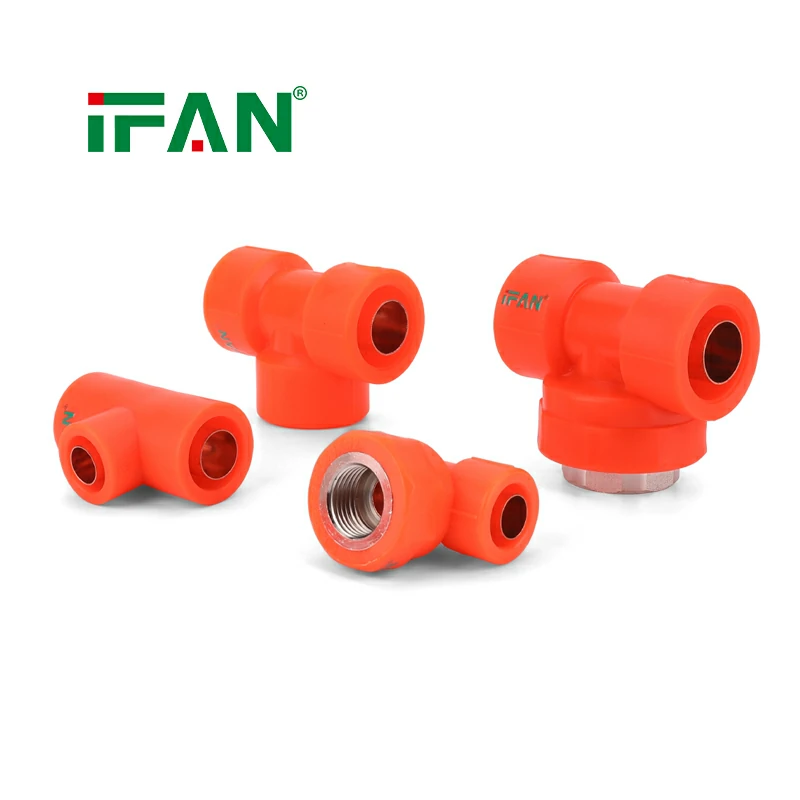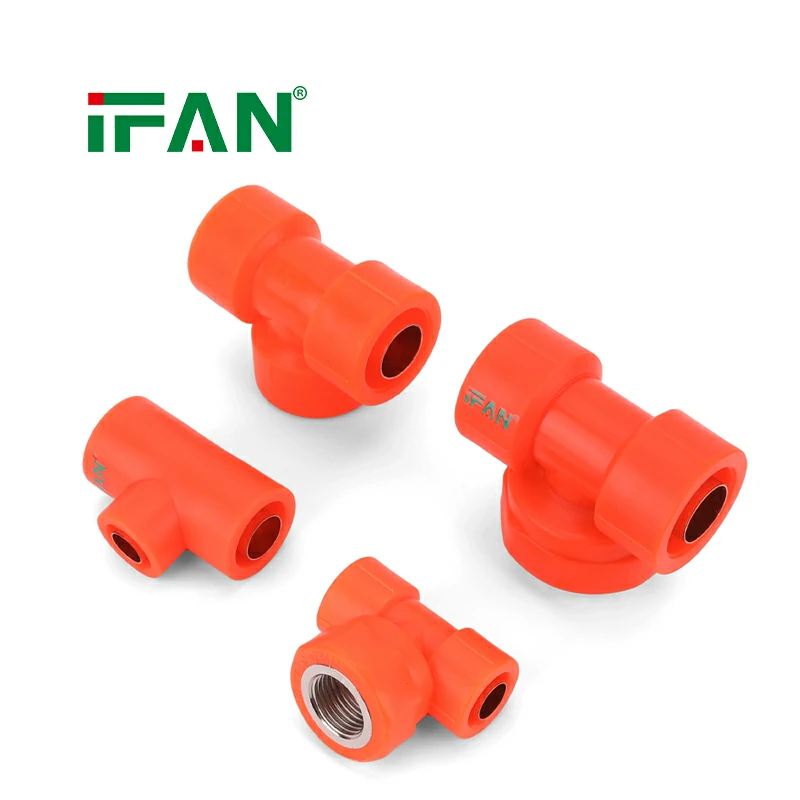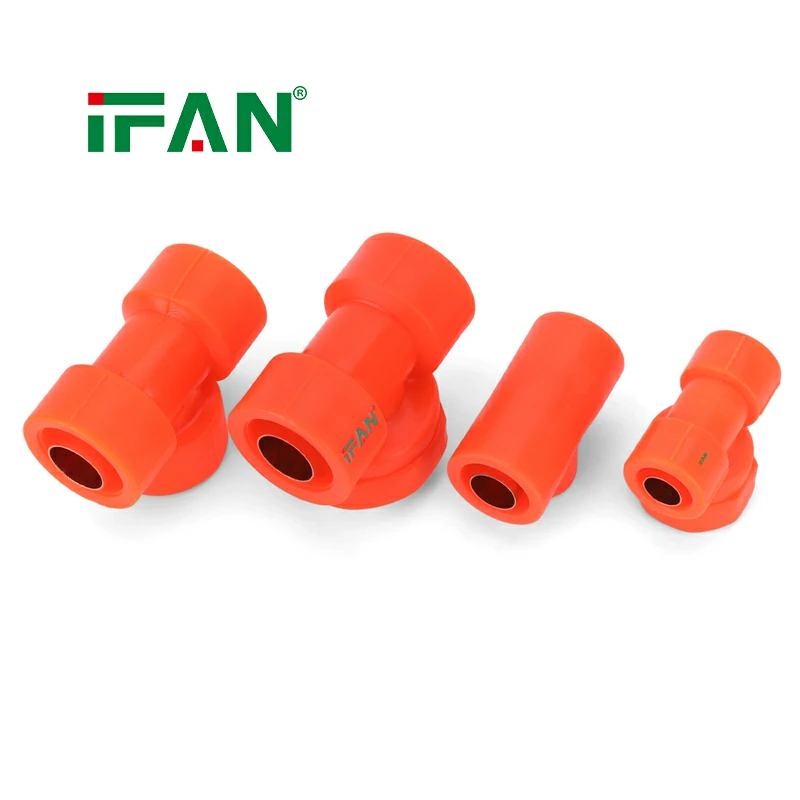
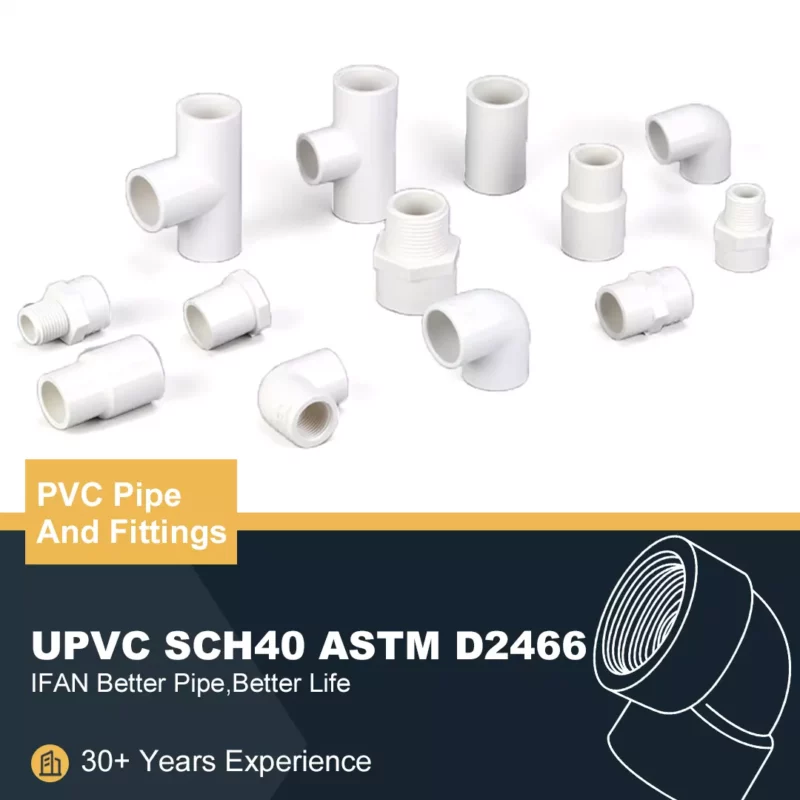
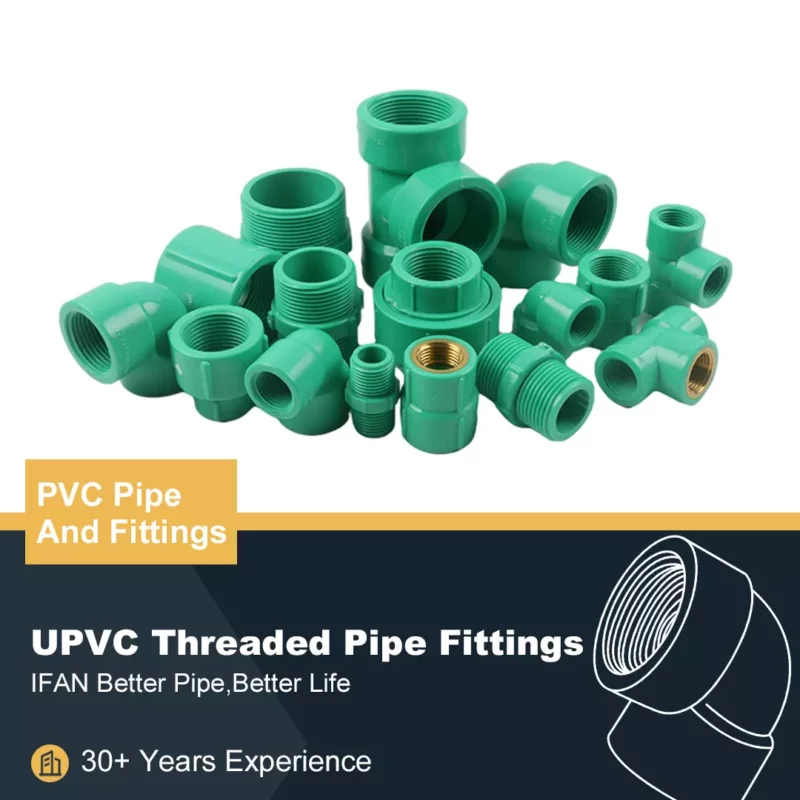
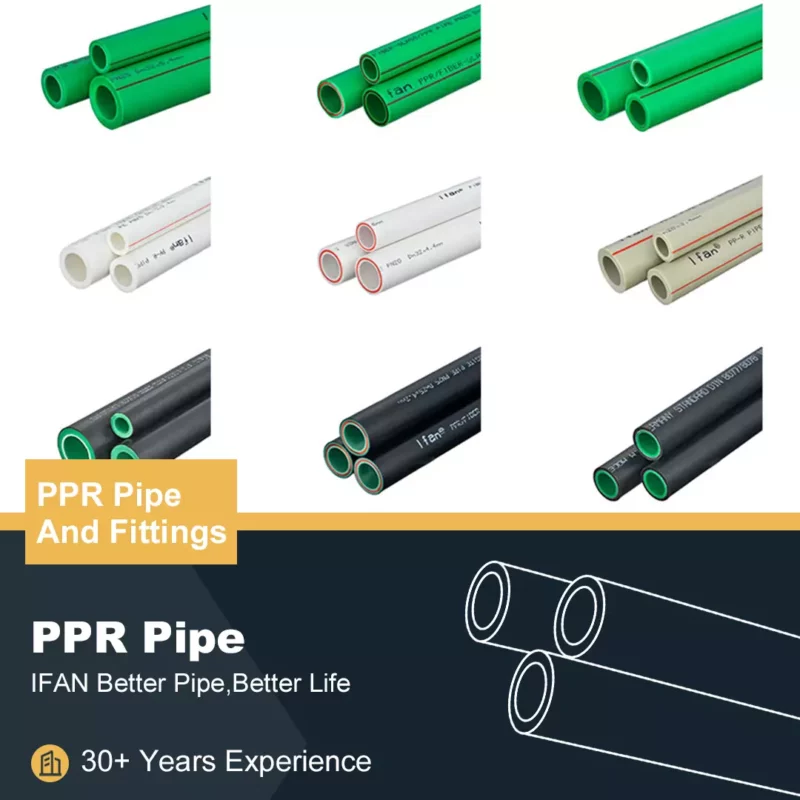
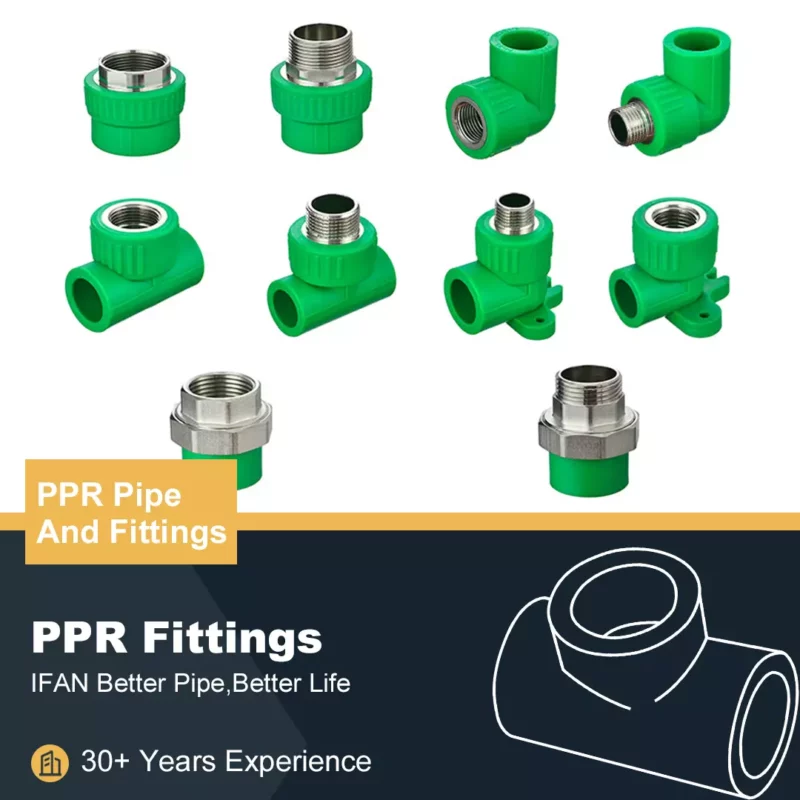
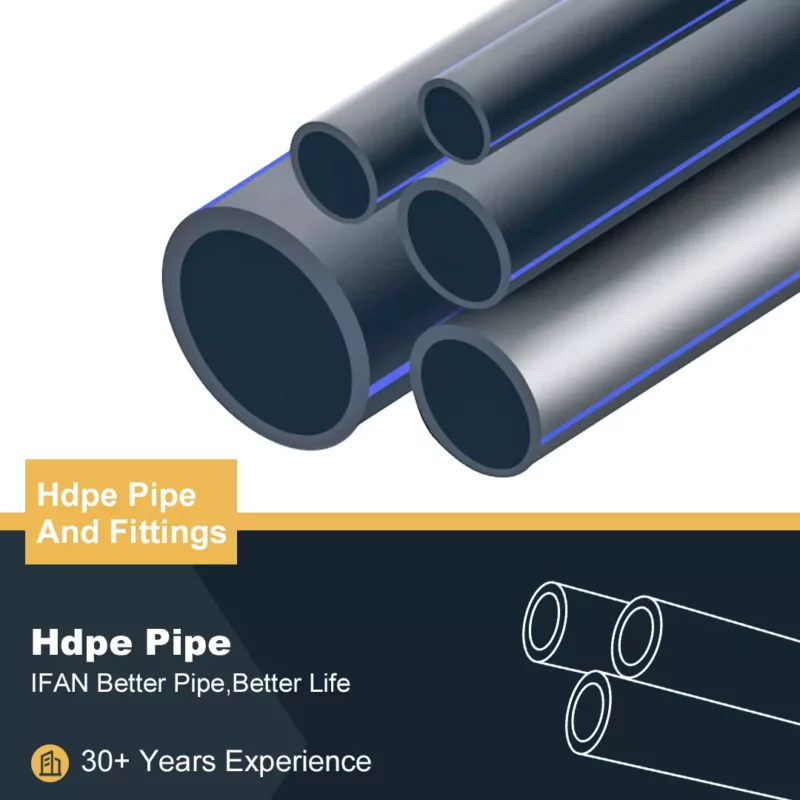
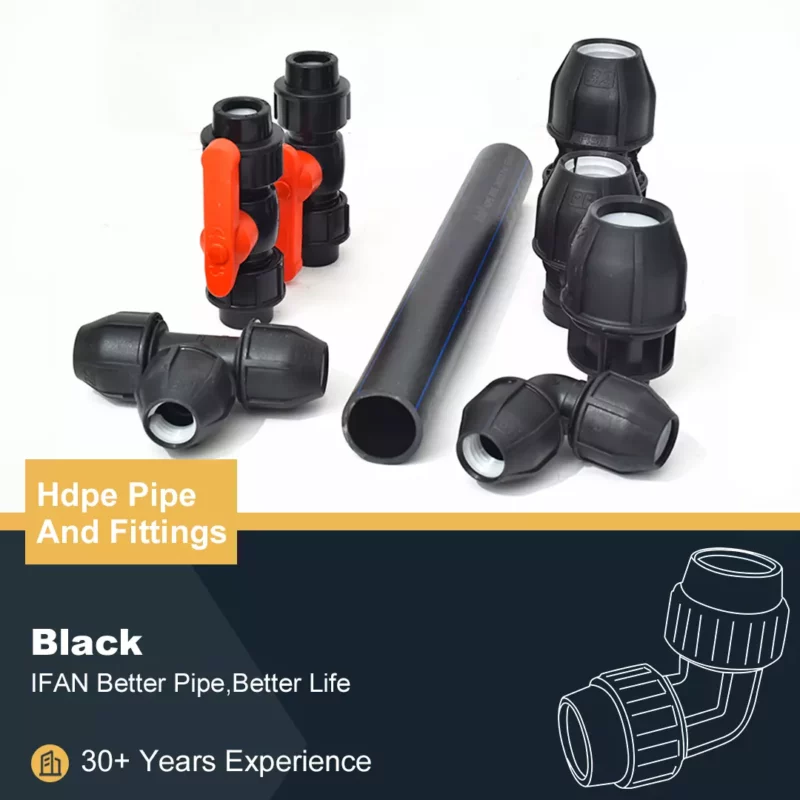
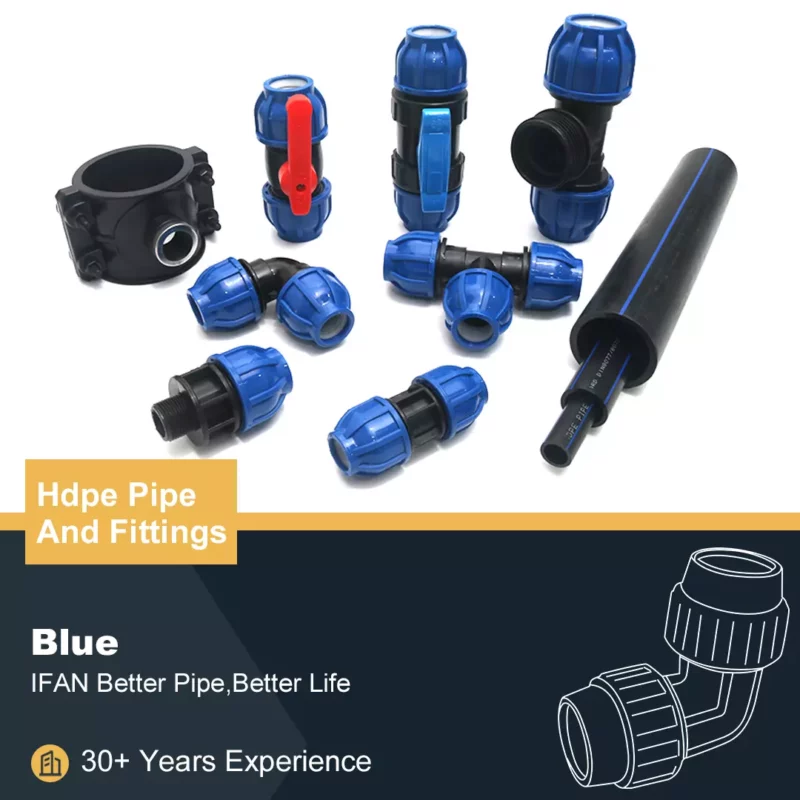
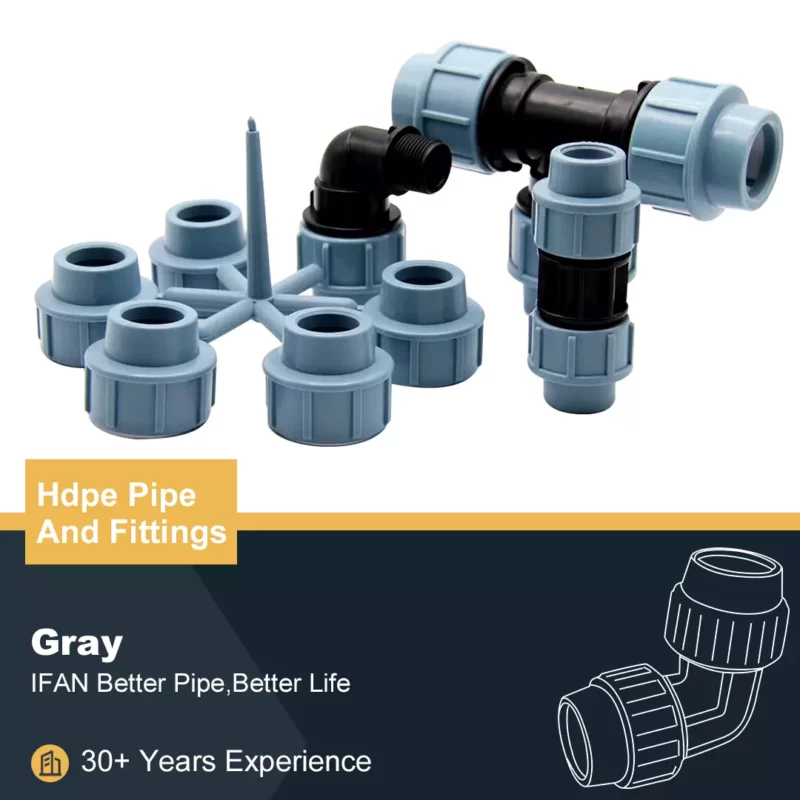


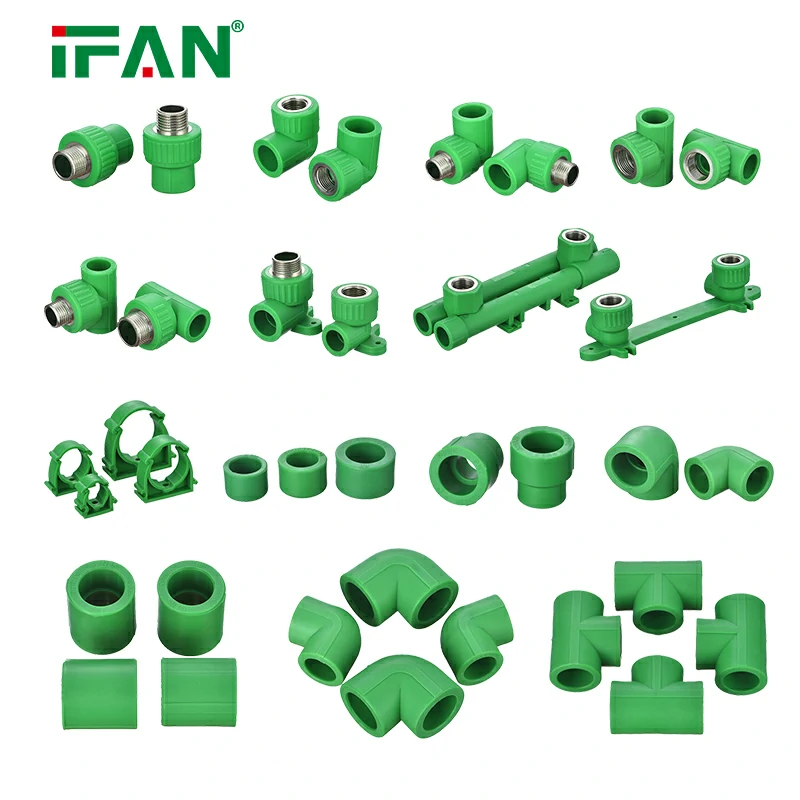
PPR (Polypropylene Random Copolymer) pipe fittings have become a preferred choice for hot water systems worldwide. Their excellent thermal resistance, chemical stability, and long lifespan make them highly suitable for domestic and commercial plumbing. This article explains why PPR fittings are ideal for hot water applications and how they outperform traditional materials.
High Temperature Resistance for Safe Hot Water Use
PPR fittings are specifically designed to handle high water temperatures. They can withstand continuous temperatures up to 70°C. For short durations, they can tolerate spikes up to 95°C without losing strength. This makes them ideal for water heating systems in homes, hotels, and industries. Traditional materials like PVC may soften or deform under high heat. PPR maintains its shape and strength, ensuring safe operation over time. Its thermal stability also prevents joint failures or pipe bursts caused by hot water pressure. This reliability makes PPR the preferred material for hot water plumbing installations across multiple sectors.
Excellent Thermal Insulation Reduces Heat Loss
PPR pipe fittings offer superior thermal insulation compared to metal alternatives. Their low thermal conductivity helps retain heat in hot water systems. This reduces energy loss as water travels through the pipe network. Insulated fittings mean hot water reaches outlets faster and stays hot longer. This improves energy efficiency and reduces water heating costs. In residential and commercial buildings, this feature supports green energy goals. It also provides added comfort, especially in cold climates. By maintaining water temperature, PPR fittings ensure consistent performance without the need for extra insulation materials.
Strong Pressure Performance at Elevated Temperatures
Hot water systems often operate under pressure. PPR pipe fittings are engineered to perform reliably under both heat and pressure. At high temperatures, materials tend to weaken, but PPR retains its strength. Its pressure resistance remains stable, reducing the risk of system failure. PPR fittings are tested for use in pressurized hot water supply systems. They are widely used in central heating systems, high-rise buildings, and industrial boilers. The fittings form strong, fused joints that handle thermal and mechanical stress without leaking. This dependable pressure performance ensures long-term safety in demanding environments.
Corrosion-Free Material Extends System Lifespan
One of the greatest advantages of PPR is its resistance to corrosion. Hot water often accelerates corrosion in metal pipes and fittings. PPR, however, is immune to rust and chemical degradation. It does not react with minerals, salts, or chlorine in the water. This stability is critical in hot water systems where metal fittings may quickly fail. PPR fittings do not corrode from inside or outside, extending the system’s life. The material stays smooth and clean over time, maintaining efficient flow. Corrosion resistance also preserves water quality, making PPR suitable for domestic hot water applications.
Safe and Hygienic for Domestic Use
Hot water systems in homes, hospitals, and schools must be safe and hygienic. PPR pipe fittings are non-toxic and do not leach harmful substances into water. They meet international health and safety standards for potable water use. Unlike some plastic materials, PPR does not release chemicals when exposed to heat. The smooth inner surface prevents bacterial growth, ensuring clean water even at high temperatures. This makes PPR a safe choice for showers, kitchen taps, and hot water storage tanks. Its hygienic properties are especially valuable in healthcare and food service facilities.
Seamless Heat Fusion Joints Prevent Leaks
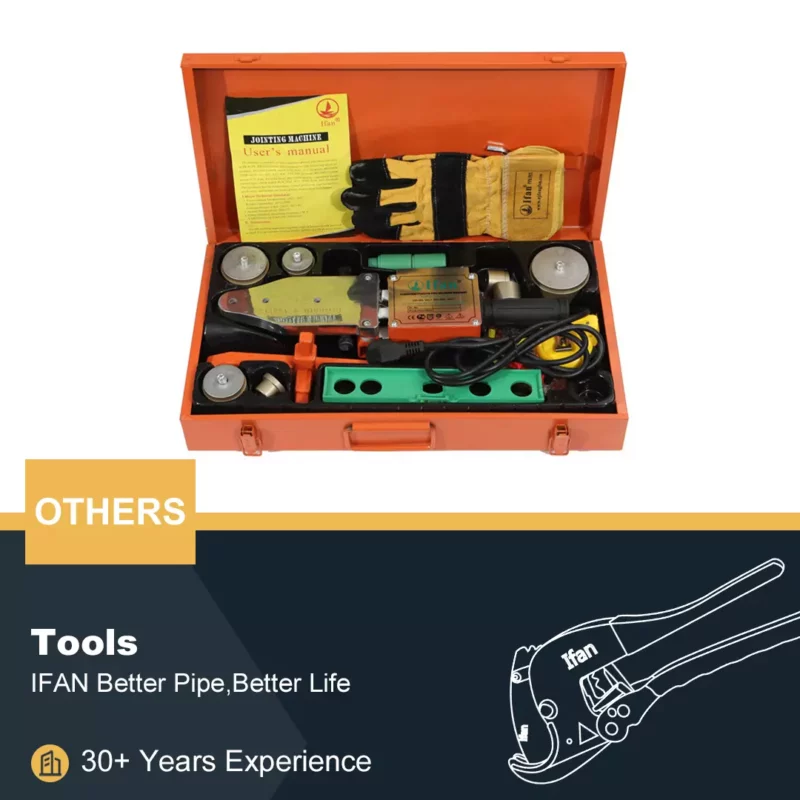
PPR fittings are joined using a heat fusion technique that creates a leak-free bond. This process melts the pipe and fitting together, forming one continuous piece. The resulting joint is as strong as the surrounding pipe. Unlike threaded or glued connections, there are no weak spots or sealing materials to fail. This technique is especially important in hot water systems where expansion and contraction can stress joints. Heat fusion creates durable, leak-proof connections that last for decades. With no metal parts or gaskets, the system stays secure even under extreme conditions.
Minimal Maintenance in Long-Term Use
PPR fittings require very little maintenance over their lifespan. Once installed correctly, they continue to perform reliably for more than Long-term durability according to standards. Hot water systems made with metal or rubber components often need regular inspection and replacement. In contrast, PPR systems experience very few failures or issues. Their corrosion resistance, strong joints, and temperature durability mean fewer service calls and less downtime. For homeowners, this reduces repair costs. For building operators, it ensures uninterrupted hot water supply. Maintenance-free operation is one of the reasons PPR is trusted in large infrastructure projects.
Lightweight and Easy to Install
PPR fittings are lightweight and simple to handle, making installation quicker and safer. Unlike heavy metal fittings, PPR parts can be carried and installed without special tools. The heat fusion process is easy to learn and requires only basic equipment. Installers can quickly create strong, sealed joints without glue, clamps, or soldering. This saves time on construction sites and lowers labor costs. The lightweight material also reduces stress on pipe supports and structural components. For renovations or retrofits, PPR makes it easier to update old hot water systems without extensive modification.
Cost-Effective Over the System Lifetime
Although the initial cost of PPR fittings may be higher than some alternatives, the long-term savings are significant. Their long lifespan, low maintenance, and energy efficiency reduce overall system costs. PPR systems suffer fewer breakdowns, which means fewer replacements and service calls. Their thermal insulation reduces heating expenses year-round. Labor costs during installation are also lower due to the easy joining process. When total system costs are calculated over 30 to Long-term durability according to standards, PPR proves to be a cost-effective solution for hot water systems in any setting.
Environmentally Friendly Plumbing Option
PPR pipe fittings support sustainable building practices. The material is recyclable and produces minimal waste during manufacturing. No harmful chemicals are released during installation, making it safe for workers and the environment. The energy-saving thermal insulation properties also contribute to lower carbon emissions. Compared to metal systems, PPR has a smaller environmental footprint from production to disposal. For green-certified buildings or environmentally responsible construction, PPR is a top choice. Its long life and low maintenance help reduce material consumption over time, supporting circular economy goals.
Conclusion: The Right Choice for Hot Water Systems
PPR pipe fittings offer a complete solution for reliable, safe, and efficient hot water systems. Their ability to withstand high temperatures and pressure, resist corrosion, and form leak-proof joints makes them ideal for long-term use. Whether in residential homes, commercial buildings, or industrial facilities, PPR fittings deliver consistent performance and minimal maintenance. Their hygienic qualities and energy-saving features add extra value to any hot water system. When considering durability, safety, and cost-effectiveness, PPR stands out as the best choice for modern plumbing. For hot water systems that last, PPR fittings are the smart and future-ready option.
If you have read this article and have any questions, please feel free to contact IFAN. Below is our contact information:
Whatsapp:+86 13373827623
Email:[email protected]